Attractions and Places To See around Santa Colomba De Somoza - Top 20
Best attractions and places to see around Santa Colomba De Somoza include a rich tapestry of cultural heritage, traditional architecture, and natural beauty. This Maragato village in León, Spain, is deeply connected to the historic Camino de Santiago and the traditional arriería trade. Visitors can explore well-preserved Maragato architecture, remnants of Roman gold mining operations, and the valleys and hills of the Montes de León. The area offers a blend of historical sites, cultural centers, and natural features for exploration.
Best attractions and places to see around Santa Colomba De Somoza
- The most popular attractions is Cathedral of Saint Mary of Astorga, a religious building that occupies the site traditionally believed to be the house of Santa Marta. It is one of the most impressive historical monuments in Astorga.
- Another must-see spot is Cruz de Ferro (Iron Cross), a man-made monument. This legendary landmark on the Camino Frances is where pilgrims traditionally leave a stone, symbolizing the casting off of burdens.
- Visitors also love Episcopal Palace of Astorga (Gaudí Palace), a neo-Gothic style building designed by Antoni Gaudí. It houses the Caminos Museum, showcasing art and history from the Diocese of Astorga.
- Santa Colomba De Somoza is known for its traditional Maragato architecture, historical sites related to the Camino de Santiago, and ancient Roman gold mine remains. The region offers a variety of cultural sites, natural landscapes, and historical landmarks to see and explore.
- The attractions around Santa Colomba De Somoza are appreciated by the komoot community, with over 460 upvotes and more than 280 photos shared.
Last updated: October 9, 2026
Cruz de Ferro (Iron Cross)
Highlight • Monument
(Source: wikipedia)
Translated by Google •
Tip by

Cathedral of Saint Mary of Astorga
Highlight • Religious Site
Translated by Google •
Tip by

Sign up now to discover places like this
Get recommendations on the best single tracks, peaks, & plenty of other exciting outdoor places.
Episcopal Palace of Astorga (Gaudí Palace)
Highlight • Castle
Translated by Google •
Tip by
Rabanal del Camino — Village and Church
Highlight • Settlement
Translated by Google •
Tip by
Trail to Foncebadón
Highlight (Segment) • Trail
Translated by Google •
Tip by
Sign up for free to discover even more attractions around Santa Colomba De Somoza.
Already have an account?
Start today with a free account
Your next adventure awaits.
Popular around Santa Colomba De Somoza
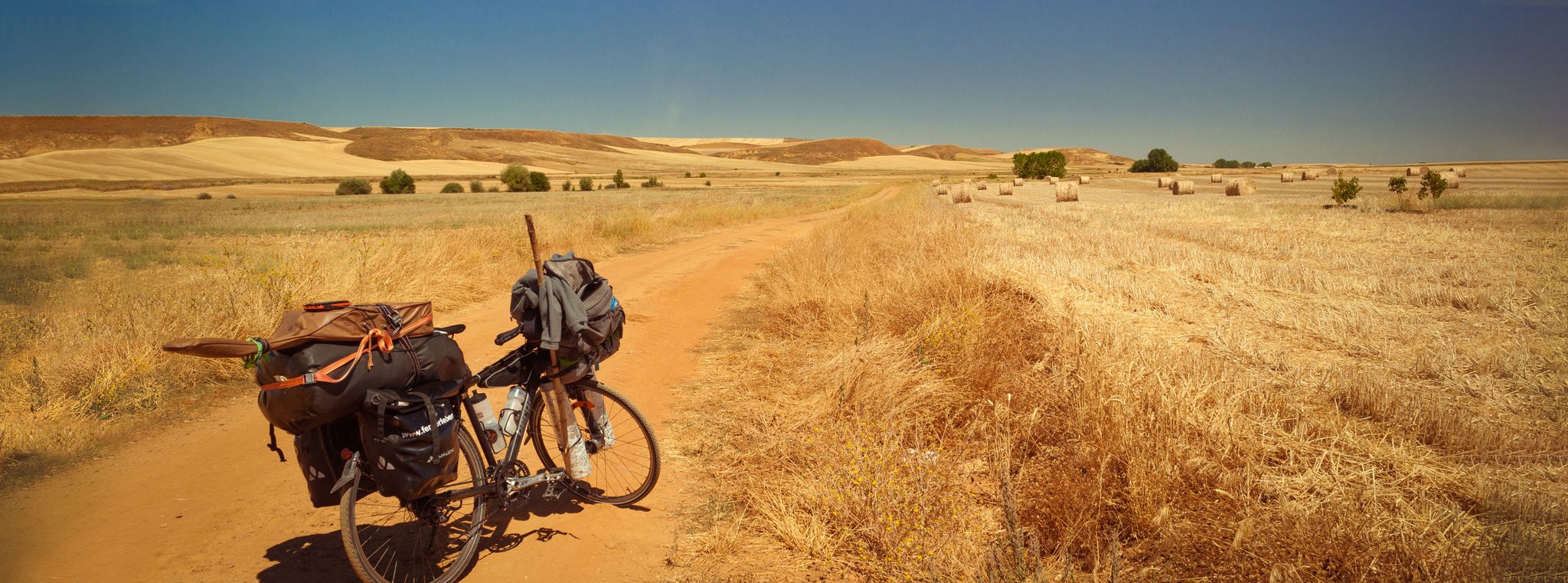
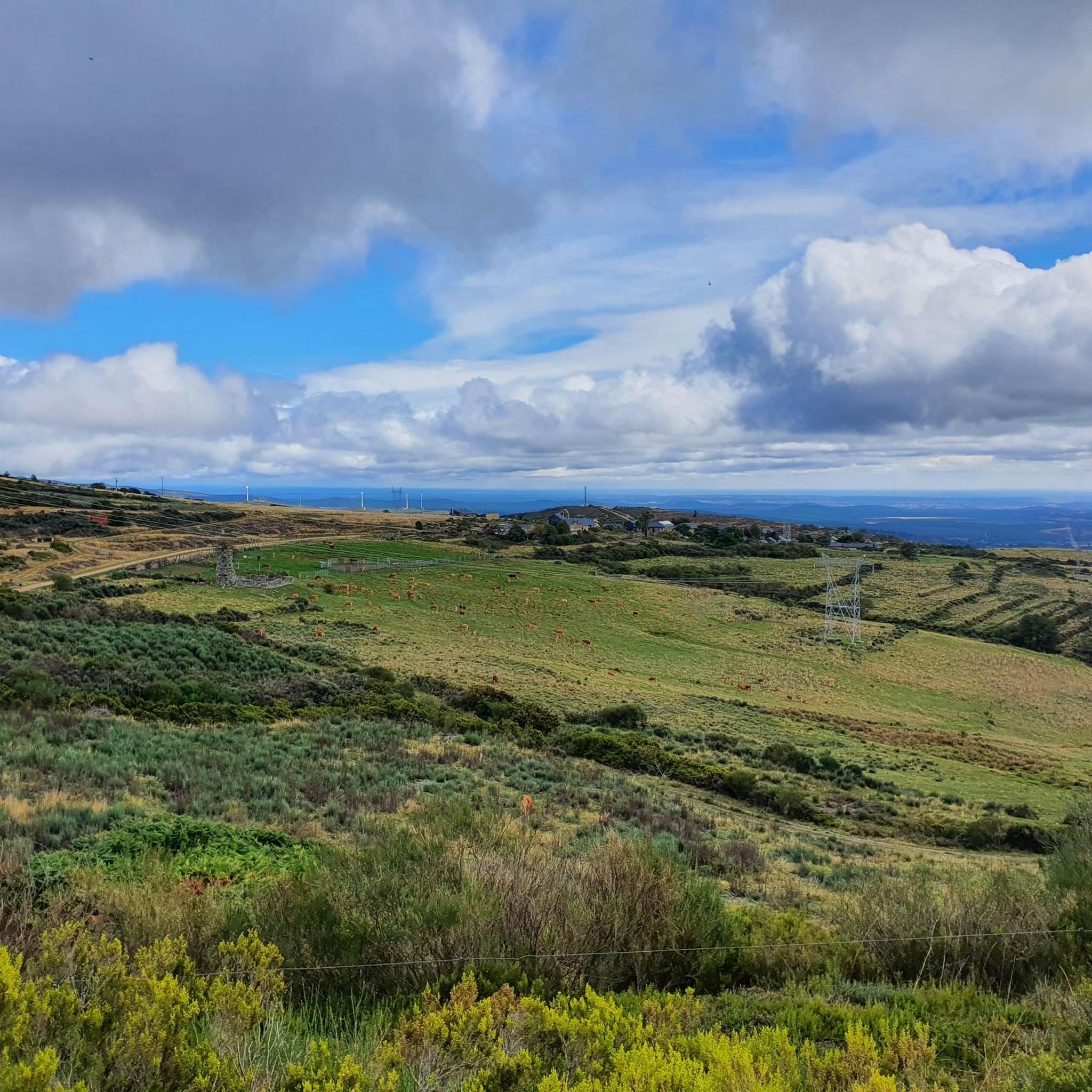
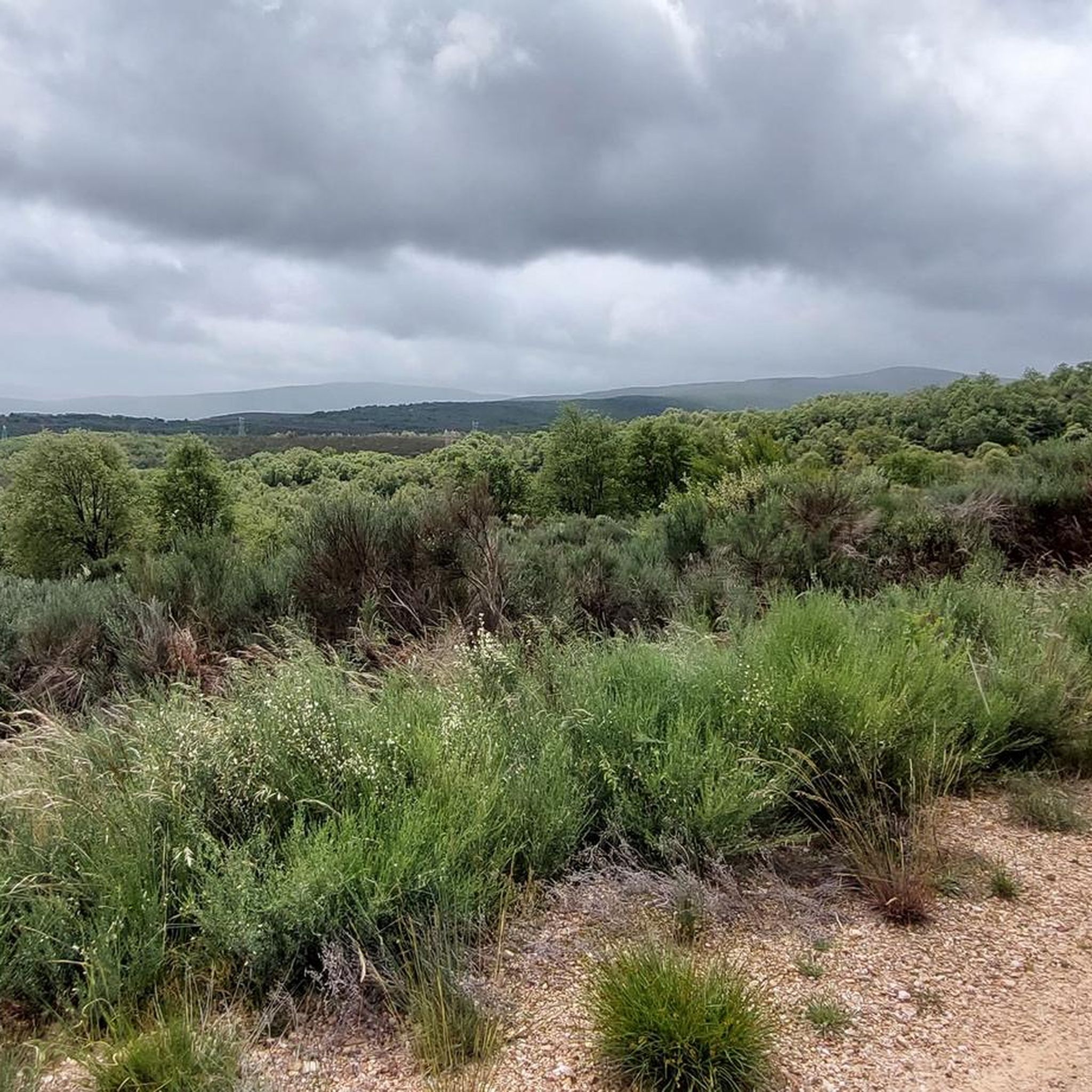
Other adventures around Santa Colomba De Somoza

Tips from the Community

The Bishop's Palace of Astorga is one of only three buildings that Antoni Gaudí built outside Catalonia.
3
0

In the heart of Astorga, right next to the cathedral, lies one of the most unusual bishop's residences on the Iberian Peninsula: the Palacio Gaudi. It was designed and built by the famous Spanish architect of the same name (Antonio Gaudi, 1852-1926). A visit to the museum housed here is worthwhile both for the exhibits on display and, of course, for the imaginative architecture of the building.
2
1

On June 24, 1889, the prelate's name day, the first stone was laid. They had planned to complete the work on the palace in June 1894, but the bishop died in 1893, and this event radically changed the course of the work, paralyzed by the hostility between Gaudí and the Diocesan Council. Finally, Antonio Gaudí resigned from his post as chief architect, very upset by the treatment he received. In 1905, D. Julián de Diego y Alcolea ruled the diocese of Astorga and tried to convince Gaudí to return to the works of the palace, but he did not succeed. Ricardo García-Guereta, diocesan of León, was appointed architect and completed the work on October 12, 1913, as bishop D. Julián de Diego y Alcolea
4
0
Cultural visit The Cathedral of Astorga is a temple that is forever engraved in the memory of those who visit it. It offers a fantastic tour explained through an audio guide system available in different languages. A visit also designed for the little ones, since the cathedral offers a fun audio guide for children.
5
0
The "iron cross" here on Monte Irago, which is legendary for many pilgrims on the Camino Frances to Santiago de Compostela to the grave of the Apostle James the Greater, has since been replaced by a copy at the original location. The cross, which appears comparatively small due to its enormous height, is on the top of a very long tree trunk and protrudes from a constantly growing pile of stones. Many pilgrims take a stone with them on the Way of St. James and place it here. This stone symbolizes the burdens and hardships of the pilgrims (or their family members and friends at home), who symbolically cast off their worries at this point with the stone and can thus move on free of them.
6
1

The Church of Nuestra Señora de la Asunción in Rabanal del Camino is a beautiful architectural gem along the Camino de Santiago. This church, located in the small village of Rabanal del Camino in the province of León, was built in the 12th century and has undergone several renovations and extensions over the centuries. The church is of Romanesque origin and is believed to have been built by the Knights Templar, who protected the pilgrims who crossed the Montes de León on their way to Santiago de Compostela.
6
1

Very beautiful old cathedral with an attached museum. It is always worth a visit and there is a reduced entrance fee for pilgrims.
2
3

Impressive building as a waypoint on the Way of St. James.
3
0
Frequently Asked Questions
What historical landmarks can I explore in Santa Colomba de Somoza?
Beyond the village's traditional Maragato architecture, you can visit the Torreon de los Osorios, located about 1.4 km from the town center. The village also features religious heritage such as the 20th-century Iglesia de la Expectación del Parto de Nuestra Señora and the 19th-century Ermita del Ecce Homo. The parish church of the Assumption, with its 12th-century Romanesque apse, is also a declared cultural asset.
Are there any museums or cultural centers in Santa Colomba de Somoza?
Yes, Santa Colomba de Somoza offers several cultural insights. The Casa Maragata Ethnographic Museum, housed in a traditional Maragato building, showcases local daily life, gastronomy, agriculture, and chocolate-making traditions. Additionally, the Fundación Club 45 features a collection celebrating 1960s and 70s pop culture and hosts live music events. The Maragato Craft Center also works to preserve local culture and crafts.
What natural landscapes can I discover around Santa Colomba de Somoza?
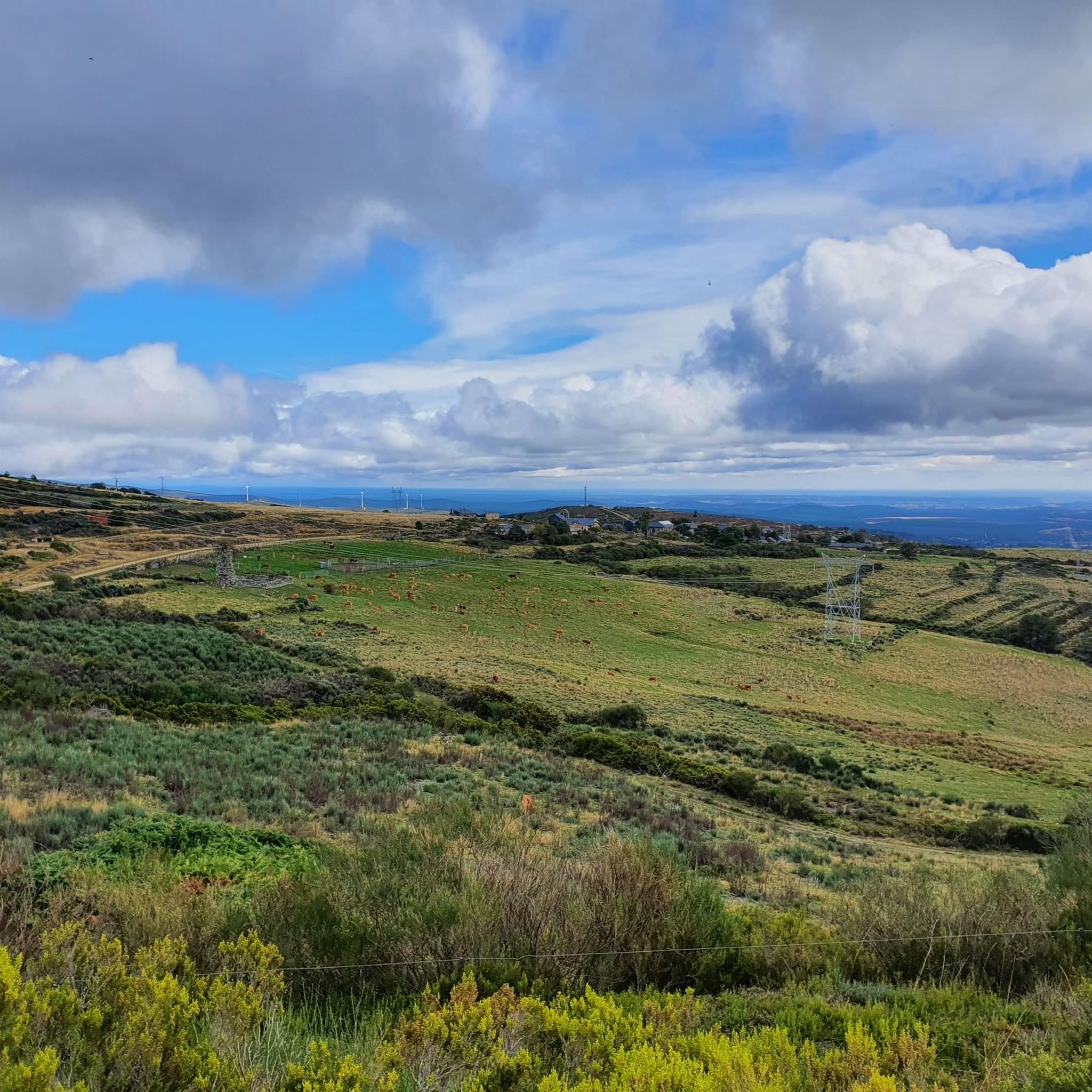
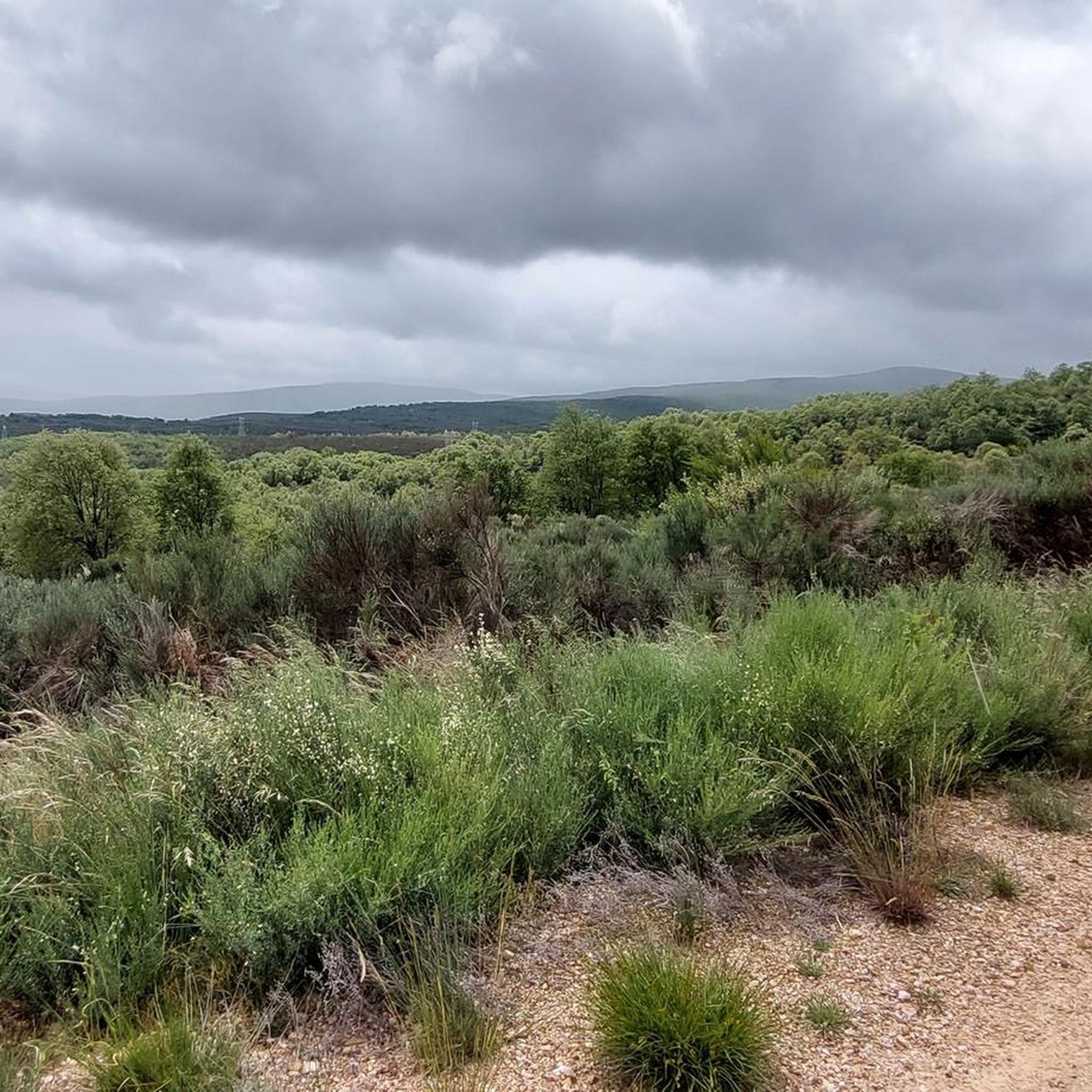
The municipality is traversed by the Turienzo River. The surrounding area is characterized by the valleys and hills of the Montes de León, adorned with oaks, heather, and holm oaks. This natural environment provides a habitat for various wildlife, including roe deer, hares, wild boars, wolves, foxes, and partridges.
What is the significance of the Camino de Santiago in Santa Colomba de Somoza?
Santa Colomba de Somoza lies directly on the historic Camino de Santiago, specifically the French Way. This makes it a significant stop for pilgrims and offers numerous hiking and cycling routes. A notable landmark nearby is the Cruz de Ferro (Iron Cross), where pilgrims traditionally leave a stone.
Can I find Roman-era historical sites near Santa Colomba de Somoza?
Yes, the region has a deep connection to ancient Roman gold mining. You can find remains of Roman gold mining operations, including sites like the Roman mine of La Fucarona. There are also mentions of interesting pits and washrooms in the mounds north of Santa Colomba and traces of mining work near Laguna Cernea.
What kind of traditional architecture can be seen in Santa Colomba de Somoza?
Santa Colomba de Somoza is renowned for its well-preserved traditional Maragato architecture. These unique houses are built around a cobbled patio, designed to accommodate both the family and the animals and tools of the muleteer trade. Key features include large entrance gates and extensive glazed galleries resembling viewpoints. Each August, the village hosts an event where visitors can explore these traditional patios.
Are there family-friendly attractions or activities in the area?
Many of the historical sites are suitable for families, such as the Cathedral of Saint Mary of Astorga and the Episcopal Palace of Astorga (Gaudí Palace), both of which are marked as family-friendly. Exploring the traditional Maragato architecture and the Casa Maragata Ethnographic Museum can also be an engaging experience for families.
What outdoor activities, like hiking or cycling, are available near Santa Colomba de Somoza?
The area around Santa Colomba de Somoza offers various outdoor activities, especially given its location on the Camino de Santiago. You can find numerous hiking routes, such as the easy Cruz de Ferro (Iron Cross) – Iron Cross loop, or more challenging options like the View of the Montes de León – Cruz de Ferro (Iron Cross) loop. For cycling, there are routes like the Astorga – Cruz de Ferro (Iron Cross) loop, and mountain biking trails such as the Ascent to Alto de la Veiga and Miners.
What is the traditional gastronomy of Santa Colomba de Somoza?
The village is well-known for its rich gastronomy, with the traditional "cocido maragato" being a culinary highlight. Many local restaurants are housed in rehabilitated Maragato houses, offering an authentic dining experience that allows visitors to savor regional flavors.
What unique cultural events take place in Santa Colomba de Somoza?
Each August, Santa Colomba de Somoza hosts a special cultural event where the patios of its traditional Maragato houses are opened to visitors. This provides a unique opportunity to appreciate the local architecture, participate in art exhibitions, and engage with activities that promote Maragato folklore and culture.
What are some notable attractions slightly further afield but still worth visiting from Santa Colomba de Somoza?
Within a short driving distance, you can visit the historic city of Astorga, approximately 16 km away, which features the impressive Episcopal Palace of Astorga (Gaudí Palace) and the Cathedral of Saint Mary of Astorga. Astorga also has a Roman Museum and a Chocolate Museum. The Cruz de Ferro (Iron Cross), a significant landmark on the Camino de Santiago, is about 10.7 km away. Additionally, the La Comunal - Centro de Interpretación Textil in Val de San Lorenzo is about 10.6 km away.
What do visitors particularly enjoy about the Cruz de Ferro?
The Cruz de Ferro (Iron Cross) is a legendary landmark on the Camino Frances. Pilgrims traditionally leave a stone at its base, symbolizing the casting off of burdens and hardships. This act is deeply meaningful for many, making it a powerful and memorable stop on their journey.
What makes the Episcopal Palace of Astorga (Gaudí Palace) a must-see?
The Episcopal Palace of Astorga (Gaudí Palace) is a neo-Gothic style building designed by the renowned modernist architect Antoni Gaudí. Its unique architecture, combining elements of a castle, church, and manor house, makes it one of Astorga's most outstanding monumental heritage sites. It also houses the Caminos Museum, showcasing art and history from the Diocese of Astorga.
What is the best time of year to visit Santa Colomba de Somoza for outdoor activities?
Given the region's natural beauty and its location on the Camino de Santiago, spring (April to June) and autumn (September to October) are generally ideal for outdoor activities like hiking and cycling. The weather is typically milder and more pleasant than the summer heat, making it comfortable to explore the Montes de León and the Camino routes.
Most popular routes around Santa Colomba De Somoza
Most popular attractions around Santa Colomba De Somoza

Get inspired with the komoot mobile app


Explore more
Still not found the Highlight you’re looking for? See guides of the top attractions in other regions:
