Attractions and Places To See around Sant Pere Sallavinera - Top 20
Attractions and places to see around Sant Pere Sallavinera include historical sites and natural features in the Alta Anoia region of Catalonia. This area is characterized by rugged topography and significant forest mass, offering a tranquil environment for exploration. Visitors can find medieval castles, Romanesque churches, and unique natural formations. The diverse landscape provides opportunities to discover both cultural heritage and scenic routes.
Best attractions and places to see around Sant Pere Sallavinera
- The most popular attractions is Castelltallat Castle…
Last updated: July 2, 2026
Cogulló of Can Torra
Highlight • Summit
Translated by Google •
Tip by

Castelltallat Castle and astronomical observatory
Highlight • Castle
Showing Translation
Tip by

Sign up now to discover places like this
Get recommendations on the best single tracks, peaks, & plenty of other exciting outdoor places.
Sign up for free
Santuari de Pinós
Highlight • Religious Site
Translated by Google •
Tip by

Roman Villa of Sant Amanç de Viladés
Highlight • Historical Site
Translated by Google •
Tip by

Castell de Boixadors
Highlight • Castle
The Castell de Boixadors is on top of a hill in a very privileged position. It is located at the western end of the Castelltallat mountain range. It was …
Translated by Google •
Tip by

Sign up for free to discover even more attractions around Sant Pere Sallavinera.
Sign up for free
Already have an account?
Start today with a free account
Your next adventure awaits.
Login or Signup
Popular around Sant Pere Sallavinera
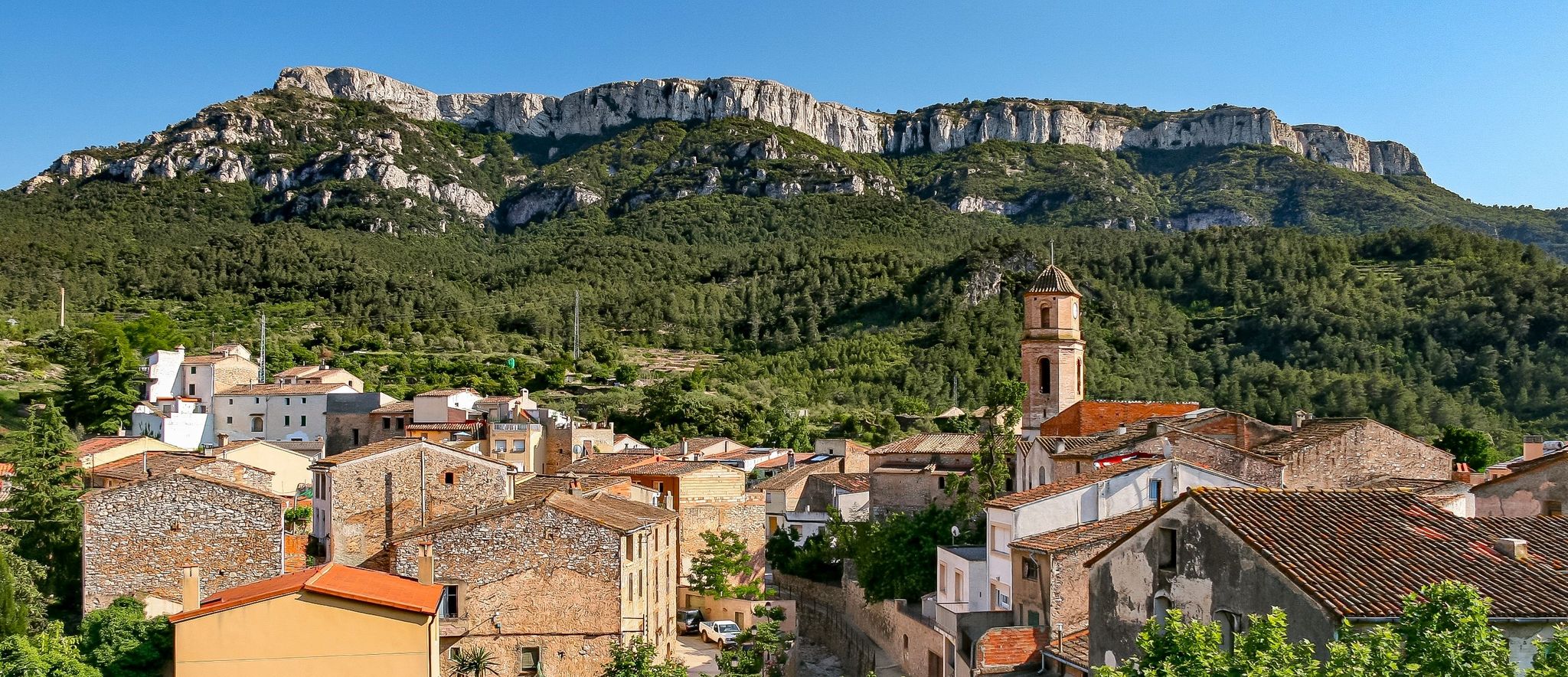
A land of contrasts – Tarragona to the Pyrenees on the GR 7
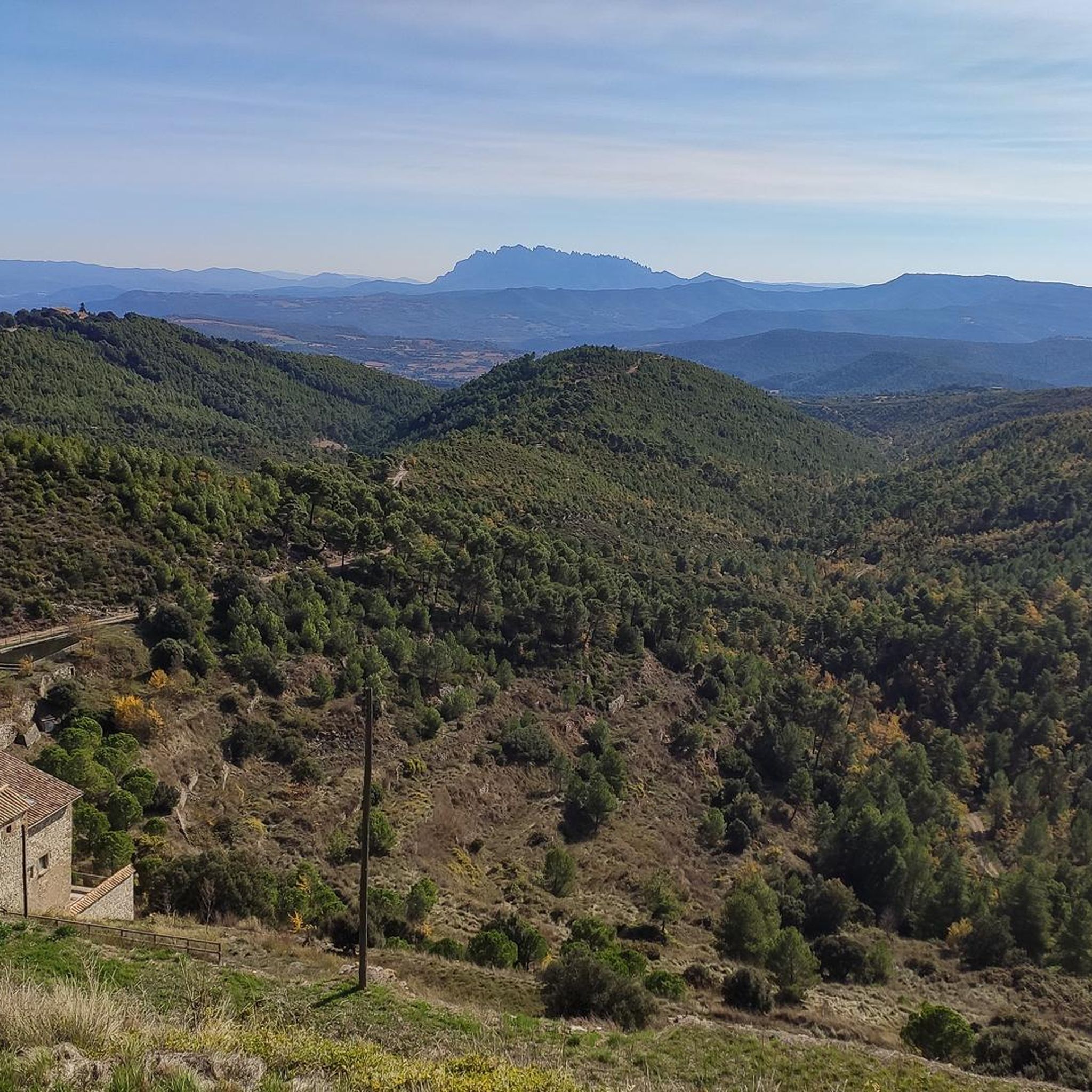
Road Cycling Routes around Sant Pere Sallavinera
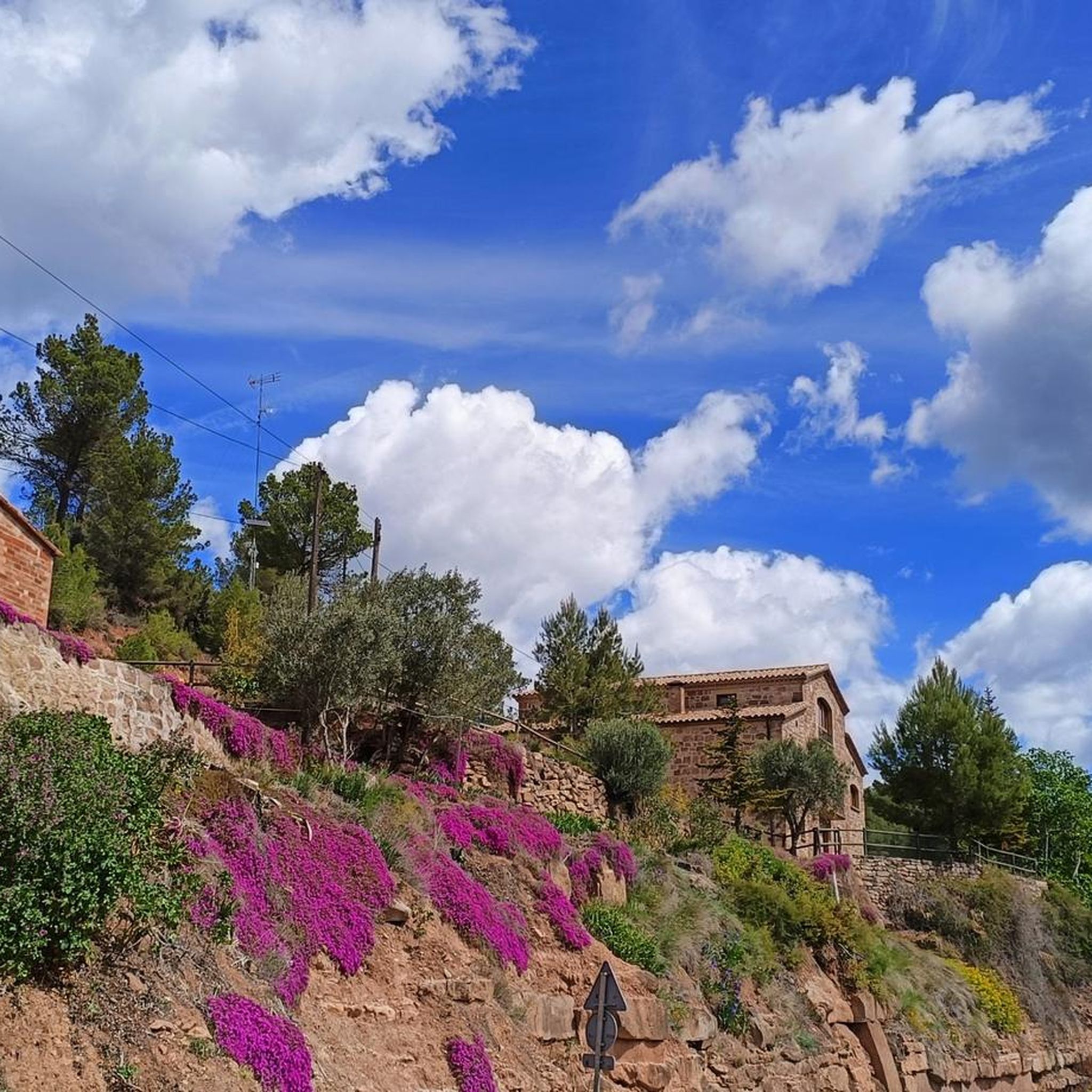
MTB Trails around Sant Pere Sallavinera
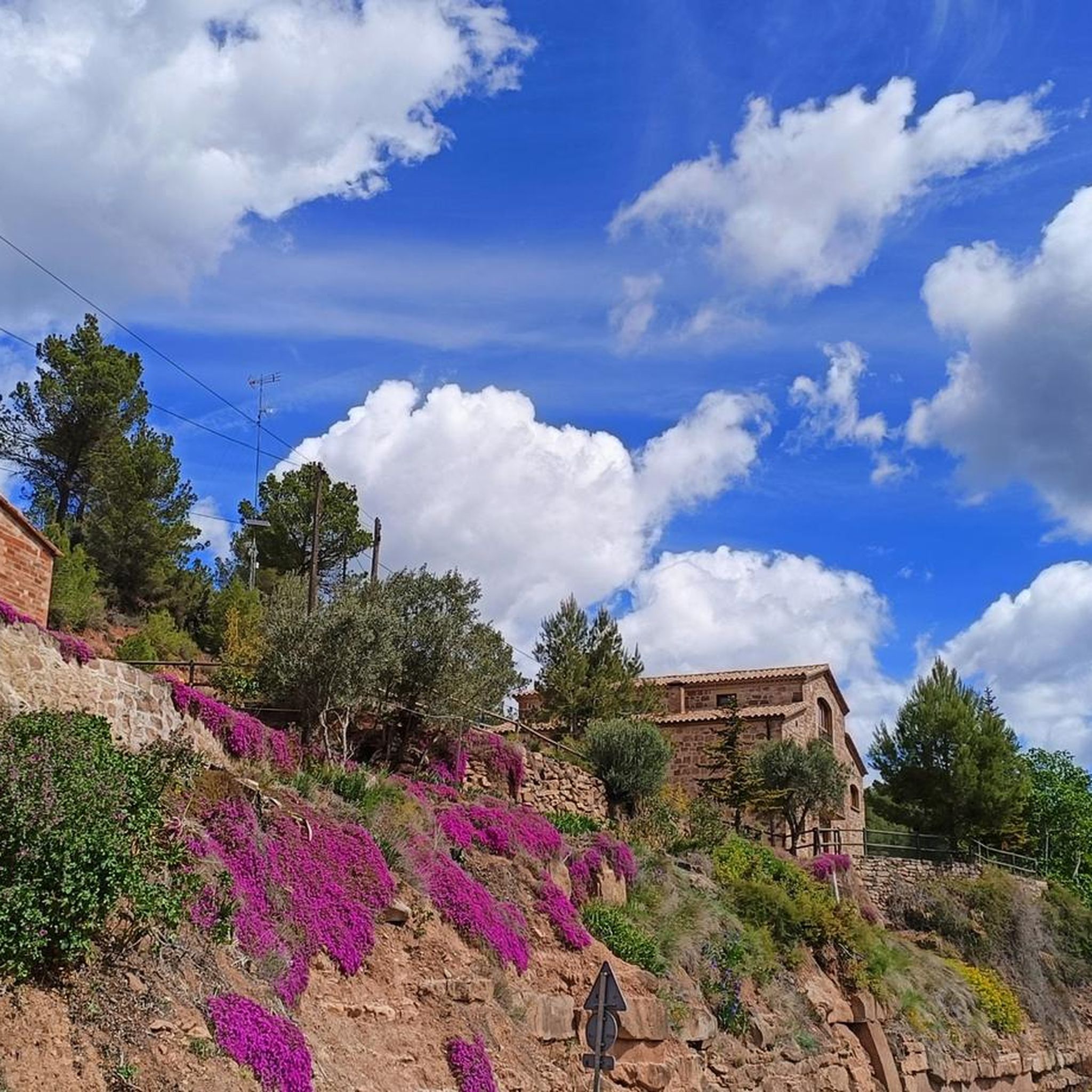
Hiking around Sant Pere Sallavinera
Cycling around Sant Pere Sallavinera

Running Trails around Sant Pere Sallavinera
Gravel biking around Sant Pere Sallavinera
Other adventures around Sant Pere Sallavinera

Tips from the Community

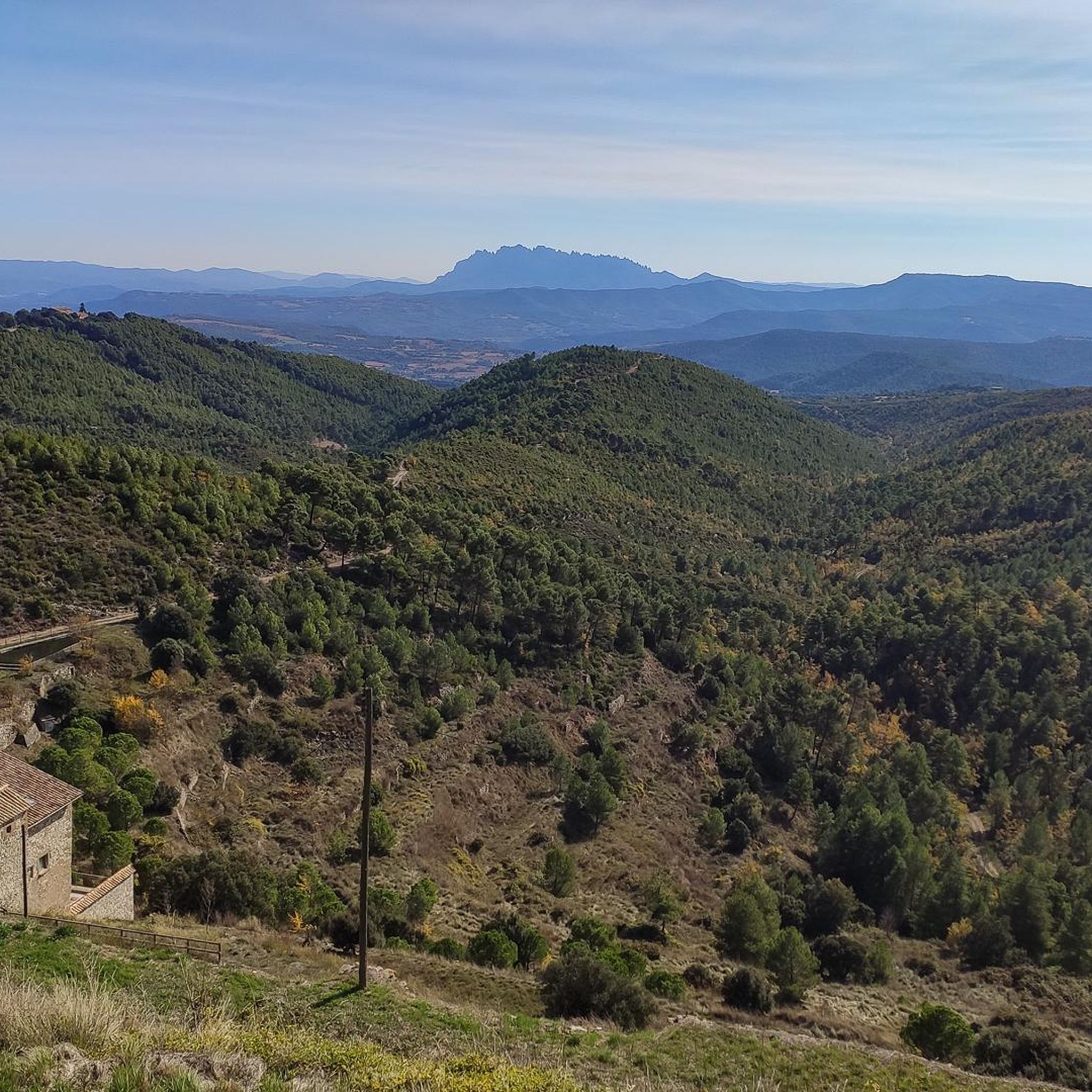
The ascent to the castle and observatory of Castelltallat is one of the cycling classics of this sparsely populated area. In this mountain range there are only a few farmhouses, which contributes to the low light pollution and makes the installation of an observatory ideal. On the ascent, the views of Montserrat are spectacular.
1
0

Santa Maria de Pinós or Sanctuary of Pinós or Our Lady of Pinós is a church of the municipality of Pinós al (Solsonès) included in the Inventory of the Architectural Heritage of Catalonia. Source: Wikipedia
0
0

I grew up there, long before the observatory and the archaeological works at the Castle. When we were little, it seemed to us that the idea that there was a castle behind the church was a chimera. When it was brought to light, it seemed like magic.
0
0
Historic center of Catalonia, more beautiful than the official one.
0
0

peak of Cogulló de Cal Torre, a mountain included in the list of the 100 Peaks of the FEEC and bordering the municipalities of Rajadell and Castellfollit del Foix. At its summit, the ridges of the Serra del Colomer (which we climbed), the Serra de Cal Torre (parallel to the first and also called the Palomes on some maps), and the ridge of La Serra converge , through which we will continue the path. From the top we have magnificent views of Montserrat, Sant Llorenç, Montseny and part of Central Catalonia. But on clear days we can also see the Pyrenees, such as Pedraforca, Gallina Pelada or Cadí. At the top we will find a wooden fire watch house as well as a geodesic vertex (reference 277112001). This peak is one of the disputed points for the centrality of Catalonia, for which, every September 11, a very crowded gathering is held there. Unfortunately, the summit is accessible to motor vehicles, motorbikes but also all-terrain vehicles, which damages the balance of the environment.
0
0
The archaeological site of Sant Amanç de Viladés is made up of a Roman villa, an early medieval settlement and some remains from the Iberian period. The entire site is located on the southern side of a mountain range, crossed by the C-25 road in the section that goes from Rajadell to Calaf and which divides the whole into two parts: north and south. The importance of the Roman town of Rajadell is understood by the presence of a Roman road that connected the lands of the Manresa sector with those of Calaf and Prats de Rei (ancient Roman municipality of Sigarra). The route of this road had to necessarily follow the Rajadell stream very closely as it passed through the Roman town. Passing through this place is the most suitable for moving between the Bages and Anoia regions, as indicated by the Peric oratory, located at the foot of the N-141g and parallel to the Eix Transversal C-25. The appearance that the site has now corresponds to the plan of the Low Empire. Currently the road crosses the Roman site and divides the remains of the Roman villa into two sectors. The northern sector corresponds to the residential area or pars urbana, with an elongated structure, where the noble rooms and the set of terms are located. The southern sector is on flatter terrain and was intended for agricultural work, especially wheat and vines (pars rustica). At the western end of the villa there were bathrooms, characterized by different air-conditioned spaces, with areas of hot, warm and cold water and with the oven to heat the whole. The main body of the residential area consists of three rooms, one of which preserved a polychrome mosaic. The original is in the Museu Comarcal de Manresa, and a reproduction of part of it can be seen at Rajadell Town Hall.
0
0

Very close to the Geographical Center of Catalonia.
0
0

It is the oldest restaurant in Catalonia that has never closed its doors, opening them for the first time in 1524. Stopping for breakfast or lunch there is a must.
0
0
Frequently Asked Questions
What historical sites can I explore around Sant Pere Sallavinera?
The region is rich in history. You can visit the medieval Castell de Boixadors, documented since 1015, which features a circular main tower and a Romanesque church within its walls. Another significant historical site is the Castelltallat Castle, which also functions as an astronomical observatory. Additionally, the Roman Villa of Sant Amanç de Viladés offers insights into the area's Roman past, with remains of a villa and an early medieval settlement.
Are there any natural viewpoints or scenic spots in the area?
Yes, Sant Pere Sallavinera offers several excellent viewpoints. The Castelltallat Castle, located at 911 meters above sea level, provides panoramic views of the Pla de Bages and Montserrat. Similarly, the Sanctuary of Pinós, at 904 meters, offers magnificent vistas of the surrounding lands and the Pyrenees in the distance. For a more rugged natural experience, the Cogulló of Can Torra summit provides views of Montserrat, Sant Llorenç, Montseny, and Central Catalonia.
What kind of outdoor activities can I do near Sant Pere Sallavinera?
The diverse landscape around Sant Pere Sallavinera is ideal for outdoor enthusiasts. You can find numerous routes for hiking, running, and road cycling. For hiking, explore trails like the 'View of Castillo de Boixadors loop' or the 'Sanctuary of Pinós – Geographical Center of Catalonia loop'. Mountain biking is also popular, with routes leading to Boixadors Castle. For more options, check out the dedicated guides for hiking, running, and road cycling in the area.
Are there any family-friendly attractions or activities?
The Castelltallat Castle (astronomical observatory) is considered family-friendly and offers activities designed for all types of audiences, making it a great educational and engaging visit. Exploring the historical castles and natural viewpoints can also be an enjoyable experience for families who appreciate history and scenic beauty.
What unique natural features can I discover in the region?
Beyond the scenic viewpoints, the area is known for its rugged topography and extensive forest mass. A particularly unique feature is the 'Holed Rocks' (Roques Foradades) or 'Collet dels Pastors' along the old transhumance routes. These medieval holed rocks are thought to have been sepulchral caves, hermitages, or even ovens, and served as resting places for shepherds.
What is the best time to visit Sant Pere Sallavinera for outdoor activities?
The region's diverse landscape and historical sites can be enjoyed throughout much of the year. For hiking and outdoor activities, spring and autumn generally offer pleasant temperatures and vibrant scenery. Summer can be warm, but the higher altitudes of sites like Castelltallat Castle and the Sanctuary of Pinós may provide cooler conditions. Always check local weather forecasts before your visit.
Can I find easy hiking trails around Sant Pere Sallavinera?
Yes, there are easy hiking options available. For instance, the 'Castell de Castellfollit and Sants Metges de Marçà Loop' is an easy 5.6 km hike. Another easy route is the 'View of Castillo de Boixadors loop from Seguers - Sant Pere Sallavinera', which is about 5.7 km. These trails are suitable for a relaxed exploration of the local scenery and historical sites. You can find more easy routes in the hiking guide.
What do visitors enjoy most about the attractions around Sant Pere Sallavinera?
Visitors frequently praise the magnificent panoramic views from sites like the Sanctuary of Pinós and Castelltallat Castle, often noting the clear views of Montserrat and even the Pyrenees. The historical significance of the castles and the tranquility of the natural environment are also highly appreciated. Many find the effort to reach summits like Cogulló of Can Torra well worth it for the rewarding vistas.
Are there any specific cultural events or traditions in Sant Pere Sallavinera?
Sant Pere Sallavinera hosts 'Nits Culturals' (Cultural Nights) in July in the Plaça de Sant Pere. These events feature chamber concerts and are a notable cultural highlight, reflecting the community's appreciation for arts and heritage.
Where can I see traditional architecture in Sant Pere Sallavinera?
The main street of Sant Pere Sallavinera itself showcases traditional architecture, offering a glimpse into the local historical building styles. Additionally, historical buildings like Casa Molí de Boixadors, an old flour mill, and Cal Ribalta, a 17th-century manor house, attest to the town's past and traditional construction.
Can I find challenging hiking routes in the area?
While many trails are moderate or easy, the region does offer more challenging options for experienced hikers. For example, the 'Sanctuary of Pinós – Geographical Center of Catalonia loop' is a moderate 10.3 km hike. For more difficult routes, you can explore the hiking guide, which includes various difficulty grades.
Most popular routes around Sant Pere Sallavinera
Most popular attractions around Sant Pere Sallavinera

Get inspired with the komoot mobile app


Explore more
Still not found the Highlight you’re looking for? See guides of the top attractions in other regions:
