Attractions and Places To See around Daroca - Top 20
Best attractions and places to see around Daroca, a historic town in Aragon, Spain, offer a rich blend of medieval architecture, cultural heritage, and natural beauty. The region is characterized by its extensive city walls, historic quarter, and diverse landscapes including mountainous terrain and unique natural monuments. Visitors can explore a variety of historical sites, religious buildings, and natural features. Daroca's blend of Muslim and Christian styles contributes to its varied artistic and architectural heritage.
Best attractions and places to see around Daroca
- The most popular attractions is Daroca, a settlement that was historically a border city between regions and kingdoms. Visitors can tour its medieval walls and explore the old castle, which offers panoramic views of the city.
- Another must-see spot is Aguallueve de Anento, a waterfall and natural monument. This unique spring continuously falls in drops, creating impressive limestone formations with stone and moss walls and small caves.
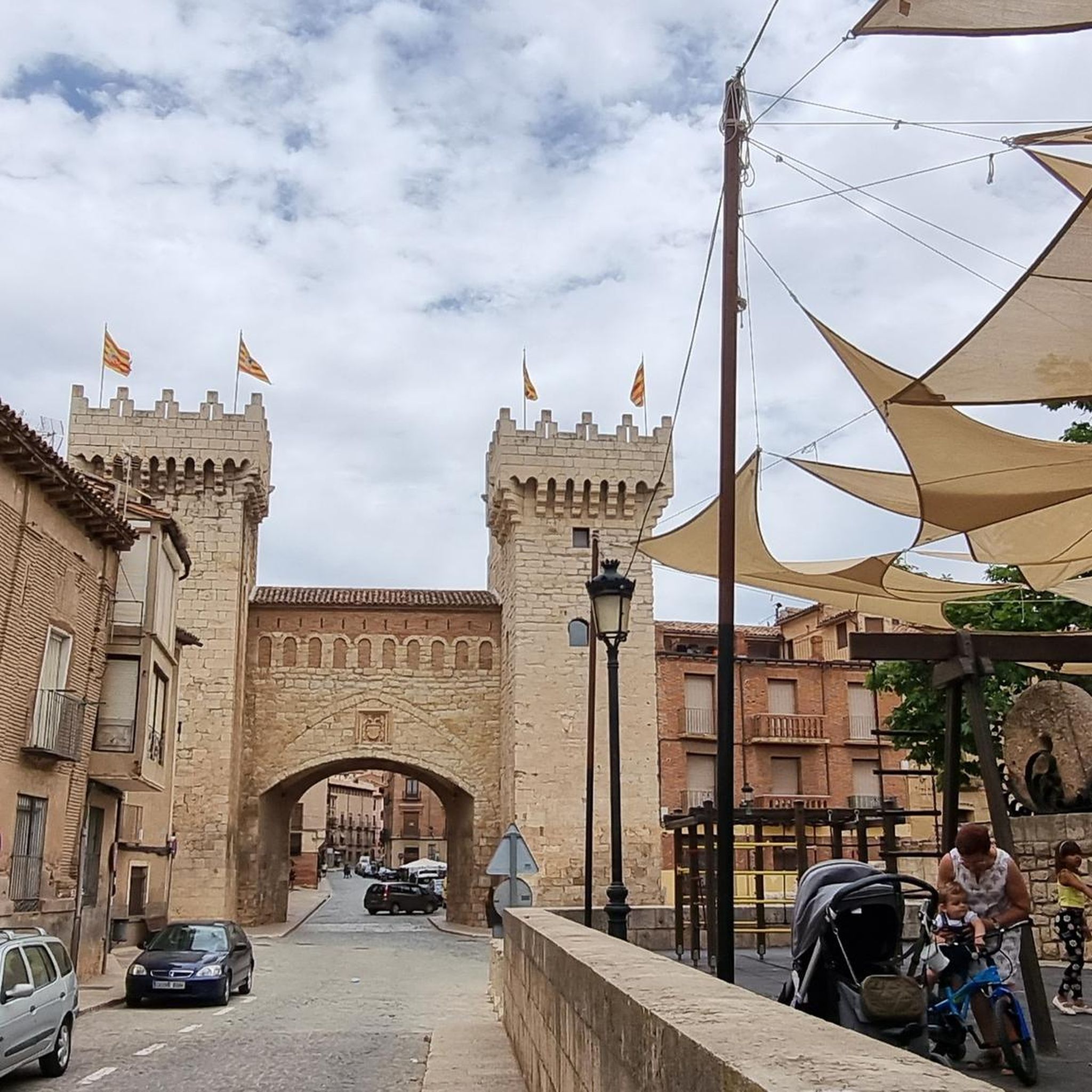
- Visitors also love Puerta Baja de Daroca, an impressive defensive monument. It is the most emblematic entrance to Daroca, featuring two robust towers and a large arch with Gothic and Renaissance elements.
- Daroca is known for its historical sites, cultural buildings, and natural attractions. The area offers a variety of medieval architecture, religious sites, and unique geological features to explore.
- The attractions around Daroca are appreciated by the komoot community, with 33 upvotes and 21 photos shared by visitors.
Last updated: October 5, 2026
Daroca
Highlight • Settlement
Translated by Google •
Tip by

Aguallueve de Anento
Highlight • Waterfall
The Aguallueve is a spring that continuously falls in the form of drops of water, creating a spectacular relief with walls of stone and moss, and small caves hidden inside. It is a limestone formation where several springs have created an impressive karst relief.
Translated by Google •
Tip by

Sign up now to discover places like this
Get recommendations on the best single tracks, peaks, & plenty of other exciting outdoor places.
Puerta Baja de Daroca
Highlight • Monument
Translated by Google •
Tip by

Santander–Mediterranean Nature Trail – Villanueva del Jiloca
Highlight • Cycleway
Translated by Google •
Tip by

Walls and Main Castle of Daroca
Highlight • Castle
Translated by Google •
Tip by
Sign up for free to discover even more attractions around Daroca.
Already have an account?
Start today with a free account
Your next adventure awaits.
Popular around Daroca
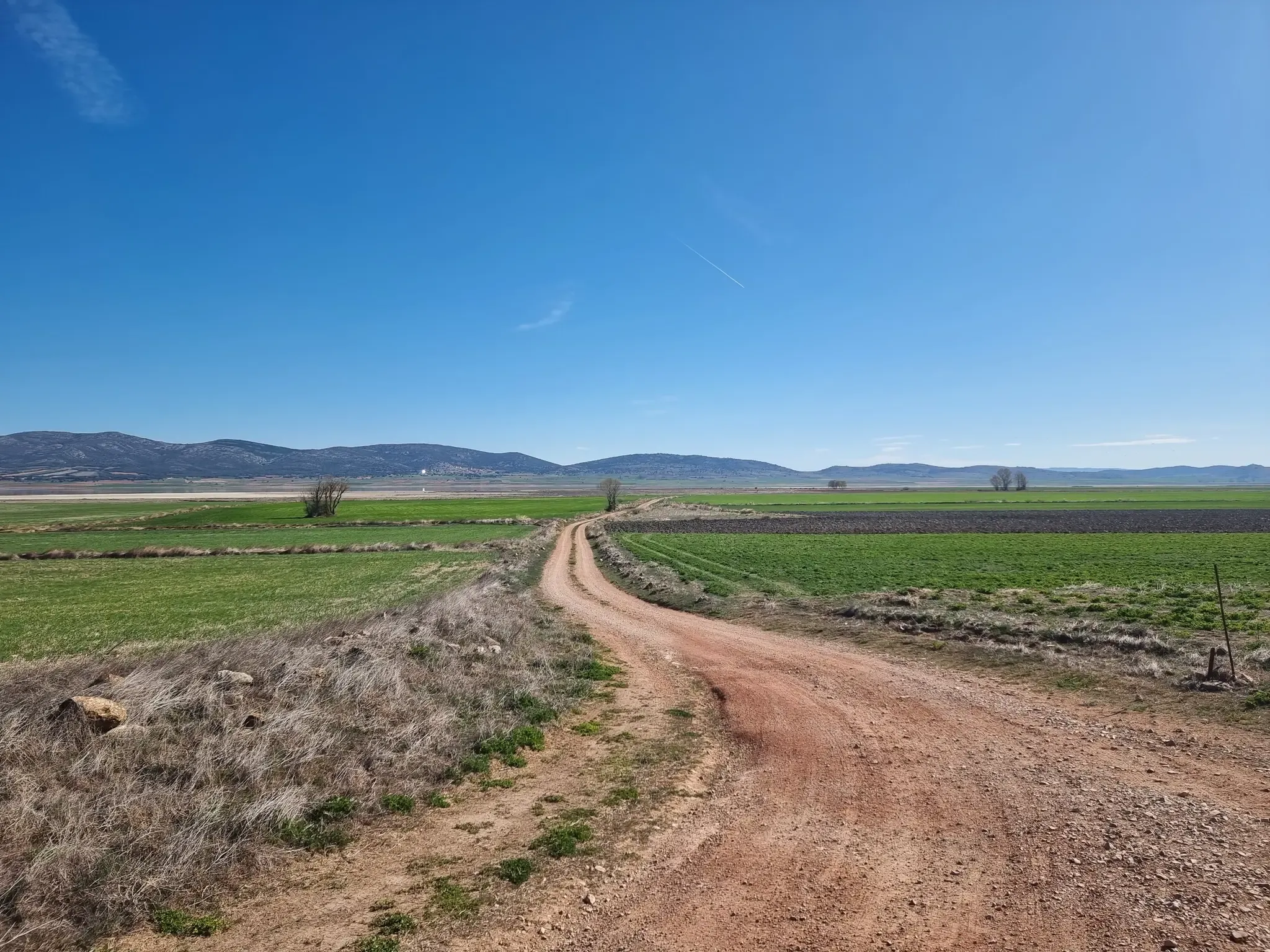
The paradise of the cranes - Gallocanta Ring
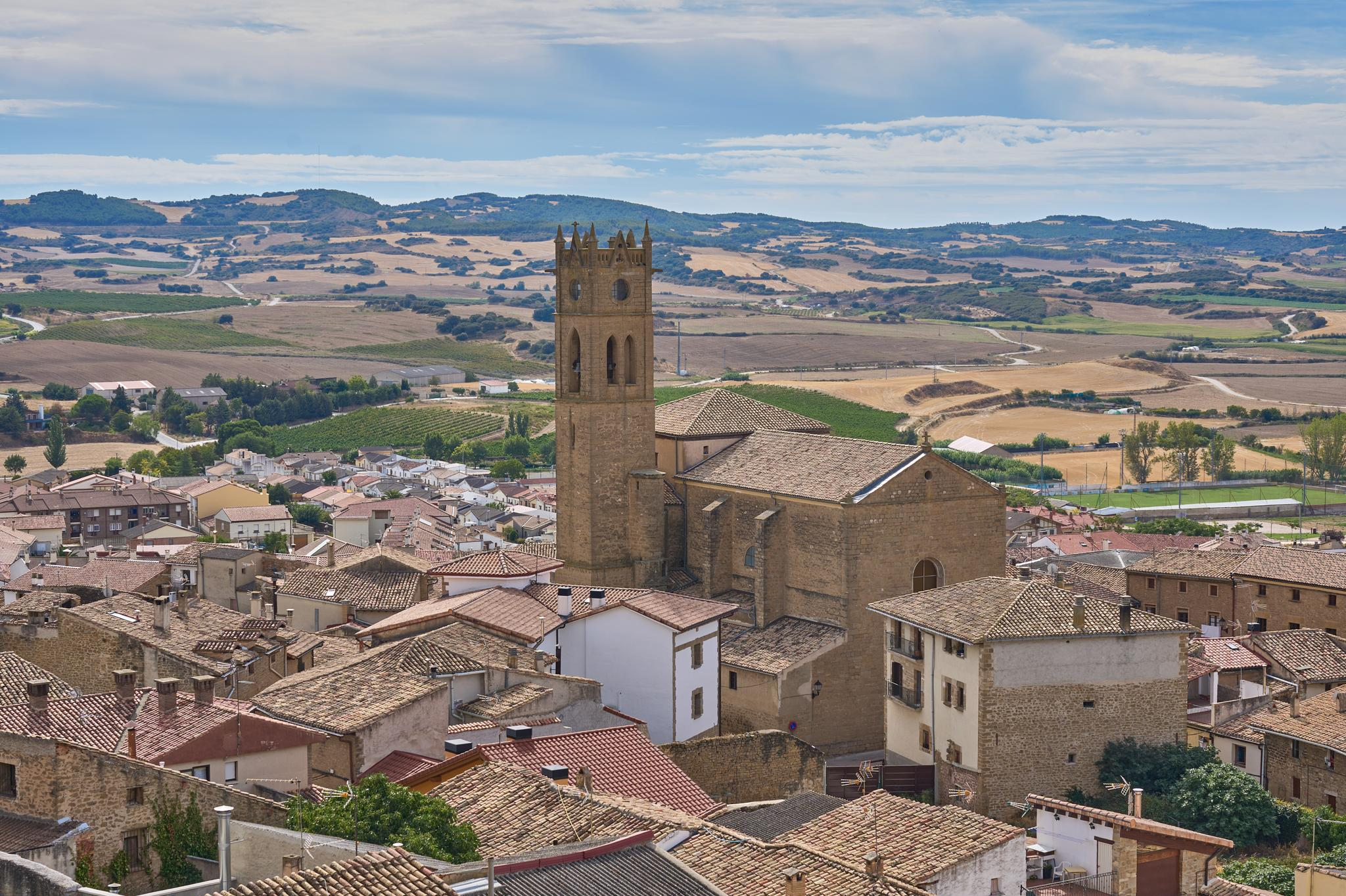
Path of the Templars — Path of the True Cross (GR 250)
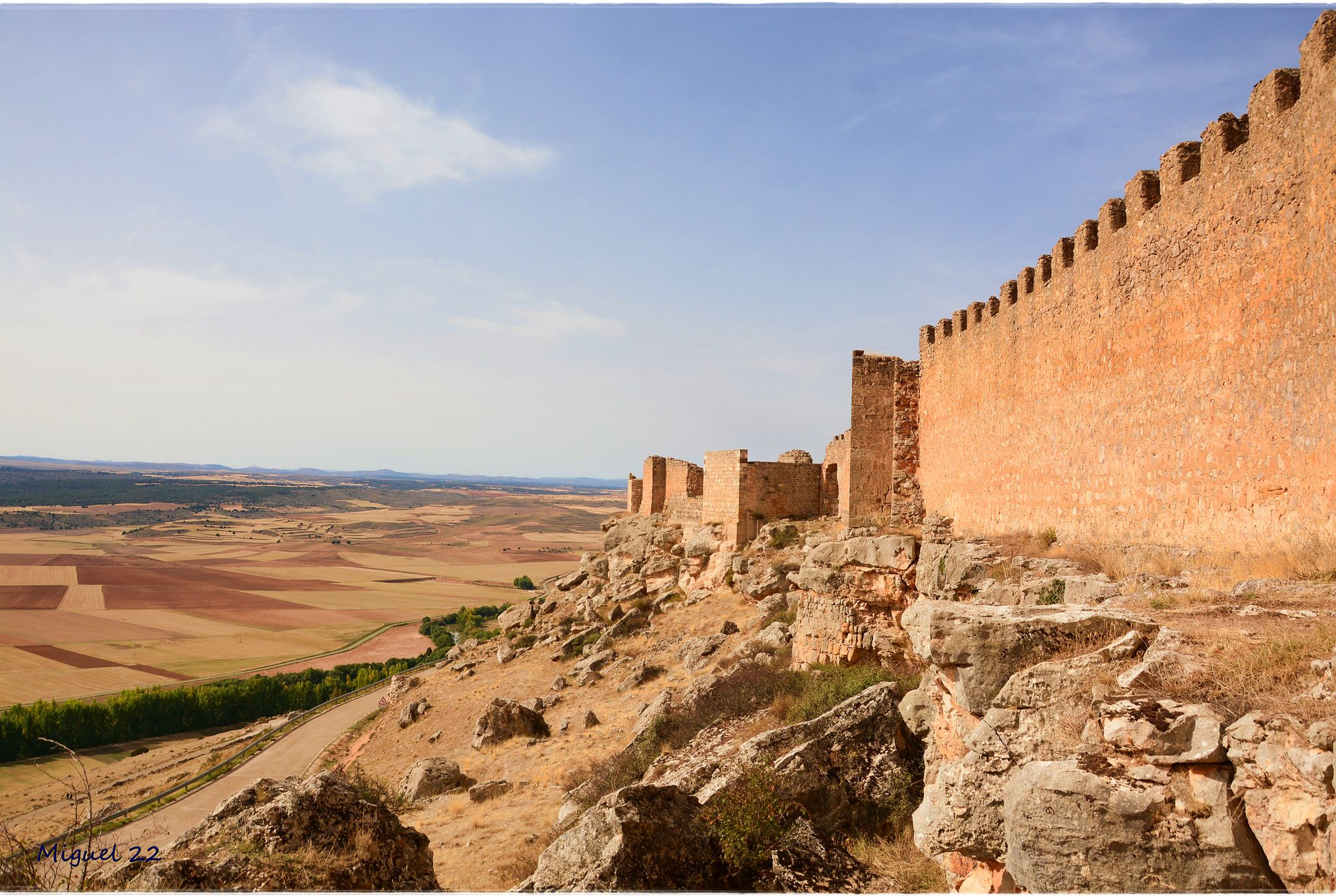
A journey through mediaeval Spain – El Camino del Cid (GR 160)
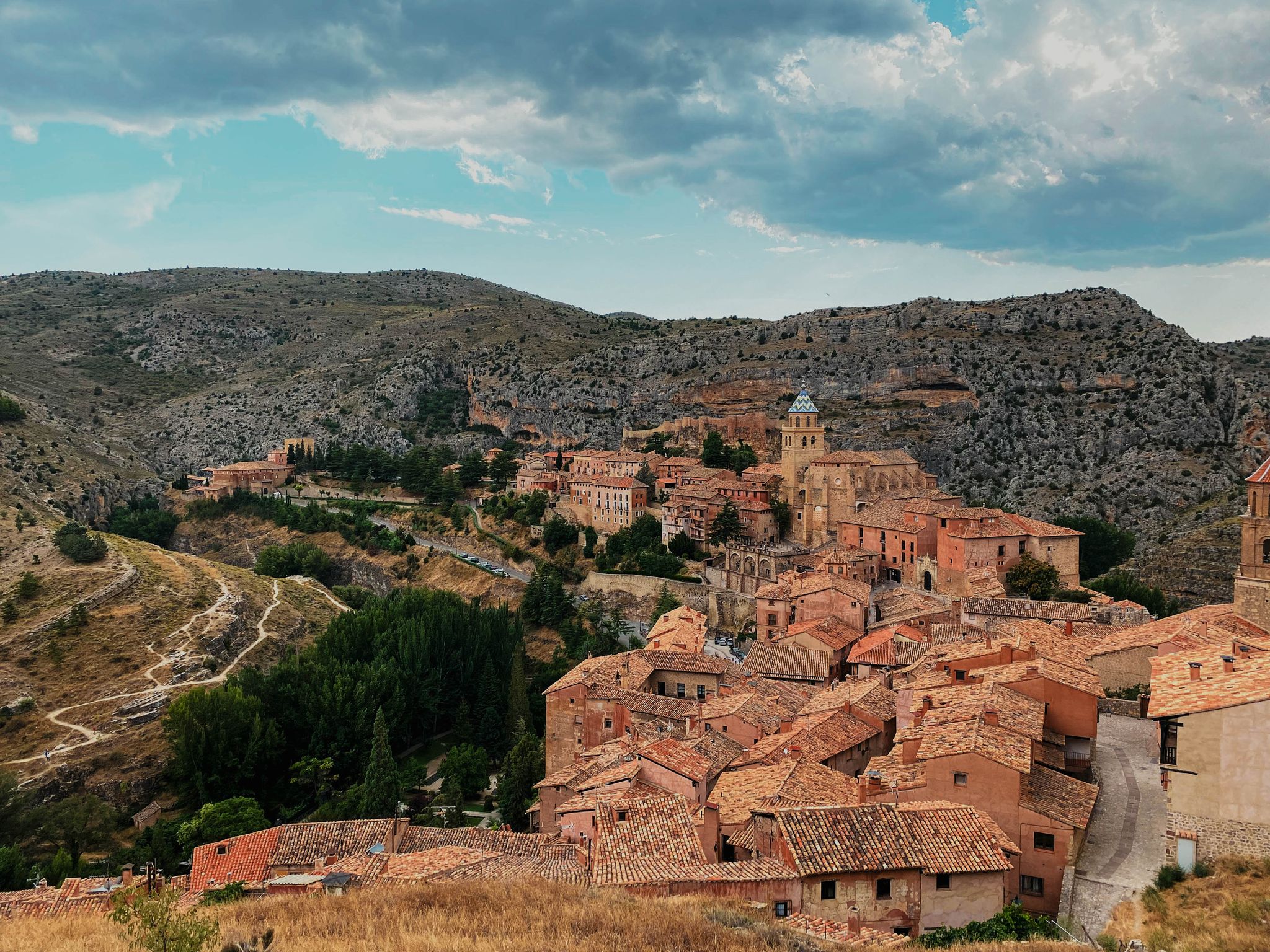
The Three Taifas by gravel bike – El Camino del Cid
El Camino del Cid – The Three Taifas on MTB
The Way of El Cid by bike – The Three Taifas
Bike tour into the Spanish Middle Ages - the Camino del Cid
Road Cycling Routes around Daroca
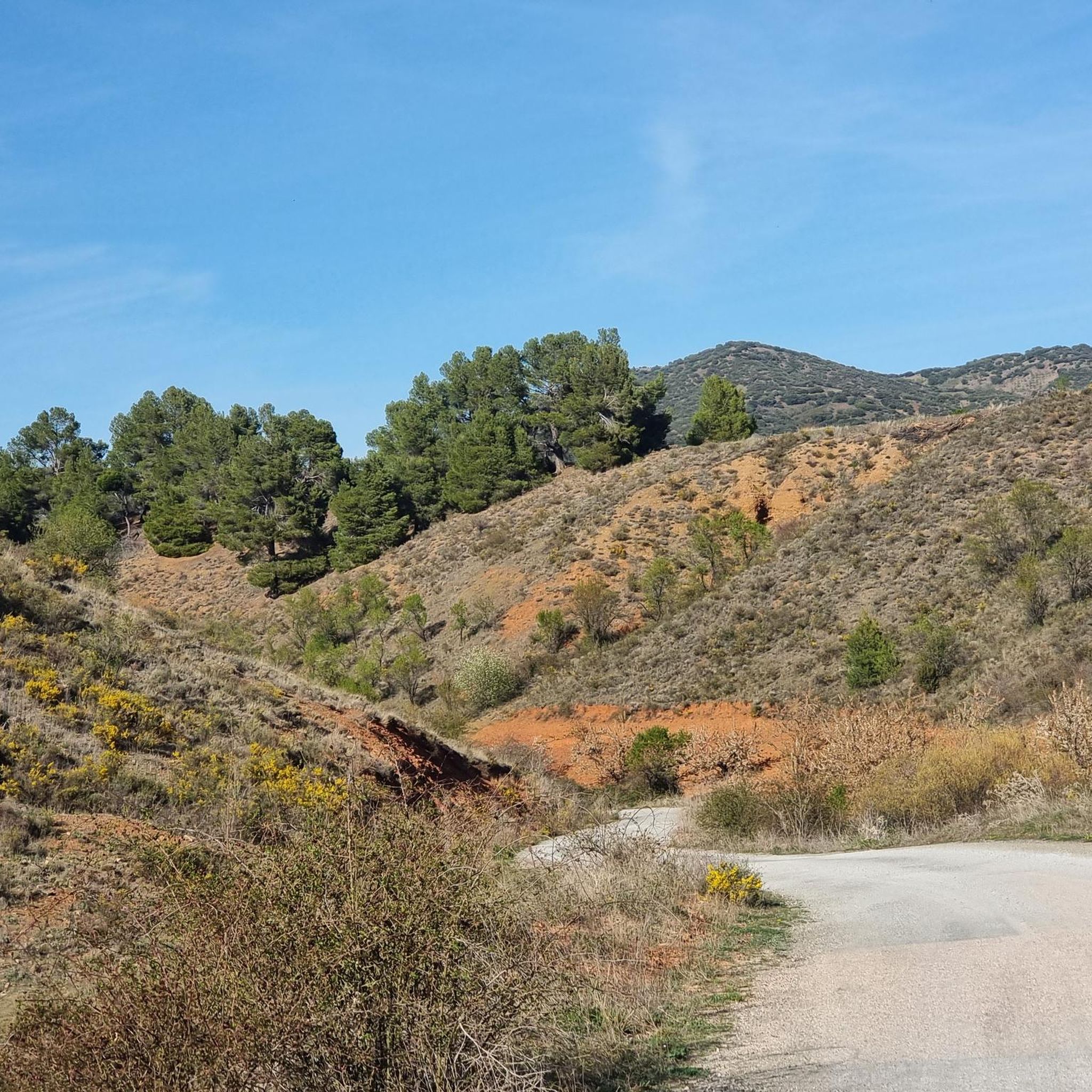
Hiking around Daroca
Running Trails around Daroca
Other adventures around Daroca


Tips from the Community

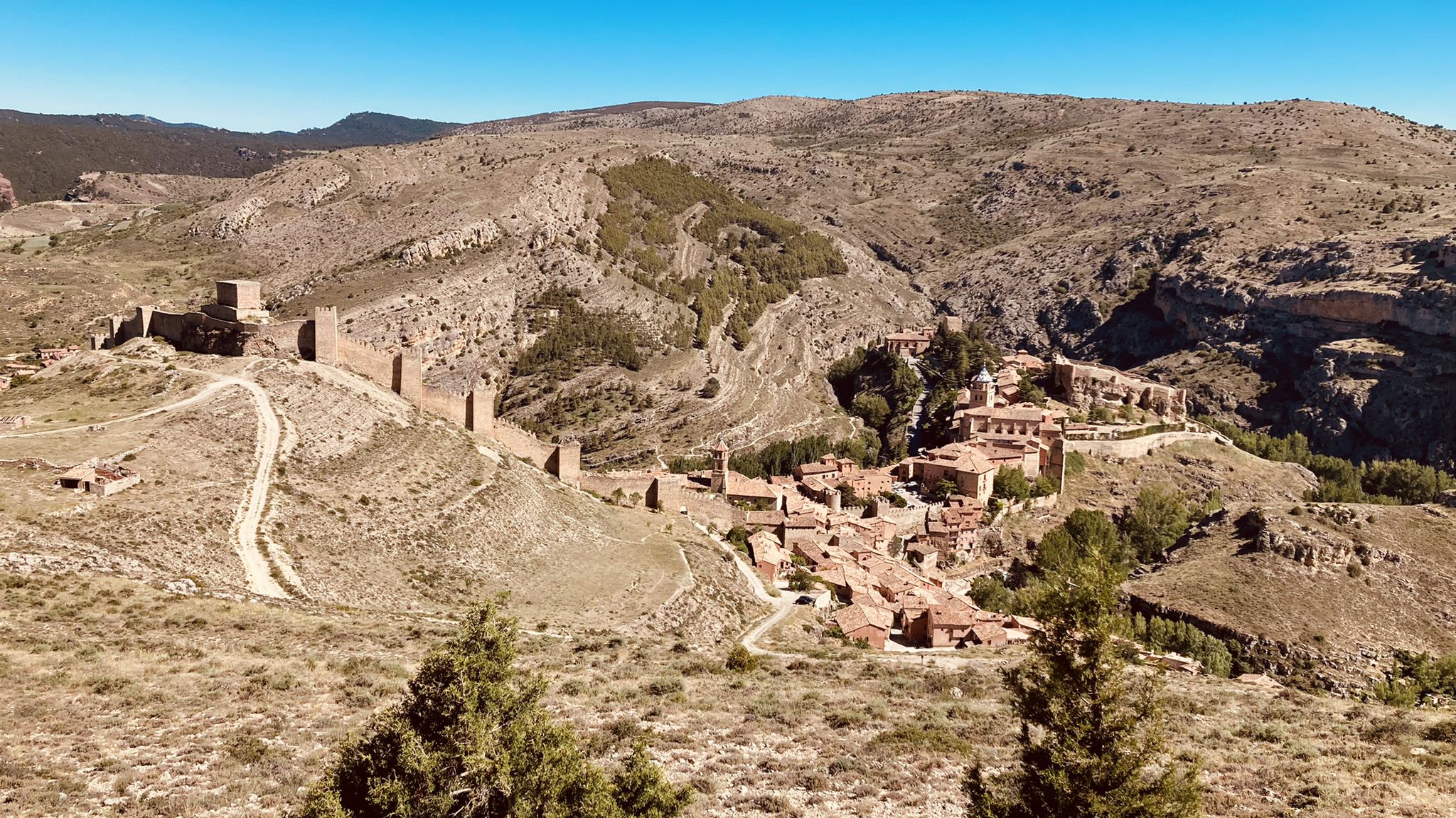
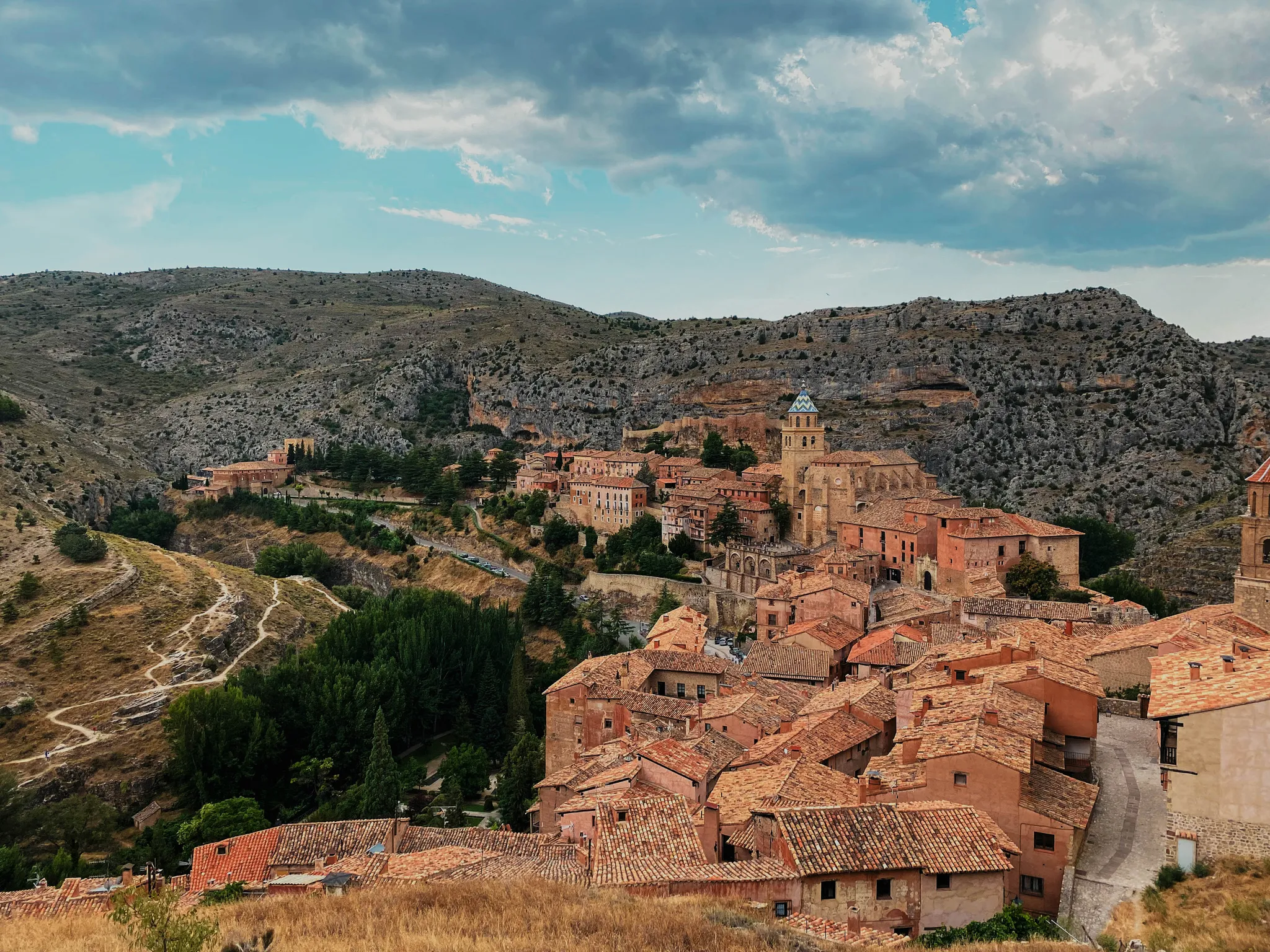
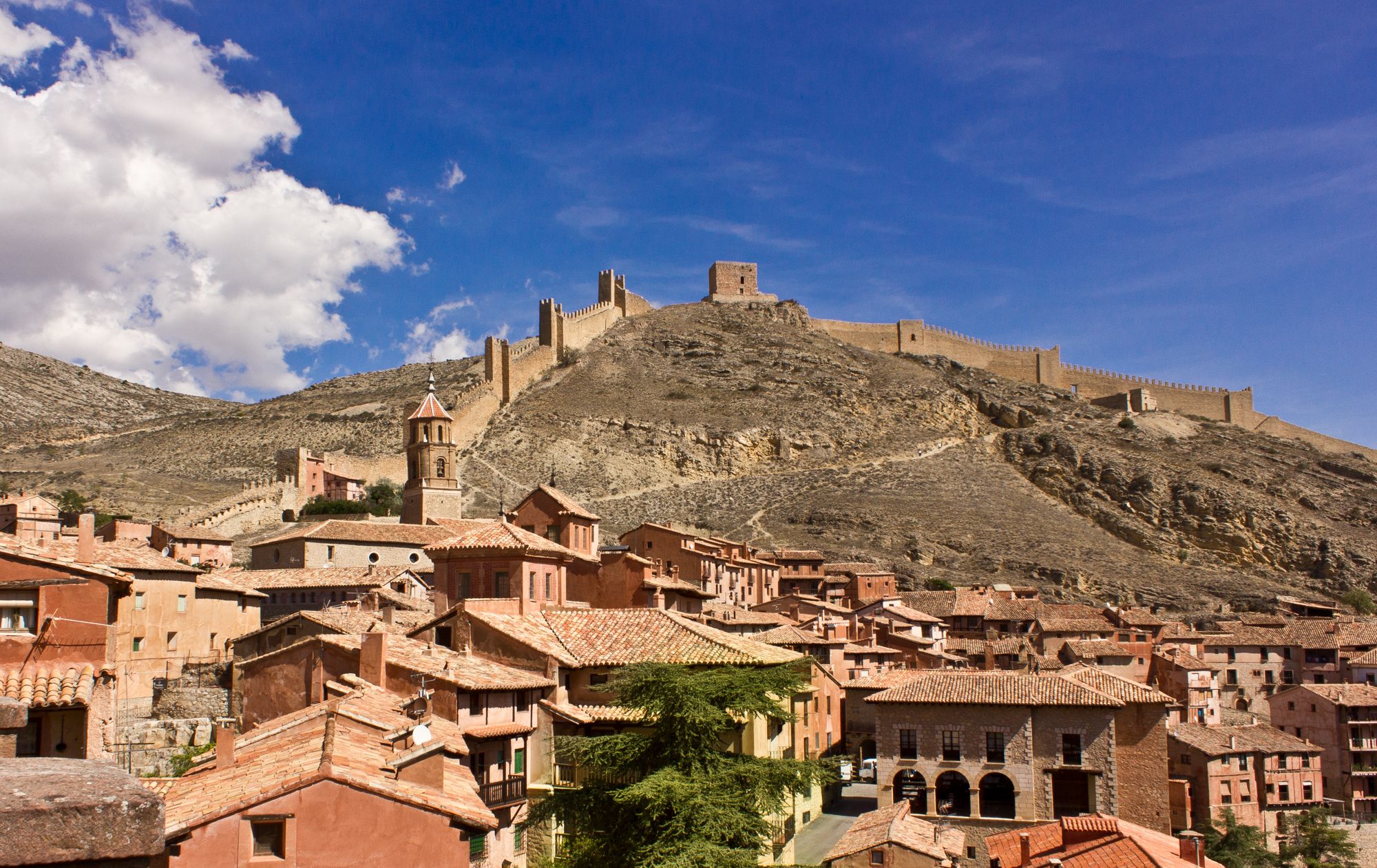
Watched over by the remains of its ancient castle, Daroca emerges, one of the most beautiful cities in Aragon. Without a doubt, one of the charms of the town is to walk along its walls, with their imposing towers, until you reach the castle, from which you can enjoy a beautiful panoramic view.
0
0
In addition to its natural value, the itinerary allows you to discover the historical richness of Daroca, one of the most emblematic medieval towns in Aragon, known for its walls, churches, and monumental legacy.
0
0

The Lower Gate is the most emblematic entrance to Daroca and one of the most impressive defensive monuments in Aragon. Its two robust towers flank a large arch that, in addition to serving as a passageway, also facilitated the drainage of water during periods of heavy rain. Built between the 13th and 16th centuries, it reflects the military and architectural evolution of the city, with Gothic and Renaissance elements such as the gallery of arches and the imperial coat of arms of Charles V. Today, restored, it houses the Center for Daroca Studies and is a must-see for those exploring the city's walls and historic streets.
2
0

The Aguallueve de Anento is a beautiful spring located in the picturesque town of Anento, in the province of Zaragoza. The Aguallueve is a spring that continuously falls in the form of drops of water, creating a spectacular relief with walls of stone and moss, and small caves hidden inside. It is a limestone formation where several springs have created an impressive karst relief.
5
0
The Aguallueve de Anento is a beautiful spring located in the picturesque town of Anento, in the province of Zaragoza. The Aguallueve is a spring that continuously falls in the form of drops of water, creating a spectacular relief with walls of stone and moss, and small caves hidden inside. It is a limestone formation where several springs have created an impressive karst relief.
7
0

This Castle corresponds to the Major Castle of Daroca, of Muslim origin and built in the 11th Century.
0
0

repair station and drinking water fountain
0
0

It is still under construction and only partially accessible (gravel road).
0
0
Frequently Asked Questions
What historical sites can I explore in Daroca?
Daroca is rich in history, offering numerous sites to explore. You can walk along the extensive medieval Walls and Main Castle of Daroca, which date back to the 13th and 14th centuries and offer panoramic views. Don't miss the impressive Puerta Baja de Daroca, an emblematic entrance with Gothic and Renaissance elements. Other notable historical areas include the Palacio de los Luna, the Barrio de la Morería, and the ancient Jewish Quarter.
Are there any unique natural attractions near Daroca?
Yes, a truly unique natural attraction near Daroca is Aguallueve de Anento. This natural monument features a spring where water continuously falls in drops, creating impressive limestone formations, stone and moss walls, and small caves. Additionally, the Gallocanta Lagoon Nature Reserve, the largest saltwater lagoon in Western Europe, is a significant site for birdwatching.
What cultural buildings should I visit in Daroca?
Daroca boasts several significant cultural buildings. The Basilica of Santa María de los Sagrados Corporales, a 16th-century collegiate church, houses the Chapel of Los Corporales, a major pilgrimage site. The Church of Santo Domingo de Silos, with its 12th-13th century Romanesque and Mudéjar architecture, is considered one of the best examples of Aragonese Mudéjar art. Other notable churches include San Juan de la Cuesta and San Miguel, both featuring historical architectural styles and art.
What outdoor activities can I do around Daroca?
The region around Daroca offers diverse outdoor activities. You can explore road cycling routes, such as the 'Gallocanta Circular Route from Daroca' or the 'Sierra de Santa Cruz Villages Loop'. For mountain biking, options include the 'Puerta Baja de Daroca – Daroca loop' or the 'Castillo de Santed – Laguna de Gallocanta loop'. Running enthusiasts can enjoy trails like the 'Aguallueve de Anento y Arguilay de Baguena' or the 'PR-Z 110 Sierra de Santa Cruz Loop Trail'. You can find more details on these and other routes in the dedicated guides for Road Cycling, MTB Trails, and Running Trails around Daroca.
Are there family-friendly attractions in Daroca?
Yes, Daroca offers several attractions suitable for families. Exploring the medieval Daroca walls and castle can be an engaging experience for all ages. The Aguallueve de Anento, with its unique water formations and caves, is also a fascinating natural spot for families. The impressive Puerta Baja de Daroca is another historical site that families can enjoy visiting.
What is the significance of Daroca's city walls?
Daroca's city walls are among the most extensive in Spain, stretching three and a half kilometers and dating from the 13th and 14th centuries. They showcase a blend of Romanesque and Gothic styles and include numerous uniquely named towers. These fortifications, along with the ruins of the medieval castle, highlight Daroca's historical importance as a border city and offer impressive panoramic views of the town and surrounding area.
Where can I learn about Daroca's culinary traditions?
To delve into Daroca's culinary heritage, you can visit the Bakery Museum 'Manuel Segura'. This museum provides insights into the town's traditional baking and food culture.
What kind of terrain can I expect around Daroca for outdoor activities?
The region around Daroca is characterized by diverse terrain, including mountainous areas, gorges, and steppe plains. This variety offers different challenges and scenic backdrops for activities like hiking, cycling, and running, from moderate trails to more difficult routes with significant elevation changes.
Are there any museums in Daroca?
Yes, Daroca has a couple of museums. The Hospital de Santo Domingo, which once served as a hospital for pilgrims, now functions as a history and arts museum. Additionally, the Bakery Museum 'Manuel Segura' offers a look into the town's culinary traditions.
What is the Palacio de los Luna and why is it notable?
The Palacio de los Luna is an outstanding secular building from the 14th century. It is particularly notable for its exquisite Mudéjar paneled decor and windows, showcasing the rich artistic and architectural heritage of the region.
Can I find examples of Mudéjar art and architecture in Daroca?
Absolutely. Daroca is a prime location to experience Mudéjar art and architecture. The Palacio de los Luna features remarkable Mudéjar paneled decor. The Church of Santo Domingo de Silos, completed in the Mudéjar style during the 12th-13th centuries, has a tower considered one of the best examples of Aragonese Mudéjar art. The town's blend of Muslim and Christian styles is evident throughout its historical buildings.
What is the Santander–Mediterranean Nature Trail?
The Santander–Mediterranean Nature Trail – Villanueva del Jiloca is a natural path designed for cycle tourism. It follows the route of an old railway line that was planned to connect Santander with Sagunto. While still under construction in some sections, it offers a unique cycling experience, though some parts may only be partially accessible as gravel roads.
Most popular attractions around Daroca

Get inspired with the komoot mobile app


Explore more
Still not found the Highlight you’re looking for? See guides of the top attractions in other regions:
