Attractions and Places To See around Zarzalejo - Top 20
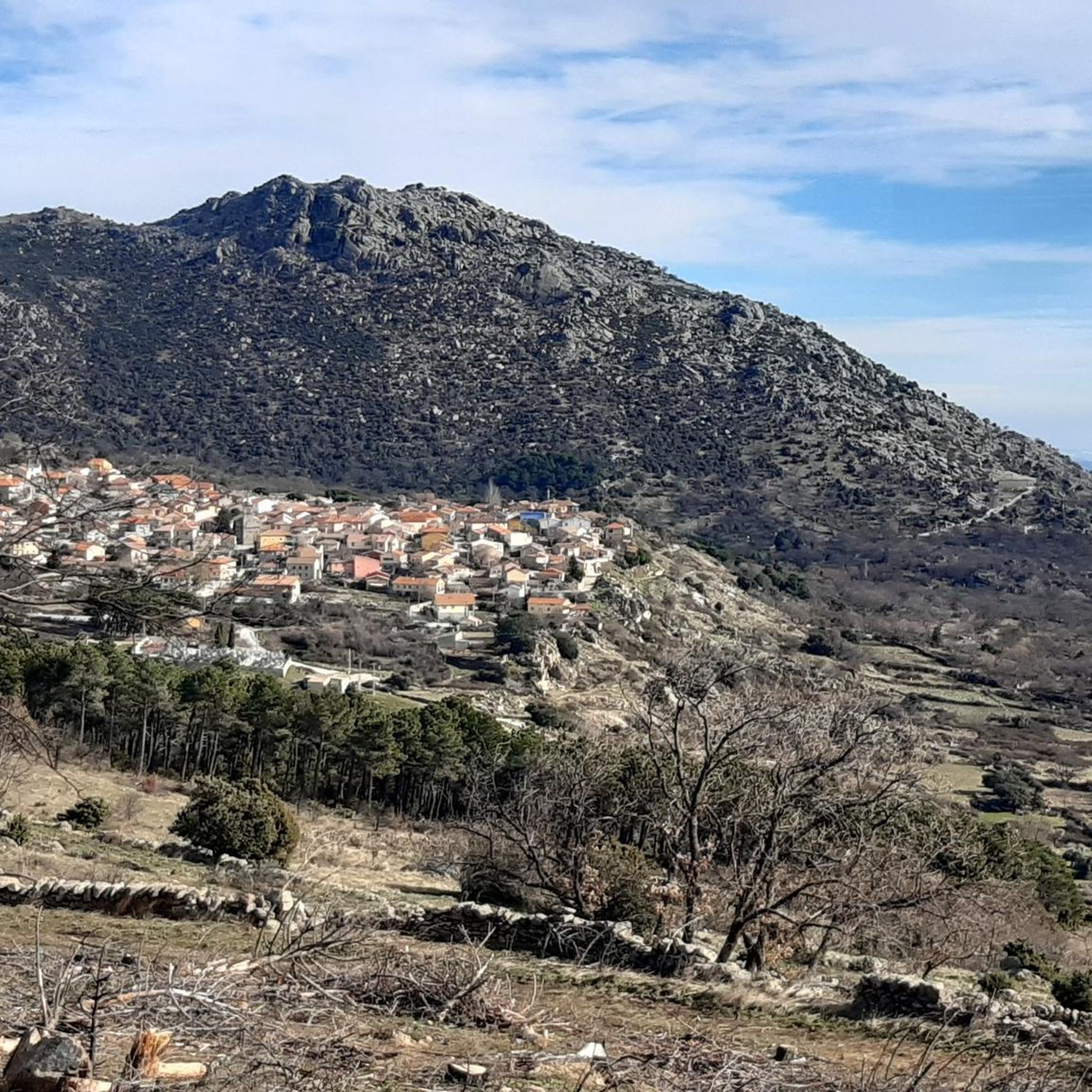
Best attractions and places to see around Zarzalejo include a blend of historical landmarks and natural features within the Sierra Oeste of Madrid. This municipality is situated amidst granite mountains, offering diverse landscapes. Historically, it served as a retreat for King Philip II and was a source of granite for the construction of the Monastery of El Escorial. The area provides opportunities to explore both cultural sites and natural beauty.
Best attractions and places to see around Zarzalejo
- The most…
Last updated: August 16, 2026
Valmayor Reservoir
Highlight • Lake
Translated by Google •
Tip by

Seat of Philip II
Highlight • Viewpoint
Some experts assure that these granite seats, for the king and two companions, are the …
Translated by Google •
Tip by

Sign up now to discover places like this
Get recommendations on the best single tracks, peaks, & plenty of other exciting outdoor places.
Sign up for free
Mount Abantos
Highlight • Summit
Translated by Google •
Tip by
Los Arroyos Reservoir Dam
Highlight • Monument
Translated by Google •
Tip by

Royal Monastery of San Lorenzo de El Escorial
Highlight • Historical Site
Translated by Google •
Tip by

Sign up for free to discover even more attractions around Zarzalejo.
Sign up for free
Already have an account?
Start today with a free account
Your next adventure awaits.
Login or Signup
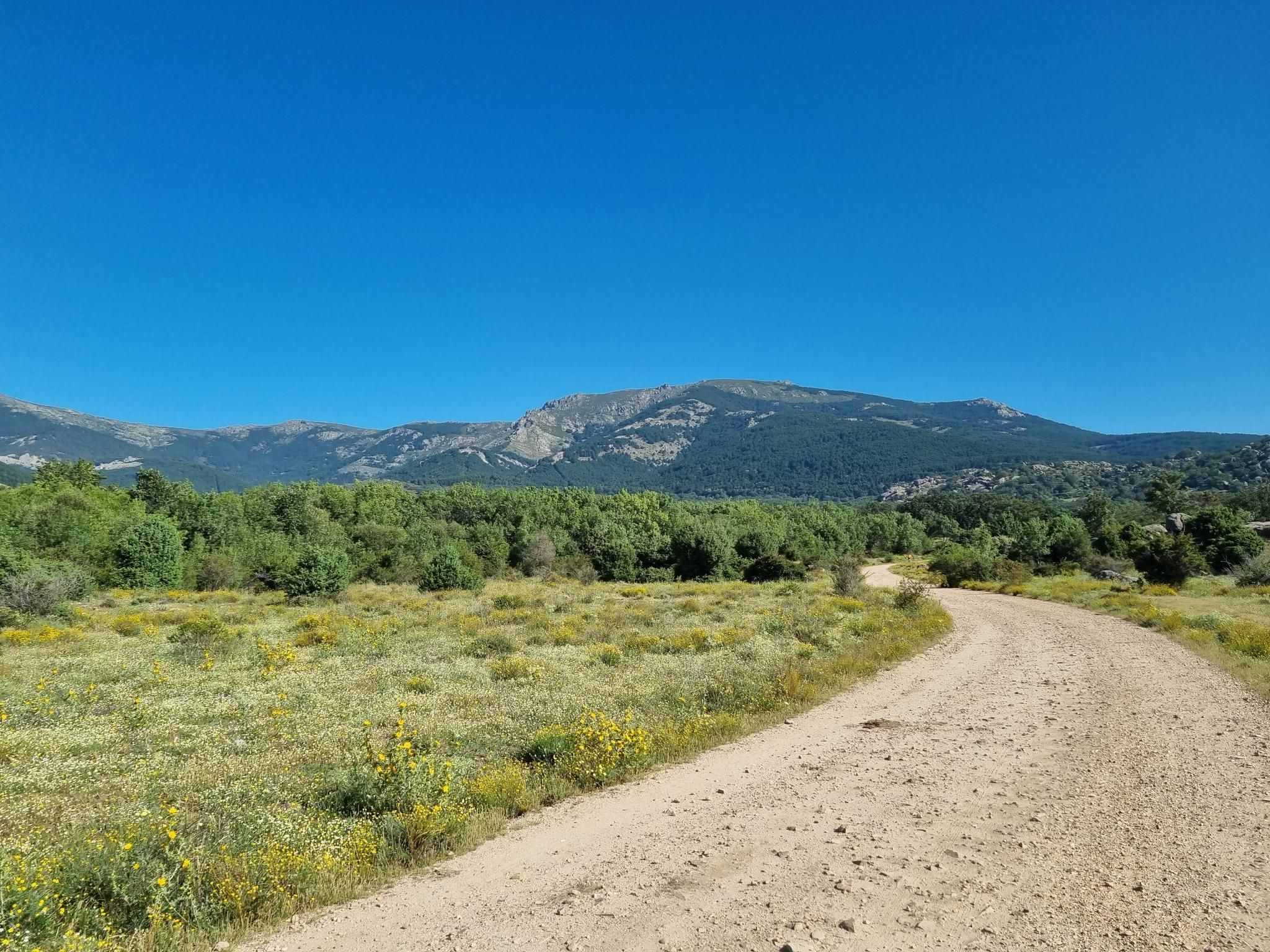
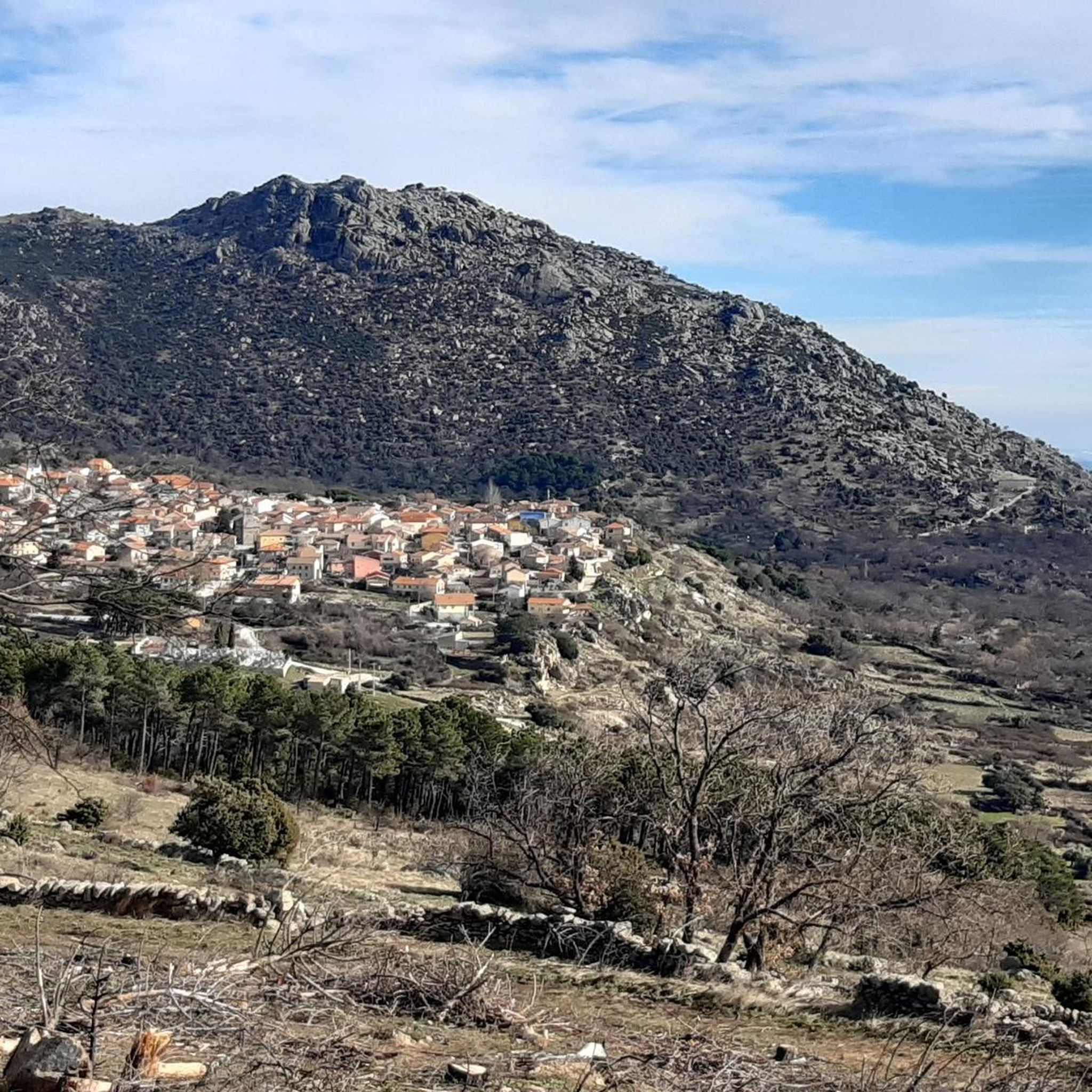
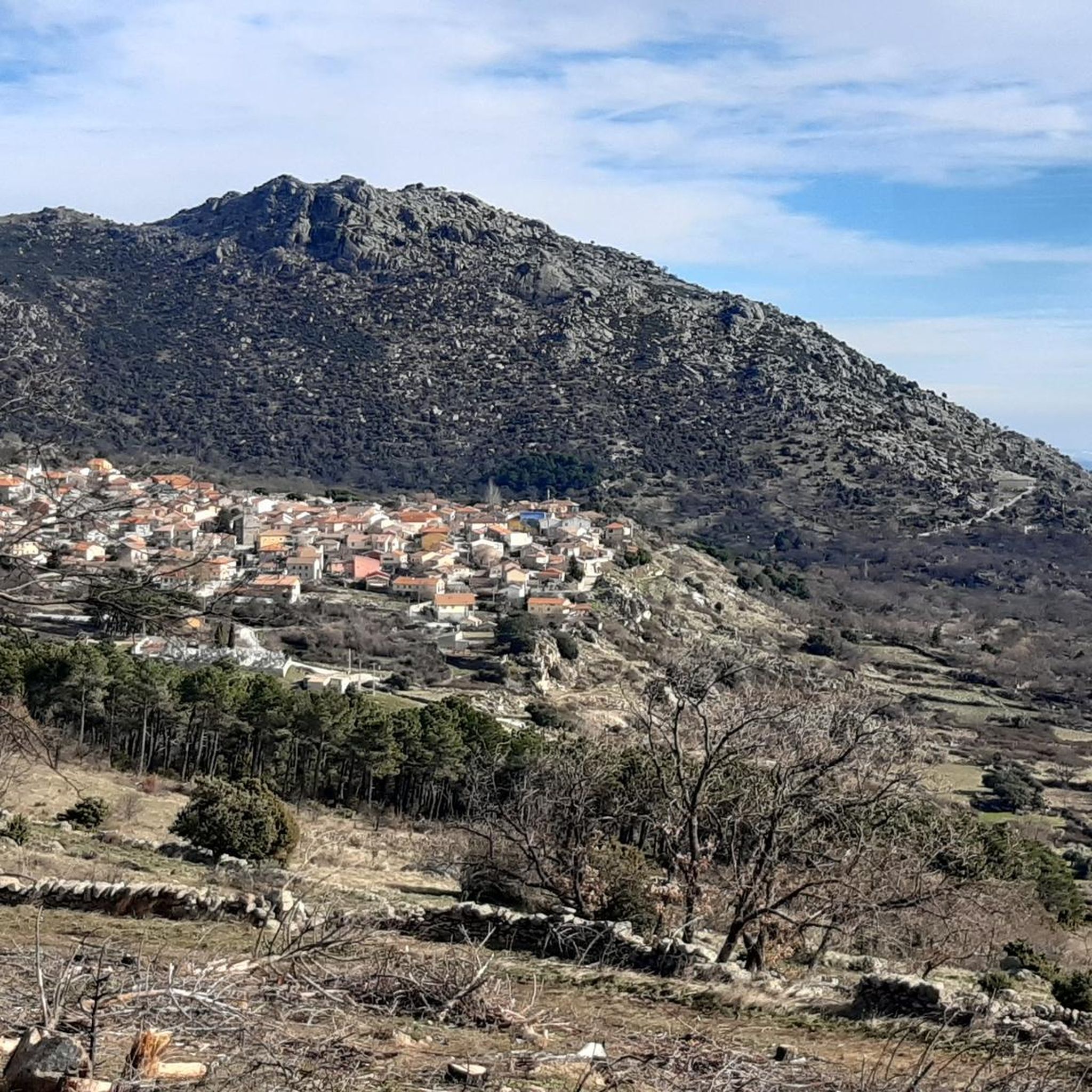
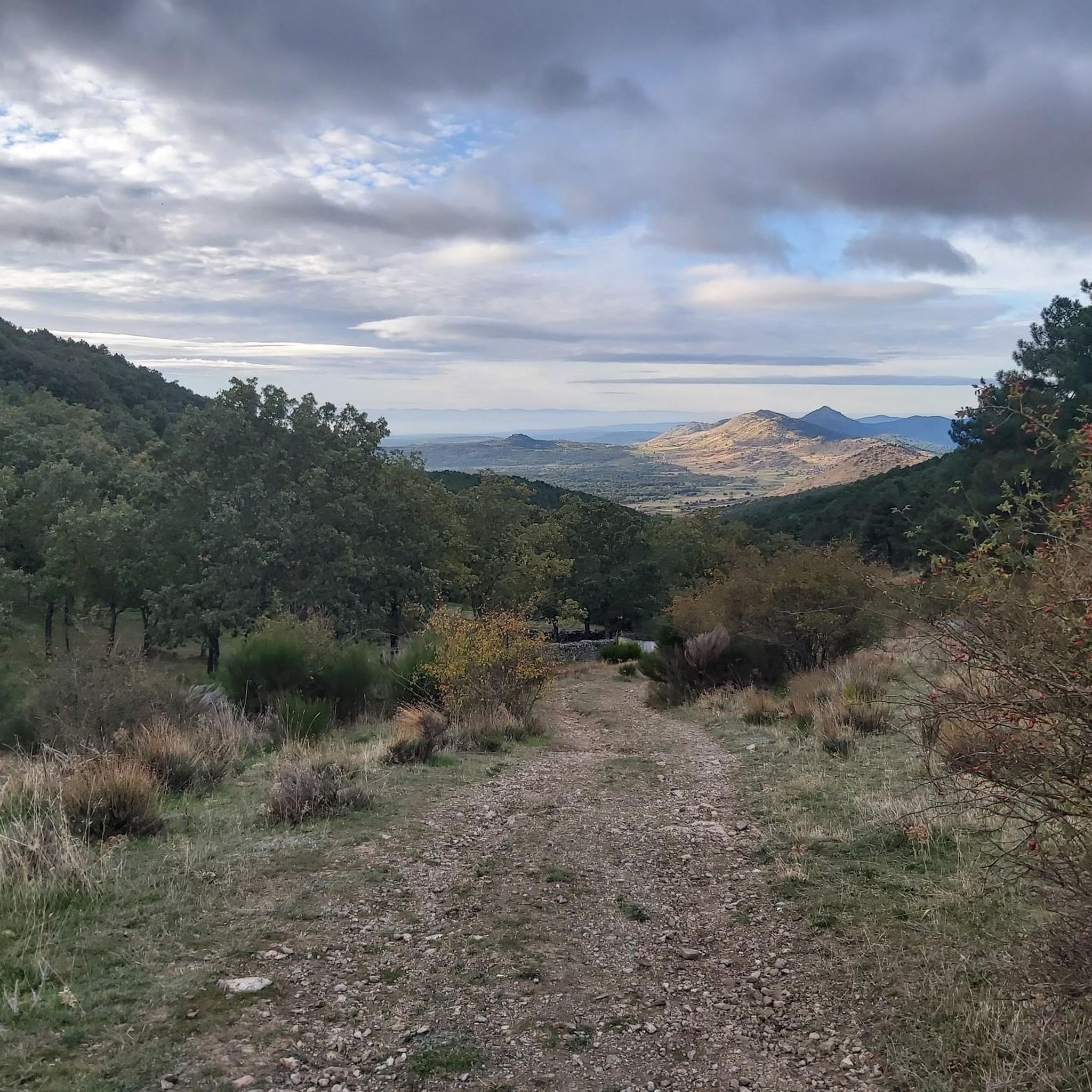

Other adventures around Zarzalejo

Tips from the Community

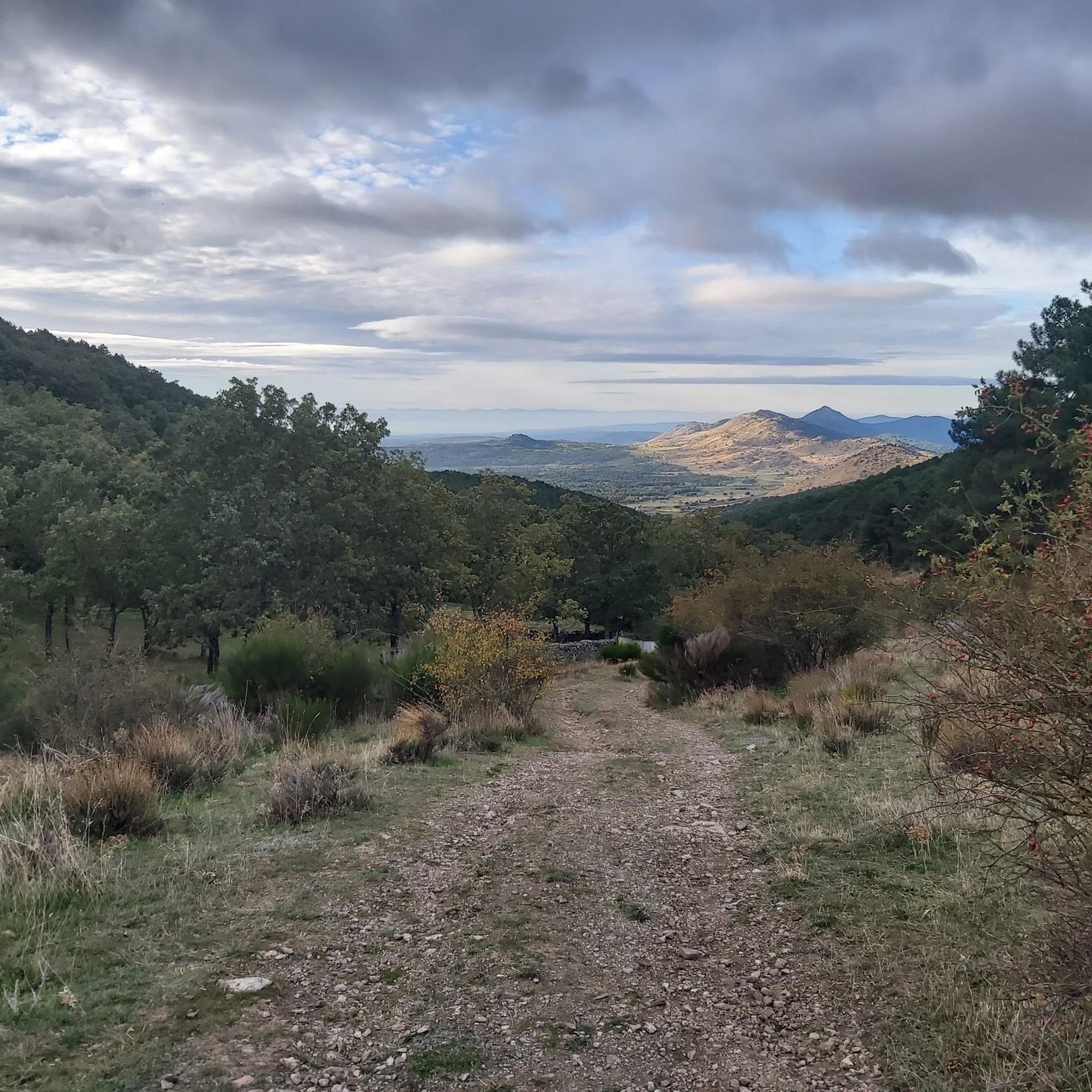
They say (I don't know how true this is) that Philip II used to watch the progress of the construction of the colossal monastery from this very spot during his hunting trips, which he was very fond of. Whether true or not, it makes for a beautiful viewpoint, especially in autumn.
1
0

Paths and cattle trails very suitable for bike rides.
0
0

The Chair of Philip II is a famous granite viewpoint in San Lorenzo de El Escorial, near Madrid. Legend has it that King Philip II used it to view the construction of the Monastery of El Escorial. However, experts believe it was actually an ancient Celtic altar, possibly used for rituals. Today, it's a popular hiking spot with stunning views of the monastery and its surroundings.
3
0
The Monastery of El Escorial was built by King Philip II in the 16th century to commemorate a military victory and serve as a royal pantheon for the Habsburg dynasty. Designed by architects Juan Bautista de Toledo and Juan de Herrera, it is characterized by its sober, Renaissance style. Today it is a UNESCO World Heritage Site.
6
1

The Chair of Philip II is a group of platforms and seats carved in granite. According to tradition, Philip II used this site as an observatory during the construction of the Monastery of El Escorial. However, some theories suggest that it could be an ancient Vetton altar. This site offers spectacular views of the Monastery of El Escorial and its surroundings, including the La Herrería forest. The route to reach the Chair of Philip II is quite accessible and can be done in approximately one hour from the San Lorenzo de El Escorial Tourist Office.
1
0
The Chair of Philip II is a group of platforms and seats carved in granite. According to tradition, Philip II used this site as an observatory during the construction of the Monastery of El Escorial. However, some theories suggest that it could be an ancient Vetton altar. This site offers spectacular views of the Monastery of El Escorial and its surroundings, including the La Herrería forest. The route to reach the Chair of Philip II is quite accessible and can be done in approximately one hour from the San Lorenzo de El Escorial Tourist Office.
1
0

The passage through the Arroyos dam is closed, we will have to go all the way around the tail of the reservoir to another small dam in ruins.
1
0

If there is a lot of water like this time, there is no way to pass through the dam.
0
0
Frequently Asked Questions
What historical landmarks can I explore in Zarzalejo?
Zarzalejo is rich in history. You can visit the Iglesia Parroquial de San Pedro Apóstol, dating back to 1492, or the Iglesia de Nuestra Señora de la Asunción in Zarzalejo Estación. Explore the Plaza de la Constitución with its traditional stone 'agujas', or discover the 18th-century Fuente del Caño Viejo and the Fuente del Caño Nuevo from 1850. Sections of an ancient Roman Road are also present, particularly near Zarzalejo Estación, and you can even find remnants of Civil War bunkers.
What natural attractions are prominent in Zarzalejo?
The landscape around Zarzalejo is dominated by the impressive granite peaks of Las Machotas (Machota Alta and Machota Baja), offering incredible views and diverse vegetation. You can also visit the protected Lagunas del Castrejón at the foot of Las Machotas, or the beautiful Castañar de Zarzalejo, one of the few chestnut groves in the Community of Madrid, especially stunning in autumn. The nearby Valmayor Reservoir also offers scenic views and outdoor opportunities.
Are there any viewpoints with panoramic vistas in the area?
Yes, Zarzalejo offers several excellent viewpoints. The Mirador del Guijo, located behind the town hall, provides wonderful vistas of the surrounding pastures. Additionally, the famous Seat of Philip II, a granite viewpoint near San Lorenzo de El Escorial, offers spectacular views of the Royal Monastery of San Lorenzo de El Escorial and the surrounding landscape.
What kind of outdoor activities can I do near Zarzalejo?
Zarzalejo is ideal for outdoor enthusiasts. You can enjoy hiking to the peaks of Las Machotas or exploring the natural area of Collado de Entrecabezas. The nearby Valmayor Reservoir is great for hiking and cycling around its dam. For specific routes, consider exploring the hiking trails around Zarzalejo, including routes like 'Las Machotas Loop from Zarzalejo' or 'Entrecabezas Spring – The Lower Machota loop'.
Are there family-friendly attractions or activities in Zarzalejo?
Many of Zarzalejo's natural and historical sites are suitable for families. Exploring the traditional architecture in Zarzalejo Pueblo, visiting the fountains, or taking easy walks around the Lagunas del Castrejón can be enjoyable for all ages. The Seat of Philip II is also listed as family-friendly, offering an accessible viewpoint with historical context.
Where can I find traditional architecture in Zarzalejo?
The older part of Zarzalejo Pueblo maintains its rural essence with charming stone architecture. You can appreciate traditional mountain-style constructions, particularly on streets like Calle del Guijo, Calle de la Casa Quemada, and Avenida de la Cruz Verde. The Plaza de la Constitución also showcases traditional elements.
What is the best time of year to visit Zarzalejo for outdoor activities?
Zarzalejo offers beauty throughout the year. Autumn is particularly recommended for visiting the Castañar de Zarzalejo due to its vibrant colors. Spring and early summer provide pleasant temperatures for hiking and exploring the natural areas. Even in winter, with appropriate gear, the snowy landscapes of Las Machotas can be stunning.
Can I find mountain biking trails near Zarzalejo?
Yes, the region around Zarzalejo offers several mountain biking opportunities. You can find various MTB trails, including challenging routes like 'Malagon, Zarzalejo, Silla de Felipe II y Monasterio' or 'Mount Abantos and Peguerinos Reservoir Loop'.
What is the significance of the Royal Monastery of San Lorenzo de El Escorial to Zarzalejo?
The Royal Monastery of San Lorenzo de El Escorial, a UNESCO World Heritage Site, is closely linked to Zarzalejo's history. Zarzalejo was historically a retreat for King Philip II, who commissioned the monastery, and the area was a source of granite for its construction. The Cerca Real, a 55 km wall commissioned by Philip II to enclose the monastery's domains, can still be observed around Machota Alta.
Are there any unique historical artifacts or structures in Zarzalejo Estación?
In Zarzalejo Estación, you can find the Iglesia de Nuestra Señora de la Asunción, built in 1955. Additionally, there is a 19th-century wooden Potro de Herrar (Horse Shoeing Stocks) and sections of an ancient Roman Road. A fragment of the famous Aqueduct of Segovia can also be seen upon entering Zarzalejo, highlighting its historical connections.
What are the options for cycling routes around Zarzalejo?
Cyclists can find a variety of routes in the Zarzalejo area. There are cycling routes that explore the scenic landscapes, such as 'Cruz Verde Pass – Cruz Verde Pass loop' or routes connecting to nearby towns and natural features.
How can I reach Zarzalejo using public transport from Madrid?
Zarzalejo is accessible by public transport from Madrid. You can typically take a train (Renfe C8A line) to Zarzalejo Estación or utilize bus lines that connect Madrid with Zarzalejo. It's advisable to check current schedules for Renfe C8A and local bus services for the most up-to-date information on routes and timings.
Most popular routes around Zarzalejo
Most popular attractions around Zarzalejo

Get inspired with the komoot mobile app


Explore more
Still not found the Highlight you’re looking for? See guides of the top attractions in other regions:
