Attractions and Places To See around Velascálvaro - Top 12
Best attractions and places to see around Velascálvaro include a variety of historical and cultural sites. The region offers 12 notable locations, ranging from medieval castles to religious buildings. These destinations provide opportunities to explore local heritage and architecture. Velascálvaro is a region where cultural significance is evident in its preserved historical structures.
Best attractions and places to see around Velascálvaro
- The most popular attractions is Collegiate Church of San Antolín, a religious building that stands as one of…
Last updated: June 17, 2026
Collegiate Church of San Antolín
Highlight • Religious Site
The collegiate church is, along with the La Mota Castle, one of …
Translated by Google •
Tip by

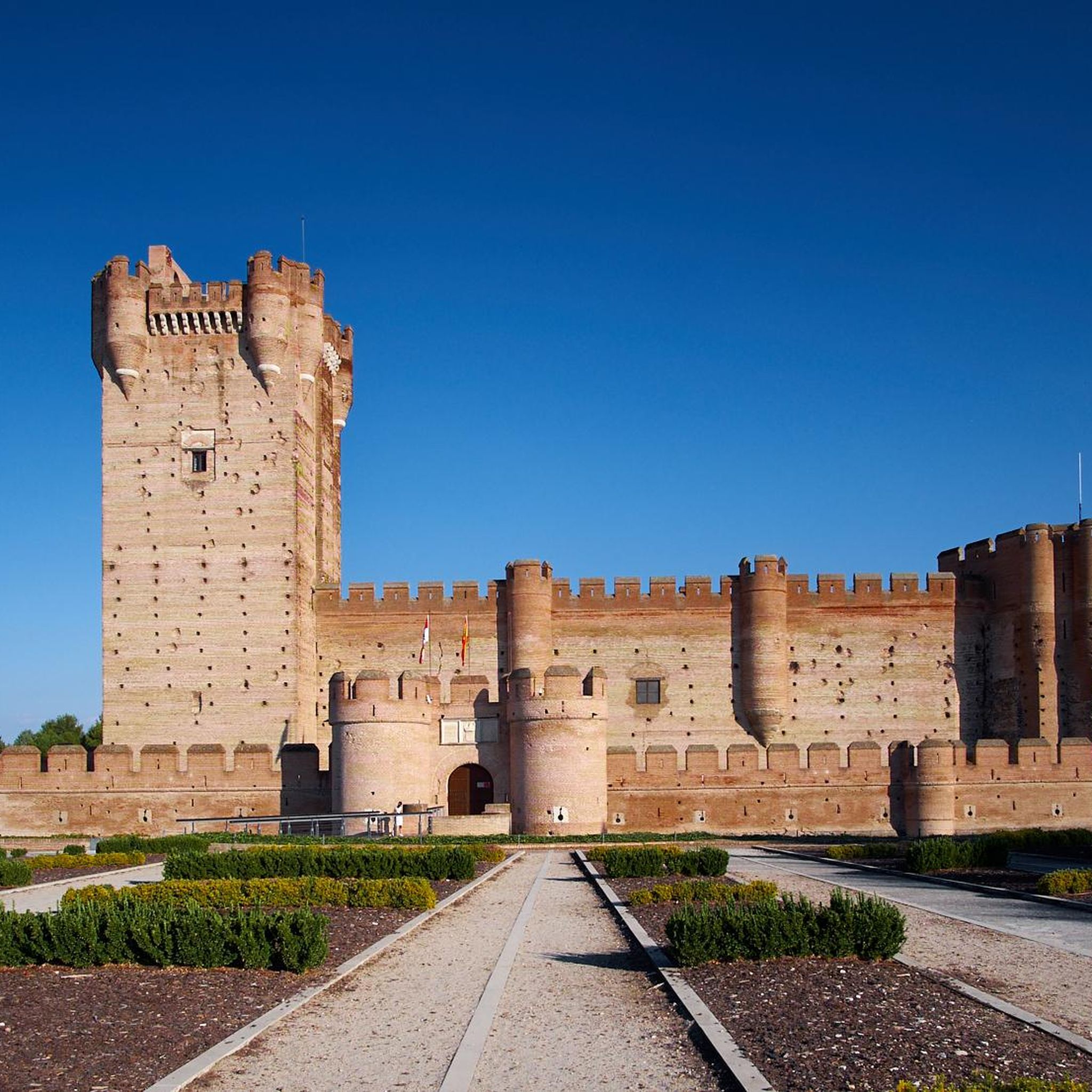
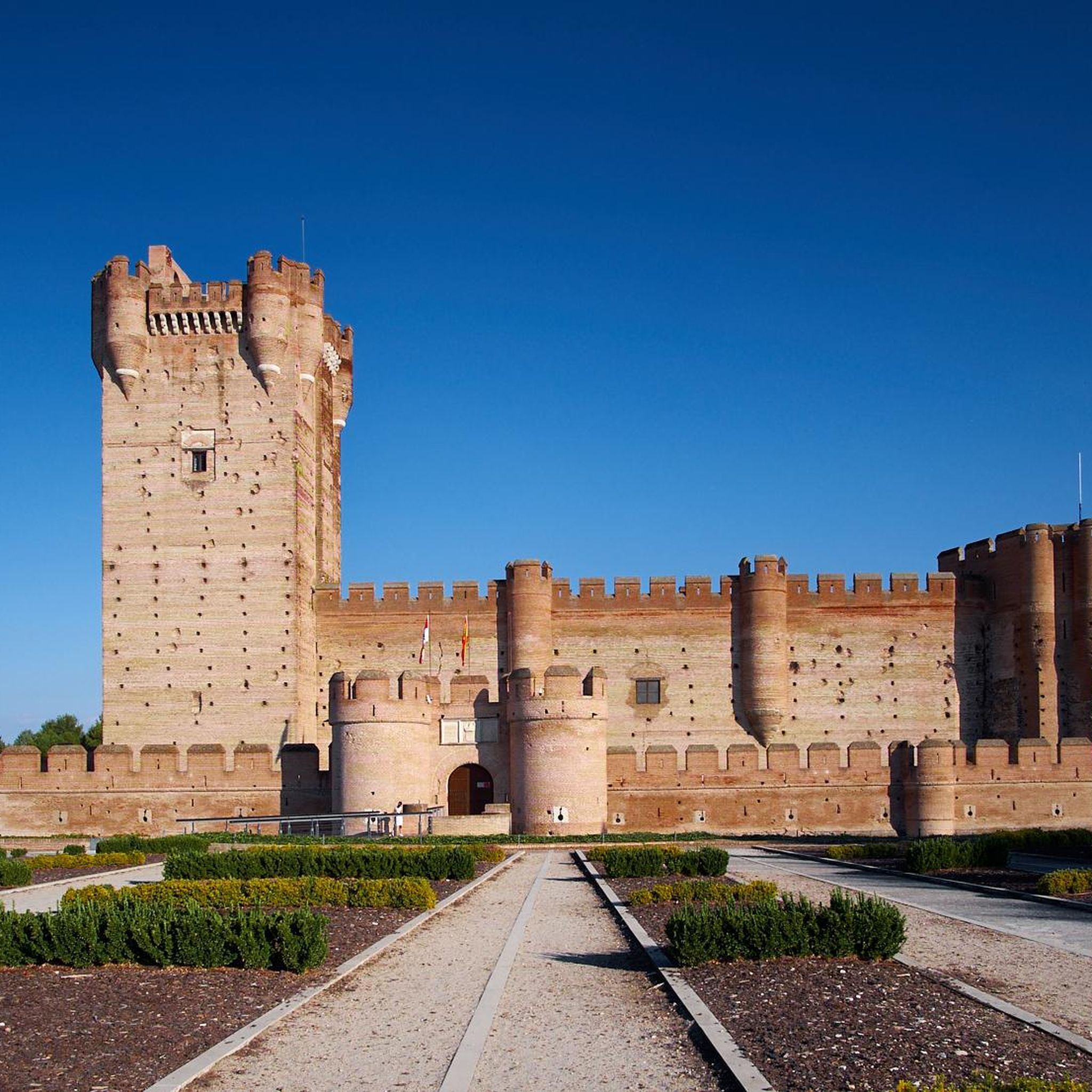
Castle of La Mota
Highlight • Castle
Translated by Google •
Tip by
Sign up now to discover places like this
Get recommendations on the best single tracks, peaks, & plenty of other exciting outdoor places.
Sign up for free
Palacio de Dueñas Courtyard
Highlight • Historical Site
Translated by Google •
Tip by

Church of Saint James the Royal
Highlight • Religious Site
Translated by Google •
Tip by
Convent of St. Joseph – Discalced Carmelites
Highlight • Religious Site
The construction is very similar to that of the …
Translated by Google •
Tip by
Sign up for free to discover even more attractions around Velascálvaro.
Sign up for free
Already have an account?
Start today with a free account
Your next adventure awaits.
Login or Signup


Tips from the Community

Built in the 16th century by Diego Beltrán, a nobleman and member of the Royal Council of the Indies, around 1528–1533, on a site previously used on Santiago Street. Its design is attributed to the royal architect Luis de Vega. From 1602 to 1604, it housed the Royal Chancery; later, it served as the residence of the Marquis of Ensenada during his exile. In 1916, it was acquired by the Marquises of Argüeso; in 1950, it passed into the hands of the State and was used as a vocational institute, currently functioning as an educational center.
5
0
It was the second foundation established by Saint Teresa of Ávila as part of the Carmelite reform, officially founded on August 15, 1567, thanks to houses donated by María Juárez de Herrera. Over the following decade, the convent was expanded by acquiring adjacent land. In 1654, the architect Mateo Martínez reinforced the structures and added another story to the cloister. Here, Saint Teresa first met Saint John of the Cross, who had been living in another local Carmelite convent since 1563.
5
0
Parish Church of Santiago el Real, in Medina del Campo. Medieval origins: a church dedicated to Saint James already existed in 1177, located on Santa Teresa Street. It was renovated in the 16th century and used until 1770. The current building was initially the church of the Jesuit novitiate dedicated to Saints Peter and Paul. The first stone was laid in July 1553 by Saint Francis Borgia, and it was opened for worship around 1563. After the expulsion of the Jesuits, around 1770 it became the parish church of Saint James, retaining only the church from the original complex. It was declared a Site of Cultural Interest on January 18, 1968 (RI-51-0003793).
4
0
Also known as the Main Parish Church of San Antolín. The original parish dates back to 1177, founded by settlers from the north (Palencia) and dedicated to Saint Antolín. In 1480, the Catholic Monarchs obtained a papal bull from Pope Sixtus IV elevating its status to a collegiate church with a free abbey. Construction of the current church began in 1502 and continued into the 18th century, with prominent architects such as Juan Gil de Hontañón, Rodrigo Gil, and the Gutiérrez brothers. It lost its collegiate church status in 1851, becoming simply the main parish church.
9
0

This is a Renaissance building constructed in the 16th century. It was designed by Luis de Vega, who was the architect of Charles V. Importantly, the Marquis of Ensenada lived in exile and died in this building in December 1781.
11
0
We are looking at another imposing building belonging to the Discalced Carmelite nuns, whose name is the Convent of San José. The construction is very similar to that of the other religious buildings, where exposed brick is the predominant material, especially in the towers and upper sections, while carved stone is used for the main and secondary doors and facades.
11
0
Located a considerable distance from the city center, this imposing church stands like a solitary sentinel, its exposed brick structure very similar to the other local buildings, where part of the building is constructed of carved stone and the rest of the aforementioned exposed brick. Today we couldn't go inside because it was closed, but under normal circumstances it can be visited during the hours posted on the door.
11
0
This Gothic-style building began construction in 1503, although, as is often the case with such complex structures, it wasn't completed until almost two centuries later. It is a relatively large church, notable for the balcony of the Virgin of the People and the clock tower. The main entrance dates from the 18th century, while the side entrance is from the 16th.
11
0
Frequently Asked Questions
What historical and cultural sites can I explore around Velascálvaro?
The region is rich in historical and cultural sites. You can visit the impressive medieval Castle of La Mota, known for its reddish brick architecture and guided tours. Another significant site is the Collegiate Church of San Antolín, a complex religious building showcasing styles from the 16th to the 18th century. Don't miss the Palacio de Dueñas Courtyard, a beautiful example of Spanish Renaissance architecture.
Are there any family-friendly attractions in Velascálvaro?
Yes, several attractions are suitable for families. The Castle of La Mota is a great option, offering guided tours and cultural activities that can engage visitors of all ages. The Palacio de Dueñas Courtyard also welcomes families to explore its historic Renaissance architecture.
What kind of religious buildings can I visit in the area?
Velascálvaro features several notable religious buildings. The Collegiate Church of San Antolín is a prominent Gothic-style church with a rich history spanning centuries. You can also visit the Church of Saint James the Royal, which has medieval origins and was once a Jesuit novitiate, and the Convent of St. Joseph – Discalced Carmelites, founded by Saint Teresa of Ávila.
What outdoor activities, like cycling, are available near Velascálvaro's attractions?
There are numerous cycling opportunities. You can find a variety of routes for road cycling, mountain biking, and touring. For instance, explore the 'Attack from Castillo de La Mota' route for road cycling, or the 'Castle of La Mota – Medieval bridge loop' for mountain biking. Discover more options on the dedicated guides for Road Cycling Routes around Velascálvaro, MTB Trails around Velascálvaro, and Cycling around Velascálvaro.
What is the best time of year to visit Velascálvaro attractions?
The best time to visit Velascálvaro attractions is generally during the spring (April to June) and autumn (September to October) months. The weather is typically mild and pleasant, ideal for exploring historical sites and enjoying outdoor activities without the intense heat of summer or the chill of winter. This period also often avoids peak tourist crowds.
Are there any viewpoints or scenic spots to enjoy around Velascálvaro?
While specific dedicated viewpoints are not highlighted, the Castle of La Mota, situated on a high hill, offers commanding views over the town of Medina del Campo and its surroundings. Its strategic location makes it an excellent spot to appreciate the regional landscape.
What do visitors particularly appreciate about the attractions in Velascálvaro?
Visitors frequently praise the rich historical significance and architectural beauty of the sites. The Collegiate Church of San Antolín is admired for its complex construction and cultural importance, while the Castle of La Mota is appreciated for its impressive medieval structure and the engaging guided tours it offers.
Are there options for easy or beginner-friendly outdoor activities near Velascálvaro?
Yes, for those seeking easier outdoor activities, the 'Castle of La Mota – Collegiate Church of San Antolín loop' is an easy 18 km cycling route suitable for touring bicycles. This provides a gentle way to explore some of the region's highlights. You can find more details in the Cycling around Velascálvaro guide.
Where can I find parking when visiting attractions in Velascálvaro?
Parking availability varies by attraction. For sites like the Castle of La Mota, there is typically designated parking nearby due to its popularity as a tourist center. For other historical buildings within towns, street parking or public car parks in the vicinity would be the most common options. It's advisable to check local signage upon arrival.
Are there any hidden gems or lesser-known historical sites worth visiting?
Beyond the most popular sites, the Church of Saint James the Royal and the Convent of St. Joseph – Discalced Carmelites offer deeper insights into the region's religious and architectural heritage. While perhaps not as widely known as the castle or collegiate church, they provide a serene and historically rich experience, showcasing unique architectural styles and significant historical connections, such as Saint Teresa of Ávila's involvement with the convent.
Can I find cafes or places to eat near the main attractions?
The attractions around Velascálvaro are often located in or near towns like Medina del Campo. In these areas, you will find various cafes, restaurants, and eateries where you can enjoy a meal or a coffee. For instance, after visiting the Castle of La Mota or the Collegiate Church of San Antolín, you'll be within easy reach of local establishments.

Get inspired with the komoot mobile app


Explore more
Still not found the Highlight you’re looking for? See guides of the top attractions in other regions:
