Attractions and Places To See around Canillas De Río Tuerto - Top 20
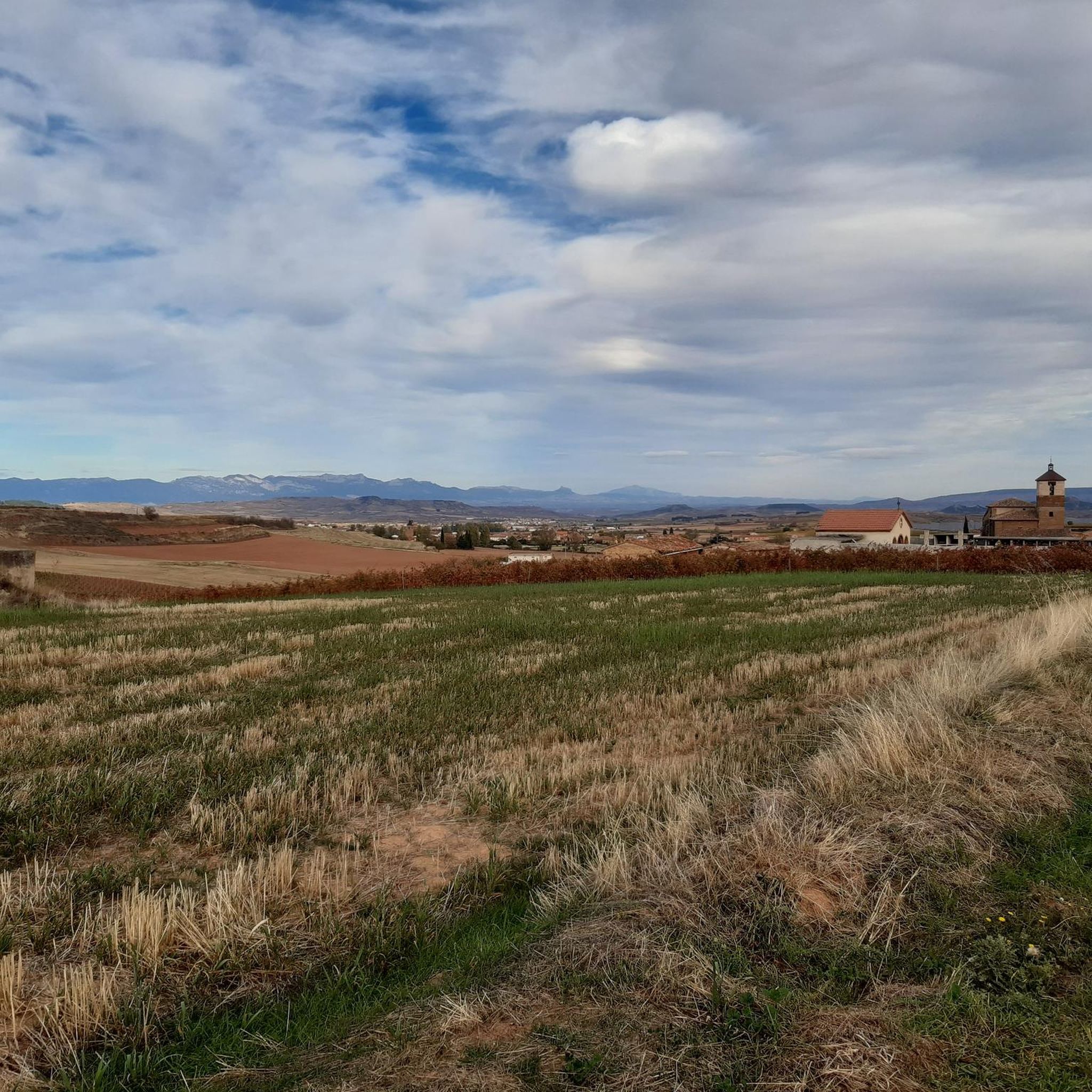
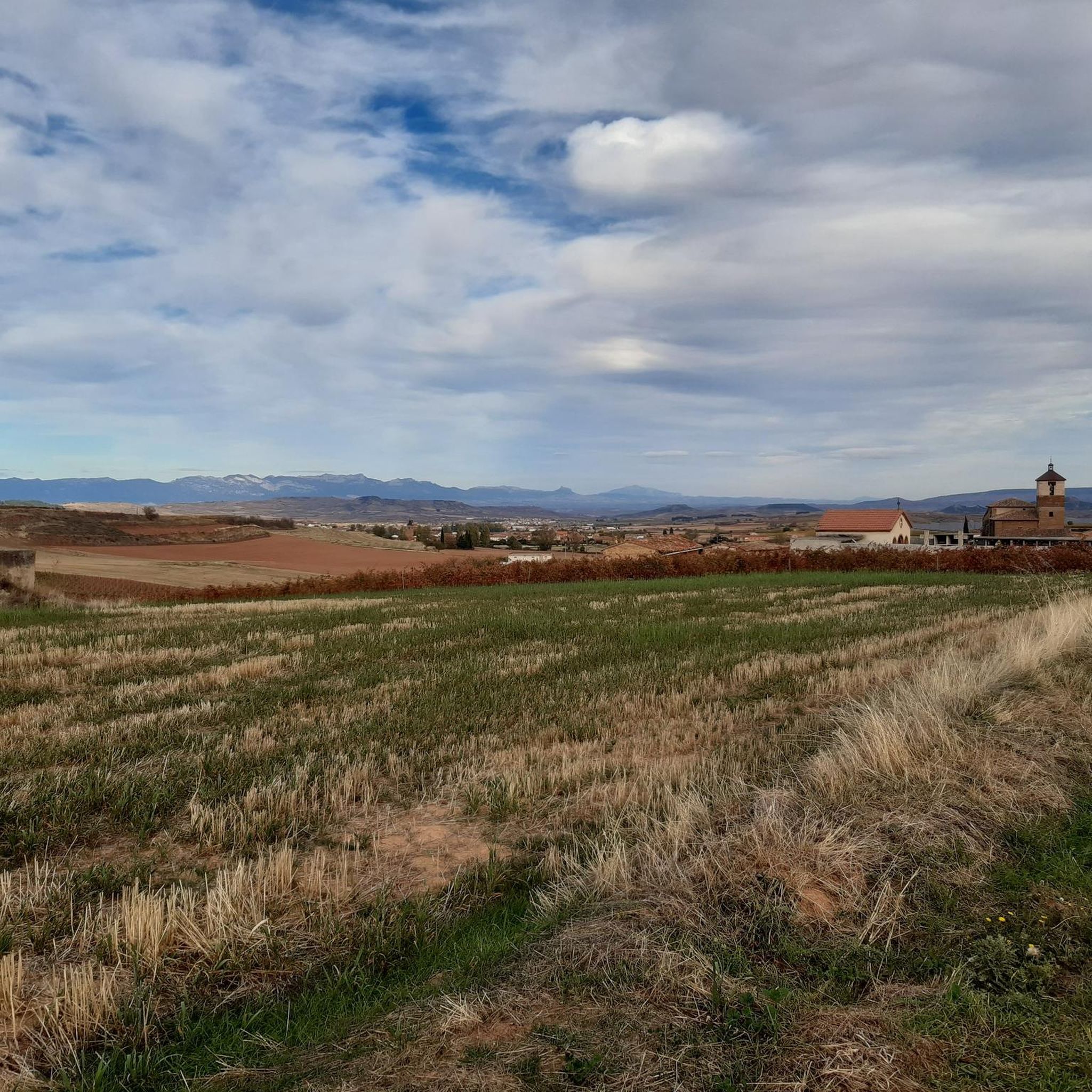
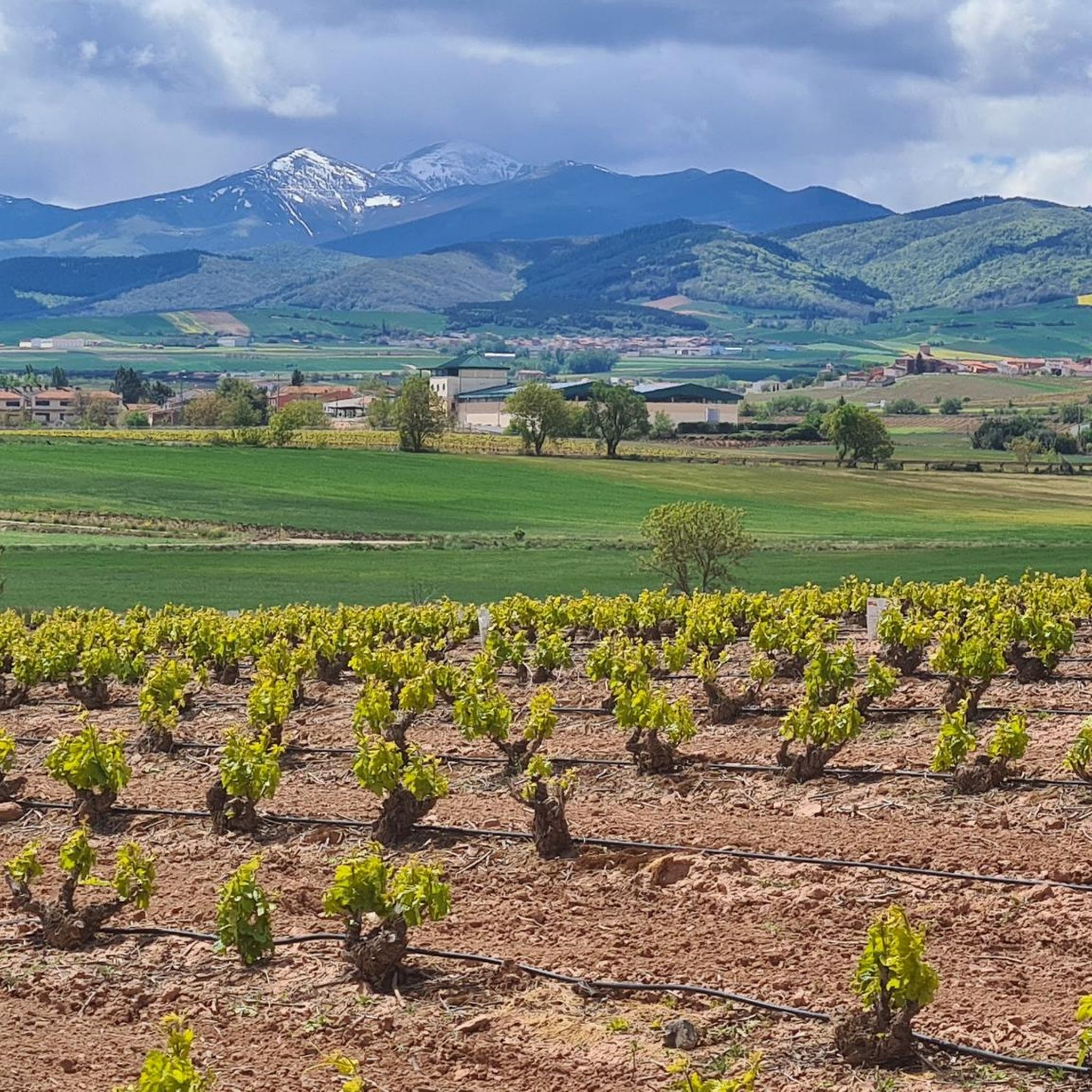
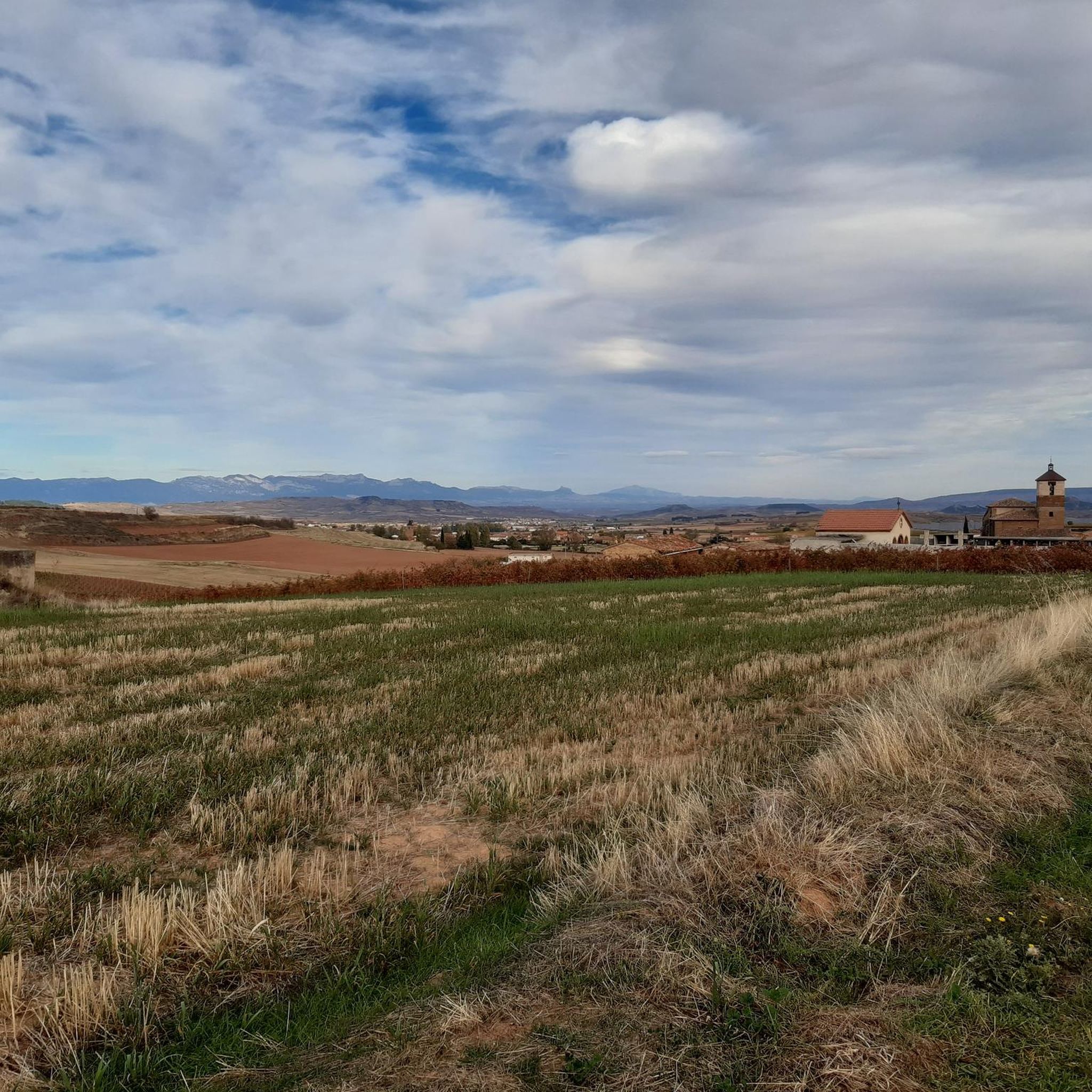
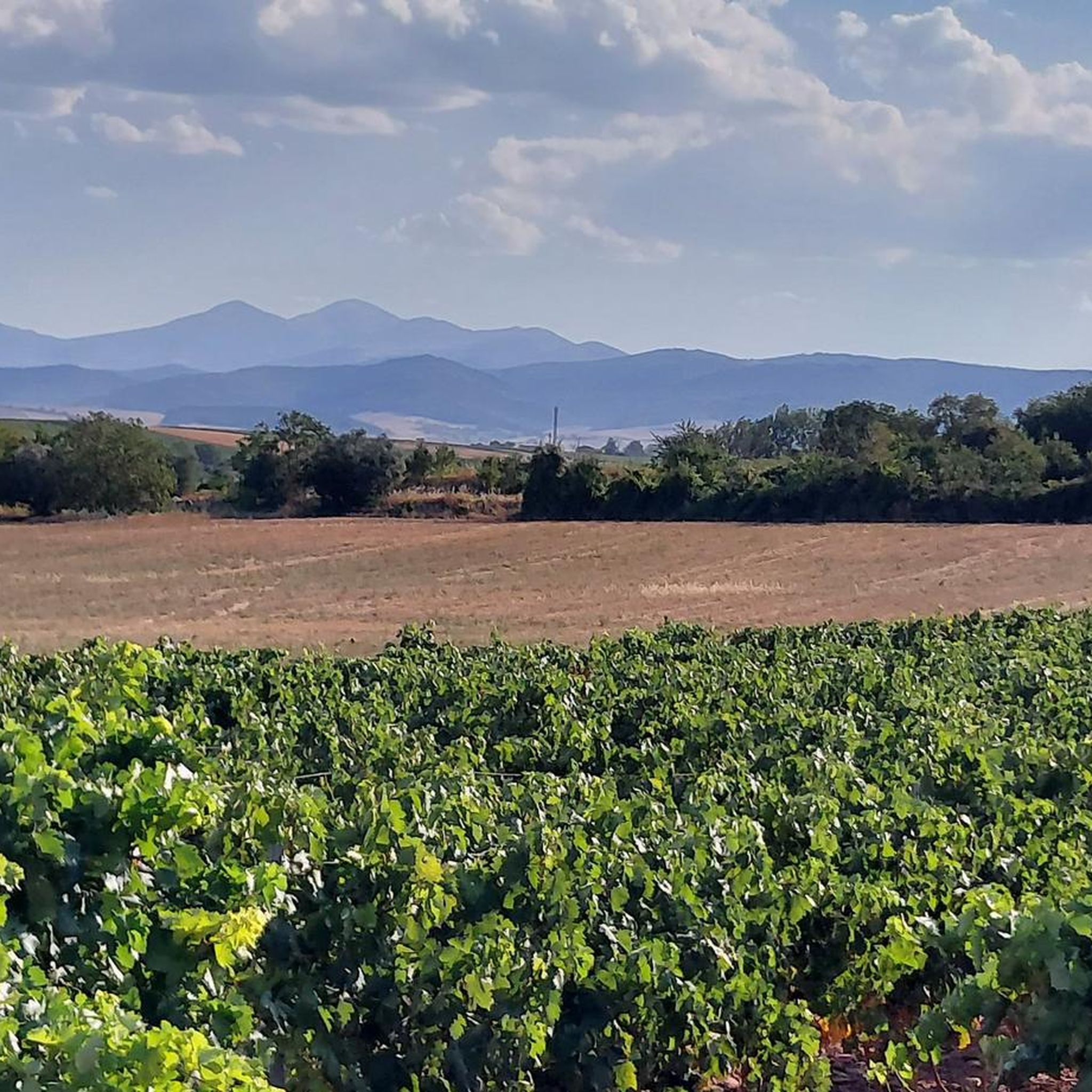
Attractions and places to see around Canillas De Río Tuerto are centered in the fertile valley of the Tuerto River in La Rioja Alta. This municipality features a blend of historical sites, cultural experiences, and natural beauty, including surrounding vineyards. The area is known for its tranquil rural charm and connection to the renowned Rioja wine region. Agriculture, particularly viticulture, forms a significant part of the local economy and landscape.
Best attractions and places to see around Canillas De Río…
Last updated: July 6, 2026
Santo Domingo de la Calzada Cathedral
Highlight • Religious Site
Translated by Google •
Tip by

Santo Domingo de la Calzada Bridge
Highlight • Bridge
At the entrance, on the banks of Santo Domingo de la Calzada, there …
Translated by Google •
Tip by
Sign up now to discover places like this
Get recommendations on the best single tracks, peaks, & plenty of other exciting outdoor places.
Sign up for free
San Millán de la Cogolla Monastery
Highlight • Religious Site
Translated by Google •
Tip by

Bicigrino Statue
Highlight • Monument
Translated by Google •
Tip by

Suso and Yuso Monasteries (San Millán de la Cogolla)
Highlight • Religious Site
Translated by Google •
Tip by

Sign up for free to discover even more attractions around Canillas De Río Tuerto.
Sign up for free
Already have an account?
Start today with a free account
Your next adventure awaits.
Login or Signup

Tips from the Community

The Monastery of San Millán de la Cogolla is a place of great importance in the La Rioja region of Spain. Founded in the 6th century AD by Saint Millán, this monastery has a rich history and a special connection with the Castilian language.
3
0

The pilgrimage route repeatedly involves crossing valleys and rivers like the Rio Oja – as here at Santo Domingo de la Calzada. The bridges are sometimes relatively modern, sometimes medieval, and sometimes even older.
1
0
It crosses the Oja River, connecting different parts of the city. Built in the 12th century by Saint Dominic de la Calzada to facilitate the passage of pilgrims on the Camino de Santiago. The stone bridge features several arches, a fine example of medieval engineering.
2
0
The Cathedral of Santo Domingo de la Calzada, also known as the Cathedral of El Salvador, is an impressive monument located in the town of Santo Domingo de la Calzada. The cathedral was built between the 12th and 13th centuries, combining Romanesque and Gothic styles. A unique feature is its free-standing tower, separated from the main body of the cathedral.
8
0

“Bicigrino” is a term used on the Camino de Santiago and is a combination of the Spanish words “bici”, meaning bicycle, and “peregrino”, meaning pilgrim1. A Bicigrino is therefore a pilgrim who covers the Camino de Santiago by bicycle21. To receive a Compostela certificate, a Bicigrino must complete at least the last 200 km of a Camino route, ending in Santiago de Compostela. It is a trend that has developed in recent years, with more and more pilgrims choosing to do the Camino de Santiago by bicycle. It's a great way to experience the beautiful landscapes and historic sites along the Camino. 😊
6
0
Again and again on the pilgrimage route - as here at Santo Domingo de la Calzada - valleys have to be crossed and rivers like the Rio Oja have to be crossed. The bridges are sometimes relatively modern, sometimes medieval and sometimes even older.
7
0
The typical features of almost every pilgrim figure: backpack, hat, walking stick and of course the clearly visible scallop shell; here, another object has been added, namely the bicycle.
8
0

Anyone who passes by here by bike along the Via de Compostela must stop for a photo.
8
0
Frequently Asked Questions
What historical and cultural sites can I visit in Canillas de Río Tuerto?
Canillas de Río Tuerto is rich in history. You can explore the Iglesia de San Martín, a significant monument dating from the 13th to 18th centuries with a valuable Romanesque baptismal font. The restored Palacio de los Manso de Zúñiga, now hosting the European Culture Center, is also a notable site. Don't miss the Iglesia de San Julián y Santa Basilisa, a 17th-century Baroque church considered the village's main monument, and the Ermita de Nuestra Señora de los Remedios on the outskirts.
Are there any unique religious sites near Canillas de Río Tuerto?
Absolutely. A must-see is the Santo Domingo de la Calzada Cathedral, famous for housing a real rooster and hen inside, a tradition linked to the legend of the hanged pilgrim. Also, the Suso and Yuso Monasteries (San Millán de la Cogolla), a UNESCO World Heritage Site, are significant for their architectural and cultural heritage, including codices with early Spanish words.
What natural features can I explore around Canillas de Río Tuerto?
The village is nestled in the fertile Río Tuerto Valley, offering a privileged natural environment. A natural route follows the course of the Tuerto River, allowing visitors to enjoy the local biodiversity and landscapes. The area is also surrounded by extensive vineyards, reflecting the region's strong viticultural tradition within the famous Rioja wine region.
What outdoor activities are available near Canillas de Río Tuerto?
The surroundings of Canillas de Río Tuerto offer numerous opportunities for outdoor activities. You can find many trails for hiking, cycling, and mountain biking. For specific routes, you can check out guides like Running Trails around Canillas De Río Tuerto, MTB Trails around Canillas De Río Tuerto, and Gravel biking around Canillas De Río Tuerto.
Are there any family-friendly attractions in the area?
Yes, several attractions are suitable for families. The Santo Domingo de la Calzada Cathedral with its unique live rooster and hen is often a hit with children. The Suso and Yuso Monasteries (San Millán de la Cogolla) also welcome families to explore their historical grounds. Additionally, the natural routes along the Tuerto River provide gentle walks for all ages.
What is the significance of the Rioja Wine Region to Canillas de Río Tuerto?
Canillas de Río Tuerto is an integral part of the renowned Rioja Wine Region. The village is surrounded by vineyards, and viticulture is a significant part of the local economy and culture. Visitors can explore local vineyards, learn about wine production, and enjoy the regional gastronomy, which pairs traditional Spanish cuisine with acclaimed Rioja wines.
What is the best time of year to visit Canillas de Río Tuerto?
The region generally enjoys pleasant weather, making spring (April-June) and autumn (September-October) ideal for visiting. During these seasons, the temperatures are mild, perfect for exploring historical sites, enjoying outdoor activities like hiking and cycling, and experiencing the vineyards, especially during the grape harvest in autumn.
Are there any interesting bridges to see in the area?
Yes, the Santo Domingo de la Calzada Bridge is a notable masonry stone bridge built in the 11th century, historically serving pilgrims on the Way of St. James. Within Canillas de Río Tuerto itself, the Puente sobre el Río Tuerto is an ancient bridge offering picturesque views of the river and agricultural landscapes.
What do visitors enjoy most about the attractions around Canillas de Río Tuerto?
Visitors particularly appreciate the blend of historical depth and natural beauty. The unique legend of the rooster and hen at Santo Domingo de la Calzada Cathedral is a memorable experience. The tranquility of the rural setting, the rich viticultural landscape, and the historical significance of sites like the Suso and Yuso Monasteries are frequently highlighted.
Is there anything for cyclists on the Camino de Santiago near Canillas de Río Tuerto?
Cyclists following the Via de Compostela near Canillas de Río Tuerto often stop at the Bicigrino Statue for a photo opportunity. This monument celebrates the 'Bicigrino' or bicycle pilgrim, recognizing the growing number of people who experience the Camino by bike.
Can I find accommodation and dining options in Canillas de Río Tuerto?
Canillas de Río Tuerto, while a small municipality, offers a tranquil rural charm. You can find local guesthouses or rural accommodations that provide an authentic experience. For dining, expect traditional Spanish cuisine, often featuring local produce and, of course, excellent Rioja wines from the surrounding vineyards.
Most popular routes around Canillas De Río Tuerto

Get inspired with the komoot mobile app


Explore more
Still not found the Highlight you’re looking for? See guides of the top attractions in other regions:
