Attractions and Places To See around Fabero - Top 10
Best attractions and places to see around Fabero, a municipality in the Bierzo region of León, Spain, offers a blend of industrial heritage, cultural sites, and natural beauty. The area's past as a prominent mining region has shaped its identity, complemented by traditional architecture. Visitors can explore diverse natural landscapes and historical landmarks.
Best attractions and places to see around Fabero
- The most popular attractions is Roman Bridge of Vega de Espinareda, a bridge that crosses the Cúa river.…
Last updated: October 11, 2026
Roman Bridge of Vega de Espinareda
Highlight • Bridge
Translated by Google •
Tip by

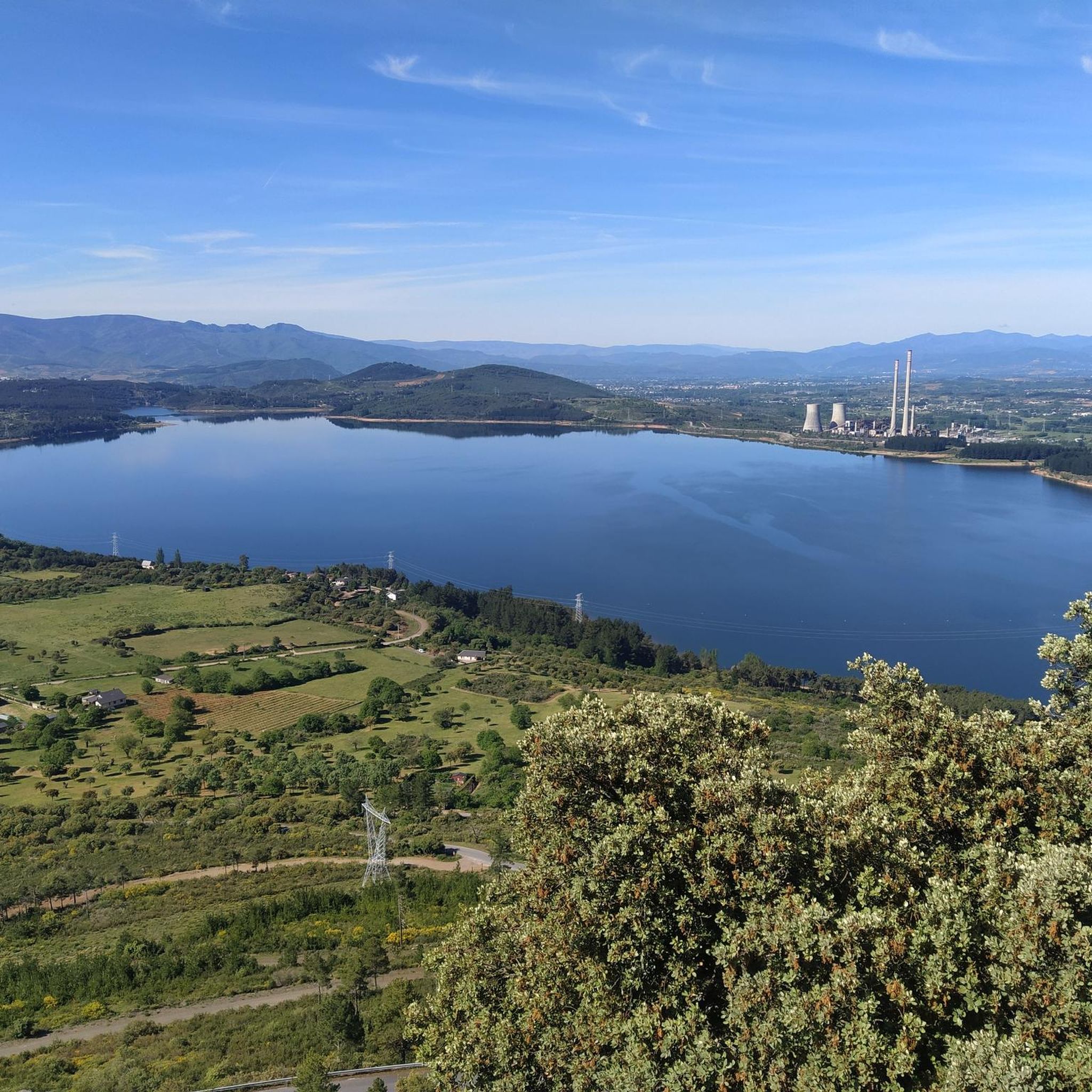
Laguna de San Pedro Mallo
Highlight • Lake
Translated by Google •
Tip by

Sign up now to discover places like this
Get recommendations on the best single tracks, peaks, & plenty of other exciting outdoor places.
Castro de Chano
Highlight • Historical Site
Translated by Google •
Tip by
Sésamo Village and Historic Churches
Highlight • Settlement
Translated by Google •
Tip by
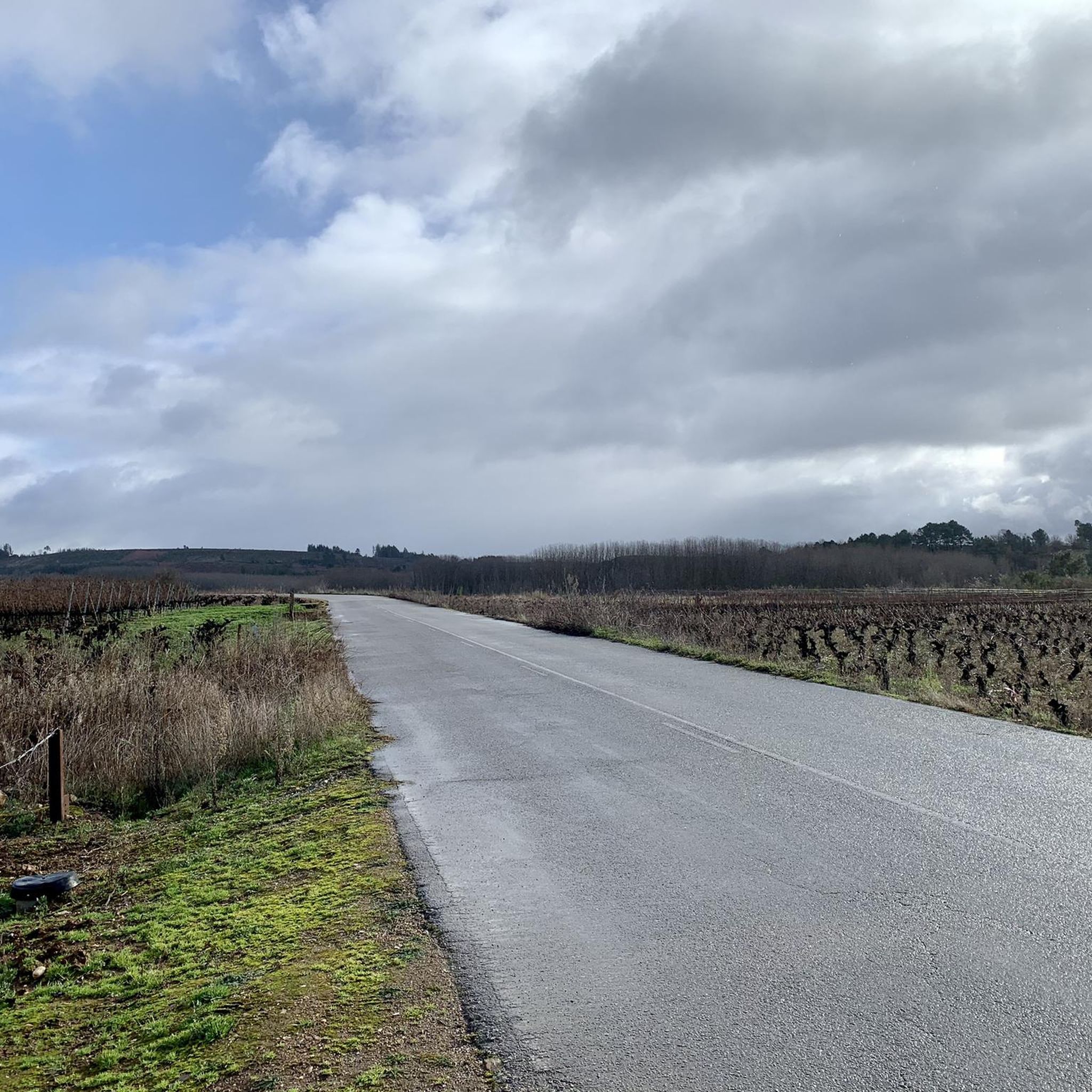
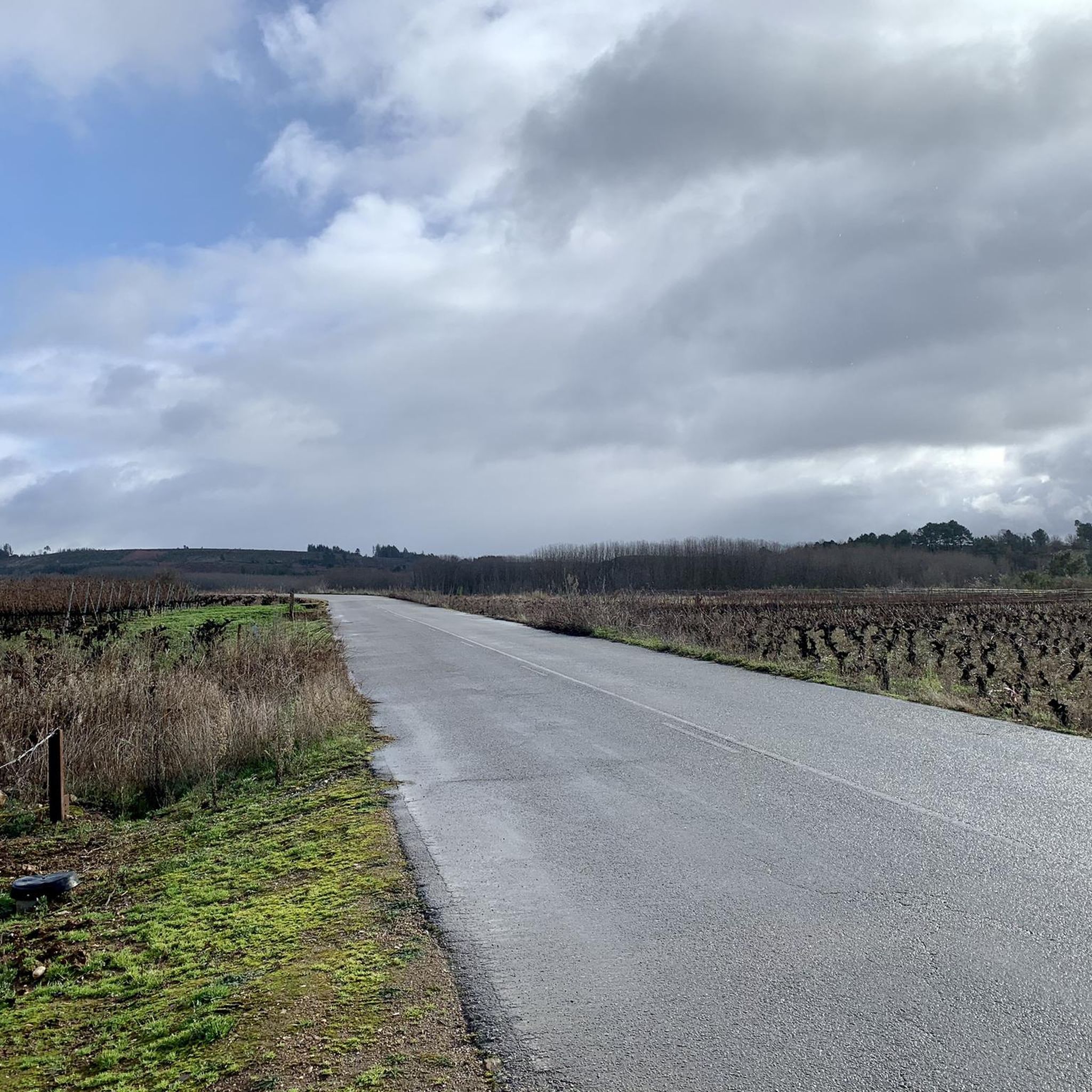
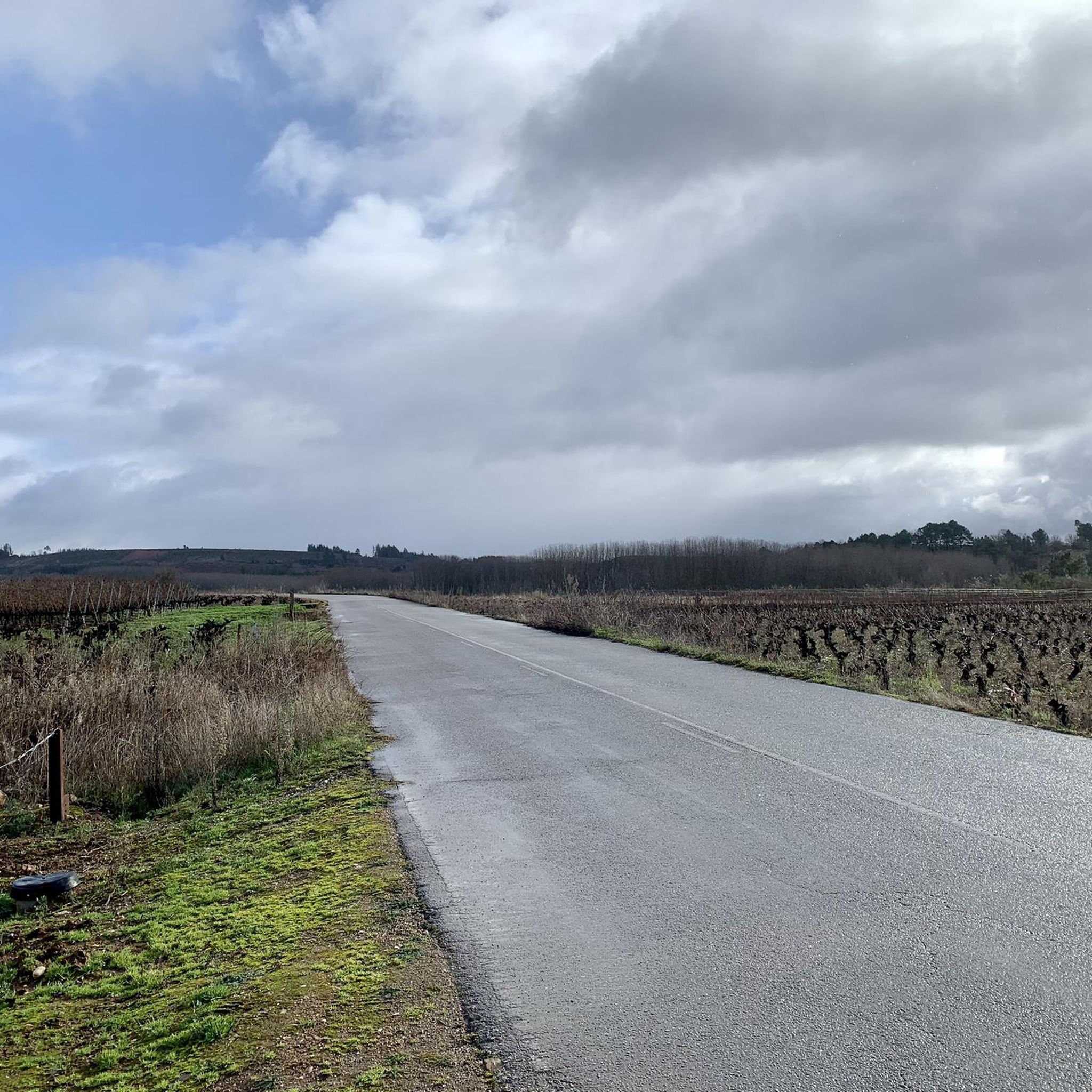
La Gradina Trail
Highlight • Trail
Translated by Google •
Tip by

Sign up for free to discover even more attractions around Fabero.
Already have an account?
Start today with a free account
Your next adventure awaits.

Tips from the Community

Located in a beautiful area of pure nature and tranquility, the small lagoon of San Pedro Mallo is an ideal place to take a break and recover energy while enjoying the views. The roads that surround it are not difficult at all, they are wide and without complications.
1
0

The small town of Vega de Espinareda is nestled in the foothills of the Sierra de Ancares, north of El Bierzo. Surrounded by this incredible natural setting that was declared a Biosphere Reserve in 2006. The most outstanding monuments of the town are the old Roman bridge over the Cúe river and the San Andrés Monastery.
1
0
Picturesque single track path through the small forest of La Gradina. Located between the popular swing of Librán and the town of the same name. A good choice for mountain bike lovers.
1
0
Located in a beautiful area of pure nature and tranquility, the small lagoon of San Pedro Mallo is an ideal place to take a break and recover energy while enjoying the views. The roads that surround it are not difficult at all, they are wide and without technical complications.
2
0

Nestled in the foothills of the Sierra de Ancares, to the north of El Bierzo, Vega de Espinareda is surrounded by a natural environment that was declared a Biosphere Reserve in 2006. still cross an impressive Roman bridge.
1
0
Small town of Berciano known for its intriguing cave paintings, between 2,000 and 5,000 years old. Although the drawings are difficult to interpret, both human and animal forms (possibly dogs, deer or goats) are perceived, as well as some plant motifs.
0
0
The castros were Asturian settlements that were characterized by being located in dominant positions and sometimes also protected by moats or other defenses. The Castro de Chano is an exceptional example due to its state of conservation, next to which an excellent interpretation center has been built that helps to understand the lifestyle in these places. In winter, the center must be visited by appointment, by calling 987565082. In summer it only opens a couple of hours in the morning and another couple in the afternoon, so it is also a good idea to plan your visit. This castro also has the peculiarity that coins were found in the houses, which could indicate that it was abandoned quickly, but it is not known for what reason, since it does not have any signs of violence.
0
0

Located in an environment of pure nature and tranquility, the small lagoon of San Pedro Mallo is an ideal place to relax and follow a very pleasant and relaxed itinerary. Very close to here is the recreational area with everything you need to have a picnic if you prefer.
6
0
Frequently Asked Questions
What historical sites can I explore around Fabero?
Fabero boasts a rich history, particularly its mining heritage and ancient settlements. You can visit the exceptionally well-preserved Asturian settlement of Castro de Chano, which includes an interpretation center. Another fascinating site is Sésamo Village and Historic Churches, known for its intriguing cave paintings dating back 2,000 to 5,000 years. The Fabero Mining Area itself is a Cultural Interest Asset, offering insights into coal anthracite extraction with sites like Pozo Viejo and Pozo Julia, where you can find "La Escuela del Ayer" museum.
Are there any family-friendly attractions in the Fabero area?
Yes, Fabero offers several options suitable for families. The Roman Bridge of Vega de Espinareda is a beautiful spot to visit, located in a Biosphere Reserve. For a magical outdoor experience, the Senda Mágica "El Fontanal" is an easy, short trail perfect for children to discover local fauna and fantastical creatures. Exploring the traditional architecture of Barrio del Mercadillo can also be an engaging walk for all ages.
What natural features can I discover around Fabero?
The region around Fabero is rich in natural beauty. The foothills of the Sierra de Ancares, particularly near Vega de Espinareda, are part of a Biosphere Reserve. The Río Cúa flows through the area, notably crossed by the impressive Roman Bridge of Vega de Espinareda. You'll find diverse vegetation, including extensive chestnut groves, oaks, beech forests, and wildlife such as roe deer and wild boars.
Where can I find hiking trails near Fabero?
Fabero offers numerous hiking opportunities. You can explore trails focused on mining history, ancient mills, or the "Ruta del Agua." For specific routes, consider the easy "Villamartín del Sil Trail loop" or the "La Gradina Trail – Librán Swing loop." For more challenging options, the "Laguna de San Pedro Mallo – circular from Matarrosa del Sil" is a moderate hike. You can find more details and routes on the Hiking around Fabero guide.
Are there cycling routes available in the Fabero region?
Yes, the area around Fabero is great for cycling. Mountain biking enthusiasts will enjoy the picturesque La Gradina Trail. For longer rides, consider routes like the "La Mirada Circular Nature Trail" or the "Pereda de Ancares – Puerto de Ancares loop." Discover more options and detailed routes on the Cycling around Fabero guide.
What is the significance of Fabero's mining heritage?
Fabero's identity is deeply rooted in its past as a prominent mining area, specifically for coal anthracite extraction. This industrial heritage is preserved as a Cultural Interest Asset. Visitors can explore various sites that showcase this history, including underground galleries, "castilletes" (metallic tower structures), engine rooms, and former washing installations. Pozo Julia, for instance, houses "La Escuela del Ayer," a museum depicting the lives of mining families.
Can I find traditional architecture in Fabero?
Absolutely. The Barrio del Mercadillo neighborhood is particularly known for its traditional architecture. Here, you'll find homes constructed from stone, adobe, and wood, reflecting Fabero's medieval origins and providing a glimpse into the region's historical building styles.
What cultural centers or museums are there in Fabero?
Fabero offers a few cultural insights. The Fabero Mining Area includes "La Escuela del Ayer" (The School of Yesterday), a museum set in a former miner's home at Pozo Julia, which provides a look into past mining family life. Additionally, the Paleobotanical Classroom of Fabero is dedicated to the region's paleontological aspects, and the School of Yesterday Cultural Center on Sierra Pambley Street pays tribute to past educational practices.
What is the best time of year to visit Fabero for outdoor activities?
While Fabero offers attractions year-round, the spring and autumn months generally provide the most pleasant weather for outdoor activities like hiking and cycling, with milder temperatures and vibrant natural landscapes. Summer can also be enjoyable, especially in the natural areas, but be prepared for warmer conditions.
Are there any unique local events in Fabero?
Yes, Fabero hosts the annual Villa de Fabero Botillo Festival. This event, celebrated for over two decades, is a great opportunity to experience the local gastronomy and culture, centered around the traditional Botillo sausage.
What is the <a href="https://www.komoot.com/highlight/5479923" target="_blank" rel="noopener">La Gradina Trail</a> known for?
The La Gradina Trail is a picturesque single-track path that winds through the small forest of La Gradina. It's particularly popular among mountain biking enthusiasts for its scenic beauty and engaging terrain.
What is the <a href="https://www.komoot.com/highlight/5473482" target="_blank" rel="noopener">Sésamo Village</a> known for?
Sésamo Village is a small Berciano town recognized for its intriguing cave paintings. These ancient drawings, estimated to be between 2,000 and 5,000 years old, depict human, animal, and plant forms, offering a unique glimpse into prehistoric art.

Get inspired with the komoot mobile app


Explore more
Still not found the Highlight you’re looking for? See guides of the top attractions in other regions:
