Attractions and Places To See around Villava/Atarrabia - Top 20
Attractions and places to see around Villava/Atarrabia offer a blend of historical landmarks, cultural sites, and natural features. Situated on the Camino de Santiago and near Pamplona, the town is influenced by its position along the Ultzama and Arga rivers. Visitors can explore a variety of sites ranging from medieval bridges to significant historical buildings. The area provides opportunities to experience both local heritage and the broader historical context of Navarre.
Best attractions and places to see around Villava/Atarrabia
- The…
Last updated: October 10, 2026
Pamplona
Highlight • Historical Site
Translated by Google •
Tip by

Portal de Francia
Highlight • Monument
Translated by Google •
Tip by
Sign up now to discover places like this
Get recommendations on the best single tracks, peaks, & plenty of other exciting outdoor places.
Gazebo in Plaza del Castillo
Highlight • Monument
Translated by Google •
Tip by

Magdalena Bridge
Highlight • Bridge
Tip by

Pamplona Bullring
Highlight • Monument
Translated by Google •
Tip by
Sign up for free to discover even more attractions around Villava/Atarrabia.
Already have an account?
Start today with a free account
Your next adventure awaits.
Popular around Villava/Atarrabia
Other adventures around Villava/Atarrabia

Tips from the Community

An impressive bullring here in Pamplona
3
0

In the Pamplona bull run, young men in particular risk their health and sometimes their lives. Despite protests from animal rights activists, the "Sanfermines" festival attracts millions of visitors every year. Around 6,000 bulls are said to have died in the arena in the past 100 years. Since 1911, a total of 16 deaths have been linked to the Pamplona bull runs and fights.
2
1

The centre of the ''Plaza do Castillo'' has been occupied since 28 June 1943 by an 18-metre-high bandstand raised on a stepped drum and whose dome is supported by Ionic columns. Previously, there was a wooden one that replaced the Beneficencia fountain in 1910, the work of Luis Paret, known in Pamplona as "La Mariblanca", which currently adorns the city's Taconera gardens.
1
0
The Plaza de toros de Pamplona is a bullring located in Pamplona and is used for bullfights, but also for sporting and cultural events and concerts. Built in 1922, the plaza de toros can accommodate up to 19,721 people and is the second largest in Spain, after Las Ventas in Madrid, and the fifth largest in the world. The plaza de toros is the finishing point of the famous running of the bulls that takes place in Pamplona during the San Fermin festival and, during the Spanish Civil War, it was used as a concentration camp by Franco's troops with a capacity for 3,000 Republican prisoners.
1
0

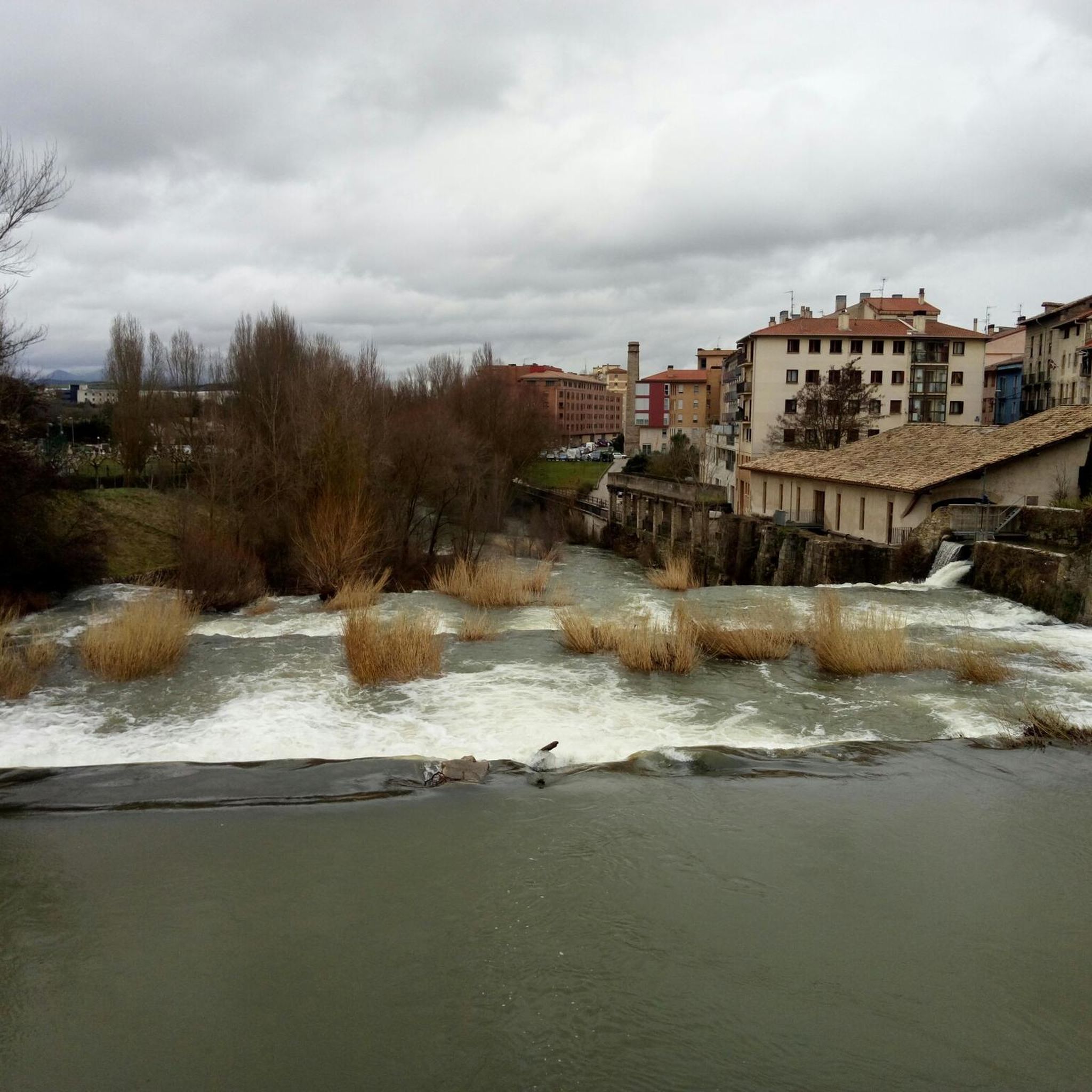
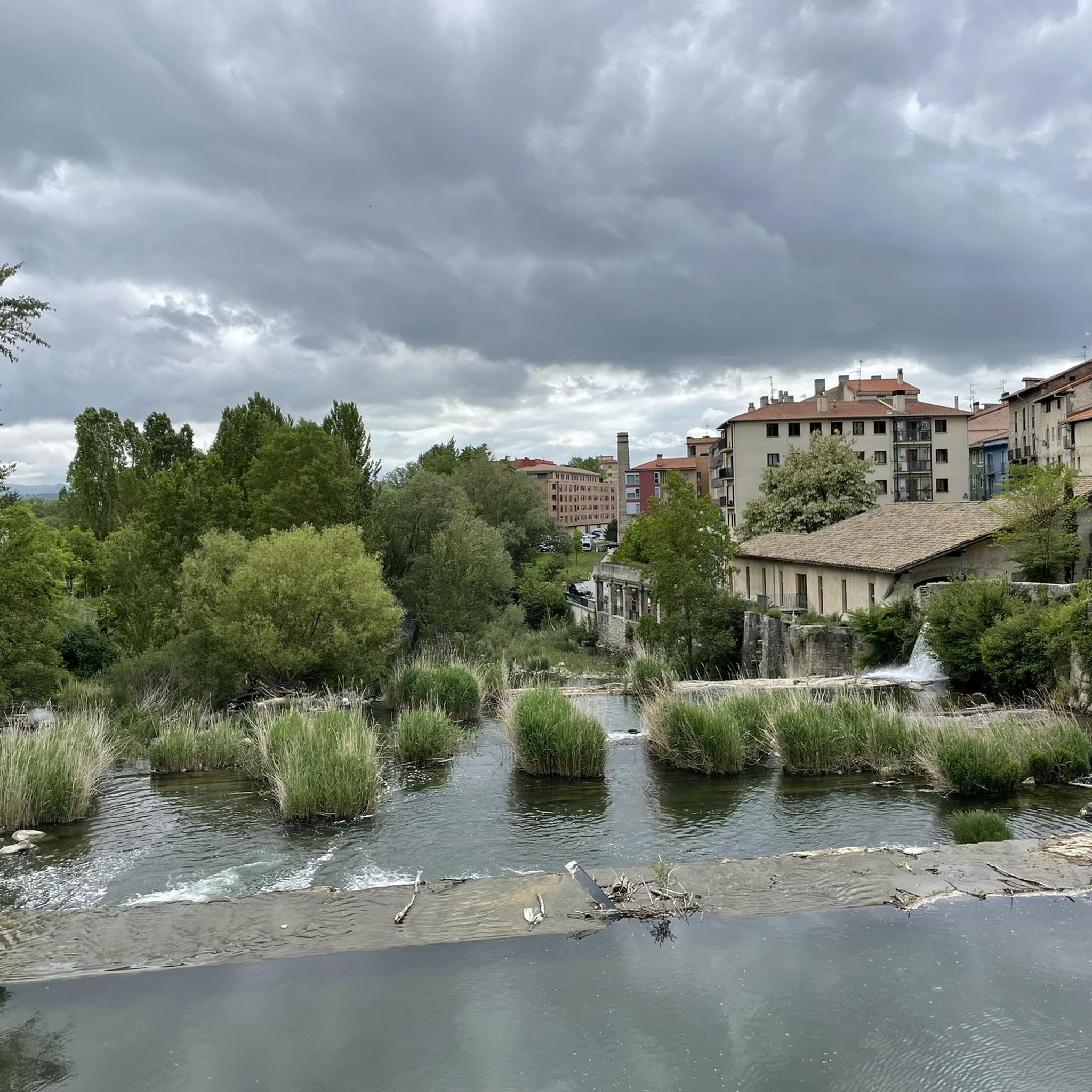
Beautiful charming and ancient bridge over which the Santiago de Compostela trail passes.
0
0
Beautifully restored city gate through which all Santiago de Compostela walkers pass. Even the mechanism to open and close the gate is still there (with counterweights).
1
0

An almost authentic pilgrimage on the Frances, because this is where streams of pilgrims came to the city in the Middle Ages. One of the impressive walls of the fortified city and here you can also see the silver Bicigrino symbols embedded in the ground that lead to the exit: a great feature!
2
0

Imagine yourself on a horse and living in the Middle Ages... entering this gate... what will happen to you?
2
0
Frequently Asked Questions
What historical landmarks can I explore in Villava/Atarrabia?
Villava/Atarrabia offers several historical landmarks. You can visit the 17th-century Town Hall (Ayuntamiento), the rebuilt Church of San Andrés, and El Rollo, a 15th or 16th-century jurisdictional column. Don't miss Casa Motza (Palacio de Andosilla), a fine example of a 16th-century Renaissance manor house, and the Molino de San Andrés, a 16th-century mill now serving as an exhibition space and information center for the Fluvial Park.
Are there any family-friendly attractions in or near Villava/Atarrabia?
Yes, several attractions are suitable for families. In Pamplona, the Pamplona Cathedral and the Citadel, Portal de Francia, and Magdalena Bridge are all considered family-friendly. The Gazebo in Plaza del Castillo is also a great spot for families to relax. For a historical outing with views, consider Irulegi Castle, which offers a picturesque path around the hill.
What natural features or outdoor spaces can I enjoy in the area?
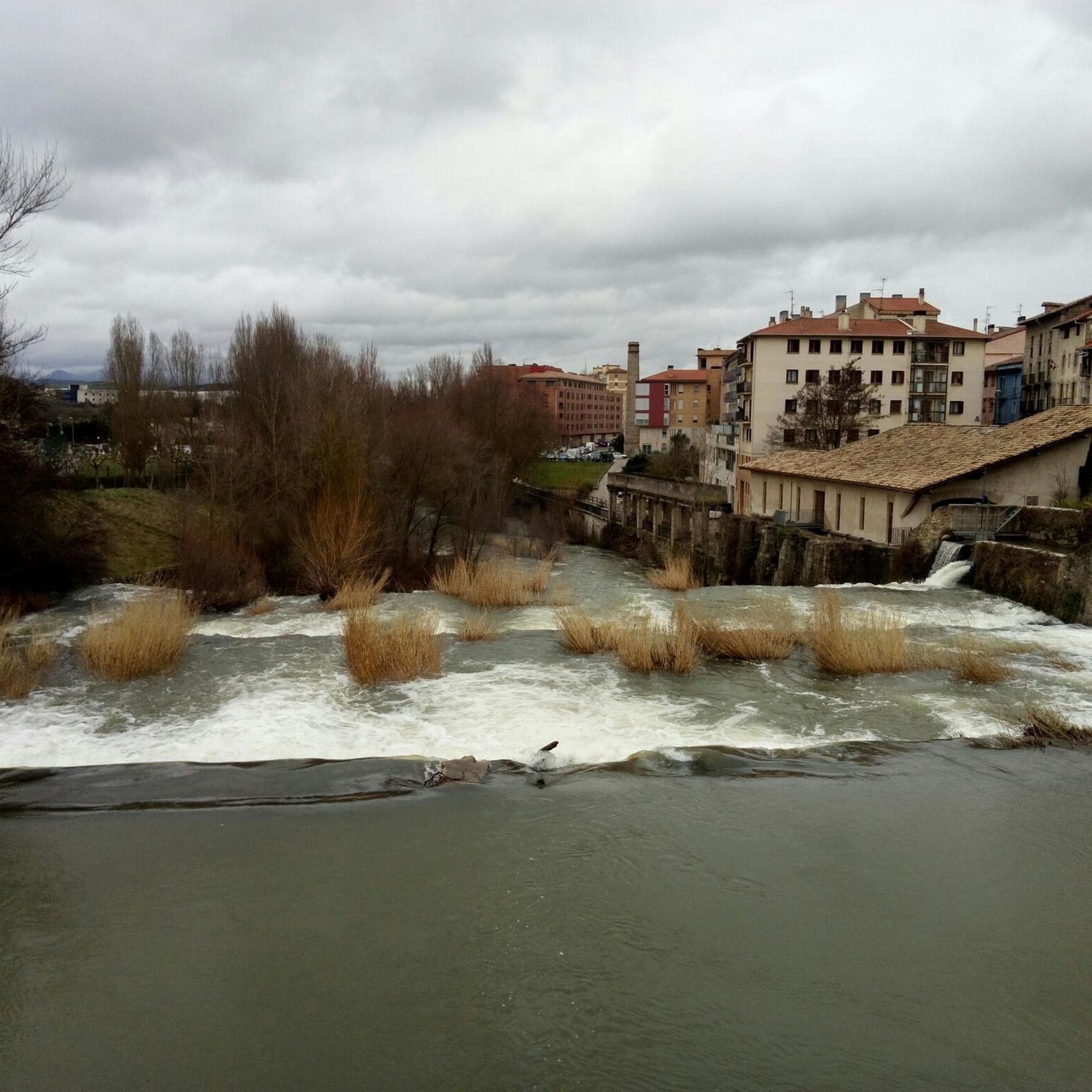
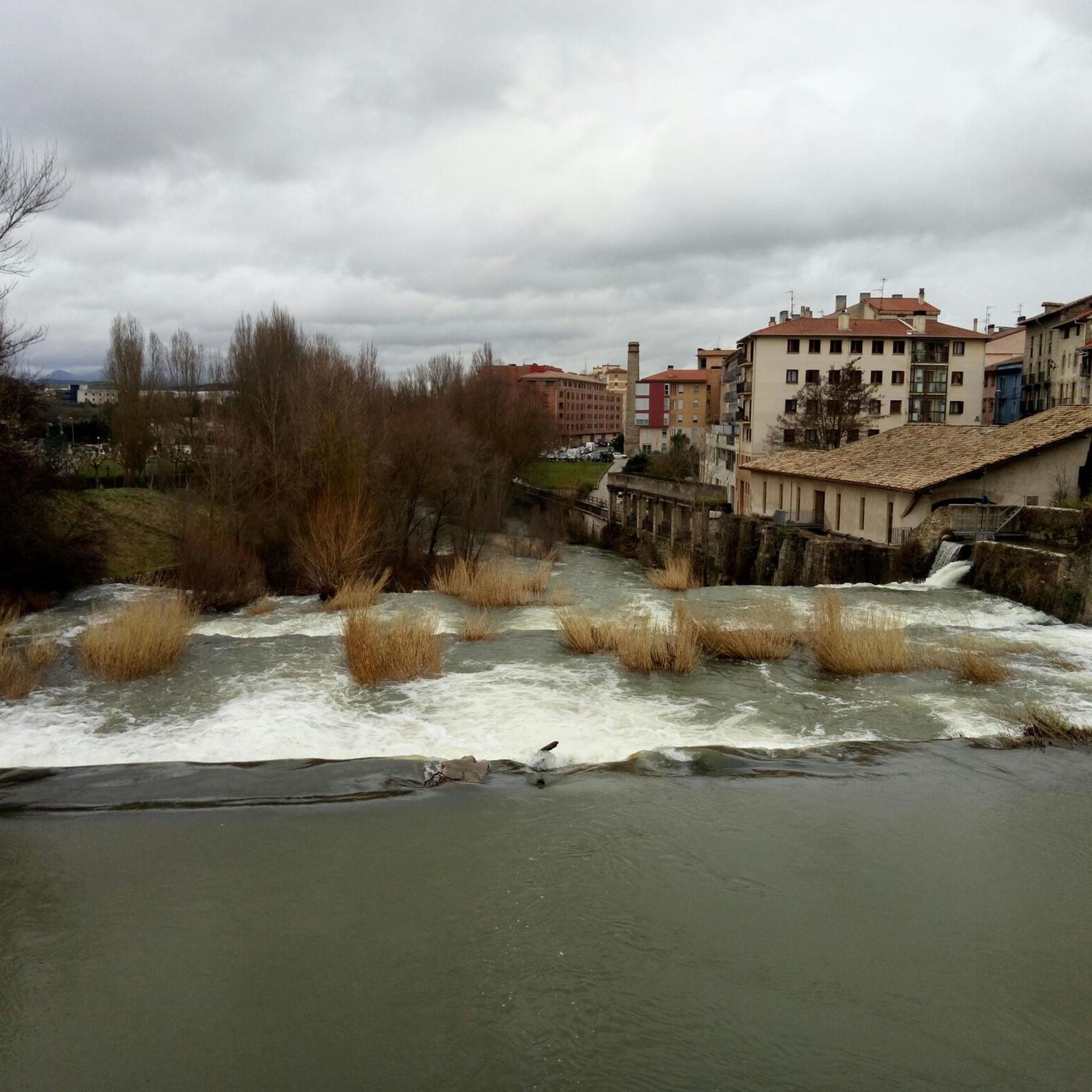
The region is rich in natural beauty, particularly around its rivers. The River Ultzama flows through Villava/Atarrabia, and the confluence of the Arga and Ultzama rivers is a notable spot. You can explore the River Park Walk, which is accessible from the Molino de San Andrés, an information center for the Fluvial Park. The historic "Batán" (Cloth Processing Mill) and Cascade of Villava, dating back to the 12th century, also highlight the area's natural and industrial heritage.
What cultural sites are available in Villava/Atarrabia?
Villava/Atarrabia has a vibrant cultural scene. The Casa de Cultura serves as the municipal cultural center, hosting various events, exhibitions, and workshops, and preserving the town's memory through a digital archive. You can also see the historic School of Agricultural Experts, built in 1912, and the elegant Casino Besta Jira, established in 1911.
Are there hiking opportunities near Villava/Atarrabia?
Yes, there are several hiking trails available. You can find various routes, including the 'Trinidad de Arre Bridge loop from Villava / Atarrabia' and the 'Trinidad de Arre Bridge – View of Pamplona loop from Villava / Atarrabia'. For more details and route options, visit the Hiking around Villava/Atarrabia guide.
What cycling routes are available around Villava/Atarrabia?
The area around Villava/Atarrabia offers diverse cycling experiences. For gravel biking, routes like the 'Plazaola Greenway – Gulina Viaduct loop from Pamplona / Iruña' are popular. Road cyclists can explore routes such as 'Erro Pass - Zubiri Loop from Pamplona' or 'Camino Francés: Villava to Zubiri'. You can find more information on these and other routes in the Gravel biking around Villava/Atarrabia guide and the Road Cycling Routes around Villava/Atarrabia guide.
What is the significance of the Camino de Santiago in this region?
Villava/Atarrabia and its surroundings are deeply influenced by the Camino de Santiago. The town itself is on the route, and nearby Pamplona features significant Camino landmarks. The Portal de Francia in Pamplona serves as a historic entrance for pilgrims, and the Magdalena Bridge is a crucial medieval crossing point for pilgrims entering the city.
Are there any notable bridges in the area?
Yes, the region is known for its historic bridges. The Trinidad Bridge of Arre, spanning the Ultzama River, was once part of a Roman causeway. In Pamplona, the Magdalena Bridge, built in the 12th century, is a significant medieval bridge crossing the Arga River and an important point on the Camino de Santiago.
What is there to see in Pamplona, given its proximity to Villava/Atarrabia?
Pamplona, being the capital of Navarre and very close to Villava/Atarrabia, offers major historical and architectural attractions. These include the impressive Pamplona Cathedral and the Citadel, the historic Portal de Francia, and the central Gazebo in Plaza del Castillo. You can also see the Monumento al Encierro, commemorating the Running of the Bulls.
What are some lesser-known historical gems in Villava/Atarrabia?
Beyond the main attractions, Villava/Atarrabia's Historic Main Street retains a collection of houses from the 16th to 18th centuries, some adorned with coats of arms, offering a glimpse into its medieval past. The Molino de San Andrés, a 16th-century mill, is also a fascinating site that once served various industrial purposes and now functions as an exhibition space.
What do visitors particularly enjoy about the attractions near Villava/Atarrabia?
Visitors appreciate the rich history and cultural depth of the region. Many enjoy the architectural significance of sites like the Pamplona Cathedral and the Citadel, noting its preservation of Pamplona's ancient kingdom history. The Portal de Francia is valued for its historical role as a city gate and its connection to the Camino de Santiago. The Magdalena Bridge is also highlighted as an important and picturesque entry point to Pamplona for pilgrims.
Most popular routes around Villava/Atarrabia
Most popular attractions around Villava/Atarrabia

Get inspired with the komoot mobile app


Explore more
Still not found the Highlight you’re looking for? See guides of the top attractions in other regions:
