Attractions and Places To See around Valdarachas - Top 20
Best attractions and places to see around Valdarachas include a tranquil municipality in the Spanish province of Guadalajara, situated within the comarca of La Alcarria. The area is characterized by gentle scrubland and the Valdenazor ravine, offering a serene environment. While Valdarachas itself is modest, its location provides access to a variety of historical and natural sites in the surrounding region. Visitors can explore local landmarks and natural features, making it a base for regional exploration.
Best attractions and places…
Last updated: October 10, 2026
Pioz Castle
Highlight • Castle
Translated by Google •
Tip by

Picota of Pezuela de las Torres
Highlight • Monument
Translated by Google •
Tip by

Sign up now to discover places like this
Get recommendations on the best single tracks, peaks, & plenty of other exciting outdoor places.
Los Santos de la Humosa Spring
Highlight • Rest Area
Translated by Google •
Tip by

Abandoned Village of Villaflores
Highlight • Historical Site
Translated by Google •
Tip by

Viewpoint of Los Santos de la Humosa
Highlight • Viewpoint
Translated by Google •
Tip by

Sign up for free to discover even more attractions around Valdarachas.
Already have an account?
Start today with a free account
Your next adventure awaits.

Tips from the Community

August 2025 under construction
0
0

Pezuela de las Torres acquired jurisdictional independence in 1554 for the payment of one and a half million maravedis, erecting a pillory in the Plaza del Coso that represented the power to administer justice and a place for the town's residents to see criminals who were being sentenced to a pillory. The pillory is seven metres high on a pedestal of four steps and is topped with the heads of four lions. Next to it is the Plaza de la Constitución, home to the Town Hall and the Church of the Assumption, with a Romanesque apse and the rest rebuilt between the 16th and 18th centuries. It has a curious stately doorway from 1748 and a 16th century porticoed gallery, known as El Portalillo, the former meeting centre of the council. Most of the town's streets are on a slope, facing the plain, some houses retain the traditional two-storey country architecture and white facades. On Cerro del Calvario there are remains of traditional wineries used to make wine.
0
0

It is untreated water but it is perfectly safe to drink.
0
0

Its history dates back to 1554. Pezuela had one hundred and eighty residents. The Council collected a million and a half maravedíes that ended up in the hands of King Carlos I in exchange for being able to have jurisdiction. On the occasion of this event, to commemorate and warn all travelers that Pezuela had achieved the power to administer justice for itself and that it was now a Villa, the Picota was ordered to be erected, a stone monument that was usually placed in the public square or at a crossroads. There are many legends of torture in Pezuela de las Torres. They all took place in the town square. In the past, the pillory was an instrument that was used to torture, place prisoners for public ridicule or expose a person's head after their execution. In it, major and minor penalties were paid for common criminals, who, after being whipped, were exposed to public shame. It had an exemplary character and had to be visited by the people when there were sentences. In addition to capital punishment, the exposure of public shame was frequent: the condemned had to endure the outbursts of the neighbors in addition to suffering the throwing of things that were within their reach (rocks, excrement or whatever they had at hand). That's where, in fact, the term pillorying or empicotar comes from. Although it was not the only one in the region, Pezuela today is one of the most important in the Community of Madrid. Source: https://elresurgirdemadrid.com/pezuela-de-las-torres-plaza-picota/
1
0

In restoration works, it presents a beautiful appearance
2
0

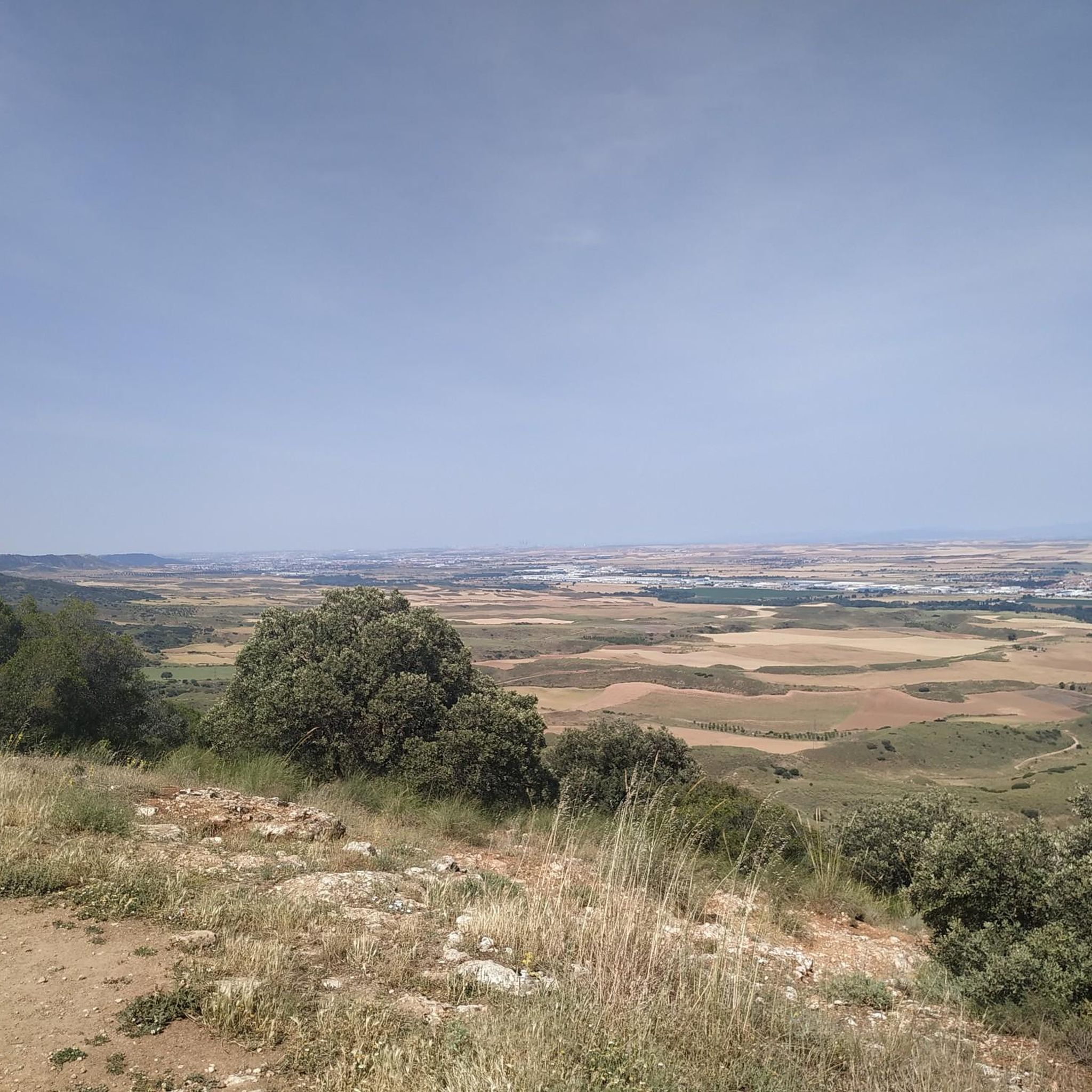
On the outskirts of the town, near the heliport and communication towers, is the Mirador de Los Santos de la Humosa. Beautiful. Panoramic views over the Henares River valley below.
1
0
5 kilometers southeast of Guadalajara, is the abandoned town of Villaflores. The colony was founded in the 19th century as an attempt to form social housing and agricultural work by the Countess of la Vega del Pozo and Duchess of Sevillano. After his death, the experiment was abandoned and left in ruins.
1
0

Interesting work of the s. XV, which allows us to appreciate how a castle was arranged when the use of artillery had already been imposed: harquebuses and cannons. It is erected on a plain, and preserves both its interior and towers, as well as the outer enclosure and the moat. Free access to the outside. To visit the interior, contact the Pioz town hall, telephone 949.272.076.
3
0
Frequently Asked Questions
What historical sites can I visit near Valdarachas?
The region around Valdarachas is rich in history. You can explore the 15th-century Pioz Castle, which demonstrates how castles were designed with artillery in mind. Further afield, consider visiting Torija Castle, an impressive medieval fortress, or the preserved medieval old town of Hita. The Picota of Pezuela de las Torres also offers a glimpse into local history and justice from 1554.
Are there any natural features or scenic spots to enjoy around Valdarachas?
Valdarachas is nestled in gentle scrubland and features the Valdenazor ravine. Nature enthusiasts might spot the Royal Eagle in the surroundings. For a scenic experience, the Road Along the Tajuña River offers beautiful countryside views and opportunities to cross bridges. You can also find fresh water and shade at Los Santos de la Humosa Spring, ideal for a rest stop during outdoor activities.
What cycling routes are available near Valdarachas?
The area around Valdarachas offers several cycling opportunities. For touring cyclists, routes like the 'Peñalba Route – Rest Park loop from Chiloeches' or the 'Henares River viewpoint – Palacio del Infantado loop from Guadalajara/Yebes' are available. Road cyclists can tackle longer routes such as 'The two Castles - Castillo de Pioz and Castillo de Torremocha' or the 'Viewpoint of Los Santos de la Humosa and Ascent Albolleque'. For gravel biking, consider the 'Pozo de Guadalajara Town Hall – Pioz Castle loop from Pioz'. You can find more details on these routes in the Cycling around Valdarachas, Road Cycling Routes around Valdarachas, and Gravel biking around Valdarachas guides.
Are there any family-friendly attractions in the Valdarachas area?
Yes, the Los Santos de la Humosa Spring is noted as family-friendly, offering a pleasant spot for a break. The Picota of Pezuela de las Torres is also considered family-friendly and provides an interesting historical point of interest. Exploring the gentle scrubland and ravines can also be a pleasant family activity for those who enjoy nature.
What is the best time of year to visit Valdarachas?
Valdarachas, located in the comarca of La Alcarria, experiences a continental Mediterranean climate. Spring (April-May) and autumn (September-October) generally offer the most pleasant weather for exploring, with milder temperatures ideal for outdoor activities and sightseeing. Summers can be hot, while winters are cooler but generally mild.
Can I explore abandoned places near Valdarachas?
Yes, about 5 kilometers southeast of Guadalajara, you can find the Abandoned Village of Villaflores. This 19th-century colony, originally an attempt at social housing and agricultural work, was later abandoned and now lies in ruins, offering a unique historical exploration.
What is the Parish Church of San Sebastián in Valdarachas?
The Parish Church of San Sebastián is the primary landmark within Valdarachas itself. This 17th-century church, built with masonry and ashlar, features a distinctive bell tower and is situated overlooking the Valdenazor ravine, set against the backdrop of the local scrubland.
Are there any religious sites to visit in the vicinity of Valdarachas?
Beyond the Parish Church of San Sebastián in Valdarachas, the surrounding region offers several religious sites. Examples include the Ermita de San Isidro, Ermita de San Roque, Ermita de Nuestra Señora de la Soledad, and the Convento de San Francisco. These sites provide insight into the local cultural and religious heritage.
What do visitors enjoy most about the attractions around Valdarachas?
Visitors appreciate the blend of historical sites and natural beauty. For instance, the Pioz Castle is valued for its well-preserved interior and towers, offering a clear view of 15th-century artillery-era castle design. The Road Along the Tajuña River is praised for its scenic landscapes and historical context, while Los Santos de la Humosa Spring is a popular spot for its fresh, safe drinking water and as an ideal provisioning point.
Are there any towns or villages nearby worth exploring for their local life and history?
Yes, several nearby towns and villages offer glimpses into local life and history. These include Yebes, Aranzueque, Pozo de Guadalajara, Chiloeches, Pioz, Horche, and Armuña de Tajuña. Each offers its own unique charm and historical elements to discover.
Are there any specific viewpoints or scenic drives recommended?
The Road Along the Tajuña River is highly recommended for its scenic beauty, following the riverbed and offering picturesque countryside views. While not explicitly a viewpoint, the bell tower of the Parish Church of San Sebastián in Valdarachas overlooks the Valdenazor ravine, providing a local scenic perspective.
Most popular routes around Valdarachas

Get inspired with the komoot mobile app


Explore more
Still not found the Highlight you’re looking for? See guides of the top attractions in other regions:
