The best cycling routes around Leiro
4.5
(9)
214
riders
33
rides
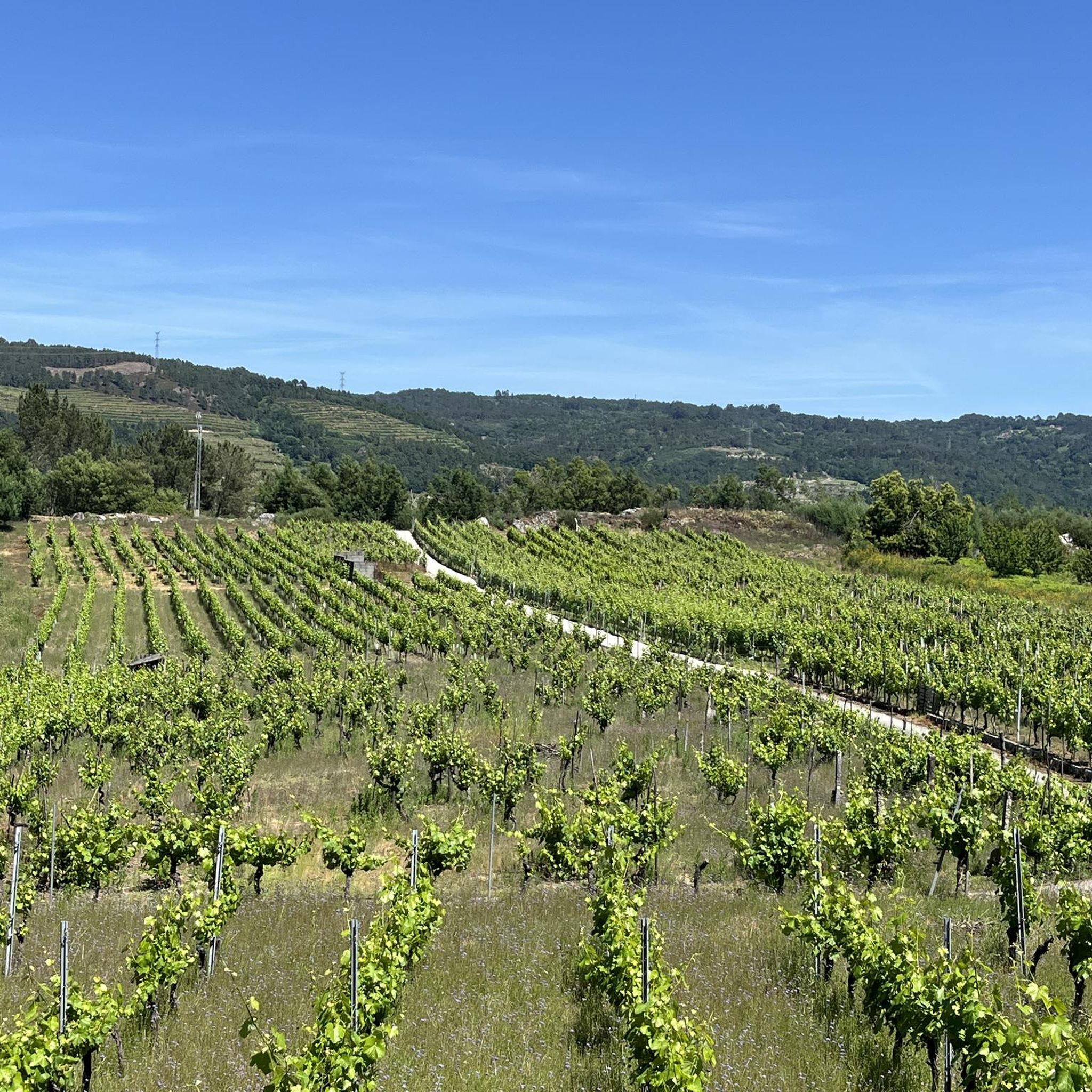
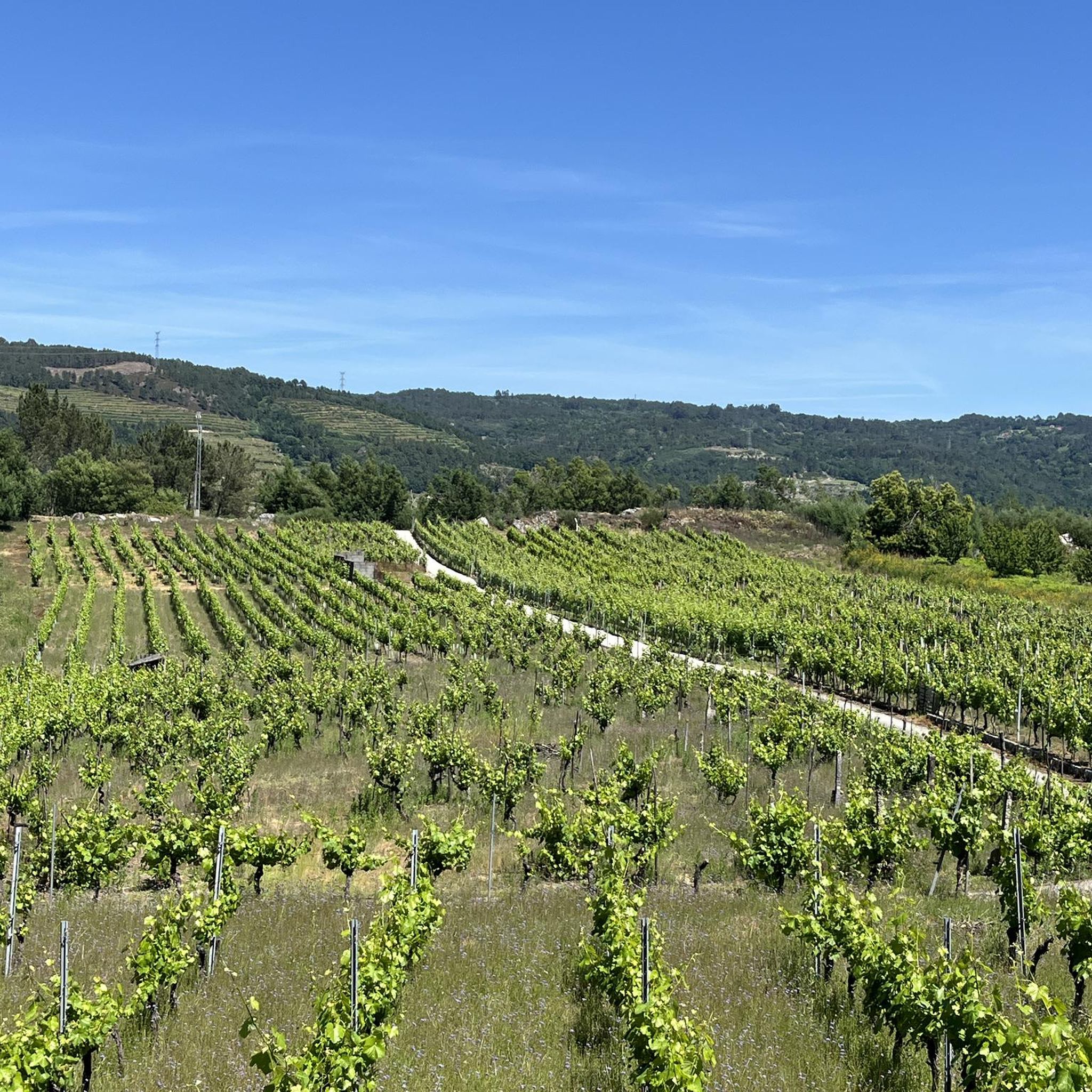
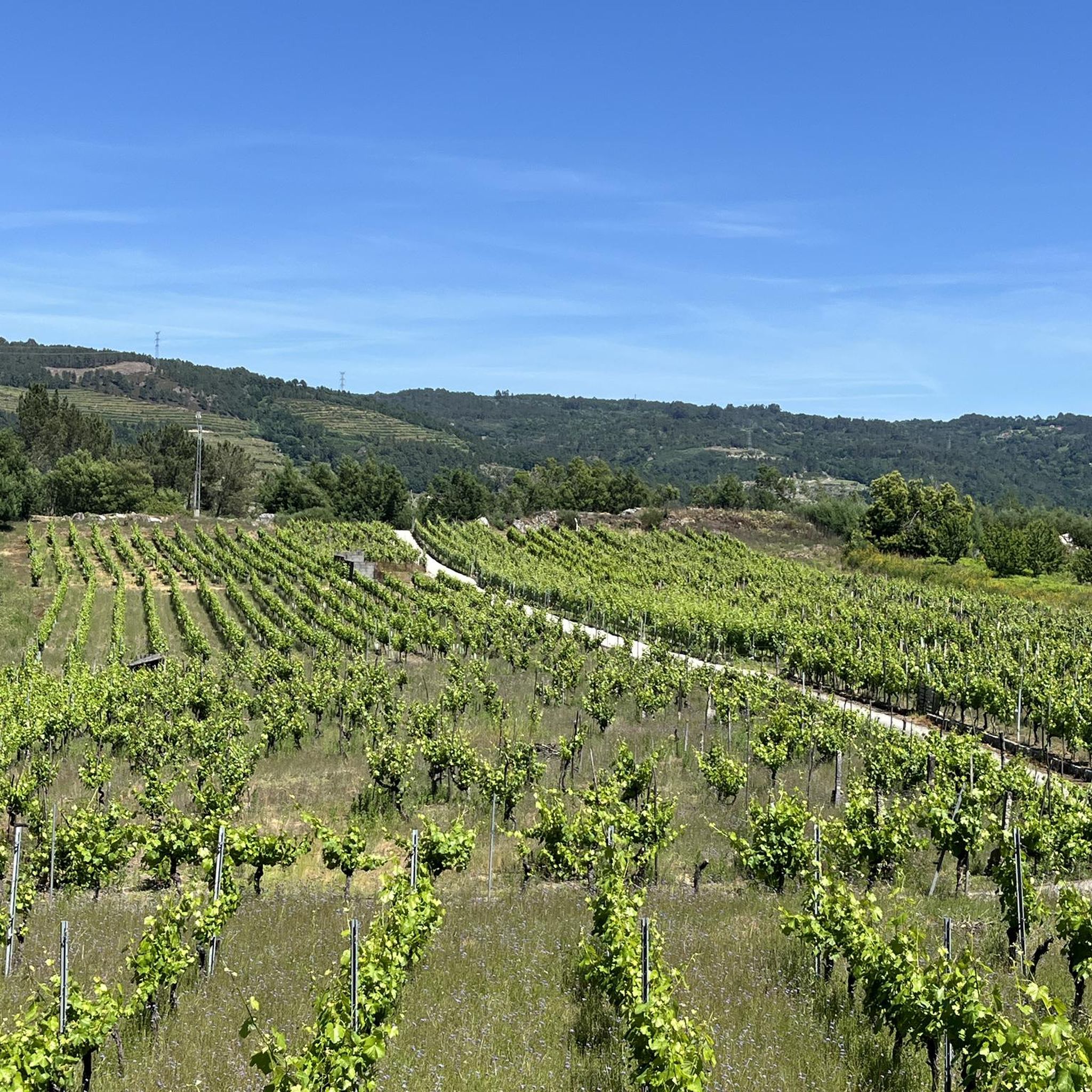
Touring cycling routes around Leiro are situated in the province of Ourense, Galicia, Spain, characterized by diverse landscapes. The region features river valleys, notably the Avia River, and a hilly interior with significant elevation changes. Vineyards are a prominent feature, particularly in the O Ribeiro wine region where Leiro is located. This topography provides varied terrain for touring cyclists seeking engaging experiences.
Best touring cycling routes around Leiro
- The most popular touring cycling route is O Carballiño, Maside, and Cea…
Last updated: October 3, 2026
1
riders
33.1km
02:13
460m
460m
Hard bike ride. Very good fitness required. Mostly paved surfaces. Suitable for all skill levels.
Hard bike ride. Very good fitness required. Mostly paved surfaces. Suitable for all skill levels.

23
riders
78.6km
05:09
990m
990m
Hard bike ride. Very good fitness required. Mostly paved surfaces. Suitable for all skill levels.
22
riders
54.5km
04:38
990m
990m
Hard bike ride. Very good fitness required. Mostly paved surfaces. Suitable for all skill levels.
9
riders
Hard bike ride. Very good fitness required. You may need to push your bike for some segments of this route.
Get access to more routes and recommendations from other explorers.
Already have an account?
Our route recommendations are based on thousands of hikes, rides, and runs completed by other people on komoot.
Start today with a free account
Your next adventure awaits.
Tips from the Community


Located on the banks of the Miño River, in the Outariz area, west of Ourense, right on the city's "Thermal Promenade." Parking: The Outariz/Reza parking lot (on the opposite bank) is available, as the Muiño da Veiga parking lot is closed for renovations. Public transport: City bus line 5; the unique Thermal Train, which stops at the facility.
1
0
The Monastery of Santa María la Real de Oseira is located in the parish of Oseira (municipality of San Cristovo de Cea, Ourense), about 34 km from the city of Ourense and near the borders with Pontevedra and Lugo. Founded in 1137 by a group of hermits, it joined the Cistercian Order of Clairvaux in 1141. During the 12th and early 13th centuries, its main church was built, becoming one of the largest Cistercian monasteries in Spain. In 1552, a fire devastated the complex, but the church survived and retains an elegant, understated architectural style.
1
0
It spans the Miño River, linking the historic center of Ourense with the A Ponte neighborhood. It was built in the 1st century AD as a branch of the Via Nova (Via XVIII), connecting Bracara Augusta (Braga) with Asturica Augusta (Astorga). Only traces of the original Roman phase remain, such as rusticated stonework at the ends near the banks. It suffered damage during the Middle Ages; in 1228, under Bishop Lorenzo and with the support of Ferdinand III, it was rebuilt with pointed arches and renovated approaches. Until the 17th century, the bridge repeatedly collapsed. The final work was directed by Melchor de Velasco Agüero around 1660, establishing its current appearance.
1
0
The Roman bridge in Ourense, known as Ponte Vella or Puente Mayor, over the Miño River, was built in the 1st century AD as part of a branch of the Via Nova (Eighteenth Century). According to tradition, it dates back to the time of Trajan, although its construction characteristics place it close to the time of Augustus. Of that first bridge, only a few cushioned ashlars from the bases remain, as silent witnesses of the past.
1
0

Interesting bridge 🤙
0
2
Frequently Asked Questions
What kind of terrain can I expect on touring cycling routes around Leiro?
The touring cycling routes around Leiro are characterized by diverse landscapes, including river valleys, notably the Avia River, and a hilly interior with significant elevation changes. You'll also find routes passing through vineyards in the O Ribeiro wine region. This varied topography offers an engaging experience for cyclists, from scenic riverside paths to challenging ascents.
Are there any easy or beginner-friendly touring cycling routes in Leiro?
While Leiro's routes are generally known for their challenging terrain, with 26 out of 35 routes classified as difficult, there are still 9 moderate options available. These moderate routes offer a less strenuous experience while still allowing you to explore the region's beauty.
What historical or cultural landmarks can I see along the cycling routes?
Many routes in the Leiro area incorporate historical and cultural sites. For instance, the Leiro – loop via Avia river, San Amaro and Monastery of San Clodio de Leiro route passes directly by the historic Monastery of San Clodio. Another option is the San Clodio Medieval Bridge – Monastery of San Clodio loop from Leiro, which leads through river valleys and past historical sites, including the medieval bridge.
Are there any routes that feature natural attractions like waterfalls or thermal springs?
Yes, the wider Ourense province, where Leiro is located, is known for its natural beauty. You can find routes that lead to natural attractions such as waterfalls and thermal springs. For example, the Outariz Hot Springs – Millennium Bridge loop from O Carballiño offers the chance to visit thermal springs. Nearby natural highlights include the Barbantiño Waterfall, Pozas de Melón, and Mestas Waterfall.
What is the best time of year to go touring cycling in Leiro?
Galicia generally offers pleasant cycling conditions from spring through autumn. The region experiences a mild climate, but it's always advisable to check local weather forecasts, especially during the rainy season. Spring and early autumn often provide comfortable temperatures and lush landscapes, ideal for touring.
Are there any circular touring cycling routes available?
Yes, many of the touring cycling routes around Leiro are designed as loops, allowing you to start and end in the same location. Examples include the popular O Carballiño, Maside, and Cea Loop and the Leiro – loop via Avia river, San Amaro and Monastery of San Clodio de Leiro.
What do other touring cyclists say about their experience in Leiro?
The touring cycling routes in Leiro are highly regarded by the komoot community, with an average score of 4.8 stars from over 7 reviews. More than 200 touring cyclists have explored the area using komoot, often praising the varied terrain and scenic beauty of the river valleys and vineyards.
Can I find routes that pass through vineyards or wine regions?
Absolutely. Leiro is situated in the O Ribeiro region, which is renowned for its wine production. Many touring cycling routes will take you through picturesque vineyards, offering a chance to experience the local viticulture, especially in areas like Ribeira Sacra, known for its 'heroic viticulture' on terraced slopes.
Are there opportunities to combine cycling with relaxation at thermal springs?
Yes, Ourense is famous for its thermal springs. Some cycling routes, such as the Outariz Hot Springs – Millennium Bridge loop from O Carballiño, allow you to incorporate stops at these natural hot springs for relaxation, blending active tourism with wellness. The Barbantes Thermal Park is also a nearby option.
How long do the touring cycling routes typically take to complete?
The duration of routes varies depending on their distance and difficulty. For example, the O Carballiño, Maside, and Cea Loop, which is 33.1 km, typically takes around 2 hours and 13 minutes. Longer routes like the San Clodio Medieval Bridge – Monastery of San Clodio loop from Leiro (53.9 km) can take about 4 hours and 12 minutes.
Are there any specific natural monuments or unique geological features to explore?
Yes, the region boasts unique natural features. The Pena Corneira, a striking natural monument, is located in the vicinity and adds to the dramatic natural scenery. The broader Ourense province also features significant rivers like the Miño and Sil, with the Sil Canyon offering spectacular views.
Most popular attractions around Leiro

Get inspired with the komoot mobile app


Explore more
Browse the best Cycling routes in other regions.
