The best walks and hikes around Bahabón
4.0
(1)
9
hikers
6
hikes
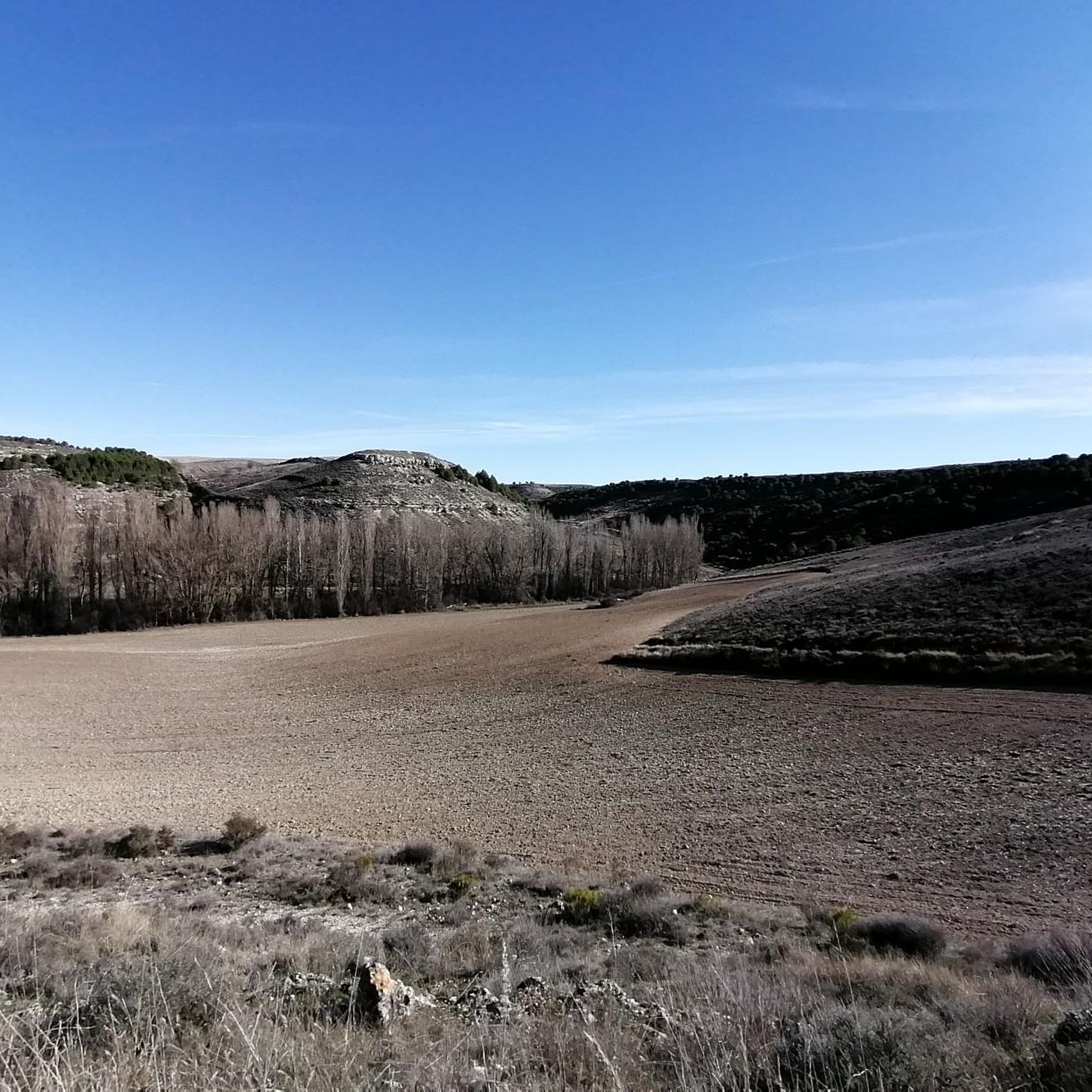
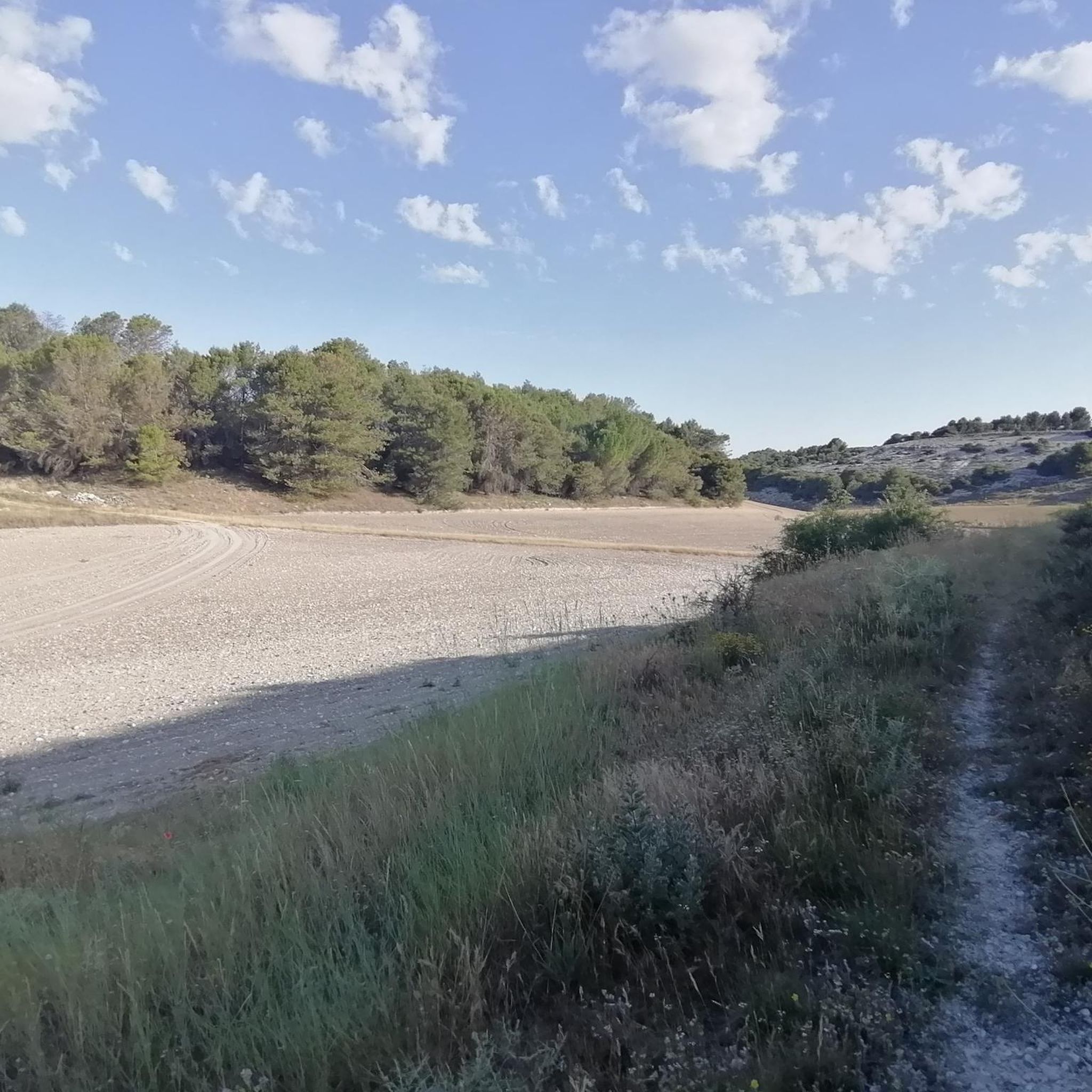
Hiking around Bahabón offers diverse natural features and scenic landscapes. The central feature is Monte de Bahabón, characterized by a dense forest of Quejigo oak, intermingled with holm oaks and junipers. To the north, the Esgueva River Valley provides views of fertile plains lined with poplars and ash trees. The terrain varies from plains to small hills covered with pine repopulations, scrubland, or holm oak groves.
Best hiking trails around Bahabón
- The most popular hiking route is Armedilla Trail,…
Last updated: June 28, 2026
4.0
(1)
2
hikers
10.3km
02:44
100m
100m
Hike the moderate 6.4-mile Sendero de la Armedilla (PRC-VA 65) to explore the historic Monasterio de Nuestra Señora de la Armedilla ruins.
20.3km
05:23
210m
210m
Hard hike. Very good fitness required. Easily-accessible paths. Suitable for all skill levels.

Sign up for free
2
hikers
5.14km
01:24
80m
80m
Easy hike. Great for any fitness level. Easily-accessible paths. Suitable for all skill levels.
2
hikers
7.65km
02:03
100m
100m
Moderate hike. Good fitness required. Easily-accessible paths. Suitable for all skill levels.
1
hikers
6.24km
01:44
110m
110m
Easy hike. Great for any fitness level. Easily-accessible paths. Suitable for all skill levels.
Our route recommendations are based on thousands of hikes, rides, and runs completed by other people on komoot.
Start today with a free account
Your next adventure awaits.
Login or Signup
Tips from the Community

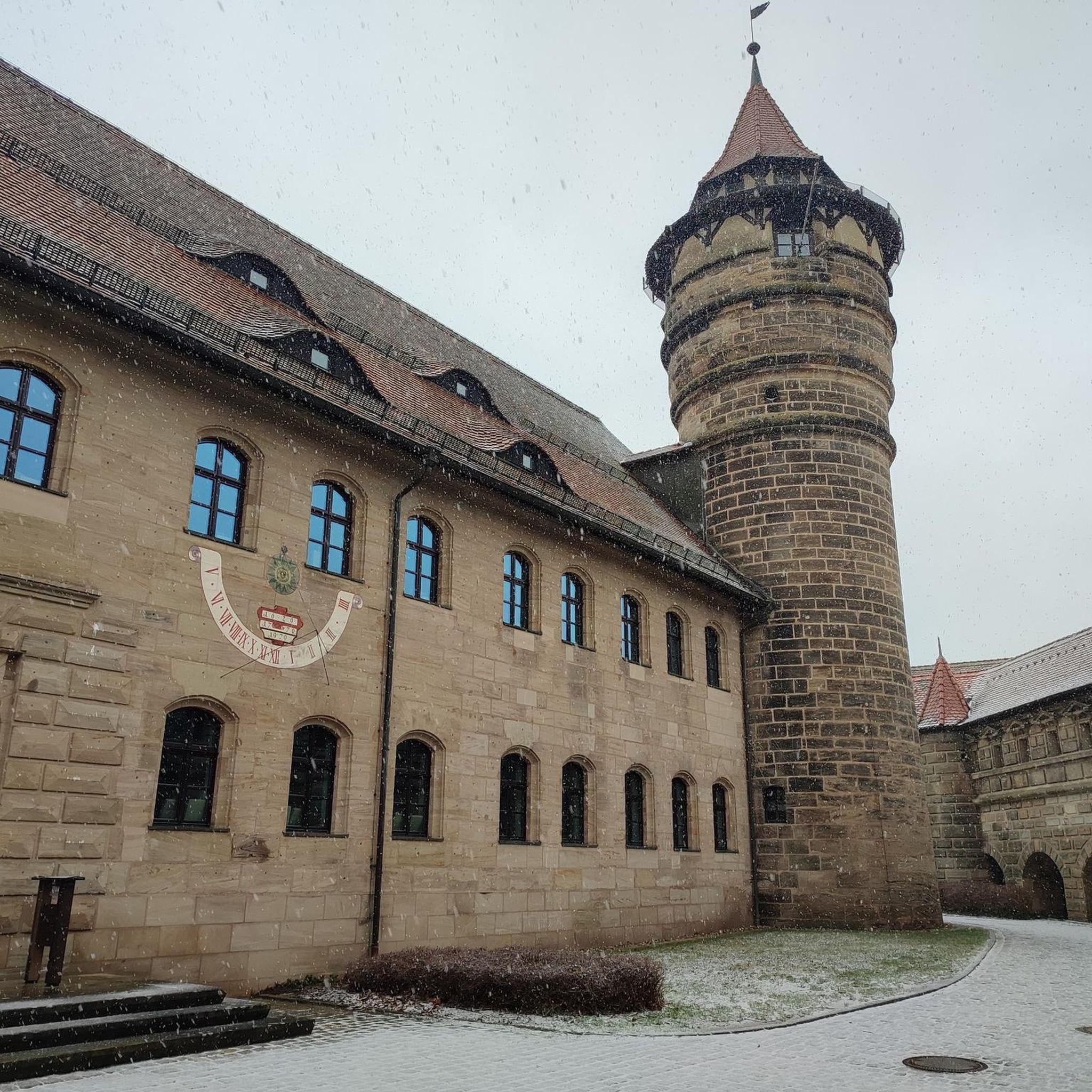
Cuéllar Castle, also known as the Castle-Palace of the Dukes of Alburquerque, is one of the town's most iconic monuments and has a rich history spanning several centuries. Construction of the castle began in the 11th century and was completed in the 17th century. Over the centuries, it has been expanded and renovated in various architectural styles, including Gothic and Renaissance. Its historical owners include Álvaro de Luna and Beltrán de la Cueva, as well as successive Dukes of Alburquerque. Currently, the castle houses the Cuéllar Tourist Office, and guided and dramatized tours are offered on weekends.
5
0
Windmills, like El Cubo, have been a hallmark of the region for centuries. Although their use today is not as widespread as in the past, they remain a reminder of traditional wind energy and engineering. The source of energy in a windmill is the wind itself, and it is used to grind grain, pump water, and perform other tasks. If you ever visit Cuéllar, don't hesitate to explore this historic mill and take in its beauty and functionality. 🌬️🏰
4
0
Documented since 1306, the castle has witnessed various events over the centuries. It was property of the Duchy of Alburquerque and hosted illustrious guests such as the kings of Castile, such as Juan I and Queen Leonor, as well as María de Molina. This castle is a historical treasure and a living testimony to the grandeur and diversity of architectural styles over the centuries. 🏰🌿
4
0
Inside, the altarpiece of the main altar stands out, in Renaissance style from the 16th century. It is attributed to the painter Gabriel de Cárdenas Maldonado, who created the twelve paintings that represent scenes from the life of Jesus Christ and the Virgin. If you ever visit Cogeces del Monte, don't miss the opportunity to explore this church full of history and beauty. 🌿🏰
2
0
The Monastery of Santa María de la Armedilla was a monastery of the Order of San Jerónimo, today in ruins, located about 3.8 kilometers from Cogeces del Monte. The monastery was founded after the chance discovery by shepherds of an image of the Virgin Mary in a cave excavated in the rock. This gave rise to a Marian cult in the place and the construction of the monastery. The proximity of quarries and plasterworks in the area facilitated its construction, as well as the water supply. 🏰🌿
1
0

Armedilla Convent
0
0

Built in the 15th century, the monastery was founded to house devotees of an effigy of the Virgin that appeared on the site. Initially entrusted to the Cistercians, it later passed into the hands of the Order of Saint Jerome. The monastery was frequented by prominent figures, such as the Dukes of Alburquerque. Currently, only the belfry and two tangled Gothic vaults remain, with restoration plans.
1
0

One of the cities that is located further north in the province of Segovia but which has some beautiful streets and a castle.
0
1
Frequently Asked Questions
What kind of natural landscapes can I expect to see while hiking around Bahabón?
Hiking around Bahabón offers a diverse range of natural features. You'll primarily explore the Monte de Bahabón, characterized by a dense forest of Quejigo oak, intermingled with holm oaks and junipers. To the north, the Esgueva River Valley provides views of fertile plains lined with poplars, willows, and ash trees. The terrain also includes smaller hills covered with pine repopulations and scrubland, and the notable Alto de San Lorenzo to the south.
Are there any family-friendly hiking options in Bahabón?
Yes, Bahabón offers easy routes suitable for families. For instance, the Torreón de Santo Domingo – Cuéllar Castle loop from Cuéllar is an easy 3.2-mile (5.1 km) trail that can be completed in about 1 hour 24 minutes, making it a good choice for a leisurely family outing.
What are some notable landmarks or historical sites I can visit near the hiking trails?
Beyond the natural beauty, the area around Bahabón features several interesting landmarks. You can explore historical sites such as the Armedilla Monastery, the impressive Cuéllar Castle, or the Torreón de Santo Domingo. The village of Bahabón de Esgueva itself also holds medieval vestiges, including Romanesque remains in its church.
What is the best time of year to go hiking in Bahabón de Esgueva?
The region's climate makes spring and autumn ideal for hiking, offering pleasant temperatures and vibrant natural colors. Summers can be warm, so early mornings or late afternoons are preferable if hiking during this season. Winters are generally mild but can have cooler temperatures, especially in the forested areas.
Are there any circular hiking routes available?
Yes, there are circular routes to enjoy. For example, the Castillo de Cuéllar by the Río Cega — circular from Tierra de Pinares offers a longer, more challenging loop for experienced hikers.
What is the general difficulty level of hiking trails in Bahabón?
The trails around Bahabón cater to various abilities. You'll find easy walks suitable for most, as well as more difficult routes with significant elevation changes. For instance, the Armedilla Trail is considered moderate, while others like the Castillo de Cuéllar by the Río Cega — circular from Tierra de Pinares are rated as difficult.
Can I bring my dog on the hiking trails in Bahabón?
While specific regulations for dogs on every trail are not detailed, generally, dogs are welcome on most outdoor trails in Spain, especially in natural areas like Bahabón. It's always recommended to keep your dog on a leash, especially in forested areas where wildlife may be present, and to clean up after them.
Where can I park when visiting the hiking trails in Bahabón?
Parking is typically available in or near the village of Bahabón de Esgueva, which serves as a common starting point for many routes. For specific trailheads, local signage usually indicates designated parking areas. It's advisable to check local information upon arrival for the most convenient spots.
What kind of wildlife might I encounter while hiking?
The dense Quejigo oak forest of Monte de Bahabón provides excellent refuge for local fauna. Hikers often see signs of animal presence along the trails. While specific sightings vary, the area is home to various birds and small mammals, benefiting from the diverse forest and riverine habitats.
Are there any unique natural features to look out for on the trails?
Beyond the prominent Quejigo oak forests and the Esgueva River Valley, keep an eye out for 'mojones de piedra' (stone milestones) on the extensive upper plain of the Monte de Bahabón. These traditional markers add a unique historical touch to the natural landscape.
What do other hikers say about the trails in Bahabón?
The hiking experience in Bahabón is highly regarded by the komoot community, with an average score of 4.0 stars. Hikers often praise the varied terrain, from dense forests to river valleys, and the opportunities to explore both natural beauty and historical sites.
Is public transport an option to reach Bahabón for hiking?
While Bahabón de Esgueva is a smaller rural village, public transport options might be limited. It's generally recommended to travel by car to access the trailheads conveniently. Checking local bus schedules for routes connecting to larger towns in the region would be necessary for public transport users.
Most popular attractions around Bahabón

Get inspired with the komoot mobile app


Explore more
Browse the best Hikes in other regions.
