The best road cycling routes around Castro De Rei
4.5
(2)
548
riders
72
rides
Road cycling routes around Castro De Rei traverse a landscape characterized by extensive plains and gently undulating terrain in the Terra Chá region of Lugo, Galicia. The area features picturesque riverine routes along the Miño and its tributaries, such as the Azúmara. While much of the region is flat to gently rolling, the eastern part introduces more rugged terrain with elevations reaching over 600 meters, offering varied challenges for road cyclists. This diverse topography provides options ranging from relaxed rides…
Last updated: July 3, 2026
51
riders
66.1km
03:08
360m
360m
Moderate road ride. Good fitness required. Some segments of this route may be unpaved and difficult to ride.
17
riders
106km
05:37
1,730m
1,730m
Hard road ride. Very good fitness required. Some segments of this route may be unpaved and difficult to ride.

Sign up for free
10
riders
72.5km
03:20
510m
510m
Moderate road ride. Good fitness required. Some segments of this route may be unpaved and difficult to ride.
5
riders
75.4km
03:44
900m
900m
Moderate road ride. Good fitness required. Mostly well-paved surfaces and easy to ride.
4
riders
72.8km
03:51
1,330m
1,330m
Hard road ride. Very good fitness required. Mostly well-paved surfaces and easy to ride.
Get access to more routes and recommendations from other explorers.
Sign up for free
Already have an account?
Our route recommendations are based on thousands of hikes, rides, and runs completed by other people on komoot.
Start today with a free account
Your next adventure awaits.
Login or Signup
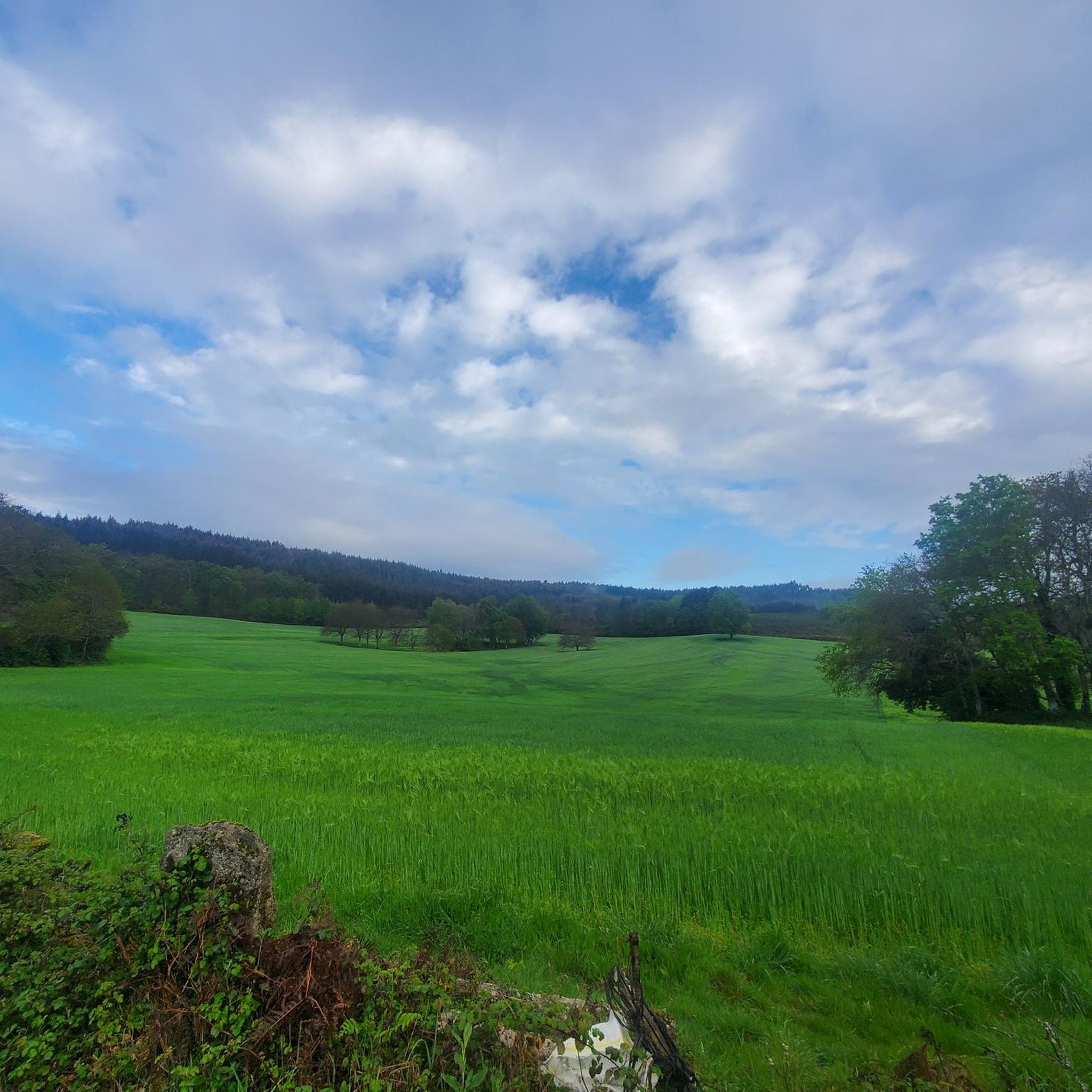
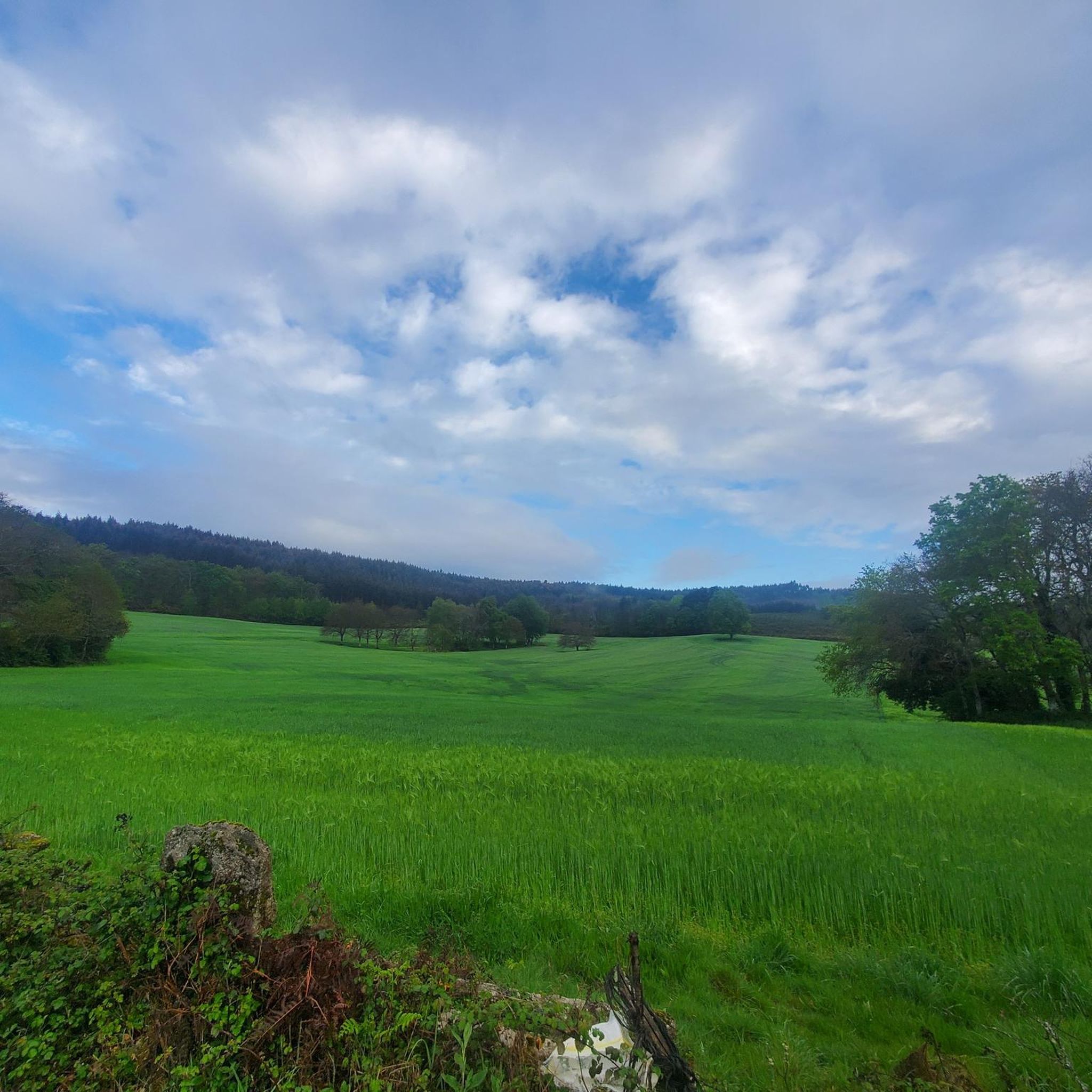
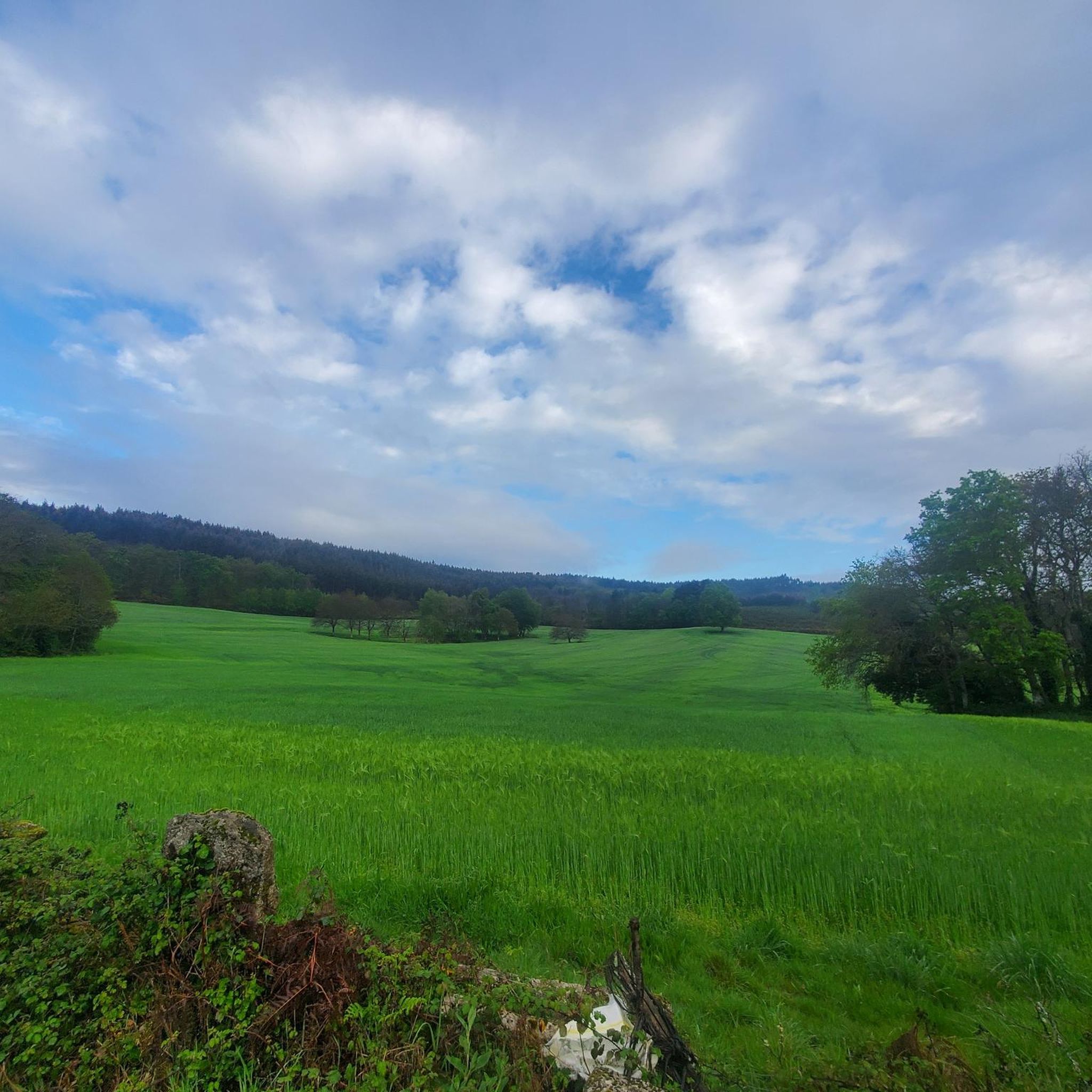
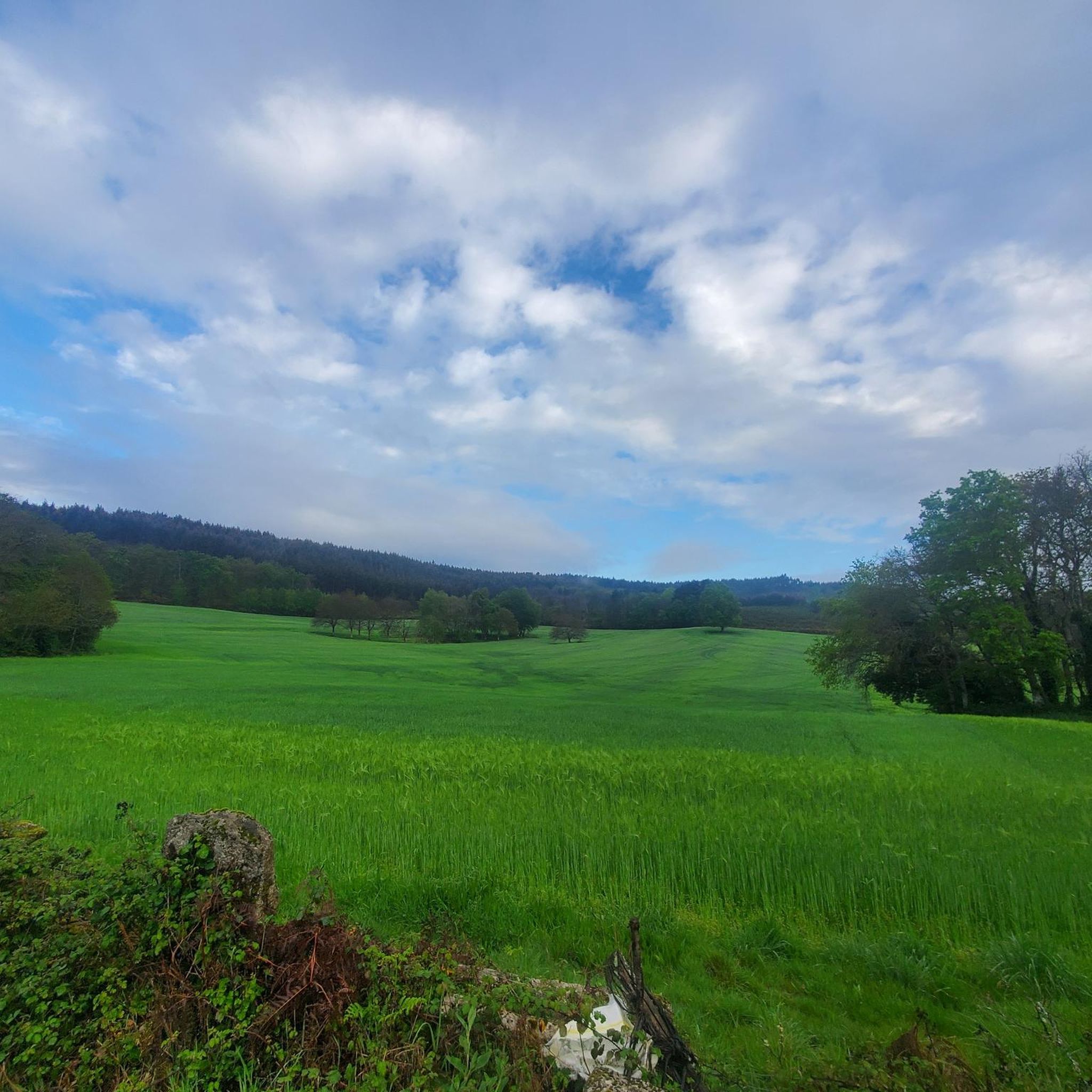
Tips from the Community

The Church of the Inmaculada Concepción do Cádavo is a baroque church located in Baleira, Galicia. It stands out for its architecture, religious elements and festivities in honor of the Virgin Mary. It is a place of cultural importance in the region.
4
0
Small church of medieval origin (Romanesque door) with later transformations. Masonry construction of a single nave, roofed on three sides with slate. Small rectangular apse.
6
0
The Church of Santiago de Espasande is one of the prominent monuments in the area. Popularly known as the “Castroverde Cathedral” for its monumentality, it was declared a National Monument in 1979. Built in 1557 by Fernando de Castro and renovated by Diego Osorio in the 17th century, it presents a late ogival style with Gothic-Romanesque influences. 😊
6
0

The starting point, the source of the Eo river in the mountain town of Fonteo.
0
0
Baleira and Cádavo is a good start for the adventure and a stop on the Camino de Santiago in this mountainous area.
1
0
Laguna de Cospeito is a natural reserve and a protected habitat for migratory birds that come to rest and feed on the lake. Magic area to walk and add to your trip.
2
0
A stone bridge with 9 arches was built over a network of paths during medieval times. Like many bridges in Galicia, the original structure could have been built by the Romans.
3
0
Castroverde is a small town located on the commercial route and a stopping point for the primitive road. Farmlands and rolling hills dominate the landscape. The town's most notable landmark is the 20m-high Torre de Homenaje, a tower that is the only remaining part of the 14th-century castle that once stood here
2
0
Frequently Asked Questions
How many road cycling routes are available in Castro de Rei?
There are over 75 road cycling routes around Castro de Rei, offering a wide range of options for different skill levels. This includes 5 easy routes, 41 moderate routes, and 31 difficult routes, ensuring there's something for everyone.
What kind of terrain can I expect on road cycling routes in Castro de Rei?
Road cycling in Castro de Rei primarily features extensive plains and gently undulating terrain, especially in the Terra Chá region. You'll find picturesque riverine routes along the Miño and its tributaries. However, the eastern part of the municipality offers more rugged terrain with elevations reaching over 600 meters, providing challenging ascents for experienced cyclists.
Are there road cycling routes suitable for beginners or families in Castro de Rei?
Yes, Castro de Rei offers several routes suitable for beginners and families, particularly those that stick to the flatter plains and river trails. These routes provide a relaxed and scenic experience without significant elevation changes. For example, the region has 5 easy routes perfect for a leisurely ride.
Where can I find more challenging road cycling routes in Castro de Rei?
For more challenging road cycling, focus on the eastern part of Castro de Rei, where the terrain becomes more rugged with elevations up to 620 meters in the Montes dos Millares and 619 meters in Pedras Albas. Routes like the Chanca Viaduct and Rato River – Lugo loop from A Rúa de Arriba offer significant elevation gain and are rated as difficult.
What natural features can I see along road cycling routes in Castro de Rei?
Many routes follow tranquil river trails along the Miño, Azúmara, Lea, and Anllo rivers. You can also explore wetlands like the Caque Lagoon, a significant ecological site. Notable natural highlights include the Cospeito Lagoon and the Source of the Miño River.
Are there any historical or cultural landmarks to visit while road cycling in Castro de Rei?
Absolutely. Castro de Rei is rich in history. You can cycle past the significant pre-Roman fort of Castro de Viladonga Archaeological Site, which also has a museum. The area also features historical churches like the Church of Saint Salvador of Soutomerille and the Church of Saint Tomé. The region is also part of the Camino Primitivo, with pilgrim facilities like the Oasis of the Primitivo.
What do other road cyclists enjoy most about road cycling in Castro de Rei?
The komoot community highly rates road cycling in Castro de Rei, with an average score of 4.5 stars. Cyclists often praise the diverse terrain, from the peaceful river valleys and open plains to the more challenging eastern hills, and the opportunity to combine physical activity with cultural exploration at historical sites.
Are there any circular road cycling routes in Castro de Rei?
Yes, many road cycling routes in Castro de Rei are designed as loops, allowing you to start and end at the same point. Examples include the moderate Laguna de Cospeito – Ponte Vella de Rábade loop from Aeródromo de Rozas and the Church of Saint Tomé loop from Aeródromo de Rozas.
What is the best time of year for road cycling in Castro de Rei?
The spring and autumn months generally offer the most pleasant weather for road cycling in Castro de Rei, with milder temperatures and less rainfall. Summer can also be good, especially for enjoying recreational areas along rivers, but it can be warmer. Always check the local forecast before heading out.
Are there any recreational areas along the road cycling routes for breaks?
Yes, Castro de Rei offers pleasant spots for breaks. The fluvial club area along the Azúmara River is a tranquil place to relax, and the recreational area of Triabá, formed by the Miño River, also provides a beautiful setting for a stop. These areas are ideal for a picnic or a short rest during your ride.
Is there public transport access to road cycling routes in Castro de Rei?
While specific public transport options directly to trailheads might be limited, Castro de Rei is generally accessible. For detailed information on bus services or train connections to the region, it's best to consult local transport providers. Some pilgrim facilities, like A Pociña de Muñiz, cater to those traveling by bike, suggesting some level of accessibility for cyclists.
Where can I find parking for road cycling in Castro de Rei?
Many road cycling routes in Castro de Rei start from accessible points like Aeródromo de Rozas, which typically offers parking facilities. For routes starting in or near the town center, public parking areas are usually available. It's advisable to check specific starting points for parking availability when planning your route.
Most popular routes around Castro De Rei
Most popular attractions around Castro De Rei

Get inspired with the komoot mobile app


Explore more
Browse the best Road cycling routes in other regions.
