Attractions and Places To See around Los Corrales De Buelna - Top 20
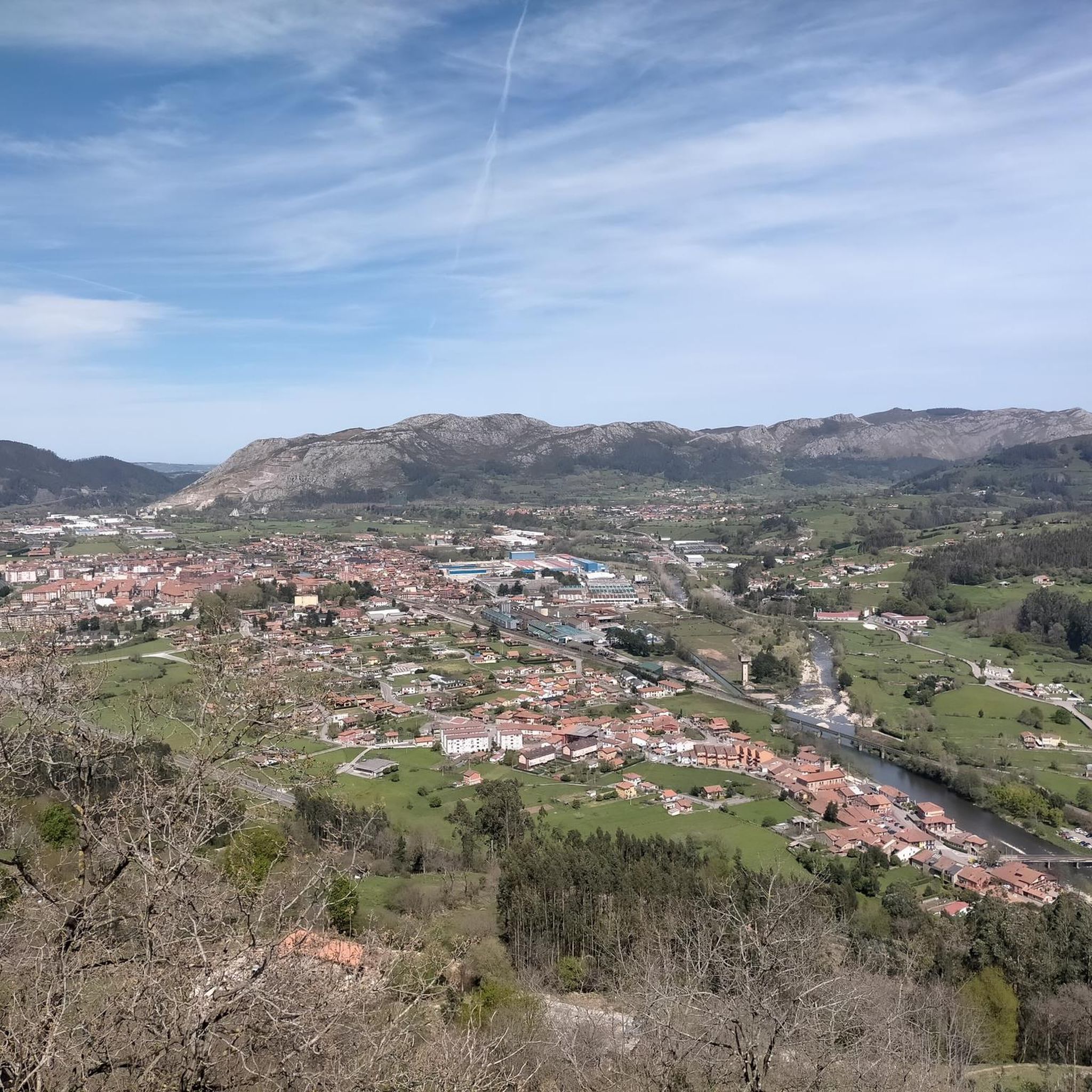
Best attractions and places to see around Los Corrales De Buelna include a diverse range of natural beauty, historical landmarks, and cultural experiences. Situated in the heart of the Valle de Buelna in Cantabria, Spain, the area is characterized by picturesque landscapes and a rich history. Visitors can explore ancient sites, architectural treasures, and natural features. The region offers a blend of outdoor exploration and cultural discovery.
Best attractions and places to see around Los Corrales De Buelna
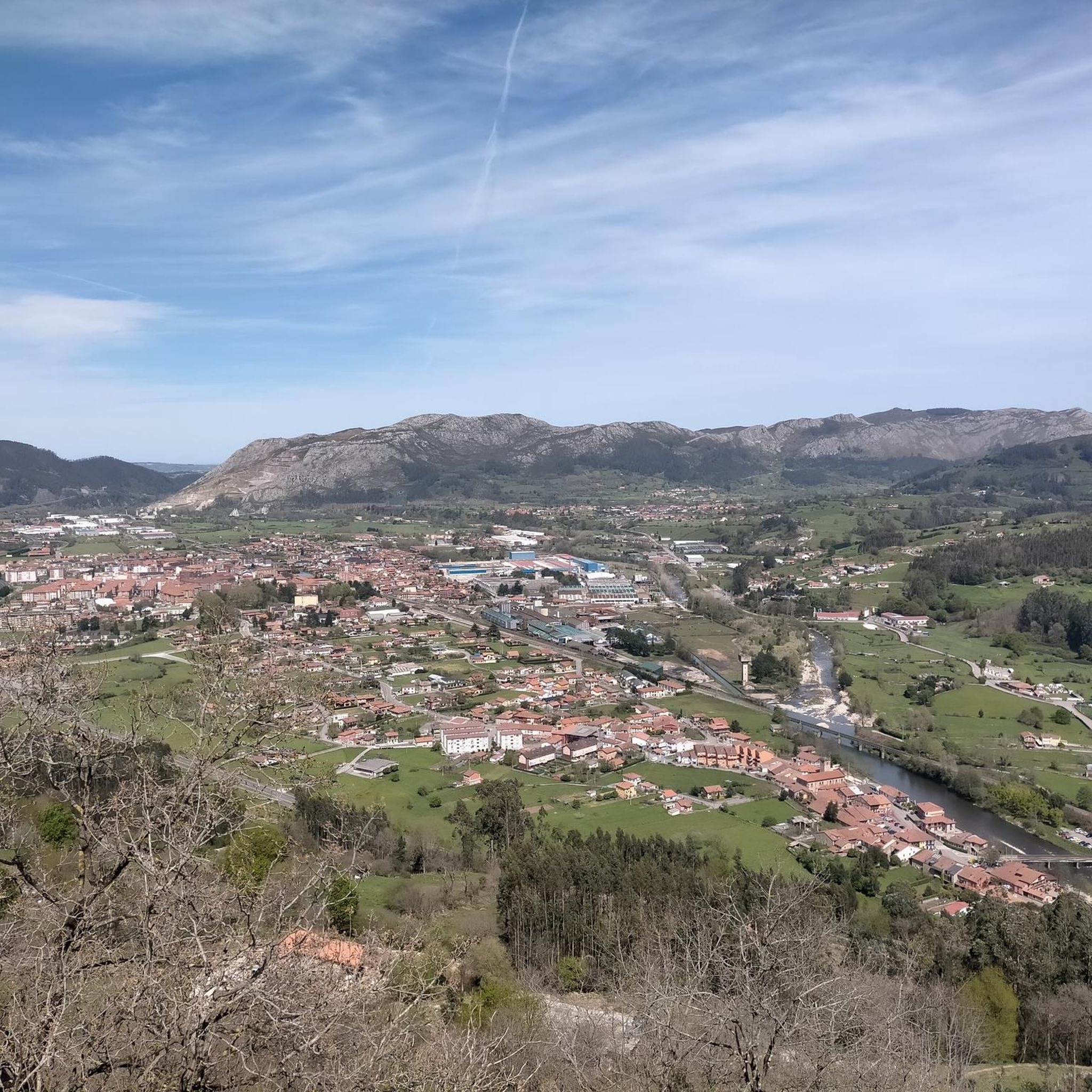
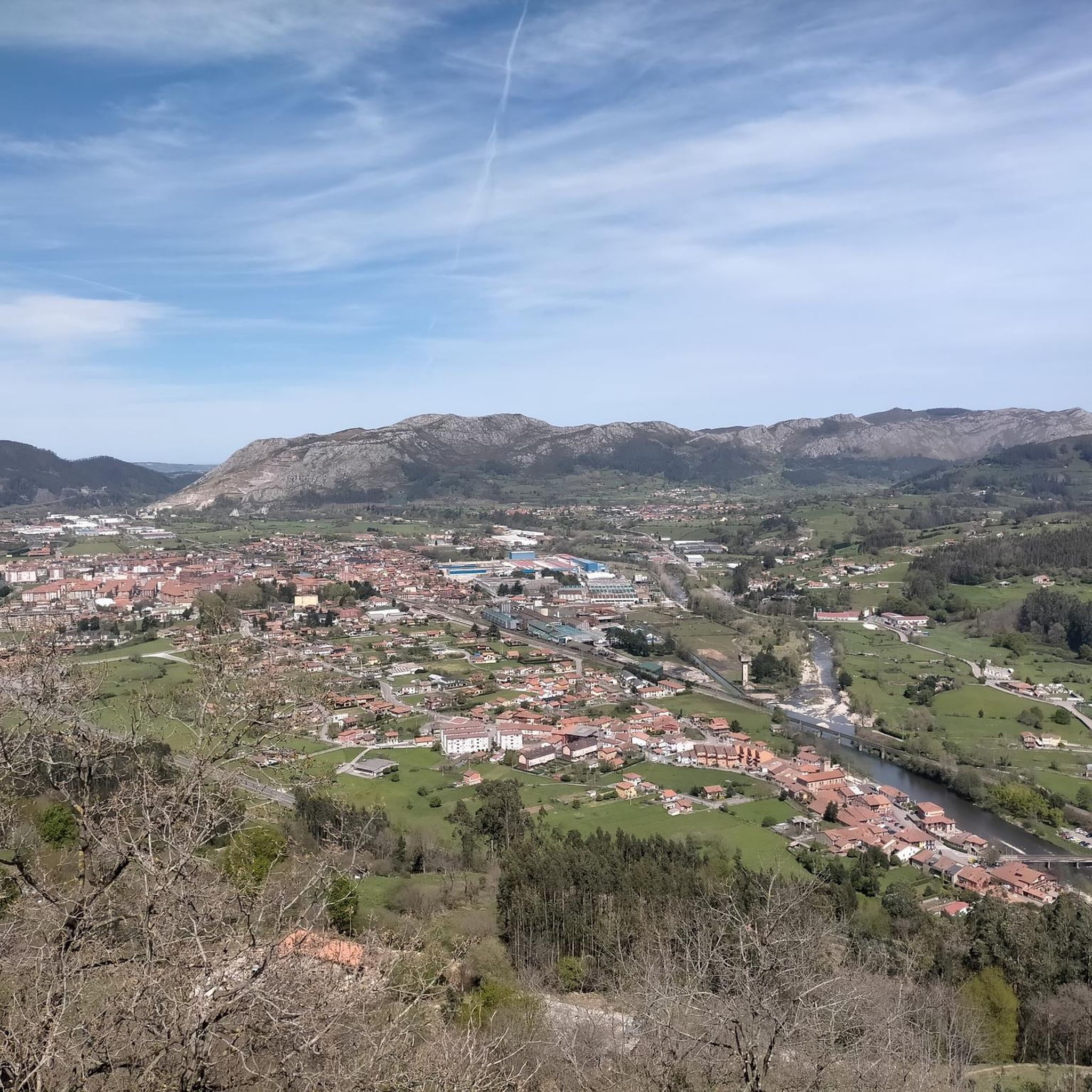
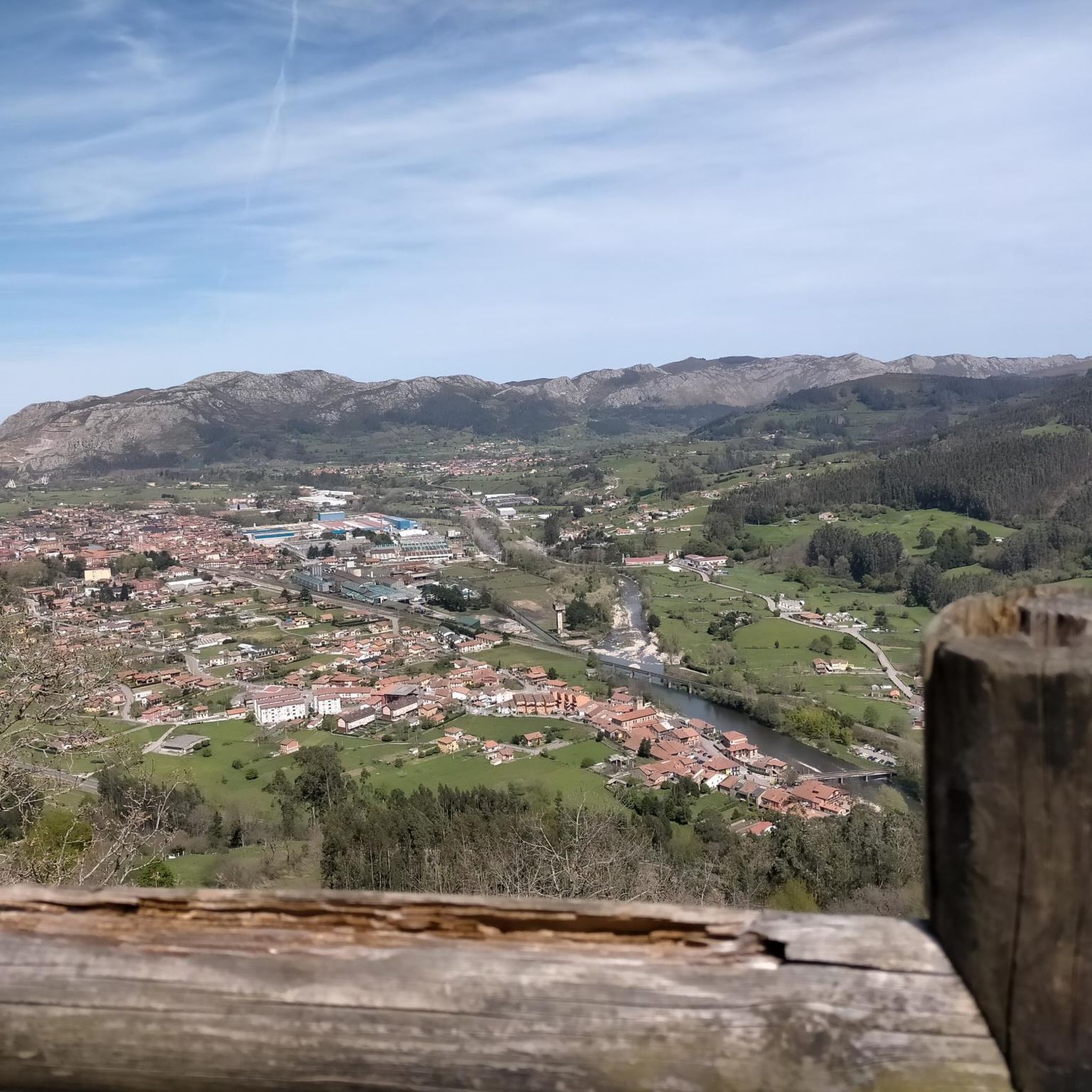
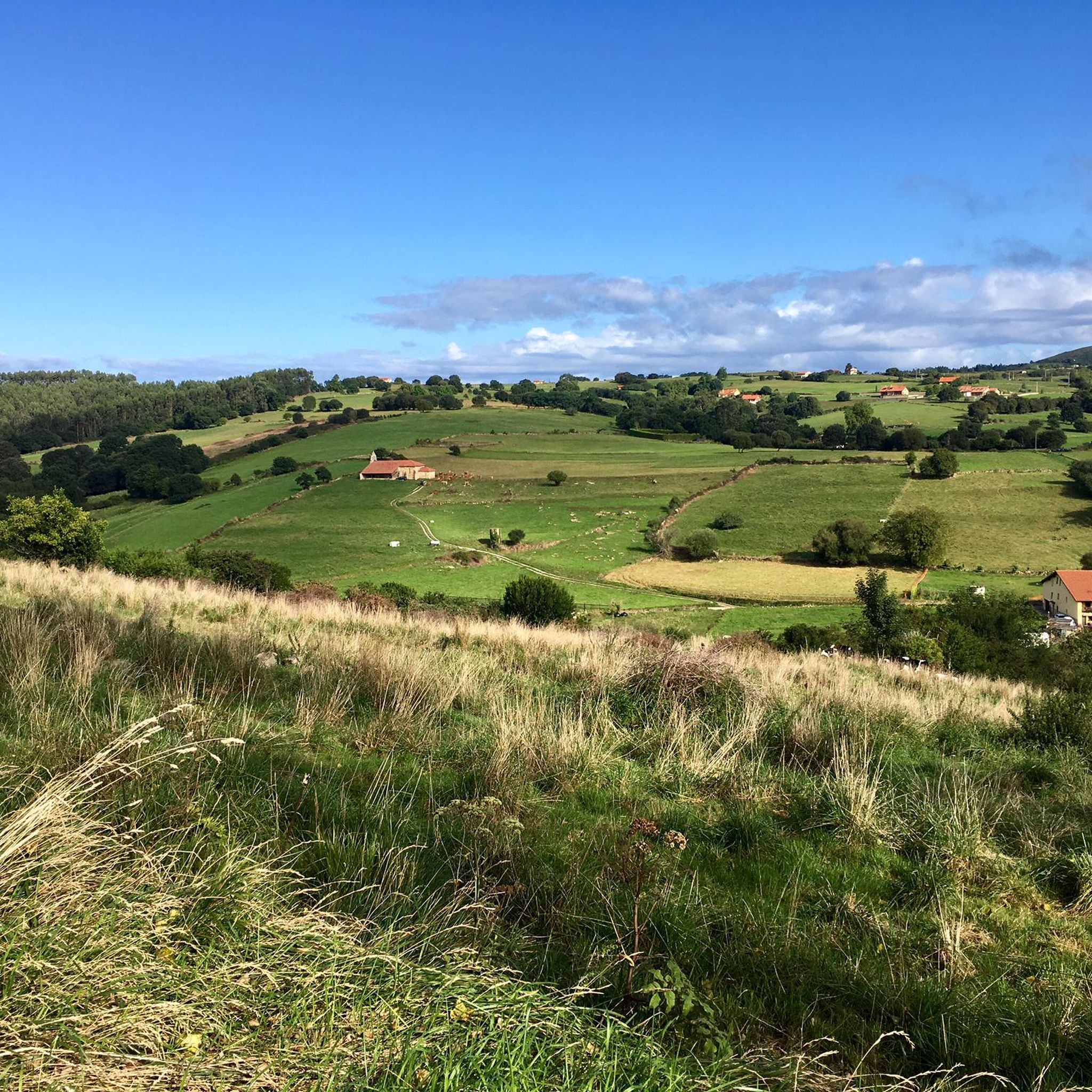
- The most popular attractions is El Moral Plateau, a viewpoint that offers high mountain landscapes. This location features a hermitage often used as a refuge.
- Another must-see spot is Reyerma Steam Locomotive, a man-made monument. This German-made locomotive from 1913 is now located on a greenway near the train station, which serves as an exhibition hall.
- Visitors also love Fuentona de Ruente Bridge, a bridge of medieval origin. It is known for its nine eyes and its proximity to the Fuentona, the source of the homonymous river.
- Los Corrales De Buelna is known for its historical sites, natural monuments, and unique architectural structures. The area provides a variety of attractions to see and explore, from ancient steles to natural parks.
- The attractions around Los Corrales De Buelna are appreciated by the komoot community, with 26 upvotes and 6 photos shared.
Last updated: August 30, 2026
El Moral Plateau
Highlight • Viewpoint
Translated by Google •
Tip by

Altamira Cave
Highlight • Cave
Translated by Google •
Tip by

Sign up now to discover places like this
Get recommendations on the best single tracks, peaks, & plenty of other exciting outdoor places.
Sign up for free
Fuentona de Ruente Bridge
Highlight • Bridge
According to the legend at the bottom of the Fuentona de Ruente an Anjana, a good Cantabrian witch, has her home, who from time to time on a whim makes the water stop flowing. It is almost incredible to believe that for a time everything is completely dry, hence the magical answer to the power of nature.
This karst upwelling of Ruente comes out of a cave and can be seen thanks to a cobbled walk that leads to the source of the Fuentona.
Later, the mighty river that is formed passes under a characteristic bridge, with nine eyes and low in height. This is the typical picture of Ruente, the water flowing through the stone eyes and in the background the typical green that is never lacking in Cantabrian lands.
In the upwelling area there is a picnic park where you can enjoy the calm and beauty that this beautiful corner of Cantabria gives off.
In the town of Ruente you can also see the humilladero, the Nogalera house and the Palacio de Mier.
If you come from rural tourism to Cantabria, on your visit to the Saja Besaya Natural Park, don't forget this charming corner that is Ruente and its Fuentona.
Translated by Google •
Tip by

Statue of Francis of Assisi
Highlight • Monument
Translated by Google •
Tip by

Reyerma Steam Locomotive
Highlight • Monument
Translated by Google •
Tip by
Sign up for free to discover even more attractions around Los Corrales De Buelna.
Sign up for free
Already have an account?
Start today with a free account
Your next adventure awaits.
Login or Signup

Tips from the Community

Whenever I pass by here, even by car, I take a look at this beautiful bridge.
1
0

After a beautiful gravel climb, you reach this plateau with stunning views (including the Picos de Europa in the distance). The path then continues for a long time at altitude, with many cows and horses. Take a look: https://www.youtube.com/watch?v=OgEcgF17RDw
0
0
Indeed, a beautiful spot with breathtaking views, both towards the Picos de Europa and other Cantabrian mountains. The (gravel) road there is also stunning; just take a look: https://www.youtube.com/watch?v=OgEcgF17RDw
0
0

This simple but atmospheric statue of Francis of Assisi stands along the Camino del Norte in Viveda. In 1214, St Francis of Assisi slept in Viveda on his pilgrimage to Santiago de Compostela.
2
0

The Altamira Cave covers an area of more than 5500 m². It was used from 33,600 BC until the entrance collapsed in 11,000 BC. The particularly impressive ceiling paintings are dated to the period 16,500 to 13,000 BC.[3] The cave was discovered in 1868 by a hunter due to the disappearance of a hunting dog, who immediately reported the discovery to the lord of Santillana,[2] the naturalist Marcelino Sanz de Sautuola (1831–1888). The paintings were discovered by Sautuola's five-year-old daughter Maria, who was able to walk upright through the cave and made out images of "cattle" on the ceiling.[2] Marcelino began systematically digging in the cave in 1879[2] and published a short description of the "prehistoric objects in the province of Santander". Even the Spanish King Alfonso XII was invited into the cave. However, the academic world doubted the authenticity of the cave paintings.[2] The French prehistorian Émile Cartailhac described the paintings as a "vulgar prank by a scribbler" that he and his contemporaries did not even want to look at. The discovery had to wait almost 23 years for recognition. It was only when similar paintings were discovered in the Font-de-Gaume cave near Les Eyzies-de-Tayac-Sireuil in the Dordogne department (France) in 1901 that the attitude of French researchers and Cartailhac, who became the symbol of archaeological ignorance, changed. Cartailhac apologized posthumously to the Marquis de Sautuola in an essay in 1902 ("Mea culpa" d'un sceptique[4]).
0
0
The Altamira Cave covers an area of more than 5500 m². It was used from 33,600 BC until the entrance collapsed in 11,000 BC. The particularly impressive ceiling paintings are dated to the period 16,500 to 13,000 BC.[3] The cave was discovered in 1868 by a hunter due to the disappearance of a hunting dog, who immediately reported the discovery to the lord of Santillana,[2] the naturalist Marcelino Sanz de Sautuola (1831–1888). The paintings were discovered by Sautuola's five-year-old daughter Maria, who was able to walk upright through the cave and made out images of "cattle" on the ceiling.[2] Marcelino began systematically digging in the cave in 1879[2] and published a short description of the "prehistoric objects in the province of Santander". Even the Spanish King Alfonso XII was invited into the cave. However, the academic world doubted the authenticity of the cave paintings.
2
0

Frequently Asked Questions
What historical and cultural sites can I explore in Los Corrales De Buelna?
The region is rich in history. You can visit the ancient Estelas de Barros in the village of Barros, dating back to the 1st and 3rd centuries AD. Other notable sites include the 16th-century Palacio de los Condes de Mansilla, the traditional Casona de los Alonso Caballero, and the Centro de Interpretación de la Industria de Cantabria José María Quijano. Don't miss the Reyerma Steam Locomotive, a German-made locomotive from 1913, now on a greenway near the train station.
Are there any unique natural features or monuments to see?
Yes, Los Corrales De Buelna offers several unique natural sights. The Fallen Oak of Brujilices is a remarkable ancient oak that survived a storm by sprouting new branches from its fallen trunk. You can also discover the natural beauty of the Valle de Iguña and the scenic Besaya Natural Park.
What outdoor activities can I do around Los Corrales De Buelna?
The area is excellent for outdoor enthusiasts. You can enjoy hiking, running, and gravel biking. For detailed routes, explore the hiking trails, running trails, and gravel biking routes available in the region.
Where can I find the best viewpoints in the area?
For breathtaking views, head to the El Moral Plateau. This high mountain plateau is accessible via a forest track and offers amazing landscapes, with a hermitage often used as a refuge. It's a popular spot for its panoramic vistas.
Are there family-friendly attractions in Los Corrales De Buelna?
Many attractions are suitable for families. The Reyerma Steam Locomotive is an interesting historical piece for all ages. The Statue of Francis of Assisi offers a cultural stop, and natural sites like the Fallen Oak of Brujilices are great for a family outing in nature.
What is the best time of year to visit Los Corrales De Buelna?
Los Corrales De Buelna is enjoyable throughout the year, but the best time often depends on your preferred activities. Spring and autumn offer pleasant temperatures for hiking and exploring historical sites. Summer is ideal for enjoying the natural swimming spots and cultural festivals like the Guerras Cántabras, while winter can offer a different, serene beauty, especially in higher elevations.
Can I find any ancient Roman remnants in the area?
Yes, you can explore remnants of an ancient Calzada Romana (Roman Road) that once connected Reinosa to the Cantabrian coast. It's a fascinating historical trace within the landscape.
Are there any spas or thermal springs nearby?
The Las Caldas de Besaya Spa, situated along the Besaya River, is known for its thermal springs. This area has attracted visitors for over 2,000 years and features a 19th-century spa building that is still in operation, alongside the Dominican Monastery of Nuestra Señora de las Caldas.
Where can I go for a refreshing swim in nature?
In the Saja reserve, you can find hidden pools in the Río Los Llares, tucked between rocks. These spots are ideal for a refreshing dip on a warm summer afternoon.
What is the significance of the Estelas de Barros?
The Estelas de Barros are ancient stone steles located in the village of Barros, just minutes from Los Corrales de Buelna. They are distinctive symbols of Cantabrian culture, dating back to the 1st and 3rd centuries AD, and are displayed in the Parque de las Estelas, next to the Ermita Virgen de la Rueda.
Is there a notable forest trail for walking?
Yes, the El Castañal de Coo, located in the village of Coo, offers a well-known 9.5 km trail. It's often described as an 'enchanted forest' due to its ancient chestnut trees, oaks, holm oaks, and moss-covered landscapes.
What is the Fuentona de Ruente Bridge known for?
The Fuentona de Ruente Bridge is a beautiful medieval bridge with nine arches. It's particularly known for its proximity to the Fuentona, the source of the homonymous river, which has a curious legend about its intermittent flow.
Most popular routes around Los Corrales De Buelna
Most popular attractions around Los Corrales De Buelna

Get inspired with the komoot mobile app


Explore more
Still not found the Highlight you’re looking for? See guides of the top attractions in other regions:
