The best walks and hikes around Cordovín
4.5
(57)
361
hikers
46
hikes
Hiking around Cordovín offers a network of trails through varied landscapes, characterized by rolling hills and historical paths. The region features agricultural areas, woodlands, and routes connecting to significant cultural sites like the Camino Francés. Elevation changes are generally moderate, making the area accessible for a range of hiking abilities.
Best hiking trails around Cordovín
- The most popular hiking route is Camino Francés: Nájera and Alesón Loop, a 9.6 miles (15.5 km) trail that takes 4 hours 13 minutes…
Last updated: July 4, 2026
5.0
(1)
1
hikers
15.5km
04:14
220m
220m
Hike a moderate 9.6-mile circular route near Nájera, exploring historic sites like the Monastery of Santa Helena and the legendary Poyo de R
4.8
(4)
43
hikers
11.3km
03:04
170m
170m
Moderate hike. Good fitness required. Easily-accessible paths. Suitable for all skill levels.

Sign up for free
3.8
(6)
24
hikers
7.30km
02:08
200m
200m
Moderate hike. Good fitness required. Easily-accessible paths. Suitable for all skill levels.
4.7
(3)
27
hikers
12.0km
03:16
180m
180m
Moderate hike. Good fitness required. Easily-accessible paths. Suitable for all skill levels.
4.0
(1)
11
hikers
7.22km
01:52
40m
40m
Easy hike. Great for any fitness level. Easily-accessible paths. Suitable for all skill levels.
Get access to more routes and recommendations from other explorers.
Sign up for free
Already have an account?
Our route recommendations are based on thousands of hikes, rides, and runs completed by other people on komoot.
Start today with a free account
Your next adventure awaits.
Login or Signup

Tips from the Community

The Monastery of San Millán de la Cogolla is a place of great importance in the La Rioja region of Spain. Founded in the 6th century AD by Saint Millán, this monastery has a rich history and a special connection with the Castilian language.
3
0

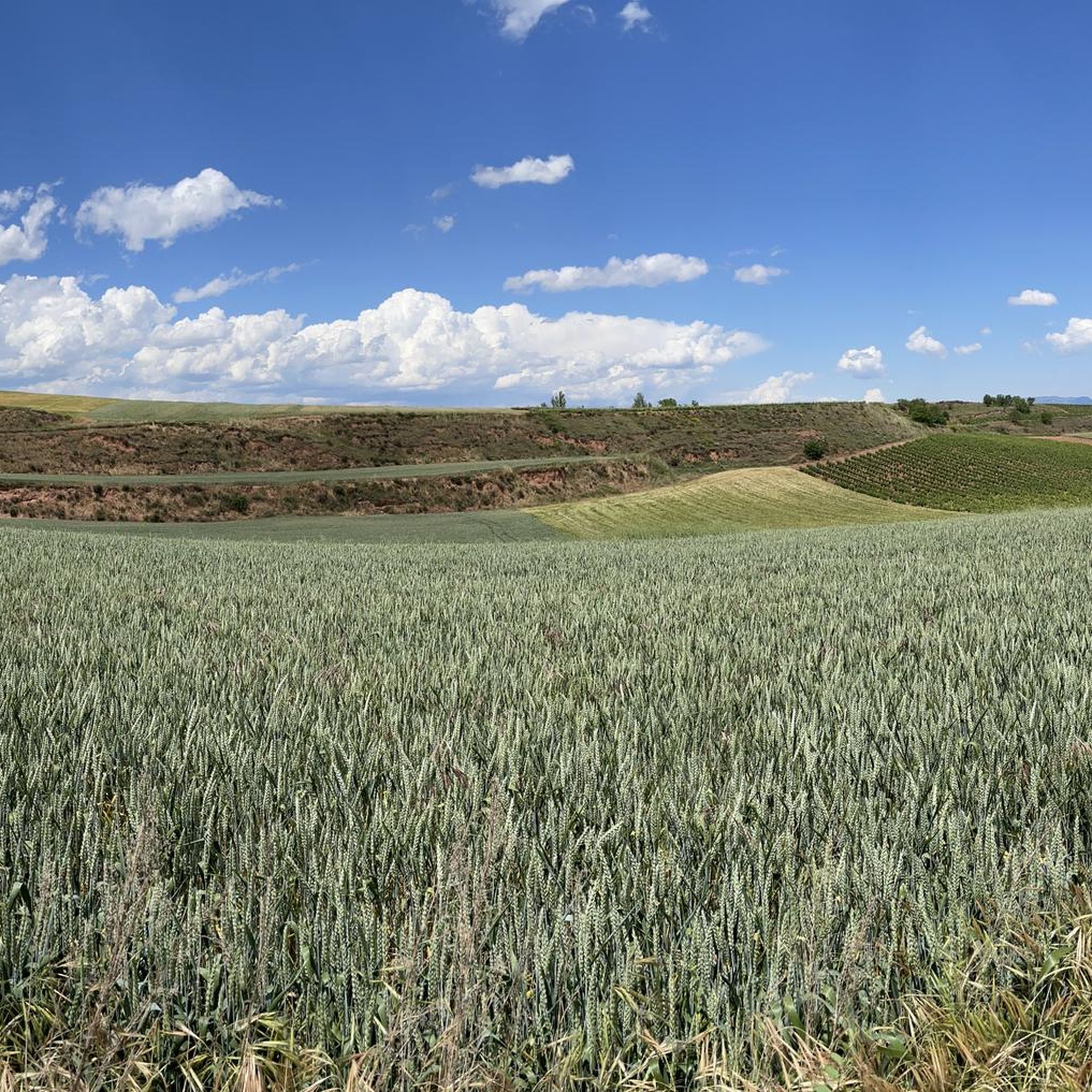
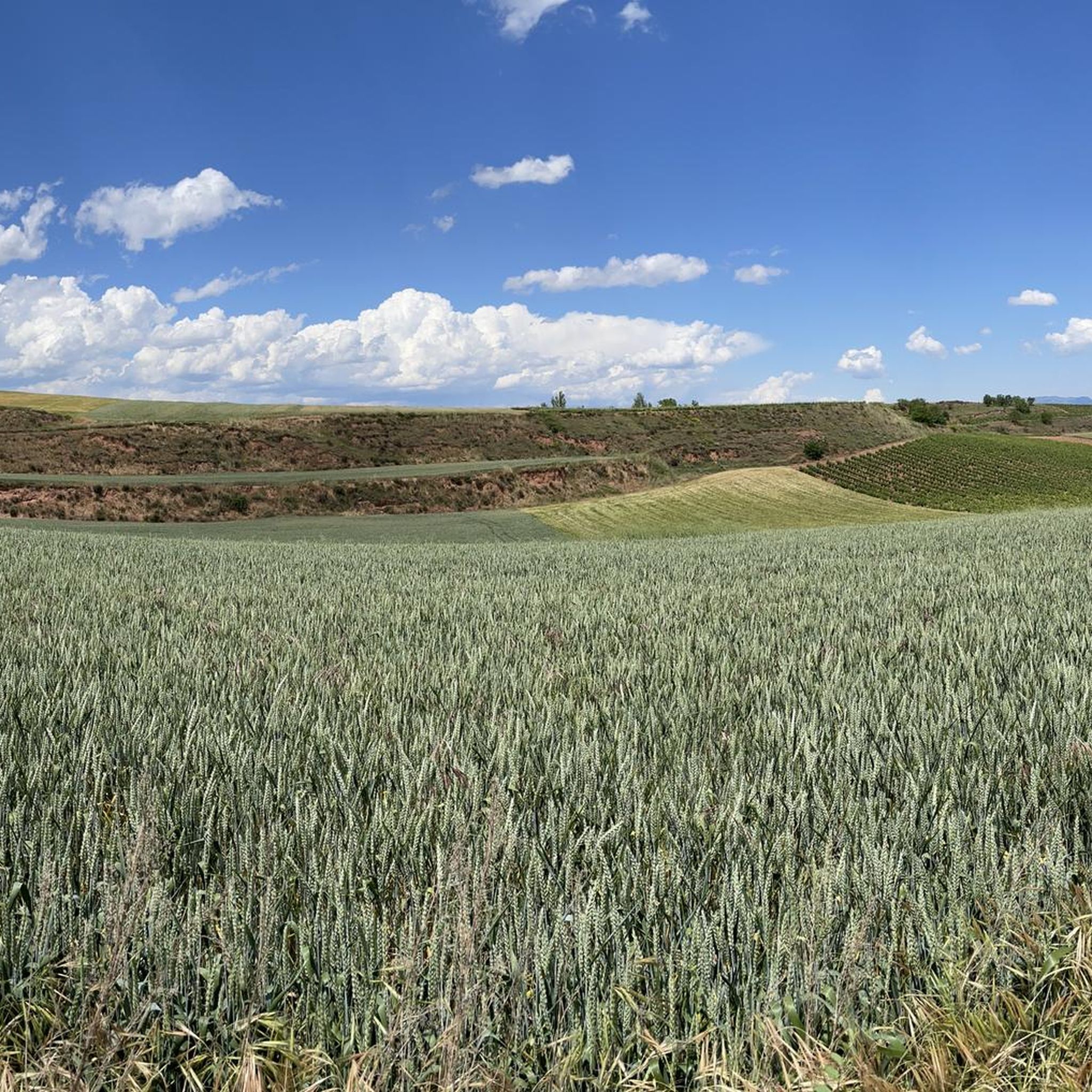
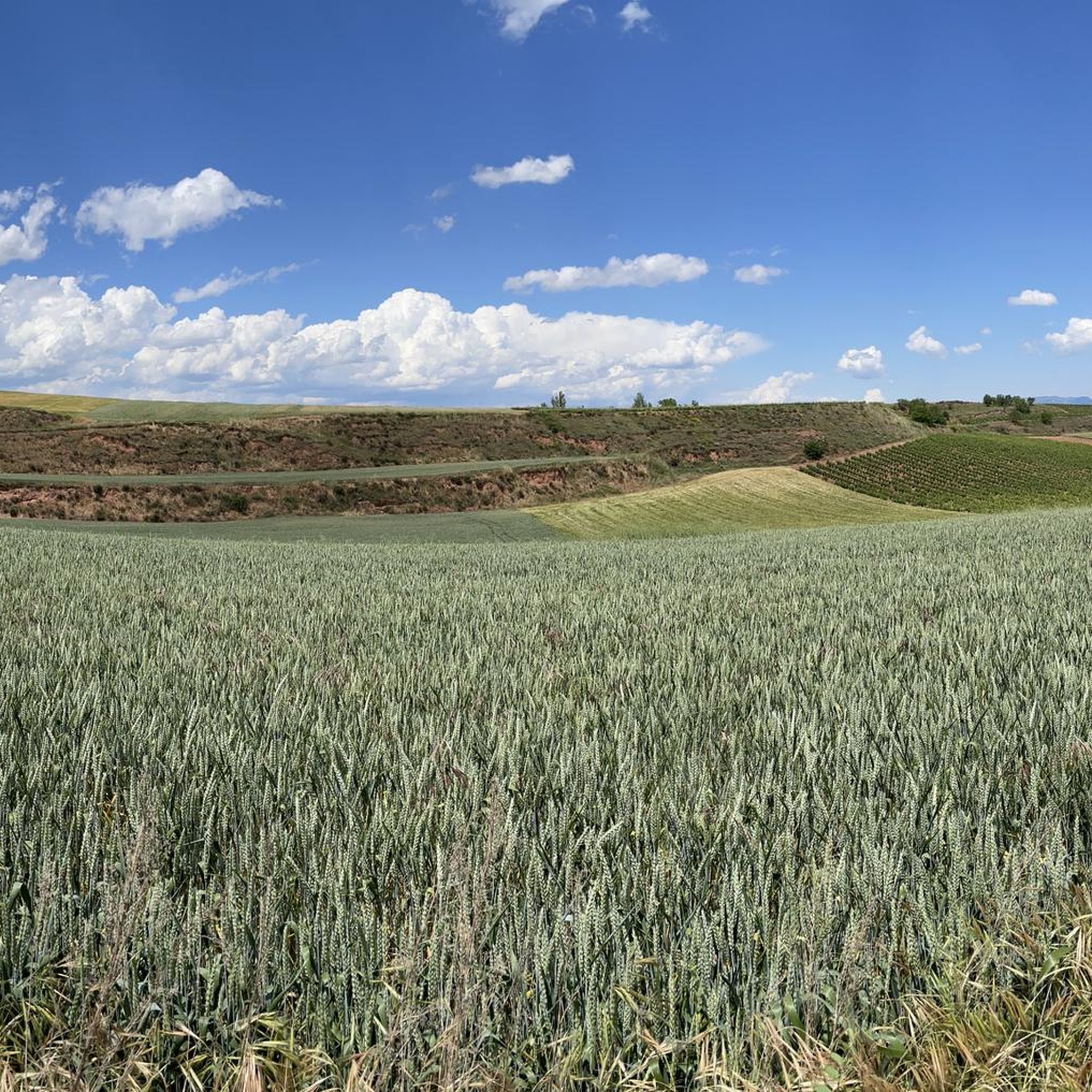
A hill that has its own legend: in the castle of Nájera lived Farragut or Ferragut, a Syrian giant descended from Goliath and stronger than him, who fought and defeated the best warriors of Charlemagne except Roldán, who one day from the poyo spotted the giant sitting at the door of his castle. Roldán picked up a round stone weighing two arrobas (~22kg) and threw it in the direction of the giant, whom he hit in the forehead, knocking him down. Since then the hill has been called Poyo de Roldán.The stone hut is likely a traditional stone vineyard shelter.
2
0
Stone bridge over the river leading to the oldest part of the town. Albergue Puerta de Nájera is to the right just after the bridge.
0
0

On the Caminos, there are often kilometer markings on monoliths, painted on house walls or in the form of wooden posts along the way, indicating how far it is to Santiago de Compostela.
0
0
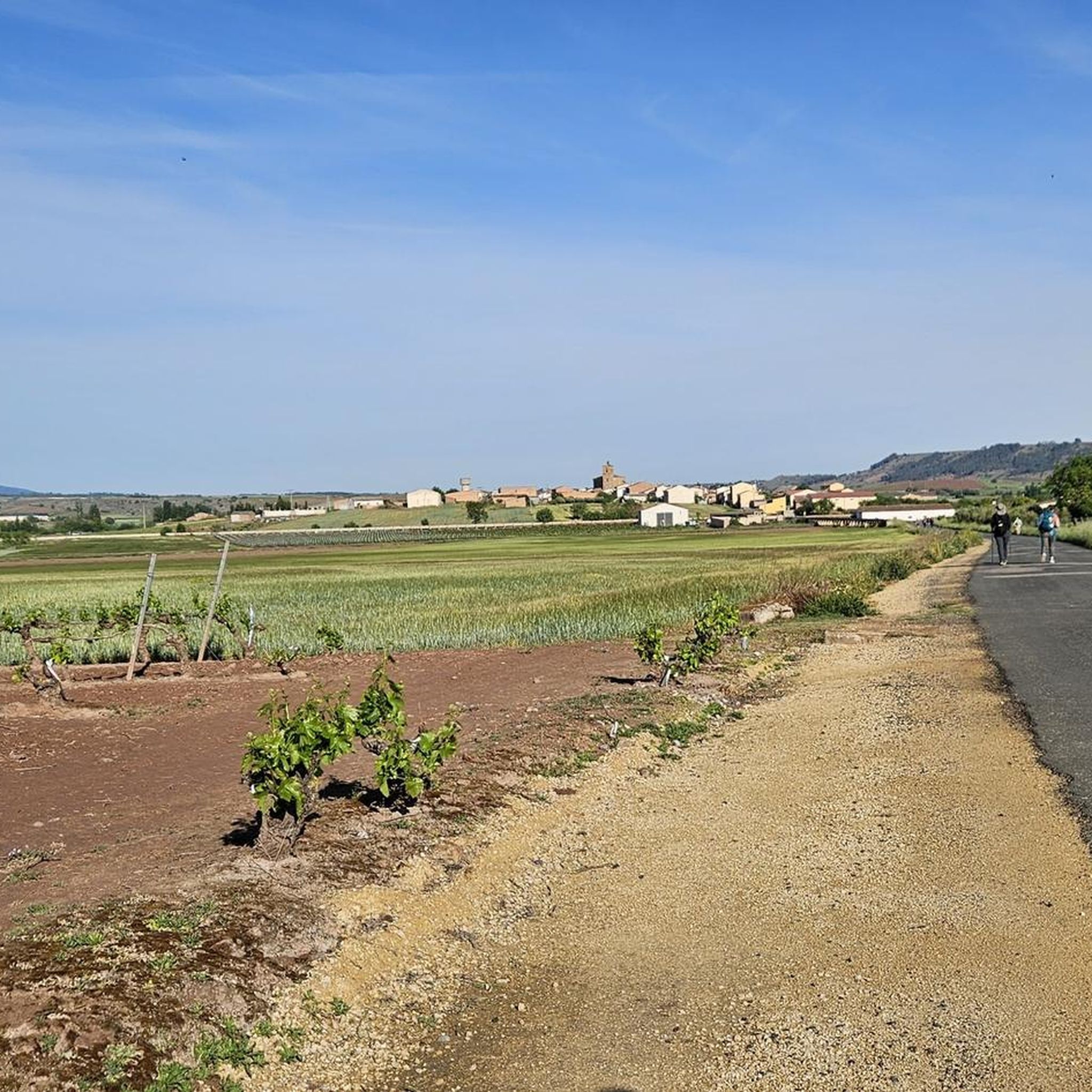
Nájera is a small town on the Way of St. James with a remarkable monastery. The bustling town is the district capital, but it is difficult to imagine that Nájera was once the capital of La Rioja in the Middle Ages. The historic old town lies on the western bank of the small Najerilla river, which divides the city into two unequal halves. https://reisen-nach-spanien.com/la-rioja/najera
2
0
On the 8th stage of the Camino Francés from Logroño to Najéra, the Camino crosses this wooden bridge about 3 km before Najéra.
0
0
Frequently Asked Questions
How many hiking trails are available around Cordovín?
There are over 45 hiking trails around Cordovín. The region offers a good mix of routes, with 23 easy trails perfect for a relaxed stroll and 23 moderate trails for those looking for a bit more challenge. There is also one difficult route for experienced hikers.
Are there easy hiking trails suitable for beginners or families in Cordovín?
Yes, Cordovín offers 23 easy hiking trails, many of which are suitable for beginners or families. These routes typically feature gentle elevation changes and pass through pleasant agricultural areas and woodlands. An example of an easy route is the Park on the riverbank (Nájera) loop from Nájera, which is just over 7 km long.
What kind of landscapes can I expect to see on hikes around Cordovín?
Hiking around Cordovín will take you through varied landscapes characterized by rolling hills, agricultural plains, and gentle woodlands. Many routes also follow historical paths, including sections of the famous Camino Francés, offering a blend of natural beauty and cultural heritage.
Are there any circular hiking routes in the Cordovín area?
Yes, several popular routes around Cordovín are circular, allowing you to start and end in the same location. Examples include the Camino Francés: Nájera and Alesón Loop and the Nájera – Camino de Santiago Signpost loop from Nájera.
What are some interesting landmarks or attractions I can see while hiking near Cordovín?
Many trails in the Cordovín area pass by significant historical and cultural landmarks. You can explore sites such as the San Millán de la Cogolla Monastery, or the Suso and Yuso Monasteries, which are UNESCO World Heritage sites. The Poyo de Roldán Stone Hut is another point of interest.
Is Cordovín a dog-friendly hiking destination?
Generally, the rural and natural trails around Cordovín are suitable for hiking with dogs, provided they are kept under control, especially in agricultural areas or near livestock. Always ensure to follow local regulations and clean up after your pet.
What is the best time of year to go hiking in Cordovín?
The best time to hike in Cordovín is typically during spring (April to June) and autumn (September to October) when the weather is mild and pleasant, and the landscapes are vibrant. Summers can be warm, while winters are generally mild but can have occasional rain.
Are there any routes that follow the Camino de Santiago near Cordovín?
Yes, Cordovín is located in a region rich with pilgrimage history. Several hiking routes incorporate sections of the historic Camino Francés, part of the Camino de Santiago. For example, the Nájera – Camino de Santiago Signpost loop from Hormilla offers a chance to experience this iconic path.
What do other hikers say about the trails in Cordovín?
The hiking routes in Cordovín are highly rated by the komoot community, with an average score of 4.5 stars from over 50 reviews. Hikers often praise the well-marked paths, the historical significance of the routes, and the peaceful, varied landscapes.
What is the typical duration for a moderate hike in Cordovín?
Moderate hikes in Cordovín can vary in duration depending on the distance and elevation. For instance, the Camino Francés: Nájera and Alesón Loop, which is about 15.5 km, typically takes around 4 hours and 15 minutes to complete.
Are there options for shorter walks or longer day hikes?
Yes, the network of trails around Cordovín caters to various preferences. You can find shorter, easy strolls, such as the 7.3 km Monastery of Suso loop from San Millán de la Cogolla, which takes about 2 hours. For longer day hikes, there are several moderate routes extending over 10 km.
Most popular attractions around Cordovín

Get inspired with the komoot mobile app


Explore more
Browse the best Hikes in other regions.
