Attractions and Places To See around Valenzuela De Calatrava - Top 20
Best attractions and places to see around Valenzuela De Calatrava include a blend of historical landmarks, distinctive natural features, and traditional cultural sites. Located in the Ciudad Real Province of Castile-La Mancha, Spain, the municipality has roots in a 12th-century Almoravid castle and shows evidence of Iberian, Roman, and Visigothic presence. The wider Campo de Calatrava region is known for its volcanic past, contributing to unique natural phenomena like saline lagoons and natural sparkling water. Visitors can explore religious buildings,…
Last updated: July 7, 2026
Laguna del Prado
Highlight • Lake
Translated by Google •
Tip by

Hermitage of San Pedro (Almagro)
Highlight • Religious Site
Translated by Google •
Tip by

Sign up now to discover places like this
Get recommendations on the best single tracks, peaks, & plenty of other exciting outdoor places.
Sign up for free
Church of San Juan Bautista
Highlight • Religious Site
Translated by Google •
Tip by
Virgen de los Santos
Highlight • Religious Site
In the enclosure next to the hermitage there is a conglomerate of small and traditional …
Translated by Google •
Tip by
Pozuelo de Calatrava
Highlight • Settlement
Translated by Google •
Tip by
Sign up for free to discover even more attractions around Valenzuela De Calatrava.
Sign up for free
Already have an account?
Start today with a free account
Your next adventure awaits.
Login or Signup
Tips from the Community

Built in the early 16th century, it was one of the chapels that emerged in the outlying neighborhoods of Almagro. In the 17th century, it was expanded to include the chapel of Our Lady of Sorrows. In the 19th century, it housed images from the nearby Hermitage of Santiago, which was in poor condition. It was destroyed during the Civil War and rebuilt in the 1980s by architect Miguel Fisac, who applied modern techniques such as the use of white concrete in flexible formwork for the porch.
23
0
It is located next to the town centre of Pozuelo de Calatrava. It is popularly known as the unexpected lagoon. If you pass by, it is a unique opportunity to enjoy the flora and fauna of the saltiest lagoon in the area.
10
0
The Hermitage of the Virgen de los Santos is a place of worship and devotion on the hill that bears its name, near the town of Pozuelo de Calatrava. It is a construction from the 15th or 16th century, with a Mudejar roof and a baroque altarpiece that houses the image of the patron saint. The sanctuary is located on a magical and once strategic pointy mountain, and its white and luminous architecture stands out in the landscape.
32
0

Small lagoon that is very close to the center and what's more, the path that goes around it is quiet and pleasant close to the center.
2
1
Within the Campo de Calatrava region, this municipality attracts the visitor's attention because it is close to two salty lagoons of volcanic origin, Argamasilla and Inesperada; formerly used as medicinal waters. Like other thermal springs where the Infante Don Carlos ordered the construction of the Baños de Fuensanta. In addition to its natural assets, the religious ones are important, in the form of a church and a sanctuary that we must not miss. Its 17th century church dedicated to Saint John the Baptist was declared a B.I.C. in 1989. Its nave is covered by a barrel vault and has a polygonal apse and two doorways under porticoes, one of them with Tiara Papal. It is one of the few churches that preserves its three original altarpieces from the 18th century, the most important being that of the High Altar made of walnut wood without polychrome and with allegories of the Trinity. In the Sanctuary of Nuestra Señora de los Santos we can also admire a beautiful altarpiece in Churrigueresque forms. The sanctuary is on the outskirts of the town and was built on an old Arab fortress. It has a single nave in which we will see wall paintings and a beautiful Mudejar coffered ceiling.
40
0
Pozuelo de Calatrava is a rustic town of medieval origin located in the historic region of Campo de Calatrava, on the edge of one of the most interesting volcanic lagoons in the territory: La Inesperada or Laguna del Prado, where you can spot various waterfowl.
29
0
Within the Campo de Calatrava region, this municipality attracts the visitor's attention because it is close to two salty lagoons of volcanic origin, Argamasilla and Inesperada; formerly used as medicinal waters. Like other thermal springs where the Infante Don Carlos ordered the construction of the Baños de Fuensanta. In addition to its natural assets, the religious ones are important, in the form of a church and a sanctuary that we must not miss. Its 17th century church dedicated to Saint John the Baptist was declared a B.I.C. in 1989. Its nave is covered by a barrel vault and has a polygonal apse and two doorways under porticoes, one of them with Tiara Papal. It is one of the few churches that preserves its three original altarpieces from the 18th century, the most important being that of the High Altar made of walnut wood without polychrome and with allegories of the Trinity. In the Sanctuary of Nuestra Señora de los Santos we can also admire a beautiful altarpiece in Churrigueresque forms. The sanctuary is on the outskirts of the town and was built on an old Arab fortress. It has a single nave in which we will see wall paintings and a beautiful Mudejar coffered ceiling.
21
0
Within the Campo de Calatrava region, this municipality attracts the visitor's attention because it is close to two salty lagoons of volcanic origin, Argamasilla and Inesperada; formerly used as medicinal waters. Like other thermal springs where the Infante Don Carlos ordered the construction of the Baños de Fuensanta. In addition to its natural assets, the religious ones are important, in the form of a church and a sanctuary that we must not miss.
30
0
Frequently Asked Questions
What unique natural features can I explore around Valenzuela de Calatrava?
Valenzuela de Calatrava is known for its distinctive natural sparkling water, found in public fountains and some homes, valued for its mineral properties. The wider Campo de Calatrava region, where Valenzuela is located, boasts a volcanic past, leading to unique landscapes. You can also visit Laguna del Prado, a saline volcanic lagoon and Nature Reserve, known for its unique ecosystem.
What historical landmarks can I visit in Valenzuela de Calatrava?
The town offers several historical landmarks, including the Parish Church of San Bartolomé Apóstol, built in 1560 over an ancient Muslim alcázar. Other notable sites are the Hermitage of Santo Cristo de la Clemencia (late 17th or 18th century) and the Hermitage of San Isidro, which offers scenic views from its hill location. The Plaza Mayor also serves as a historical community gathering place.
Are there opportunities for hiking or cycling near Valenzuela de Calatrava?
Yes, the area around Valenzuela de Calatrava is excellent for outdoor activities. You can find various routes for mountain biking, road cycling, and running. For example, there are several moderate MTB trails like 'Almagro to Yacimiento de Ore' and road cycling routes such as 'Pozuelo de Calatrava, Miguelturra y Ermita de Santa Marina — circular desde Almagro'. Explore more options on the MTB Trails around Valenzuela De Calatrava, Road Cycling Routes around Valenzuela De Calatrava, and Running Trails around Valenzuela De Calatrava guide pages.
What kind of wildlife can be observed in the natural areas?
At Laguna del Prado, especially when flooded, you can observe various waterfowl such as black-headed gulls, avocets, stilts, and plovers. Pink flamingos are also known to visit during these periods. The surrounding scrubland and proximity to the Valle de Alcudia y Sierra Madrona Natural Park offer opportunities to see Mediterranean flora and fauna.
Are there any significant religious sites in the area?
Beyond the Parish Church of San Bartolomé Apóstol, you can visit the Hermitage of Santo Cristo de la Clemencia and the Hermitage of San Isidro. Nearby, in Pozuelo de Calatrava, you'll find the 17th-century Church of San Juan Bautista, which preserves three original altarpieces, and the sanctuary of Virgen de los Santos, a 15th or 16th-century construction with a Mudejar roof.
What is the best time to visit Valenzuela de Calatrava?
Spring is an excellent time to visit, as the low-lying scrubland vegetation displays vibrant colors and aromas. If you're interested in birdwatching, particularly flamingos, visit Laguna del Prado during periods when it is flooded, typically outside the hottest summer months when it can dry out.
Are there family-friendly attractions around Valenzuela de Calatrava?
Many attractions in the area are suitable for families. Natural sites like Laguna del Prado offer opportunities for nature observation. Historical sites such as the Hermitage of San Pedro (Almagro) and the Church of San Juan Bautista are also considered family-friendly, providing cultural insights.
What are some notable viewpoints in the region?
The Hermitage of San Isidro, located on a hill approximately two kilometers from town, offers scenic views of Valenzuela de Calatrava, neighboring villages, and some volcanic landscapes. The sanctuary of Virgen de los Santos, situated on a strategic pointy mountain, also provides excellent panoramic views.
What kind of local cuisine can I expect to find?
Visitors can savor authentic Manchego cuisine, which includes traditional dishes like game meats, pisto (a vegetable stew), migas (fried breadcrumbs), and local sweets such as miguelitos. The region's culinary heritage is rich and offers a taste of traditional Spanish flavors.
What is the historical significance of Valenzuela de Calatrava?
Valenzuela de Calatrava has deep historical roots, tracing back to a 12th-century Almoravid castle, believed to be on the site of the current parish church. Archaeological findings indicate earlier Iberian, Roman, and Visigothic presence. The town's location in the Campo de Calatrava region also connects it to the historical influence of the Order of Calatrava, with significant sites like the Castle of Calatrava la Nueva nearby.
Are there any other interesting towns or settlements nearby?
Yes, Pozuelo de Calatrava is a nearby settlement of medieval origin, close to volcanic lagoons and home to important religious buildings like the Church of San Juan Bautista. It's a great place to explore more of the region's history and natural beauty.
What are the landscapes like around Valenzuela de Calatrava?
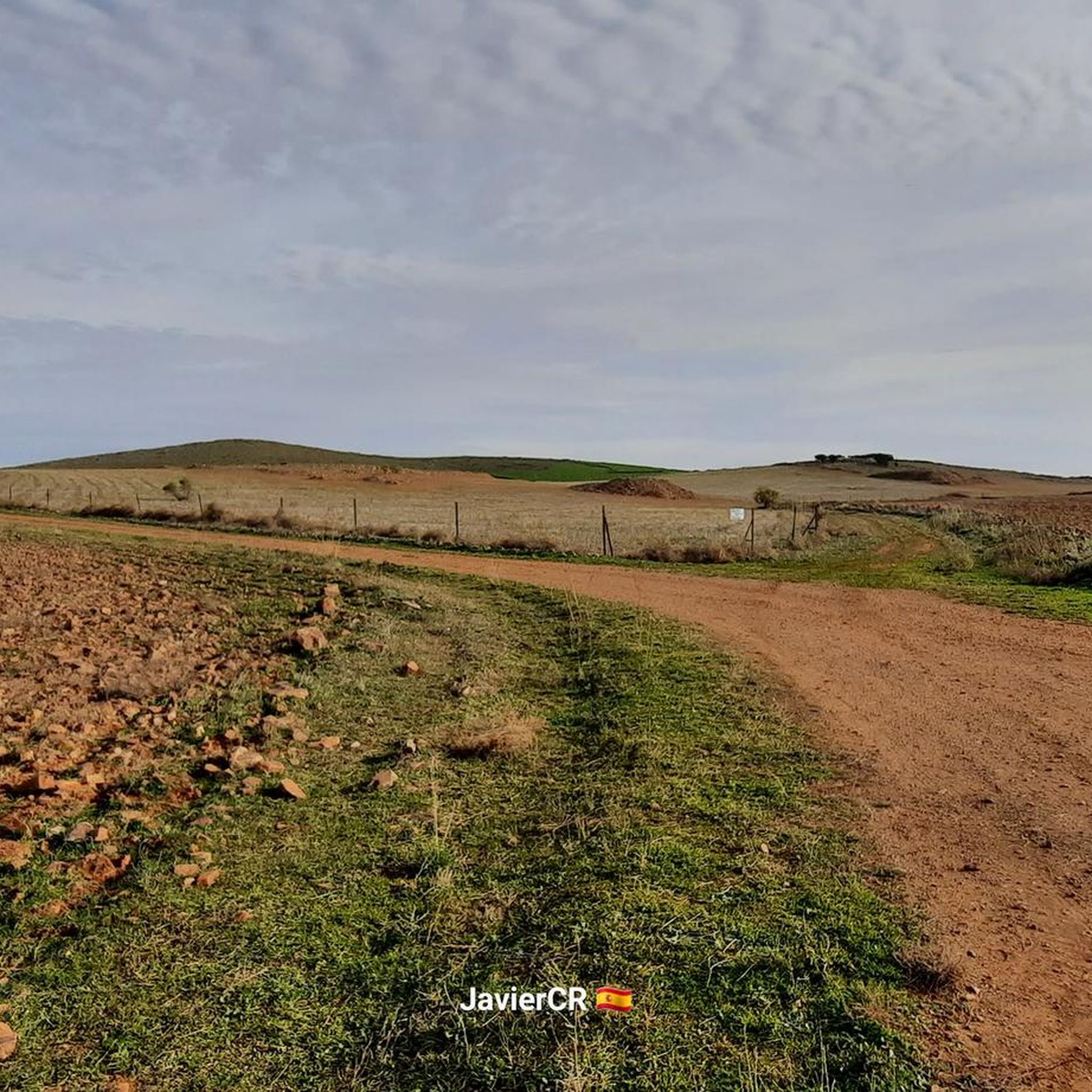
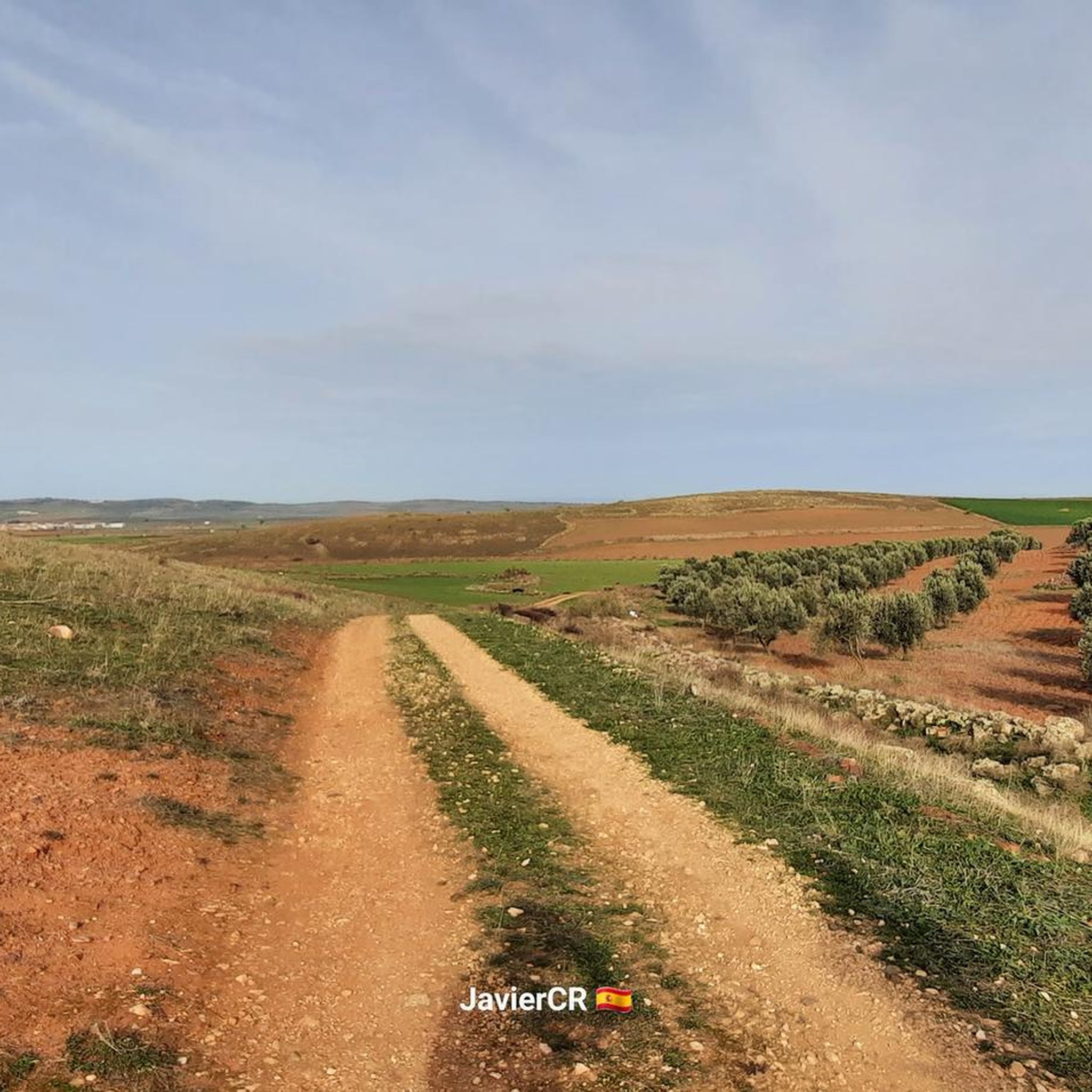
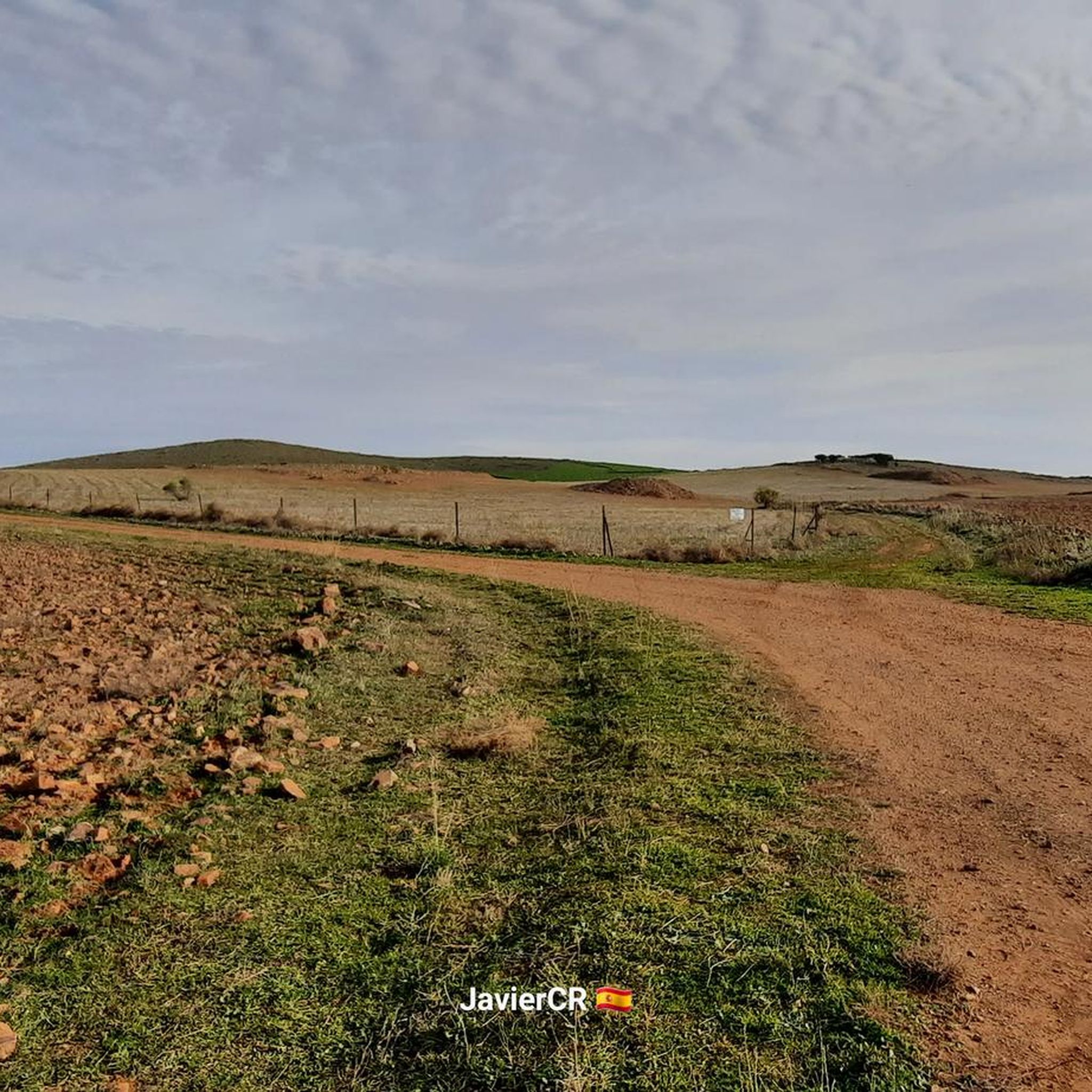
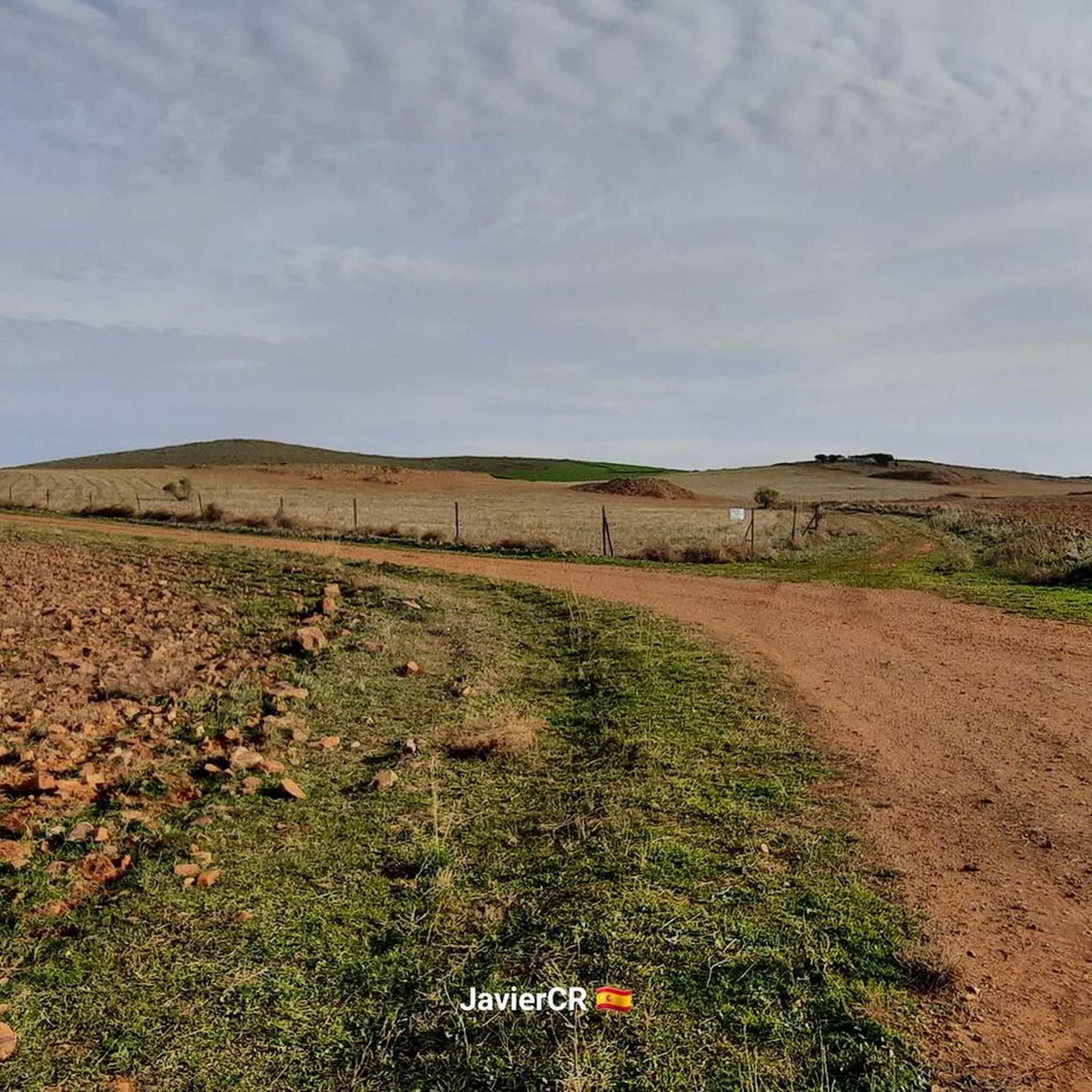
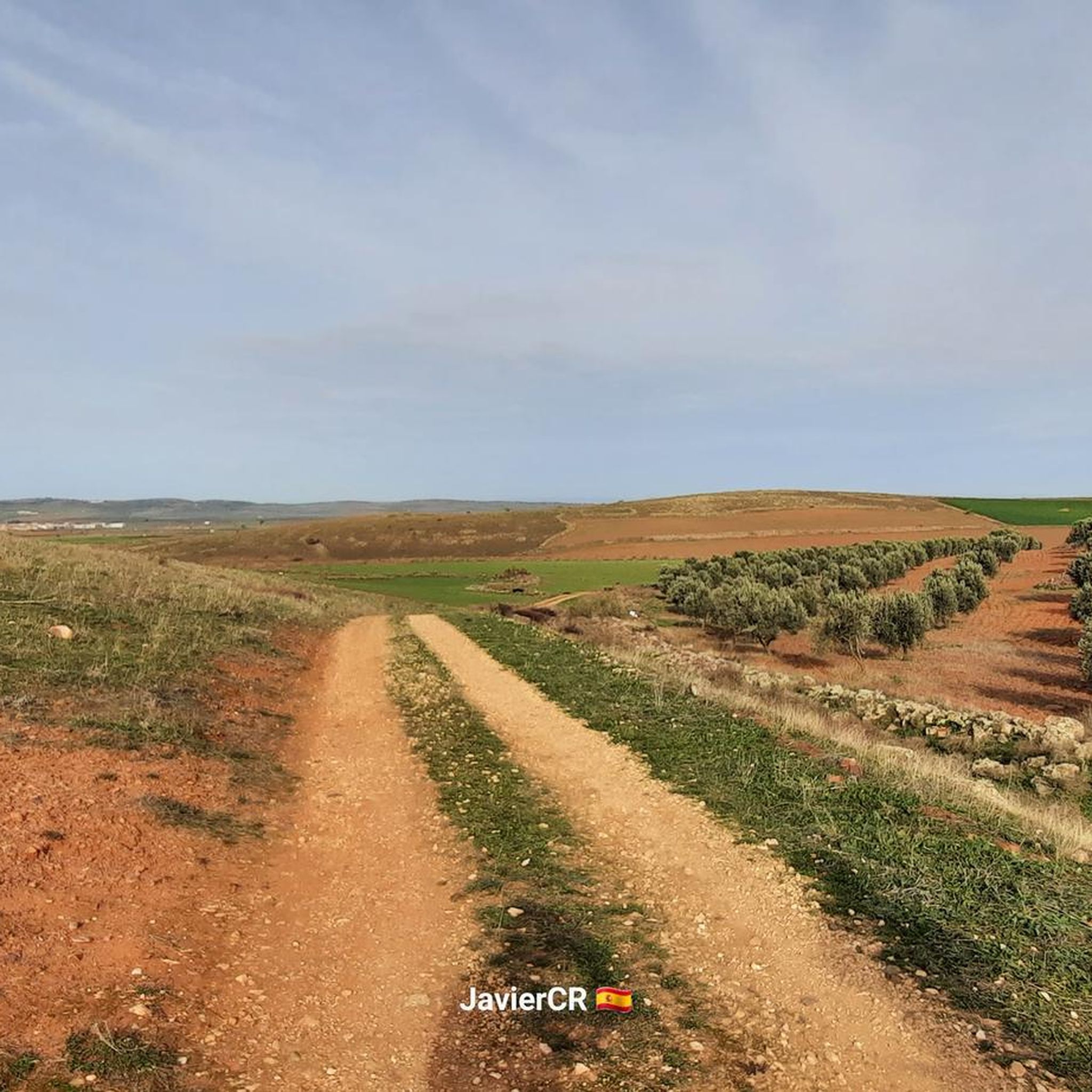
The surrounding countryside is characterized by extensive olive groves and vineyards, showcasing the region's agricultural heritage. In certain areas, you'll find low-lying scrubland vegetation, which creates a vibrant display of colors and aromas, particularly in spring. The volcanic landscape of the wider Campo de Calatrava region also adds a unique geological dimension.
Most popular routes around Valenzuela De Calatrava
Most popular attractions around Valenzuela De Calatrava

Get inspired with the komoot mobile app


Explore more
Still not found the Highlight you’re looking for? See guides of the top attractions in other regions:
