The best cycling routes around Solana Del Pino
53
riders
7
rides
Touring cycling around Solana Del Pino offers routes through the diverse landscapes of the Sierra Morena, including the Valle de Alcudia and Sierra Madrona. The region is characterized by a mountainous environment with quartzitic crests, Mediterranean forests of holm oaks and cork oaks, and significant elevation changes. Cyclists can explore areas near the Robledillo River and various reservoirs, providing a mix of challenging climbs and scenic descents. This terrain is ideal for those seeking varied touring cycling experiences within a…
Last updated: July 10, 2026
23
riders
44.0km
03:10
740m
740m
Hard bike ride. Very good fitness required. Mostly paved surfaces. Suitable for all skill levels.
4
riders
81.5km
05:53
1,770m
1,770m
Hard bike ride. Very good fitness required. Mostly paved surfaces. Suitable for all skill levels.

Sign up for free
3
riders
38.2km
03:06
510m
510m
Hard bike ride. Very good fitness required. Mostly paved surfaces. Suitable for all skill levels.
10
riders
25.9km
01:44
390m
390m
Moderate bike ride. Good fitness required. Mostly paved surfaces. Suitable for all skill levels.
4
riders
74.8km
06:22
1,090m
1,090m
Hard bike ride. Very good fitness required. Mostly paved surfaces. Suitable for all skill levels.
Get access to more routes and recommendations from other explorers.
Sign up for free
Already have an account?
Our route recommendations are based on thousands of hikes, rides, and runs completed by other people on komoot.
Start today with a free account
Your next adventure awaits.
Login or Signup
Popular around Solana Del Pino
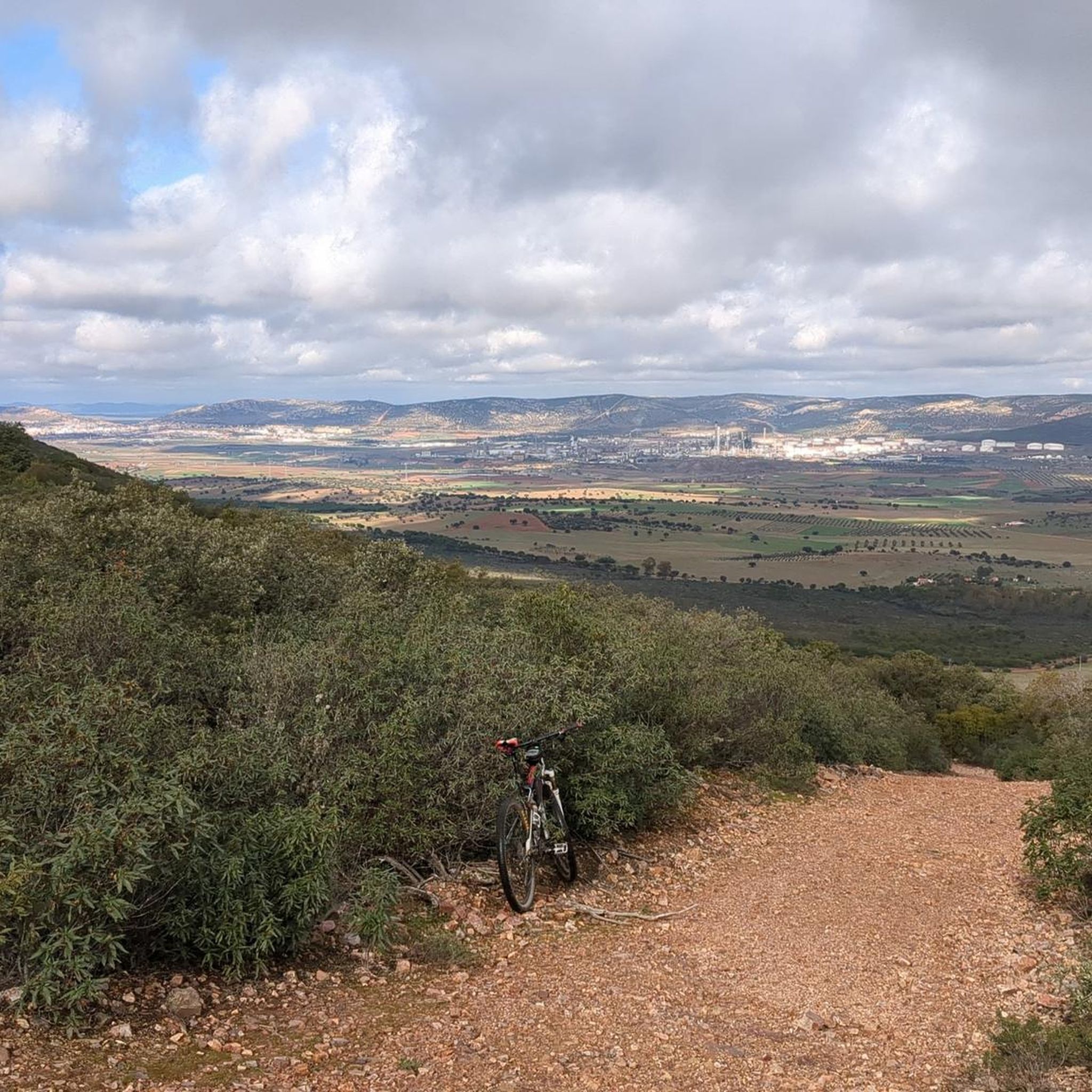
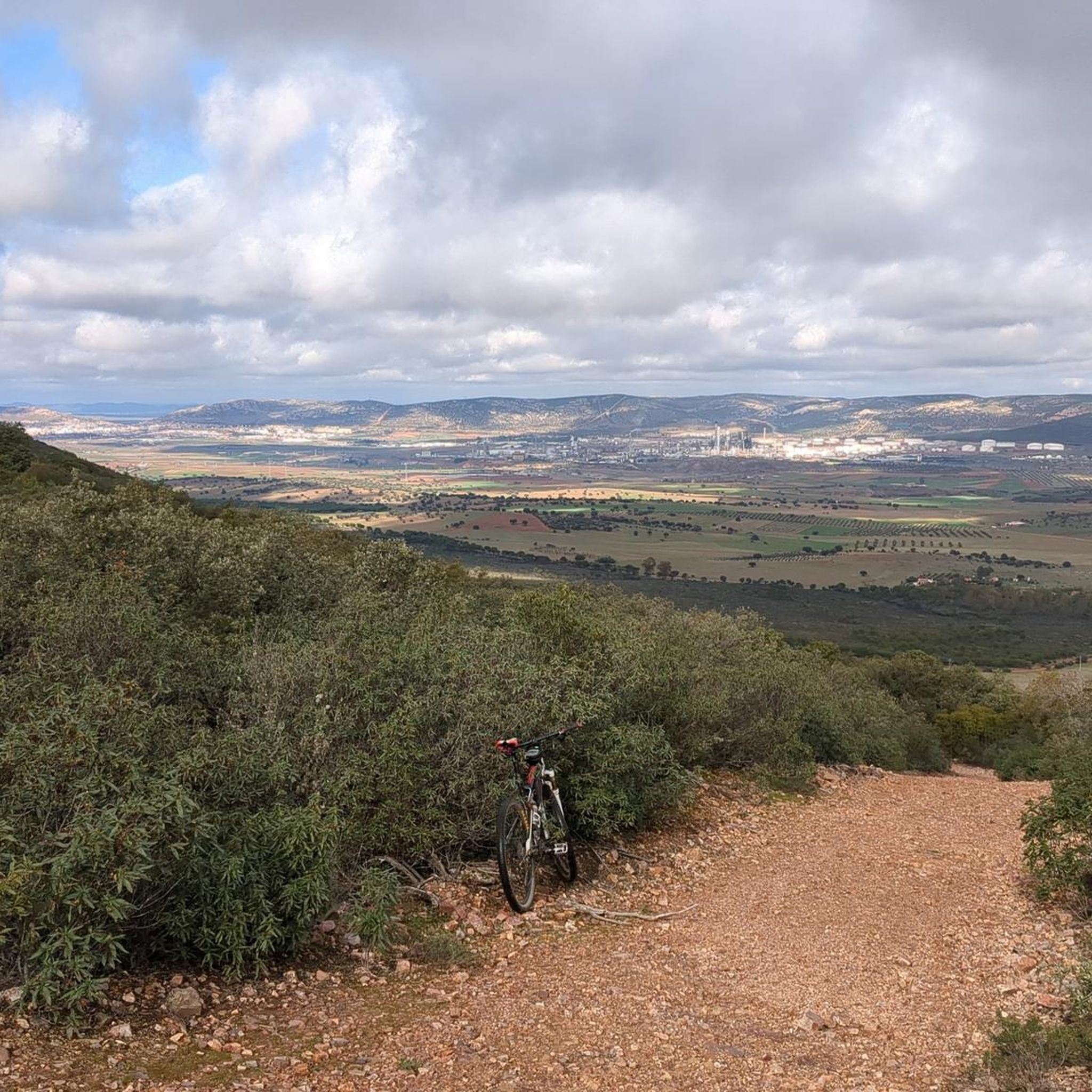
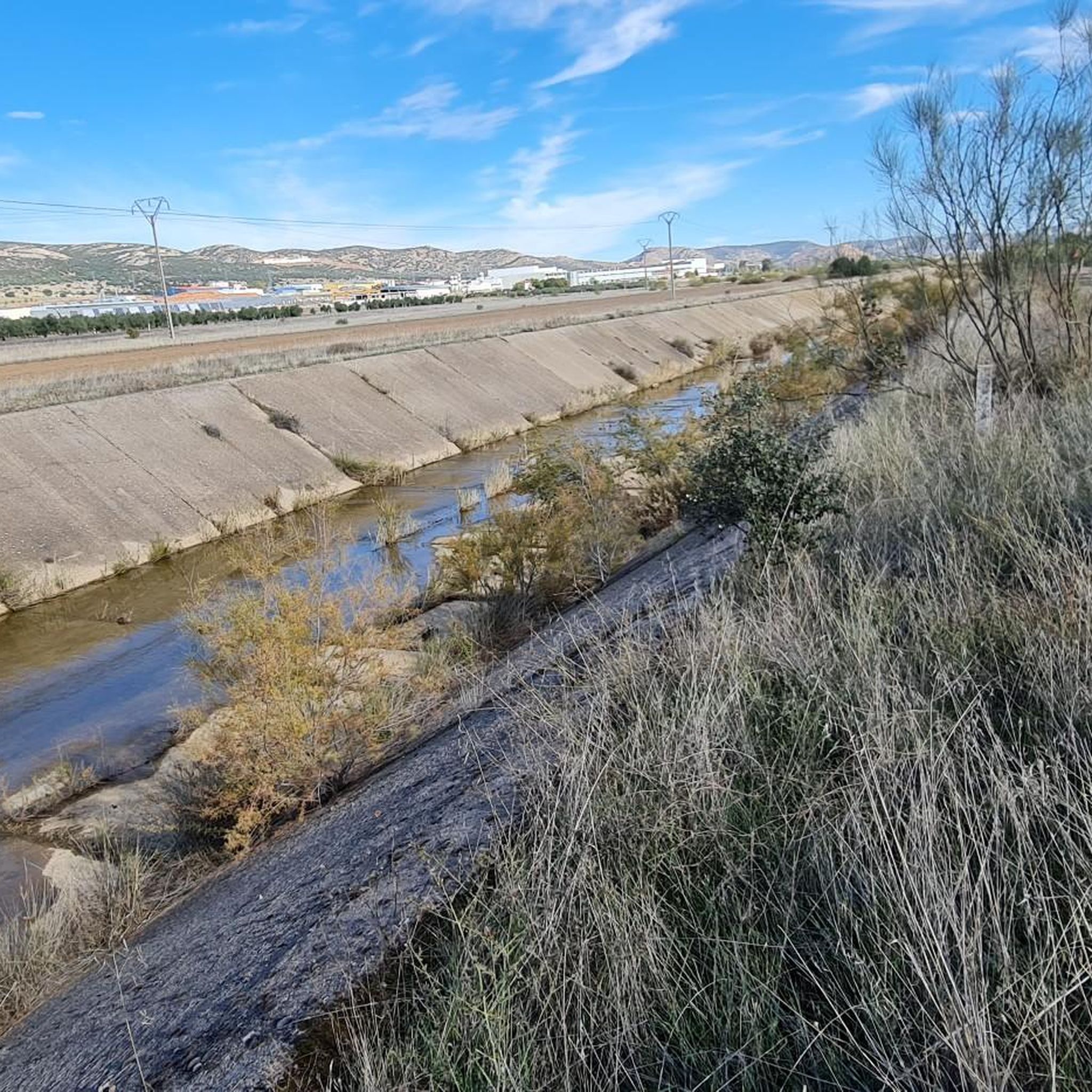
Tips from the Community


At the entrance to the town Cabezarrubias del Puerto we can see this small stone construction with a broom (straw) roof. In the past, shepherds and farmers used this type of shelter to protect themselves from rain and cold. Nearby is also an old laundry room.
1
0

Puertollano is a Spanish town in the province of Ciudad Real, in the autonomous community of Castilla-La Mancha. Traditionally, it has been associated with oil shale and coal mining and industry. The area in which Puertollano is located has been inhabited since prehistory, with archaeological remains found that correspond to Homo heidelbergensis and Homo antecessor. During the Middle Ages the city was born, linked to the repopulation process of Castile during the 13th century. In the 16th century, Puertollano received the rank of town, a privilege granted by Philip II. At that time Puertollano was an important agricultural and livestock center. The demographic consolidation of the city occurred at the end of the 19th century, with the development of coal mining and the inauguration of the train line between Madrid and Badajoz. Its cultural heritage It corresponds mainly to religious buildings, such as the church of Nuestra Señora de la Soledad (14th century), the church of the Virgen de Gracia (15th century) and the church of the Asunción (16th century). There is also a mining museum, and an old medicinal sour water spa, known as the Bath House, which today is a municipal service to citizens.
1
0

To the south of what is called the Sierra de Puertollano there is this town located at the foot of the same massif. The narrow streets run by the Parish of San Bernardo.
0
0

Located at the foot of the Monument to the Miner, an imposing bronze sculpture, the work of Pepe Noja, which represents the mining history of the city, borders the volcanic area of Campo de Calatrava and in its vicinity is the Valley of Alcudia. Mining activity is of special importance with the Mining Museum, a building that surrounds an old headframe and simulates a coal selection workshop. On its two floors, the museum discourse addresses the transformation of Puertollano into an industrial city due to the discovery of coal. The mining tradition of this town is very present in its different corners, such as the Castillete de Santa María, which welcomes its visitors at the entrance to the city. It is also worth seeing the Monument to the Miner, mentioned above and located on the Cerro de Santa Ana, from which we will obtain a fantastic panoramic view of the city and its surroundings.
7
0
Located at the foot of the Monument to the Miner, an imposing bronze sculpture, the work of Pepe Noja, which represents the mining history of the city, borders the volcanic area of Campo de Calatrava and in its vicinity is the Valley of Alcudia. Mining activity is of special importance with the Mining Museum, a building that surrounds an old headframe and simulates a coal selection workshop. On its two floors, the museum discourse addresses the transformation of Puertollano into an industrial city due to the discovery of coal. The mining tradition of this town is very present in its different corners, such as the Castillete de Santa María, which welcomes its visitors at the entrance to the city. It is also worth seeing the Monument to the Miner, mentioned above and located on the Cerro de Santa Ana, from which we will obtain a fantastic panoramic view of the city and its surroundings.
3
0

Hinojosa's de Calatrava is a small town at the entrance to the Valle de Alcudia and Sierra Madrona Natural Park. If you need a break, stop under the shade of the trees in the Plaza de la Iglesia.
1
0
Historic mining industrial town at the foot of the Monument to the Miner. Located in a geological volcanic area of Campo de Calatrava and in its vicinity is the Valle de Alcudia. Some of the roads are steep like the ones in San Francisco. Stop to admire the church of Nuestra Señora de la Asunción and have a coffee or eat something in Plaza Duque.
2
0
Frequently Asked Questions
What is the overall difficulty level for touring cycling routes around Solana Del Pino?
Touring cycling around Solana Del Pino is primarily suited for experienced cyclists. Out of the 7 available routes, 6 are classified as difficult, featuring significant elevation changes and challenging terrain. There is one moderate route for those seeking a slightly less strenuous option.
Are there any beginner-friendly touring cycling routes in the area?
While most routes are challenging, there is one moderate touring cycling route available: Hinojosas de Calatrava – Puertollano loop from Hinojosas de Calatrava. This route covers 25.7 km with an elevation gain of 383 meters, offering a more accessible option for those new to touring cycling in the region.
What kind of terrain can I expect on touring cycling routes in Solana Del Pino?
The terrain around Solana Del Pino is predominantly mountainous, characterized by the Sierra Morena, Valle de Alcudia, and Sierra Madrona. You'll encounter quartzitic crests, extensive Mediterranean forests of holm oaks and cork oaks, and vast dehesas. Routes often feature significant elevation changes, offering both challenging climbs and scenic descents through a preserved natural environment.
How many touring cycling routes are available in Solana Del Pino?
There are 7 touring cycling routes available around Solana Del Pino, offering a variety of distances and challenges through the region's diverse landscapes.
Are there touring cycling routes that pass by natural landmarks or viewpoints?
Yes, many routes offer stunning natural landmarks and viewpoints. For instance, the Return to the Montorillo Reservoir from Puertollano route circles the Pantano del Montoro, providing scenic views of the water body. The region itself is known for high points like Peñón de las Cagas, offering panoramic views of the Sierra.
Can I find routes that feature waterfalls or significant water bodies?
Yes, the area around Solana Del Pino is home to several beautiful water features. You can find routes that pass near the Batanera Waterfall, Las Lastras, and the Chorrera de Ventillas Waterfall. The Embalse de Tablillas from Hinojosas de Calatrava — circular route also explores the area around the Embalse de Tablillas reservoir.
Are there any historical or cultural sites accessible by touring bike?
Yes, the region boasts significant prehistoric rock art sites. You can find routes that allow access to the La Batanera Rock Art Site and the Peñaescrita Cave Paintings, offering a glimpse into the area's ancient history. The Roman-era Diógenes Mines are also part of the historical landscape.
Are there any circular touring cycling routes in Solana Del Pino?
Yes, several routes are designed as circular tours, allowing you to start and end in the same location. Examples include Puerto Madrona — circular from Mestanza and Embalse de Tablillas from Hinojosas de Calatrava — circular.
What is the best time of year to go touring cycling in Solana Del Pino?
The best time for touring cycling in Solana Del Pino is typically during the spring (March to May) and autumn (September to November) months. During these periods, temperatures are milder, and the natural landscapes are at their most vibrant, making for more comfortable and scenic rides. Summers can be very hot, and winters can be cooler with potential for rain.
Is Solana Del Pino suitable for family touring cycling trips?
Given that most touring cycling routes in Solana Del Pino are classified as difficult due to significant elevation and rugged terrain, it may not be ideal for families with young children or those seeking very easy, flat rides. The one moderate route, Hinojosas de Calatrava – Puertollano loop from Hinojosas de Calatrava, could be an option for families with older, experienced cycling members.
What are the typical durations and distances for touring cycling routes in this region?
The touring cycling routes in Solana Del Pino vary in length and duration. Distances range from approximately 25 km to over 80 km. For example, the Return to the Montorillo Reservoir from Puertollano is 44 km and takes about 3 hours 10 minutes, while Puerto Madrona — circular from Mestanza is 81.5 km and can take over 5 hours.
Are there any specific roads or areas known for their scenic beauty for touring cyclists?
The road (CR-5001) connecting Solana del Pino with Fuencaliente is particularly noted for its great scenic interest, traversing a magnificent mountain landscape. Cycling through the Parque Natural Valle de Alcudia y Sierra Madrona also offers immersive experiences in unspoiled nature with stunning views.
Most popular routes around Solana Del Pino
Most popular attractions around Solana Del Pino

Get inspired with the komoot mobile app


Explore more
Browse the best Cycling routes in other regions.
