Attractions and Places To See around Esquivias - Top 20
Best attractions and places to see around Esquivias include historical sites and cultural landmarks, reflecting its rich heritage, particularly its association with Miguel de Cervantes. This municipality in Toledo, Castile-La Mancha, Spain, offers well-preserved buildings and opportunities for outdoor activities. The region features a mix of historical points of interest and natural areas.
Best attractions and places to see around Esquivias
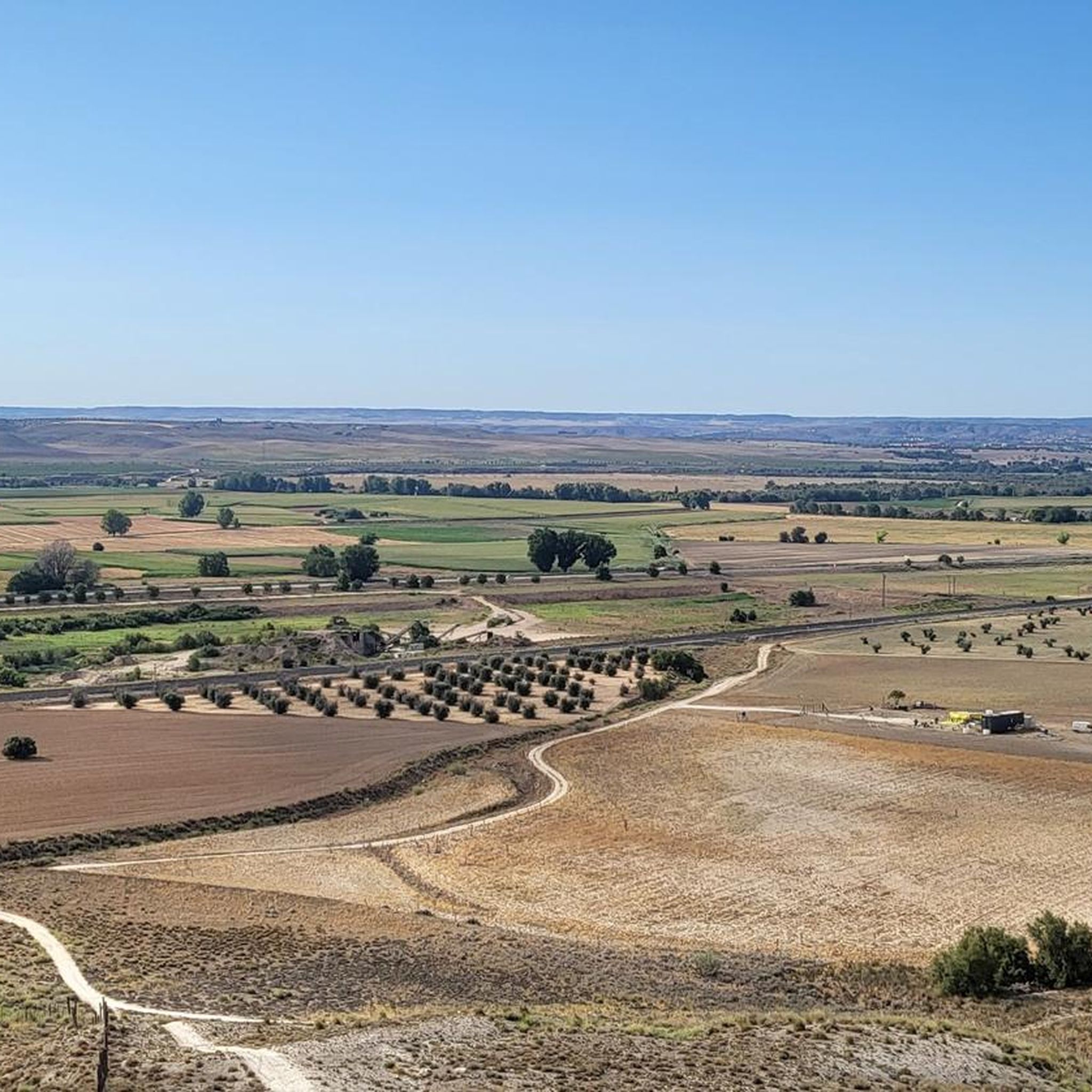
- The most popular attractions is Fuente de la Teja and the Hermitage of San Isidro, a religious building and natural monument. This site offers a place for rest and water replenishment, with the hermitage built into the mountainside.
- Another must-see spot is Arched Stone Bridge in Casarrubuelos Park, a bridge. This pedestrian-only bridge provides a scenic point of interest within a park setting.
- Visitors also love Puñoenrostro Castle, a 14th-century medieval fortress. Its impressive tower of homage, standing 35 meters high, is surrounded by a moat.
- Esquivias is known for its historical sites, cultural landmarks, and natural features. Visitors can explore a variety of attractions, from ancient castles to tranquil springs.
- The attractions around Esquivias are appreciated by the komoot community, with more than 300 upvotes and over 50 photos shared by visitors.
Last updated: October 10, 2026
La Teja Spring and the Hermitage of San Isidro
Highlight • Religious Site
Translated by Google •
Tip by

Fuente de la Teja and the Hermitage of San Isidro
Highlight • Religious Site
Translated by Google •
Tip by

Sign up now to discover places like this
Get recommendations on the best single tracks, peaks, & plenty of other exciting outdoor places.
Puñoenrostro Castle
Highlight • Castle
Built in the 14th century, it was granted by Henry IV to Diego Arias de Ávila, his accountant and secretary.
His descendants were named Counts of Puñoenrostro under Charles I.
In 1862, the castle was sold along with its pastureland.
Translated by Google •
Tip by

Arched Stone Bridge in Casarrubuelos Park
Highlight • Bridge
I repeat: it is prohibited to travel on this road.
Translated by Google •
Tip by

Convent of Santa María de la Cruz
Highlight • Religious Site
Translated by Google •
Tip by

Sign up for free to discover even more attractions around Esquivias.
Already have an account?
Start today with a free account
Your next adventure awaits.
Tips from the Community

The Castle of Puñoenrostro (also known as the Castle of Seseña) is an imposing 14th-century fortress located in Seseña, in the province of Toledo (Spain). Declared a protected asset since 1949, it is famous for its massive Torre del Homenaje (keep) and is currently privately owned, not visitable inside.
1
0

The convent is very beautiful and has a huge elm tree at the entrance, but unfortunately it is dry.
0
0

Puñoenrostro Castle is an impressive medieval fortress located in Seseña (Toledo), although it is also associated with Torrejón de Velasco (Madrid) due to its proximity and recent restoration projects. Built in the 14th century, it was granted by Henry IV to Diego Arias de Ávila, his accountant and secretary. His descendants were named Counts of Puñoenrostro under Charles I. In 1862, the castle was sold along with its pastureland.
15
0

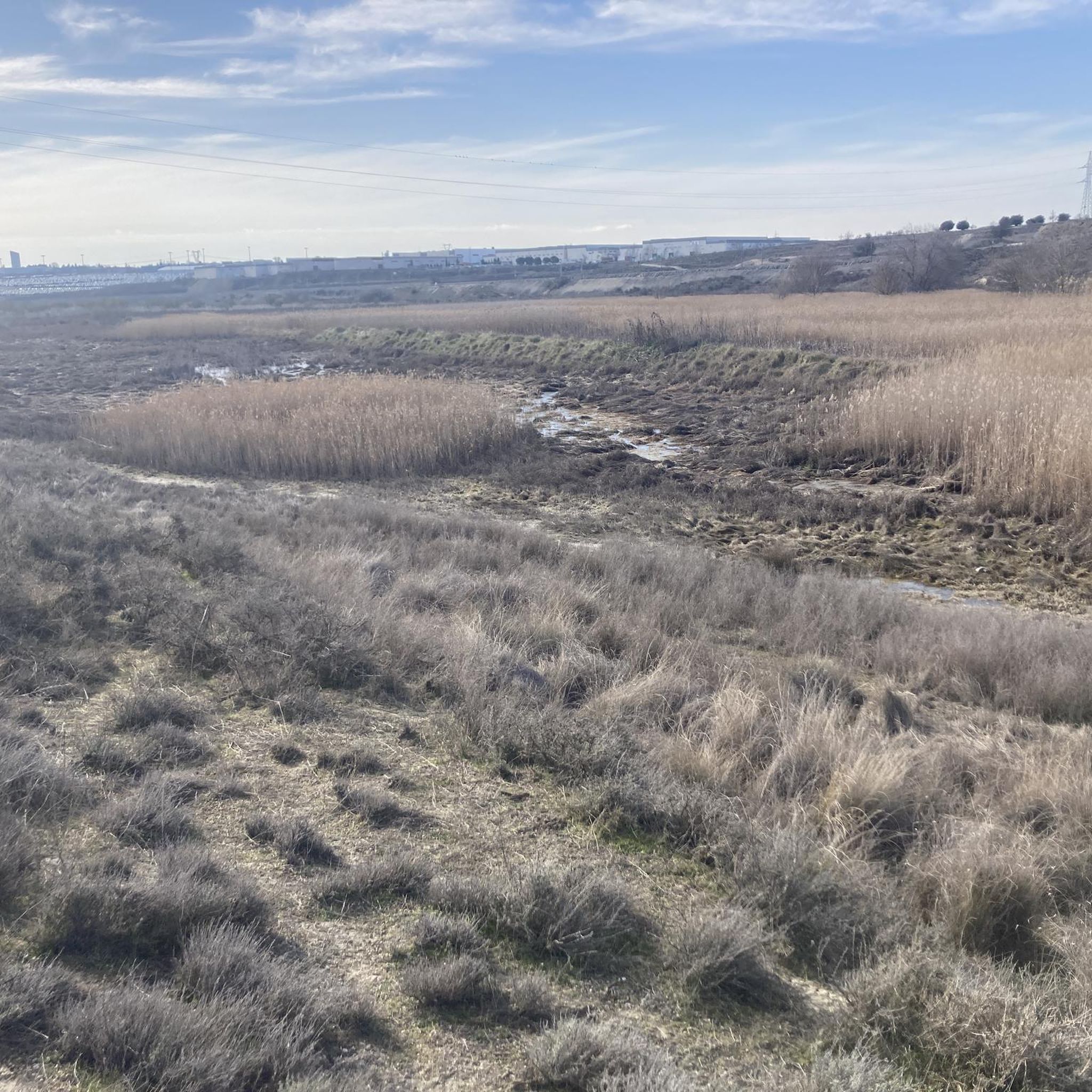
Friends: it is prohibited to ride a bike on this track, it is exclusively pedestrian, although it may not seem like it, but the prohibition is properly signposted. Whether you come from Carranque/Ugena, or from Torrejón/A42, you have to enter Casarrubuelos and cross the town through the urban area. I repeat: it is prohibited to travel on this road.
1
0

Nice place to make a stop, gain strength and climb "the little hill" on the way to the ball
1
1

The route to the Teja fountain is a fairly flat route, without much unevenness, and it is one of the most popular destinations for runners — ideal for training. The fountain is an old cattle watering hole where you can take a break. Next to the fountain is the Hermitage of San Isidro, built as a cave, taking advantage of the mountainside.
1
1

A great highlight and great photo opportunity. Definitely recommended for history fans.
3
1

This monastery was one of the richest in Castile during the 15th century, later it was looted during the independence war in the 19th century and destroyed during the civil war. Today it is still active and rebuilt.
1
1
Frequently Asked Questions
What historical sites related to Cervantes can I visit in Esquivias?
Esquivias is deeply connected to Miguel de Cervantes. You can visit the Casa-Museo de Cervantes, believed to be where he lived with his wife, Catalina de Palacios. The Church of Nuestra Señora de la Asunción is where Cervantes married Catalina in 1584. You can also see the Casa de Catalina de Palacios, another historical building linked to his wife.
Are there other significant historical buildings to explore in Esquivias?
Beyond the Cervantine sites, Esquivias offers other notable historical buildings. The Convento de los Capuchinos, built between 1719 and 1725, is a significant religious and cultural site. You can also admire the 16th-century palatial house, Casa del Mayorazgo de los Quijada, known for its impressive facade and heraldic shields. The Ayuntamiento de Esquivias, an 18th-century Baroque building, and the Rollo Jurisdiccional, a historical monument symbolizing jurisdictional power, are also worth seeing.
What natural attractions or outdoor spots can I find near Esquivias?
One prominent natural spot is Fuente de la Teja and the Hermitage of San Isidro. This site offers a place for rest and water replenishment, with the hermitage built into the mountainside. It's a popular destination for runners and a good spot for a recovery stop. While Esquivias is primarily known for its historical sites, the surrounding region provides opportunities for outdoor activities.
What kind of outdoor activities can I do around Esquivias?
The area around Esquivias is suitable for various outdoor activities. You can find numerous routes for cycling, running, and gravel biking. For cycling, explore options like the 'Trail between fields – View of the Countryside loop' or 'Bike loop from Urbanización El Quiñón'. Runners can enjoy routes such as the 'Running loop from Esquivias' or 'Cerro de la Cruz loop'. For more details on these and other routes, visit the Cycling around Esquivias, Running Trails around Esquivias, and Gravel biking around Esquivias guides.
Are there family-friendly attractions in and around Esquivias?
Yes, several attractions are considered family-friendly. Fuente de la Teja and the Hermitage of San Isidro is a great spot for families to rest and enjoy nature. The Arched Stone Bridge in Casarrubuelos Park is a pedestrian-only bridge in a park setting, perfect for a leisurely stroll. Additionally, the Plaza Mayor of Alameda de la Sagra offers a charming historic center with shops and restaurants, suitable for families.
What do visitors particularly enjoy about the attractions around Esquivias?
Visitors appreciate the blend of historical significance and natural beauty. For instance, at Fuente de la Teja and the Hermitage of San Isidro, people enjoy the cool, drinkable water from the fountain and the opportunity for a recovery stop during their routes. The route to the fountain is noted as fairly flat and popular for training. The historical sites offer a glimpse into Cervantes' life and the region's rich past.
What is the best time of year to visit Esquivias?
The region of Castile-La Mancha, where Esquivias is located, generally experiences hot, dry summers and mild winters. Spring (April-May) and autumn (September-October) are often considered the best times to visit, as the weather is pleasant for exploring historical sites and engaging in outdoor activities without the extreme heat of summer.
Are there places to eat or relax near the attractions?
Yes, especially in nearby towns. The Plaza Mayor of Alameda de la Sagra is a social and cultural hub with bars, restaurants, and shops offering local cuisine, making it a good place to rest or have a drink. Within Esquivias itself, you'll find local establishments, particularly around the town center.
Where is Puñoenrostro Castle located and can I visit it?
Puñoenrostro Castle is an impressive 14th-century medieval fortress located in Seseña (Toledo), though it's also associated with Torrejón de Velasco (Madrid) due to its proximity. While its state of conservation is very good, the castle is currently private property, and it is not possible to access its surroundings.
How can I get around Esquivias or find parking at attractions?
Esquivias is a smaller municipality, and many attractions within the town center are accessible on foot. For attractions further afield, driving is generally the most convenient option. Parking availability can vary; in town centers like Esquivias or Alameda de la Sagra, you may find street parking or designated public parking areas. For specific outdoor routes, parking might be available at trailheads or nearby villages.
Are there any unique or 'hidden' spots to discover around Esquivias?
While not strictly 'hidden,' the Convento de los Capuchinos in Esquivias offers a unique feature with its crypt preserving monks' bodies due to a special microclimate. For outdoor enthusiasts, the region around Esquivias is described as having '20 hidden gems waiting to be explored' for hiking or cycling, suggesting many less-traveled paths and scenic spots beyond the main historical sites.
Are the attractions in Esquivias accessible for all visitors?
Accessibility can vary by specific site. Historical buildings like the Casa-Museo de Cervantes or the Church of Nuestra Señora de la Asunción may have limitations due to their age and original architecture, such as stairs or uneven surfaces. Natural areas like Fuente de la Teja and the Hermitage of San Isidro might involve unpaved paths. It's advisable to check with individual venues for specific accessibility information if you have particular needs.
Most popular routes around Esquivias

Get inspired with the komoot mobile app


Explore more
Still not found the Highlight you’re looking for? See guides of the top attractions in other regions:
