The best cycling routes around La Nava De Santiago
23
riders
4
rides
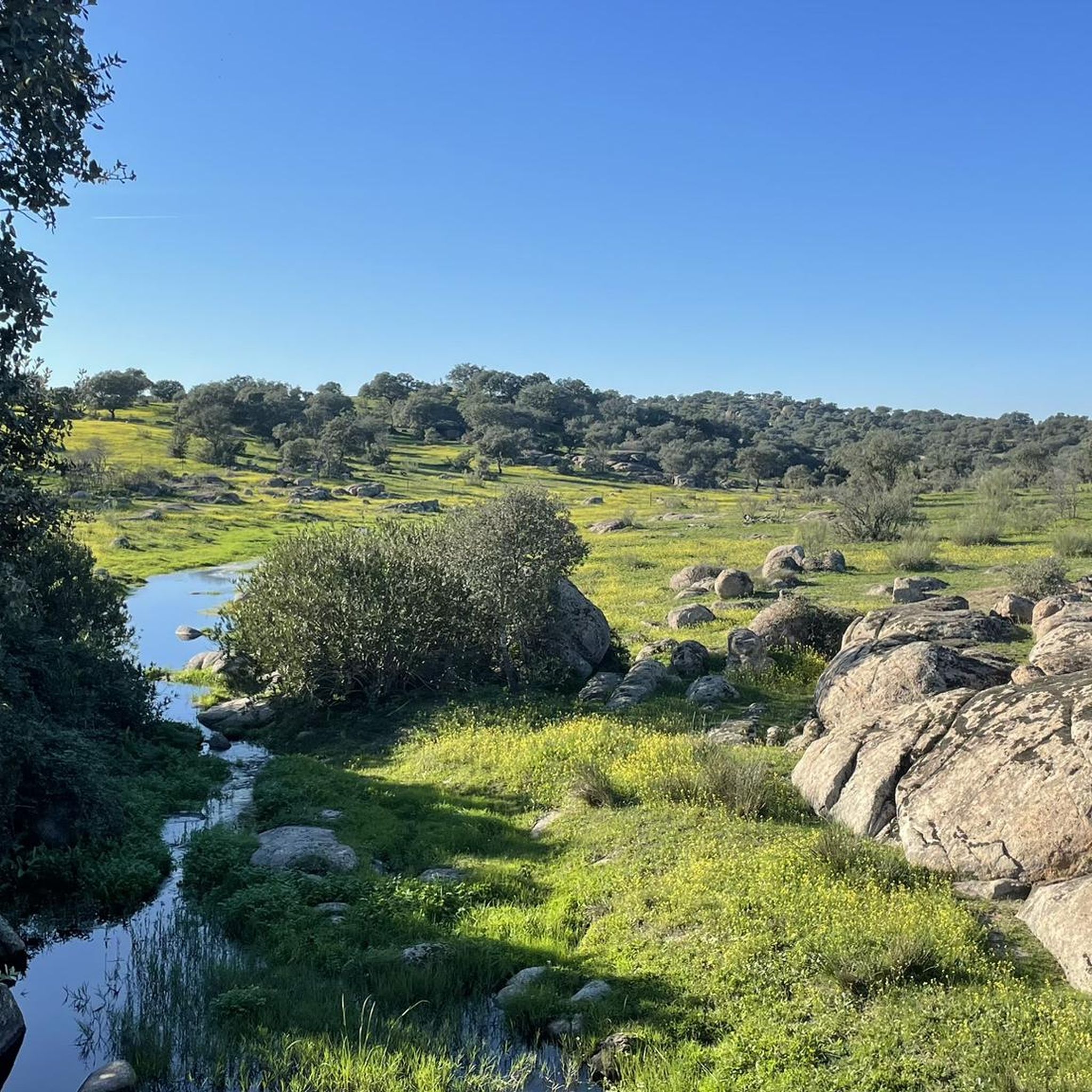
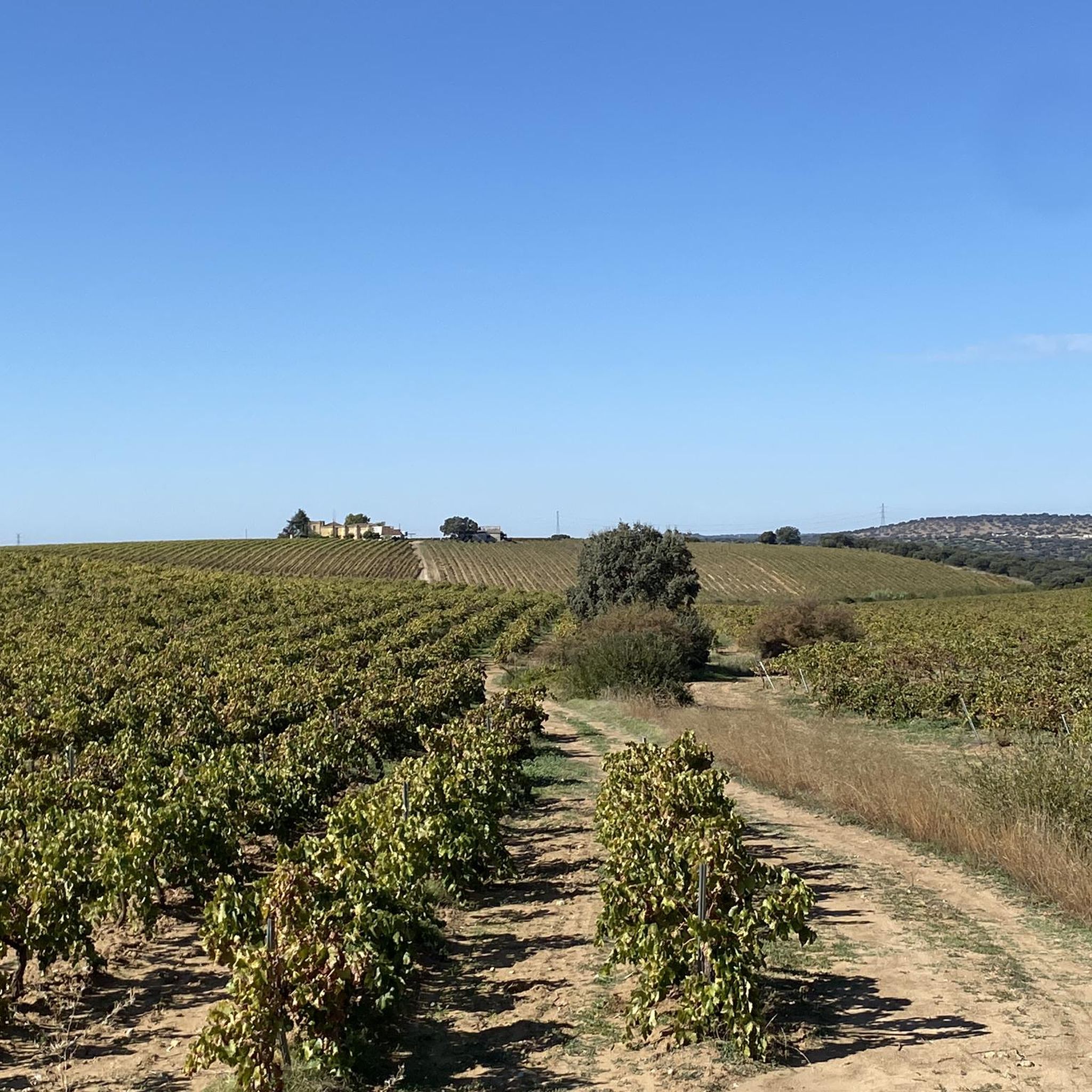
Touring cycling routes around La Nava de Santiago traverse a landscape characterized by holm oak pastures, known as "dehesa," and granite outcrops. The region's topography, suggested by its name "Nava" (plain between mountains), offers a mix of flatter sections and undulating terrain. These features provide varied conditions for touring cyclists exploring the area.
Best touring cycling routes around La Nava De Santiago
- The most popular touring cycling route is Los Milagros Aqueduct – Acueducto de los Milagros loop from Mérida…
Last updated: July 11, 2026
8
riders
79.9km
04:47
490m
490m
Hard bike ride. Very good fitness required. Mostly paved surfaces. Suitable for all skill levels.
5
riders
Hard bike ride. Very good fitness required. Mostly paved surfaces. Suitable for all skill levels.

Sign up for free
5
riders
Hard bike ride. Very good fitness required. Mostly paved surfaces. Suitable for all skill levels.
5
riders
56.4km
05:08
290m
290m
Hard bike ride. Very good fitness required. Mostly paved surfaces. Suitable for all skill levels.
Our route recommendations are based on thousands of hikes, rides, and runs completed by other people on komoot.
Start today with a free account
Your next adventure awaits.
Login or Signup
Popular around La Nava De Santiago
Tips from the Community

The Puente Romano crosses the Guadiana river and, with its 64 granite arches and a length of 800m, is one of the most striking remains from this period.
14
0
The Roman Bridge crosses the river Guadiana and, with its 64 granite arches and a length of 800m, is one of the most striking remains from this period.
14
0

Roman Bridge and Alcazaba of Mérida. A beautiful place to stroll along the river and immerse yourself in Roman history.
5
0

For lovers of Roman culture and art, Mérida is the perfect city.
0
0


Plasencia deserves to be walked through.
1
0

Fountain in the village church. Works all year round, use responsibly!!
0
0
Frequently Asked Questions
What kind of terrain can I expect on touring cycling routes around La Nava de Santiago?
The touring cycling routes around La Nava de Santiago offer a varied landscape. You'll encounter extensive holm oak pastures, known as "dehesa," which provide a picturesque setting with natural shade. The area also features granite outcrops and a topography described as a "plain between mountains," meaning you can expect a mix of flatter sections and undulating terrain. While the region generally offers moderate cycling, the specific routes listed in this guide are considered difficult, providing a good challenge for experienced touring cyclists.
Are there any historical landmarks to visit while cycling near La Nava de Santiago?
Yes, a significant historical landmark in the vicinity is the Dolmen del Lácara. This impressive megalithic monument, a well-preserved passage tomb, dates back to the late Neolithic period. It's situated within a beautiful holm oak pasture, offering a unique cultural and historical stop during your ride. The routes also feature Roman aqueducts and other ancient structures, particularly those connecting to Mérida.
What natural features or points of interest can I see along the touring cycling routes?
Beyond the historical sites, the routes showcase the natural beauty of Extremadura. You'll cycle through characteristic holm oak pastures (dehesa), observe granite outcrops, and may pass by the Lácara river. Some routes, like the Church of Saint Peter the Apostle – Los Canchales Reservoir loop from Montijo - El Molino, offer views of reservoirs, adding to the diverse scenery.
Are there any circular touring cycling routes available?
Yes, all the touring cycling routes highlighted in this guide are circular loops. For example, you can explore the Los Milagros Aqueduct – Acueducto de los Milagros loop from Mérida or the Acueducto de los Milagros – Roman Monuments of Mérida loop from Montijo - El Molino, both designed to bring you back to your starting point.
What is the best time of year to go touring cycling in La Nava de Santiago?
Extremadura, where La Nava de Santiago is located, is generally suitable for cycling during spring and autumn when temperatures are milder. Summers can be very hot, making early mornings or late afternoons preferable if cycling during this season. Winters are typically mild, but it's always wise to check the local weather forecast before heading out.
Are the touring cycling routes around La Nava de Santiago suitable for families or beginners?
The touring cycling routes listed in this guide are all classified as difficult. They involve significant distances and elevation changes, making them more suitable for regular cyclists with a good level of fitness and experience. Beginners or families with young children might find these specific routes challenging. It's advisable to look for shorter, flatter routes if you're seeking a more relaxed family-friendly experience in the broader Extremadura region.
Can I bring my dog on the touring cycling routes?
While the natural landscapes of the dehesa and open woodlands are generally dog-friendly, it's important to consider the difficulty and length of these touring cycling routes. Ensure your dog is accustomed to long distances and varied terrain. Always keep your dog under control, especially when passing through agricultural areas or near livestock, and carry enough water for both yourself and your pet.
Where can I find parking for these cycling routes?
Many touring cycling routes in the region start from towns or villages like Mérida or Montijo - El Molino. These locations typically offer public parking options. For specific starting points, it's recommended to check the route details on komoot, which often include information about parking facilities near the trailhead or starting location.
Are there cafes or places to stop for refreshments along the routes?
The routes often connect towns and villages, such as Mérida and Montijo - El Molino, where you can find cafes, restaurants, and shops for refreshments. However, some sections may pass through more rural areas with limited services. It's always a good idea to carry sufficient water and snacks, especially on longer routes like the Estanque de patos loop from Montijo - El Molino, and plan your stops in advance.
What makes touring cycling in La Nava de Santiago unique?
Touring cycling in La Nava de Santiago offers a unique blend of natural beauty and historical immersion. The distinctive dehesa landscapes, characterized by ancient holm oaks, provide a serene backdrop, while the presence of significant megalithic sites like the Dolmen del Lácara and Roman aqueducts adds a rich cultural dimension to your ride. The "plain between mountains" topography ensures a diverse and engaging cycling experience.
How long do the touring cycling routes typically take to complete?
The touring cycling routes around La Nava de Santiago vary in length and duration. For instance, the Los Milagros Aqueduct – Acueducto de los Milagros loop from Mérida is approximately 50.1 miles (80.7 km) and takes about 4 hours 50 minutes. The Church of Saint Peter the Apostle – Los Canchales Reservoir loop from Montijo - El Molino, at 43.3 miles (69.6 km), typically takes around 6 hours 1 minute. These durations are estimates and can vary based on your pace and stops.
What kind of wildlife might I encounter while cycling in the dehesa?
The dehesa ecosystem is rich in biodiversity. While cycling through the holm oak pastures, you might spot various bird species, including raptors. The area is also home to livestock, particularly Iberian pigs, which are often seen grazing freely. Keep an eye out for smaller mammals and reptiles, and always respect the local wildlife and agricultural practices.
Most popular routes around La Nava De Santiago

Get inspired with the komoot mobile app


Explore more
Browse the best Cycling routes in other regions.
