Attractions and Places To See around Belmonte - Top 17
Attractions and places to see around Belmonte, Spain, offer a glimpse into the region's history and cultural heritage. This area is characterized by its historical monuments, traditional architecture, and unique landscapes. Visitors can explore sites ranging from medieval castles to iconic windmills. The region provides opportunities to discover historical sites and local traditions.
Best attractions and places to see around Belmonte
- The most popular attractions is Windmills, a man-made monument that stands as an outstanding set among those in the region. These seven mills convey a sense of harmony and beauty, offering a connection to the story of Don Quixote.
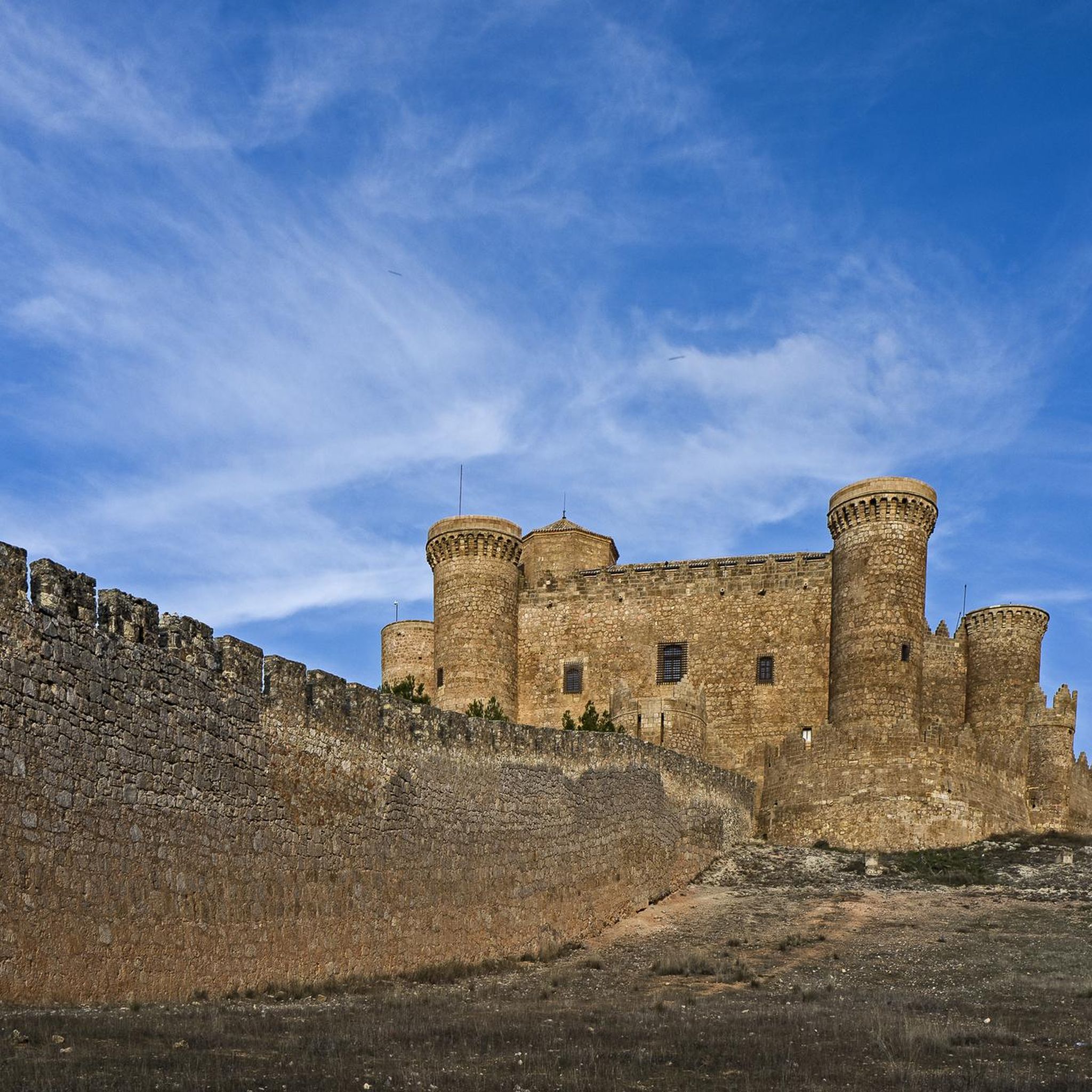
- Another must-see spot is Castillo de Belmonte, a castle built in 1456 by order of Juan Pacheco. Its architectural style combines Gothic and Mudejar elements, and it now hosts exhibitions and medieval events.
- Visitors also love Ermita de Santa Rita (Mota del Cuervo), a religious building constructed in the 1950s. It stands in the town center, notable for its stone bell gable contrasting with the white plaster of its ground floor.
- Belmonte is known for its historical sites, traditional architecture, and cultural landmarks. The area offers a variety of attractions to see and explore, from ancient structures to typical regional houses.
- The attractions around Belmonte are appreciated by the komoot community, with 7 upvotes and 7 photos shared by visitors.
Last updated: July 2, 2026
Ermita de Santa Rita (Mota del Cuervo)
Highlight • Religious Site
The structure has a hall plan and a wooden roof. The main entrance is a semicircular arch preceded by a portico with three arches, the central one being wider than the side ones.⛪
Translated by Google •
Tip by

Windmills
Highlight • Monument
Translated by Google •
Tip by
Sign up now to discover places like this
Get recommendations on the best single tracks, peaks, & plenty of other exciting outdoor places.
Sign up for free
Castillo de Belmonte
Highlight • Castle
Its architectural style combines Gothic and Mudejar elements.
It has a peculiar triangular plan and a strategic location on the top of a hill.
Over the centuries, the castle has witnessed historical events, from visits by the Catholic Monarchs to restorations and cultural events.
Today, the castle hosts exhibitions, dramatized tours, medieval combat tournaments and the impressive Trebuchet Park, which displays full-scale siege engines. 😊🏰
Translated by Google •
Tip by
La Tercia Real
Highlight • Historical Site
The building has a rectangular floor plan and is covered with four sides. It is built of masonry with ashlars in the corners and in the two entrance doors. One of the doors is finished with a segmental arch and the other with a semicircular arch on which a coat of arms is placed.
Currently, the Tercia Real is used as a cultural centre, where various temporary exhibitions and cultural events are held.
Translated by Google •
Tip by
Typical Manchegan houses
Highlight • Historical Site
Traditional materials: They were built with rammed earth (compacted mud) and adobe bricks mixed with straw. The roofs were made with poles, reeds, and plaster, and reinforced with green esparto grass ropes.
White facades and indigo baseboards: The whitewash served to keep the houses cool and disinfect the walls, while the indigo blue on the baseboards and frames had both a functional and superstitious origin (to ward off insects and evil spirits).
Translated by Google •
Tip by
Sign up for free to discover even more attractions around Belmonte.
Sign up for free
Already have an account?
Start today with a free account
Your next adventure awaits.
Login or Signup

Tips from the Community

The typical houses of La Mancha in Las Pedroñeras and the surrounding region feature a very distinctive architecture, characterized by functionality and adaptation to the climate and agricultural life. Traditional materials: They were built with rammed earth (compacted mud) and adobe bricks mixed with straw. The roofs were made with poles, reeds, and plaster, and reinforced with green esparto grass ropes. White facades and indigo baseboards: The whitewash served to keep the houses cool and disinfect the walls, while the indigo blue on the baseboards and frames had both a functional and superstitious origin (to ward off insects and evil spirits).
5
0
Built in the 15th century by order of Don Juan Pacheco, first Marquis of Villena, the castle is a notable example of Gothic-Mudejar architecture. The castle has been restored and turned into a museum, and is now considered a Site of Cultural Interest. In addition to its rich history, the castle is known for events such as the National Medieval Combat Championship, which is held annually.
3
0
The Tercia Real de Mota del Cuervo, also known as Casa de Bastimento, is one of the oldest buildings in the town, along with the parish church of San Miguel. Built at the beginning of the 16th century, this building was used to store the tithes of the Mesa Maestral of the Order of Santiago. The building has a rectangular floor plan and is covered with four sides. It is built of masonry with ashlars in the corners and in the two entrance doors. One of the doors is finished with a segmental arch and the other with a semicircular arch on which a coat of arms is placed. Currently, the Tercia Real is used as a cultural centre, where various temporary exhibitions and cultural events are held.
31
0
The Hermitage of Santa Rita in Mota del Cuervo is a relatively modern building, built in the fifties. It is located in the center of the city, presiding over the square that bears its name. The hermitage stands out for its stone bell gable that contrasts with the white plaster of its ground floor. The structure has a hall plan and a wooden roof. The main entrance is a semicircular arch preceded by a portico with three arches, the central one being wider than the side ones.⛪
31
0
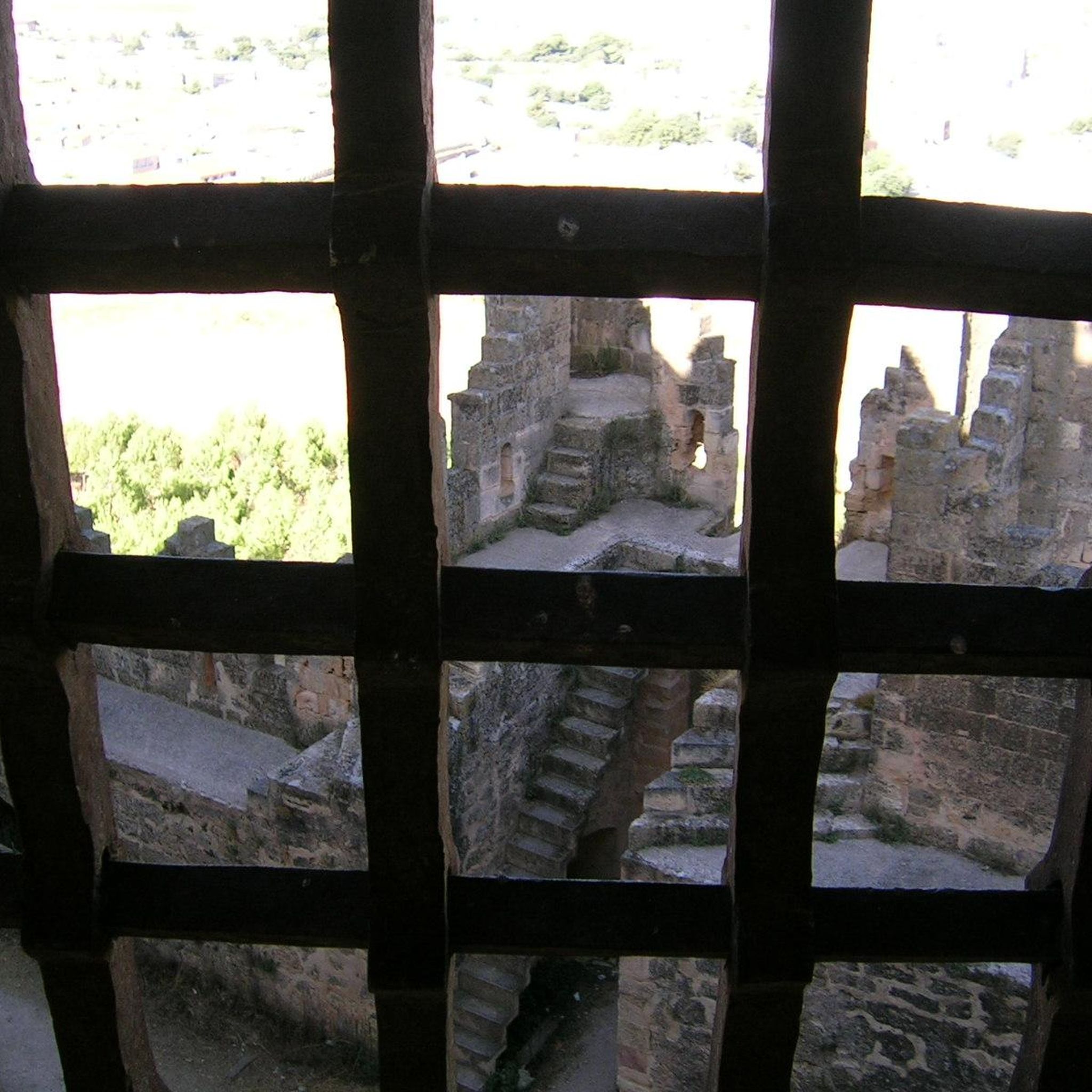
The castle was built in 1456 by order of Juan Pacheco, a prominent nobleman during the reign of Henry IV. Its architectural style combines Gothic and Mudejar elements. It has a peculiar triangular plan and a strategic location on the top of a hill. Over the centuries, the castle has witnessed historical events, from visits by the Catholic Monarchs to restorations and cultural events. Today, the castle hosts exhibitions, dramatized tours, medieval combat tournaments and the impressive Trebuchet Park, which displays full-scale siege engines. 😊🏰
4
0

Unfortunately, nowadays they are often only monuments to a long tradition of craftsmanship: the heavy millstones were moved using the power of the wind alone to grind grains into flour (grain mills) or press oil from olives (oil mills). Sometimes - although rarely - the windmills also had the function of a pumping station and transported water to a higher level. But Miguel de CERVANTES (1547 to 1616) also created a literary monument to the technical monument of the mills: the most famous figure of the author, who is considered Spain's national poet and whose work can certainly be valued as world literature: "Don QUIXOTE", also known as the "Knight of the Sorrowful Countenance" and always accompanied by his loyal squire Sancho Panza, fights a - of course hopeless - battle against windmills in one of the fictional stories, in which he believes he recognizes four-armed giants.
1
0

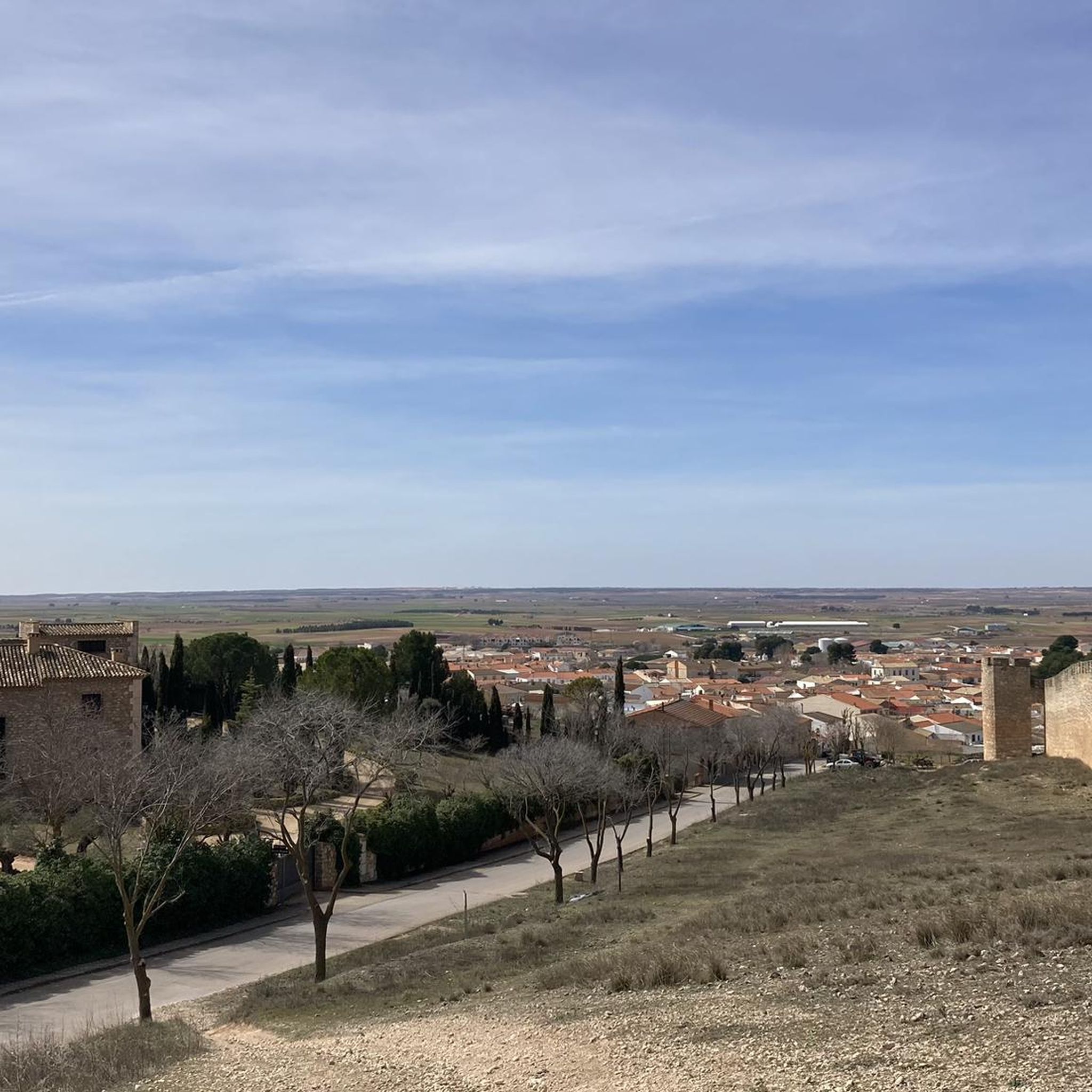
This mountain where the Mota del Cuervo mills are located is known by the name "Balcón de La Mancha", as it has fabulous views wherever you look.
0
0
Built in the 15th century by order of the first Marquis of Villena, Don Juan Pacheco, it is located on the San Cristóbal hill. Currently the castle is owned by the Ducal House of Peñaranda y Montijo, which through a management company chaired by the Count of Montalvo, Mr. Javier Fitz-James Stuart de Soto, has carried out a final rehabilitation between 2008 and 2016 with which has become a museum and also hosts various events. In the month of May/June, the Historical Recreation Days are held in the Castle, which allow us to see the life of warriors, artisans, doctors, monks, lords or peasants. National and international medieval combat tournaments are also held, a spectacular contact sport with period weapons and armor.
1
0
Frequently Asked Questions
What historical sites can I explore around Belmonte?
Belmonte is rich in history. You can visit the impressive Castillo de Belmonte, a 15th-century fortress combining Gothic and Mudejar styles. Another significant historical landmark is La Tercia Real, also known as Casa de Bastimento, one of the oldest buildings in Mota del Cuervo, dating back to the early 16th century.
Are there any family-friendly attractions in the Belmonte area?
Yes, several attractions are suitable for families. The Windmills of Mota del Cuervo offer a picturesque setting and a connection to the story of Don Quixote. The Castillo de Belmonte also hosts exhibitions and medieval events that can be engaging for all ages. Additionally, the Ermita de Santa Rita (Mota del Cuervo) and La Tercia Real are considered family-friendly historical sites.
Where can I see traditional architecture around Belmonte?
You can observe traditional architecture by exploring the Typical Manchegan houses in Las Pedroñeras and the surrounding region. These homes are characterized by their functionality, adaptation to the climate, and agricultural life, often featuring whitewashed facades and indigo blue baseboards.
What kind of outdoor activities can I do near Belmonte's attractions?
The area around Belmonte offers various outdoor activities. You can find numerous hiking, mountain biking, and road cycling routes. For hiking, consider the 'Belmonte – circular via the Castle, the Collegiate Church of San Bartolomé and El Puntal' or the 'Geliberte Trail'. Cyclists might enjoy the 'Bike loop from Belmonte' or the 'Villaescusa de Haro from Belmonte — circular by Osa de Vega'. You can find more details on these and other routes in the Hiking around Belmonte, MTB Trails around Belmonte, and Cycling around Belmonte guides.
Are there any easy walking trails suitable for beginners or families around Belmonte?
Yes, there are easy walking options. The 'Belmonte – circular via the Castle, the Collegiate Church of San Bartolomé and El Puntal' is an easy hiking route covering approximately 4.3 km. For cycling, the 'Bike loop from Belmonte' is also rated as easy, at about 12.3 km. These are good choices for those looking for less strenuous outdoor activities.
What is the significance of the Windmills near Belmonte?
The Windmills in Mota del Cuervo are an outstanding set of man-made monuments in the region. Located in a place called “La Sierra,” they are known as the "Balcón de La Mancha" due to the vast horizon visible from them. They are also famously associated with Miguel de Cervantes' literary work, Don Quixote, who famously battled them.
What is the Castillo de Belmonte and what can I expect to see there?
The Castillo de Belmonte is a castle built in 1456 by Juan Pacheco, featuring a unique blend of Gothic and Mudejar architectural styles. It has a peculiar triangular plan and a strategic hilltop location. Today, the castle hosts exhibitions, dramatized tours, medieval combat tournaments, and the impressive Trebuchet Park, showcasing full-scale siege engines.
Is the Ermita de Santa Rita in Mota del Cuervo an old building?
The Ermita de Santa Rita (Mota del Cuervo) is a relatively modern religious building, constructed in the 1950s. It is located in the town center and is notable for its stone bell gable contrasting with the white plaster of its ground floor. It features a hall-like layout and a wooden roof.
Are there any wheelchair-accessible attractions in the area?
Yes, La Tercia Real in Mota del Cuervo is listed as a wheelchair-accessible historical site. This 16th-century building, once used for storing tithes, now functions as a cultural center hosting various exhibitions and events.
What do visitors particularly enjoy about the attractions around Belmonte?
Visitors appreciate the rich history and cultural heritage of the region. The Windmills are loved for their scenic beauty and literary connection, while the Castillo de Belmonte is highly regarded for its well-preserved interior, historical exhibitions, and engaging medieval events. The traditional architecture of the Typical Manchegan houses also offers a unique cultural insight.
Can I find routes for mountain biking near Belmonte?
Absolutely. There are several mountain biking trails available. Options include the 'Tresjuncos - Hinojosos - Atalaya MTB Trail' (difficult, ~65 km) or the 'Collegiate Church of San Bartolomé – Castillo de Belmonte loop from Belmonte' (moderate, ~42.6 km). More routes can be found in the MTB Trails around Belmonte guide.
What is the best way to experience the local culture and history in Belmonte?
To experience the local culture and history, visit the Castillo de Belmonte for its medieval context and events. Explore the traditional architecture of the Typical Manchegan houses. Additionally, the La Tercia Real, now a cultural center, often hosts exhibitions that delve into the region's heritage.

Get inspired with the komoot mobile app


Explore more
Still not found the Highlight you’re looking for? See guides of the top attractions in other regions:
