The best cycling routes around San Pedro Manrique
5.0
(1)
25
riders
6
rides
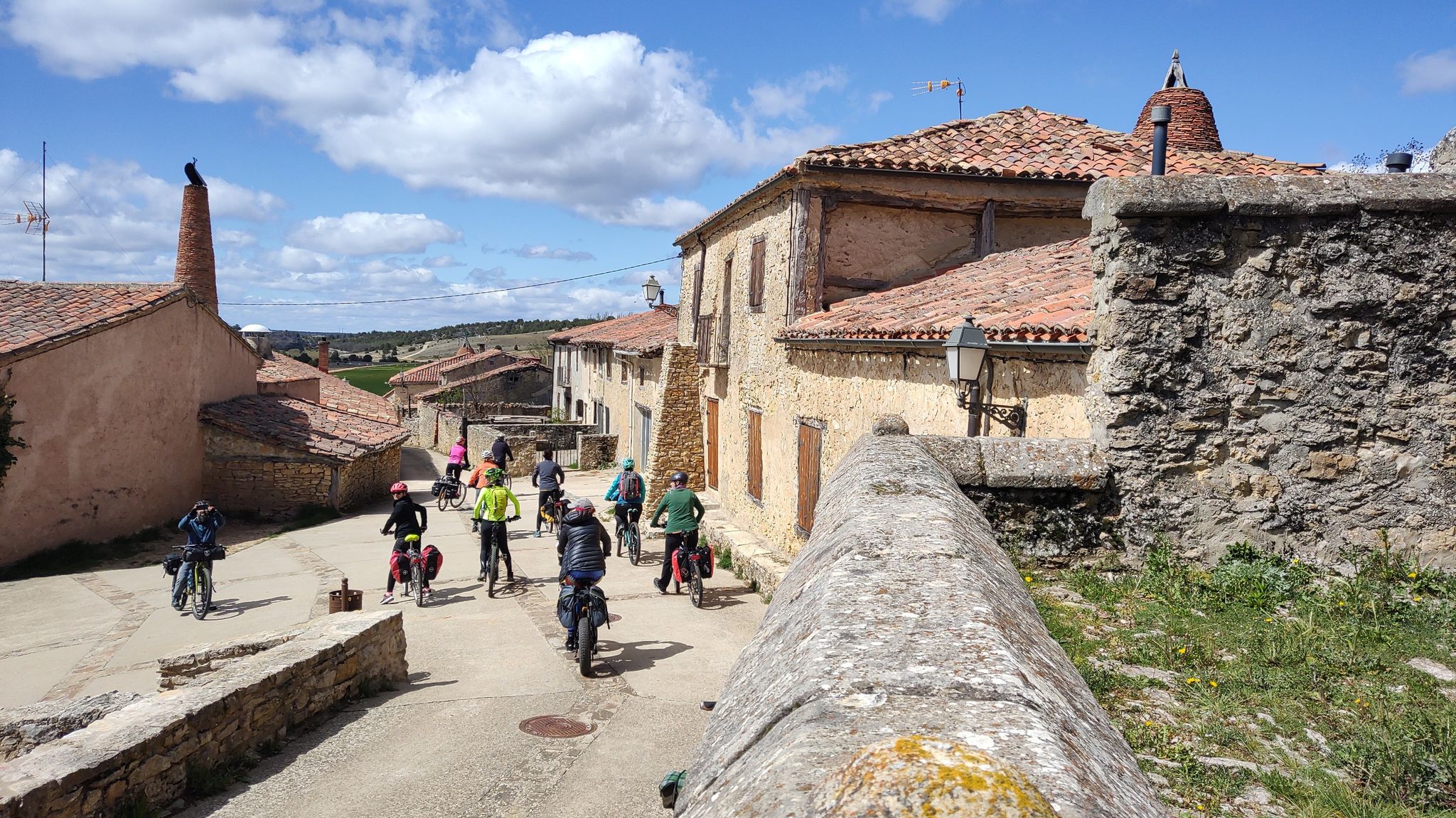
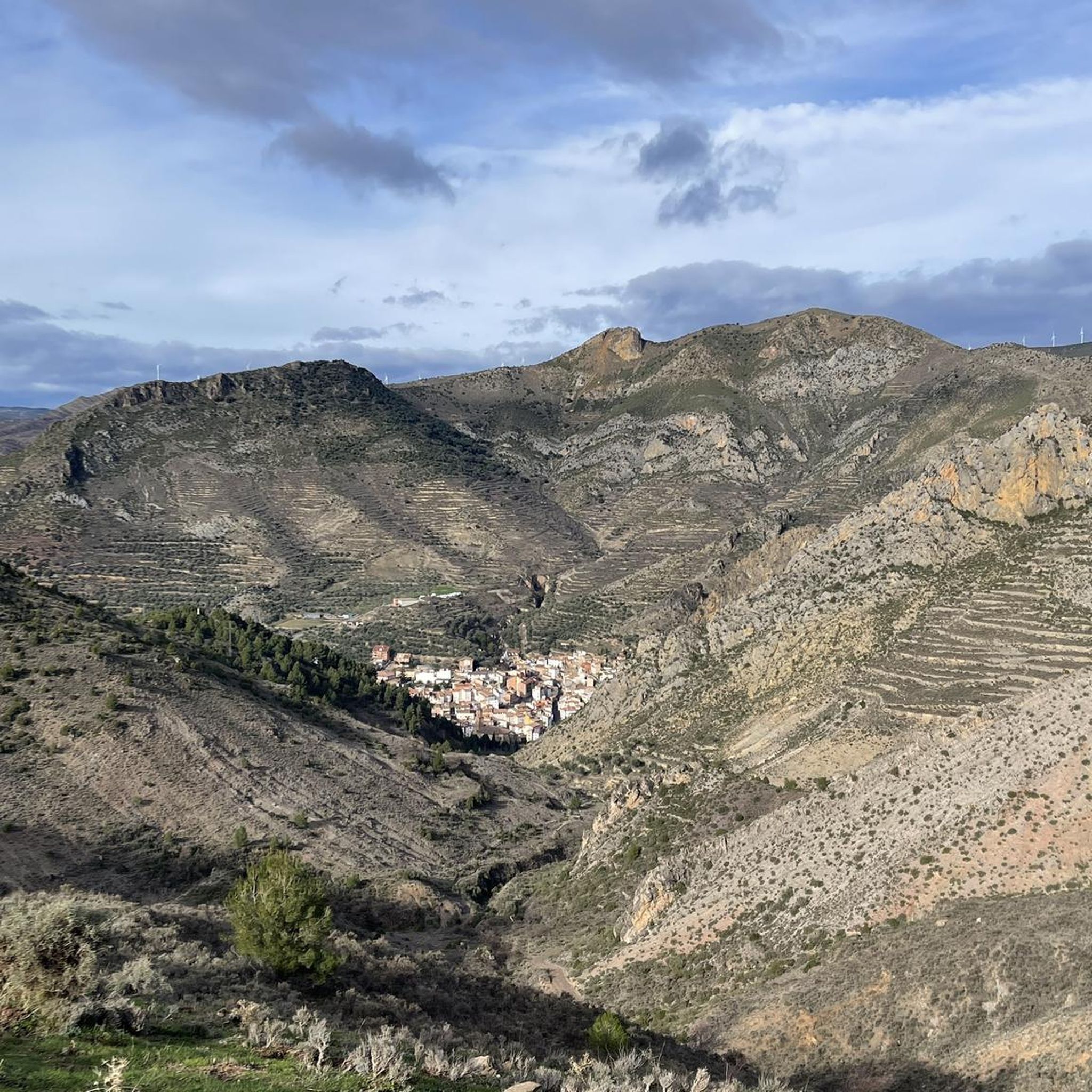
Touring cycling around San Pedro Manrique, located in the "Tierras Altas" of Soria province, offers routes through diverse landscapes. The region features immense forests, varied topography, and the Linares River. Cyclists can expect paths with moderate elevation gains and more challenging routes, often passing through areas with traditional serrana architecture and historical sites. The terrain includes less-trafficked paths suitable for exploring the natural surroundings.
Best touring cycling routes around San Pedro Manrique
- The most popular touring cycling route is Castillo…
Last updated: July 12, 2026
2
riders
40.4km
03:19
980m
990m
Hard bike ride. Very good fitness required. Some segments of this route may be unpaved and difficult to ride.
7
riders
61.9km
04:26
1,230m
1,230m
Hard bike ride. Very good fitness required. Mostly paved surfaces. Suitable for all skill levels.

Sign up for free
6
riders
Hard bike ride. Very good fitness required. Mostly paved surfaces. Suitable for all skill levels.
2
riders
24.5km
01:55
610m
610m
Hard bike ride. Very good fitness required. Mostly paved surfaces. Suitable for all skill levels.
2
riders
32.2km
03:02
570m
570m
Hard bike ride. Very good fitness required. Mostly paved surfaces. Suitable for all skill levels.
Our route recommendations are based on thousands of hikes, rides, and runs completed by other people on komoot.
Start today with a free account
Your next adventure awaits.
Login or Signup
Other adventures around San Pedro Manrique

Tips from the Community

Essential to visit the "como en casa" teleclub where you eat luxuriously
0
0
There is a fountain and a bar in the center of the village
0
0

Small and pretty town, area with lots of interesting mountain bike trails
0
0
there is a fountain and bar in the square
1
0

Santa Cruz de Yanguas is a municipality in Soria in the Tierras Altas region, community of Castilla y León. During the Middle Ages it was part of the Community of Villa y Tierra de Yanguas. It is located in the Baos River basin, and has important forest and mycological resources. The municipal area is part of the Urbión Regional Reserve, with a large presence of deer, roe deer, wild boar and woodcock. Of its heritage, the Roman bridge that spans the bed of the Baos River, the church of the Santísima Trinidad (16th century) in Gothic style and the hermitage of the Virgen del Pilar stand out. As in the rest of the region, you can find dinosaur footprints (ichnites).
2
0
Fuentes de Magaña is a town in Soria in the Tierras Altas region, in the community of Castilla y León. During the Middle Ages it was part of the Community of Villa y Tierra de Magaña. Of its heritage, the church of the Immaculate Conception and the hermitage of San Sebastián stand out. Just 200 meters from the town, to the south, you can see some dinosaur footprints, in the area known as the Miraflores ravine.
0
0
Magaña Castle is a medieval fortress located on a hill overlooking the town of the same name, in the province of Soria, Tierras Altas region, community of Castilla y León. It is believed to have been built during two stages throughout the 15th century. The inner enclosure would be built in the first stage, and the outer barrier in a second. Due to its architectural characteristics, it belongs to the typology of stately castle of the Valladolid school, very common in the north of Castile in the second half of the 15th century.
2
0
Montenegro de Ágreda is a town belonging to the municipality of Matalebreras, in the province of Soria, region of Moncayo, in the community of Castilla y León. It stands out for the church of Nuestra Señora de la Blanca, a proto-Gothic fortified church from the 13th century that took advantage of the structure of an old Berber tower in its construction.
0
0
Frequently Asked Questions
How many touring cycling routes are available around San Pedro Manrique?
There are 8 touring cycling routes available around San Pedro Manrique. All of these routes are classified as difficult, offering a challenge for experienced cyclists.
What kind of terrain can I expect on touring cycling routes in San Pedro Manrique?
The terrain around San Pedro Manrique is diverse, featuring immense forests and varied topography. You can expect less-trafficked paths, some with moderate elevation gains, and others that are more challenging. The broader Soria province, where San Pedro Manrique is located, is even known as a 'secret gravel paradise' for bikepacking, indicating a mix of surfaces suitable for touring cyclists.
Are there any historical sites or natural landmarks to see along the touring cycling routes?
Yes, the region is rich in history and natural beauty. You can encounter traditional serrana architecture, ruins of ancient castles, and Romanesque churches. Notable natural features include the Linares River and the surrounding forests. For example, the Castillo de Cornago and ruins of Turruncún – circular from Cornago route explores historical castle ruins.
Can I visit any castles or historic villages while cycling in the area?
Absolutely. The area around San Pedro Manrique is dotted with historical sites. You can explore places like the Préjano Castle, the Castle of la Nava del Marqués de Magaña, or the Yanguas Historic Village. The town of San Pedro Manrique itself features traditional architecture and the ruins of its own castle.
What is the best time of year for touring cycling in San Pedro Manrique?
While specific weather data isn't provided, the region's diverse landscapes and historical sites suggest that spring and autumn would likely offer the most pleasant cycling conditions, with milder temperatures and vibrant scenery. Summers can be hot, and winters may bring colder weather, especially in the 'Tierras Altas' (Highlands).
Are there any circular touring cycling routes available?
Yes, several routes are designed as circular tours. Examples include the Castillo de Cornago and ruins of Turruncún – circular from Cornago, the Cidacos Greenway – Autol and its Picuezos loop from Villarroya, and the Fuentes de Magaña – Church of Castilruiz loop from Magaña.
Is San Pedro Manrique suitable for family-friendly touring cycling?
The touring cycling routes around San Pedro Manrique are generally classified as difficult, with significant elevation gains. This suggests they might be more suitable for experienced adult cyclists rather than young families or beginners. However, the region's peaceful natural surroundings could offer opportunities for shorter, less demanding rides on local paths not specifically listed as touring routes.
Can I bring my dog on the touring cycling routes?
While many natural areas in Spain are dog-friendly, specific regulations for bringing dogs on cycling routes can vary. It's advisable to check local signage or with regional tourism offices regarding pet policies, especially in protected natural areas or private lands you might encounter on your ride. Always ensure your dog is well-behaved and on a leash where required.
Are there facilities like cafes or accommodation available along the routes or in San Pedro Manrique?
San Pedro Manrique is a town with traditional architecture, suggesting it would have basic amenities such as cafes, pubs, and accommodation options. While specific facilities directly on the routes are not detailed, towns and villages along the way would be the best places to find refreshments and lodging. It's always a good idea to plan your stops in advance.
What are the parking options for cyclists in San Pedro Manrique?
As a rural town, San Pedro Manrique likely offers general parking facilities within the village. For specific trailheads, parking availability may vary. It's recommended to check maps or local information for designated parking areas near your chosen starting point to ensure convenient access to the routes.
Is public transport with bikes an option to reach the cycling routes?
Public transport options, particularly those accommodating bicycles, can be limited in rural areas like San Pedro Manrique. While some regional bus services might exist, their capacity for bikes is often restricted. It's best to research specific bus lines or train services to Soria province and their bike policies before planning your trip.
What is a challenging touring cycling route I can try in the area?
For a challenging ride, consider the Church of Castilruiz loop from Valdelagua del Cerro. This route covers 41.1 km (25.5 miles) with over 750 meters of elevation gain, typically taking around 3 hours to complete. It offers a demanding experience through the region's varied terrain.
Most popular routes around San Pedro Manrique
Most popular attractions around San Pedro Manrique

Get inspired with the komoot mobile app


Explore more
Browse the best Cycling routes in other regions.
