The best MTB trails around Quemada
4.3
(150)
734
riders
131
rides
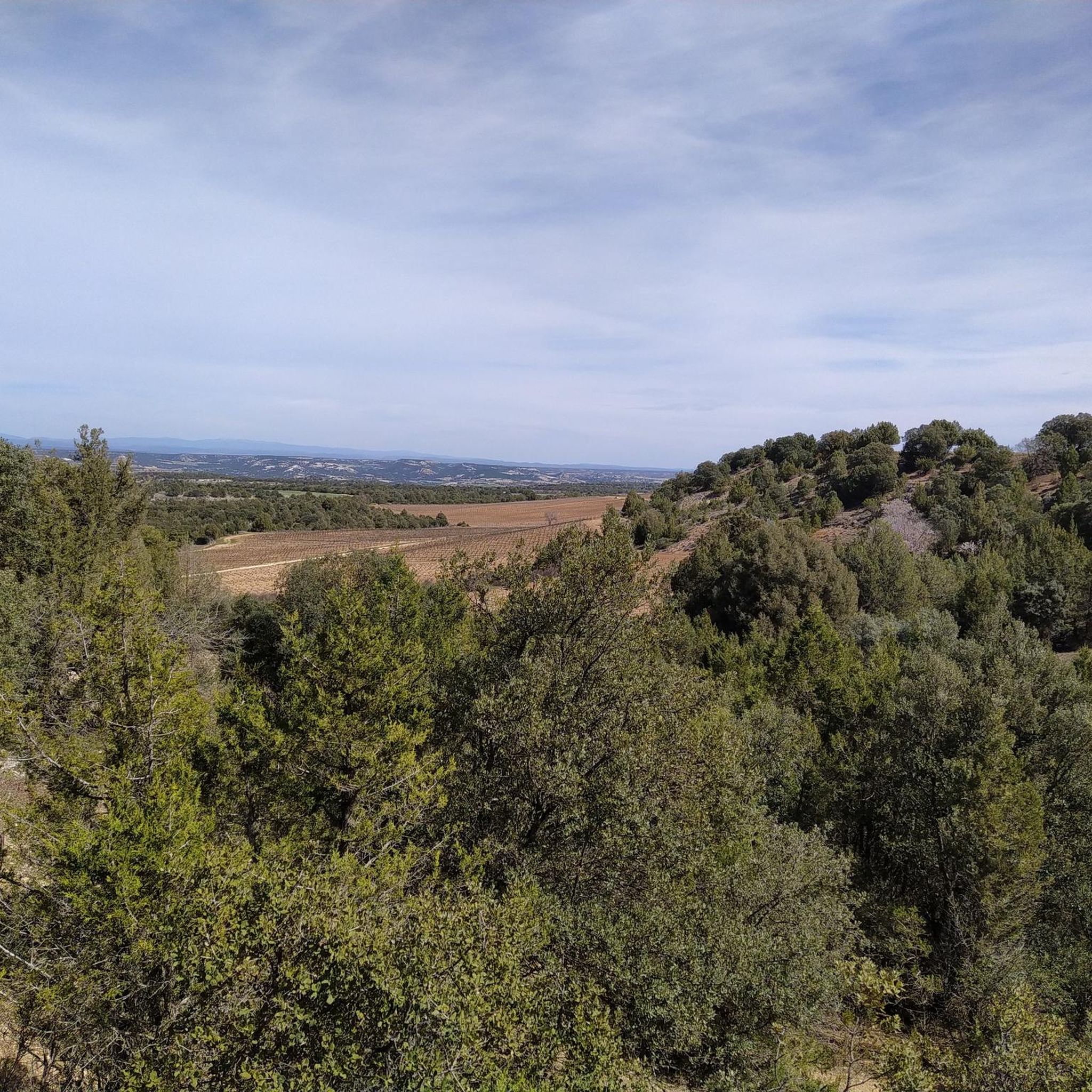
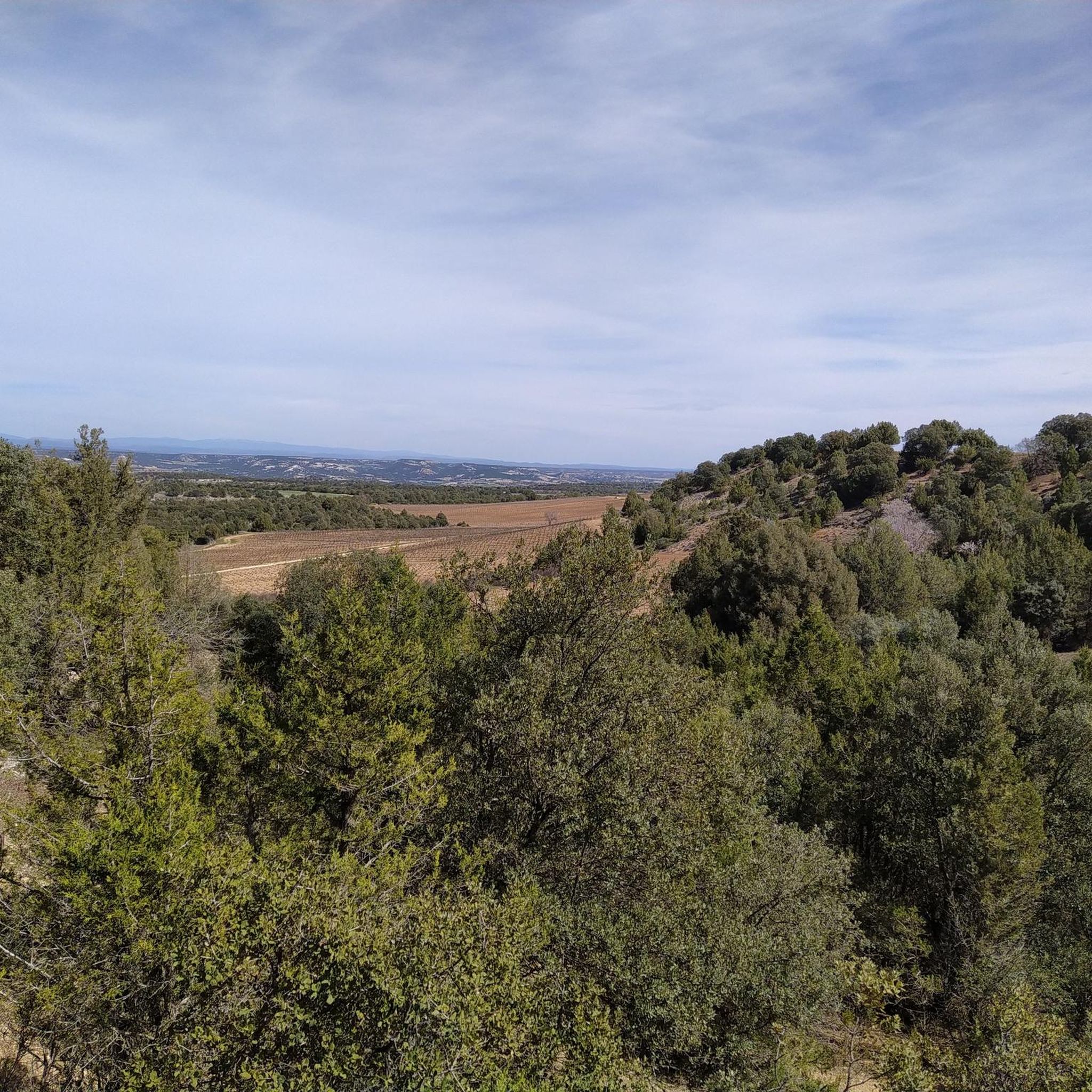
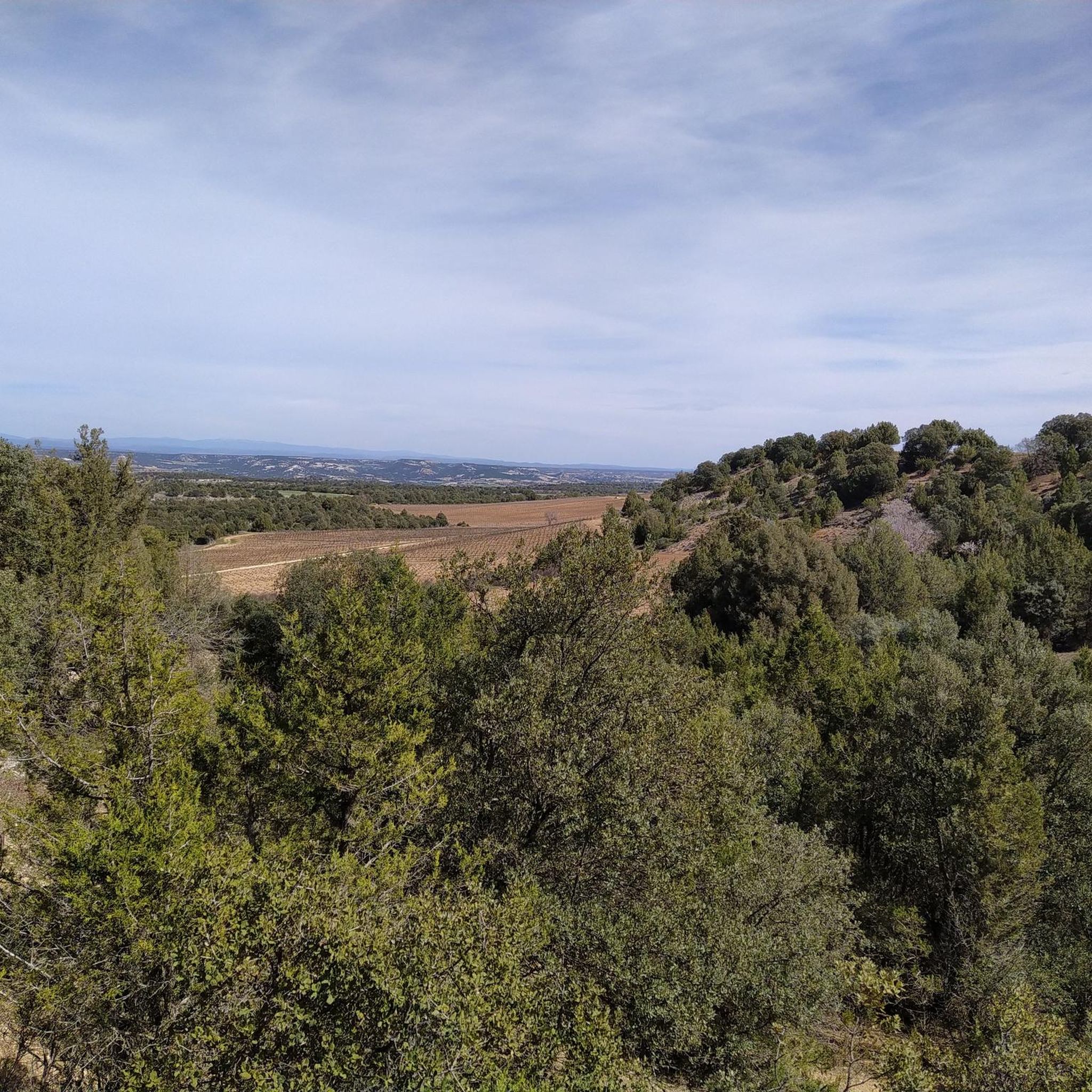
Mountain biking around Quemada offers diverse terrain across rugged mountains, expansive forests, and picturesque valleys. The region features significant natural preserves like the Eagle Peak and Mesita Blanca Wilderness Study Areas, providing varied landscapes for exploration. Riders can navigate through a mix of challenging singletracks and more manageable loops. The area's varied topography includes both elevated sections and open meadows, catering to different riding preferences.
Best mountain bike trails around Quemada
- The most popular mountain bike trail is Monte de…
Last updated: June 20, 2026
5.0
(5)
26
riders
48.0km
03:34
170m
170m
Moderate mountain bike ride. Good fitness required. Advanced riding skills necessary.
4.0
(4)
10
riders
25.7km
01:57
120m
110m
Easy mountain bike ride. Great for any fitness level. Suitable for all skill levels.

Sign up for free
5.0
(1)
6
riders
Moderate mountain bike ride. Good fitness required. Suitable for all skill levels.
5
riders
Moderate mountain bike ride. Good fitness required. Advanced riding skills necessary.
4.2
(5)
5
riders
38.4km
02:59
200m
200m
Moderate mountain bike ride. Good fitness required. Suitable for all skill levels.
Get access to more routes and recommendations from other explorers.
Sign up for free
Already have an account?
Our route recommendations are based on thousands of hikes, rides, and runs completed by other people on komoot.
Start today with a free account
Your next adventure awaits.
Login or Signup

Tips from the Community

Built of stone and with several semicircular arches, it is a good example of medieval civil engineering and has withstood the test of time thanks to its solidity, although it has been restored at different times. At one time it was key for the transit of workers and goods between neighborhoods, contributing to the economic growth of Aranda. Today it is preserved as a heritage element and is a pleasant place to walk, forming part of the city's historic complex and allowing visitors to learn about its industrial and medieval past along the river.
2
0
The medieval Puente de las Tenerías, located in Aranda de Duero over the Bañuelos river, is one of the most interesting historical corners of the city, although less known than the Duero bridge. It is a construction of medieval origin, linked to the urban and industrial development of the town, as it takes its name from the old tanneries (leather tanning workshops) that were in the area and that needed abundant water for their activity.
2
0
The bridge is built of stone and is characterized by its semicircular arches; it originally had four, although today it retains three due to later renovations. Over the centuries it has undergone numerous restorations, especially due to the floods of the Duero, one of the most important being the expansion and widening in the 19th century. In addition to its architectural value, it has been a strategic point for the passage of people, goods and herds, and today it is a symbol of the city and a very pleasant place to walk and enjoy the views of the river and Aranda de Duero. [iglesiaslocales.com], [edadesdelh...ogspot.com]
2
0
The Aranda de Duero Bridge, also known as Puente Mayor, is one of the city's most important historical elements, as it crosses the Duero River and has been key to its development. Although often called "Roman", it is actually a bridge of medieval origin, with references from the 12th-14th centuries, when it served as a fundamental crossing point on trade routes and the old Royal Road that connected the center and north of Spain.
2
0

The Church of Saint Andrew the Apostle in Zazuar is a large church built between the 16th and 19th centuries. Its interior combines Gothic and Renaissance styles and is notable for its altars with 15th-century Castilian panels, a Gothic monstrance, and a processional cross. The masonry and stone tower was completed in 1802.
4
0
The Church of Saint Andrew the Apostle in Zazuar was built between the 16th and 19th centuries. Its interior combines Gothic and Renaissance styles and is notable for its altars with 15th-century Castilian panels, a Gothic monstrance, and a processional cross. The masonry and stone tower was completed in 1802.
4
0
The Church of Our Lady of the Assumption in Quemada, Burgos, is a Romanesque church (12th-13th centuries). Its most notable features are the 16th-century Renaissance tower, an 18th-century main altarpiece, and a Renaissance baptismal font.
4
0
Aranda de Duero, in the province of Burgos, is the capital of the famous Ribera del Duero wine region. The city is known for its excellent wines and its network of underground wine cellars, medieval tunnels dug beneath the old town. It is also a top culinary destination, famous for its roast lamb and blood sausage. Its heritage includes Gothic churches such as Santa María la Real, which complement the cultural and culinary experience.
4
0
Frequently Asked Questions
What kind of terrain can I expect when mountain biking around Quemada?
Mountain biking around Quemada offers a diverse landscape characterized by rugged mountains, expansive forests, and picturesque valleys. You'll find a mix of challenging singletracks, such as the Mogollon Rim Trail with its steep drops and rocky sections, and more manageable loops through open meadows, like the Coyote Canyon Loop. The region also features significant natural preserves, including the Eagle Peak and Mesita Blanca Wilderness Study Areas, providing varied terrain for exploration.
Are there mountain bike trails suitable for beginners in Quemada?
Yes, Quemada offers trails suitable for beginners. The Aranda de Duero – Vadocondes Historic Center loop from Aranda de Duero is a moderate trail that leads through valleys and open areas, providing a good experience for those starting out. Additionally, the Coyote Canyon Loop is specifically mentioned as ideal for beginners, offering a fun and manageable ride through open meadows.
What are some challenging mountain bike trails in Quemada?
For experienced riders seeking a challenge, Quemada offers several options. The Pine Flats Trail winds through pine forests with spectacular views, while the Mogollon Rim Trail is a technical singletrack featuring steep drops and rocky sections. The Bearwallow Peak Trail is an advanced route that ascends Bearwallow Peak, rewarding riders with panoramic vistas from the summit. For a longer, more difficult ride, consider the Mamolar Village – Langa de Duero loop from Peñaranda de Duero, which covers over 80 miles with significant elevation gain.
What is the best time of year to go mountain biking in Quemada?
Quemada boasts a climate conducive to outdoor pursuits throughout the year. Spring is ideal for experiencing blooming wildflowers, while fall offers colorful foliage. The region's diverse landscapes can be enjoyed in various seasons, though it's always wise to check local weather conditions before heading out.
Are there any circular mountain bike routes in Quemada?
Yes, many mountain bike routes in Quemada are circular. Popular options include Monte de La Calabaza — circular from Aranda de Duero, a 26.9-mile moderate trail, and Ruta del Duero — circular desde Aranda de Duero por Roa, which explores expansive terrain over 34.8 miles. The Aranda de Duero – Aranda Bridge loop from Aranda de Duero is another great circular option.
What landmarks or attractions can I see near the mountain bike trails in Quemada?
While mountain biking in Quemada, you can explore several interesting landmarks. Notable attractions include the historic Church of Santa María la Real of Aranda de Duero, the scenic Aranda Bridge, and the tranquil Monastery of Santa María de la Vid. The charming settlement of Peñaranda de Duero is also nearby, offering a glimpse into the region's heritage.
Are there family-friendly mountain bike trails in Quemada?
Yes, Quemada offers trails that are suitable for families. The Coyote Canyon Loop, for instance, is described as ideal for beginners and provides a fun, manageable ride through open meadows adorned with wildflowers, making it a good choice for families. Many of the easier, shorter routes can also be enjoyed by families.
What do other mountain bikers say about the trails in Quemada?
The mountain bike routes in Quemada are highly rated by the komoot community, with an average score of 4.2 stars from over 140 reviews. Riders often praise the diverse terrain, from rugged mountains to picturesque valleys, and the variety of options available for different skill levels.
How long are the mountain bike trails in Quemada?
The mountain bike trails in Quemada vary significantly in length. You can find shorter routes, but many popular trails are moderate to long. For example, Monte de La Calabaza — circular from Aranda de Duero is 26.9 miles (43.3 km), while the Mamolar Village – Langa de Duero loop from Peñaranda de Duero is a challenging 82 miles (132 km).
What kind of wildlife might I encounter while mountain biking in Quemada?
The extensive wilderness areas around Quemada, including the Eagle Peak and Mesita Blanca Wilderness Study Areas, are home to diverse flora and fauna. While specific wildlife sightings are never guaranteed, these natural preserves offer opportunities to observe local wildlife in their natural habitats amidst the varied landscapes.
Are there options for accommodation or places to eat near the mountain bike trails?
While specific cafes, pubs, or accommodations are not detailed in the trail information, the region of Quemada, particularly in Catron County, New Mexico, is a destination for outdoor activities. Towns and settlements within or near the region, such as Aranda de Duero and Peñaranda de Duero (mentioned in route names and attractions), would typically offer amenities like places to eat and stay for visitors.
How many mountain bike trails are available in Quemada?
There are over 160 mountain bike trails available for exploration in Quemada, ranging from easy to difficult. This extensive network provides numerous options for riders of all skill levels to discover the region's diverse landscapes.
Most popular attractions around Quemada

Get inspired with the komoot mobile app


Explore more
Browse the best MTB trails in other regions.
