Attractions and Places To See around Ourol - Top 20
Best attractions and places to see around Ourol include a blend of natural beauty, historical landmarks, and cultural sites within the province of Lugo, Galicia. Nestled in a landscape of valleys and mountains, the area offers diverse features such as the Serra do Xistral, the Landro River, and the Terras do Miño Biosphere Reserve. Visitors can explore ancient churches, distinctive "casas indianas," and megalithic sites that reflect the region's rich heritage. Ourol provides a setting for discovering both natural landscapes…
Last updated: June 22, 2026
Gate of Charles V
Highlight • Historical Site
Translated by Google •
Tip by

Carlos V Gate and Misericordia Bridge
Highlight • Historical Site
Translated by Google •
Tip by

Sign up now to discover places like this
Get recommendations on the best single tracks, peaks, & plenty of other exciting outdoor places.
Sign up for free
Covas
Highlight • Beach
Translated by Google •
Tip by

Souto da Retorta (Retorta Grove)
Highlight • Natural Monument
Translated by Google •
Tip by

Church and Convent of San Francisco de Viveiro
Highlight • Religious Site
Tip by

Sign up for free to discover even more attractions around Ourol.
Sign up for free
Already have an account?
Start today with a free account
Your next adventure awaits.
Login or Signup
Tips from the Community


The access to Souto da Retorta, also known as Eucaliptal de Chavín, is well indicated from Viveiro to the place of Calvoso, and before reaching the Calvoso hermitage there is a dirt road on the right that leads to the parking lot on an esplanade. of Earth. At the beginning of the trail there is a sign for the Souto da Retorta Natural Monument, it talks about the history of the giant eucalyptus trees and has a small map of the path along the river meanders of the Landro River. The path is practically flat and runs between the river bank and the canal that originates in the dam of a hydroelectric plant built a kilometer further on. The trees are colossal, they all have a monumental size and a height that is difficult to reach with the naked eye due to the thickness of the branches. They are the grandparents of all the Spanish eucalyptus trees. The species adapted well to the Iberian climate and in a century and a half it has colonized numerous mountains and territories in the north and west of the peninsula.
0
1

Founded by the Franciscans in 1219, this church is just outside the old Roman wall and has a well-preserved Romanesque portal and Gothic apse (renovated in 1965!). A visit to the cloister is worthwhile.
1
0
Three city gates and the walls of the historic old town of Viveiro are still partially preserved. The gate in honor of Emperor Carlos (German: Charles V) dates from 1548. After a few steps you reach the living room of the old town of Viveiro: the Praza Maior.
2
0

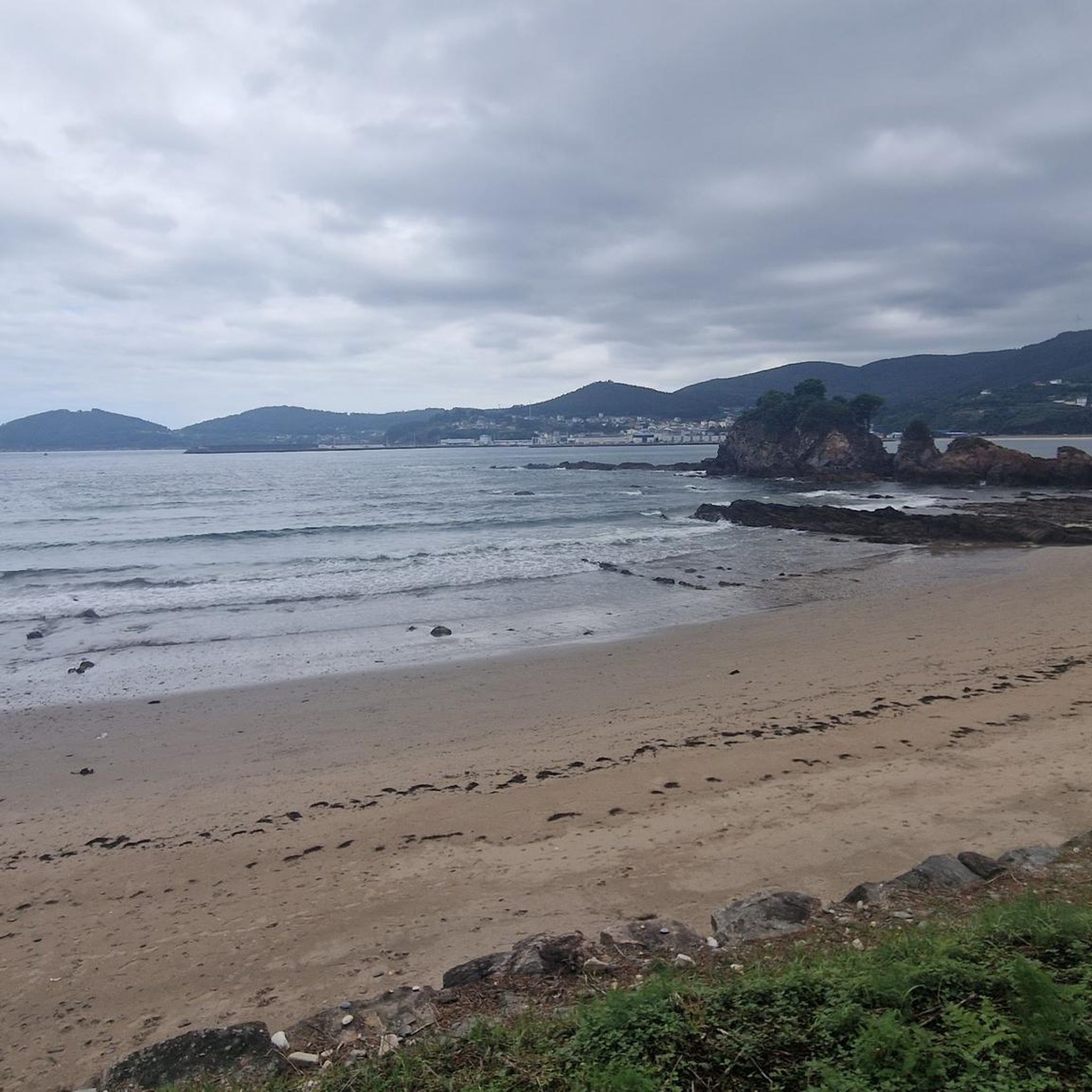
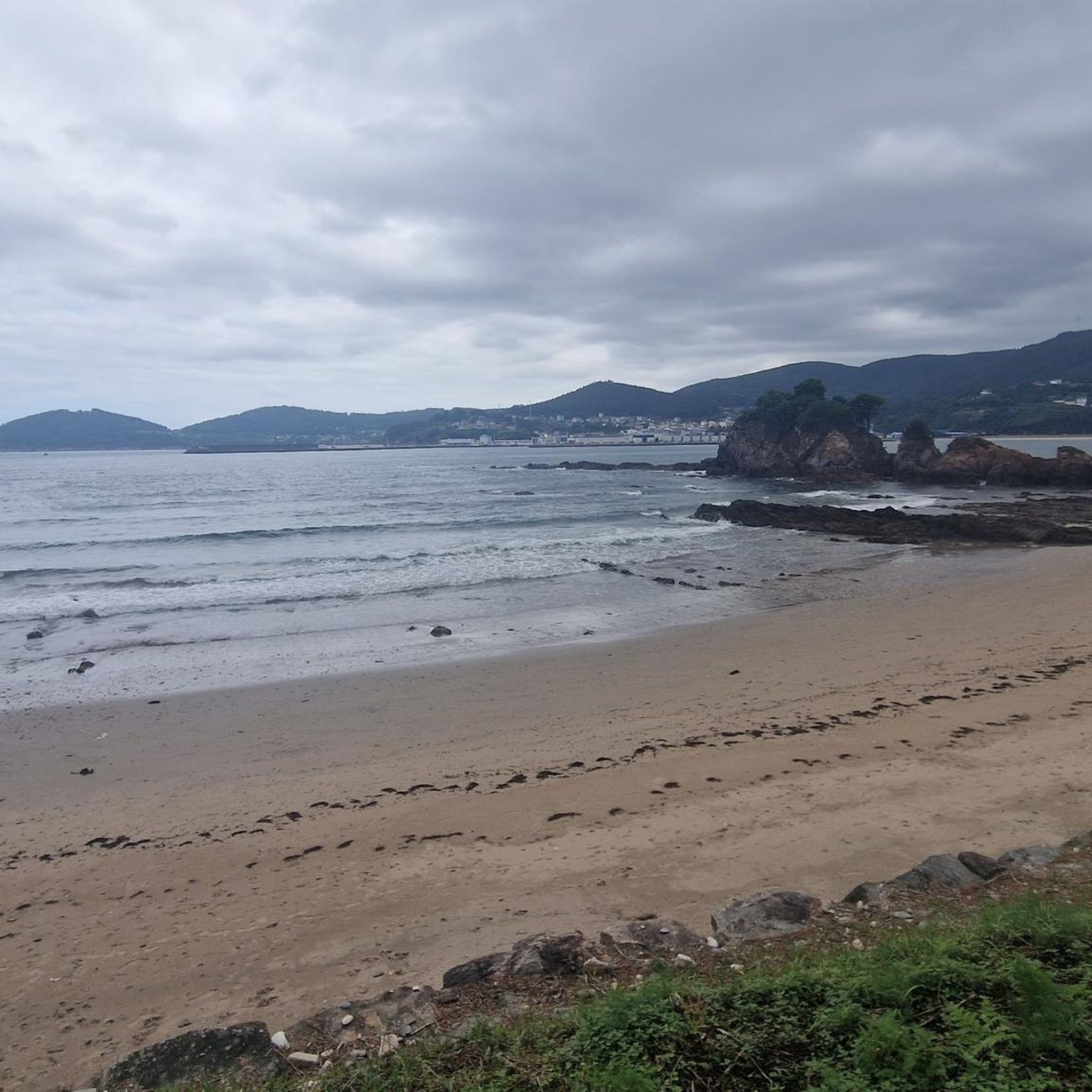
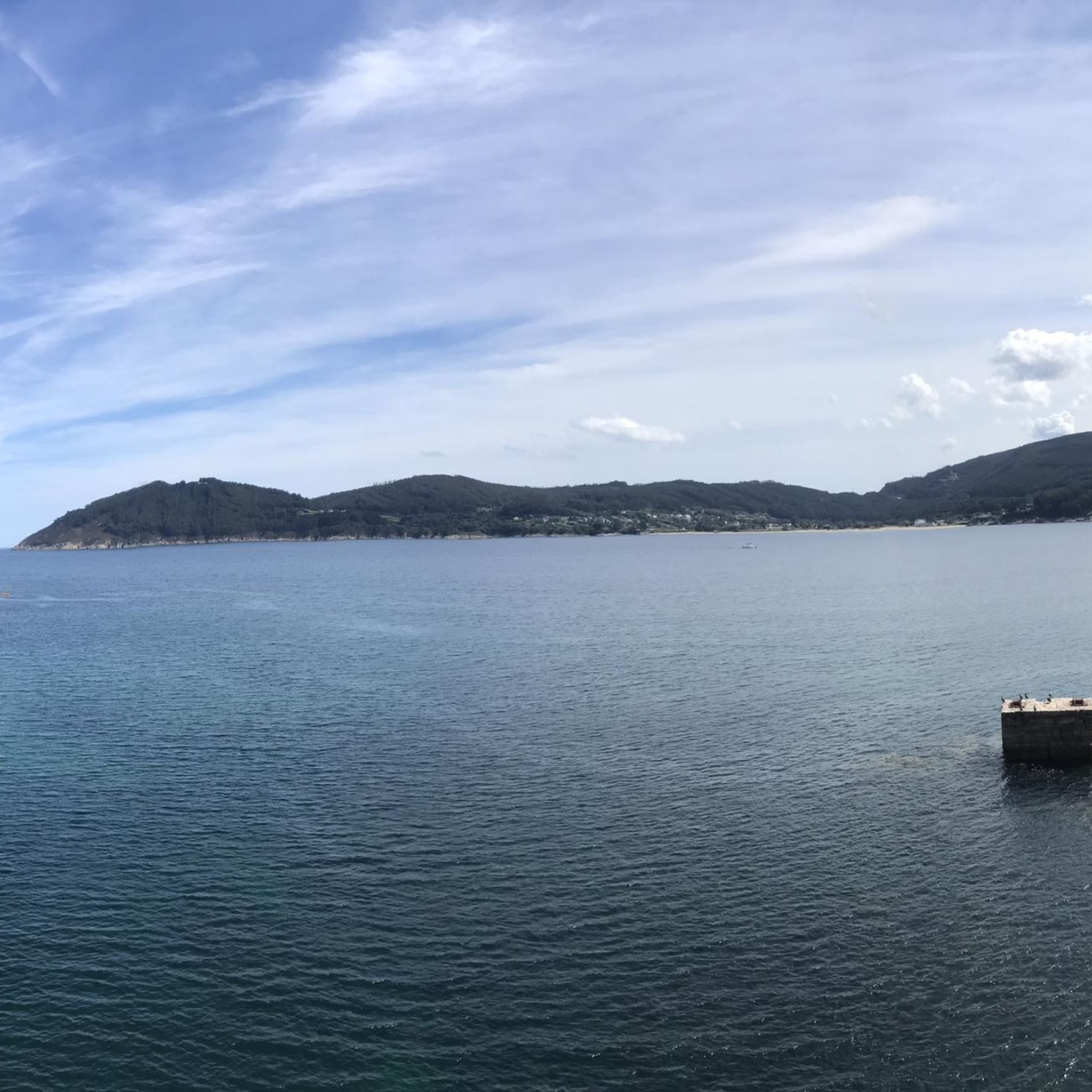
Covas is a small coastal residential complex that enjoys a long white sand beach. The contrast formed by the shape and color of the rocks when breaking the sand mantle forms a spectacular landscape.
3
0

This is an arched stone gate to the old city. Travelers who crossed the estuary via the Mayor or La Misericordia bridges reached the entrance to the old town.
3
0

Door that gives access to the old city.
2
2

Also called Mayor or Castle Gate, built in 1548 to replace a previous one, being the work of Pedro Pedroso, made in homage to Carlos I of Spain and V of Germany for the honors he had granted to this town. It is one of the three gates that remain from the old wall of Viveiro. It was intended to be demolished in the last century, and in 1942 it was declared a National Monument.
6
2
Frequently Asked Questions
What historical and cultural sites can I explore in Ourol?
Ourol is rich in history and culture. You can visit the ancient Gate of Charles V and the adjacent Misericordia Bridge, which served as an entrance to the old city of Viveiro. The Church and Convent of San Francisco de Viveiro, founded in 1219, features a well-preserved Romanesque portal and Gothic apse. Within Ourol itself, explore the historic Iglesia de Santa María de Ourol, various parochial churches like Ambosores and Santiago de Bravos, and hermitages such as Ermita de San Xoan de Grandal.
Are there any significant natural attractions in the Ourol area?
Yes, Ourol offers diverse natural beauty. The region is part of the Serra do Xistral, the northernmost mountain range in Galicia, known for its mountain wetlands and peat bogs. You can also visit the Souto da Retorta (Retorta Grove), a natural monument featuring colossal eucalyptus trees along the Landro River. The Fervenza da Xestosa waterfall, with a 20-meter drop, is another notable natural feature.
What kind of outdoor activities are available around Ourol?
The landscape of Ourol, with its valleys and mountains, is ideal for outdoor activities. You can find numerous hiking, running, and cycling routes. For hiking, popular options include the 'Pozo da Ferida – circular from Boimente' (difficult) or the 'Souto da Retorta (Retorta Grove) – El Abuelo Eucalyptus Tree loop' (easy). You can explore more options on the hiking guide for Ourol, running trails guide, or cycling guide.
Are there family-friendly attractions or activities in Ourol?
Several attractions around Ourol are suitable for families. The Covas beach offers a long stretch of white sand, perfect for a day out. The Souto da Retorta (Retorta Grove) provides an easy, flat path along the Landro River, allowing families to marvel at the giant eucalyptus trees. Historical sites like the Gate of Charles V are also generally accessible for families.
Where can I see unique architecture in Ourol?
Ourol is known for its distinctive "casas indianas," or colonial houses. These impressive homes were built by Galicians who returned wealthy from abroad, particularly America. They are characterized by rectangular plans, multiple floors, unique attics, and decorative details. Many can be found along the C-640 road between Viveiro and Betanzos, and there's even a specific "Ruta Indiana Ourol" to explore them.
Are there any ancient archaeological sites in the region?
Yes, Ourol has a history dating back to the Paleolithic and Megalithic periods. You can find several megalithic mounds, including "A Veiga" in San Pantaleón de Cabanas, "Penido Vello/Huchas de Penido Vello" with a megalithic chamber, and the "Mounds de Monte Cristo dos Callós" necropolis, which consists of seven mounds. Evidence of Roman presence, such as the ancient town of Flavia Lambis and Roman altars, also exists.
What is the Serra do Xistral known for?
The Serra do Xistral, where Ourol is situated, is the northernmost mountain range in Galicia. It's renowned for its stunning natural landscapes, with peaks exceeding 1000 meters. The area is particularly known for its unique mountain wetlands and peat bogs, making it an excellent, yet relatively unexplored, region for outdoor leisure activities and nature observation.
Can I find any waterfalls near Ourol?
Yes, the Fervenza da Xestosa is a notable waterfall located between Muras and Ourol, along the Xestosa stream. It features an impressive drop of about 20 meters and is easily accessible via a short walk from a nearby parking area.
What do visitors enjoy most about the attractions around Ourol?
Visitors particularly appreciate the blend of historical charm and natural beauty. The Carlos V Gate and Misericordia Bridge are loved for their historical significance and as an entrance to Viveiro's old town. The Covas beach is praised for its long white sands and the spectacular contrast of rocks. The Church and Convent of San Francisco de Viveiro is valued for its well-preserved Romanesque and Gothic architecture.
What is the best time of year to visit Ourol for outdoor activities?
Ourol's diverse natural landscape makes it appealing throughout the year. However, for outdoor activities like hiking and exploring natural features, late spring, summer, and early autumn generally offer the most pleasant weather conditions. Summer provides warmer temperatures for enjoying beaches like Covas, while spring and autumn offer milder temperatures ideal for longer hikes in the Serra do Xistral or along river paths.
Are there any coastal attractions near Ourol?
While Ourol itself is inland, it is close to the coast. The Covas beach in Viveiro is a popular coastal attraction, known for its long white sand and picturesque rock formations. It's a great spot for relaxation and enjoying the sea.
What is the Terras do Miño Biosphere Reserve?
Ourol is part of the Terras do Miño Biosphere Reserve, a large protected area recognized by UNESCO. This reserve encompasses the upper and lower basins of the Miño river and surrounding diverse lands, including cultivated areas, wetlands, and significant forest masses. It highlights the region's ecological importance and commitment to conservation.
Most popular attractions around Ourol

Get inspired with the komoot mobile app


Explore more
Still not found the Highlight you’re looking for? See guides of the top attractions in other regions:
