Attractions and Places To See around Huérmeces Del Cerro - Top 20
Best attractions and places to see around Huérmeces Del Cerro offers a blend of historical landmarks, natural beauty, and cultural points of interest in the province of Guadalajara, Castilla-La Mancha. The area is characterized by the Valle del Río Salado, providing diverse flora and fauna, and is close to significant natural features like the Embalse de El Atance and Cueva del Lutuero. Visitors can explore historical sites such as ancient mills and remnants of towers, alongside natural landscapes ideal for…
Last updated: July 6, 2026
Sigüenza Cathedral
Highlight • Religious Site
Inside, the sepulcher and Chapel of …
Translated by Google •
Tip by

Sigüenza Castle
Highlight • Castle
Translated by Google •
Tip by
Sign up now to discover places like this
Get recommendations on the best single tracks, peaks, & plenty of other exciting outdoor places.
Sign up for free
Pelegrina Castle
Highlight • Castle
Translated by Google •
Tip by
Hermitage of the Humilladero
Highlight • Religious Site
Translated by Google •
Tip by
Casa del Doncel de Sigüenza
Highlight • Historical Site
Translated by Google •
Tip by
Sign up for free to discover even more attractions around Huérmeces Del Cerro.
Sign up for free
Already have an account?
Start today with a free account
Your next adventure awaits.
Login or Signup
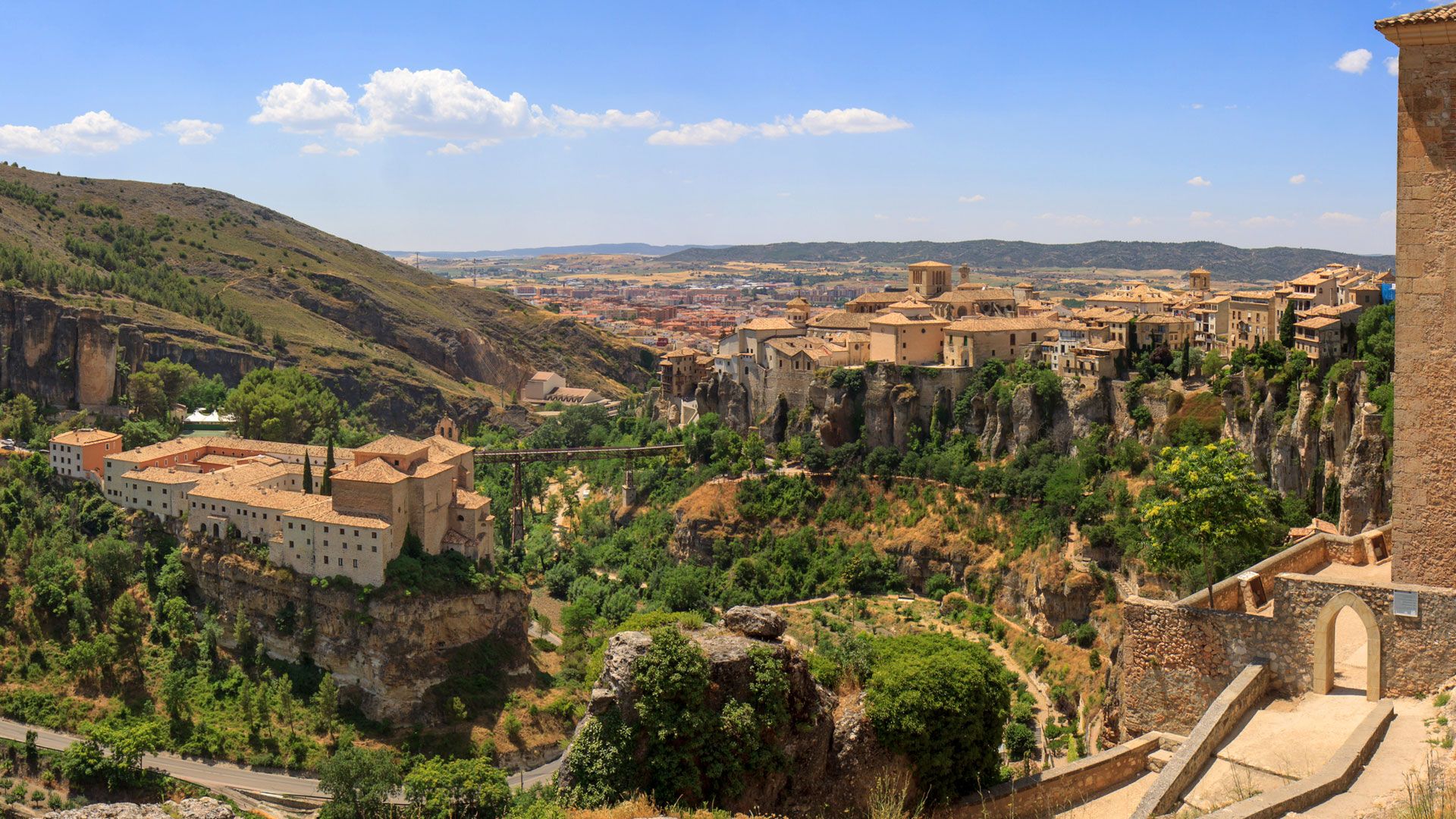
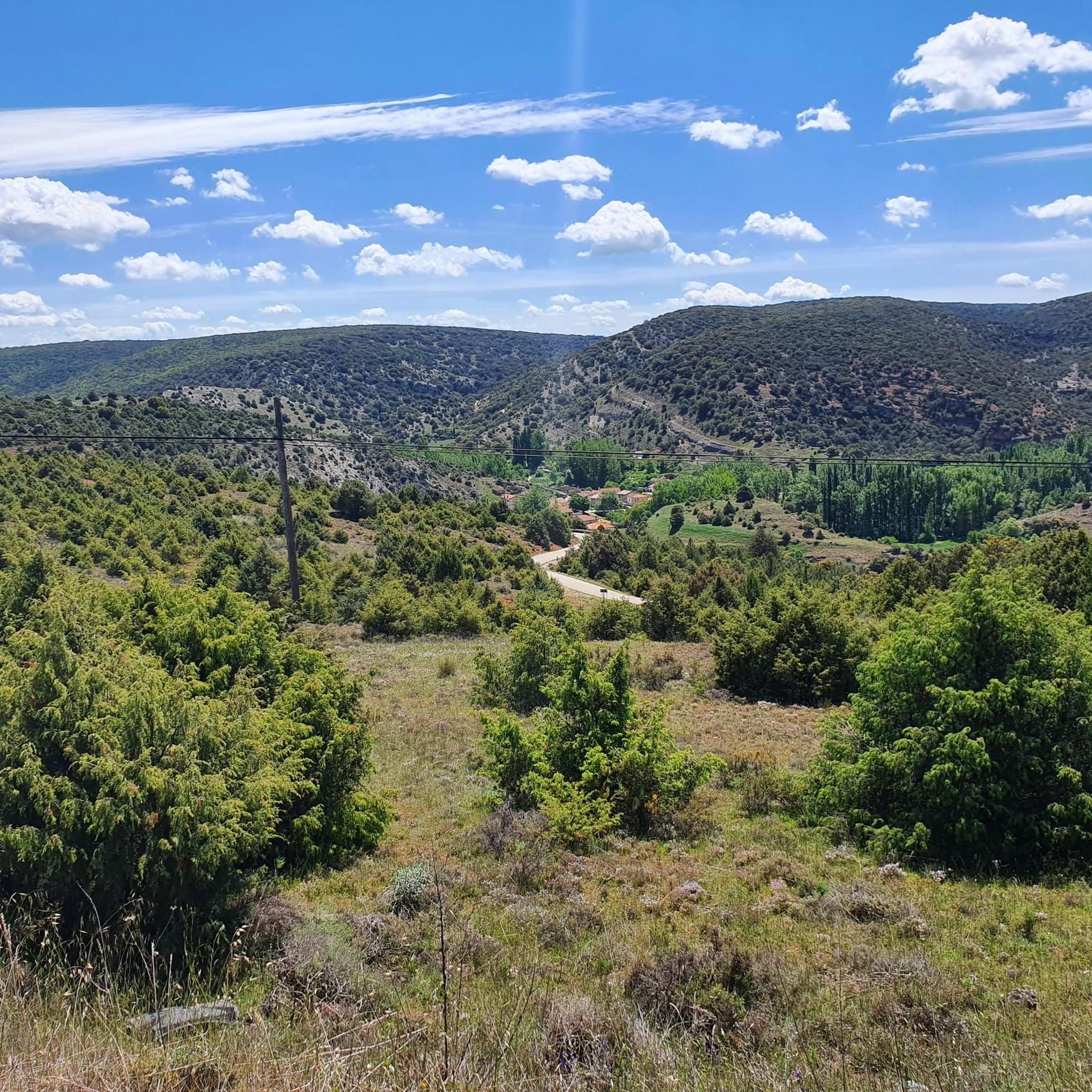
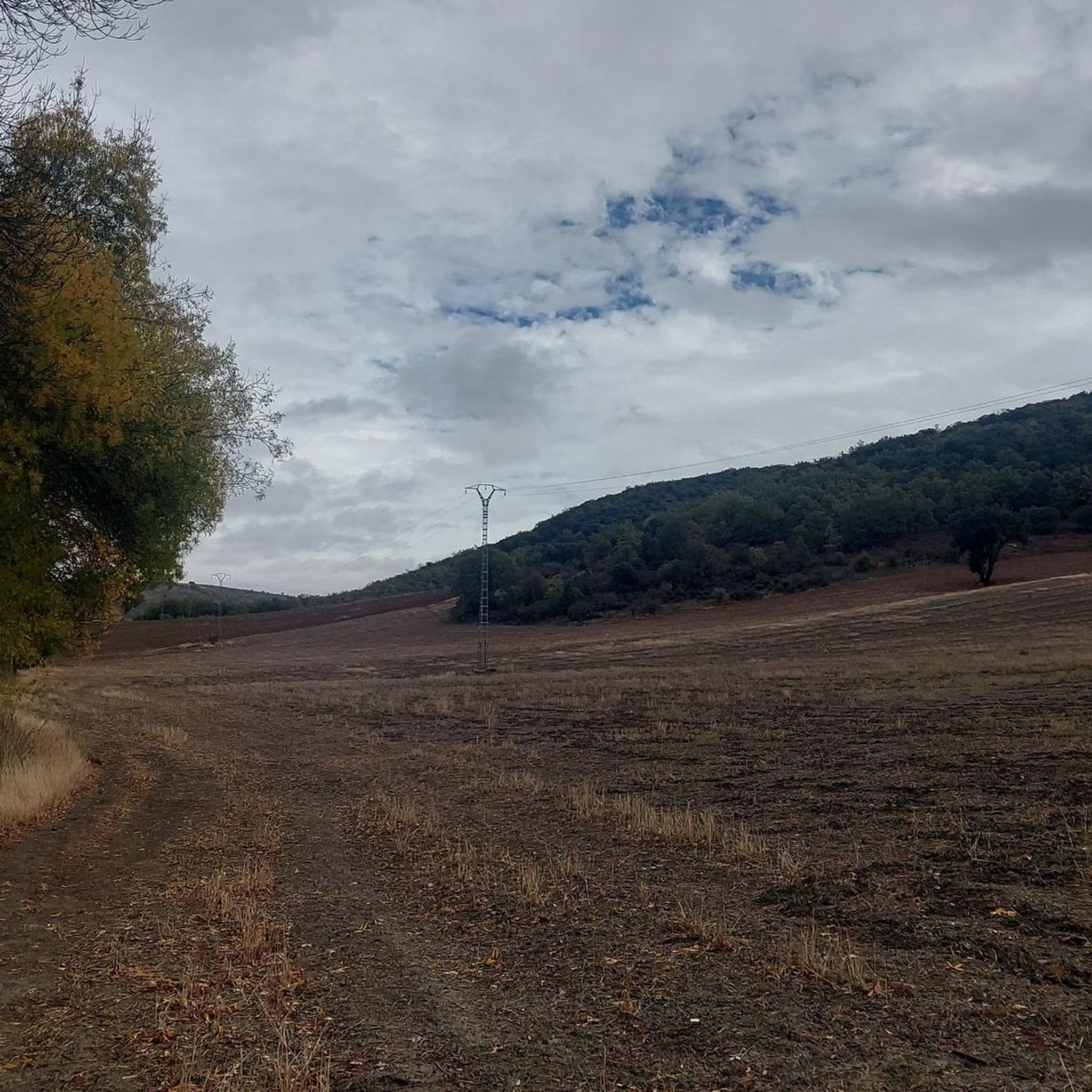
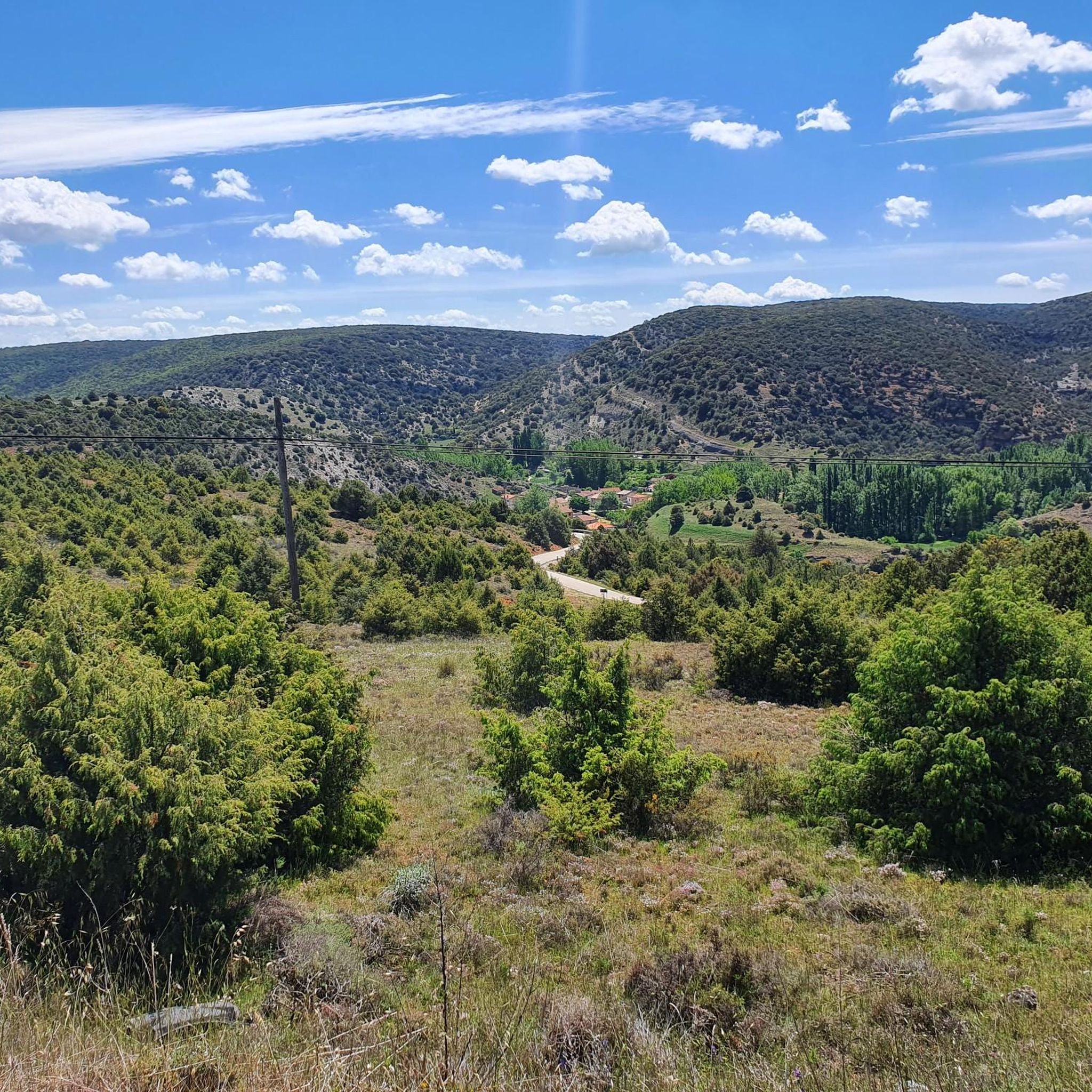

Other adventures around Huérmeces Del Cerro

Tips from the Community


It is, together with the Church of San Vicente, the Center of the old Aragonese Neighborhood after the conquest of the city of Sigüenza by Alfonso I the Battler, King of Aragon, on January 22, 1024. It is an extraordinary place full of History to the which Doncel de Sigüenza also contributed.
1
0

This majestic Cathedral, origin and foundation of the greatness of Sigüenza, is a living museum of art: Romanesque, Cistercian, Gothic, Renaissance, Plateresque, Baroque, Neoclassical... Inside, the sepulcher and Chapel of his Maiden stand out, a beautiful semi-recumbent alabaster sculpture. Work on this cathedral began in the 12th century, in the year 1124, at the request of the first bishop and lord of Sigüenza, after the Reconquest, D. Bernardo de Agén. The works continued through the Late Middle Ages, the building being completed in the 15th century and, then proceeding to the erection of other dependencies (sacristies, ambulatory, etc.) and all the ornamentation, altars, etc.
8
0

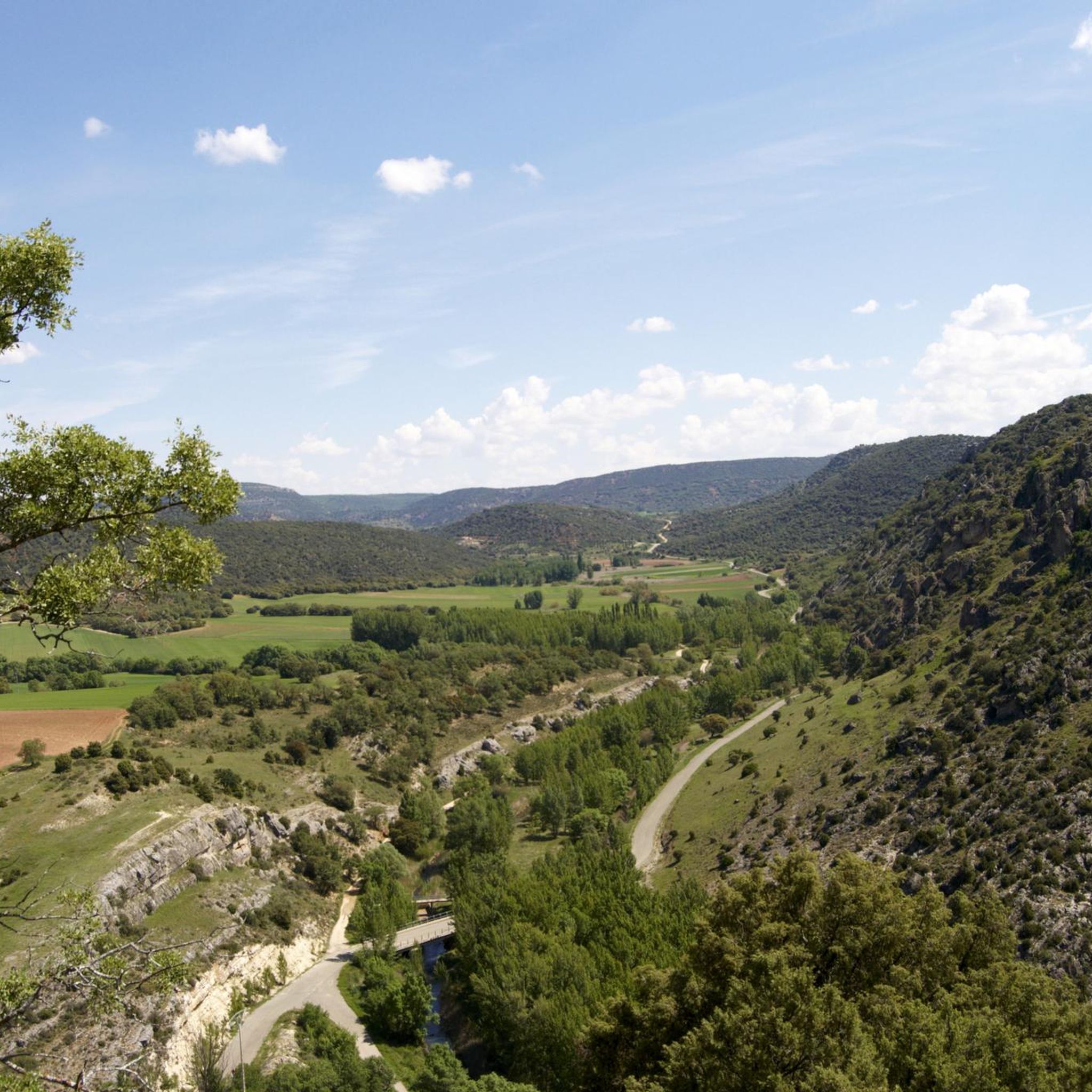
On the curve of the Dulce river are the ruins of the castle of Pelegrina. Incredible viewpoint of the town and what makes the Barranco del Río Dulce Natural Park a unique landscape to visit.
1
0
What was originally an Arab citadel, an extension of a small Visigothic castle and a Roman fort, is located at the top of Sigüenza. Construction began in the year 1123 to serve as a palace-fortress and residence of the bishops who were lords of the city for seven centuries. It has a beautiful chapel and a cell where some say that Doña Blanca de Borbón lived, until the moment of her exile, wife repudiated by Pedro I the Cruel.
11
0

Fortress located in the Spanish municipality of Sigüenza, erected in the first quarter of the 12th century on another previous Muslim one from the beginning of the 8th century.
1
0
Spanish fortification built in ashlar stone between the 12th and 13th centuries in the town of Pelegrina. It is a rocky castle built on a hill that dominates the valley of the Río Dulce.
2
0
Although the ruins are few, it is worth contemplating the beauty of the Río Dulce valley at our feet, and understanding the name of the town, from the Latin pellus grinae, beautiful view.
10
0
Frequently Asked Questions
What historical landmarks can I explore in and around Huérmeces del Cerro?
The region is rich in history. You can visit the 16th-century Iglesia Parroquial with its Baroque bell tower, and the Ermitas de la Soledad and San Roque. Explore the vestiges of the Torre del Lutuero, a tower damaged in 1059. Further afield, don't miss the majestic Sigüenza Cathedral, a living museum of art from the 12th century, or the historic Sigüenza Castle, originally an Arab citadel. Another notable site is Pelegrina Castle, built between the 12th and 13th centuries, offering views over the Río Dulce valley.
Are there any ancient or cultural routes in the area?
Yes, Huérmeces del Cerro is located on the historic Ruta de la Lana (Wool Route), which was also used by pilgrims traveling to Santiago de Compostela. You can also explore the Salinas del Río Salado, ancient salt exploitation sites that were vital to the local economy for centuries.
What natural features can I discover near Huérmeces del Cerro?
The town is nestled in the Valle del Río Salado, known for its diverse flora and fauna, including various vultures and falcons. Nearby, you'll find the Embalse de El Atance (El Atance Reservoir) and the fascinating Cueva del Lutuero, a cave offering opportunities for speleology. Other natural areas include El Guarradal gorge and source, and the Encinares de Santamera oak groves. The region is also close to the Barranco del Río Dulce Natural Park and the Hayedo de Tejera Negra, Europe's southernmost beech forest.
What outdoor activities can I do near these attractions?
The area around Huérmeces del Cerro is excellent for outdoor enthusiasts. The Centro de Ecoturismo Activo 'El Molino' (a converted 10th-century flour mill) offers activities like hiking, mountain biking, climbing, rappelling, and caving. You can find numerous routes for various sports. For example, explore MTB Trails around Huérmeces Del Cerro, Running Trails around Huérmeces Del Cerro, or Road Cycling Routes around Huérmeces Del Cerro.
Are there family-friendly attractions around Huérmeces del Cerro?
Yes, several attractions are suitable for families. Both Sigüenza Cathedral and Sigüenza Castle are listed as family-friendly and offer engaging historical experiences. The Hermitage of the Humilladero, now a tourist information center, also welcomes families. The natural areas, such as the Valle del Río Salado and the Embalse de El Atance, provide opportunities for outdoor family adventures.
What is the best time to visit Huérmeces del Cerro for outdoor activities?
The region offers beauty year-round. Spring and autumn are particularly pleasant for hiking and cycling, with mild temperatures and vibrant landscapes. Autumn is especially stunning in nearby Hayedo de Tejera Negra with its exceptional colors. Summer is ideal for water activities at the reservoir, while winter can offer unique, quiet experiences, though some trails might be more challenging.
Can I find unique geological features in the area?
Absolutely. The Cueva del Lutuero in the Sierra Norte de Guadalajara is a notable geological site, offering exploration of a landscape carved over millions of years with unique rock formations. The Valle del Río Salado itself presents interesting geological formations shaped by the river over time.
What is the Casa del Doncel de Sigüenza?
The Casa del Doncel de Sigüenza is a beautiful civil Gothic-style building located in the heart of Sigüenza's medieval city. Its construction began in the 13th century, with most of its current form dating from the late 15th and early 16th centuries. It's an extraordinary place full of history.
Are there any viewpoints offering scenic vistas?
Yes, Pelegrina Castle, though in ruins, is worth visiting for its breathtaking views of the Río Dulce valley. The name 'Pelegrina' itself is said to derive from the Latin 'pellus grinae,' meaning 'beautiful view.' Many of the natural areas and higher points along hiking trails also offer panoramic vistas of the surrounding landscapes.
What is the significance of the old flour mill in Huérmeces del Cerro?
An old flour mill from the 10th century, which once generated electricity for five villages, has been reconverted into the Centro de Ecoturismo Activo 'El Molino.' It now serves as an ecotourism center and hostel, offering accommodation and a base for various outdoor activities like hiking, mountain biking, and caving.
Are there options for running trails near the attractions?
Yes, there are several running trails available. For instance, you can find routes like the 'Sigüenza Castle – Hermitage of the Humilladero loop from Sigüenza' or the 'Church of Santa María – Sigüenza Castle loop from Sigüenza.' You can explore more options on the Running Trails around Huérmeces Del Cerro guide page.
What kind of cycling routes are available in the area?
The region offers diverse cycling experiences. For mountain biking, you can find challenging routes like 'Siguenza - Medinaceli - circular by the Castillo de Guijosa.' Road cyclists can enjoy scenic rides such as the 'View of Atienza Castle loop from Pálmaces de Jadraque' or the 'Views of the Pálmaces Reservoir – Huérmeces del Cerro loop.' Discover more detailed routes on the MTB Trails around Huérmeces Del Cerro and Road Cycling Routes around Huérmeces Del Cerro guide pages.
Most popular attractions around Huérmeces Del Cerro

Get inspired with the komoot mobile app


Explore more
Still not found the Highlight you’re looking for? See guides of the top attractions in other regions:
