Attractions and Places To See around Monterrubio De Armuña - Top 20
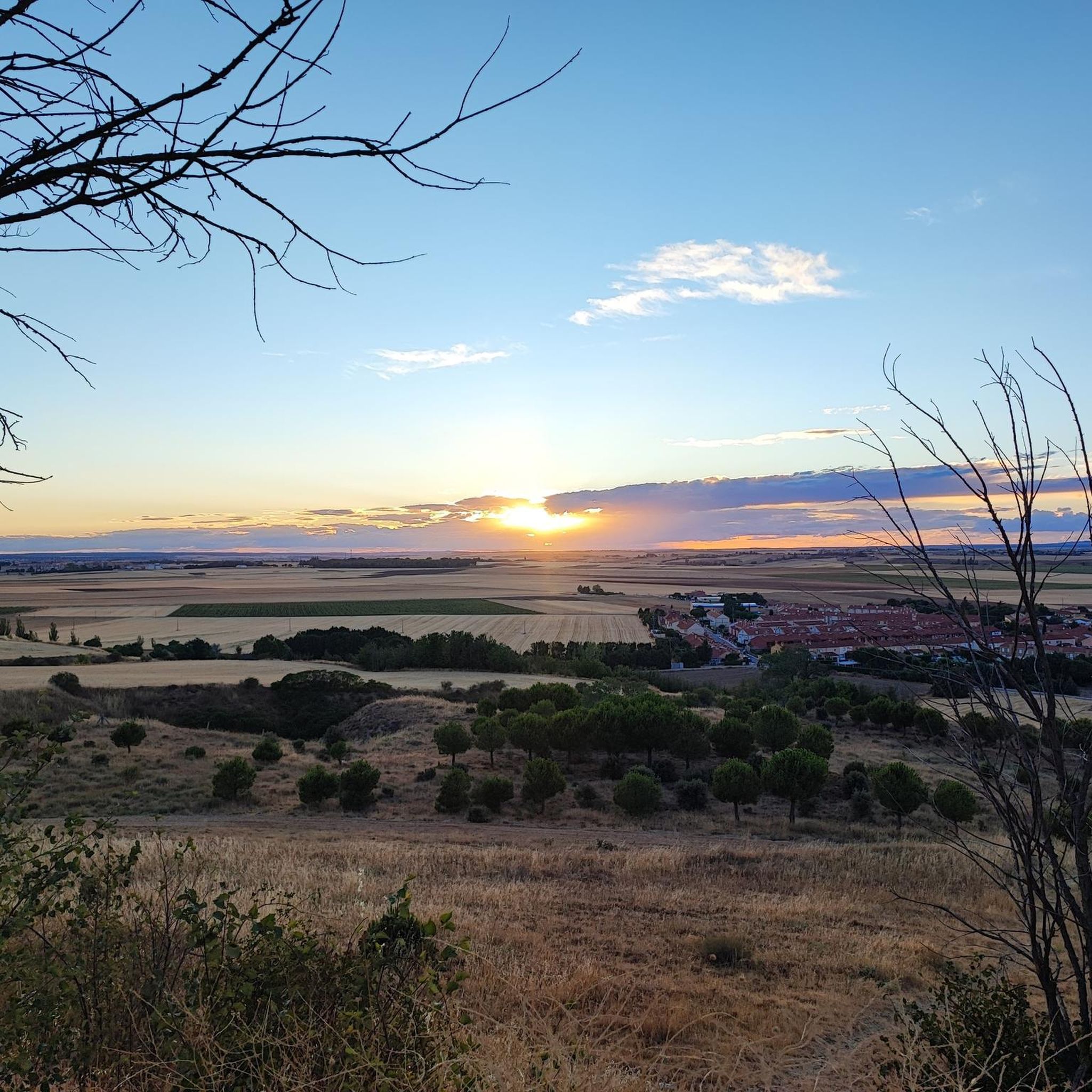
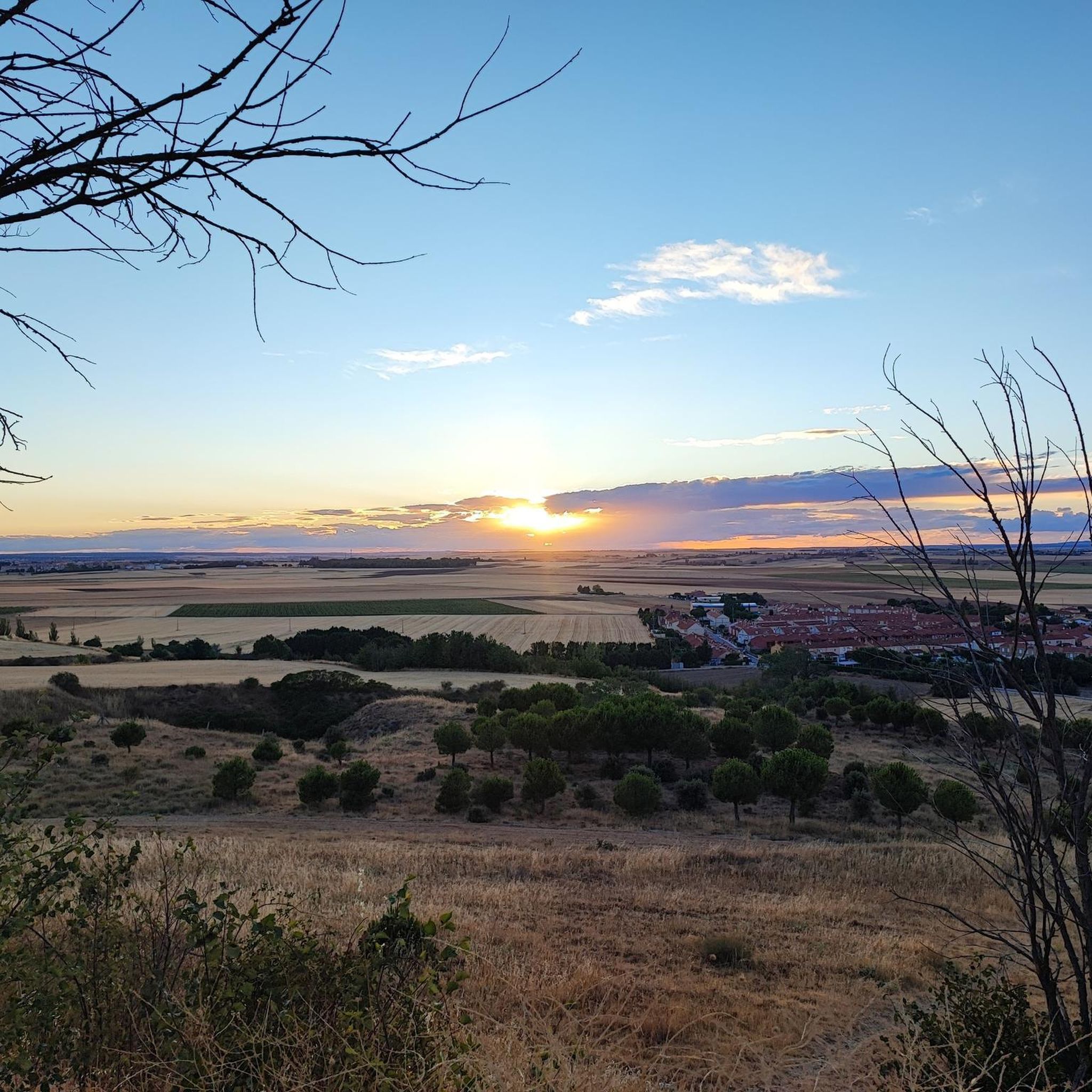
Attractions and places to see around Monterrubio De Armuña are primarily centered around its religious heritage and the natural landscape of the La Armuña comarca in the province of Salamanca. Situated on a small mountain range within a clay-rich plain, the area is characterized by cereal cultivation and offers views of the surrounding agricultural landscape. The municipality sits at an altitude of approximately 804 meters, providing a rural character and opportunities for outdoor activities. The region's landmarks and natural features…
Last updated: July 7, 2026
Plaza Mayor of Salamanca
Highlight • Monument
Translated by Google •
Tip by

House of Shells
Highlight • Historical Site
Its construction began in the late 15th century by order of …
Translated by Google •
Tip by
Sign up now to discover places like this
Get recommendations on the best single tracks, peaks, & plenty of other exciting outdoor places.
Sign up for free
Old Cathedral of Salamanca
Highlight • Religious Site
Translated by Google •
Tip by
Roman Bridge of Salamanca
Highlight • Bridge
Translated by Google •
Tip by
Jeronimus Tower/Cathedral
Highlight • Religious Site
Translated by Google •
Tip by
Sign up for free to discover even more attractions around Monterrubio De Armuña.
Sign up for free
Already have an account?
Start today with a free account
Your next adventure awaits.
Login or Signup

Tips from the Community

Enormous square that comes alive in the evening when it is illuminated.
7
0
One of the many historic buildings with 365 shells as a symbol of love for his wife.
5
1
The cathedral is a beautiful example of Spain's medieval history, offering a quiet, historical atmosphere in contrast to the larger, adjacent 16th-century New Cathedral.
9
1

The Old Cathedral of Salamanca is much more than a religious building: it is a living testament to the history, architecture, and cultural identity of the city. Here is a complete overview from a historical and artistic perspective. Construction began in the 12th century, following the restoration of the diocese by Alfonso VI and the repopulation of Salamanca. The first to promote it was Bishop Jerónimo de Périgord. It represents the transition between Romanesque and Gothic styles, evident in its pillars and vaults: the former designed for barrel vaults, and the latter featuring Gothic rib vaulting. The Old Cathedral of Salamanca is open to the public and forms part of the monumental complex along with the New Cathedral.
2
0
The history of Salamanca's Roman bridge is intertwined with that of the city itself, and it has been one of its defining features for centuries. Located in a position that facilitated human settlement and the development of economic activity, its proximity to the three hills and the Tormes River made it a strategic location. It is a solid bridge, resistant to the passage of time. For centuries it served as the main access point to the city, until a new bridge was completed over the Tormes River in 1913, allowing the passage of vehicles.
10
0

Incredible buildings in Salamanca
0
0

The Old Cathedral of Salamanca is dedicated to Saint Mary of the See. Construction began in 1140. Its predominant style is Romanesque, transitioning to Gothic. Originally, it was more of a crenellated fortress with towers serving as guard towers. Over the centuries, interior rooms such as the Dungeon Room and the Jailer's Room, which were useful during that period, became the bell-ringers' quarters. The Rooster Tower, so named for the shape of the weather vane at its top, is particularly noteworthy.
1
1
Frequently Asked Questions
What historical and religious sites can I visit near Monterrubio de Armuña?
The region is rich in historical and religious landmarks. You can explore the Iglesia de San Miguel within Monterrubio de Armuña itself, or visit the Ermita de Nuestra Señora del Viso, a revered hermitage offering expansive views of the La Armuña region. Further afield, in Salamanca, don't miss the Old Cathedral of Salamanca, built between the 12th and 13th centuries, and the impressive Salamanca Cathedral, a significant example of Spanish Gothic architecture.
Are there any notable man-made monuments or urban squares to see?
Absolutely. The Plaza Mayor of Salamanca is an 18th-century urban square renowned for its architectural beauty and is a popular place for a stroll. Another unique monument is the House of Shells, a stately mansion from the time of the Catholic Monarchs, famous for the more than 300 shells adorning its façade.
What natural features and viewpoints are there around Monterrubio de Armuña?
Monterrubio de Armuña is situated on a small mountain range within a clay-rich plain, offering views of the surrounding agricultural landscape. The Ermita de Nuestra Señora del Viso, perched atop a hill, provides expansive vistas of the La Armuña region. The area's altitude of approximately 804 meters also contributes to pleasant views of the rural character.
What outdoor activities can I do near these attractions?
The terrain around Monterrubio de Armuña is suitable for various outdoor activities. You can find numerous routes for hiking, road cycling, and mountain biking. For hiking, consider trails like the 'Los Molinos Trail' or a loop around 'Plaza Mayor of Salamanca – Salamanca Cathedral'. Cyclists might enjoy the 'Landscapes of La Armuña' road cycling loop or an 'easy' mountain bike loop from Monterrubio de Armuña. You can find more details on these activities in the dedicated guides for hiking, road cycling, and MTB trails.
Are there family-friendly attractions in the area?
Yes, several attractions are suitable for families. The Plaza Mayor of Salamanca is a great place for families to stroll and enjoy the atmosphere. Both the Salamanca Cathedral and the House of Shells are also listed as family-friendly, offering cultural experiences for all ages. Additionally, the Roman Bridge of Salamanca provides an interesting historical site that can be enjoyed by families.
What is the best time to visit Monterrubio de Armuña for outdoor activities?
The region experiences a continental Mediterranean climate. For outdoor activities like hiking and cycling, spring (April to June) and autumn (September to October) generally offer the most pleasant weather with milder temperatures. Summers can be hot, while winters are cooler, making these shoulder seasons ideal for exploring the natural landscape and historical sites comfortably.
Are there any accessible attractions for visitors with mobility needs?
The Plaza Mayor of Salamanca is noted as wheelchair accessible, making it a good option for visitors with mobility needs to enjoy the beautiful urban square.
What is the significance of the Roman Bridge of Salamanca?
The Roman Bridge of Salamanca is a historical landmark that was once part of the Vía de la Plata, linking Mérida with Astorga. While its origin dates back to the 1st century AD, only the fifteen arches closest to the city are original Roman constructions, with others having undergone reconstructions. It served as the main access point to the city for centuries and is a testament to the region's ancient history.
What do visitors enjoy most about the attractions near Monterrubio de Armuña?
Visitors frequently appreciate the architectural beauty and historical significance of sites like the Plaza Mayor of Salamanca, often described as one of Europe's most beautiful urban squares. The intricate details of the House of Shells and the grandeur of the Salamanca Cathedral are also highly praised. Many also enjoy the tranquil atmosphere and the opportunities for scenic walks and outdoor exploration in the surrounding La Armuña comarca.
Can I find hiking trails of varying difficulty near Monterrubio de Armuña?
Yes, the area offers hiking trails with different difficulty levels. For an easier experience, you can try the 'Los Molinos Trail' or the 'Saint Sylvester Parish loop from Villares de la Reina'. If you're looking for something more moderate, the 'Plaza Mayor of Salamanca – Salamanca Cathedral loop from Villares de la Reina' is an option. More hiking routes can be found in the Hiking around Monterrubio De Armuña guide.
Are there options for road cycling or mountain biking in the region?
Definitely. The area provides several routes for both road cycling and mountain biking. Road cyclists can explore moderate routes like 'Landscapes of La Armuña – Main Square of Fuentesaúco loop from Moriscos' or an easy 'Calzada de Valdunciel – Torresmenudas Church loop from Monterrubio de Armuña'. Mountain bikers have options ranging from easy to moderate, such as the 'Mountainbike loop from Monterrubio de Armuña'. Detailed routes are available in the Road Cycling Routes around Monterrubio De Armuña and MTB Trails around Monterrubio De Armuña guides.
Most popular routes around Monterrubio De Armuña

Get inspired with the komoot mobile app


Explore more
Still not found the Highlight you’re looking for? See guides of the top attractions in other regions:
