The best road cycling routes around Reserva Natural do Paul do Boquilobo
4.1
(16)
922
riders
104
rides
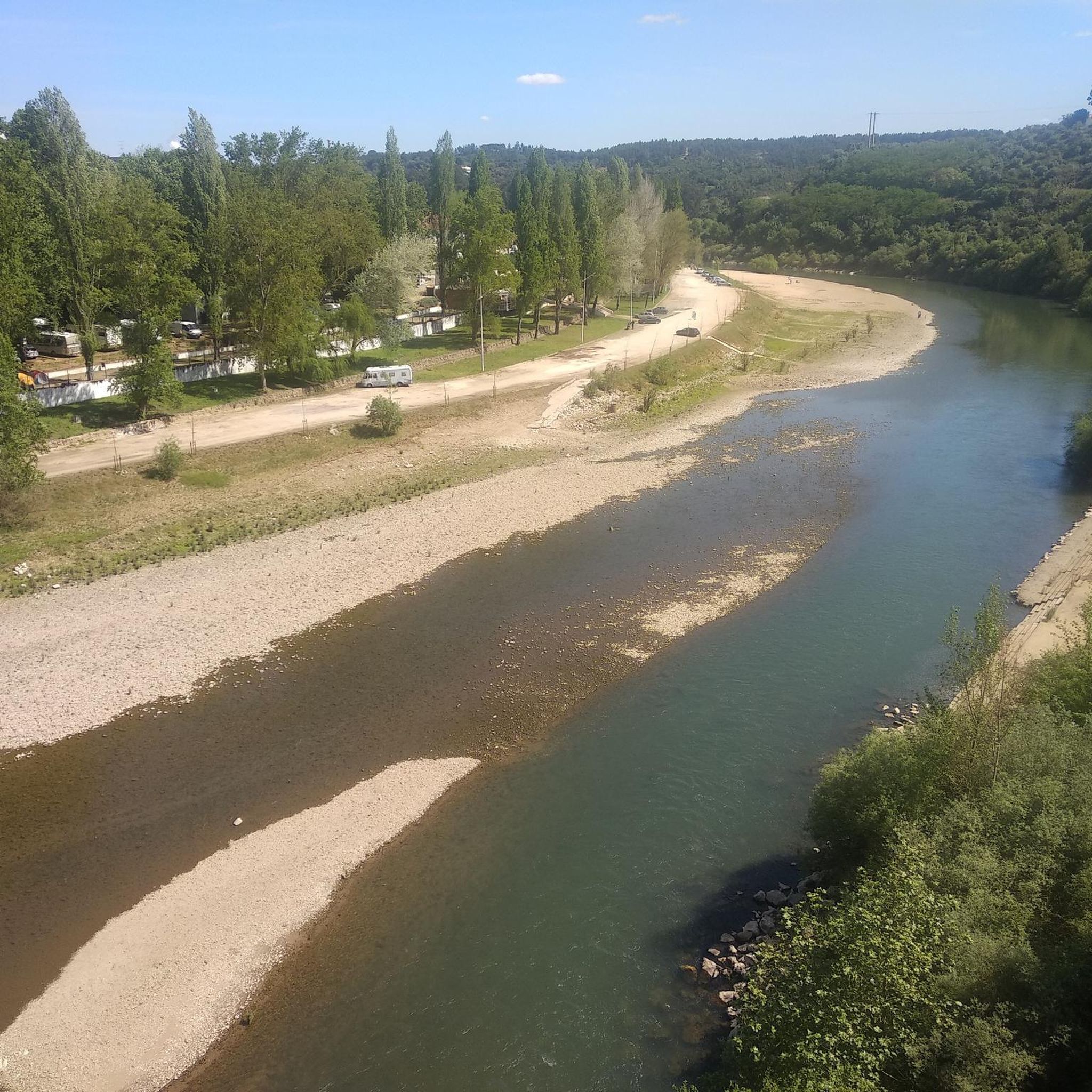
Road cycling around Reserva Natural do Paul do Boquilobo offers routes through a distinctive wetland ecosystem, an alluvial plain shaped by the Tejo and Almonda rivers. This region features an extensive network of canals, aquatic plants, and willow-lined banks, providing a tranquil environment for cyclists. The landscape also includes humid grasslands, oak woods, and gallery forests, contributing to its diverse visual appeal. The generally flat topography makes it suitable for various road cycling experiences.
Best road cycling routes around Reserva Natural do Paul do Boquilobo
- The most popular road cycling route is The house of Jose Saramago – Pombalinho, land of floods loop from Azinhaga, a 17.2 miles (27.6 km) trail that takes 1 hour 9 minutes to complete. This easy route offers views of the flat, riverine landscape.
- Another top favourite among local road cyclists is Pombalinho, land of floods – Valdoce loop from Mato Miranda, an easy 23.3 miles (37.5 km) path. This route traverses the alluvial plain, showcasing the region's wetland features.
- Local road cyclists also love the Pombalinho, land of floods loop from Mato Miranda, a 22.5 miles (36.3 km) trail leading through the flat, river-influenced terrain, often completed in about 1 hour 32 minutes.
- Road cycling around Reserva Natural do Paul do Boquilobo is defined by its wetland ecosystem, alluvial plains, and river networks. The network offers options for easy, moderate, and difficult ability levels.
- The routes in Reserva Natural do Paul do Boquilobo are highly rated by the komoot community with an average score of 4.1 stars from more than 10 reviews. More than 900 road cyclists have used komoot to explore Reserva Natural do Paul do Boquilobo's varied terrain.
Last updated: July 8, 2026
6
riders
Easy road ride. Great for any fitness level. Mostly well-paved surfaces and easy to ride.
5
riders
37.5km
01:32
230m
230m
Easy road ride. Great for any fitness level. Mostly well-paved surfaces and easy to ride.

Sign up for free
5.0
(1)
3
riders
29.1km
01:19
40m
40m
Easy road ride. Great for any fitness level. Mostly well-paved surfaces and easy to ride.
2
riders
36.3km
01:32
230m
230m
Easy road ride. Great for any fitness level. Mostly well-paved surfaces and easy to ride.
12
riders
54.9km
02:24
450m
450m
Moderate road ride. Good fitness required. Mostly well-paved surfaces and easy to ride.
Get access to more routes and recommendations from other explorers.
Sign up for free
Already have an account?
Our route recommendations are based on thousands of hikes, rides, and runs completed by other people on komoot.
Start today with a free account
Your next adventure awaits.
Login or Signup
Popular around Reserva Natural do Paul do Boquilobo

Tips from the Community

A wonderful, unusual monument to a difficult job and the people who did it.
4
1

The house where José Saramago was born is located in the village of Azinhaga, in the municipality of Golegã, district of Santarém, Portugal. The Azinhaga House Location: The house is located on Rua da Igreja, in Azinhaga, a typical village in Ribatejo, known for its landscape of fertile fields and its proximity to the Tagus River. Foundation: Currently, the childhood home houses the José Saramago Foundation Delegation in Azinhaga, a space of memory that recreates the environment of the writer's childhood and houses a library and an auditorium. Visits: The place is open to visitors who wish to learn about the roots of the only Nobel Prize winner in Literature in the Portuguese language. The Lanzarote House Although he was born in Azinhaga, the writer's most emblematic residence is "The House" in Tías, on the island of Lanzarote, Spain. It was there that he lived for much of his adult life, and where his vast personal library is located; today it functions as the José Saramago House-Museum and is open to the public.
2
0
Pombalinho is a town in the district of Santarém, Portugal, known for being frequently affected by floods. This reputation is due to its strategic location on the right bank of the Tagus River and near the Alviela stream, in a floodplain area. Why do floods occur? Proximity to the Tagus River: The main cause of the floods is the town's location near the Tagus Riverbed. During rainy winters, the river overflows and floods the surrounding areas, which are alluvial plains. Increased flow rates: Heavy rainfall in Portugal, along with discharges from upstream Spanish dams, cause a significant increase in water levels and flow rates of the Tagus, resulting in floods in the Lower Tagus. Affected communication routes: Floods frequently submerge local and national roads, such as the EN 365 at Ponte do Alviela, temporarily isolating Reguengo do Alviela and other neighboring towns. Impact and Local Resilience Historical Events: Pombalinho has a history of major floods, with notable events recorded in 1964 and 1979. Adaptation of Residents: Local residents accept, to some extent, these periodic floods as part of life in the region, although abnormally high floods cause damage and concern. Alert and Prevention: Civil protection authorities issue warnings to the population during critical periods, asking them to take the necessary actions to protect themselves, their families, and property.
2
0
The Roman Bridge of Reguengo (or Reguengo Bridge) is an ancient bridge, probably of medieval origin with a Roman base, located between the towns of Vale de Figueira and Pombalinho, in the district of Santarém, Portugal. It crosses the Ribeira do Alviela, a tributary of the Tagus River. About the Bridge Location: The bridge is situated in a rural area and access to it is via a road that passes in front of the site. State of conservation: The bridge is described as an old and abandoned structure, and some visitors have noted a lack of signage or historical indications at the site. Access: The site is frequented by fishermen, and visitors should be discreet and careful, as the area is not ideal for carelessness, especially with children. Current use: The bridge is not used for regular road traffic, as a new bridge was built further downstream (downstream means towards the mouth of the river, further down) for the current road. Location Approximate address: Between Vale de Figueira and Pombalinho, Santarém, Portugal. GPS: 39°27'36.2" N 8°51'25.9" W (approximate coordinates for the area).
1
0
Val'Doce is a pastry shop of the same name located in the district of Santarém. Specifically, it is located in the town of Vale de Figueira. Information about Val'Doce Address: R. Dr. Vitor Semedo 8 B, 2000-741 Vale de Figueira, Portugal, in the district of Santarém. Specialties: Known for its varied pastries, hamburgers, and daily specials, such as soup. Opening Hours: Monday, Wednesday, Thursday: 7:00–22:30. Friday, Saturday: 7:00–00:00. Sunday: 8:00–22:30. Tuesday: Closed. Amenities: It has an outdoor seating area, is wheelchair accessible, and accepts credit cards.
1
0

Machine used for road maintenance in the 1970s. Employees nicknamed it the Black Widow.
18
0
The Golegã National Horse Fair, also known as the São Martinho Fair, is an event with historical roots dating back to 1571, when it was established as an annual fair. Over the centuries, the fair has evolved and established itself as an important center for the exhibition and sale of the Lusitano horse, attracting breeders, riders and enthusiasts from all over the country and abroad.
12
0
Frequently Asked Questions
What is the general terrain like for road cycling in Reserva Natural do Paul do Boquilobo?
The Reserva Natural do Paul do Boquilobo is characterized by its flat, alluvial plain topography, shaped by the Tejo and Almonda rivers. This makes for generally easy and scenic road cycling, with routes traversing wetland ecosystems, canals, and willow-lined banks. While the central areas are sensitive, the surrounding region offers tranquil and engaging rides.
How many road cycling routes are available in the Reserva Natural do Paul do Boquilobo region?
There are over 110 road cycling routes available in the Reserva Natural do Paul do Boquilobo region. These routes cater to various skill levels, with options ranging from easy to difficult.
Are there easy road cycling routes suitable for beginners or casual riders?
Yes, the region offers many easy road cycling routes. For example, the Golegã – Carlos Relvas House-Studio loop from Azinhaga is an easy 29.1 km ride. The flat terrain of the alluvial plain makes many routes accessible for those seeking a relaxed experience.
What kind of wildlife can I expect to see while cycling in the area?
The Reserva Natural do Paul do Boquilobo is a UNESCO Biosphere Reserve and a Ramsar wetland, renowned for its rich avifauna. Cyclists often spot various bird species, including Great Egrets and Eurasian Spoonbills, especially from late winter through summer. You might also encounter herds of free-ranging horses in the tranquil environment.
Are there any longer or more challenging road cycling routes for experienced riders?
Yes, while much of the terrain is flat, there are moderate routes for those seeking a longer ride. The Carlos Relvas House-Studio – Golegã loop from Golegã is a moderate 54.9 km route that offers a more extended cycling experience through the region.
What are some notable natural features or landmarks along the road cycling routes?
The routes often feature the distinctive wetland ecosystem, with extensive networks of canals, abundant aquatic plants, and willow-lined banks. You'll also pass through humid grasslands, oak woods, and gallery forests. The tranquility and silence of the reserve itself are frequently highlighted as impressive features.
Is the Reserva Natural do Paul do Boquilobo suitable for family-friendly road cycling?
Given the predominantly flat topography and tranquil environment, many of the easy routes are suitable for families. The scenic waterways and lush vegetation provide a pleasant backdrop for a relaxed family outing on bikes.
What is the best time of year to go road cycling in Reserva Natural do Paul do Boquilobo?
The region is enjoyable for cycling throughout much of the year. However, spring (February/March onwards) is particularly good for birdwatching, as many species, including Great Egrets, are present. Avoiding the peak heat of summer and the wettest winter months generally offers the most comfortable conditions.
Are there circular road cycling routes available?
Yes, many routes in the area are designed as loops, allowing you to start and end at the same point. Examples include the The house of Jose Saramago – Pombalinho, land of floods loop from Azinhaga and the Pombalinho, land of floods loop from Mato Miranda.
What do other road cyclists say about their experience in Reserva Natural do Paul do Boquilobo?
The routes in Reserva Natural do Paul do Boquilobo are highly rated by the komoot community, with an average score of 4.1 stars from more than 18 reviews. Cyclists often praise the peaceful natural environment, the flat and accessible terrain, and the unique wetland scenery.
Can I find information about the Reserva Natural do Paul do Boquilobo from other sources?
For additional information about the Reserva Natural do Paul do Boquilobo and its significance, you can visit the official tourism portal for Portugal: Visit Portugal.
Are there specific areas within the reserve that have restricted access for cyclists?
Yes, the central, more sensitive areas of the Reserva Natural do Paul do Boquilobo have restricted access to protect the delicate ecosystem and its wildlife. However, the surrounding region offers ample opportunities for road cycling on designated routes.
Most popular routes around Reserva Natural do Paul do Boquilobo

Get inspired with the komoot mobile app


Explore more
Browse the best Road cycling routes in other regions.
