The 20 Most Amazing Peaks around Arbúcies
Mountain peaks around Arbúcies provide access to the Montseny and Guilleries natural parks. This region, a UNESCO Biosphere Reserve, features diverse ecosystems and cultural heritage. Visitors can explore panoramic views and historical sites across its varied landscapes. Arbúcies serves as a gateway to these significant natural areas.
Best mountain peaks around Arbúcies
- The most popular mountain peaks is Matagalls (1697 m), a summit that is an iconic hiking mountain in Catalonia. Its summit offers 360-degree views, encompassing the Mediterranean…
Last updated: June 22, 2026
Matagalls (1697 m)
Highlight • Summit
Its summit can be reached by several routes, all with their own charm. The easy access of del …
Translated by Google •
Tip by

Turó de l'Home (Man's Hill)
Highlight • Summit
its spectacular views will fill your senses with an indescribable magic.
Translated by Google •
Tip by

Sign up now to discover places like this
Get recommendations on the best single tracks, peaks, & plenty of other exciting outdoor places.
Sign up for free
Les Agudes
Highlight • Summit
Translated by Google •
Tip by

Montsoriu Castle
Highlight • Castle
Tip by

Sanctuary of Our Lady of Argimon
Highlight • Religious Site
We made the route through the shade before Sant Pere Cercada
Translated by Google •
Tip by

Sign up for free to discover even more peaks around Arbúcies.
Sign up for free
Already have an account?
Start today with a free account
Your next adventure awaits.
Login or Signup
Tips from the Community

Considered one of the most powerful in medieval Catalonia, but there is a little-known detail: on the hill there was a system of cisterns and underground channels that collected rainwater and brought it to the inner courtyard, which was essential because there is no fountain at the top. Remains of ceramic kilns used during the expansion works in the 14th century have also been found, indicating that some of the material was manufactured directly on the mountain to avoid endless climbs with pack animals. All of this fits with its function as a control center for Montseny, visible from many points, with the Repiaix stream rising on its slopes and the geodesic vertex crowning it. A truly strategic peak.
3
0
Besides its fame for pilgrimages, it has a lesser-known detail: for centuries it served as a refuge for travelers crossing the area when the royal road became impassable due to rain, and the clearing there acted as a signal point with bonfires to guide those coming from Sant Hilari. The final approach is sustained but clear, and the arrival combines silence, fresh air, and a panoramic view that explains why Argimon has always been a beacon in the heart of the mountains.
0
0

You will find all the necessary information at the Arbúcies museum
2
0

Hape Kerkeling, a well-known entertainer in the German-speaking world, wrote down some thoughts about a mystical experience (encounter with God) while traveling through Spain, which I would also like to offer to the viewer of this small sacred monument on the Matagalls: "To encounter God, one must first extend an invitation to him, for he will not come uninvited. It is also a form of good manners. We have free choice. He builds an individual relationship with each person. Only someone who truly loves is capable of this." (Hape Kerkeling in "Ich bin dann mal weg")
0
0

great easy route and great panoramic views great guided view with nice explanation
0
0


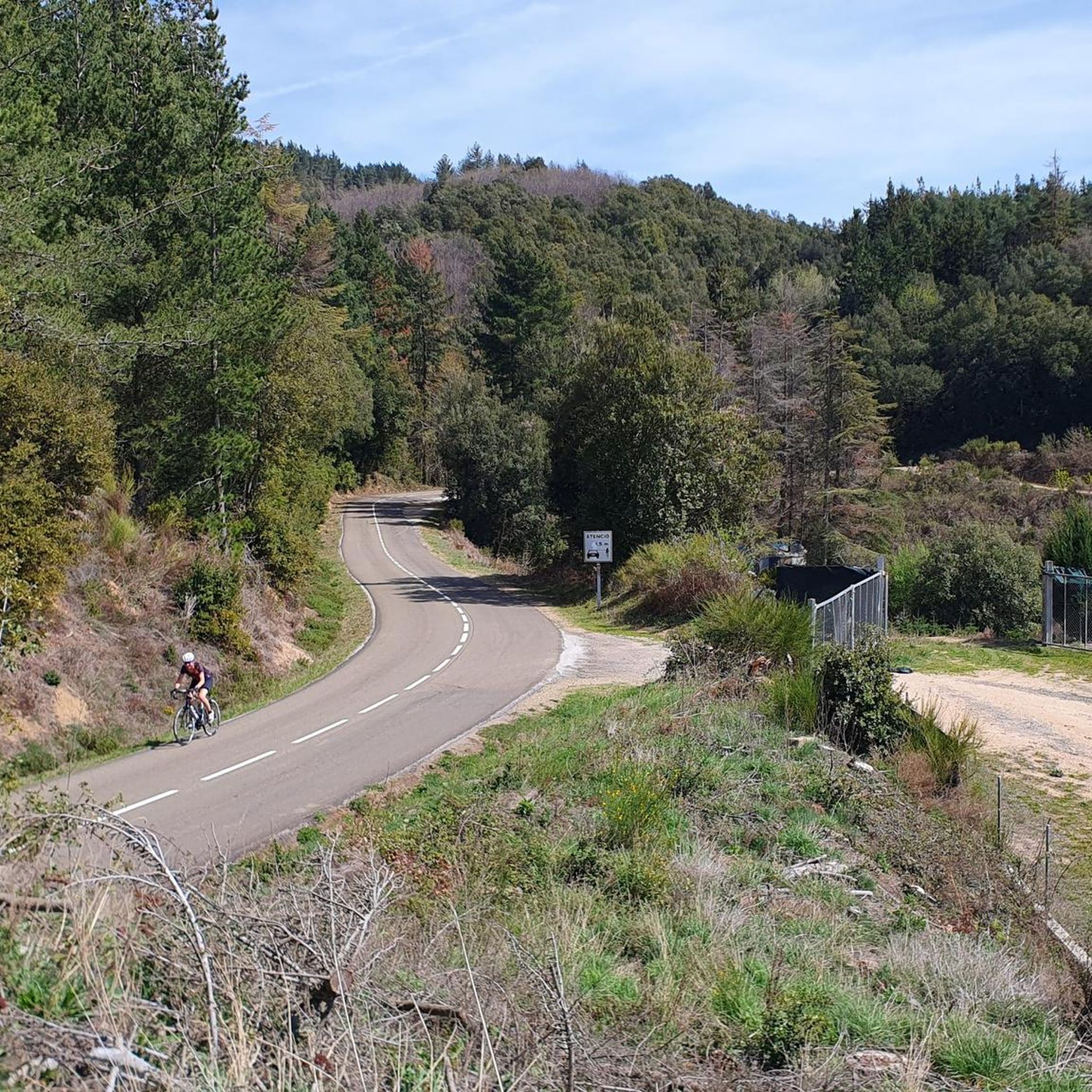
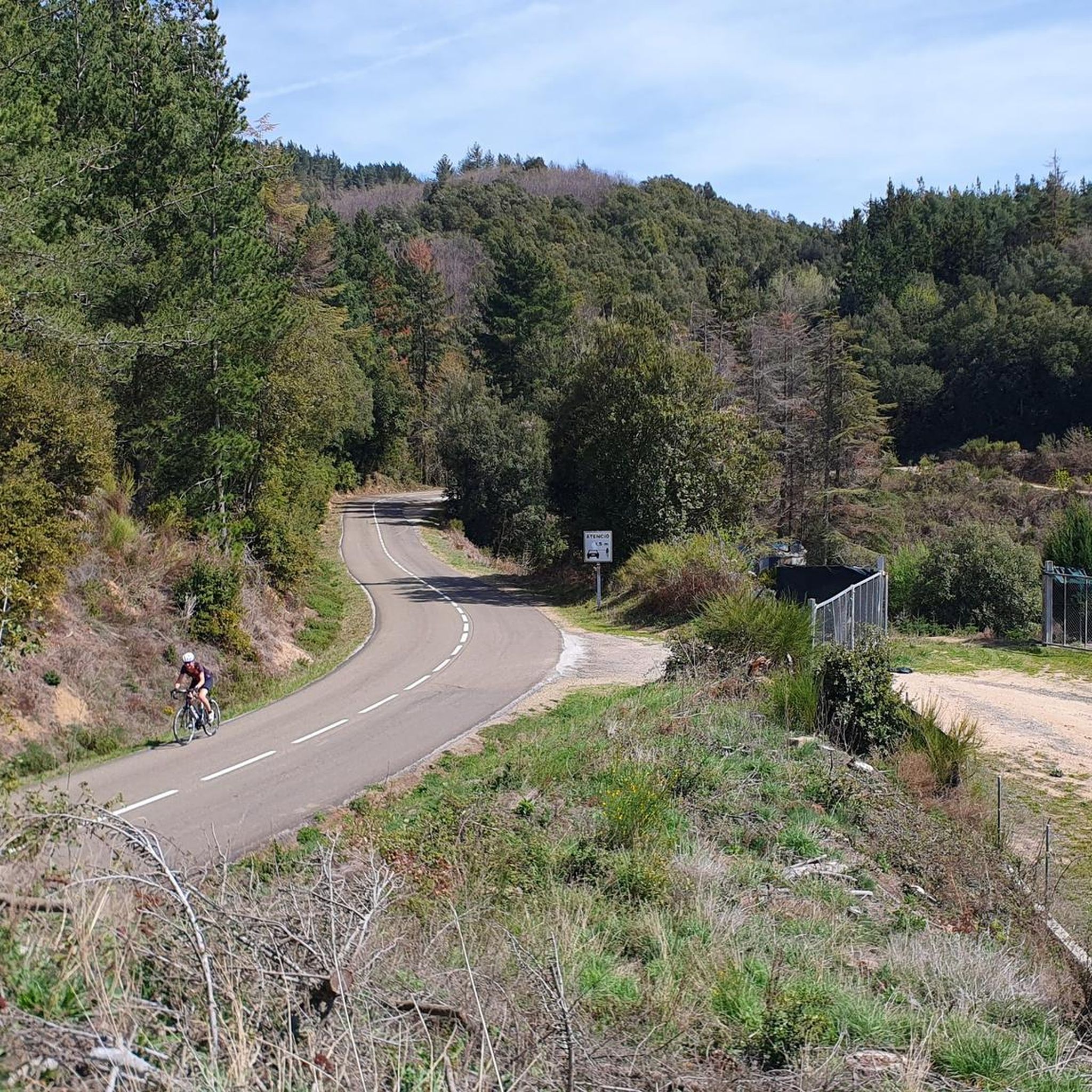
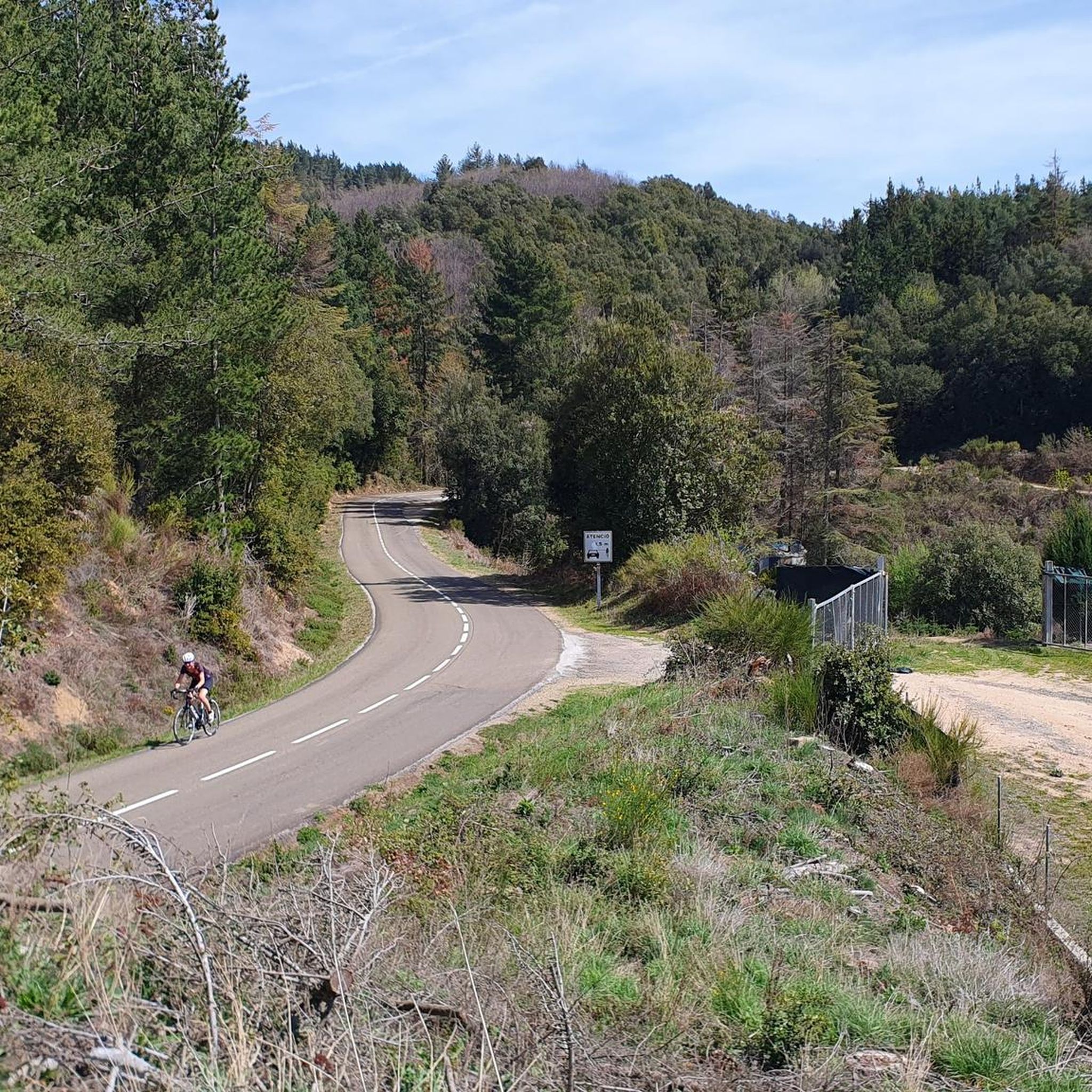
Amazing views almost reaching the sea. The bike ride up is brutally steep towards the end!
1
0

I had climbed it more than 20 years ago and had a very distorted memory of it. What I was clear about was that the climb would be hard. Very good views, especially from the terrace which you climb up the metal stairs to the left of the entrance
1
0
Frequently Asked Questions
What are some of the most popular mountain peaks to explore around Arbúcies?
The region around Arbúcies offers access to several remarkable peaks. Among the most popular are Matagalls (1697 m), known for its iconic 360-degree views stretching from the Mediterranean to the Pyrenees, and Turó de l'Home (Man's Hill), the highest peak in the Montseny massif, offering spectacular panoramic vistas. Another significant peak is Les Agudes, which provides expansive views and often involves hikes through impressive beech forests.
What kind of views can I expect from the mountain peaks near Arbúcies?
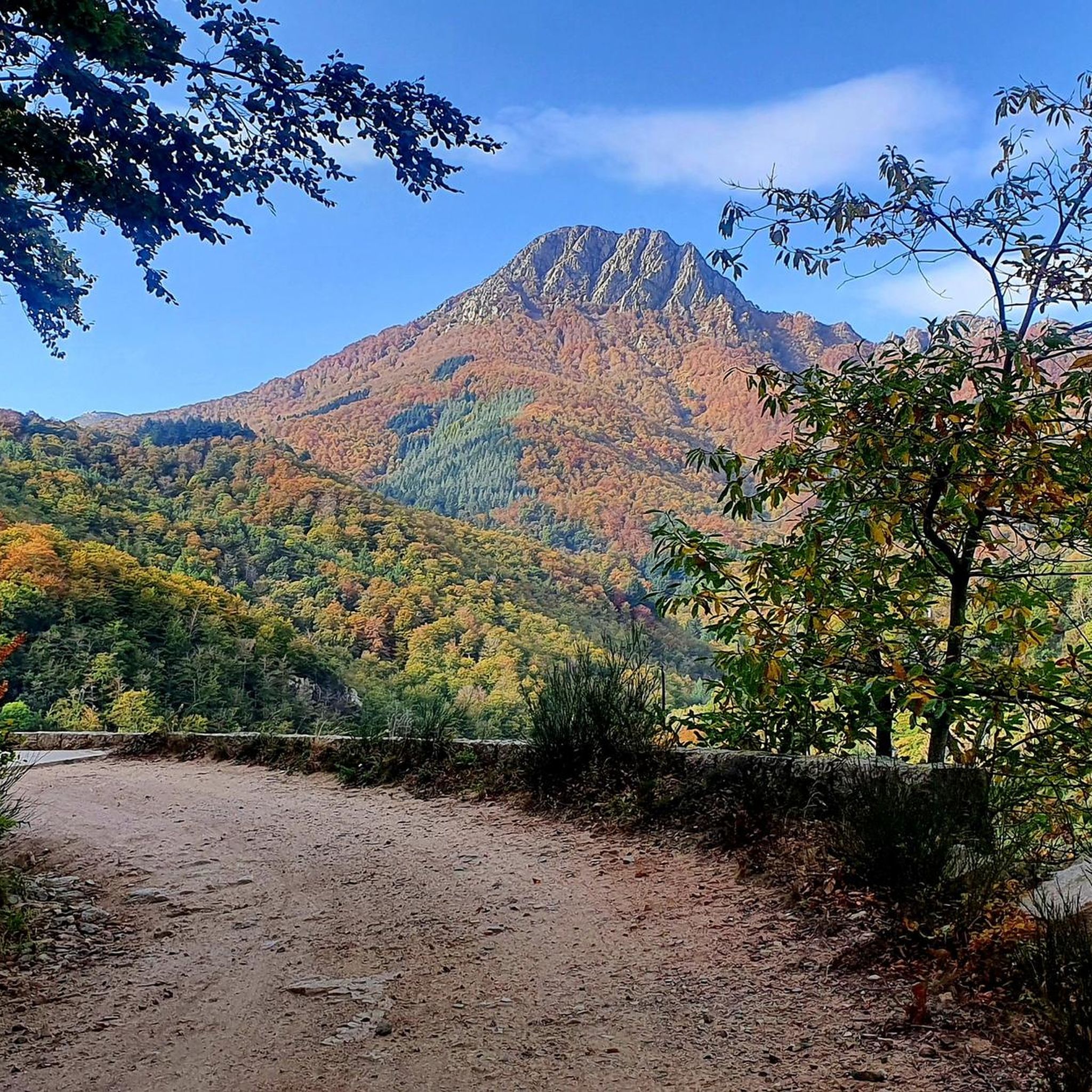
From the peaks around Arbúcies, especially those in the Montseny Massif like Matagalls and Turó de l'Home, you can expect truly spectacular panoramic views. On clear days, these can encompass the Mediterranean Sea, the Pyrenees, and even distant landmarks like Barcelona and Mallorca. The Guilleries Massif, while generally lower, also offers rewarding views, sometimes including parts of the Costa Brava and Montserrat from its highest point, Sant Miquel de Solterra.
Are there any historical or cultural sites on or near the mountain peaks?
Yes, the region is rich in history. For instance, the hike to Sant Miquel de Solterra, the highest point of the Guilleries Massif, rewards visitors with not only panoramic views but also the historical ruins of Solterra castle and the Saint Michael chapel. Additionally, Montsoriu Castle, though not a peak itself, is a significant historical site often accessed via hiking routes from surrounding municipalities like Arbúcies, offering stunning views of the countryside.
What is the best time of year to hike the mountain peaks around Arbúcies?
The best time to hike depends on your preference. Spring and autumn generally offer pleasant temperatures and vibrant natural scenery. In winter, higher peaks like Turó de l'Home can experience snow and ice, requiring specialized equipment. Summer can be warm, but higher elevations provide cooler air. Always check weather conditions before heading out.
What are the difficulty levels for hiking trails to these peaks?
The difficulty levels vary. Peaks like Matagalls, Turó de l'Home, and Les Agudes are generally considered intermediate to challenging, with some routes involving steep and stony sections. The Montseny Natural Park offers a range of trails, from moderate ascents to more demanding routes. The Guilleries Massif also has varied trails, often passing through dense forests.
Are there family-friendly hiking options among the mountain peaks near Arbúcies?
While many peaks offer challenging ascents, the region also has options suitable for families. For example, Montsoriu Castle is considered family-friendly, with a 2.8 km walk from the public car park to the entrance. When planning, look for trails described as 'intermediate' or those with shorter distances and less elevation gain, often found in the lower sections of the natural parks.
What kind of natural environments will I encounter when hiking these peaks?
You'll experience diverse ecosystems. The Montseny Massif, a UNESCO Biosphere Reserve, features impressive beech forests, especially on ascents to peaks like Les Agudes, and transitions to open, higher-elevation landscapes. The Guilleries Massif is characterized by dense forests, including fir, holm oak, chestnut, oak, and beech trees, along with numerous springs like Font dels Abeuradors.
Can I find any cycling routes near the mountain peaks around Arbúcies?
Yes, the area is popular for cycling. You can find various routes for gravel biking and road cycling. For instance, the guide for Gravel biking around Arbúcies includes routes like the 'Coll de Te Restaurant & Bar – Puig Porquer loop from Arbúcies'. For road cycling, the Cycling around Arbúcies guide offers options such as the 'View of Turó de Grenys – Beech Forest of the Santa Fe Stream loop from Arbúcies'.
What are some specific hiking trails to reach the major peaks?
To reach Matagalls, a popular ascent route starts from Collformic. For a comprehensive experience of the Montseny massif, you can find routes that combine ascents to Les Agudes and Turó de l'Home, such as the 'Les Agudes – Turó de l'Home (Man's Hill) loop from Sant Marçal de Montseny' found in the Hiking around Arbúcies guide.
What do visitors appreciate most about the mountain peaks around Arbúcies?
Visitors highly appreciate the spectacular panoramic views, the sense of peace and achievement at the summits, and the diverse natural environments. The rich vegetation, including impressive beech forests, and the presence of historical sites like Montsoriu Castle, also add to the appeal. The area is cherished for generations, offering a profound connection with nature and history.
Are there any specific regulations or permits needed for hiking in Montseny or Guilleries Natural Parks?
The Montseny Massif is a UNESCO Biosphere Reserve, indicating its protected status. While general hiking is usually permitted, it's always advisable to check with local park authorities for any specific regulations regarding permits, camping, or restricted areas, especially for larger groups or certain activities. Respecting marked trails and leaving no trace is always expected.
How accessible are the starting points for mountain trails from Arbúcies?
Arbúcies serves as a gateway to both the Montseny and Guilleries natural parks, making many trailheads relatively accessible. For some popular peaks like Turó de l'Home, a paved road leads almost to the peak, with the final section open for walking and cycling. For other trails, parking is often available at common starting points like Collformic for Matagalls. Public transport options might be limited to certain access points, so planning ahead is recommended.
Most popular routes around Arbúcies
Most popular attractions around Arbúcies

Get inspired with the komoot mobile app


Explore more
See even more amazing summits around Arbúcies with these guides:
