The best walks and hikes around Villaralbo
4.8
(15)
183
hikers
35
hikes
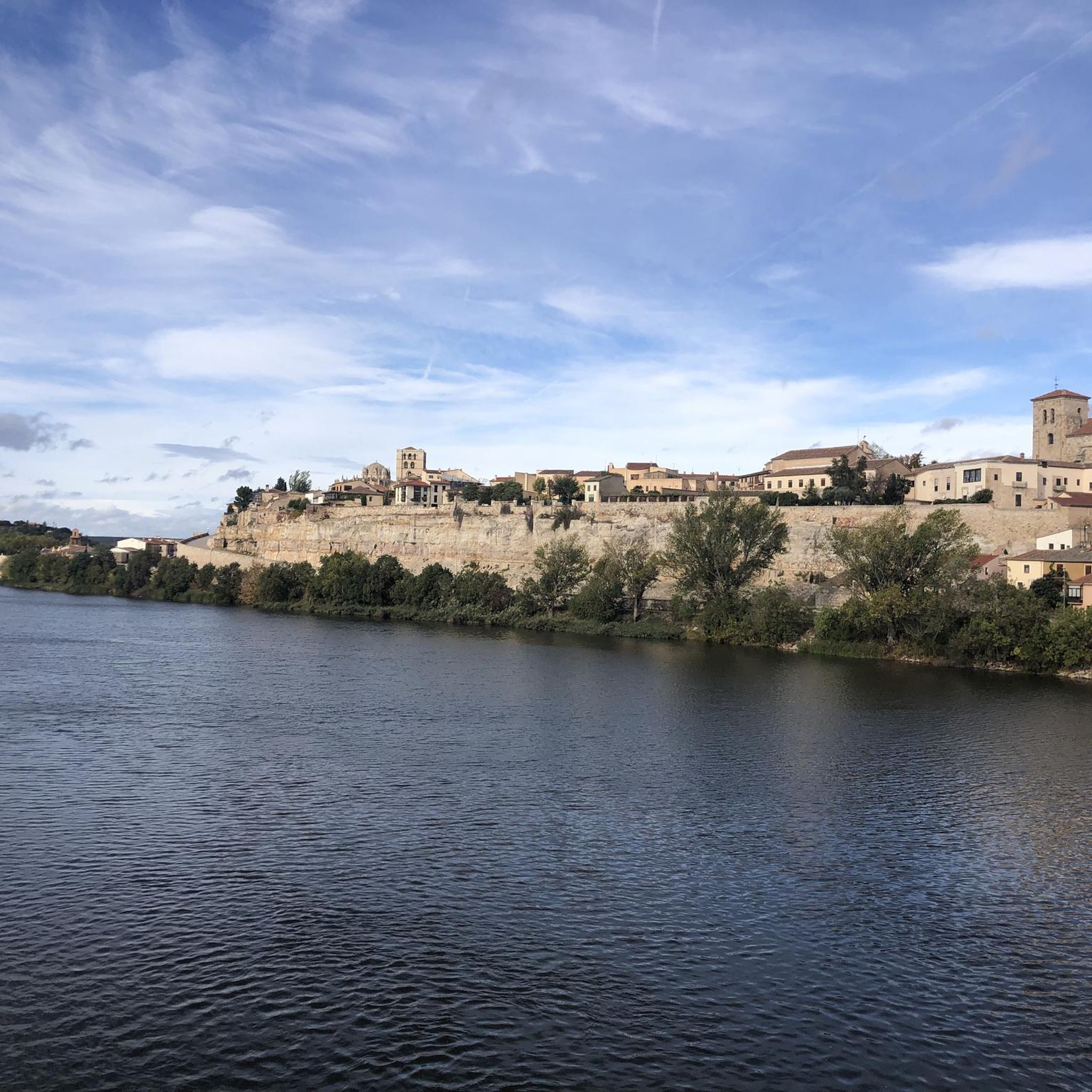
Hiking around Villaralbo offers routes primarily along the Duero Riverbank and through the surrounding countryside. The terrain generally features gentle elevations and riverine landscapes, with some trails exploring the historic areas of nearby Zamora. The region provides a mix of natural paths and urban exploration opportunities.
Best hiking trails around Villaralbo
- The most popular hiking route is Zamora city tour — circular from the sports city by the Castle and the Walls of Zamora, an easy 2.9 miles (4.6 km) trail that takes 1 hour 15 minutes to complete, exploring historical city landmarks.
- Another top favourite among local hikers is Route through the Duero Riverbank and San Lorenzo Heights — return via Villaralbo, an easy 4.4 miles (7.1 km) path. This route follows the Duero River and ascends to the San Lorenzo Heights, offering views of the surrounding area.
- Local hikers also love the Ribera del Duero - Altos de San Lorenzo Trail, a 9.6 miles (15.5 km) trail leading through the Duero Riverbank and gentle hills, often completed in about 3 hours 57 minutes.
- Hiking around Villaralbo is defined by riverbank paths, city routes, and gentle hills, with options for both easy walks and moderate excursions. The network offers options for different ability levels.
- The routes in Villaralbo are highly rated by the komoot community with an average score of 4.6 stars from over 10 reviews. More than 140 hikers have used komoot to explore Villaralbo's varied terrain.
Last updated: July 7, 2026
5.0
(1)
7
hikers
Easy hike. Great for any fitness level. Easily-accessible paths. Suitable for all skill levels.
3.5
(2)
5
hikers
Easy hike. Great for any fitness level. Easily-accessible paths. Suitable for all skill levels.

Sign up for free
2
hikers
15.5km
03:57
50m
50m
Hike the moderate 9.6-mile (15.5 km) circular La Ribera del Duero trail from Villaralbo, following the scenic curves of the Duero River.
11
hikers
Easy hike. Great for any fitness level. Easily-accessible paths. Suitable for all skill levels.
4.0
(1)
12
hikers
6.34km
01:39
40m
40m
Easy hike. Great for any fitness level. Easily-accessible paths. Suitable for all skill levels.
Get access to more routes and recommendations from other explorers.
Sign up for free
Already have an account?
Our route recommendations are based on thousands of hikes, rides, and runs completed by other people on komoot.
Start today with a free account
Your next adventure awaits.
Login or Signup
Other adventures around Villaralbo

Tips from the Community

It spans the Duero River in Zamora (Castilla y León), connecting Avenida de Portugal (Pinilla neighborhood) with Calle de Salamanca in the city. The project began in 1882, with construction starting in 1892, under the direction of engineer Prudencio Guadalajara, to alleviate the overloading of the old Stone Bridge. Inaugurated in 1900, it represented a significant improvement in handling the growing traffic in the city. It was designed in steel, using a metal lattice structure of the St. Andrew's Cross type, typical of the late 19th century.
3
0

A beautiful square. It gets really busy from 8 p.m. onwards, when the Spanish nightlife begins.
3
0
Zamora Castle is a historic fortification located in the city of Zamora, in Castile and León. Built in the 11th century, the castle has witnessed numerous historical events and has undergone several modifications over the centuries. It has a rhomboidal plan and is surrounded by a deep moat. Its thick walls and the keep, which is the highest and served as the last defensive redoubt, stand out. The castle is a fascinating place to explore history and enjoy panoramic views of the city.
1
0

Hospitaleros/ as are well informed about which hostels are open along the way
2
0
you can find almost everything here. Please note the opening times (siesta)
2
0
This hostel is exclusively for pilgrims on the Camino de Santiago and offers a comfortable stay with several facilities, including a kitchen, showers, heating and Wi-Fi. The hostel can accommodate 32 people and operates on a donation basis. It is open all year round and does not accept reservations, so it is necessary to arrive early to secure a place.
8
0
The oldest evidence indicates that the church was built in the mid-12th century, although work continued in the 13th century and lasted even until the 14th century. The church stands out for its south doorway, which is the main one and is in perfect condition, flanked by two slender attached columns and three semicircular archivolts with elegant decoration. If you want to visit it or learn more about its history and architecture, I recommend consulting specialized sources or visiting its page on Románico Zamora for detailed information. I hope you enjoy your visit to this important historical monument! 🏰✨
8
0
The Cathedral of San Salvador in Zamora, also known as the Cathedral of the Savior, is a Romanesque jewel and an important historical monument in Spain. The cathedral is an outstanding example of Douro Romanesque, with Byzantine influences, especially in its famous dome. It was built between 1140 and 1174 and is the smallest and oldest of the eleven cathedrals in the autonomous community of Castilla y León. To visit the Cathedral of San Salvador in Zamora and learn more about its history, architecture and the works of art it houses, you can consult its official website or plan a visit to experience its beauty in person. I hope you enjoy discovering this Spanish Romanesque treasure! 🏰✨
9
0
Frequently Asked Questions
What types of hiking trails are available around Villaralbo?
The trails around Villaralbo primarily follow the Duero Riverbank and explore the surrounding countryside. You'll find a mix of natural paths and routes that delve into the historic areas of nearby Zamora, offering both riverine landscapes and urban exploration opportunities.
Are there hiking routes suitable for beginners or families with children?
Yes, Villaralbo offers many easy routes perfect for beginners and families. Out of 36 available trails, 19 are classified as easy. An example is the Zamora city tour — circular from the sports city by the Castle and the Walls of Zamora, an easy 4.6 km route that takes about 1 hour 15 minutes.
Can I find circular hiking routes in the Villaralbo area?
Yes, several circular routes are available. For instance, the Hermitage of Peña de Francia – Puente de Hierro de Zamora loop from Zamora offers a 5.6 km circular hike. Many trails are designed as loops, allowing you to start and end at the same point.
What are the typical lengths and durations of hikes near Villaralbo?
Hiking trails around Villaralbo vary in length and duration. Easy routes like the Route through the Duero Riverbank and San Lorenzo Heights — return via Villaralbo are about 7.1 km and take under 2 hours. Longer, moderate trails such as the Ribera del Duero - Altos de San Lorenzo Trail can be up to 15.5 km, requiring around 4 hours to complete.
Are there any notable landmarks or attractions to see while hiking?
Many trails offer views of historical sites, especially those near Zamora. You can explore landmarks like the Castle of Zamora, the Zamora Stone Bridge, and the Zamora Cathedral (Catedral de San Salvador). The Zamora Town Hall – Plaza Mayor, Zamora loop is a great option for urban exploration.
What do other hikers say about the trails in Villaralbo?
The trails in Villaralbo are highly regarded by the komoot community, with an average rating of 4.6 stars from over 10 reviews. Hikers often praise the scenic riverbank paths, the blend of natural and historical sights, and the variety of options for different ability levels.
What is the best season for hiking around Villaralbo?
The region experiences a Mediterranean climate with hot, dry summers and mild winters. Spring and autumn generally offer the most pleasant hiking conditions with comfortable temperatures and vibrant landscapes. Summer mornings or evenings can also be suitable, but midday heat should be considered.
Are the hiking trails around Villaralbo dog-friendly?
Many trails in the Villaralbo area, especially those along the Duero Riverbank and through the countryside, are suitable for walking with dogs. It's always advisable to keep your dog on a leash, especially near livestock or in populated areas, and to carry water for both yourself and your pet.
Are there options for public transportation to reach hiking trailheads?
While Villaralbo itself is a smaller town, the nearby city of Zamora is well-connected by public transport. Many trails either start directly in Zamora or are easily accessible from there, allowing you to use local bus services to get closer to various starting points.
Where can I find parking near the hiking routes?
For routes starting within Villaralbo or nearby villages, street parking is generally available. If you're beginning a hike from Zamora, there are various public parking areas, including those near the city center or sports facilities, which often serve as convenient starting points for urban and riverbank trails.
What kind of flora and fauna can I expect to see on the trails?
Along the Duero River, you can observe riparian vegetation, including poplars and willows, and various bird species. In the surrounding countryside, you might encounter Mediterranean scrubland and agricultural fields. Keep an eye out for local wildlife, especially birds, along the riverbanks.
Most popular attractions around Villaralbo

Get inspired with the komoot mobile app


Explore more
Browse the best Hikes in other regions.
