Attractions and Places To See around Villaveza Del Agua - Top 20
Best attractions and places to see around Villaveza Del Agua include a blend of historical significance, cultural heritage, and natural features. The area is shaped by the Esla River, creating fertile plains and natural landscapes, and its location along the historic Vía de la Plata contributes to a rich past. Archaeological findings from prehistoric, Roman, and medieval times are present throughout the region. Villaveza Del Agua offers various points of interest for those exploring its historical routes and natural surroundings.
…Last updated: July 7, 2026
Quintos Bridge Over the Esla River
Highlight • Bridge
Translated by Google •
Tip by

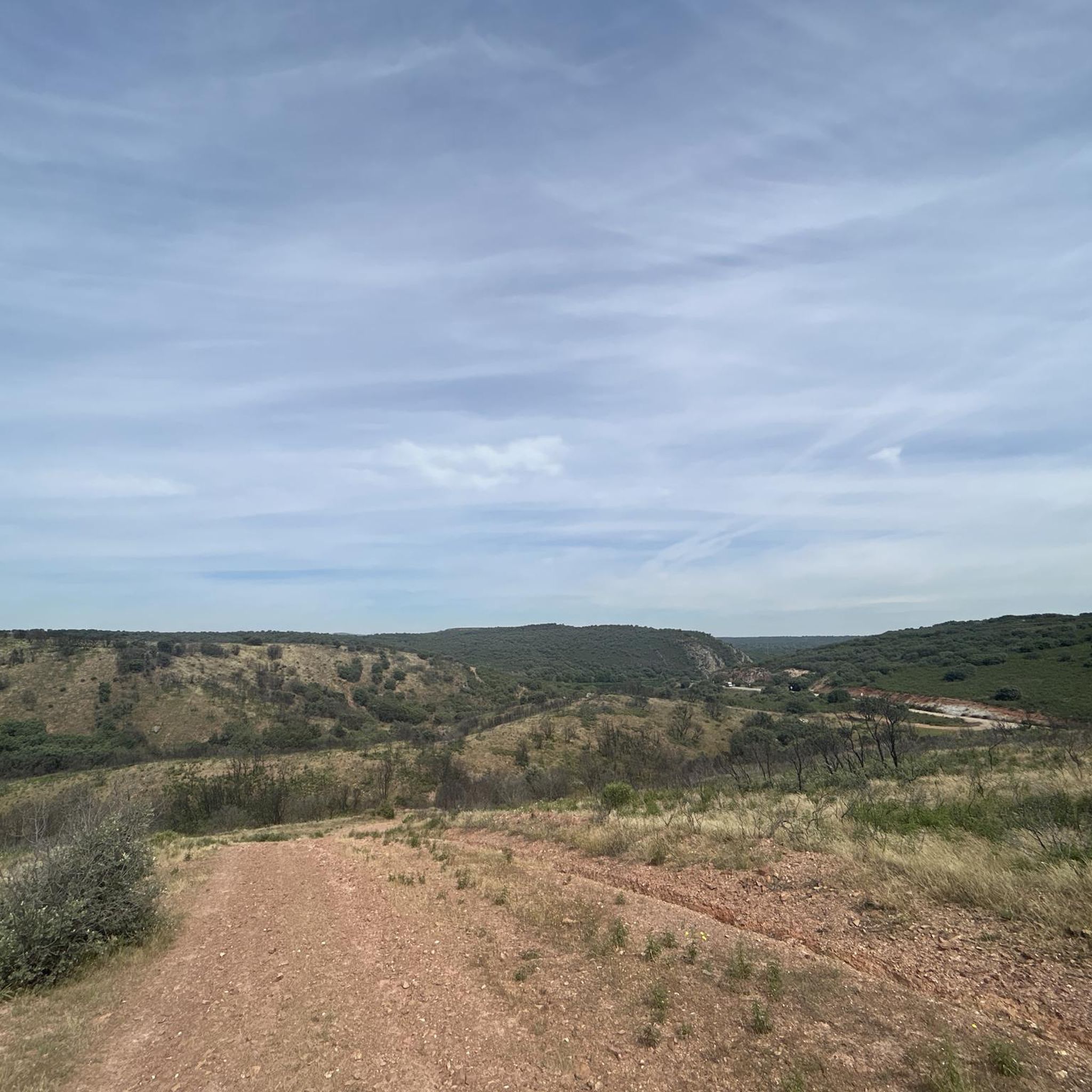
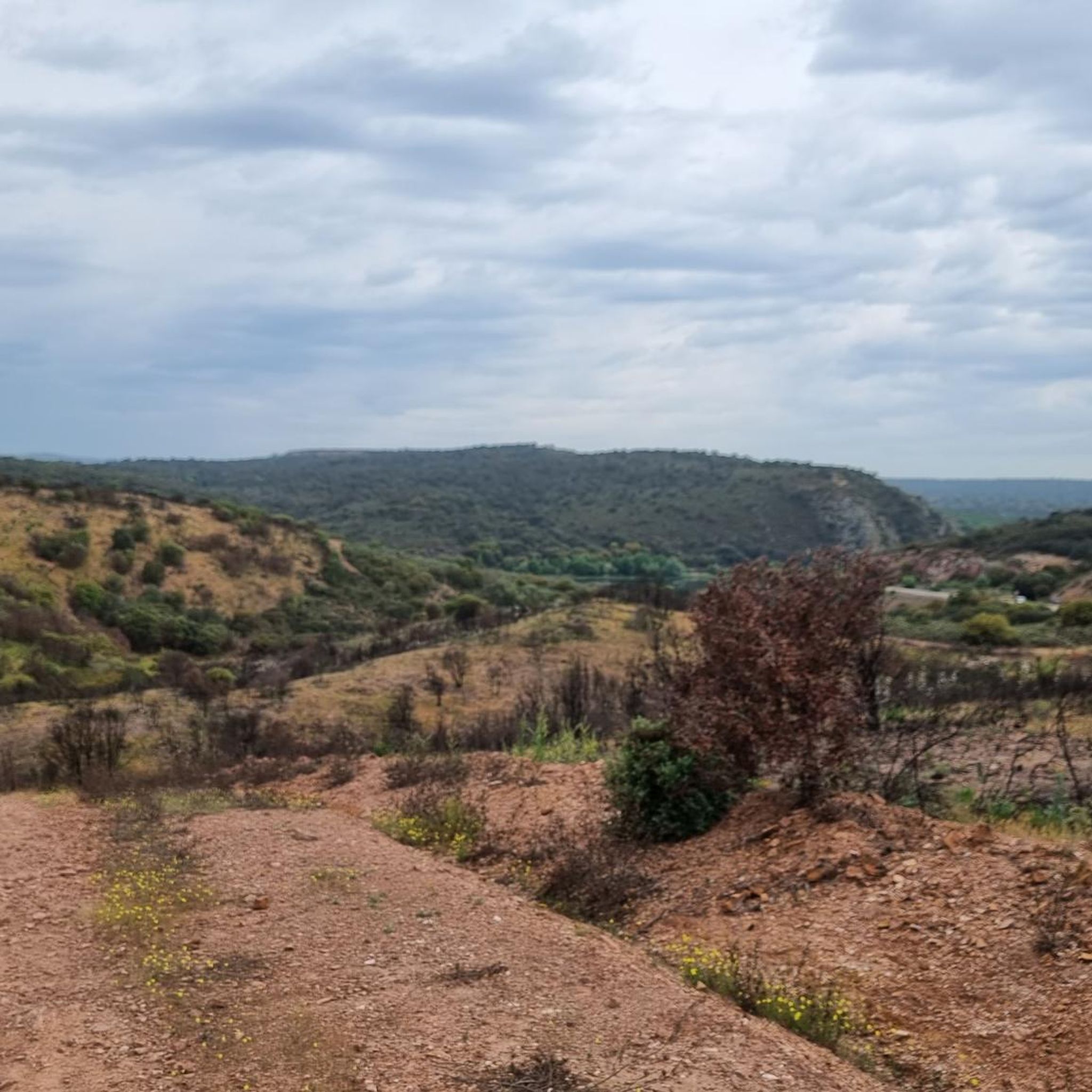
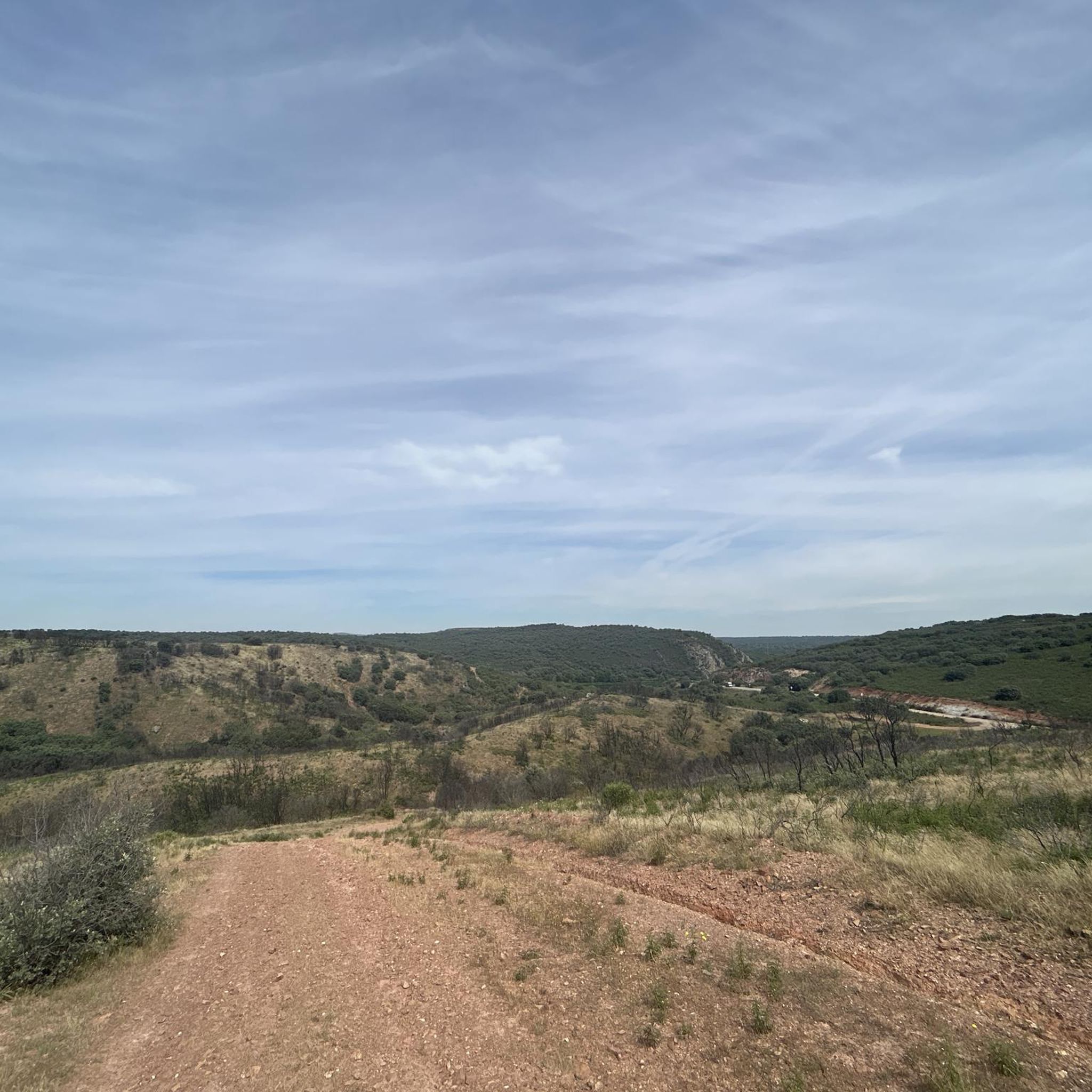
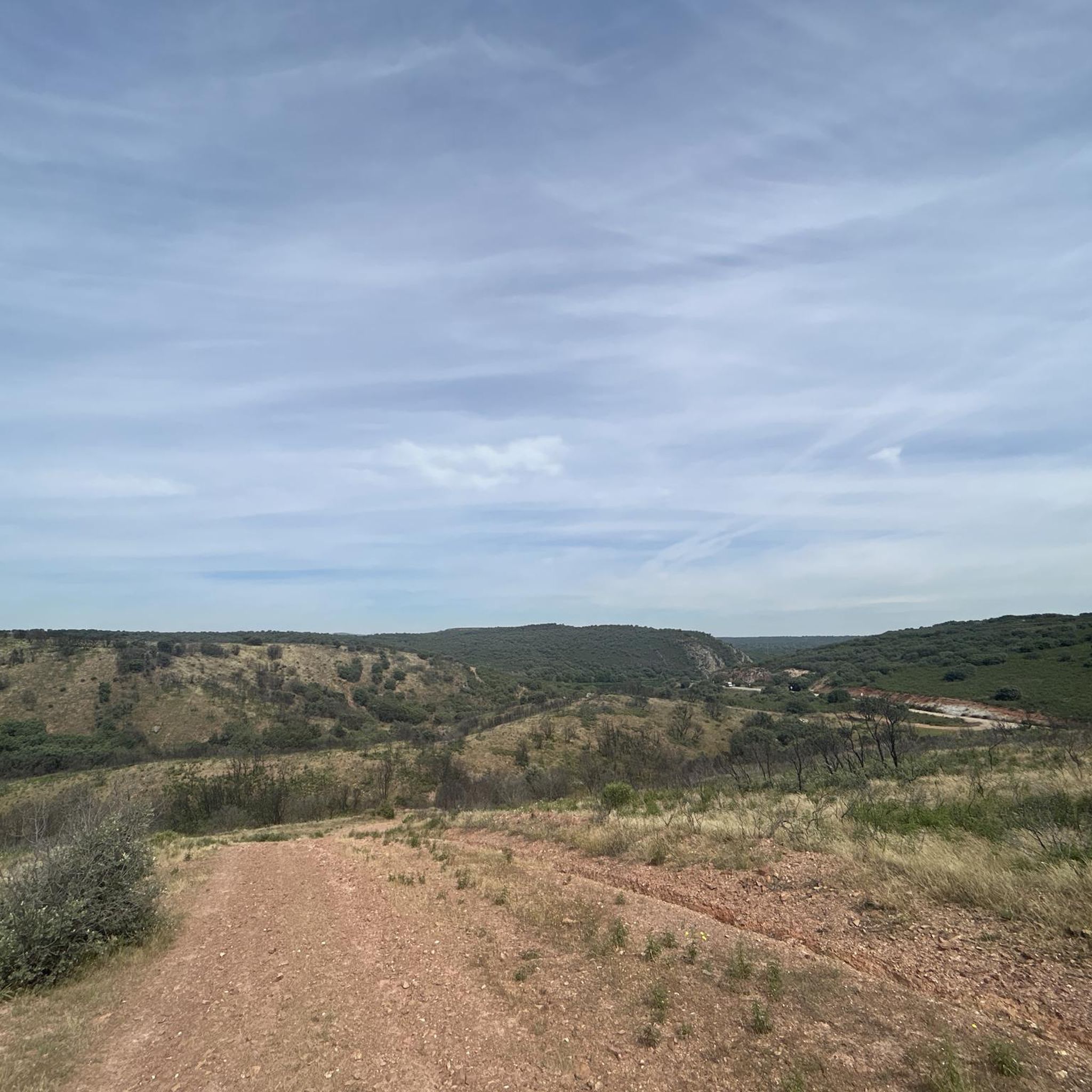
Junction of Camino Sanabrés and Via de la Plata
Highlight • Trail
Translated by Google •
Tip by
Sign up now to discover places like this
Get recommendations on the best single tracks, peaks, & plenty of other exciting outdoor places.
Sign up for free
Stone Bridge over the Esla River
Highlight • Bridge
Translated by Google •
Tip by

San Juan Church and Pilgrim Hostel, Granja de Moreruela
Highlight • Religious Site
Granja …
Translated by Google •
Tip by

Bridge of the Vía Verde de la Plata
Highlight • Bridge
Translated by Google •
Tip by
Sign up for free to discover even more attractions around Villaveza Del Agua.
Sign up for free
Already have an account?
Start today with a free account
Your next adventure awaits.
Login or Signup
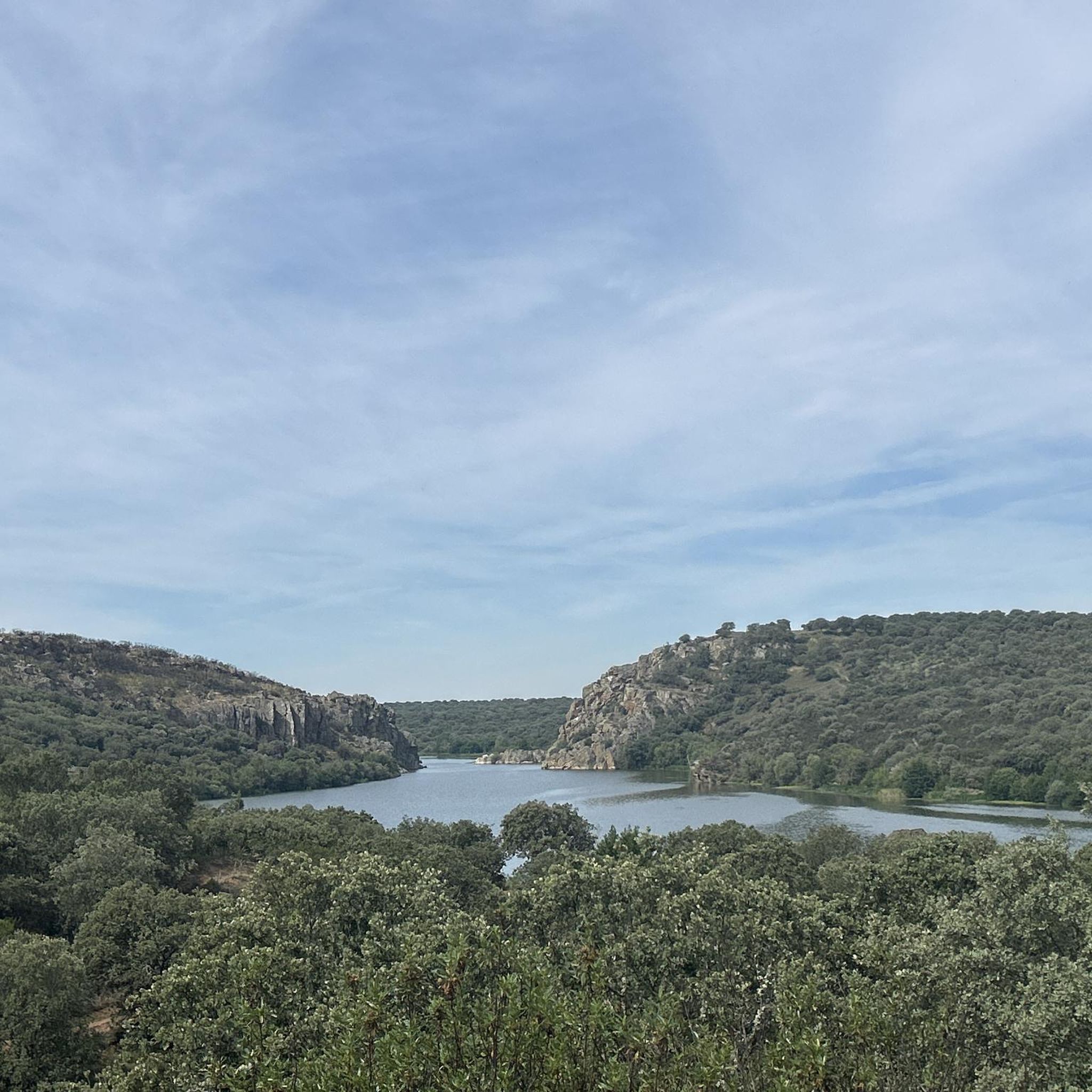
Tips from the Community

Legend has it that during a flood in the early 20th century, a cart carrying its entire load of wheat was swept away, and the next day it reappeared intact beneath the central arch of the bridge, as if the river had kept it to return it. The locals considered it a miracle and for years left dried ears of wheat among the stones as an offering. Even today, in summer, when the water level drops, some of those ears can still be seen trapped in the cracks of the old wall.
0
0

Even if we always use the term “St. James Way” in the singular in the German language, there is no such thing as “one”. Rather, it is a network of many Ways of St. James that runs through several European countries and then concentrates on a few main routes in Spain (the most famous is the "Camino Frances", which leads from the Pyrenees through the north of Spain). However, in order to get from the south of Spain to Santiago de Compostela in Galicia, a different route is required, which JavierCR and DennisKe have already described briefly.
2
0

An incredible stretch of the 'Vía la Plata' pilgrimage route south of Benavente towards the small town of Barcial del Barco. Disused railway line converted into an adventure paradise, far from cars and traffic.
2
0

This is a beautiful place to cross the Elsa River. The views are beautiful, and the old stone bridge with the arches is impressive.
1
0
Spectacular stone bridge with 9 symmetrical arches that crosses the Esla River. It was built in 1920 to connect the trade route between the Zamora regions of Tierra de Campos and Tábara. The bridge is located on the Jacobean route known as Camino Mozárabe Sanabrés, which allows pilgrims to cross into Zamora and Galicia beyond.
3
1
The Quintos bridge over the Esla river is located on the road between Zamora and Galicia. It unites the Zamora regions of Tierra de Tábara and Tierra de Campos, forming a link on the Camino de Santiago Sanabrés.
4
1
Stone masonry bridge over the Esla River built in 1920 to connect the trade route between the Zamora regions of Tierra de Campos and Tábara. The Quintos Bridge has beautiful 9 symmetrical arches.
1
1

The population of Granja de Moreruel was born by the impulse of the Monastery of Santa María, raised by the eagerness of the Leonese monarchs to colonize extensive wastelands. Granja de Moreruela also has a church built in the mid-19th century, the Church of San Juan. Its term is crossed by the old Vía de la Plata, the Camino de Santiago de la Vía de la Plata and its variant, the Camino Mozárabe or Sanabrés. There is a Pilgrims Hostel.
3
0
Frequently Asked Questions
What historical sites can I explore around Villaveza del Agua?
The region boasts a rich historical tapestry. You can visit the Church of San Salvador, a prominent landmark showcasing Mudejar and Neo-Gothic styles. The area also has archaeological remains from prehistoric, Roman, and medieval settlements at sites like El Tesoro/Los Castillos and La Fontana. Additionally, the Junction of Camino Sanabrés and Via de la Plata marks a significant historical point for pilgrims.
What natural features define the landscape around Villaveza del Agua?
The landscape is heavily influenced by the Esla River, creating fertile plains and picturesque poplar groves. Significant natural features include Charca Grande and Charca del Semillero, which are part of the Red Natura 2000 network. The Santa Elena Recreational Area also offers a place for relaxation amidst nature.
Are there any significant bridges to see in the area?
Yes, several notable bridges are in the vicinity. The Quintos Bridge Over the Esla River, built in 1920 with nine semicircular arches, connects the Zamora regions of Tierra de Campos with Tábara. Another is the Stone Bridge over the Esla River, known for its impressive arches and local legends. You can also find the Bridge of the Vía Verde de la Plata, which is part of a popular trail for hikers and cyclists.
What is the significance of the Camino de Santiago and Vía de la Plata in this region?
Villaveza del Agua's location along the historic Vía de la Plata (Silver Route) has contributed to its rich past. The Junction of Camino Sanabrés and Via de la Plata is a crucial point where these two pilgrimage routes separate, with the Vía de la Plata leading towards Astorga and the Camino Sanabrés towards Ourense and Santiago de Compostela. The San Juan Church and Pilgrim Hostel in Granja de Moreruela also serves pilgrims on these routes.
What outdoor activities, like hiking or cycling, can I do near Villaveza del Agua?
The area offers various outdoor activities. For cycling, you can explore routes like 'Landscaping from Benavente to Morales del Río' or 'Rodeando el río Esla desde Benavente'. Hiking options include 'Laguna Salina Grande' and 'Iron bridge over the Esla river from Benavente'. You can find more details and routes on the Cycling around Villaveza Del Agua and Hiking around Villaveza Del Agua guide pages.
Are there family-friendly trails or activities available?
Yes, the Stone Bridge over the Esla River is considered family-friendly, offering beautiful views. The Bridge of the Vía Verde de la Plata is also part of a cycle path suitable for families. For hiking, routes like 'From the meadow of Las Pavas to the pasture of Mosteruelo' are rated as easy, making them suitable for families. The Santa Elena Recreational Area provides a good spot for outdoor family time.
Can I find easy hiking trails around Villaveza del Agua?
Absolutely. Several easy hiking routes are available, such as 'From the meadow of Las Pavas to the pasture of Mosteruelo' (16.4 km) and 'Rodeando el río Esla desde Benavente' (20.5 km). These trails offer accessible ways to enjoy the natural surroundings. You can explore more options on the Hiking around Villaveza Del Agua guide page.
What is the 'Route of the Palomares' and where can I find it?
The 'Route of the Palomares' is a significant tourist attraction in the region, showcasing unique traditional dovecotes. These structures are an interesting example of local heritage and craftsmanship. While specific details on its exact starting point or length are not provided, it is a recognized route within the Villaveza del Agua area.
What kind of traditional architecture can be seen in Villaveza del Agua?
Villaveza del Agua is known for its traditional mud architecture. Scattered throughout the village, you can find houses exhibiting excellent craftsmanship in this distinctive style, reflecting the local building traditions and available materials.
What is the best time to visit Villaveza del Agua for outdoor activities?
While specific seasonal recommendations are not provided, the region's natural features like the Esla River and recreational areas suggest that spring and autumn would be ideal for outdoor activities, offering pleasant temperatures for hiking and cycling. Summer can also be enjoyable, especially for activities near the water.
What do visitors enjoy most about the attractions around Villaveza del Agua?
Visitors appreciate the blend of historical significance, cultural heritage, and natural beauty. The komoot community has shared over 20 photos and given more than 30 upvotes, highlighting the scenic views from bridges like the Stone Bridge over the Esla River and the historical importance of the pilgrimage routes like the Junction of Camino Sanabrés and Via de la Plata.
Most popular routes around Villaveza Del Agua
Most popular attractions around Villaveza Del Agua

Get inspired with the komoot mobile app


Explore more
Still not found the Highlight you’re looking for? See guides of the top attractions in other regions:
