Attractions and Places To See around Villaescusa De Roa - Top 14
Attractions and places to see around Villaescusa De Roa include historical sites, cultural landmarks, and natural landscapes within the Ribera del Duero wine region. This municipality in Burgos, Castile and León, features an arid and stony terrain with an altitude of 897 meters. The area offers a blend of traditional Spanish life and scenic views, making it a base for exploring local ecclesiastical buildings and natural trails.
Best attractions and places to see around Villaescusa De Roa
- The most popular…
Last updated: June 29, 2026
Curiel de Duero Castle
Highlight • Castle
Translated by Google •
Tip by

Castle of the Zúñiga Family (Encinas de Esgueva)
Highlight • Castle
Translated by Google •
Tip by

Sign up now to discover places like this
Get recommendations on the best single tracks, peaks, & plenty of other exciting outdoor places.
Sign up for free
Tórtoles de Esgueva
Highlight • Settlement
Translated by Google •
Tip by
Church of Nuestra Señora de la Asunción
Highlight • Religious Site
Translated by Google •
Tip by

Encinas de Esgueva
Highlight • Castle
Translated by Google •
Tip by
Sign up for free to discover even more attractions around Villaescusa De Roa.
Sign up for free
Already have an account?
Start today with a free account
Your next adventure awaits.
Login or Signup


Tips from the Community

The Curiel de Duero Castle, located in the province of Valladolid, is considered the oldest castle in Castile and León, with origins possibly dating back to the 7th century, and even Roman remains from the 4th century. It stands on a rocky hill at an altitude of 927 meters, overlooking the Duero Valley and the Horcajo stream.
2
0

good route
0
0


Built in the 14th century, the fortification was part of the defensive line of the Esgueva and had the objective of protecting the entrance to the valley. It has gone through different owners throughout its history, including the Marqués de Lorca. In the 1970s, it was used as a grain store, but it is currently restored and empty inside, under the ownership of the Encinas Town Hall.
1
0
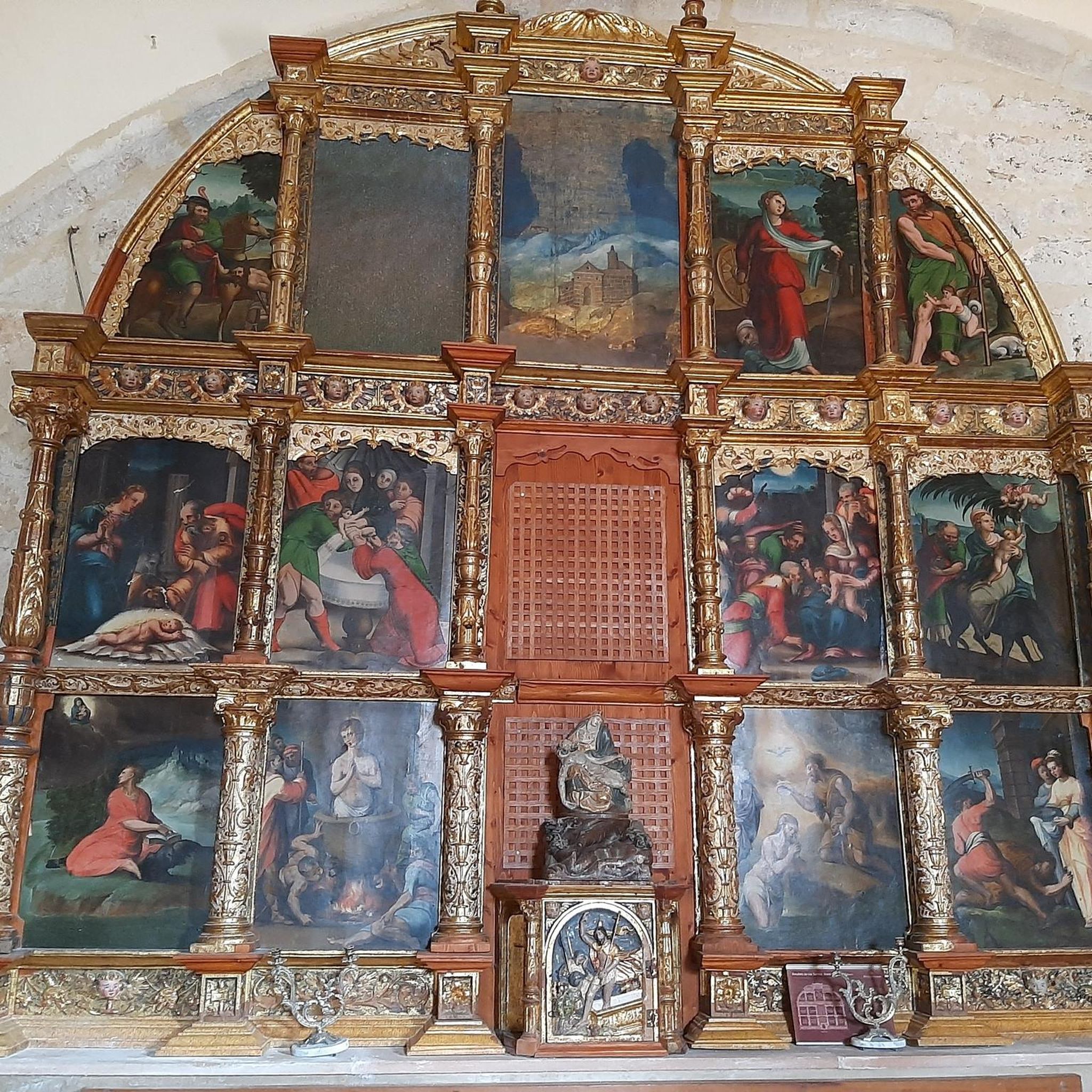
The church of Nuestra Señora de la Asunción, built in the 12th century in the late Romanesque style, has undergone various extensions and modifications over the years. Of particular note are the 16th century Mudejar bell tower, which replaced the original Romanesque belfry, and the semicircular vault over the main altar, added in 1750. Although the main portal dates from 1613, the other two original 12th century portals have been preserved.
1
0
Imposing fortification built on a rocky hill overlooking the Duero Valley and the town of Curiel. It is the oldest castle in the province of Valladolid, as it was built on top of an old Roman castle. Although only small vestiges of the wall and the four gates remain today, its original walls probably date from the 7th century.
1
0

It is a charming church, cared for with care, and which includes curious architecture with two types of Gothic, two very simple Gothic portals, a Plateresque altarpiece, a curious Holy Thursday monument... We were lucky to find it open, but there will be to ask in town who can teach it
2
0

Located in the southwest of the province of Burgos (Castilla y León), specifically in the Valle del Esgueva (subregion of Ribera del Duero).
0
0
Frequently Asked Questions
What historical sites can I explore near Villaescusa de Roa?
The region around Villaescusa de Roa is rich in history. You can visit Curiel de Duero Castle, considered the oldest castle in Castile and León, perched on a rocky hill overlooking the Duero Valley. Another impressive fortification is the Castle of the Zúñiga Family (Encinas de Esgueva), a 14th-century structure with four towers. The settlement of Tórtoles de Esgueva also offers numerous monuments and cultural sites, developed around the historic Monastery of Santa María la Real.
Are there any natural trails or hiking routes around Villaescusa de Roa?
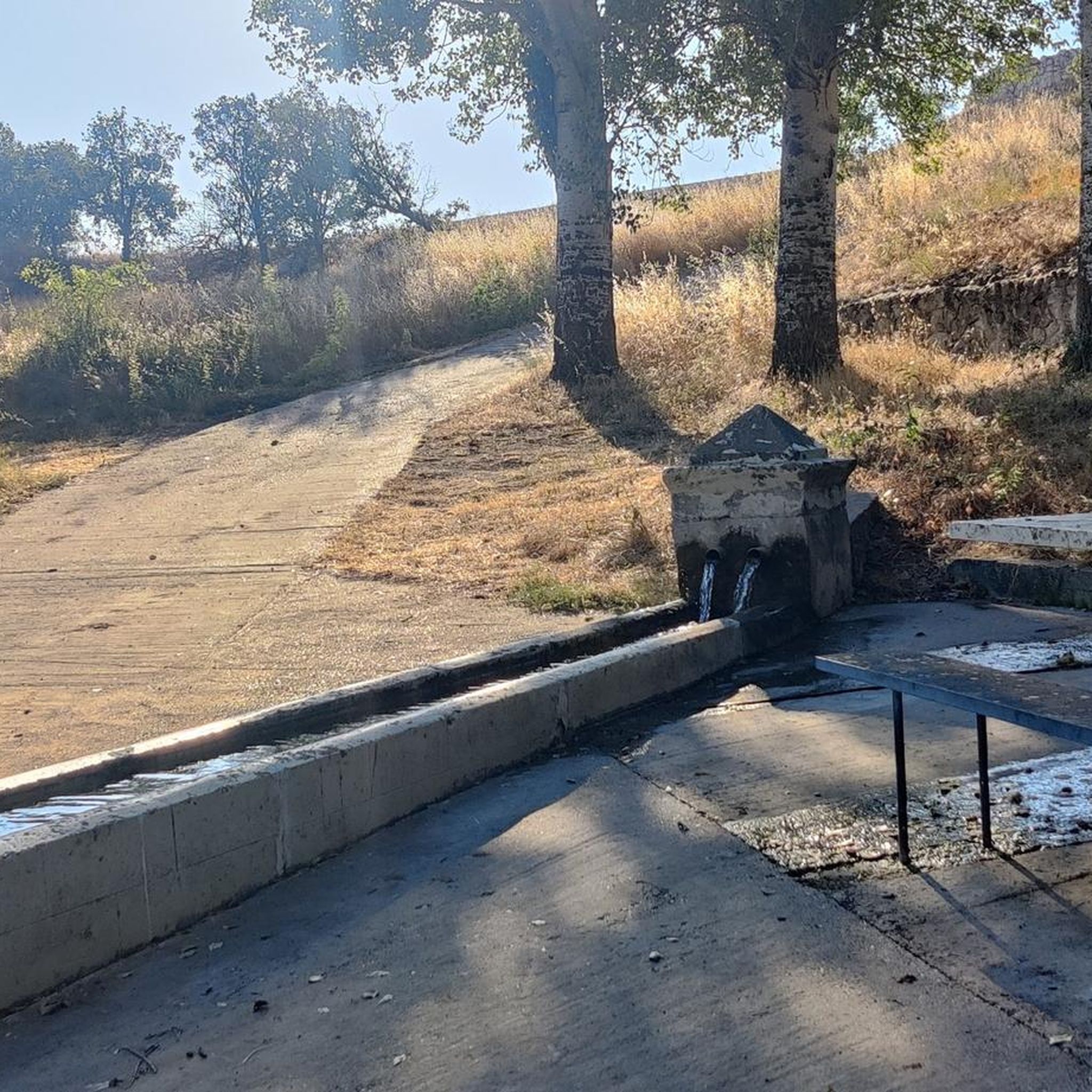
Yes, a notable option is the Sendero de las Tres Fuentes (Path of the Three Fountains), an 8.6-kilometer circular hiking route starting from Villaescusa de Roa. This low-difficulty trail takes about two hours and includes stops at the Fuentegricio recreational area, Fuente de la Boquilla, and Fuente Gracia. For more hiking options, you can explore routes like 'The Springs Trail' or 'Encinas Reservoir Loop' mentioned in the hiking guide for Villaescusa de Roa.
What kind of outdoor activities are available in the region?
Beyond hiking, the area offers excellent opportunities for cycling and mountain biking. You can find various routes for touring bicycles, such as 'Valle del Cuco – circular desde Curiel de Duero', by checking the cycling guide for Villaescusa de Roa. For mountain biking, routes like 'Road to Haza y Castillo de la Vega' are available in the MTB trails guide.
Can I visit any wineries or experience local wine culture?
Absolutely. Villaescusa de Roa is located in the heart of the Ribera del Duero wine region, making it an excellent base for enotourism. You can explore significant wineries in nearby Pedrosa de Roa to learn about the winemaking process and participate in wine tastings. The area is renowned for its quality wines.
Are there family-friendly attractions in the area?
Yes, several attractions are suitable for families. The Castle of the Zúñiga Family (Encinas de Esgueva) is an impressive historical site that can capture the imagination of younger visitors. The settlement of Tórtoles de Esgueva and the town of Roa de Duero are also considered family-friendly, offering cultural interest and pleasant environments for exploration.
What are some notable religious buildings to see?
Villaescusa de Roa itself is home to the Parish Church of San Mamés Mártir, a significant religious landmark, and the Hermitage of Cristo del Humilladero. Nearby, you can also visit the Church of Nuestra Señora de la Asunción, a charming church with curious architecture, including two types of Gothic styles and a Plateresque altarpiece.
Where can I find scenic viewpoints around Villaescusa de Roa?
The castles in the region often provide excellent panoramic views. For instance, Curiel de Duero Castle stands on a rocky hill offering commanding views of the Duero Valley. The town of Roa de Duero also offers scenic perspectives of the surrounding landscape and the Duero river.
Is Villaescusa de Roa accessible for visitors with mobility needs?
While specific accessibility details vary by site, the settlement of Tórtoles de Esgueva is noted as being wheelchair accessible, offering a welcoming experience for visitors with mobility needs.
What is the best time of year to visit Villaescusa de Roa?
The region can be enjoyed throughout the year, but visiting in late summer, around August 20th, allows you to experience the town's patron saint festivities celebrating San Mamés. Spring and early autumn offer pleasant weather for outdoor activities like hiking and cycling, and are ideal for exploring the vineyards.
What is the landscape like around Villaescusa de Roa?
The municipality is characterized by an arid and stony landscape, typical of the region, situated at an altitude of 897 meters above sea level. Despite its arid nature, there are some wooded areas, primarily producing firewood, and a mountain. The Duero Valley, with its vineyards and river, adds a contrasting and scenic element to the terrain.
What do visitors particularly enjoy about the attractions here?
Visitors appreciate the rich history embodied in the ancient castles and religious buildings, often noting their imposing architecture and strategic locations with great views. The charm of riverside towns and the cultural significance of settlements like Tórtoles de Esgueva are also frequently highlighted. The overall blend of traditional Spanish life and scenic beauty, especially within the Ribera del Duero wine region, is a major draw.
Are there any interesting settlements or towns to visit nearby?
Beyond Villaescusa de Roa, you can explore Tórtoles de Esgueva, a beautiful riverside town known for its monuments. Another significant settlement is Roa de Duero, one of the most important towns along the Duero river in Burgos, offering historical and cultural points of interest.

Get inspired with the komoot mobile app


Explore more
Still not found the Highlight you’re looking for? See guides of the top attractions in other regions:
