Attractions and Places To See around Peracense - Top 13
Best attractions and places to see around Peracense include a blend of historical landmarks, cultural sites, and natural features. The town is situated in the Sierra Menera mountains, characterized by reddish *rodeno* stone formations. Its most notable feature is the Peracense Castle, a medieval fortress that played a significant role in regional history. Visitors can explore both the town's architectural heritage and the surrounding natural environment.
Best attractions and places to see around Peracense
- The most popular attractions is Ojos…
Last updated: July 2, 2026
Ojos Negros Mill
Highlight • Monument
Translated by Google •
Tip by

Peracense Castle
Highlight • Castle
Translated by Google •
Tip by

Sign up now to discover places like this
Get recommendations on the best single tracks, peaks, & plenty of other exciting outdoor places.
Sign up for free
Villafranca del Campo on the Route of El Cid
Highlight (Segment) • Settlement
Translated by Google •
Tip by
Parish Church of Santa Catalina Mártir of Ródenas
Highlight • Religious Site
The church is dedicated to St. Catherine the Martyr, …
Translated by Google •
Tip by
Rodenas
Highlight • Settlement
Translated by Google •
Tip by
Sign up for free to discover even more attractions around Peracense.
Sign up for free
Already have an account?
Start today with a free account
Your next adventure awaits.
Login or Signup



Tips from the Community

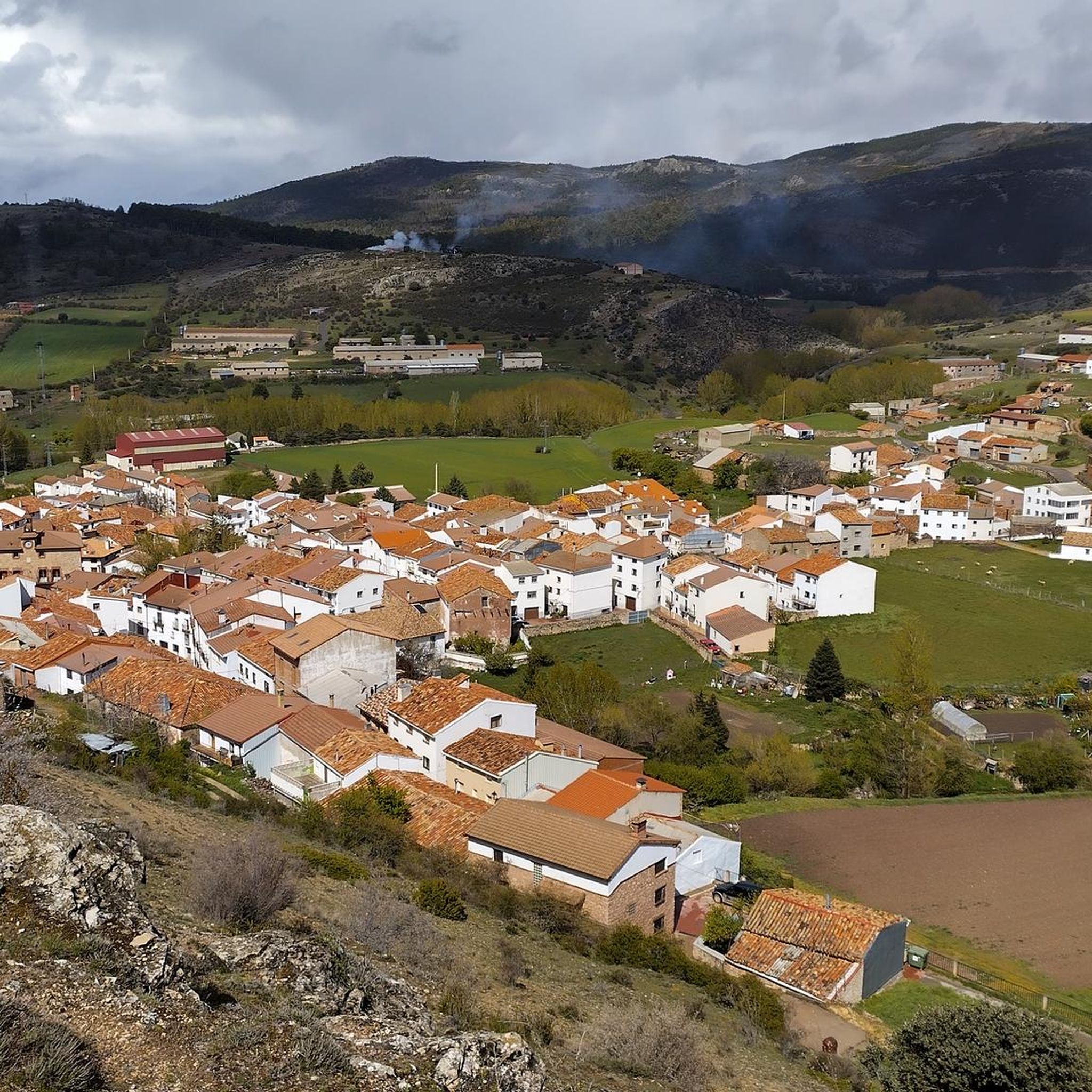
I pass through Villafranca del Campo, a small and charming town in the province of Teruel
16
0
The Parish Church of St. Catherine the Martyr in Ródenas is a beautiful example of the religious architecture of the region. The church is dedicated to St. Catherine the Martyr, a saint who is highly venerated in the Christian tradition. The construction of the church dates back several centuries, and it has been an important centre of worship for the inhabitants of Ródenas.
34
0
Rodenas is a small, picturesque village in the province of Teruel, Aragon, known for its traditional architecture and natural surroundings.
13
0
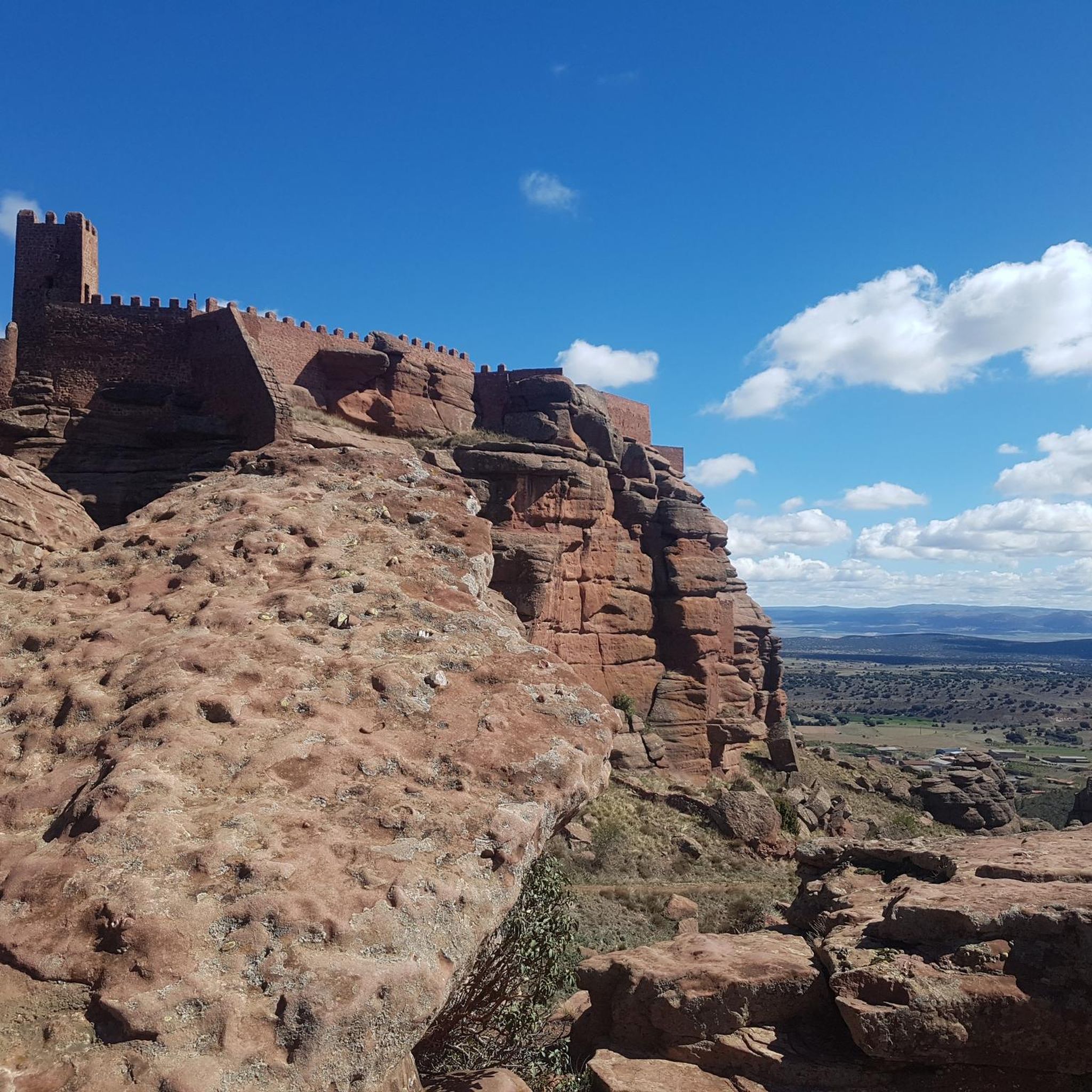
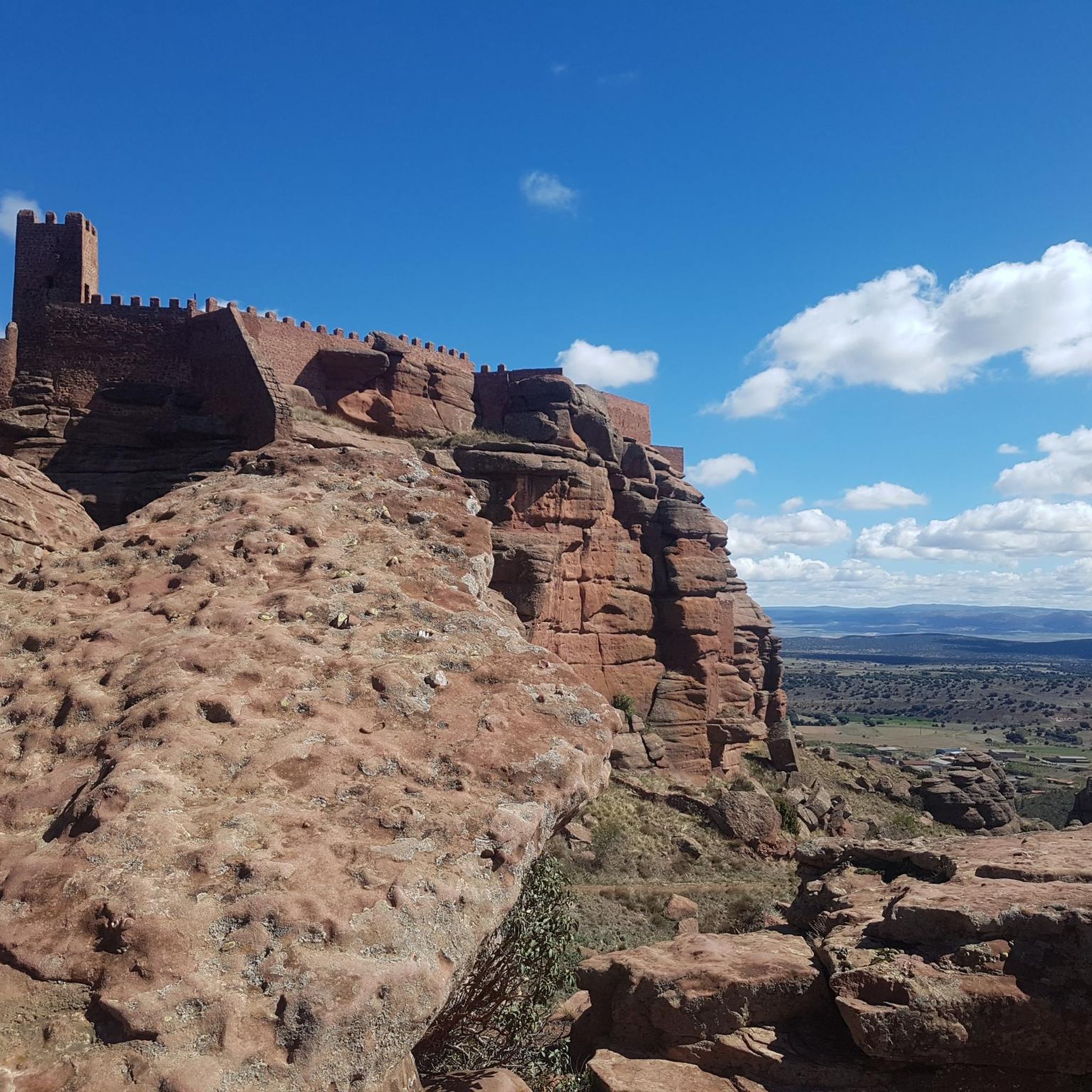
It is known for its characteristic reddish colour, the result of the use of local rodeno stone in its construction. This castle, one of the best preserved in Aragon, is located in a strategic position on a rock formation, which gives it spectacular views of the surroundings, especially the Jiloca valley. Its history dates back to the Bronze Age, although the current structure dates from the 12th to the 14th centuries.
7
0

beautiful we can see it at the last moment
3
0
The Peracense Castle has an exceptional history that spans several eras and societies. This impressive castle, built in the 13th century, took advantage of the natural conditions of the terrain and played a fundamental role in the defense of the kingdom of Aragon during the wars with Castile. A fascinating visit to the past! 🏰 I hope you enjoy your visit to Peracense Castle! 😊🏰
36
0

The Peracense castle is one of the most beautiful and unknown Aragonese castles. Surrounded by a unique natural environment, its builders took advantage of the original topography of the land to build a first-rate defensive enclave. It sits on a strongly steep rocky extension of rodeno, which belongs to the southern end of Sierra Menera, next to the San Ginés hill. Its average elevation is 1,365 meters above sea level. This fortress is made up of three concentric enclosures that sit on outcrops of red sandstone (Buntsandstein micaceous), which were partially pitted and modified to improve the defense. Precisely this sandstone (rodeno), in the form of megaliths, masonry and ashlars laid with lime or gypsum mortars, is the material mainly used in the construction of the walls of this fortress. Wood was used to a lesser extent and always in beams and almojayas. Its character as a privileged watchtower allows optical links in nearby enclaves such as Monreal del Campo, Bueña, Aguatón, Singra and Cerro de San Ginés.
6
0

Next to the path, we find this beautiful windmill that reminds us of those of Sancho Panza in his stories about Castilla-La Mancha. It is in a good state of conservation and is located near the town of Ojos Negros. Without a doubt, one of the charms of the Jiloca region that deserves to be visited.
2
0
Frequently Asked Questions
What historical sites can I explore in Peracense and its surroundings?
Peracense is rich in history. The most prominent site is the impressive Peracense Castle, a 13th-century fortress crucial for the Kingdom of Aragon's defense. You can also visit the 18th-century Church of San Pedro, the Town Hall built with characteristic reddish *rodeno* stone, and traditional 18th-century mansions like Don Pepe House and Don Pascual House. Further afield, the Ojos Negros Mill, dating back to the 16th-17th century, offers insight into historical engineering.
Are there any natural attractions or scenic viewpoints near Peracense?
Yes, the region offers several natural highlights. Peracense is nestled in the Sierra Menera Mountains, known for its distinctive reddish *rodeno* stone formations. For panoramic views, head to San Ginés Hill, home to the Hermitage of San Ginés, which offers magnificent vistas of the Iberian Mountains of Teruel. The Passage between rocks provides unique views of the castle and access to Maleno Cave. You can also find an ancient oak tree between Peracense and Almohaja, and explore the Lagunas de los Mojones.
What kind of outdoor activities can I do around Peracense?
The area around Peracense is ideal for various outdoor activities. You can explore numerous hiking trails, including routes around the castle like the 'Villeta Path' and 'Ronda del Asalto'. The long-distance GR-24 Hiking Trail also passes through the area, connecting to the GR-10. For more detailed hiking options, check out the Hiking around Peracense guide. There are also dedicated routes for Road Cycling and MTB Trails.
Are there family-friendly attractions in the Peracense area?
Yes, several attractions are suitable for families. The Ojos Negros Mill is a restored historical site that allows visitors to understand its engineering, which can be an engaging educational experience. Exploring the Peracense Castle offers an exciting journey into medieval history. Additionally, the nearby settlement of Villafranca del Campo on the Route of El Cid provides a glimpse into a historical route that can be enjoyed by all ages.
What is the best time of year to visit Peracense?
The best time to visit Peracense for outdoor activities and exploring its historical sites is generally during the spring (April-June) and autumn (September-October) when the weather is milder and more pleasant for hiking and sightseeing. Early August also offers a unique experience, as the Peracense Castle hosts cultural activities that recreate medieval life.
Can I find hiking trails suitable for beginners around Peracense?
Yes, there are hiking options for various skill levels. The 'Peracense Castle Loop' is an easy 4 km hike. The 'Villeta Path' and 'Ronda del Asalto' are shorter routes around the castle that offer magnificent views without extreme difficulty. For more options, consult the Hiking around Peracense guide, which includes trails with varying difficulty grades.
What is the significance of the reddish stone in Peracense's architecture and landscape?
The reddish *rodeno* stone is a defining characteristic of Peracense. It's prevalent in the Sierra Menera Mountains and was used extensively in the construction of local buildings, including the Peracense Castle and the Town Hall. This distinctive stone helps the structures blend seamlessly with the natural environment, creating a unique and harmonious landscape.
Are there any religious buildings or cultural events to experience?
Peracense features several religious sites. The Church of San Pedro, dating from 1740, is notable for its basilica floor plan and 30-meter high tower. The Hermitage of San Ginés, located on San Ginés Hill, is dedicated to the town's patron saint, and a popular pilgrimage is celebrated there every August 25. Additionally, the Parish Church of Santa Catalina Mártir of Ródenas is a beautiful example of the region's religious architecture.
How long should I plan to spend visiting the attractions in Peracense?
To fully appreciate the main attractions, such as Peracense Castle and the town's traditional architecture, you should allocate at least half a day. If you plan to include a hike, visit the Ojos Negros Mill, or explore other natural features like the Ancient Oak or Lagunas de los Mojones, a full day or even a weekend would allow for a more relaxed and comprehensive experience.
What do visitors enjoy most about the attractions around Peracense?
Visitors particularly appreciate the rich history and the stunning natural setting. The Peracense Castle is often highlighted for its exceptional history and its strategic location offering spectacular views. The blend of historical landmarks with the unique reddish *rodeno* stone landscape of the Sierra Menera Mountains creates a captivating experience, making it a popular destination for those interested in culture, nature, and outdoor exploration.
Is there a long-distance hiking trail that passes through Peracense?
Yes, the GR-24 Hiking Trail, a long-distance path, runs through the Iberian Aragonés Mountains and includes Peracense. This trail connects from Aldehuela de Liestos and links with the GR-10, offering extensive opportunities to explore the environmental and landscape values of the area. It also provides access to attractions like the Gallocanta Lake, a significant wetland for migratory birds.
Most popular attractions around Peracense

Get inspired with the komoot mobile app


Explore more
Still not found the Highlight you’re looking for? See guides of the top attractions in other regions:
