Attractions and Places To See around Abanilla - Top 20
Best attractions and places to see around Abanilla include a distinctive blend of historical sites, cultural experiences, and striking natural landscapes in the Region of Murcia, Spain. The area is known for its "lunar landscape" and desert-like features, offering unique geological formations. Visitors can explore arid scenery alongside traditional Spanish architecture and palm groves. Abanilla provides diverse opportunities for outdoor activities and cultural discovery.
Best attractions and places to see around Abanilla
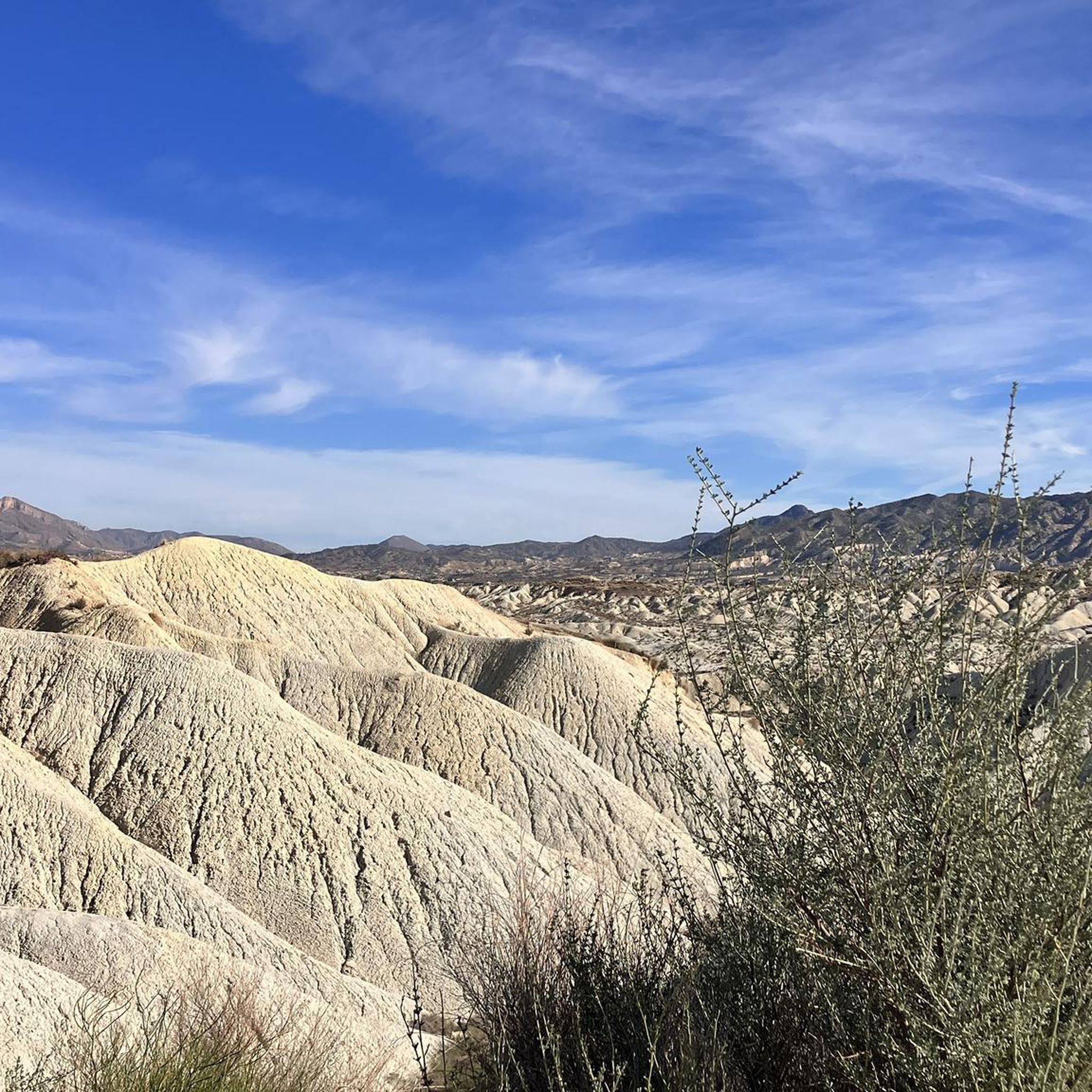
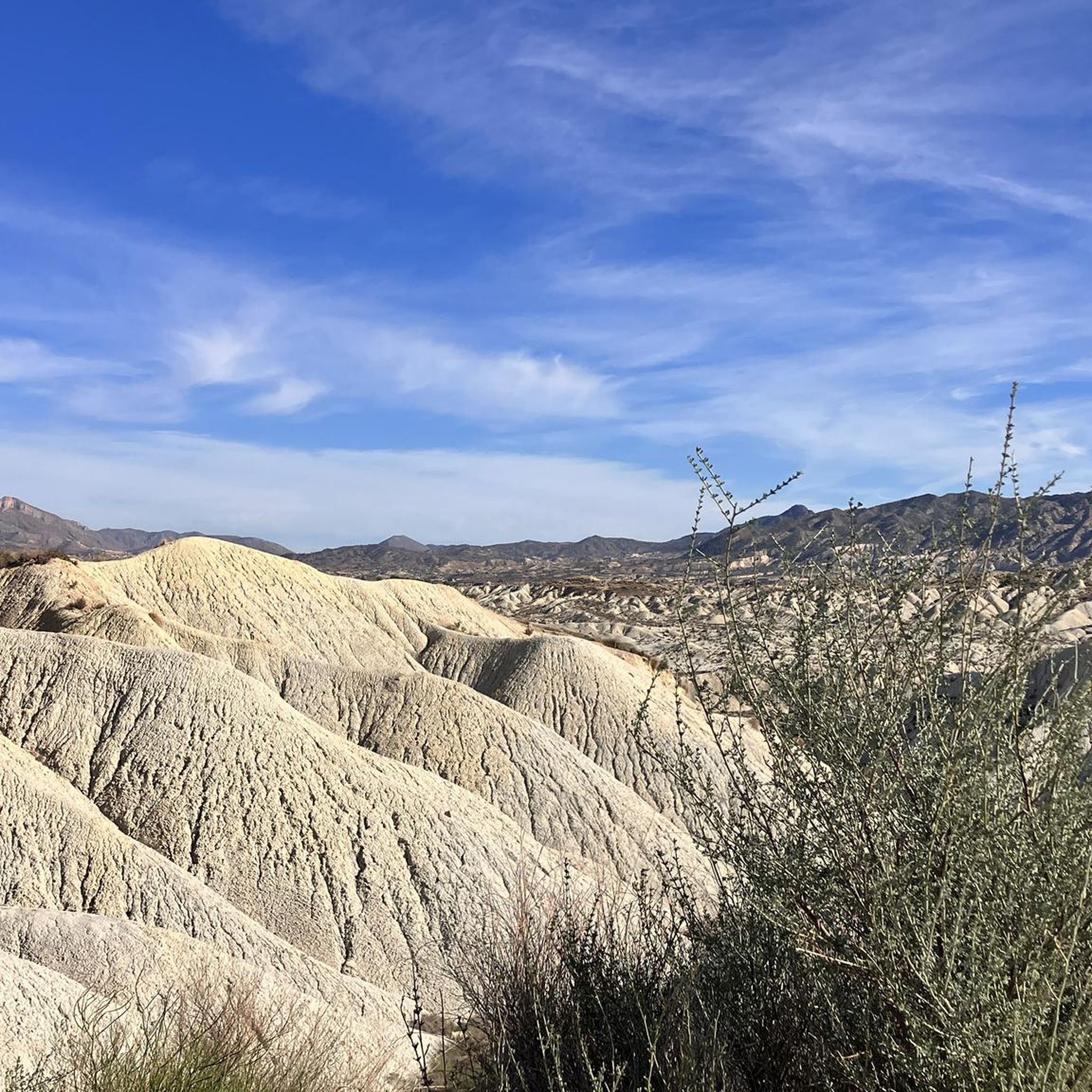
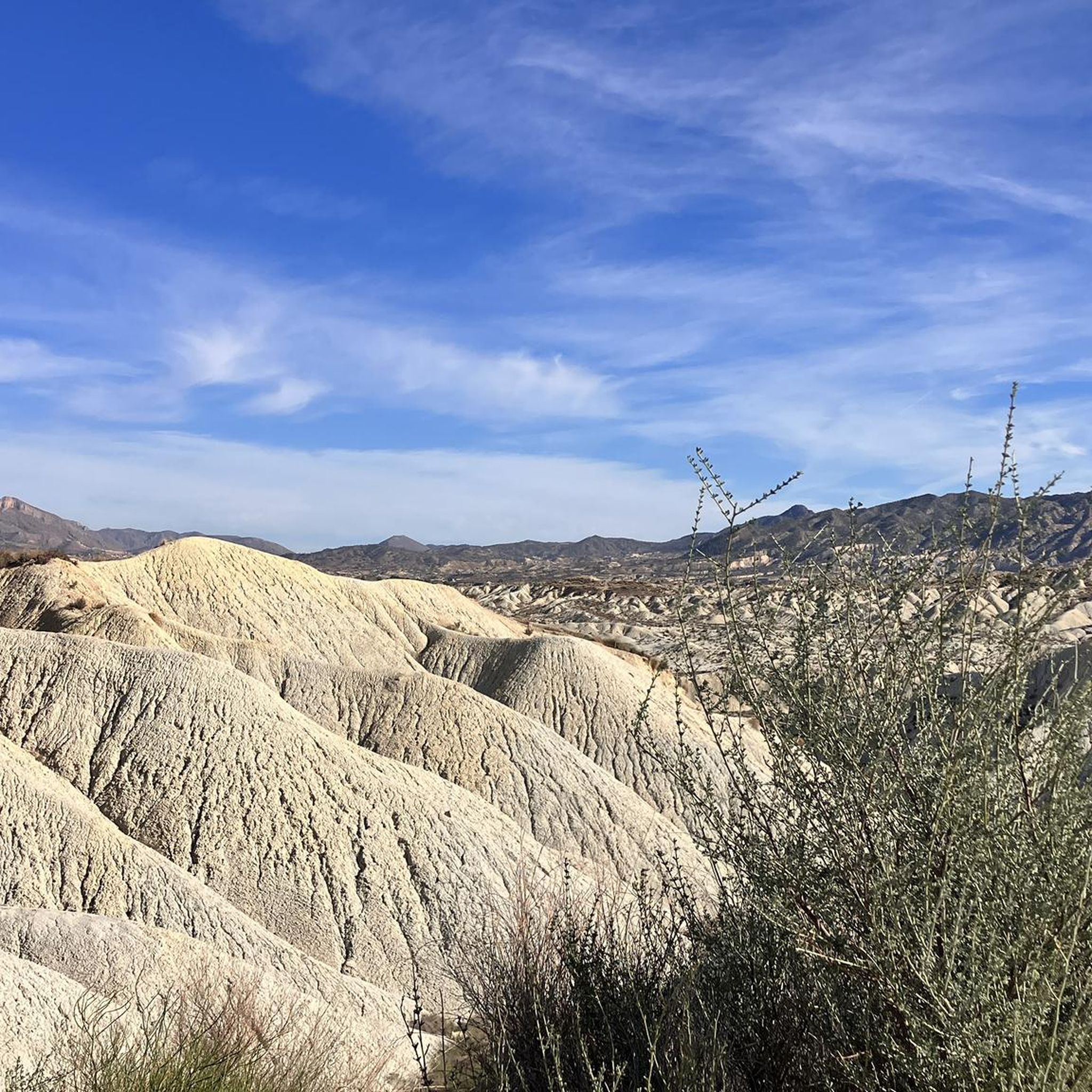
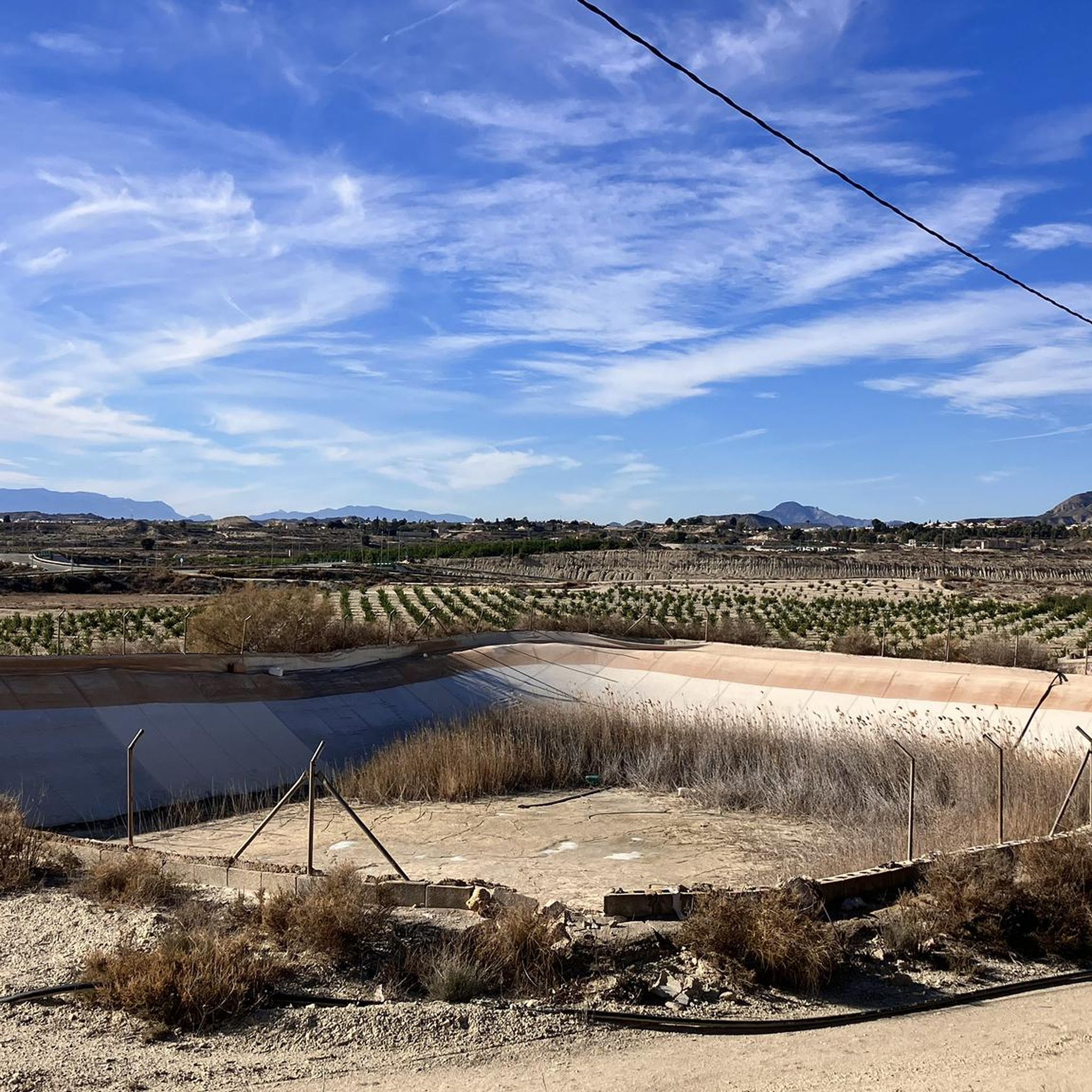
- The most popular attractions is Desierto de Abanilla, a unique natural landscape known for its surreal, moon-like appearance. This area, shaped by erosion, reveals remnants of ancient seas and coral reefs.
- Another must-see spot is Los Baños de Fortuna, a spa town known for its healing thermal springs. The site has a history of use dating back to Roman times.
- Visitors also love Orihuela, a historical settlement with significant monuments and an urban wall. It features numerous civil buildings from the 16th and 17th centuries.
- Abanilla is known for its unique desert landscapes, historical sites, and natural springs. The region offers a variety of attractions, from geological formations to cultural landmarks and opportunities for hiking.
- The attractions around Abanilla are appreciated by the komoot community, with 22 highlights, 29 photos, and 63 upvotes.
Last updated: August 30, 2026
Los Baños de Fortuna
Highlight • Rest Area
Translated by Google •
Tip by

Desierto de Abanilla
Highlight • Natural
Translated by Google •
Tip by

Sign up now to discover places like this
Get recommendations on the best single tracks, peaks, & plenty of other exciting outdoor places.
Sign up for free
Orihuela
Highlight • Settlement
Orihuela is also monumental. One of its great examples is the urban wall of the city and, also, its numerous civil buildings built by the nobles who lived there in the 16th and 17th centuries.
Translated by Google •
Tip by

Chicamo River Canyon
Highlight • Canyon
Translated by Google •
Tip by

El Pinós Town Center
Highlight • Settlement
Translated by Google •
Tip by

Sign up for free to discover even more attractions around Abanilla.
Sign up for free
Already have an account?
Start today with a free account
Your next adventure awaits.
Login or Signup
Tips from the Community

The location of the Roman Baths of Fortuna was first pinpointed in 1984, thanks to the work of Gonzalo Matilla to provide archaeological context for the Black Cave of Fortuna. Although modern baths already existed at the same site and were in use until the first third of the 19th century, the area was known as "Los Baños Moros" (The Moorish Baths) from the late 19th century onward.
15
0
The Abanilla Desert, also known as the Mahoya Desert, is one of the most unique and fascinating places in the Murcia region, just an hour's drive from the beaches of the Costa Cálida and Costa Blanca South. This surreal landscape, often compared to the surface of the moon, offers a perfect combination of natural beauty and tranquility. Whether you're a nature lover, an adventurer, or simply looking for a place to relax,
17
0
On the road to Baños de Fortuna, you'll find a desert that was the seabed millions of years ago, now shaped by erosion. The Ramblas de la Parra, del Font, Balonga, Zurca, and the Chícamo Basin form one of Murcia's most otherworldly landscapes. Here you can see the remnants of ancient seas, such as the coral reefs formed by the Chícamo River and the El Cajer Ravine, which are now a feast for the eyes and the camera.
5
0

Former episcopal city - typical Spanish city - lively Orihuela is located on the left bank of the Río Segura (60 km south of Alicante) and surrounded by a green valley with palm trees and citrus groves. It is a former episcopal city at the foot of a mountain with ruins of a fortress and buildings of the seminary. From the seminary you have a beautiful view. The historic center bears witness to a rich past, with Gothic and Baroque heritage, religious buildings and museums. In this typical Spanish city it is lively and cozy in both the old and the new city, with numerous restaurants, bars and terraces. The brightly colored houses on the river Segura in the center, may remind you of Gerona. In addition to the palm gardens of Elche, the palm forest (Palmeral) of Orihuela is also worth a visit. The forest, the second largest in Europe, is located on the edge of the historic centre History The city was called 'Aurariola' under Roman rule and 'Orguëla' under the Moors. In the 9th century, Orihuela was the capital of the Duchy of Teodomiro. After that, it was under the rule of the Umayyad Caliphate. In 1242, after the liberation from the Moors, the city was incorporated into the Kingdom of Valencia. It flourished during the period when it was a bishopric in 1564. After the war of succession, the city was destroyed by the troops of Philip V because Orihuela had sided with Austria. In 1910, the writer/poet Miguel Hernández was born in the city and his house can now be visited as a museum Nature - Active The city is surrounded by palm trees and orange and lemon groves. On the edge of the historic centre is the Palm Grove (Palmeral) and offers the perfect location for nature watching, picnicking or a pleasant walk. The Natural Park, "Pinar de Bonanza", is just outside the town (4.5 km north-west). This nature reserve has an interesting variety of fauna and flora, and is a popular place for cycling, walking and picnicking. The River Segura runs through the heart of Orihuela and is ideal for a relaxing walk. To the south, near the village of Torremendo, is the beautiful Pedrera reservoir, with its bright blue colours. There are beautiful views of the lake from various viewpoints. You can cycle and walk around the lake. You can go canoeing on the lake
0
0

for the second time in a month we were amazed here
4
0

A small highlight for inexperienced hikers who "only" want to go to the entrance of the gorge. Small wooden bridges have been built for the few river crossings, so that you can reach the gorge without getting wet shoes
2
1


Beautiful city. Visited by many English tourists.
3
0
Frequently Asked Questions
What unique natural landscapes can I explore in Abanilla?
Abanilla is renowned for its distinctive natural features. You can explore the arid, rocky, and eroded areas often referred to as the “lunar landscape” or badlands, particularly in places like Mahoya. Another must-see is the Chicamo River Canyon, which offers an adventurous experience walking through the riverbed, revealing remnants of ancient seas and coral reefs.
Where can I experience the unique geological formations of the region?
The most prominent place to experience the unique geological formations is the Desierto de Abanilla, also known as the Mahoya Desert. This surreal, moon-like landscape, shaped by millions of years of erosion, was once a seabed and now offers stunning views and a sense of isolation. It's a perfect spot for nature lovers and adventurers.
Are there any natural springs or water features to visit in Abanilla?
Yes,
Abanilla is home to Los Baños de Fortuna, a spa town known for its healing thermal springs with a history dating back to Roman times. Additionally, the natural springs of Fuente Caputa are listed as a must-see attraction, providing a refreshing natural water source.
What historical sites can I visit in Abanilla?
Abanilla boasts several historical sites. The Baroque
Church of San José, consecrated in 1712, is a central monument. You can also visit the sparse remains of Abanilla Castle on the "Lugar Alto," which was once a Muslim citadel and later a Gothic church, offering panoramic views. The Town Hall, erected between 1751 and 1762, is another example of 18th-century architecture.
Are there any cultural landmarks or traditional buildings to see?
Absolutely. The Municipal Laundry, dating from the 19th century, is one of the few still operational in the region, featuring simple architecture and water from a natural spring. The Main Street Fountain in Plaza de las Cortes showcases idealistic representations of rural life. You can also see the Casa Pintada, a noble home with distinctive coloring, and the Casa de la Encomienda, which served as the headquarters for the Order of Calatrava.
What is the significance of the Hermitages in Abanilla?
The hermitages in Abanilla reflect the local piety and are important cultural sites. These include the Saint Paschal Hermitage, Holy Cross Hermitage, and Saint Anne Hermitage. The Hermitage of Santa Ana is particularly highlighted as a must-see attraction, and it is also the destination for a local pilgrimage in May.
What outdoor activities are available around Abanilla?
The region around Abanilla offers excellent opportunities for various outdoor activities. You can enjoy hiking, cycling, and mountain biking. For more details on specific routes and their difficulty, check out the dedicated guides for Hiking around Abanilla, Cycling around Abanilla, and MTB Trails around Abanilla.
Are there hiking trails suitable for different skill levels near Abanilla?
Yes, there are hiking trails for various skill levels. For example, the Chícamo River Canyon offers easy loops like the "Chícamo River Canyon Loop" (6.8 km) and "Walk through the Albanilla desert and the thermal baths of Fortuna" (4.6 km). More moderate options include the "Chicamo River Canyon loop from El Chícamo" (11.5 km) and "Chicamo River Canyon loop from La Umbría" (6.7 km). You can find more routes in the Hiking around Abanilla guide.
Can I go cycling around Abanilla?
Yes, Abanilla and its surroundings provide great cycling opportunities. You can find challenging routes like the "Fortuna and Embalse de Santomera Loop" (39.8 km) or more moderate ones such as the "Los Baños de Fortuna – Desert Landscape near Murcia loop from Los Baños" (17.6 km). Explore more options in the Cycling around Abanilla guide.
Are there family-friendly attractions or activities in Abanilla?
Many of Abanilla's natural and cultural sites can be enjoyed by families. The unique landscapes of the Desierto de Abanilla offer an interesting exploration. The spa town of Los Baños de Fortuna, with its thermal springs, is also considered family-friendly. Additionally, many of the easier walking routes around the palm groves and traditional villages are suitable for families.
What is the best time of year to visit Abanilla for outdoor activities?
The best time of year for outdoor activities in Abanilla is typically spring and autumn. During these seasons, temperatures are milder and more pleasant for hiking, cycling, and exploring the natural landscapes, avoiding the intense heat of summer.
Are there any unique cultural events or festivals in Abanilla?
Abanilla hosts vibrant cultural events, including the Moors and Christians Festival in April, which is a significant local celebration. Another notable event is the pilgrimage to the Hermitage of Santa Ana in May, reflecting the town's deep-rooted traditions.
What are some notable towns or settlements near Abanilla worth visiting?
Beyond Abanilla itself, you can visit Los Baños de Fortuna, a charming spa town known for its thermal springs. Another historical settlement is Orihuela, with significant monuments and civil buildings from the 16th and 17th centuries. El Pinós Town Center, located in the province of Alicante, is also nearby and known for its vineyards and marble extraction.
Most popular routes around Abanilla
Most popular attractions around Abanilla

Get inspired with the komoot mobile app


Explore more
Still not found the Highlight you’re looking for? See guides of the top attractions in other regions:
