The best walks and hikes around Mollina
4.1
(136)
628
hikers
43
hikes
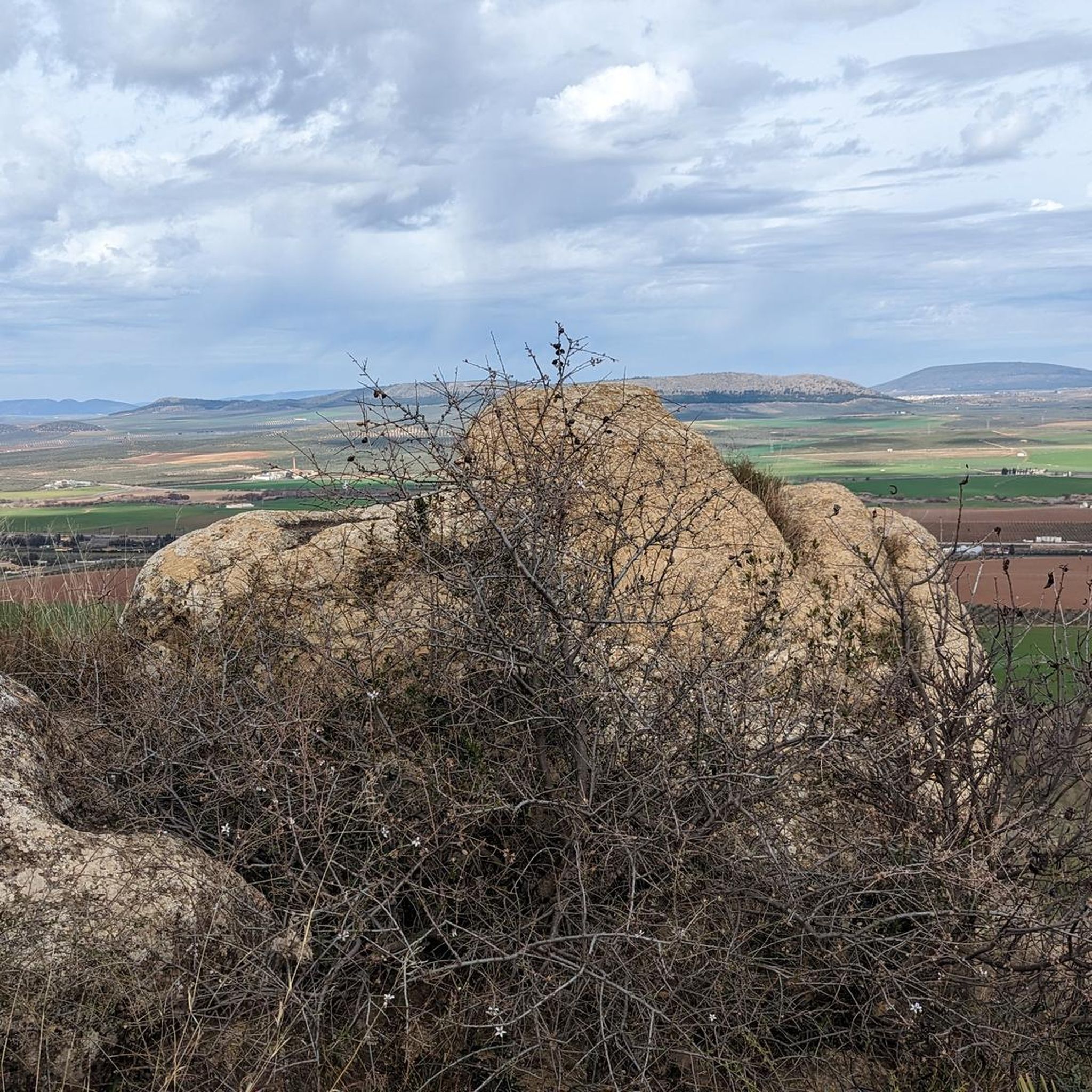
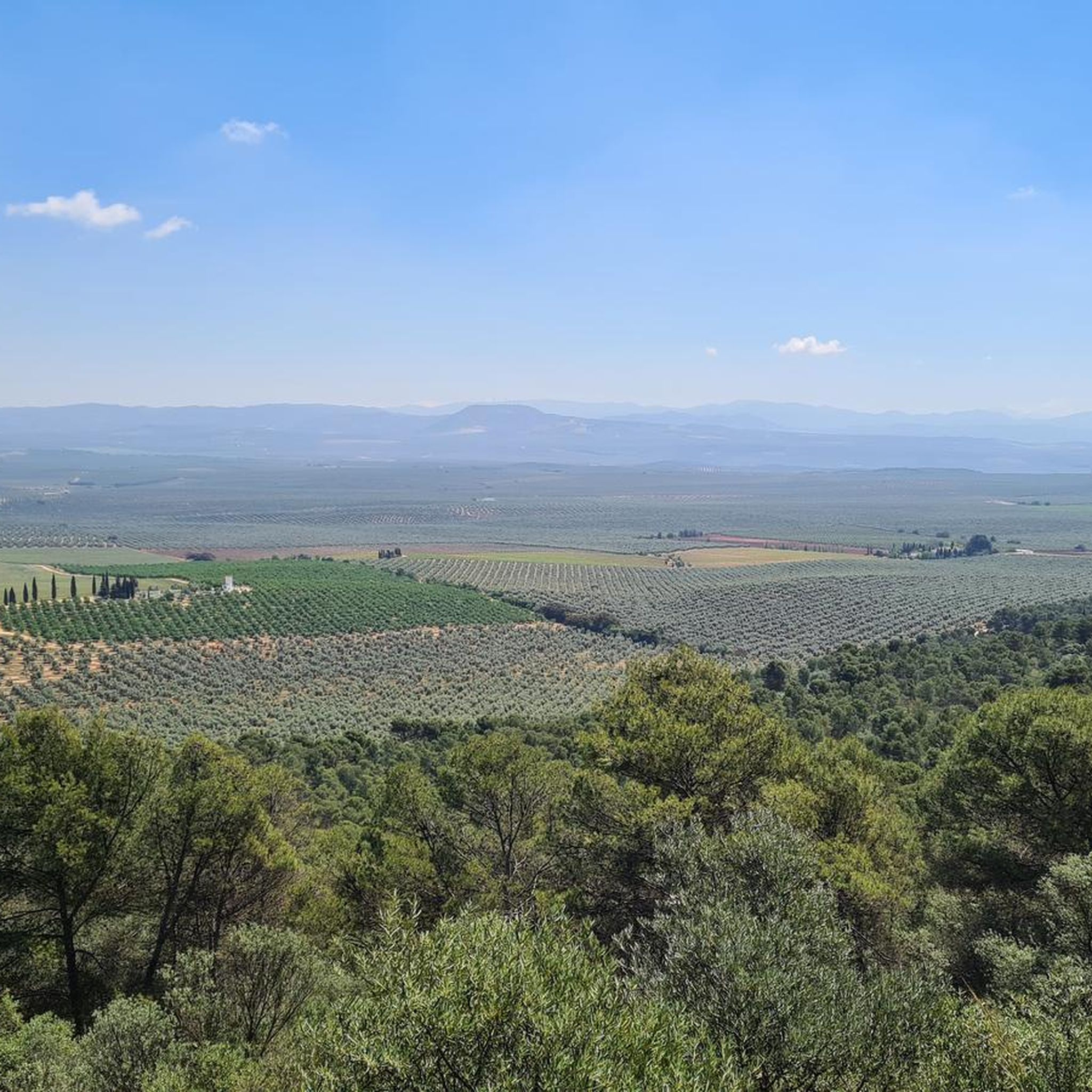
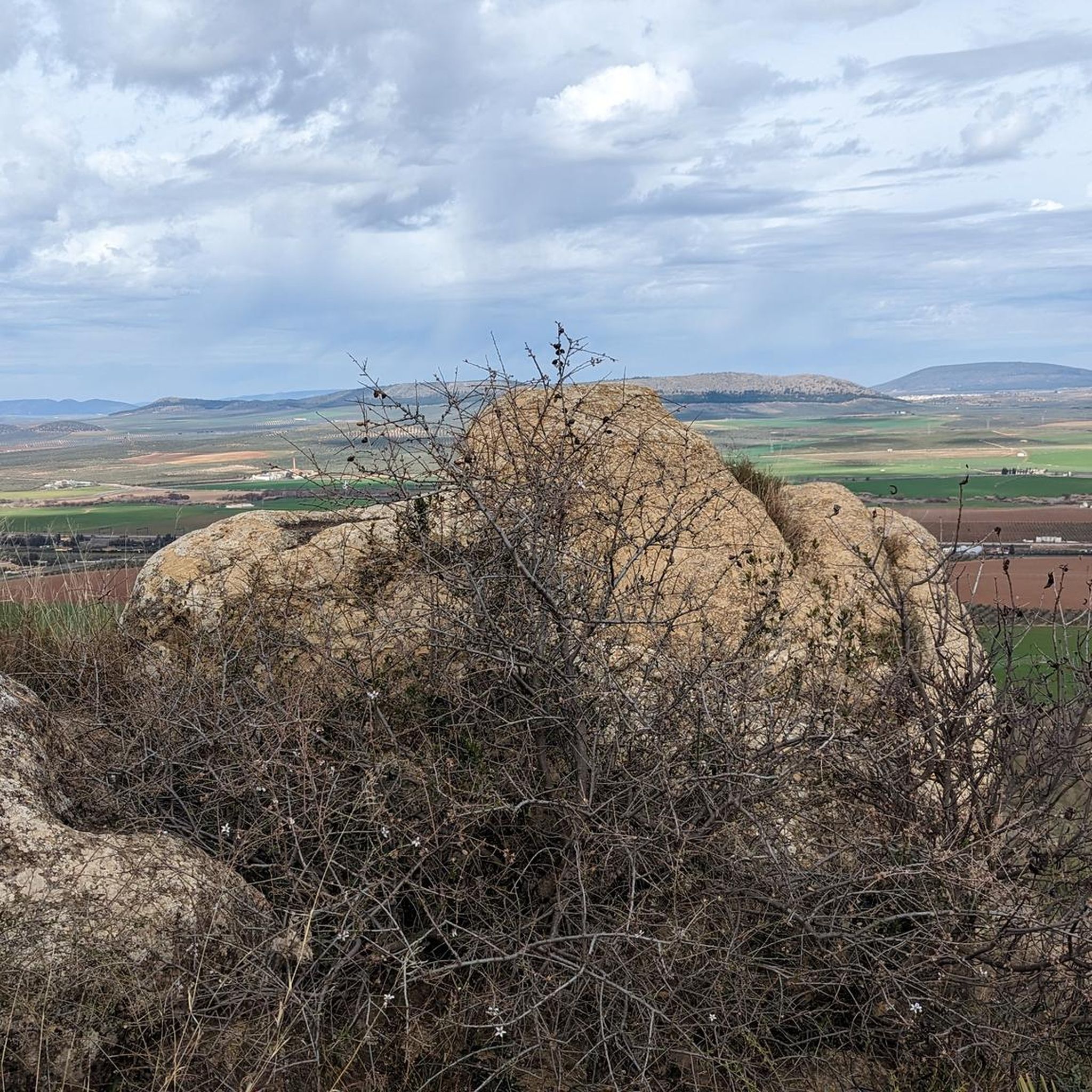
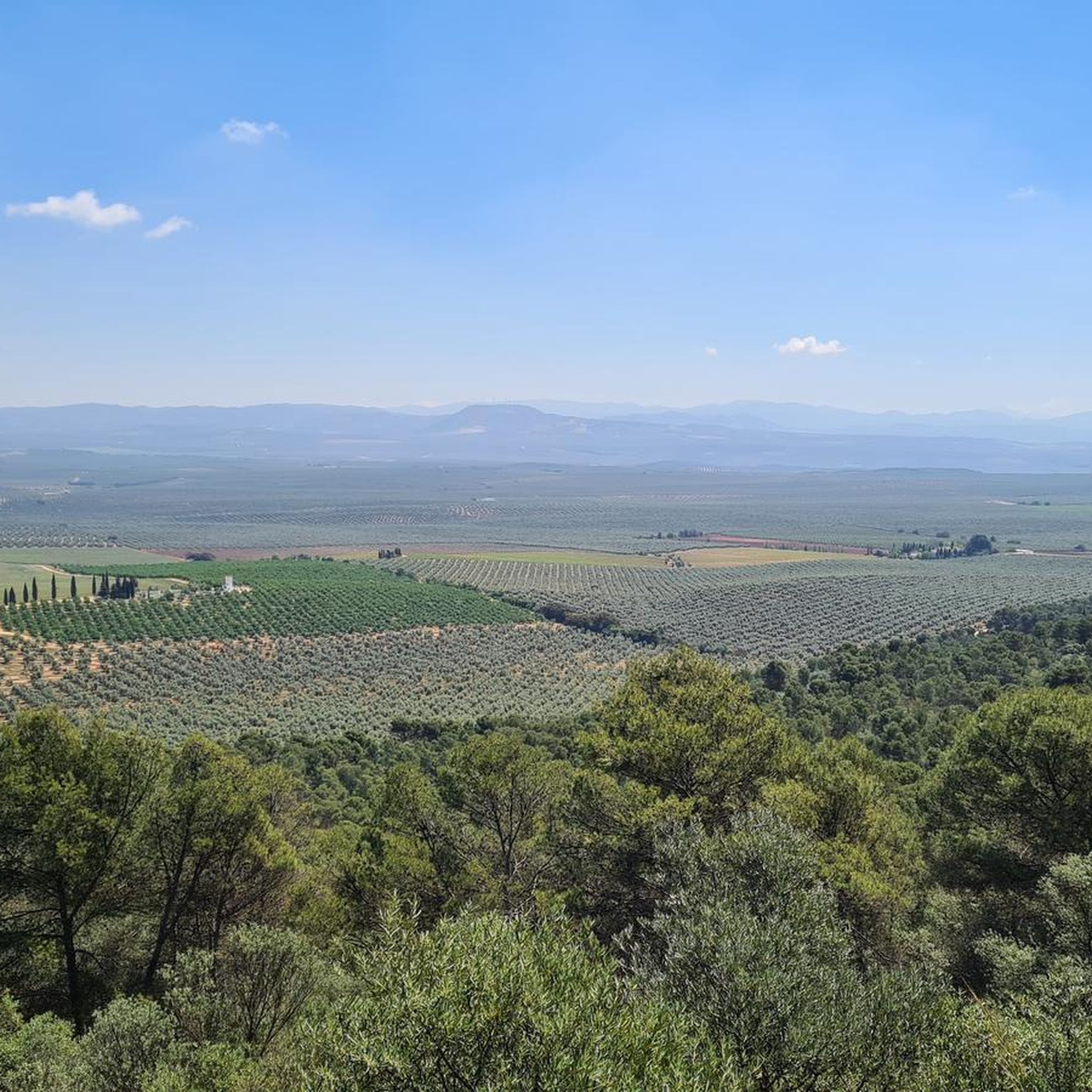
Hiking around Mollina offers diverse landscapes, from the forested slopes of the Sierra de la Camorra to expansive agricultural plains. The region features significant natural areas like the Sierra de la Camorra, known for its broadleaf and pine forests, and unique geological formations such as the Torcal de Mollina sinkhole. East of the Sierra lies the Laguna de Fuente de Piedra, a large wetland area. Surrounding the town are olive groves and vineyards, providing varied terrain for outdoor activities.
Best…
Last updated: October 12, 2026
3.5
(4)
20
hikers
Easy hike. Great for any fitness level. Easily-accessible paths. Suitable for all skill levels.
4.5
(11)
20
hikers
7.33km
02:06
170m
170m
Moderate hike. Good fitness required. Easily-accessible paths. Suitable for all skill levels.

3.0
(2)
6
hikers
19.4km
05:01
100m
100m
Hard hike. Very good fitness required. Easily-accessible paths. Suitable for all skill levels.
1.0
(1)
4
hikers
28.6km
07:30
230m
230m
Hard hike. Very good fitness required. Easily-accessible paths. Suitable for all skill levels.
6
hikers
Easy hike. Great for any fitness level. Easily-accessible paths. Suitable for all skill levels.
Get access to more routes and recommendations from other explorers.
Already have an account?
Our route recommendations are based on thousands of hikes, rides, and runs completed by other people on komoot.
Start today with a free account
Your next adventure awaits.
Tips from the Community

The Laguna de Fuente de Piedra provides an important habitat for large flamingo colonies and is one of the most significant breeding grounds for this bird species in Europe. The shallow salt lagoon offers ideal conditions for the birds, allowing them to be observed there in large numbers, especially during the warmer months.
1
0
Laguna de Fuente de Piedra is home to large flamingo colonies and is considered one of the most important breeding grounds for this bird species in Europe, where they can be observed particularly well in the warmer months.
3
0
Fuente de Piedra is a charming village whose name derives from an ancient spring believed to possess healing powers. The area was already settled in Roman times, and the spring was then referred to as "Fons Divinus." In the Middle Ages, a small settlement grew up around the spring, which later acquired its present name. During the 18th and 19th centuries, Fuente de Piedra was a renowned spa town thanks to its mineral waters, until the spring dried up. Today, the village's name evokes this past, while its history remains closely intertwined with the use and veneration of the water.
1
0
Designated trails run around the lagoon, leading directly to observation points and birdwatching towers. From there, flamingos and numerous other bird species can be observed undisturbed.
1
0
The historic fountain is located in the center of Fuente de Piedra. Its origins date back to a natural spring known since ancient times. This spring was venerated by the Romans as Fons Divinus – "Divine Spring" – because its water was believed to have healing powers, particularly against gallstones. The name of the place, "Fuente de Piedra" ("Stone Spring"), derives directly from this spring. Over the centuries, it has remained a central landmark in the community. In the 1990s, the spring was uncovered and restored in the area of today's Plaza de la Constitución, so that today it serves as a historic landmark commemorating the town's Roman origins and long tradition.
0
0
The Laguna de Fuente de Piedra is also ideal for exploring by bike. The nature reserve is accessible via well-maintained roads and paths that lead through the surrounding Andalusian countryside. The lake itself features designated trails and birdwatching towers, from which flamingos and other bird species can be observed undisturbed. A tour allows for flexible exploration of the reserve, enjoying the tranquil nature while also experiencing the diverse birdlife up close. The lagoon is particularly vibrant in spring and autumn, when numerous birds use the protected area as a breeding or resting place.
2
0
The Laguna de Fuente de Piedra is the largest natural lagoon in Andalusia and an important wetland in the northwest of the province of Málaga. It is best known for its large colony of greater flamingos, which nest here in spring and provide one of the region's most impressive natural spectacles. The shallow salt lagoon also attracts nearly 200 species of birds and is an important resting place for migratory birds. Surrounded by salt marshes, reed beds, and Mediterranean vegetation, the area offers ideal conditions for wildlife. A visitor center provides information about the flora and fauna, while birdwatching platforms and guided tours offer nature lovers exciting insights. The lagoon is an ideal spot for nature photography amidst a fascinating landscape. The Laguna de Fuente de Piedra is also an ideal destination for cyclists who want to combine nature experiences with physical activity. The area offers a variety of cycling routes of varying difficulty levels, leading through the picturesque landscape and along the largest natural lagoon in Andalusia. The “José Antonio Valverde” visitor center serves as a good starting point for cycling tours and offers information about the flora and fauna of the region.
4
0

Frequently Asked Questions
What types of hiking trails can I find in Mollina?
Mollina offers a diverse range of hiking trails, from the forested slopes of the Sierra de la Camorra to expansive agricultural plains. You'll find routes through olive groves and vineyards, as well as paths exploring unique geological formations like the Torcal de Mollina sinkhole. There are nearly 40 routes available, with options for easy, moderate, and difficult trails.
Are there any easy hiking trails suitable for beginners or families in Mollina?
Yes, Mollina has a good selection of easy trails, with 19 routes categorized as easy. A great option for families or beginners is the Path of the Arroyo de las Cañas - circular from Palenciana (PR-A 8), which is 4.3 km long. Another accessible choice is the Laguna de Fuente de Piedra – Fuente de Piedra Lagoon loop from Fuente de Piedra, a 5.3 km trail that takes about 1 hour 22 minutes.
Can I find circular hiking routes in Mollina?
Yes, Mollina features several circular hiking routes. For instance, the Path of the Arroyo de las Cañas - circular from Palenciana (PR-A 8) is an easy circular trail. Another popular option is the Montón de Trigo loop from Humilladero, a moderate 7.3 km loop offering varied scenery.
What are some notable natural landmarks or viewpoints to see while hiking in Mollina?
Mollina is rich in natural landmarks. The Sierra de la Camorra offers spectacular views and is home to numerous caves, including the accessible Cueva de los Órganos. You can also explore the unique Torcal de Mollina sinkhole. East of the Sierra, the Fuente de Piedra Lagoon is a crucial nesting site for flamingos, especially between March and June, and can be viewed from trails like the one leading to Cueva de Salas. For birdwatching, consider visiting the Bird Observation Tower at Laguna de Fuente de Piedra Nature Reserve.
Are there any historical sites or castles I can visit near the hiking trails?
Absolutely. The region around Mollina blends nature with history. You can explore ancient Roman ruins near Santillán Park. For historical structures, consider visiting the Alcazaba of Antequera, the archaeological site of Medina Antaqira, or the Castillo de Gómez Arias, all of which are nearby attractions that can complement your hiking experience.
What do other hikers say about the trails in Mollina?
The hiking routes in Mollina are highly regarded by the komoot community, with an average rating of 4.1 stars from over 99 reviews. Hikers often praise the diverse landscapes, from forested hills to agricultural plains, and the variety of options for different skill levels.
When is the best time of year to go hiking in Mollina?
Mollina offers pleasant hiking conditions for much of the year. Spring (March to June) is particularly beautiful, with lush vegetation and the chance to see flamingos at the Laguna de Fuente de Piedra. Autumn also provides comfortable temperatures and scenic views. Summers can be hot, so early morning or late afternoon hikes are recommended during this season.
Are there any trails that offer views of the Fuente de Piedra Lagoon?
Yes, several trails provide views of the stunning Fuente de Piedra Lagoon. A path leading to Cueva de Salas offers excellent vantage points. You can also hike the Fuente de Piedra Lagoon loop from Fuente de Piedra, a more challenging 20.9 km route that fully immerses you in the wetland environment.
Are there any trails that pass through vineyards or olive groves?
Yes, the agricultural landscape surrounding Mollina is dominated by olive groves and vineyards, which produce local wines. Many walking routes traverse these areas, offering pleasant strolls through the countryside and a chance to experience the region's agricultural heritage.
What is the difficulty level of trails in Mollina?
Mollina's trails cater to various experience levels. Out of nearly 40 routes, you'll find 19 easy trails, 10 moderate trails, and 9 difficult trails. This ensures there's something suitable whether you're looking for a leisurely walk or a more challenging trek.
Are there any trails that explore the caves in the Sierra de la Camorra?
The Sierra de la Camorra is known for its numerous caves. While many require specialized equipment, the Cueva de los Órganos offers an easy and accessible route for exploration. The 'Ruta a la Cueva de los Órganos y Torca de Mollina' is a popular hike that showcases this natural beauty.
Most popular attractions around Mollina

Get inspired with the komoot mobile app


Explore more
Browse the best Hikes in other regions.
