The best road cycling routes around Tudanca
4.0
(4)
766
riders
12
rides
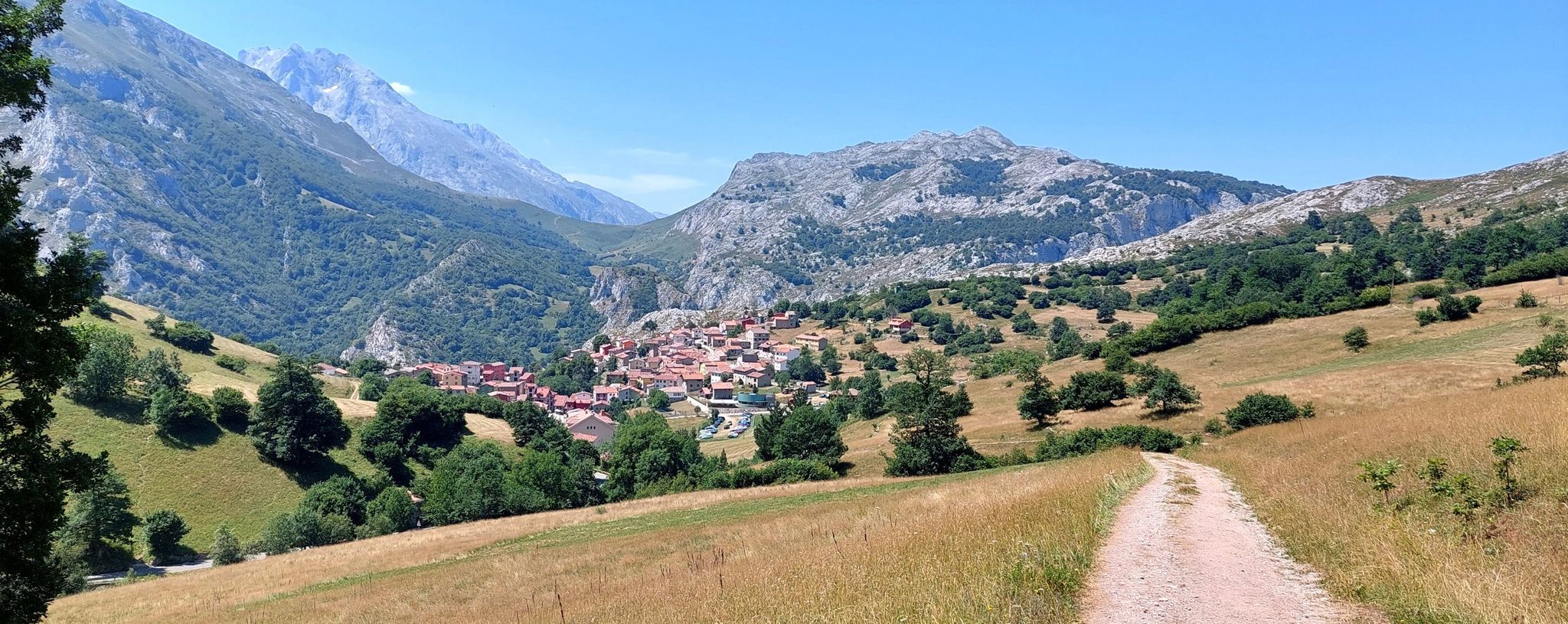
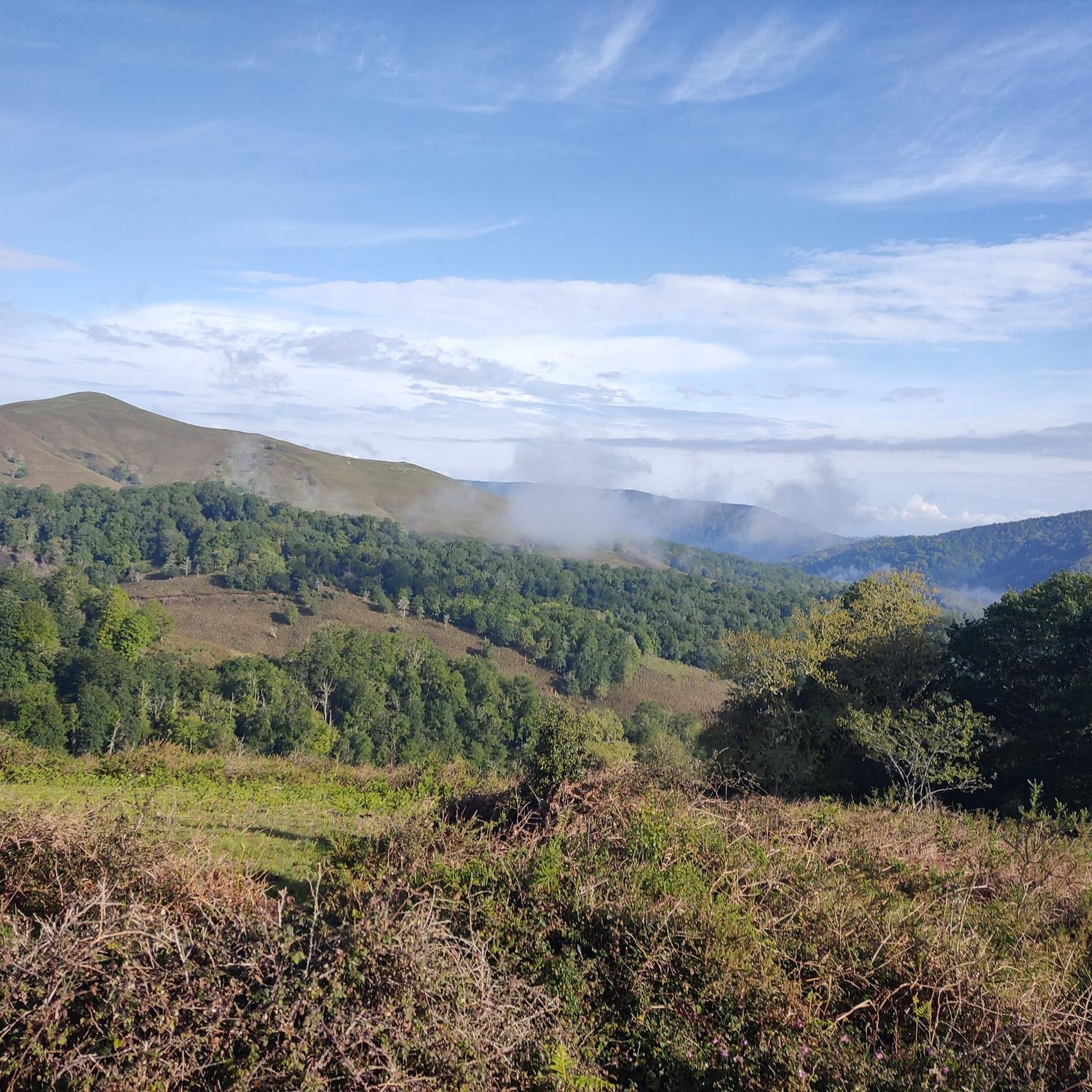
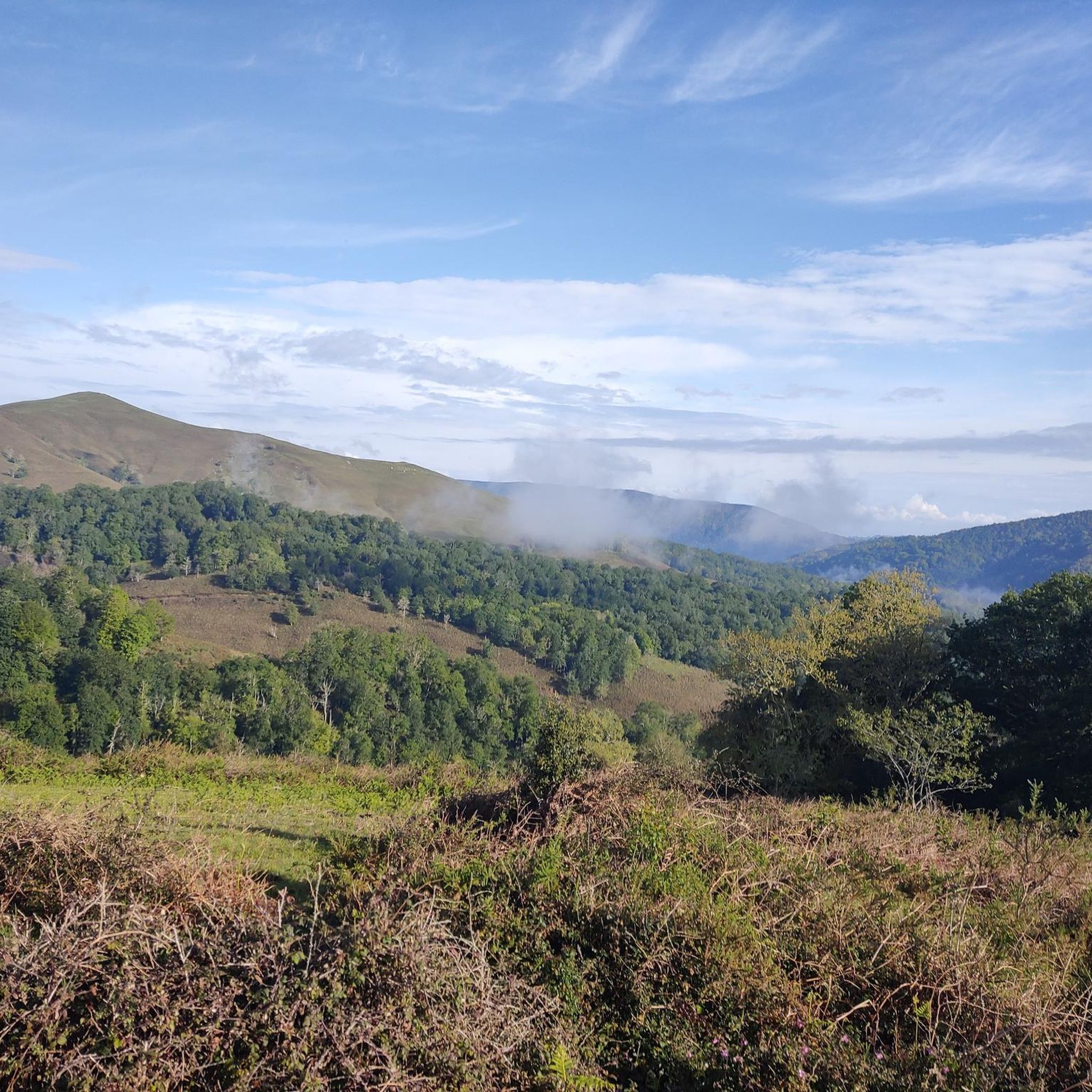
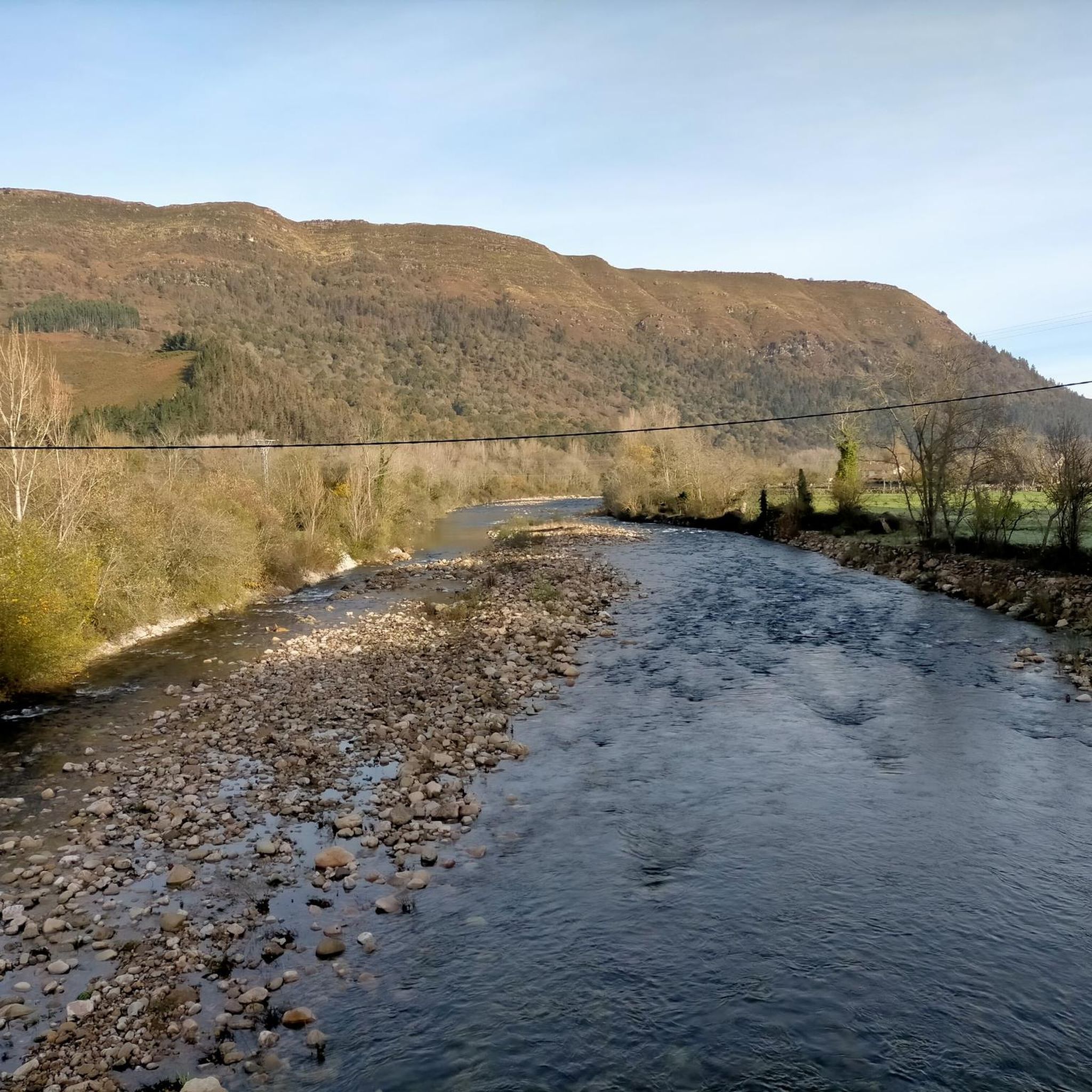
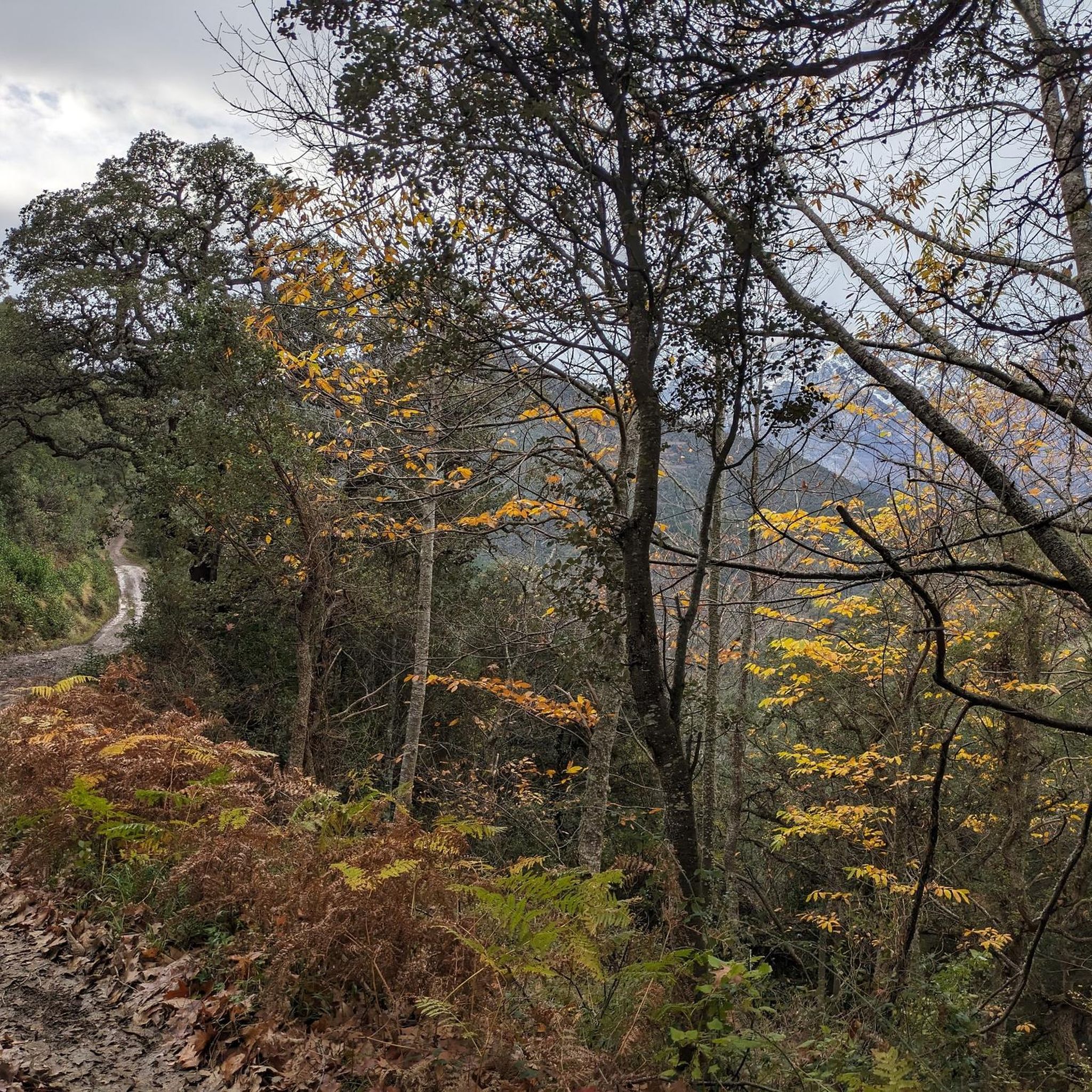
Road cycling routes around Tudanca are characterized by the mountainous terrain of Cantabria, offering diverse routes with significant elevation changes. The region is nestled within the Nansa Valley, featuring lush green landscapes and the Nansa River. Roads are generally well-maintained and experience low traffic levels, providing a suitable environment for road cyclists. Tudanca's location provides access to areas within or near natural parks like Saja-Besaya, ensuring varied natural features along the routes.
Best road cycling routes around Tudanca
- The most…
Last updated: July 10, 2026
5.0
(1)
276
riders
105km
05:55
2,350m
2,360m
Hard road ride. Very good fitness required. Some segments of this route may be unpaved and difficult to ride.
172
riders
Hard road ride. Very good fitness required. Some segments of this route may be unpaved and difficult to ride.

Sign up for free
43
riders
32.9km
01:22
230m
230m
Easy road ride. Great for any fitness level. Mostly well-paved surfaces and easy to ride.
3.0
(1)
79
riders
52.8km
02:34
630m
630m
Moderate road ride. Good fitness required. Mostly well-paved surfaces and easy to ride.
31
riders
40.0km
02:16
780m
770m
Moderate road ride. Good fitness required. Some segments of this route may be unpaved and difficult to ride.
Get access to more routes and recommendations from other explorers.
Sign up for free
Already have an account?
Our route recommendations are based on thousands of hikes, rides, and runs completed by other people on komoot.
Start today with a free account
Your next adventure awaits.
Login or Signup
Other adventures around Tudanca

Tips from the Community

The Collada de Carmona is a mountain pass in the Cantabrian mountain range located in western Cantabria.[1] It rises to 601 m above sea level and links the towns of Valle to the east and Carmona to the west, both belonging to the municipality of Cabuérniga.
0
0

The section between Linares and La Hermida will be a great surprise. It is a winding mountain road that will leave you with tired legs and a feeling of joy at being able to enjoy such unparalleled views. On the way down, I suggest you visit the Romanesque church of Santa Juliana, right at the entrance to the town of Lafuente.
0
0

The Soplao 10,000 cycling test includes Santibáñez in its route. The race passes through the town and heads towards the ascent to the Alto de San Ciprián whose summit is located between the mountains that surround the town of Santibañez. The water from this town also stands out, it is collected by many people for its freshness and flavor.
1
0
It takes its name from the main activity it carried out for centuries: the extraction of salt. It has a multitude of worthy buildings, among the most important are the palace-house of Carrejo (today converted into the Museum of Nature of Cantabria), the palace-tower of the Monasteries, and the Bodega palace (18th century).
1
0
The pre-Roman stelae of Barros and Lombera stand out, as well as the manor houses that can be found in the Rasilla park area, such as the palace of the Counts of Mansilla, Bustamante and Quijano. One of the main attractions are the Cantabrian Wars festivities, which are held on the last weekend of August and the first of September, recreating the wars between the Romans and the Cantabrians.
0
0
The small church of Santa Juliana is located right at the entrance to the town of Lafuente, on the road that goes up from Puentenansa to La Hermida in Peñarrubia. It was declared an Asset of Cultural Interest in 1983. Although it is a very simple and rough rural Romanesque work, its chronology has been between the end of the 12th century and the beginning of the 13th.
1
0
It has a length of almost 6 km, an altitude of 554 meters and an average slope of 5.62%.
1
0
Mountain pass very busy by all the cyclists of Cantabria. Of moderate slopes, with a slightly harder final kilometer and a small descent after completing the initial 1000 meters.
1
0
Frequently Asked Questions
How many road cycling routes are available around Tudanca?
There are over 10 dedicated road cycling routes around Tudanca, catering to various skill levels. You'll find options ranging from easy valley rides to challenging mountain ascents.
What kind of terrain can I expect when road cycling in the Tudanca region?
The Tudanca region, nestled in Cantabria's Nansa Valley, offers diverse mountainous terrain. You can expect significant elevation changes, from serene valley roads alongside rivers to demanding climbs up to peaks like Peña Labra and Tres Mares. Roads are generally well-maintained and experience low traffic, especially away from major urban centers.
Are there any easy road cycling routes suitable for beginners or a more relaxed ride?
Yes, there are a couple of easy routes. For a more relaxed experience, consider the Stone Fountain loop from Ruente, which covers about 33 km with moderate elevation gain, perfect for enjoying the scenery without extreme effort.
What are some challenging road cycling routes for experienced riders?
Experienced riders seeking a challenge will find several difficult routes. The Piedrasluengas and Collado de Hoz Loop is a demanding 105 km route featuring significant climbs and mountain passes. Another excellent option is the Port of Palombera and Alto de San Cipriano from Ruente, a 111 km circular route through the Saja-Besaya Natural Park with varied scenery and challenging ascents.
What natural features or viewpoints can I see along the road cycling routes?
The region is rich in natural beauty. You can enjoy views towards the Picos de Europa from elevated points, or cycle through the protected forests of the Saja-Besaya Natural Park. Notable viewpoints include Tres Mares Peak and Peña Labra, offering panoramic vistas of the Cantabrian interior. The Nansa River also provides serene stretches along its valley.
Are there any waterfalls accessible or visible from the road cycling routes?
Yes, the region features beautiful waterfalls. You might encounter the tranquil Lamiña Waterfalls, located near Barcenillas within the Saja-Besaya Natural Park, or the Pozo del Infierno Waterfall, offering a refreshing stop amidst your ride.
What do other road cyclists say about the routes around Tudanca?
The road cycling routes around Tudanca are highly rated by the komoot community, with an average score of 4.0 stars. Cyclists often praise the stunning natural landscapes, the challenge of the climbs, and the generally quiet, well-maintained roads that make for a peaceful and enjoyable ride.
Are there any circular road cycling routes starting near Tudanca?
Yes, many routes are designed as loops. For instance, the Stone Fountain – Collada de Carmona loop from Ruente is a moderate 40 km ride that offers varied terrain and scenic views. Several other routes, including the more challenging ones, are also circular, allowing you to start and finish in the same location.
What is the best time of year for road cycling in the Tudanca area?
The best time for road cycling in the Tudanca area, and Cantabria generally, is during the spring and autumn months. The weather is typically milder, and the landscapes are vibrant. Summer can also be pleasant, especially in the mountains, but be prepared for warmer temperatures. Winters can be cold and wet, with snow at higher elevations.
Are there any unique landmarks or points of interest to explore along the routes?
Beyond the natural beauty, you might encounter interesting landmarks. The Fuentona de Ruente Bridge is a notable point of interest. Additionally, the region is dotted with charming villages and traditional architecture, offering glimpses into local culture as you cycle through.
What is the typical elevation gain for road cycling routes in this region?
The Tudanca region is characterized by its mountainous terrain, so elevation gain can vary significantly. Easy routes might have a few hundred meters of ascent, while difficult routes like the Piedrasluengas and Collado de Hoz Loop can feature over 2,300 meters of climbing, providing ample challenge for those seeking significant elevation.
Can I find routes that pass through natural parks?
Absolutely. Tudanca's location provides excellent access to areas within or near natural parks. For example, the challenging Port of Palombera and Alto de San Cipriano from Ruente route traverses the Saja-Besaya Natural Park, offering varied scenery and unspoiled natural beauty.
Most popular routes around Tudanca
Most popular attractions around Tudanca

Get inspired with the komoot mobile app


Explore more
Browse the best Road cycling routes in other regions.
