The best walks and hikes around Villanueva De Viver
4.6
(520)
3,009
hikers
58
hikes
Hiking around Villanueva De Viver offers diverse natural landscapes in the mountainous Alto Mijares region of Castellón. The area is characterized by extensive pine forests and dramatic ravines, such as Barranco de Maimona, which carve through the terrain. Situated at an altitude of 900 meters, the region features varied elevations and numerous natural springs, providing a range of hiking experiences.
Best hiking trails around Villanueva De Viver
- The most popular hiking route is Cueva Cerdaña loop from Mas de Noguera…
Last updated: October 11, 2026
5.0
(2)
13
hikers
Moderate hike. Good fitness required. Mostly accessible paths. Sure-footedness required.
13
hikers
8.86km
02:29
170m
170m
Moderate hike. Good fitness required. Easily-accessible paths. Suitable for all skill levels.

5.0
(1)
8
hikers
19.8km
06:19
710m
710m
Hard hike. Very good fitness required. Sure-footedness, sturdy shoes and alpine experience required.
9
hikers
12.2km
03:42
260m
260m
Moderate hike. Good fitness required. Mostly accessible paths. Sure-footedness required.
9
hikers
8.15km
02:17
170m
170m
Moderate hike. Good fitness required. Easily-accessible paths. Suitable for all skill levels.
Get access to more routes and recommendations from other explorers.
Already have an account?
Our route recommendations are based on thousands of hikes, rides, and runs completed by other people on komoot.
Start today with a free account
Your next adventure awaits.
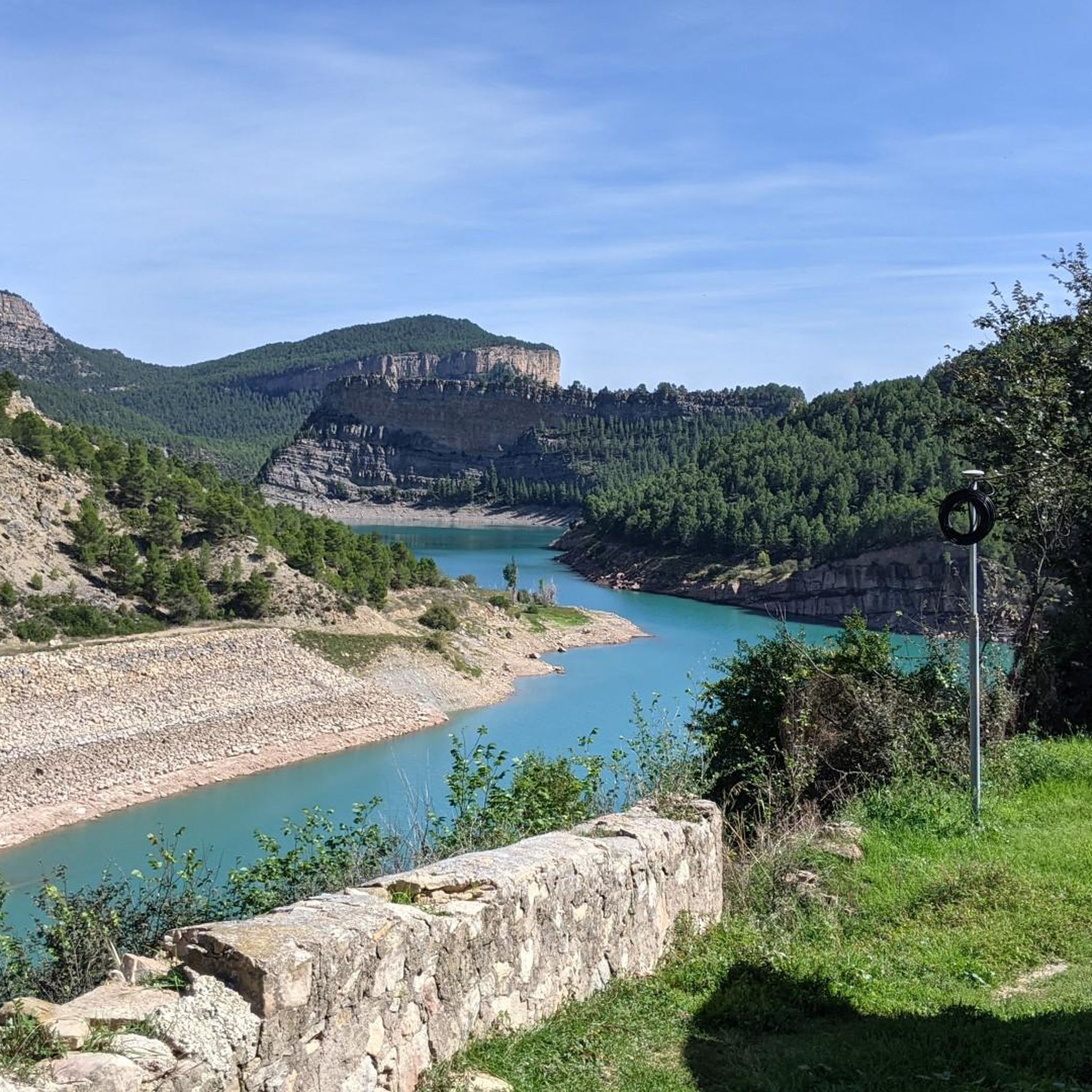
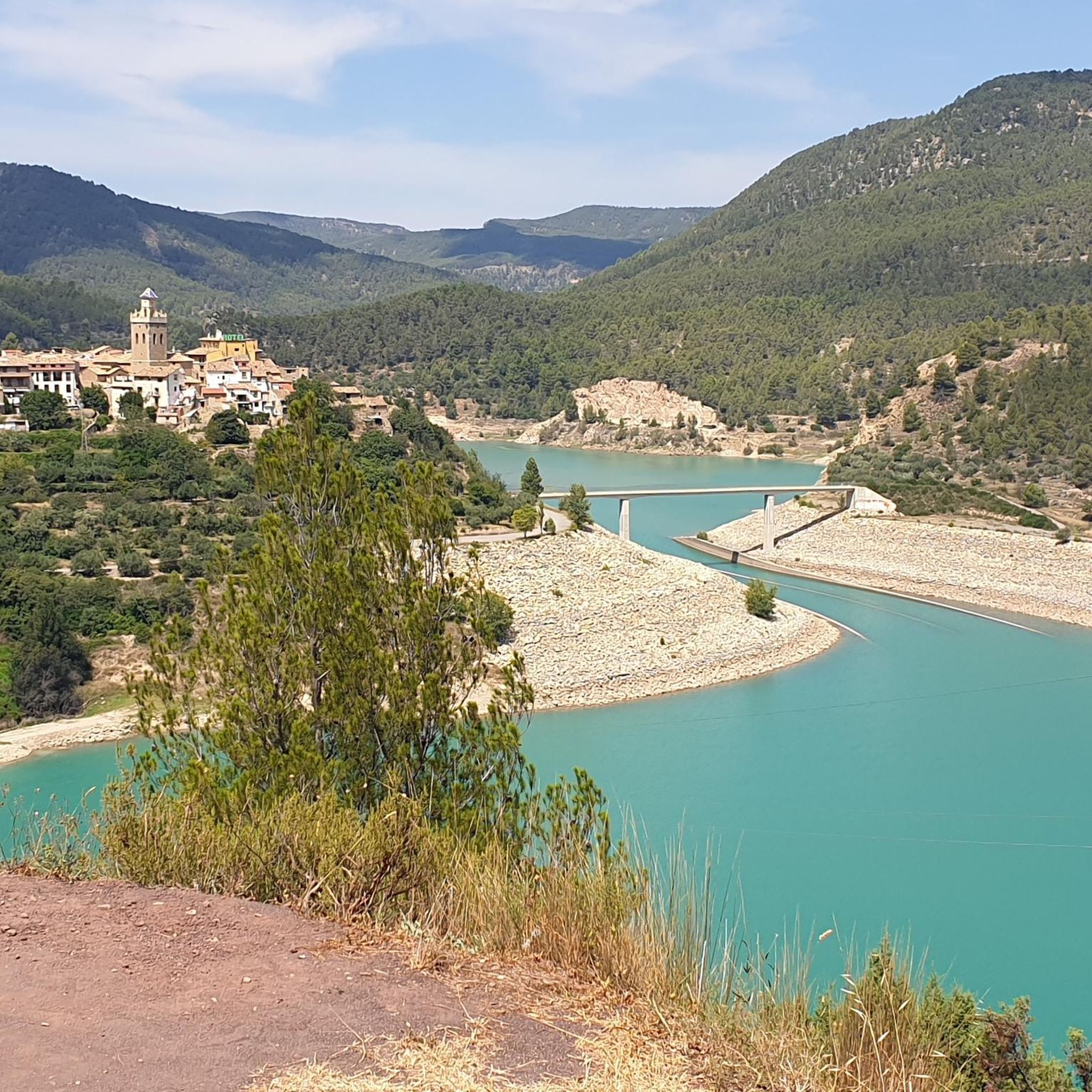
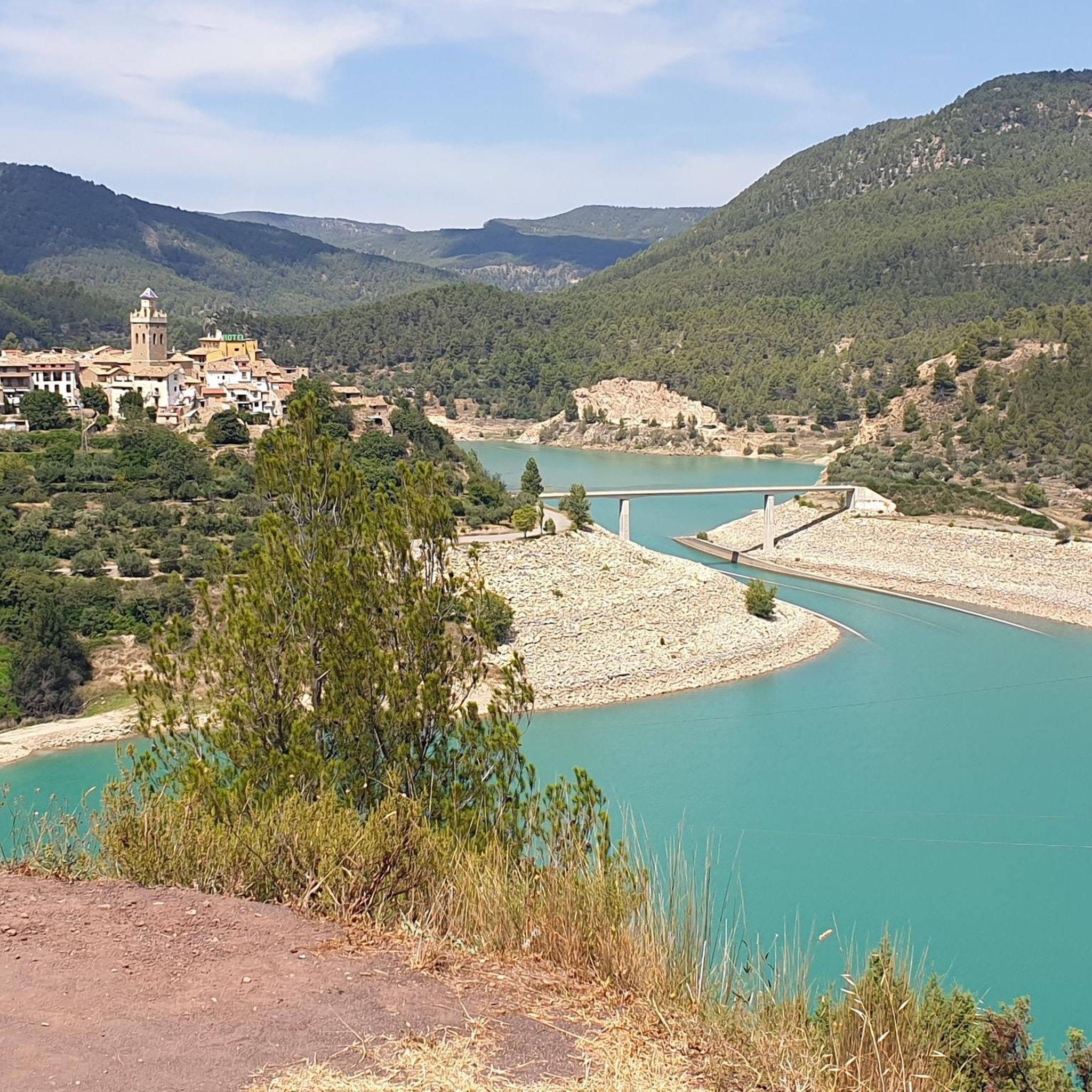
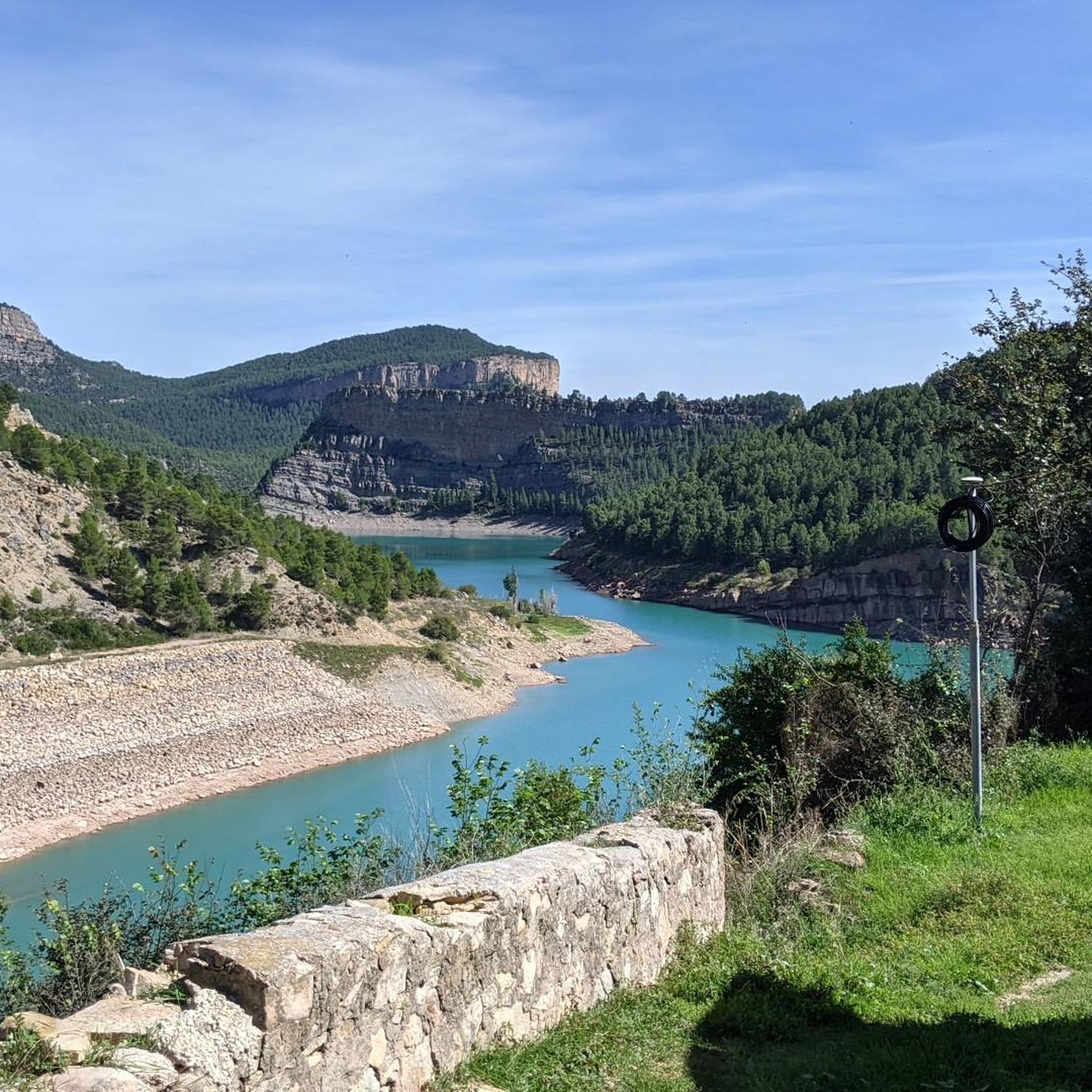

Tips from the Community

Cyclable path that formerly connected Villanueva de Viver with Fuente la Reina.
0
0

It is worth climbing Santa Barbara Peak for its impressive views.
0
0


Good views and a good path down
0
0

Along this track you can enjoy the landscape among the pines and, in some of the curves, contemplate the views of the Mijares river valley.
0
0

Small town in the mountains on the slopes of Mount Pina. Enjoy lunch in its little bars before continuing your route along the paths that start from it.
0
0

A magical place, discover its legend. Will not disappoint you
2
0
Frequently Asked Questions
How many hiking trails are available in Villanueva de Viver?
Villanueva de Viver offers a diverse network of over 40 hiking trails. These routes cater to various skill levels, from moderate loops to more challenging mountain paths, allowing you to explore the region's extensive pine forests and dramatic ravines.
What kind of terrain can I expect when hiking in Villanueva de Viver?
The terrain around Villanueva de Viver is predominantly mountainous, characterized by extensive pine forests and dramatic ravines. You'll encounter varied elevations, from lower Mediterranean altitudes with Aleppo pine to higher zones with Scots pine. The area's 'Red-Multisenda' system utilizes ancient logging and agricultural paths, offering picturesque routes with impressive views.
Are there any easy or family-friendly hiking options?
Yes, Villanueva de Viver has several routes suitable for families and those looking for easier walks. There are 7 easy routes available. For example, the Cueva Cerdaña loop from Mas de Noguera is a moderate 3.8 km trail that explores local natural features and is often completed in about 1 hour 30 minutes.
Can I bring my dog on the hiking trails in Villanueva de Viver?
While specific regulations for dogs on trails can vary, generally, dogs are welcome on most hiking trails in the natural areas around Villanueva de Viver. It's always recommended to keep your dog on a leash, especially in areas with wildlife or near livestock, and to carry water for them, particularly during warmer months.
Are there circular hiking routes available?
Yes, the region is well-known for its circular routes, particularly those part of the 'Red-Multisenda' system. These routes, including the 'Caminos Saludables' and 'Lugares Singulares' trails, are designed to bring you back to your starting point. An example is the Villanueva de Viver – Church of San Antonio Abad loop from Villanueva de Viver, a moderate 10.8 km path that passes through the village and its historic center.
What natural attractions can I see along the hiking trails?
Hikers can discover a wealth of natural attractions. The Barranco de Maimona, extending towards Montanejos, is a spectacular ravine with lush pine forests and the sizable Cueva Negra. You'll also find numerous natural springs, such as Fuente de Santa Bárbara within the village and Fuente de Collao towards Fuente la Reina. Further afield, the Fuente de los Baños de Montanejos is known for its thermal properties.
Are there any historical or cultural sights to explore while hiking?
Beyond the natural beauty, the village of Villanueva de Viver itself offers a charming historic center with traditional houses, the 17th-18th century Parish Church of San Antonio Abad, and old public wash houses. Rustic 17th-century chapels like San Martín and Santa Bárbara are also notable. Some 'Lugares Singulares' routes, like LS1 - Mina de Manganeso, lead to sites highlighting the area's history.
How challenging are the hikes in Villanueva de Viver?
The hikes in Villanueva de Viver range from moderate to difficult. Out of 41 total routes, 25 are moderate and 9 are considered difficult, often featuring significant elevation changes. The 'Caminos Saludables' routes, for instance, range from 5 to 13 km with notable ascents, requiring good physical condition. There are also 7 easy routes for a less strenuous experience.
What is the best time of year to go hiking in Villanueva de Viver?
The mountainous terrain and pine forests make Villanueva de Viver enjoyable for hiking across multiple seasons. Spring and autumn generally offer pleasant temperatures and vibrant landscapes. Summer can be warm, but the altitude and shaded forest paths provide some relief. Winter hiking is also possible, though higher elevations may experience colder conditions.
What do other hikers say about the trails in Villanueva de Viver?
The hiking trails in Villanueva de Viver are highly rated by the komoot community, with an average score of 4.5 stars from over 330 reviews. Hikers often praise the well-signposted trails, the diverse natural landscapes including pine forests and ravines, and the rewarding views from various viewpoints like Pradas and El Cerro.
Is there parking or public transport available for accessing the trails?
Villanueva de Viver is accessible by road, and parking is generally available within or near the village, providing convenient access to many trailheads. While public transport options might be limited, local bus services connect the village to larger towns. It's advisable to check specific routes and schedules if relying on public transport.
Are there any specific ravines or caves worth visiting?
Absolutely. The Barranco de Maimona is a must-see, known for its spectacular natural beauty, lush vegetation, and the impressive Cueva Negra. This ravine offers a unique hiking experience through limestone slopes and dense pine forests, providing a glimpse into the region's geological formations.
Where can I find natural springs along the hiking routes?
Villanueva de Viver is dotted with natural springs. Within the village, you can find Fuente de Santa Bárbara. Towards Fuente la Reina, the Fuente de Collao is known for its very cold water. While a bit further, the Fuente de los Baños de Montanejos is a popular natural pool often associated with the wider region, perfect for a refreshing stop.
Most popular routes around Villanueva De Viver
Most popular attractions around Villanueva De Viver

Get inspired with the komoot mobile app


Explore more
Browse the best Hikes in other regions.
