Attractions and Places To See around Argés - Top 20
Best attractions and places to see around Argés are primarily found in the historic city of Toledo, offering a rich blend of cultural and architectural landmarks. This region is characterized by its ancient history, with sites reflecting centuries of diverse influences. Visitors can explore significant historical structures and enjoy panoramic views of the Tagus River and the city's unique urban layout. The area provides opportunities to discover well-preserved monuments and natural vistas.
Best attractions and places to see around Argés
- The most popular attractions is Toledo Cathedral, a religious building that is a masterpiece of Gothic art and a symbol of the city. Its construction began in 1226 and lasted for over two centuries.
- Another must-see spot is Alcántara Bridge, a historical bridge with a history dating back to Roman times. Its architecture has evolved over centuries, and it is one of Toledo's iconic monuments.
- Visitors also love San Martín Bridge, a bridge located to the west of the city. It features five pointed arches on robust pillars and two hexagonal towers at its ends.
- Argés is known for its historical sites, impressive bridges, and significant religious buildings. The area offers a variety of attractions to see and explore, from ancient monuments to viewpoints.
- The attractions around Argés are appreciated by the komoot community, with over 180 upvotes and more than 300 photos shared by visitors.
Last updated: June 22, 2026
Toledo Cathedral
Highlight • Religious Site
Translated by Google •
Tip by

El Arco de la Sangre, unique gate with statue
Highlight • Monument
Translated by Google •
Tip by

Sign up now to discover places like this
Get recommendations on the best single tracks, peaks, & plenty of other exciting outdoor places.
Sign up for free
San Martín Bridge
Highlight • Bridge
Destroyed in the fratricidal war between Pedro I and Enrique II, it was rebuilt by order of Bishop Pedro Tenorio. It has five pointed arches on robust pillars and has two hexagonal towers at its ends. The entrance to the city is presided over by a large imperial shield with their corresponding seated kings.
Translated by Google •
Tip by
Alcántara Bridge
Highlight • Bridge
Originally built by the Romans in the 3rd century AD, as part of the network of roads that connected the Empire.
Its name comes from the Arabic "al-qanṭarah," meaning "the bridge," given by the Muslims after its reconstruction in the 10th century.
Translated by Google •
Tip by
Bisagra Gate
Highlight • Historical Site
Translated by Google •
Tip by
Sign up for free to discover even more attractions around Argés.
Sign up for free
Already have an account?
Start today with a free account
Your next adventure awaits.
Login or Signup

Tips from the Community

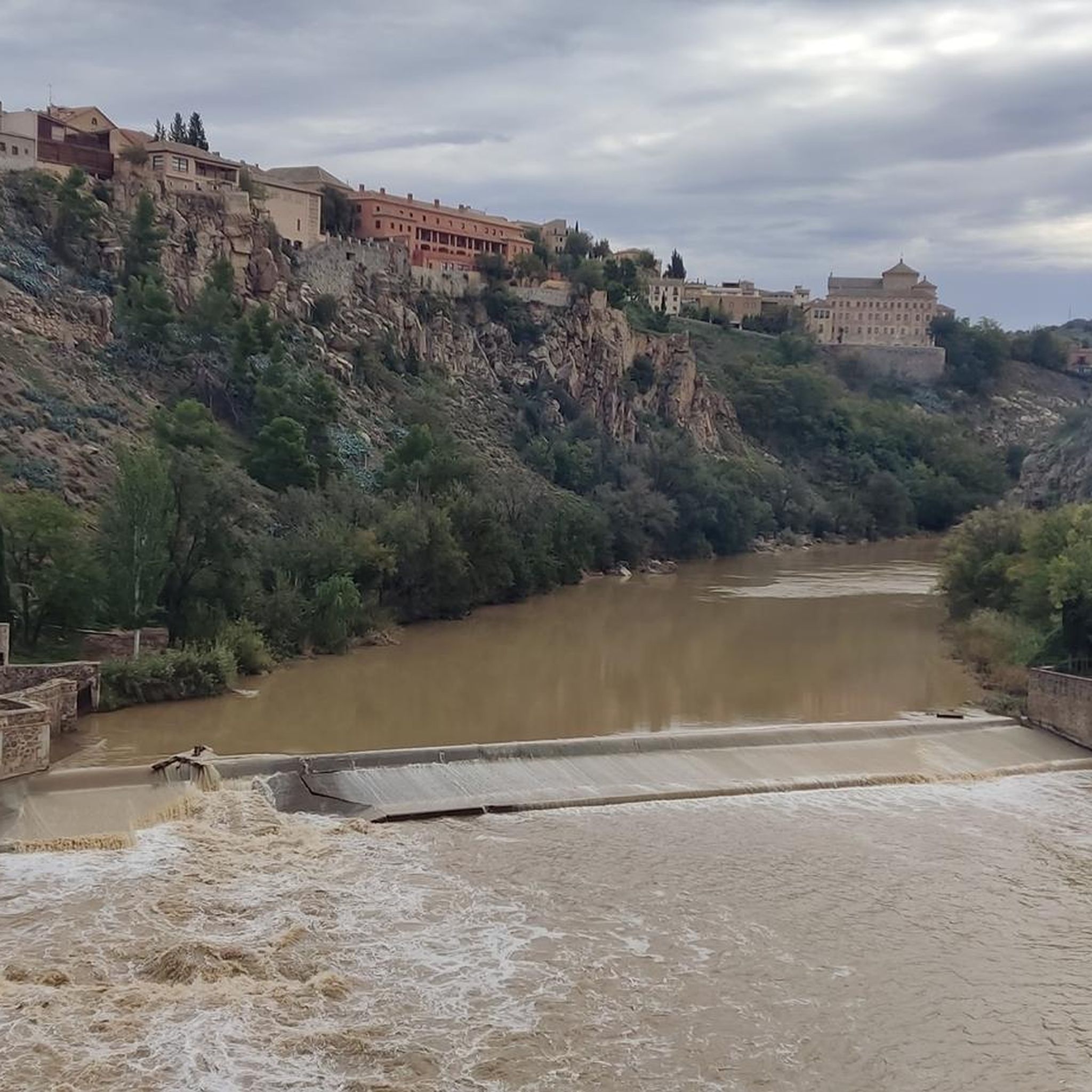
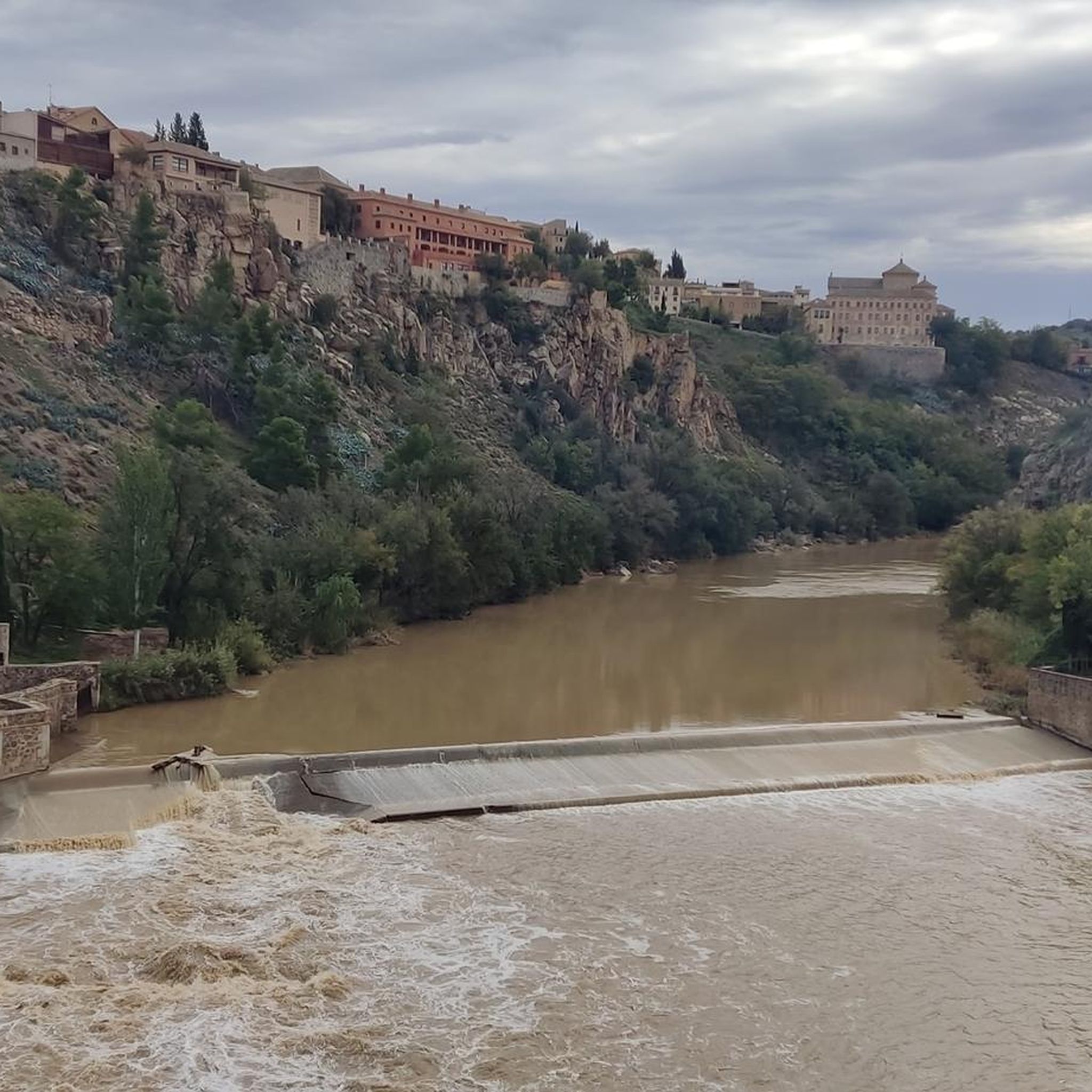
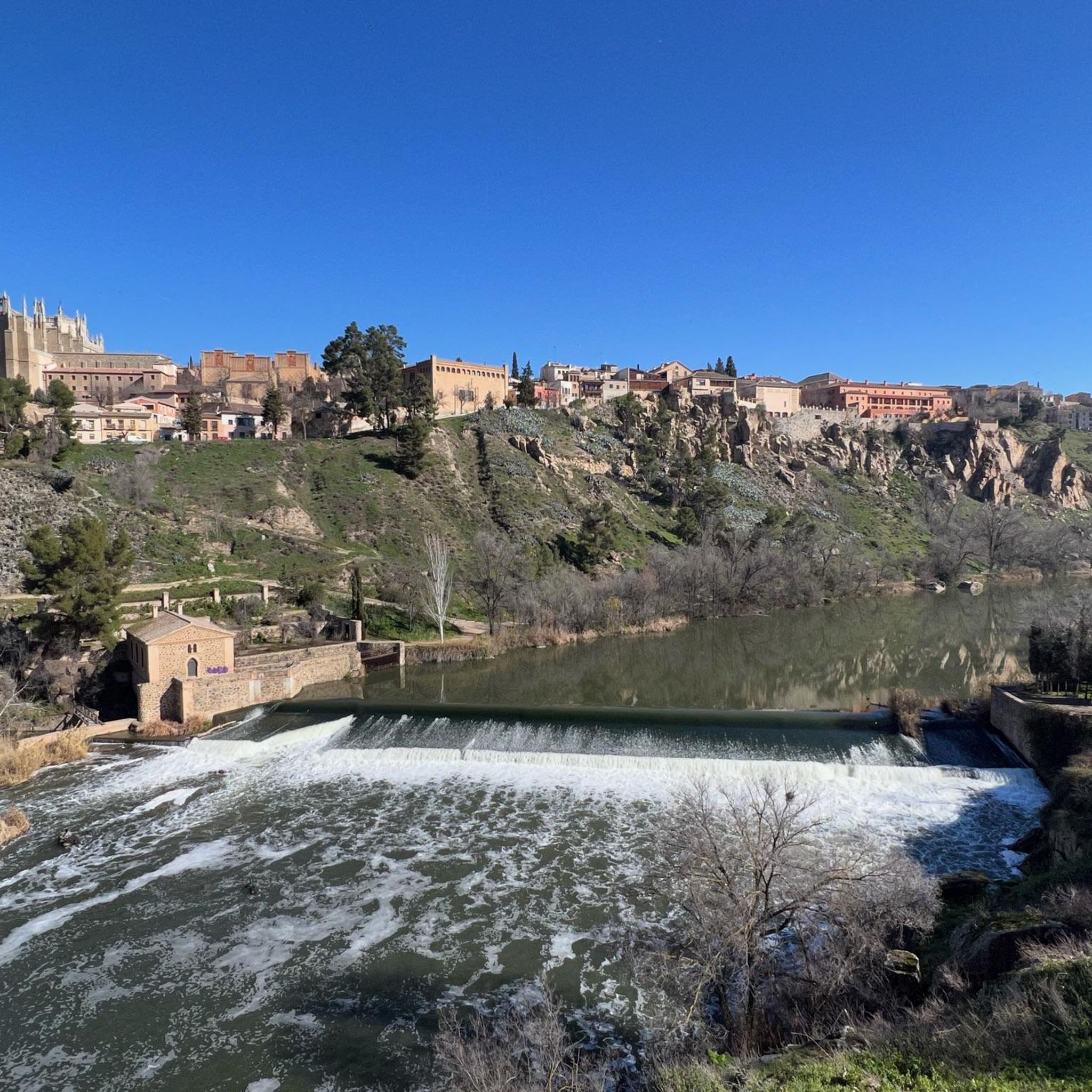
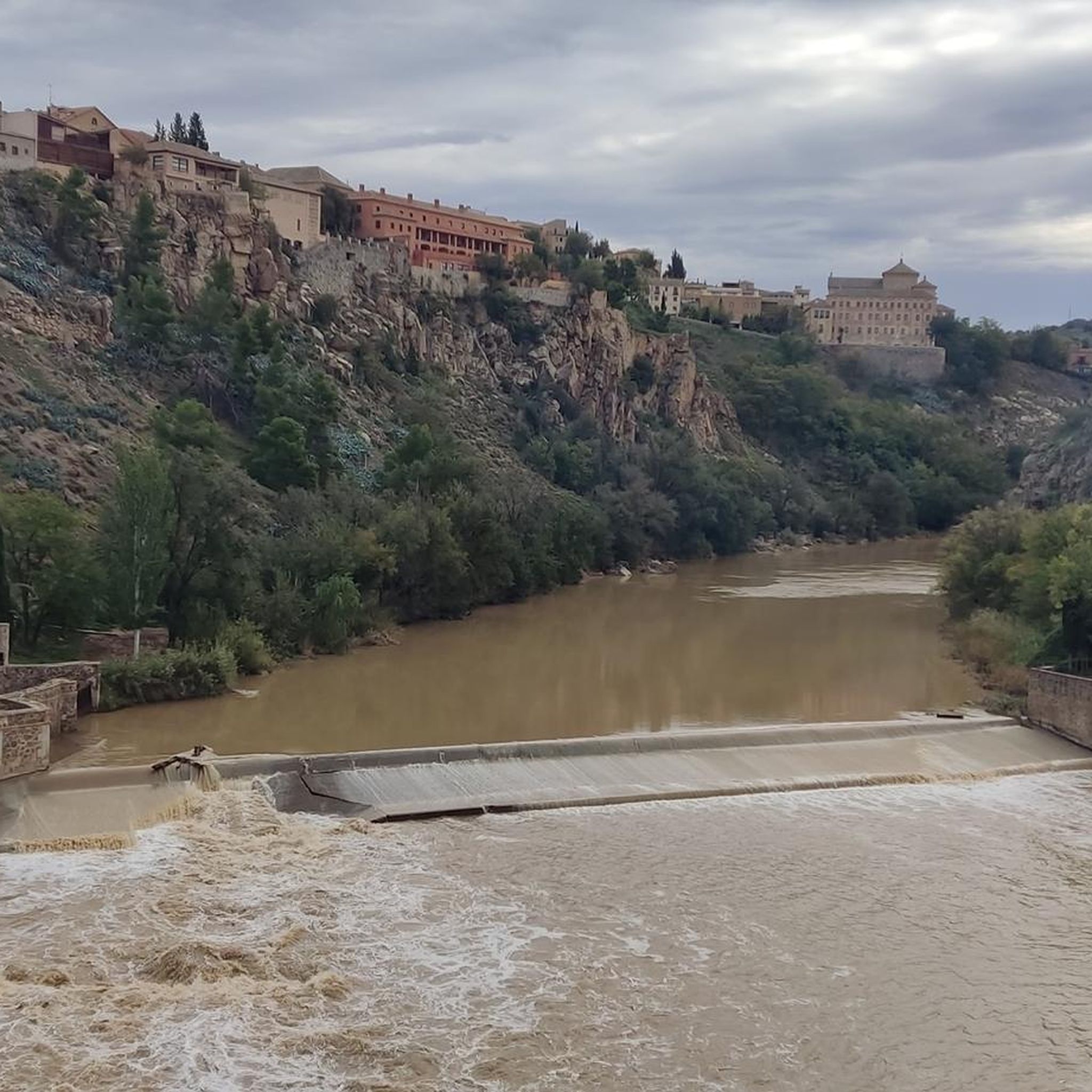
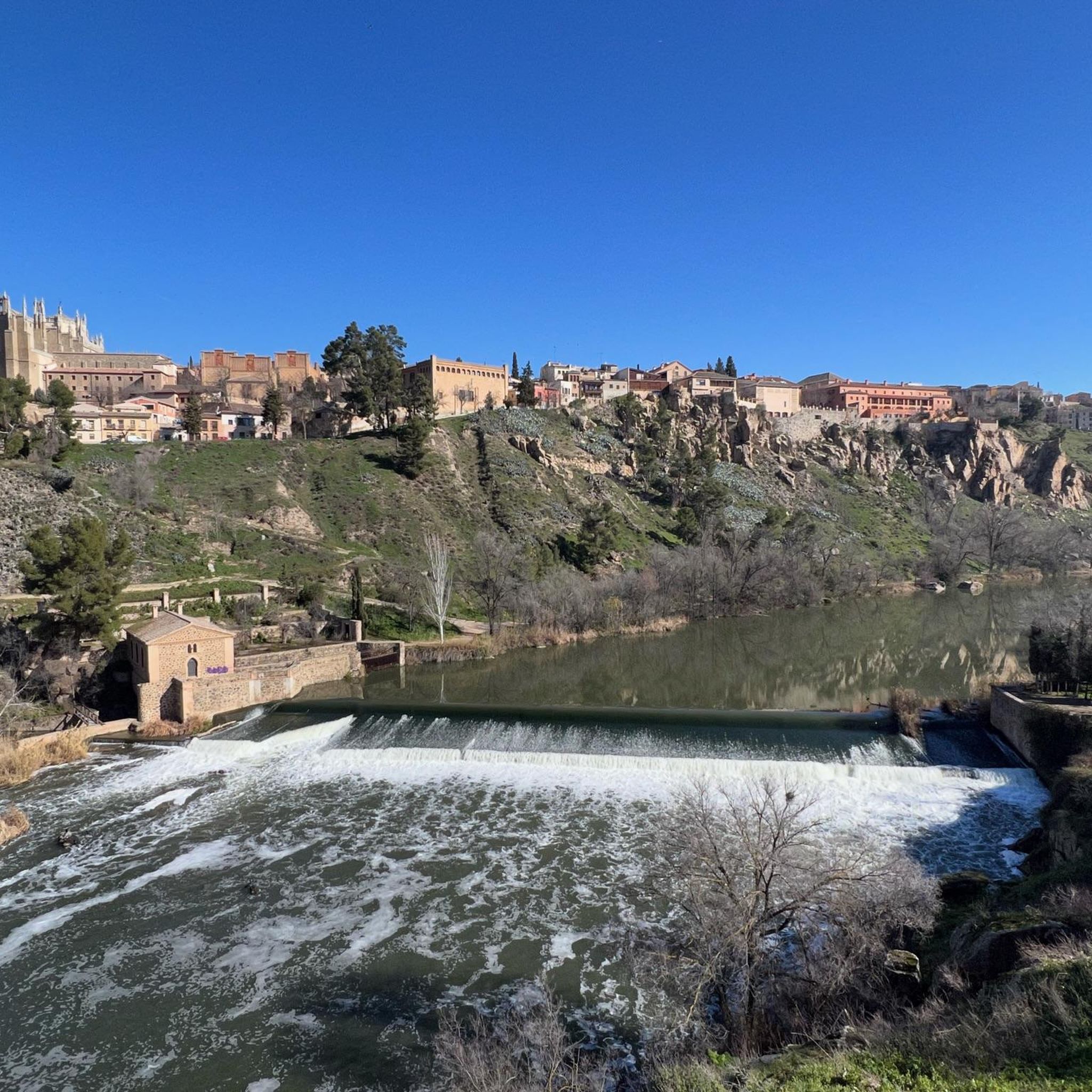
How beautifully the Tagus winds around Toledo
8
1

The large archway in the middle of the building is the Arco de la Sangre (Arch of Blood).
1
0

The Bisagra Gate is one of Toledo's most iconic monuments and a monumental entrance to its historic center. Muslim Origin: The original gate, known as the Old Bisagra Gate or Bab al-Saqra ("Sacred Gate"), was built in the 9th century during Islamic rule. Renaissance Reconstruction: In the 16th century, under the reigns of Charles V and Philip II, the New Bisagra Gate was built, the gate that remains today. Construction began around 1540 and was completed in 1576. Notable Architects: Alonso de Covarrubias, Nicolás de Vergara the Elder, Juan de Benavides, Eugenio Sánchez, among others, participated.
10
0
Toledo Cathedral, also known as the Primate Cathedral of Spain, is one of the masterpieces of Gothic art in Europe and a symbol of the city. Its construction began in 1226 during the reign of Ferdinand III and lasted for more than two centuries. It is dedicated to Saint Mary and stands on the site of an old mosque, which in turn was built on the site of a Visigothic church.
12
0
The Alcántara Bridge is one of Toledo's most iconic monuments, with a history dating back to Roman times and an architecture that has evolved over the centuries. Originally built by the Romans in the 3rd century AD, as part of the network of roads that connected the Empire. Its name comes from the Arabic "al-qanṭarah," meaning "the bridge," given by the Muslims after its reconstruction in the 10th century.
10
0

Its current name comes from the fact that the image of Christ of the Blood is hidden above this horseshoe arch, in a small, usually closed chapel visible from Plaza de Zocodover. The image comes from an old brotherhood founded during the reign of Sancho III, but the chapel wasn't created until the reign of Henry IV. This unusual location follows the Arab custom of placing an oratory above some gates and arches to ensure safe travel for anyone leaving the city and crossing the gate.
2
1

Mandatory visit point in Toledo. The square is beautifully illumimated in the evening. It is surrounded mainly by the City Hall and the Saint Maria de Toledo Cathedral. Cathedral visit is also a strong point. Full of art (El Greco is well represented) and heavy deco in a classic Gothic architecture.
1
3
The Cathedral is the most grandiose and monumental building in the city. It is a Gothic cathedral started in the 13th century, although over the centuries that its construction lasted it has Renaissance, Baroque and Neoclassical elements. In addition, it contains very important works of art such as the Custodia for the Corpus Christi procession, the Baroque Transparente made by Narciso Tomé and the Expolio by the painter El Greco. Its sacristy houses an impressive treasure trove of works of art. It has 19 works by El Greco alone, but to these we must add others by painters such as Goya, Caravaggio, Titian, Van Dick, Goya, Morales, Orrente or Tristan. Also noteworthy are the Chapter House, the chapel of San Ildefonso, the sacristy, the chapel of Reyes Nuevos, the choir, the cloister... Therefore it is a monument that must be visited, to discover all the treasures it holds within.
3
3
Frequently Asked Questions
What historical landmarks can I explore near Argés?
The area around Argés is rich in history, primarily centered on the city of Toledo. You can explore magnificent structures like the Toledo Cathedral, a masterpiece of Gothic art. Other significant historical sites include the ancient Alcántara Bridge, dating back to Roman times, and the medieval San Martín Bridge. Don't miss the El Arco de la Sangre, a unique gate with Arab origins, and the imposing Alcázar of Toledo, perched at the city's highest point.
Are there any viewpoints with panoramic views of Toledo near Argés?
Yes, one of the most iconic spots for breathtaking panoramic views of Toledo is the Mirador del Valle (Public Fountain). Located on the Circunvalación Highway, it offers a spectacular frontal view of the imperial city, with the Tagus River winding below and key monuments like the Alcázar and Cathedral framed by the landscape.
What outdoor activities can I do around Argés?
The region offers diverse outdoor activities, especially cycling and mountain biking. You can find numerous routes for road cycling, such as the 'Albarreal de Tajo and Torrijos Loop from Toledo' or 'Cuerva y Polan - circular from Toledo'. For mountain biking, consider trails like the 'Route of the Southern Fortresses' or the 'San Martín Bridge – Tagus Natural Trail loop from Argés'. Explore more options on the dedicated guides for Road Cycling Routes around Argés, MTB Trails around Argés, and Cycling around Argés.
Are there family-friendly attractions or activities near Argés?
Many of the historical sites in Toledo are considered family-friendly, allowing for an educational and engaging experience. The Toledo Cathedral, San Martín Bridge, and Alcántara Bridge are all accessible and enjoyable for families. Additionally, the nearby Puy du Fou España amusement park offers historical reenactments and shows that can be a great family outing.
What is the best time to visit Argés and its surrounding attractions?
Toledo, being a city with a Mediterranean climate, is best visited during the spring (April to June) and autumn (September to October) months. During these periods, the weather is pleasant for exploring historical sites and enjoying outdoor activities, avoiding the intense heat of summer and the cooler, sometimes rainy, winter days.
Can I find accessible attractions for visitors with mobility needs near Argés?
While many historic sites in Toledo involve uneven terrain or stairs, some efforts have been made for accessibility. For instance, El Arco de la Sangre is noted as wheelchair accessible. It's always recommended to check specific accessibility details for each attraction directly before your visit, especially for older structures.
What kind of natural features can I expect to see around Argés?
The primary natural feature in the area is the Tagus River, which dramatically encircles the city of Toledo. You can enjoy its beauty from various viewpoints, such as the Mirador del Valle, which offers stunning views of the river and the Castrejón reservoir. The river's presence is integral to the landscape and history of the region.
What do visitors enjoy most about the attractions near Argés?
Visitors frequently praise the rich historical atmosphere and the stunning architectural beauty of Toledo. The blend of Christian, Muslim, and Jewish influences visible in sites like the Toledo Cathedral and the Old Town is a major draw. Many also highlight the breathtaking panoramic views of the city, especially from the Mirador del Valle, and the impressive engineering of the ancient bridges like San Martín Bridge.
Are there any specific religious sites of interest near Argés?
Absolutely. The most prominent religious site is the Toledo Cathedral, also known as the Primate Cathedral of Spain. It's a significant historic landmark and a prime example of Gothic art. The city's history also includes traces of synagogues and mosques, reflecting its diverse past where Jews, Muslims, and Christians coexisted.
Can I find places to eat or stay near the attractions around Argés?
Yes, as Argés is closely associated with Toledo, you'll find a wide array of cafes, restaurants, and accommodation options within Toledo city and its immediate surroundings. From traditional Spanish cuisine to modern eateries, and from boutique hotels in the Old Town to larger establishments, there are choices to suit various preferences and budgets.
What is the significance of the bridges in Toledo?
The bridges of Toledo, such as the Alcántara Bridge and San Martín Bridge, are not just functional crossings but also iconic historical monuments. They have played crucial roles in the city's defense and trade throughout centuries, with origins dating back to Roman and medieval times. Their architecture and strategic locations over the Tagus River offer stunning views and a glimpse into Toledo's past.
Are there any amusement parks or unique entertainment options nearby?
Yes, for a unique entertainment experience, you can visit Puy du Fou España, located near Toledo. This amusement park is renowned for its spectacular historical reenactments and shows, offering an immersive journey through Spanish history and culture.
Most popular attractions around Argés

Get inspired with the komoot mobile app


Explore more
Still not found the Highlight you’re looking for? See guides of the top attractions in other regions:
