Attractions and Places To See around Castrillo De La Valduerna - Top 6
Best attractions and places to see around Castrillo De La Valduerna include a variety of historical sites and natural features. This region, situated at the foot of the Sierra del Teleno and crossed by the Duerna river, offers a landscape shaped by its geography. Visitors can explore areas with medieval origins, traditional architecture, and structures influenced by colonial styles. The area provides opportunities to discover local history and significant landmarks.
Best attractions and places to see around Castrillo De La…
Last updated: May 20, 2026
Lagunas de Somoza Windmill
Highlight • Monument
Translated by Google •
Tip by

Castrocontrigo Castle
Highlight • Castle
Translated by Google •
Tip by

Sign up now to discover places like this
Get recommendations on the best single tracks, peaks, & plenty of other exciting outdoor places.
Sign up for free
Fountain of Christ
Highlight • Monument
Showing Translation
Tip by

Santiago de Millas
Highlight • Settlement
Translated by Google •
Tip by
Church of Tabuyo del Monte
Highlight • Religious Site
Translated by Google •
Tip by
Sign up for free to discover even more attractions around Castrillo De La Valduerna.
Sign up for free
Already have an account?
Start today with a free account
Your next adventure awaits.
Login or Signup
Popular around Castrillo De La Valduerna
Tips from the Community

The primitive spring was adorned in 1710 with a quadrangular ashlar masonry work, open on three sides by semicircular arches, in the Baroque style, whose benefactress was possibly Mrs. Josefa Dávila Rodríguez, as attested by a supplication chiseled on its north face:
0
0
The primitive spring was adorned in 1710 with a ashlar work of quadrangular plan, open on three of its sides by semi-circular arches, in Baroque style, whose benefactor was possibly Mrs. Josefa Dávila Rodríguez, as evidenced by a supplication carved on its north face.
0
0

This old tower is a beautiful and visible symbol in the landscape. It is worth a visit.
1
0

The Castle is from Castrocontrigo, a private property, property of the Neighborhood Council. Nogarejas is the forestry term. By the way, recently rehabilitated.
1
0

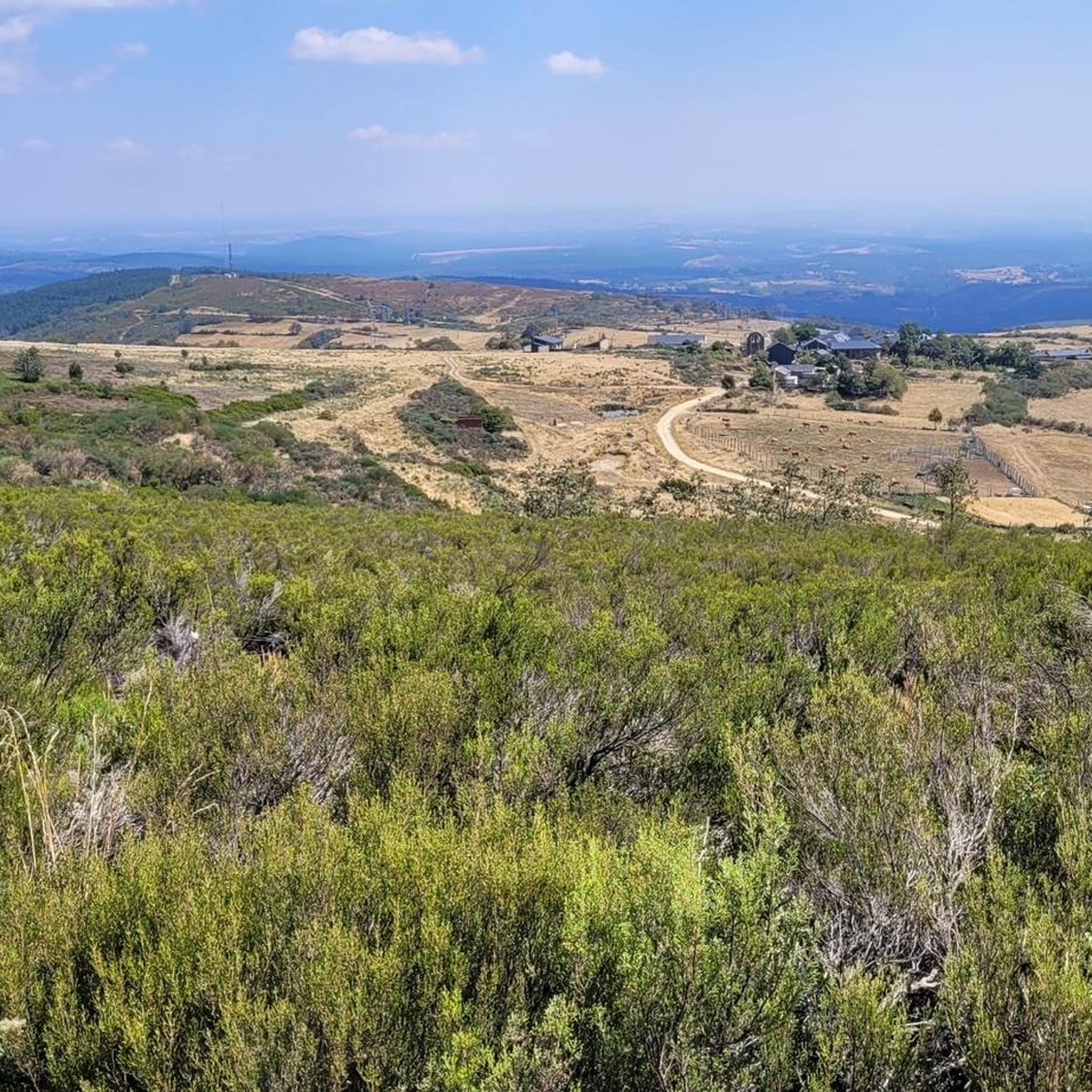
Ascending the route towards the medieval castle of Nogarejas watching over the Ería river valley. There isn't much left but the watchtower.
2
0

It is actually a windmill, which is rare in the area, of course. When recognition as BIC was made, there was talk of being linked to a castle. But it's a windmill ;)
0
0
Santiago de Melles is a small town of medieval origin located between two hills along the L-133 regional road.
1
1
Defensive watchtower ruins over the surrounding landscape. Built in masonry stone and cylindrical in shape.
1
0
Frequently Asked Questions
What historical sites can I explore around Castrillo De La Valduerna?
The region is rich in history. You can visit the remains of the medieval Castrocontrigo Castle, with its watchtower overlooking the Ería river valley. Another significant historical site is the Lagunas de Somoza Windmill, which consists of the ruins of a cylindrical tower and serves as a visible symbol in the landscape. Additionally, the settlement of Santiago de Millas has medieval origins.
Are there any notable religious buildings in the area?
Yes, the area features several religious buildings. The Church of Tabuyo del Monte is a notable example, located in a town known for its blend of traditional and colonial-influenced architecture. You can also see the distinctive stone bell tower of the Church of Nuestra Señora de la Piedad, Tabuyo del Monte, which is a landmark visible from a distance.
What kind of natural features define the landscape around Castrillo De La Valduerna?
The landscape is shaped by its geography, situated at the foot of the Sierra del Teleno and crossed by the Duerna river. While specific natural features like lakes or waterfalls are not highlighted, the region offers scenic views, particularly from elevated historical sites like the Lagunas de Somoza Windmill and Castrocontrigo Castle, which provide panoramic vistas of the surrounding valleys.
What outdoor activities can I do near these attractions?
The region offers various outdoor activities, especially cycling. You can explore numerous routes for MTB, touring cycling, and road cycling. These routes often pass by or near the historical sites and settlements, allowing you to combine sightseeing with active exploration.
Are there any family-friendly activities or attractions suitable for children?
While specific 'family-friendly' categories are not listed for the attractions, exploring historical sites like the ruins of Castrocontrigo Castle or the distinctive Lagunas de Somoza Windmill can be engaging for older children interested in history and exploration. The general outdoor environment also provides opportunities for walks and enjoying nature.
What is the best time to visit Castrillo De La Valduerna for outdoor activities?
Given the region's focus on historical sites and outdoor activities like cycling, spring and autumn generally offer pleasant weather for exploration. These seasons avoid the peak heat of summer and the colder temperatures of winter, making it ideal for visiting monuments and enjoying the scenic routes.
Can I find viewpoints to appreciate the landscape?
Yes, several attractions double as excellent viewpoints. The Lagunas de Somoza Windmill, built on a gentle hill, offers panoramic views. Similarly, the watchtower remains of Castrocontrigo Castle provide a vantage point overlooking the Ería river valley.
What kind of architecture can I expect to see in the settlements?
In settlements like Tabuyo del Monte, you'll find a fascinating contrast between traditional local architecture and structures influenced by colonial styles. This reflects the historical connections and influences on the region, offering a unique visual experience as you explore the towns.
Are there opportunities for easy walks or beginner hiking around the attractions?
While specific easy hiking trails are not detailed for each attraction, the general rural setting and the presence of settlements like Santiago de Millas suggest that gentle walks through the villages and surrounding countryside are possible. For more structured routes, consider exploring the various cycling guides, which often include paths suitable for walking.
What do visitors appreciate most about the attractions in Castrillo De La Valduerna?
Visitors appreciate the historical significance and the visual impact of the attractions. The Lagunas de Somoza Windmill is noted as a 'beautiful and visible symbol in the landscape,' while the medieval origins of sites like Santiago de Millas and the rehabilitated Castrocontrigo Castle offer a glimpse into the region's past.
Are there any hidden gems or less-known spots to discover?
The region itself, with its blend of historical sites and natural setting at the foot of the Sierra del Teleno, can be considered a hidden gem for those looking to explore beyond typical tourist paths. The smaller settlements and the quiet charm of places like Santiago de Millas offer a more intimate experience of local history and culture.
What is the significance of the Duerna river in the region?
The Duerna river is a defining natural feature, crossing the region and giving its name to the area: Valduerna. It plays a role in shaping the landscape and contributes to the natural beauty of the surroundings, particularly around towns like Tabuyo del Monte, which lies at its foot.

Get inspired with the komoot mobile app


Explore more
Still not found the Highlight you’re looking for? See guides of the top attractions in other regions:
