Attractions and Places To See around Tricio - Top 20
Best attractions and places to see around Tricio, a village in La Rioja, Spain, offers a blend of historical and cultural sites rooted in its Roman past. The area is characterized by its religious architecture and traditional stone houses. Located in the lower Najerilla Valley, Tricio is surrounded by vineyards and provides access to scenic natural landscapes.
Best attractions and places to see around Tricio
- The most popular attractions is Poyo de Roldán Stone Hut, a historical stone structure…
Last updated: June 23, 2026
Poyo de Roldán Stone Hut
Highlight • Structure
Translated by Google •
Tip by

Monastery of Santa María de San Salvador
Highlight • Religious Site
Translated by Google •
Tip by

Sign up now to discover places like this
Get recommendations on the best single tracks, peaks, & plenty of other exciting outdoor places.
Sign up for free
Park on the riverbank (Nájera)
Highlight • Rest Area
Translated by Google •
Tip by

Bridge over the Yalde River
Highlight • Bridge
Translated by Google •
Tip by
Rollo de Azofra
Highlight • Monument
Translated by Google •
Tip by

Sign up for free to discover even more attractions around Tricio.
Sign up for free
Already have an account?
Start today with a free account
Your next adventure awaits.
Login or Signup

Tips from the Community

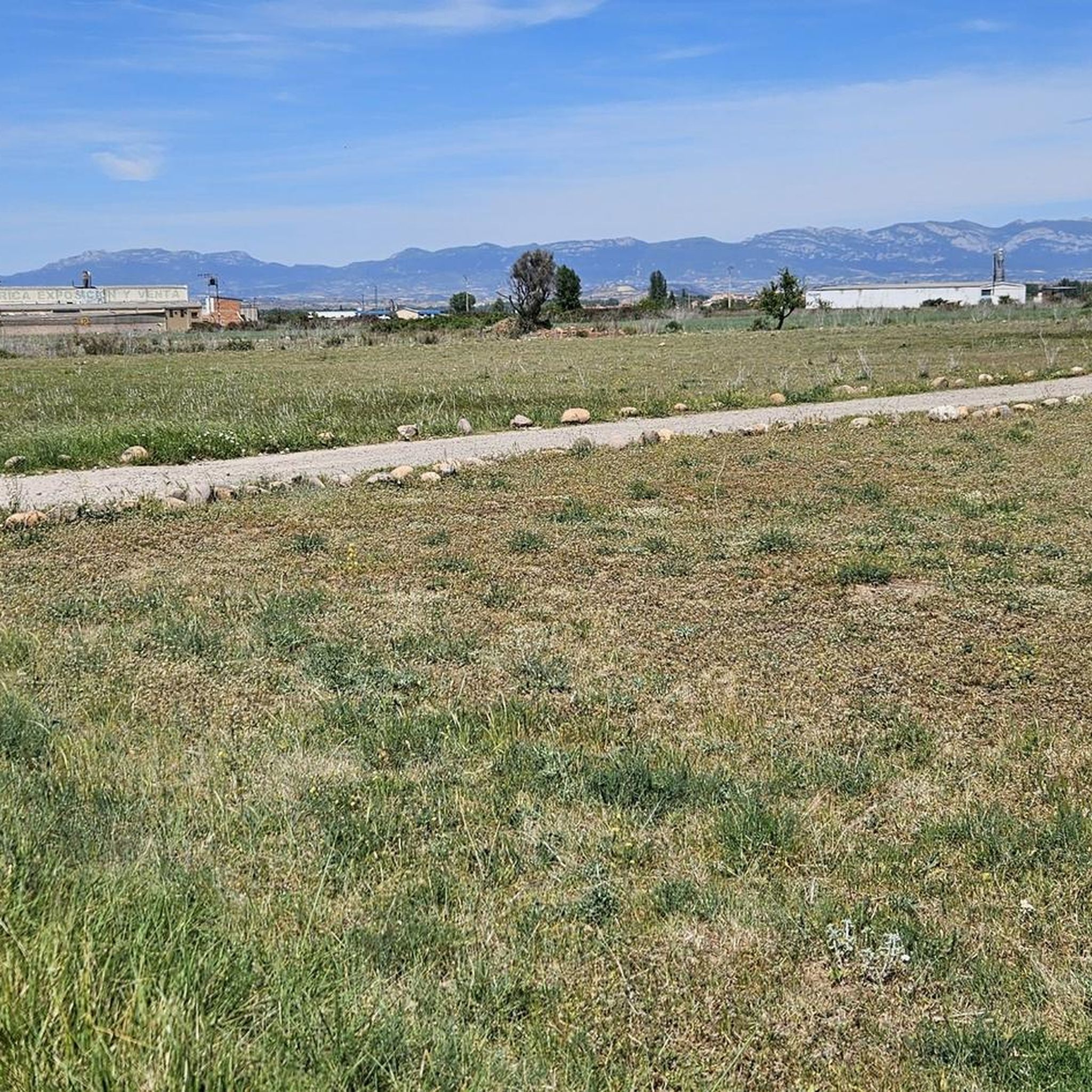
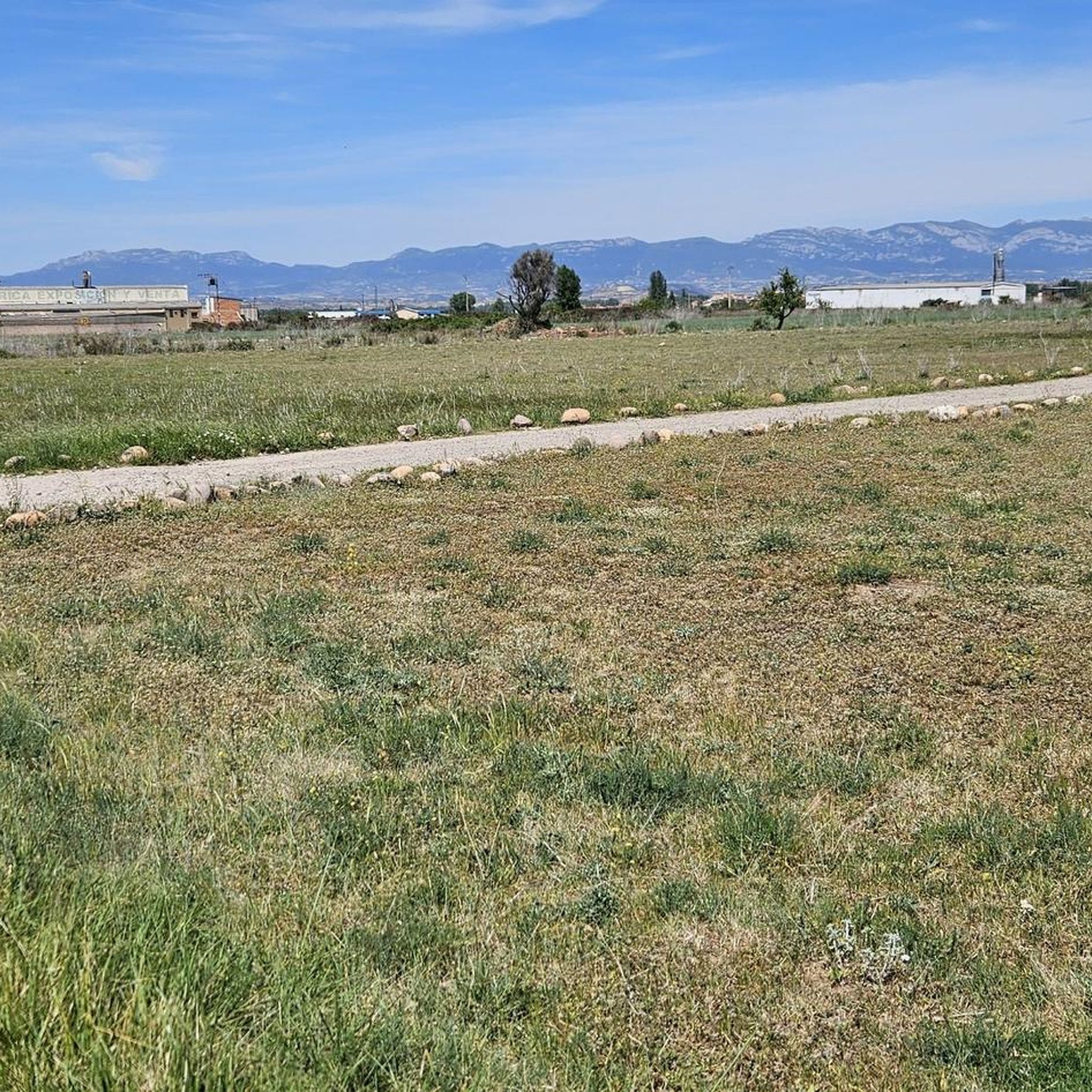
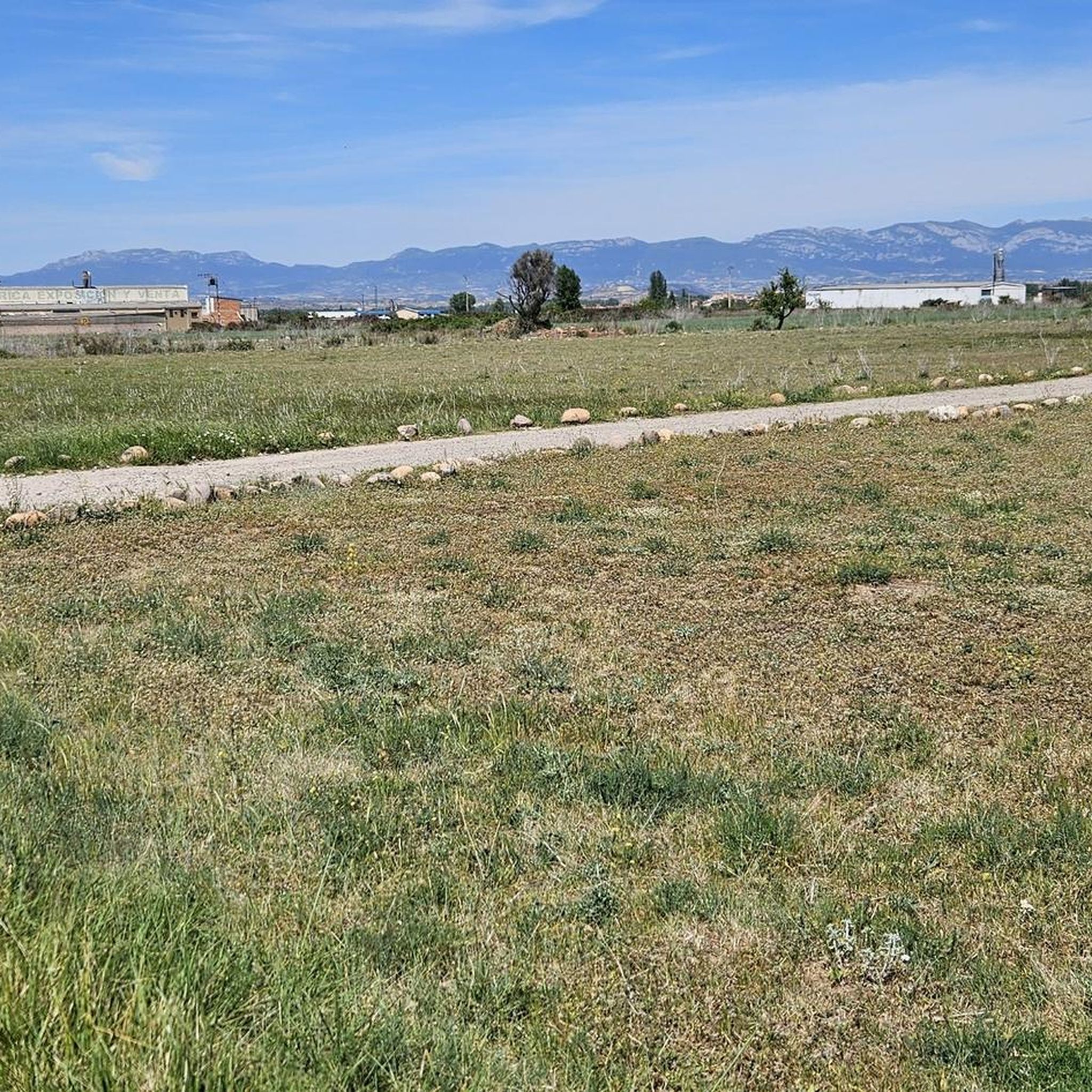
A hill that has its own legend: in the castle of Nájera lived Farragut or Ferragut, a Syrian giant descended from Goliath and stronger than him, who fought and defeated the best warriors of Charlemagne except Roldán, who one day from the poyo spotted the giant sitting at the door of his castle. Roldán picked up a round stone weighing two arrobas (~22kg) and threw it in the direction of the giant, whom he hit in the forehead, knocking him down. Since then the hill has been called Poyo de Roldán.The stone hut is likely a traditional stone vineyard shelter.
2
0

On the 8th stage of the Camino Francés from Logroño to Najéra, the Camino crosses this wooden bridge about 3 km before Najéra.
0
0

Beautiful view of the surroundings
2
0


The rolls are stone columns, usually topped with a cross, which served as the insignia of a town's jurisdiction. They also served as a pillory, that is, it was the place where the severed heads of the executed were placed. The roll of Azofra was granted by Carlos V, so that the inhabitants of Azofra had to be judged in Azofra itself.
2
0

Over the Yalde river we find a small wooden bridge surrounded by trees. The Camino de Santiago crosses it between the towns of Nájera and Ventosa.
0
0
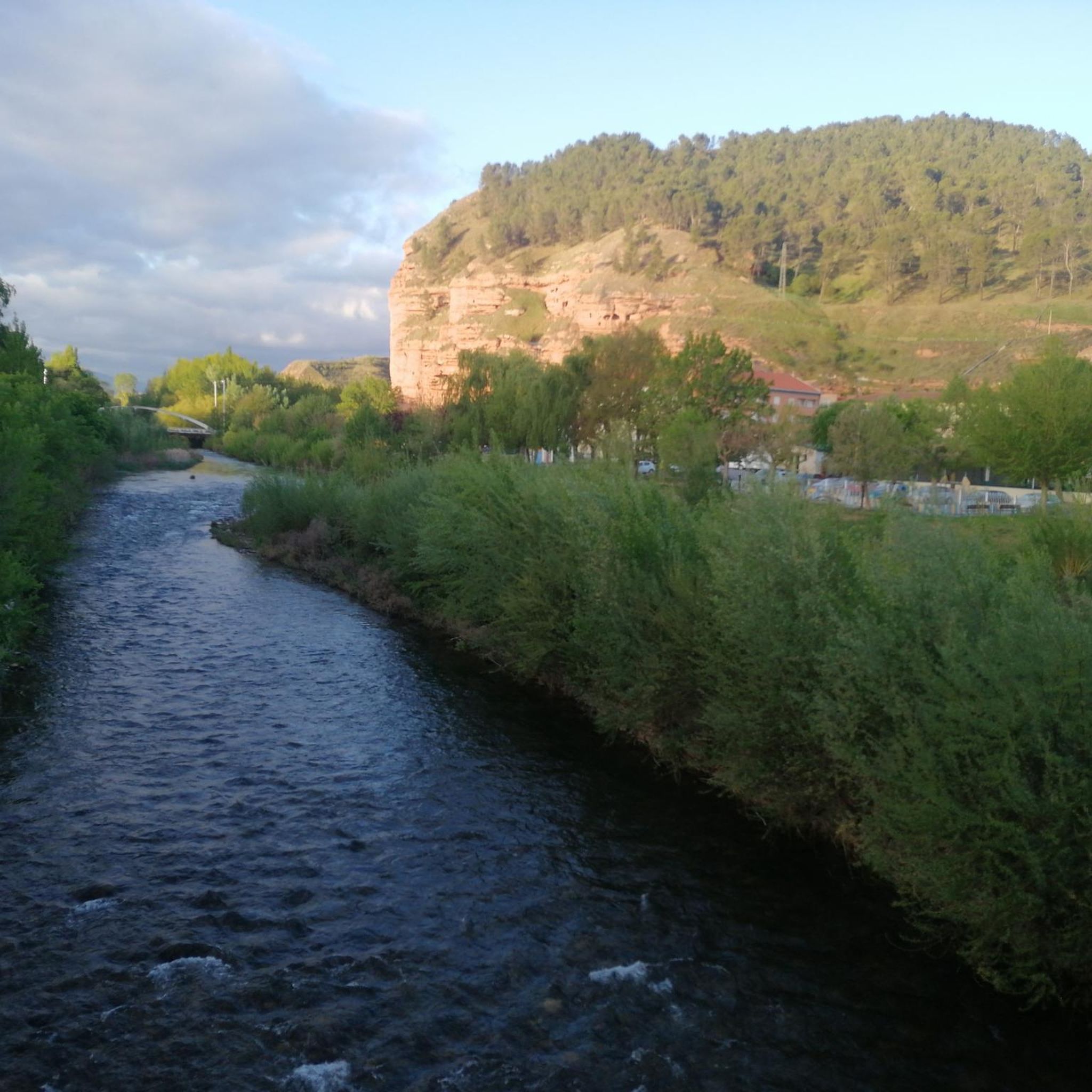
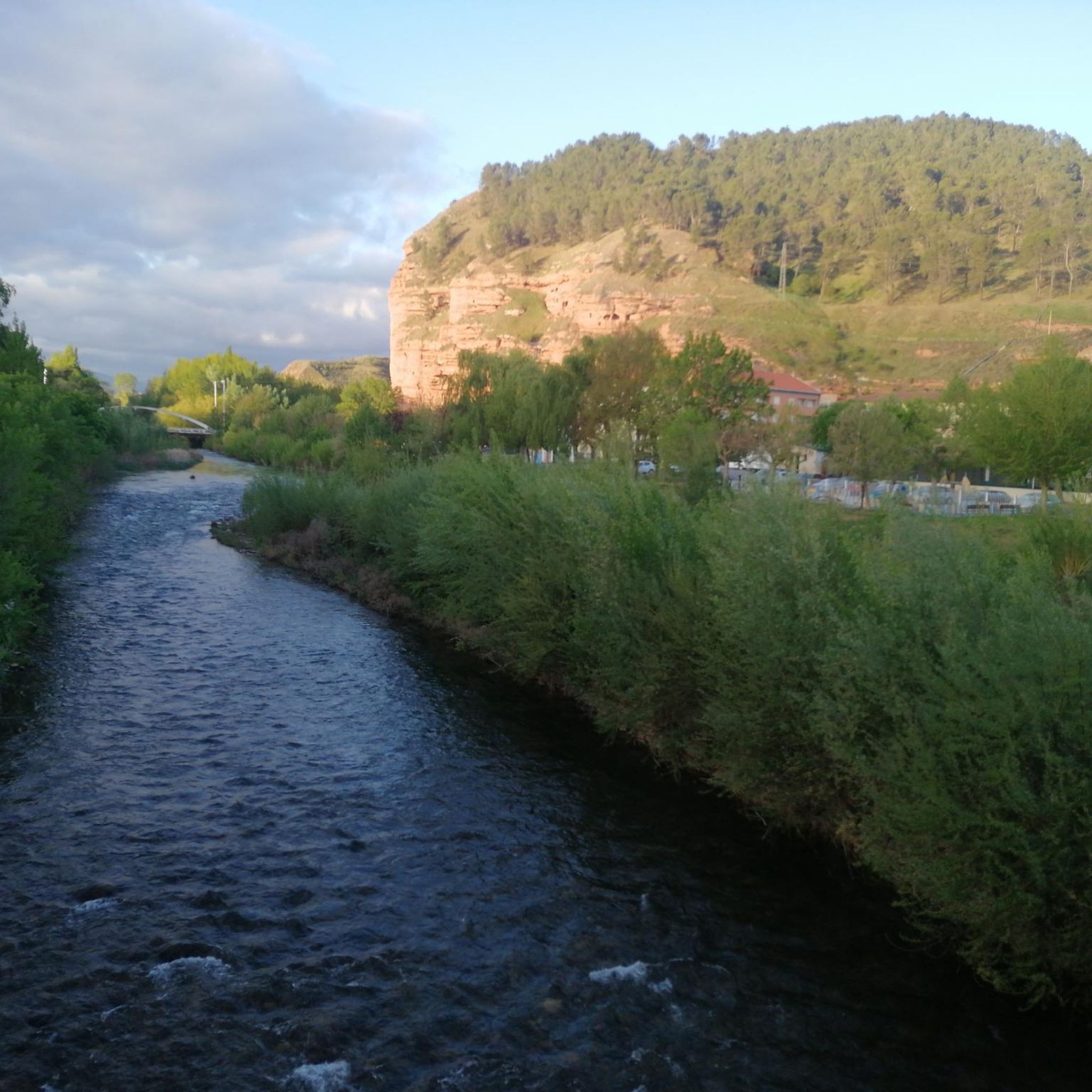
In Nájera they have known how to take advantage of the banks of the Najerilla river to make large green areas that cross the town and fill with life in good weather. There is grass, areas with benches, and pilgrims do not hesitate to put their tired feet in the cold water. If you need to make a stop in Nájera, this is a good place. In addition, in the town you will find shops, pharmacies and restaurants.
0
0
Frequently Asked Questions
What historical and religious sites can I visit in Tricio?
Tricio is rich in history. You can explore the Church of San Miguel, a significant late Gothic structure built on the Roman city's forum, featuring star-vaulted ceilings and repurposed Roman blocks. Another key site is the Basílica de Santa María de Arcos, an important monument in La Rioja built upon an ancient Roman villa, showcasing Roman and Visigothic heritage. As you walk through the village, you'll also notice emblazoned noblemen's mansions reflecting its historical importance.
Are there any unique historical monuments or structures near Tricio?
Yes, you can visit the Rollo de Azofra, a stone column that served as a symbol of the town's jurisdiction and a pillory in historical times. Additionally, the Vineyard hut, a traditional circular stone shelter, is located near the Camino de Santiago and offers a glimpse into local agricultural history.
What natural features can I explore near Tricio?
While Tricio itself is a small village, its location in the lower Najerilla Valley provides access to scenic natural landscapes. You can visit the impressive Cliffs of Nájera, known for their reddish-ochre hues, or explore the Caves of Nájera, natural formations offering views of the valley. The Najerilla Riverbanks also provide opportunities to connect with nature and the rural environment.
What kind of outdoor activities are available around Tricio?
The area around Tricio offers various outdoor activities. You can find numerous trails for running, gravel biking, and road cycling. For instance, there are running routes like the 'Park on the riverbank (Nájera) loop' and gravel biking routes such as the 'Riverside Park of Nájera – San Antón Hill loop'. Road cyclists can enjoy routes like 'Vineyards of La Rioja Alta – Laguardia loop'. You can find more details on these activities and routes in the respective guides: Running Trails around Tricio, Gravel biking around Tricio, and Road Cycling Routes around Tricio.
Are there any family-friendly attractions or places to relax near Tricio?
Yes, the Park on the riverbank (Nájera) is an excellent family-friendly option. It features large green areas along the Najerilla River with benches and open spaces, perfect for a relaxing stop. Children can enjoy the open space, and visitors often cool their feet in the river. Nájera also offers shops, pharmacies, and restaurants.
What is the <a href="https://www.komoot.com/highlight/5135658" target="_blank" rel="noopener">Poyo de Roldán Stone Hut</a> and its significance?
The Poyo de Roldán Stone Hut is a historical stone structure and viewpoint offering beautiful views of the surroundings. It's associated with a local legend involving Roland, Charlemagne's warrior, and a giant named Ferragut. The legend states that Roland defeated the giant by throwing a large stone from this hill, which has been known as 'Poyo de Roldán' ever since. The stone hut itself is likely a traditional vineyard shelter.
Can I visit a monastery near Tricio?
Absolutely. The Monastery of Santa María de San Salvador is a significant religious building with architectural traces of Romanesque, Gothic, and Neoclassical styles. Its construction began in the 12th century, and it is notable as the first female Cistercian community in the Iberian Peninsula. It's located a short distance from San Millán de la Cogolla, along what is known as the route of the monasteries in La Rioja.
What is the best time to visit Tricio to experience local culture?
To experience Tricio's local culture and traditions, consider visiting during its local festivals. The village celebrates San Bartolomé on August 24th, which is known for its unique Snail Festival featuring tastings and races. Another traditional event is the pilgrimage to the Virgen de Arcos Chapel on the first Sunday in May.
What kind of architecture can I expect to see in Tricio?
Tricio's architecture reflects traditional Riojan styles with influences from various historical periods. You'll find notable religious architecture, such as the late Gothic Church of San Miguel, and traditional stone houses. Walking through the narrow, sloping streets, you can observe emblazoned noblemen's mansions, which showcase the town's historical importance and architectural heritage.
What do visitors enjoy most about the attractions around Tricio?
Visitors particularly appreciate the blend of historical depth and natural beauty. The historical sites, like the Poyo de Roldán Stone Hut with its legends and panoramic views, are highly rated. The peaceful green spaces along the river, such as the Park on the riverbank (Nájera), are also popular for relaxation and family outings. The architectural evolution of sites like the Monastery of Santa María de San Salvador also captivates those interested in history and art.
Are there vineyards or wine-related attractions near Tricio?
Yes, the surrounding area of Tricio is characterized by vineyards, indicative of La Rioja's strong viticultural culture. While specific vineyard tours aren't listed as highlights, the presence of vineyards contributes significantly to the scenic landscape. You can also find historical structures like the Vineyard hut, which were used by farmers as shelters within the vineyards.

Get inspired with the komoot mobile app


Explore more
Still not found the Highlight you’re looking for? See guides of the top attractions in other regions:
