Attractions and Places To See around Griñón - Top 20
Best attractions and places to see around Griñón, a municipality in the Community of Madrid, offer a blend of historical, cultural, and natural features. The area provides diverse points of interest, from significant religious sites and historical ruins to natural lagoons and forests. Visitors can explore landmarks that reflect the town's heritage alongside natural escapes suitable for various outdoor activities. This region presents a variety of attractions for those interested in history, culture, and nature.
Best attractions and places to…
Last updated: August 16, 2026
La Teja Spring and the Hermitage of San Isidro
Highlight • Religious Site
Translated by Google •
Tip by

Fuente de la Teja and the Hermitage of San Isidro
Highlight • Religious Site
Translated by Google •
Tip by

Sign up now to discover places like this
Get recommendations on the best single tracks, peaks, & plenty of other exciting outdoor places.
Sign up for free
Bosquesur Viewpoint
Highlight • Viewpoint
Showing Translation
Tip by

Polvoranca Church Ruins
Highlight • Religious Site
Translated by Google •
Tip by

Mortirolo Climb of Batres
Highlight • Climb
It is a …
Translated by Google •
Tip by

Sign up for free to discover even more attractions around Griñón.
Sign up for free
Already have an account?
Start today with a free account
Your next adventure awaits.
Login or Signup

Tips from the Community

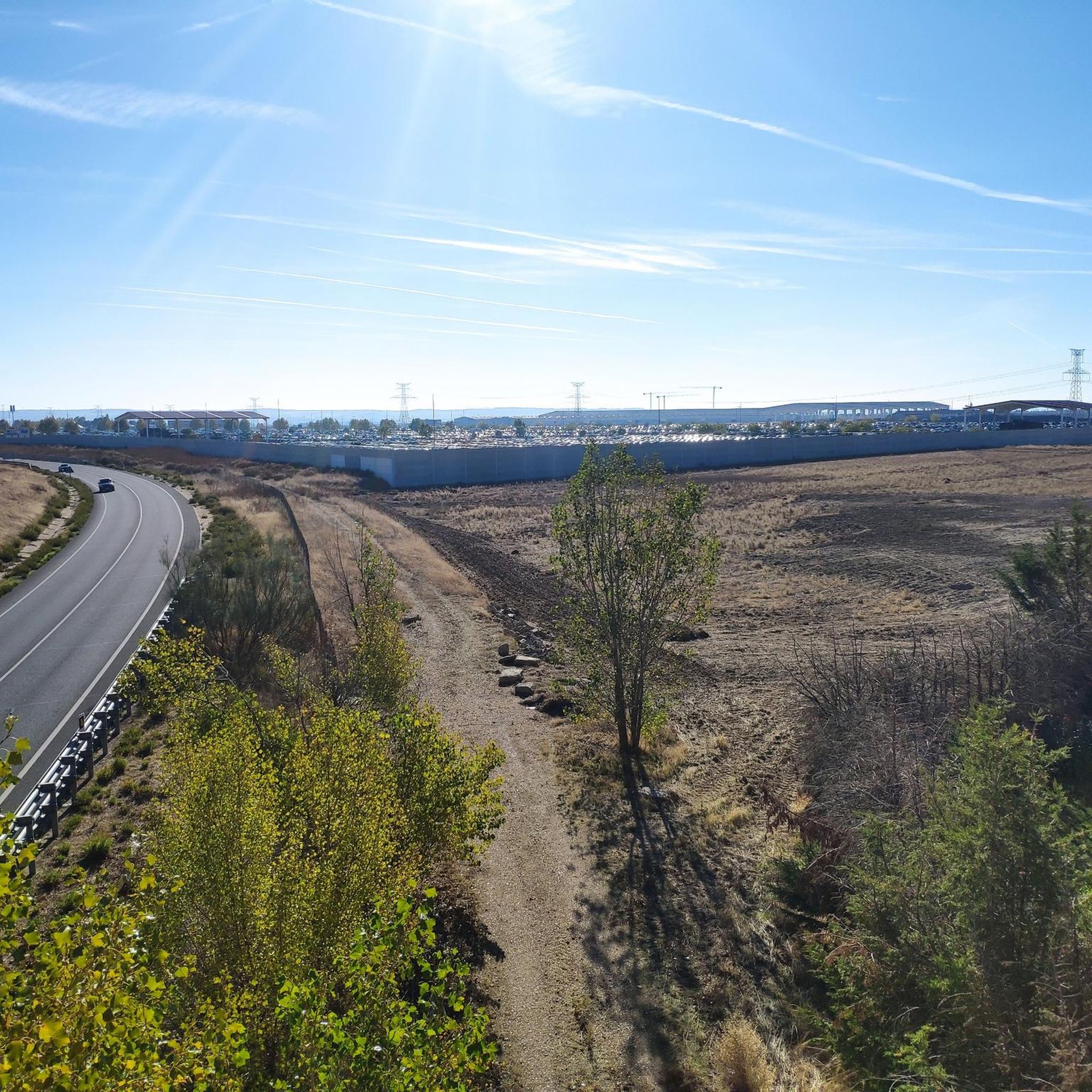
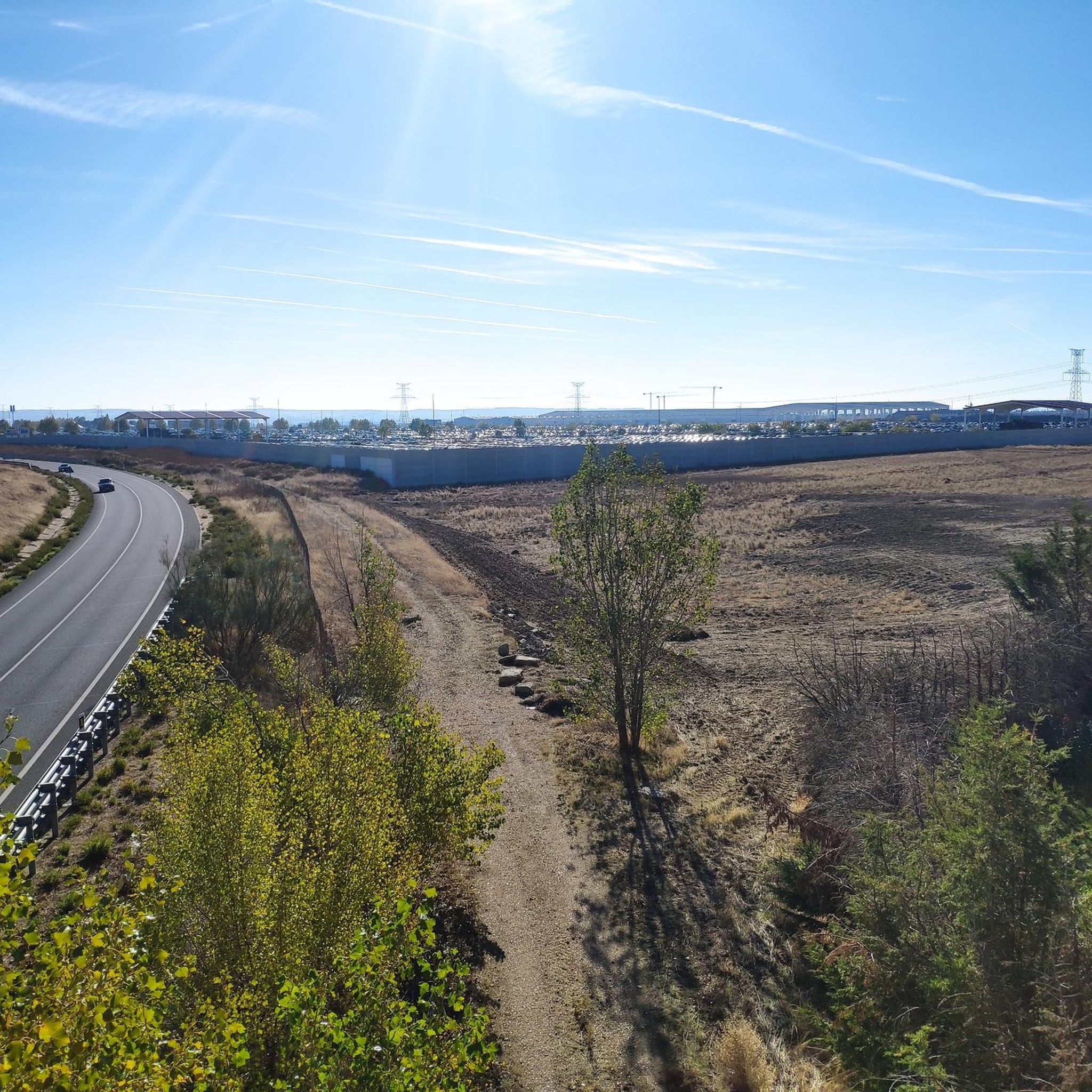
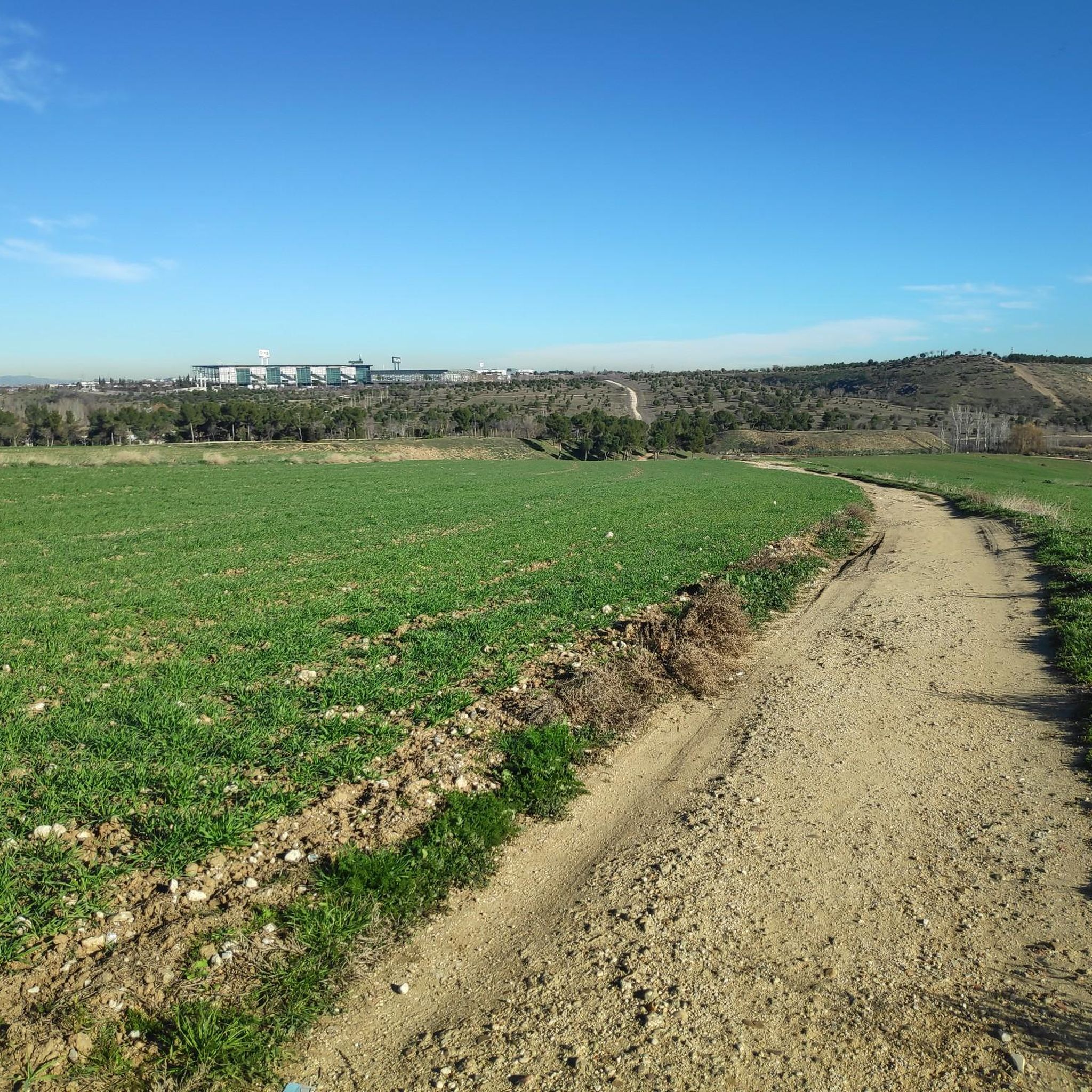
El Mirador de Bosquesur, located in the large Bosquesur Peri-urban Forest Park, is a 15-hectare elevated area built on the recovery of the old Leganés landfill. It offers panoramic views of the area and is a key point for hiking and cycling in southern Madrid. Key details of the area: Location: It extends along the Culebro stream, covering the municipal areas of Leganés, Fuenlabrada, Getafe, and Pinto. El Mirador: The viewpoint area includes reforestation with native Mediterranean vegetation and serves as an ecological corridor. Routes: It is very popular for walking and cycling. The circular route from Fuenlabrada (passing through the El Naranjo neighborhood or the La Serna and Parque Polvoranca Cercanías stations) is about 7 km long and is easy.
0
0

Excellent for dirt trails without touching asphalt. Wear appropriate clothing to avoid the sun, as there is shade, but not on the longer trails. I recommend going in the morning, as the return journey is quite arduous, especially in summer.
0
1

Going up the main road is a fairly wide track with a good surface
0
1

Nice place to make a stop, gain strength and climb "the little hill" on the way to the ball
1
1

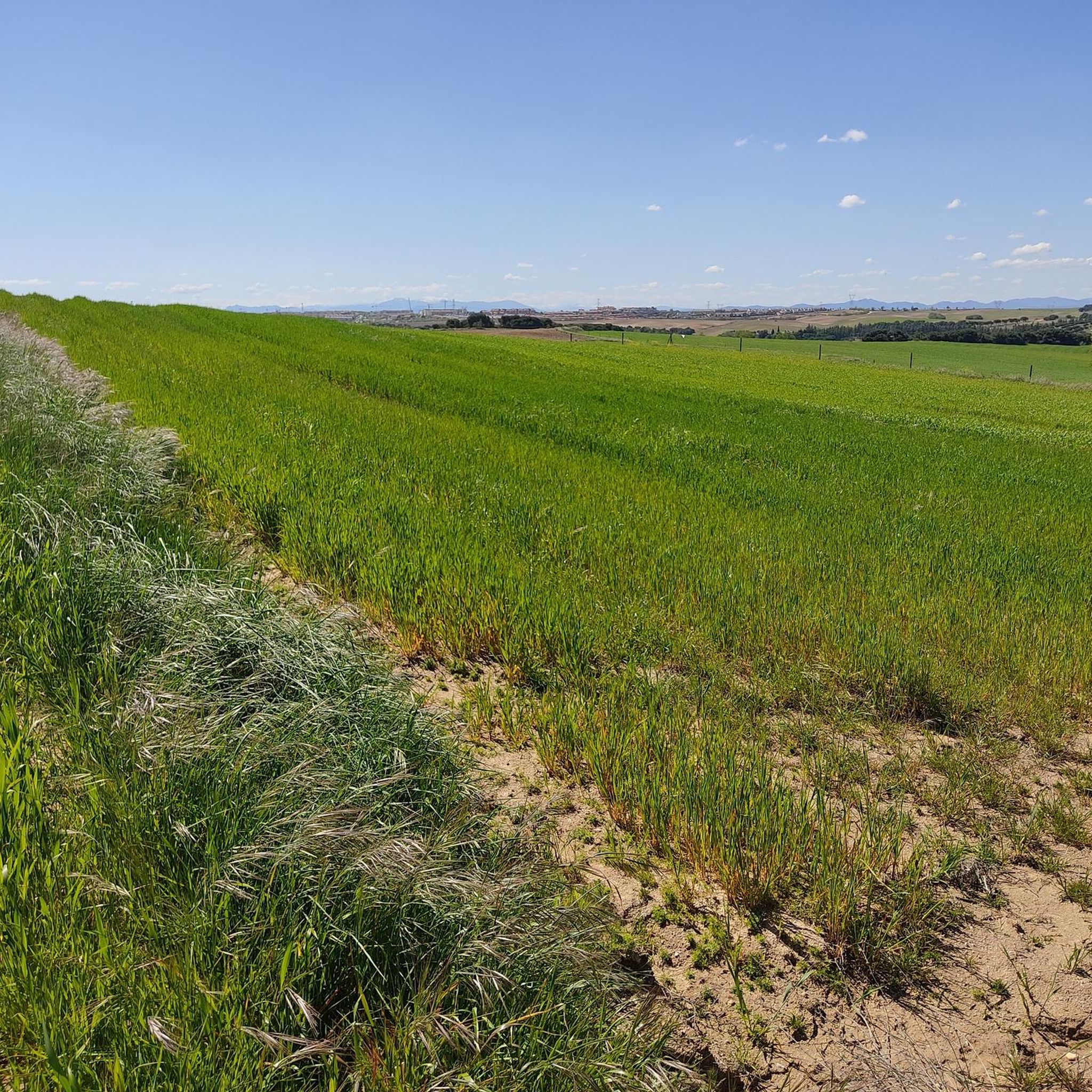
The route to the Teja fountain is a fairly flat route, without much unevenness, and it is one of the most popular destinations for runners — ideal for training. The fountain is an old cattle watering hole where you can take a break. Next to the fountain is the Hermitage of San Isidro, built as a cave, taking advantage of the mountainside.
1
1

A great highlight and great photo opportunity. Definitely recommended for history fans.
3
1

It is a classic in the area. There are many interesting paths from there.
1
1

Ruins of the old Hermitage that used to be part of Polvoranca, a village that, according to legend, had a reputation for being cursed and was finally depopulated towards the end of the 19th century.
2
0
Frequently Asked Questions
What historical and cultural sites can I explore in Griñón?
Griñón offers a rich blend of historical and cultural sites. You can visit the central Plaza Mayor, the significant Iglesia Parroquial Nuestra Señora de la Asunción, and the Convento de las Clarisas de la Encarnación. Don't miss the Polvoranca Church Ruins, an old hermitage with a legendary past, or the local museums like the Museo de la Historia de Griñón.
Are there natural areas or parks for outdoor activities near Griñón?
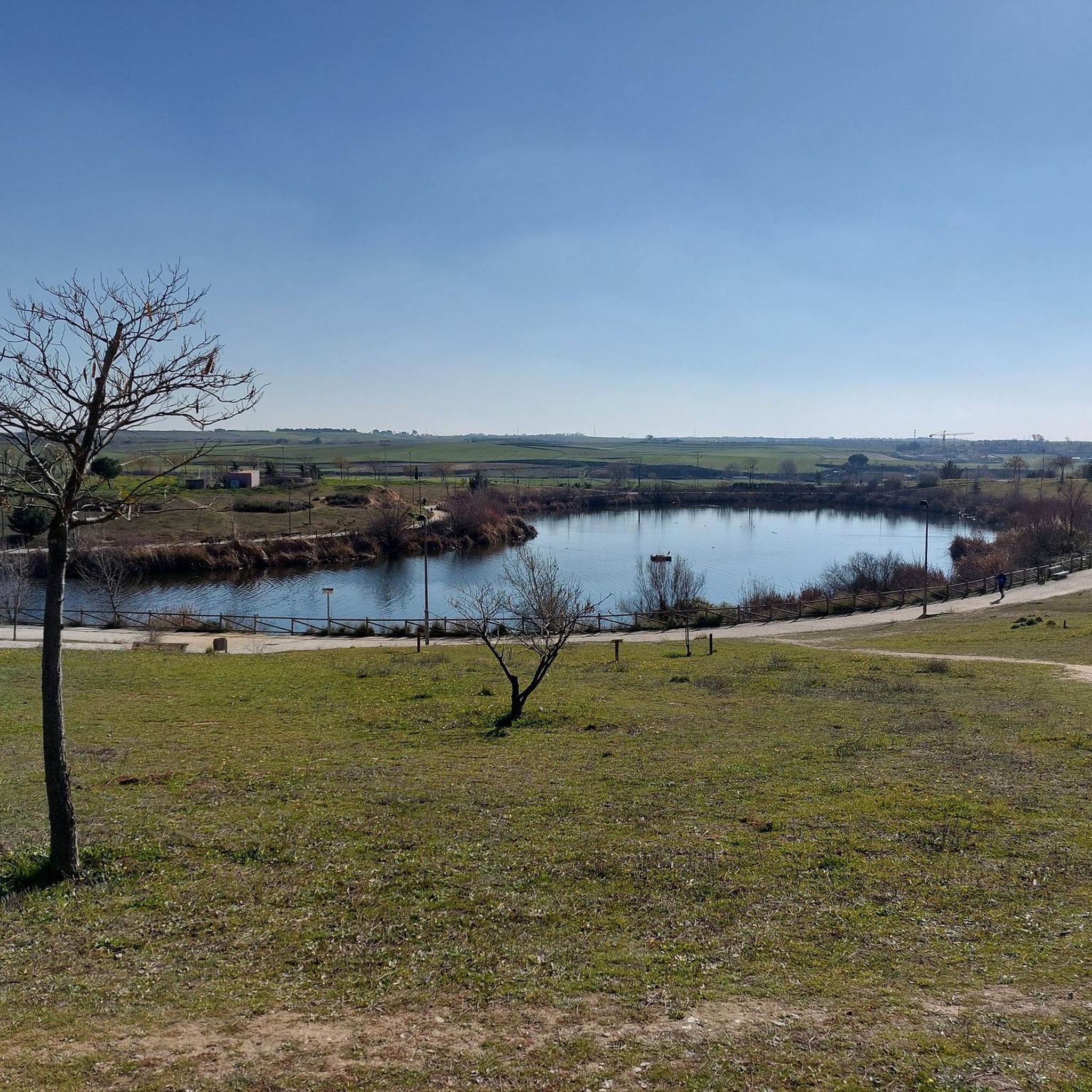
Yes, for nature lovers, the Bosque de Móstoles is an excellent choice, offering various paths for walking or cycling year-round. You can also discover the unique Laguna del Cerro del Rayo, known for its diverse bird species and distinctive poleo plants. The Lakes of Nelson Mandela Park in Móstoles also provide calm and picturesque settings for exploration.
What kind of cycling routes are available around Griñón?
The area around Griñón is popular with cyclists. You can challenge yourself on the Mortirolo Climb of Batres, a well-known ascent among local riders. For more options, explore the various gravel biking and road cycling routes available, catering to different difficulty levels.
Are there any family-friendly attractions in Griñón?
Absolutely! The La Teja Spring and the Hermitage of San Isidro is a great spot for families, offering a pleasant rest stop and a chance to replenish water. The Bosque de Móstoles is also considered family-friendly, with paths suitable for all ages to enjoy nature.
Where can I find a good spot for a rest or to refill water during my visit?
The La Teja Spring and the Hermitage of San Isidro is highly recommended as a rest stop. Visitors appreciate its fantastic fountain for replenishing water, especially before or after a climb.
What are some unique natural features to see in the Griñón region?
Beyond the Bosque de Móstoles, the Laguna del Cerro del Rayo stands out. This over thousand-square-meter lagoon is unique among southern Madrid wetlands for its poleo plants and is home to various bird species, gallipats, toads, and dragonflies. Its surrounding cereal fields evoke a cinematic landscape.
Are there opportunities for running or hiking near Griñón?
Yes, the area provides several options for running and hiking. You can find various running trails, including loops from Griñón itself. The Bosque de Móstoles also offers multiple paths suitable for walks and runs.
What do visitors particularly enjoy about the attractions around Griñón?
Visitors appreciate the blend of historical charm and natural beauty. The La Teja Spring and the Hermitage of San Isidro is loved for its photo opportunities and as a convenient rest stop. Cyclists enjoy the challenge of the Mortirolo Climb of Batres, while the Bosque de Móstoles is valued for its natural escape and varied routes.
Are there any spa or wellness facilities in the area?
Yes, Griñón is home to Thermas de Griñón, which is noted as the largest and most complete spa in the Community of Madrid, offering a comprehensive wellness experience.
Can I find museums in Griñón?
Yes, Griñón hosts the Museo de la Historia de Griñón, which showcases local history and culture. Additionally, you can visit the Museo Evaristo C. de Griñón, dedicated to the work of the local painter and sculptor Evaristo C.
What kind of rural activities are available around Griñón?
The rural surroundings of Griñón offer opportunities for activities such as exploring routes along cattle tracks of La Sagra, horse riding, and even airsoft battles, providing a diverse range of outdoor experiences.
What is the significance of the Polvoranca Church Ruins?
The Polvoranca Church Ruins are the remains of an old hermitage from the village of Polvoranca. According to legend, the village was cursed and eventually depopulated in the late 19th century, adding a mysterious historical layer to the site.
Most popular attractions around Griñón

Get inspired with the komoot mobile app


Explore more
Still not found the Highlight you’re looking for? See guides of the top attractions in other regions:
