Attractions and Places To See around Astudillo - Top 20
Best attractions and places to see around Astudillo include a rich tapestry of medieval architecture and cultural sites. Declared a Historic Site in 1995, Astudillo features labyrinthine medieval streets and emblazoned houses. The town is situated in the Cerrato Palentino region, which offers diverse natural landscapes. Its historical significance is evident in its various religious and historical buildings.
Best attractions and places to see around Astudillo
- The most popular attractions is Quadruple Lock of the Canal de Castilla, a…
Last updated: October 9, 2026
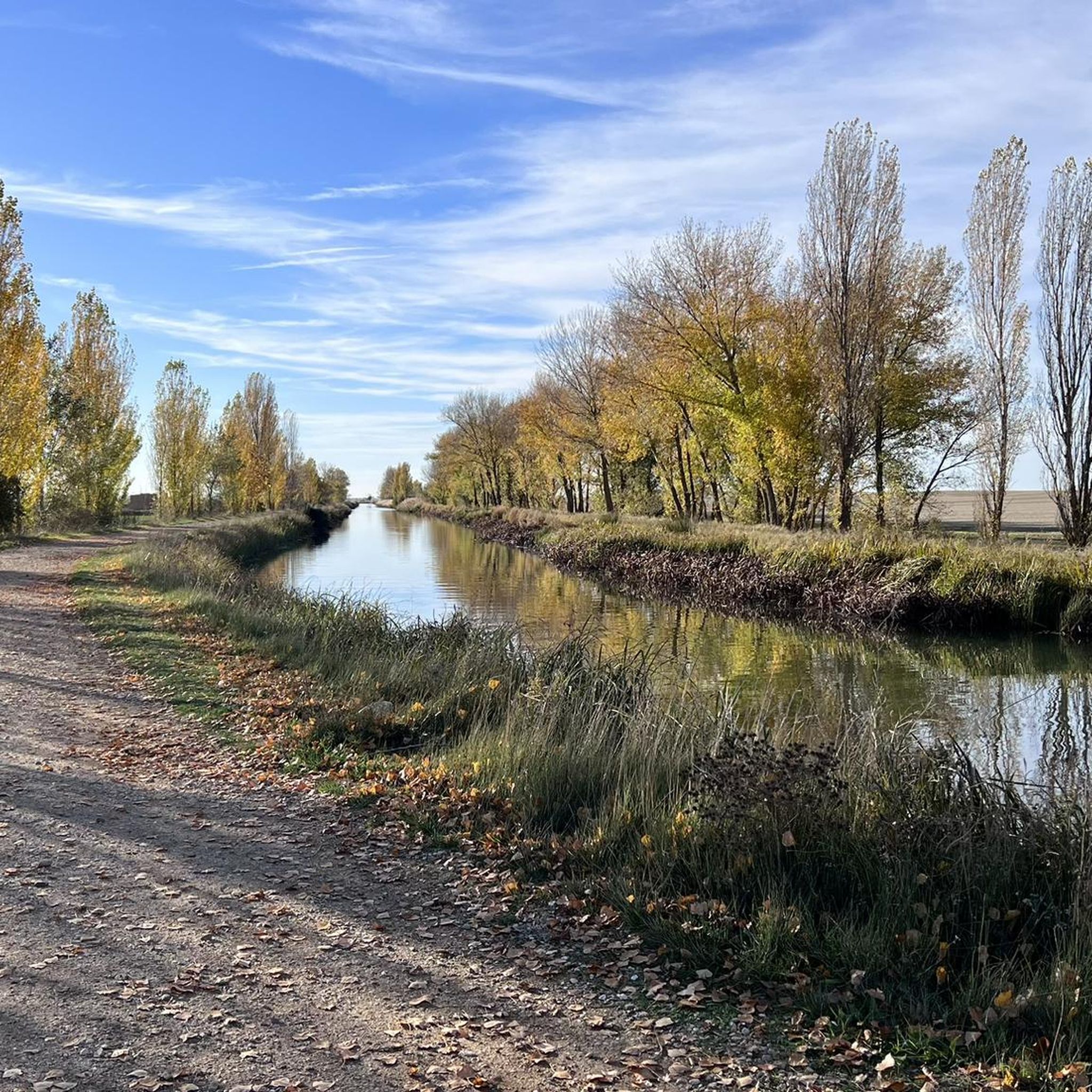
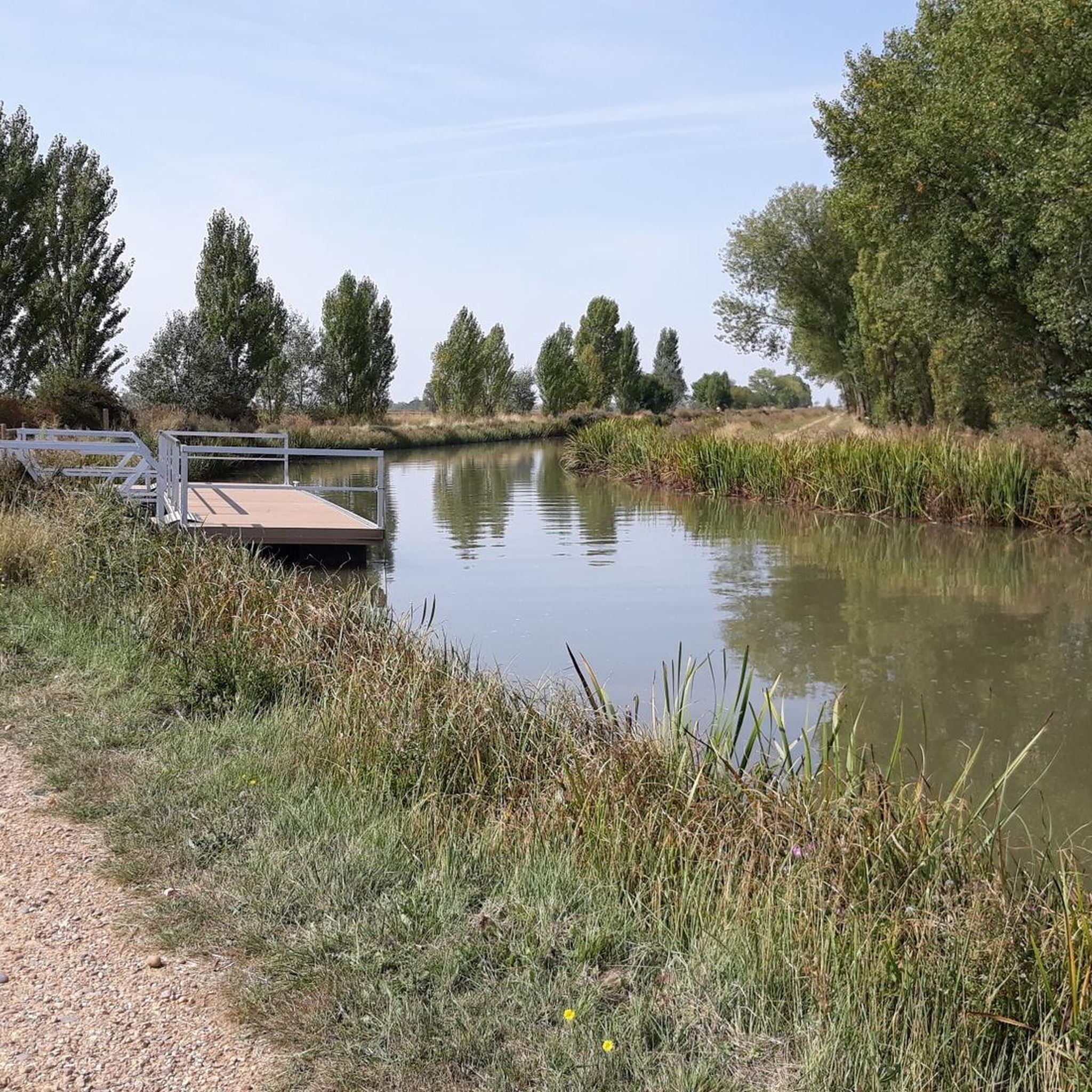
Canal de Castilla
Highlight • River
Translated by Google •
Tip by

Quadruple Lock of the Canal de Castilla
Highlight • Monument
In total, the locks save almost 15 meters of difference in level.
Translated by Google •
Tip by

Sign up now to discover places like this
Get recommendations on the best single tracks, peaks, & plenty of other exciting outdoor places.
San Nicolás Hermitage at Puente Fitero
Highlight • Religious Site
Translated by Google •
Tip by
Frómista
Highlight • Settlement
Here the itineraries of the Camino de Santiago and the Canal de Castilla intersect, so that it …
Translated by Google •
Tip by

Province of Palencia Border Marker on the Camino de Santiago
Highlight • Monument
Translated by Google •
Tip by

Sign up for free to discover even more attractions around Astudillo.
Already have an account?
Start today with a free account
Your next adventure awaits.

Tips from the Community

A short, pleasant stretch to walk because the water cools the air a little.
1
1

The Fitero Bridge, also known as the Itero Bridge, is a historic 11th-century Romanesque construction that crosses the Pisuerga River and connects the towns of Itero de la Vega (Palencia) and Itero del Castillo (Burgos). This bridge marks the provincial border between Palencia and Burgos, and was also formerly the border between the kingdoms of Castile and León.
1
0

boundary stone.
1
1

On the approximately 800-kilometer route through northern Spain – perhaps even earlier in France – the pilgrim has repeatedly crossed borders that may have held significant significance in the past, and some still do today from a regional political perspective. However, for us, who are striving toward the tomb of the Apostle James, the "Credencial" was the only important identification document, and pilgrimage routes – like the heavens – have always been borderless.
5
0

The Castile Canal, whose construction began in 1753, was intended to connect Castile to the Atlantic Ocean.
7
0
Boundary stone marking the border between the provinces of Palencia and Burgos
8
0

An inn run by Italian hospitallers from Perugia.
3
0

A special hostel on the Camino Frances. It can also be visited during a short break.
4
0
Frequently Asked Questions
What historical sites can I explore in Astudillo?
Astudillo, declared a Historic Site, offers a rich array of historical attractions. You can visit the Convent of Santa Clara and Palace of Pedro I, a significant complex with Gothic-Mudéjar architecture and a museum. Explore the ruins of the Castle of La Mota and its ancient walls, including the visible Gate of San Martín. The town's medieval urban plan features labyrinthine streets and emblazoned houses, leading to the picturesque Plaza Mayor.
What is the significance of the Convent of Santa Clara and Palace of Pedro I?
The Convent of Santa Clara and Palace of Pedro I is Astudillo's most singular monument. Founded in the mid-14th century by María de Padilla, King Pedro I's lover, it features a church with Gothic-Mudéjar style, beautiful coffered ceilings, and plasterwork. The adjacent palace, with its Islamic-influenced facade, houses a museum of Mudéjar works and sacred art. Both King Pedro I and María de Padilla frequently resided here.
Are there any unique architectural features in Astudillo?
Yes, Astudillo is known for its surprising network of underground galleries or bodegas, extending over two kilometers beneath the town. These sillería passageways, with barrel and pointed vaults, were historically used for maturing red and rosé wines. Additionally, the town boasts a picturesque Plaza Mayor, an arcaded square that exemplifies traditional architecture, and a historic town center with narrow, labyrinthine medieval streets.
What churches are notable in Astudillo?
Astudillo is home to several impressive churches. The Church of Santa Eugenia is a Gothic church with notable altarpieces and a Parish Museum housing Gothic carvings, a Hispano-Flemish altarpiece, and Roman mosaics. The Church of San Pedro is another significant Gothic church with valuable artistic patrimony, and the Church of Santa María features a beautiful Renaissance altarpiece and valuable carvings.
What is the history behind the Canal de Castilla near Astudillo?
The Canal de Castilla is a historic man-made monument whose construction began in 1753. It was originally intended to connect Castile to the Atlantic Ocean, serving as a navigation and irrigation channel. Today, it's a significant historical site, with sections like the Quadruple Lock of the Canal de Castilla near Frómista, which saves almost 15 meters of difference in level, and the Scenic Section of the Canal de Castilla, popular with pilgrims on the Camino Frances de Santiago.
What natural landscapes can be found around Astudillo?
While Astudillo itself is primarily historical, it is situated in the Cerrato Palentino region, known for its natural beauty. The broader Castilla y León region offers diverse natural landscapes, including mountains and valleys. The rural surroundings of Astudillo contribute to its charm, with agricultural areas and wind farms. The nearby Ribera del Pisuerga is also a route of interest.
Are there hiking opportunities near Astudillo?
Yes, there are several hiking opportunities around Astudillo. You can find easy routes like the 'Castillo de la Mota — circular by Astudillo' or 'Puente de Torquemada — circular along the banks of the río Pisuerga'. For a moderate challenge, consider the 'Astudillo – Yeseras de Astudillo loop from Astudillo'. You can explore more options on the Hiking around Astudillo guide page.
Are there cycling routes around Astudillo?
Absolutely! Astudillo and its surroundings offer various cycling routes. You can enjoy moderate rides such as 'Canal de Castilla – circular desde Fròmista por Osorno' or 'Támara de Campos y Santoyo – circular desde Astudillo'. For more challenging rides, there's the 'Calahorra de Ribas Locks – Frómista loop from El Carrión'. Discover more routes on the Cycling around Astudillo guide page.
Are there family-friendly attractions in Astudillo?
Many of Astudillo's historical and cultural sites are suitable for families, offering an educational and engaging experience. The Canal de Castilla and its scenic sections, including the Quadruple Lock, are categorized as family-friendly and provide pleasant walks or bike rides. Exploring the medieval streets and the Plaza Mayor can also be an enjoyable activity for all ages.
What is the best time of year to visit Astudillo?
The best time to visit Astudillo for exploring its historical sites and enjoying outdoor activities is generally during the spring (April to June) and autumn (September to October). During these months, the weather is typically mild and pleasant, ideal for walking through the town's medieval streets or cycling along the Canal de Castilla. Summers can be hot, and winters can be chilly, though the town's indoor attractions remain accessible year-round.
What do visitors enjoy most about the attractions around Astudillo?
Visitors particularly appreciate the historical significance and unique engineering of sites like the Quadruple Lock of the Canal de Castilla, often described as ingenious. The scenic sections of the Canal de Castilla are also highly favored for their beauty and tranquility, especially where they coincide with the Camino Frances de Santiago. The town of Frómista, with its Romanesque church of San Martín de Tours, is also a popular stopover.
Are there any dog-friendly trails or places around Astudillo?
While specific dog-friendly designations for attractions are not always explicit, the rural surroundings of Astudillo and the trails along the Canal de Castilla are generally suitable for walks with dogs, provided they are kept on a leash and owners clean up after them. Always check local regulations for specific areas.
Are there any easy hiking trails near Astudillo?
Yes, several easy hiking trails are available. For instance, the 'Castillo de la Mota — circular by Astudillo' and 'Puente de Torquemada — circular along the banks of the río Pisuerga' are both rated as easy. These routes offer a gentle way to experience the local landscape and historical points of interest. You can find more details on the Hiking around Astudillo guide page.

Get inspired with the komoot mobile app


Explore more
Still not found the Highlight you’re looking for? See guides of the top attractions in other regions:
