Top 16 Huts and Cabins around Cazorla
Best huts around Cazorla are found within the Sierra de Cazorla, Segura y Las Villas Natural Park, Spain's largest protected natural area. This UNESCO biosphere reserve features diverse landscapes, offering various opportunities for outdoor activities. The park provides a range of shelters, from basic unguarded refuges to more developed accommodations, catering to hikers and nature enthusiasts.
Best huts around Cazorla
- The most popular huts is Collado Zamora Refuge, a hut located on the GR-247 trail. It is maintained in…
Last updated: October 15, 2026
Collado Zamora Refuge
Highlight • Mountain Hut
It is in very good condition thanks …
Translated by Google •
Tip by

Rambla Seca Shelter
Highlight • Mountain Hut
Translated by Google •
Tip by

Sign up now to discover places like this
Get recommendations on the best single tracks, peaks, & plenty of other exciting outdoor places.
Fuente de Acero Refuge
Highlight • Mountain Hut
Translated by Google •
Tip by

El Hornico Hostel and Nature Center
Highlight • Mountain Hut
Translated by Google •
Tip by
Refugio Cañada Humosa
Highlight • Mountain Hut
Translated by Google •
Tip by
Sign up for free to discover even more huts and cabins around Cazorla.
Already have an account?
Start today with a free account
Your next adventure awaits.
Popular around Cazorla
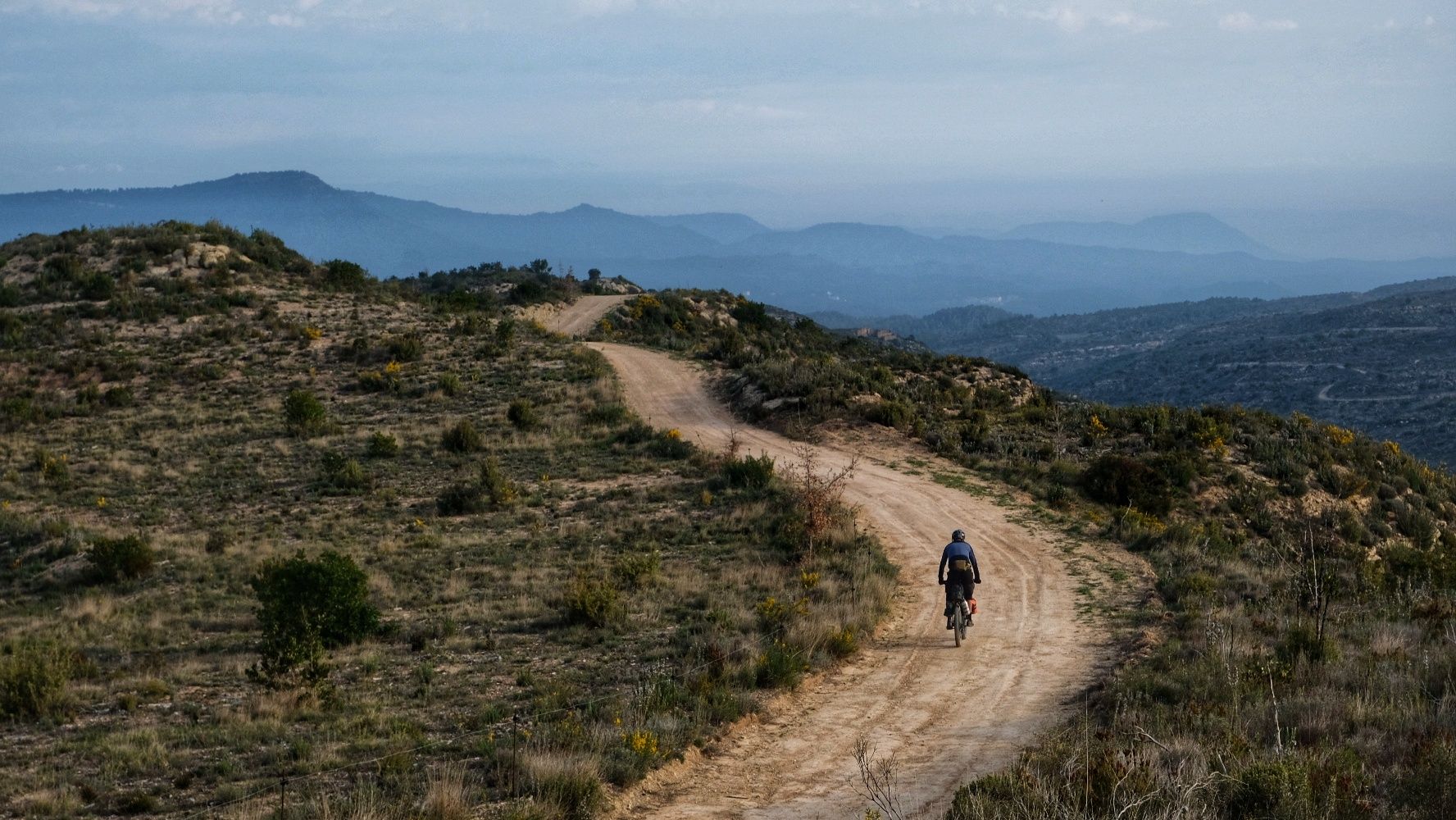
European Divide Trail — 7,600 km across the continent
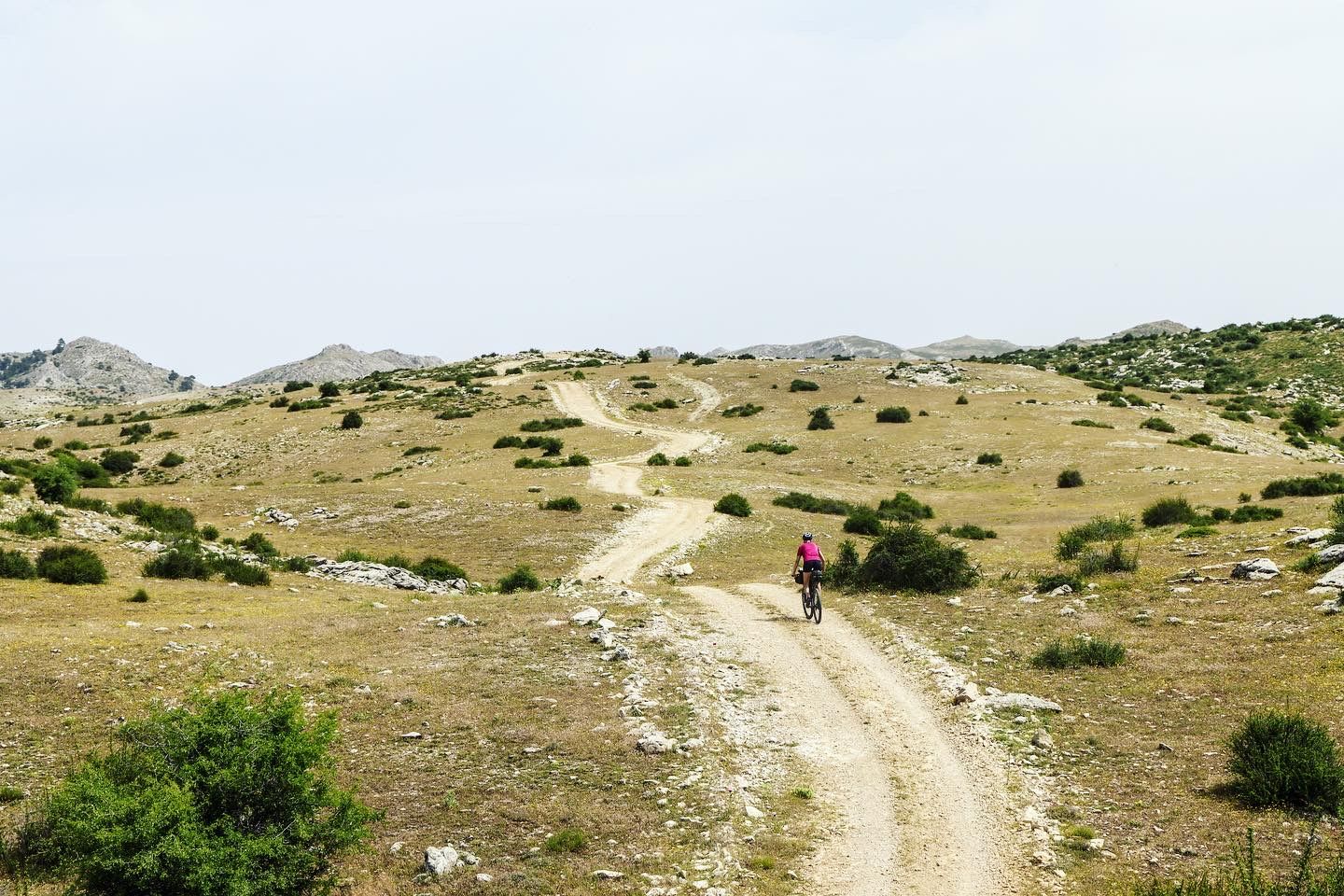
Bikepacking the mountains and deserts of Andalucía
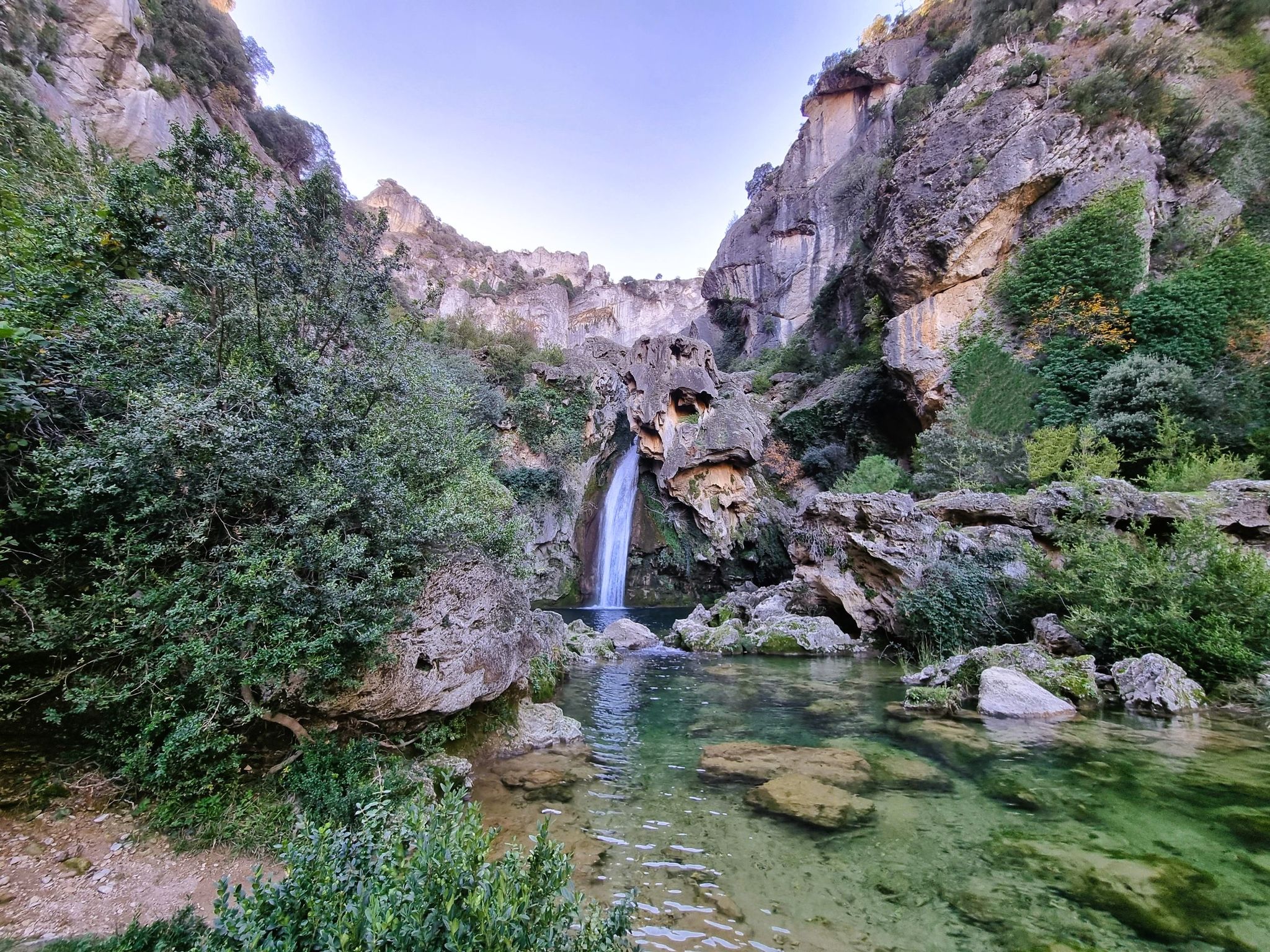
Jaén, inland paradise – three Tours from Cazorla

Bikepacking in Andalusia – Europe's gravel paradise
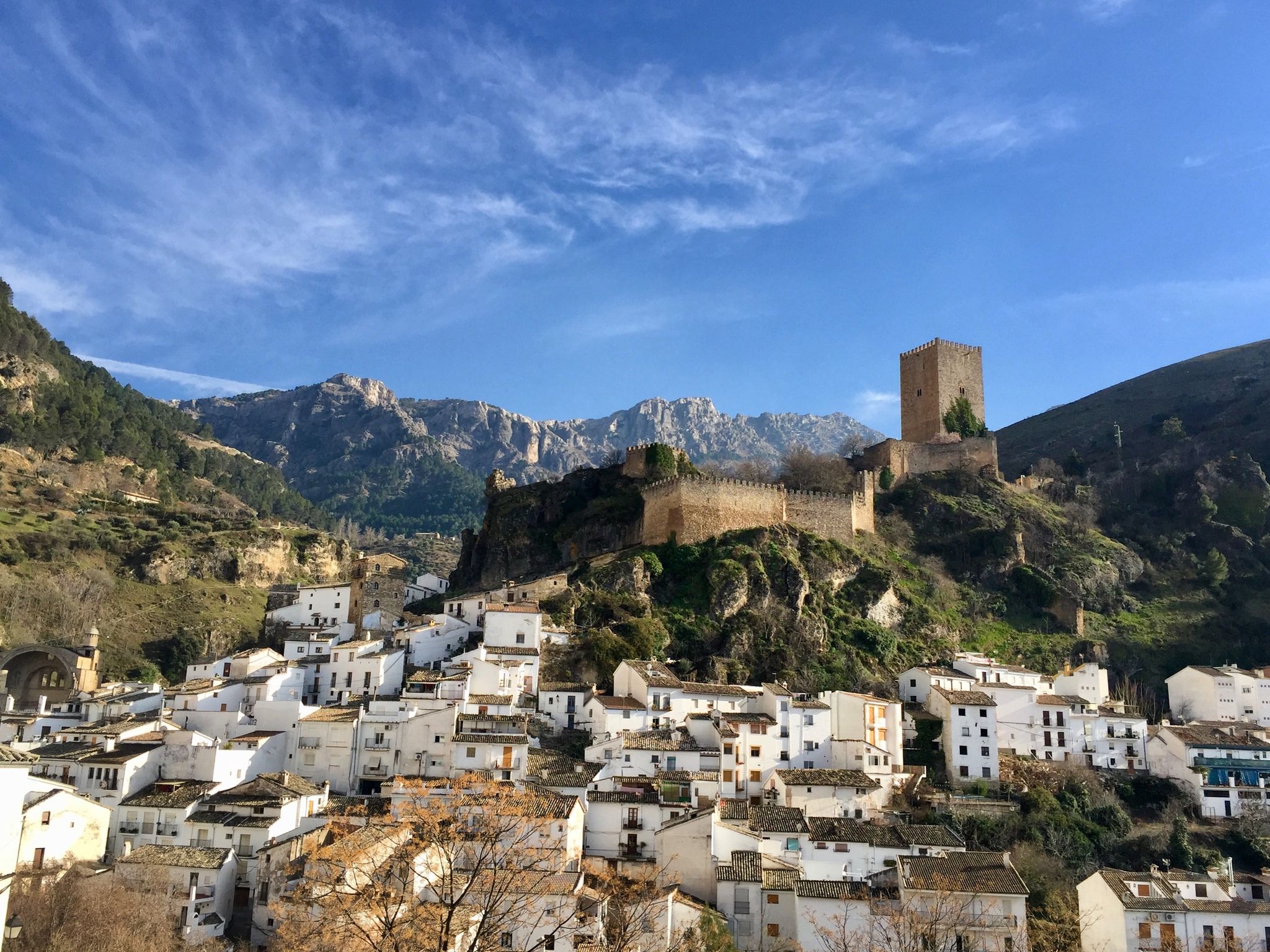
European Divide Trail across the Iberian Peninsula – central
Transhumance in the Sierra de Segura – hiking the GR 144
Wild and free Andalusia – Transandalus through the interior
A wild experience – Sierra de Cazorla, Segura y Las Villas (GR 247)
A circular high altitude trail – Bosques del Sur (GR 247)
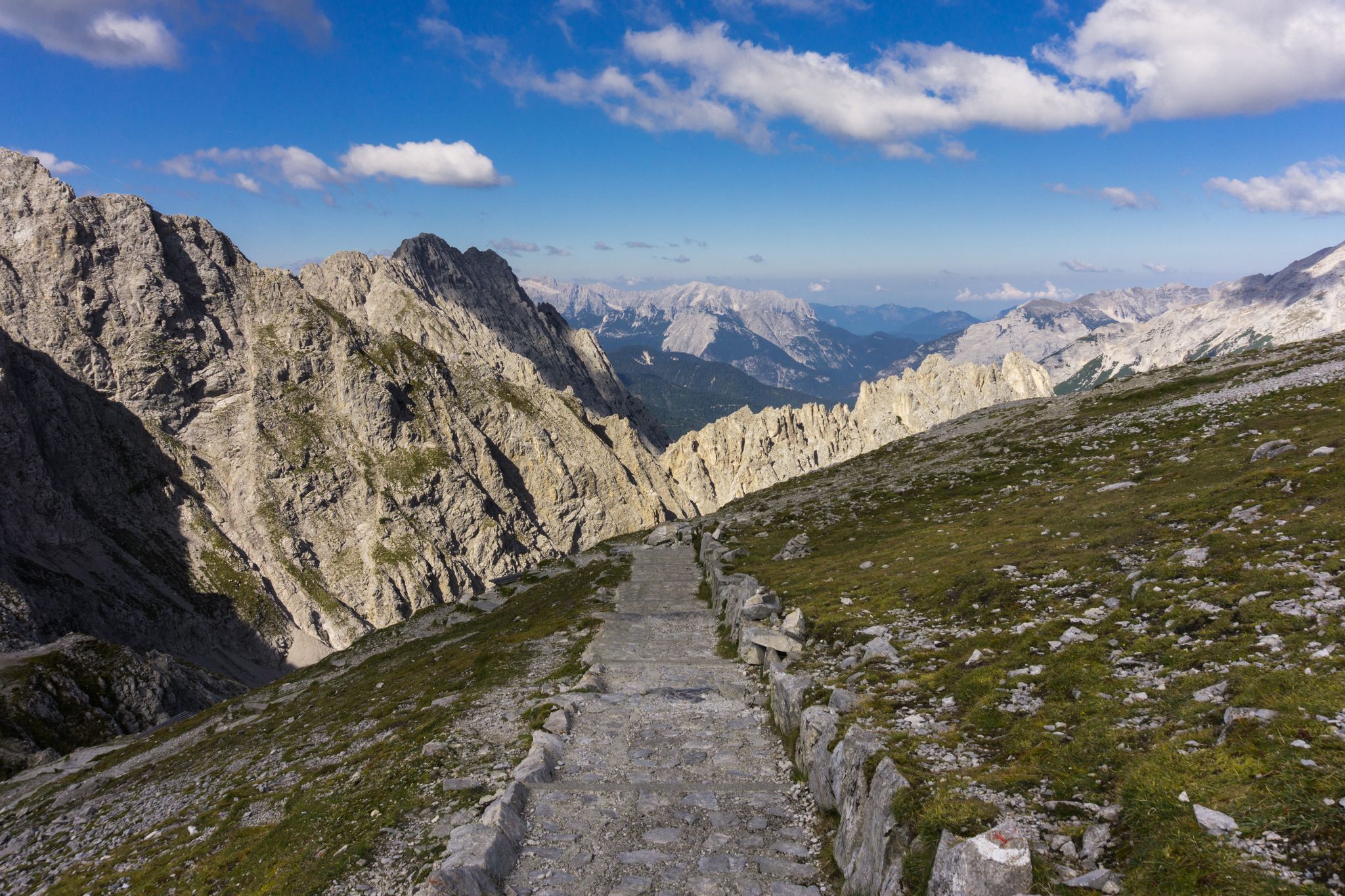
Las Cumbres Reinas de España — Spanish mountain trail races
Other adventures around Cazorla


Tips from the Community

It remains the same, you can shelter from the cold in winter (it has a fireplace) or from the heat in summer. The water pump does not work. There is no table, nor a bed to stretch out on.
1
0
It remains the same, it serves as shelter, but unlike other refuges in the area, it has no furniture at all.
1
0

I love it and also a water source 200m away for the cows
2
0

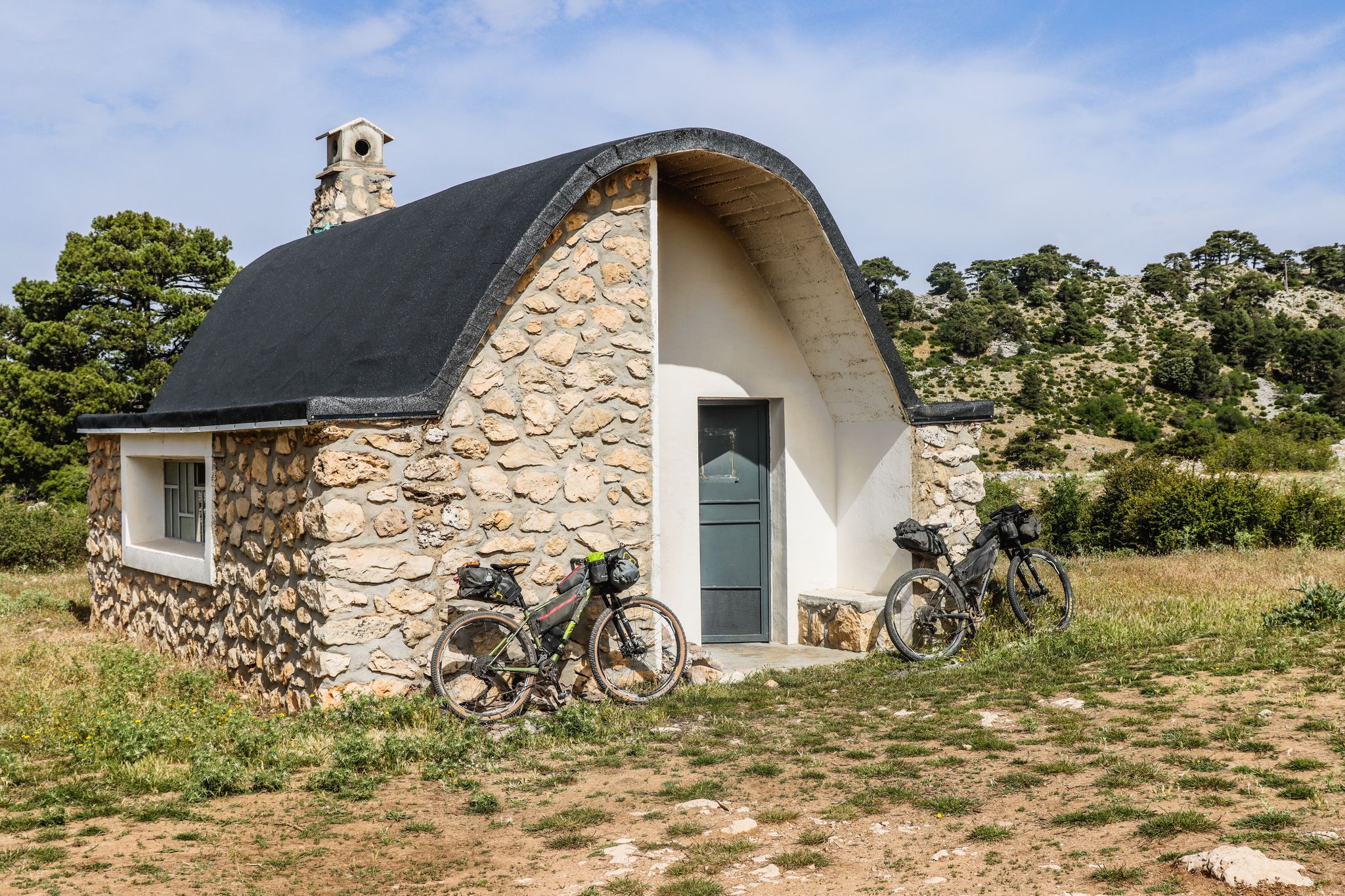
This bivouac shelter is a very unique construction, basically composed of a room with a door, windows, and a cistern to collect rainwater, with a manual pump for its extraction. It should be remembered that this is, therefore, water without any sanitary treatment. It is especially important to be respectful in the use of these shelters, whose maintenance and good condition are basic for shepherds in an area as isolated as this. If you walk the marked trail Bosques del Sur, you will find it at kilometer 11.4 of stage number 15.
2
0
El Refugio del Collado Zamora (often associated with the route to Gilillo) is a rehabilitated forest refuge located in the Sierra de Cazorla, key to the GR-247 trail. It is frequently used as a starting point or stopover to ascend to Gilillo or connect to areas such as Cuerda del Gilillo.
0
0

This is the best preserved refuge of the 4 that we found between Don Domingo, Fuente Segura and the Rambla Seca control (GR-247 and variants). Bunk bed and wooden bed, table and bench, double glazed windows and even hangers on the wall. The only thing that didn't work was the water pump, but I don't know if it's because there's no water in the pool or the pump is broken. It's common to see it occupied some days in summer. Today it was empty. I take this opportunity to thank the users for preserving it and leaving it, at least, in the same condition.
1
0
Frequently Asked Questions
What types of huts and shelters can I find in the Cazorla area?
The Sierra de Cazorla, Segura y Las Villas Natural Park offers a variety of shelters, ranging from basic, unguarded refuges to more developed accommodations. You'll find simple structures with sleeping platforms, as well as hostels and nature centers that provide more comprehensive facilities like bunk beds and multi-purpose rooms. Some, like El Sacejo Refuge, are known for their simplicity and good upkeep, while others, like El Hornico Hostel and Nature Center, offer more amenities.
Which huts are popular among visitors for their location or features?
Visitors appreciate several huts for their unique characteristics. Collado Zamora Refuge is highly regarded for being consistently well-maintained by users and is located directly on the GR-247 trail. Fuente de Acero Refuge is strategically positioned in a beautiful wooded area, serving as a key point for stages of the Bosques del Sur trail (GR 247) and featuring a nearby fountain. El Sacejo Refuge is noted for its scenic environment next to the Parador de Cazorla.
Are there family-friendly hut options in the Cazorla area?
Yes, some facilities cater to families. El Hornico Hostel and Nature Center is particularly suitable, as it primarily hosts educational courses for schoolchildren and offers services like bunk beds and multi-purpose rooms. For a more amenity-rich option, Camping Llanos de Arance provides a camping area, wooden cabins, a swimming pool, and a bar.
What facilities can I expect at the huts?
Facilities vary greatly. Basic unguarded refuges like El Sacejo Refuge typically offer simple sleeping platforms and a table. Others, such as El Hornico Hostel and Nature Center, provide more extensive services including bunk beds, toilets, and multi-purpose rooms. Some refuges, like Campo del Espino Shelter, may have a cistern for rainwater collection, though this water is untreated and not for drinking. Always check specific hut details before your visit.
What kind of trails are accessible from the huts?
Many huts are strategically located along major trails. For example, Collado Zamora Refuge is one of many along the GR-247, a long-distance trail traversing the mountains. Fuente de Acero Refuge is a key point for stages 14 and 15 of the Bosques del Sur trail (GR 247) and its variant 247.3. These locations make them ideal starting or ending points for various hiking and cycling routes.
Are there options for different hiking difficulties near the huts?
Yes, the Sierra de Cazorla offers a range of hiking difficulties. You can find trails suitable for various experience levels. For instance, the Hiking around Cazorla guide includes routes like the 'Cascada de Linarejos' which is rated easy, while others like 'Río Cerezuelo Trail' are considered difficult. Many huts are situated along intermediate trails, providing access to both easier and more challenging sections.
What other outdoor activities can I do near the huts?
Beyond hiking, the area around the huts in Cazorla is excellent for cycling and gravel biking. The Cycling around Cazorla guide features routes like the 'Cazorla – Collado Zamora Refuge loop', and the Gravel biking around Cazorla guide also offers challenging loops. The diverse landscapes of the Natural Park are perfect for exploring on two wheels.
When is the best time to visit the huts in Cazorla?
The Sierra de Cazorla, Segura y Las Villas Natural Park can be visited year-round, but the best time depends on your preferred activities. Spring and autumn offer pleasant temperatures for hiking and exploring. Summer can be hot, but the higher elevations and shaded forest areas around some huts provide respite. Winter hiking is possible, but some routes may be affected by snow or colder conditions, so checking weather forecasts is advisable.
Do I need permits to use the huts or hike in the park?
Generally, many of the basic, unguarded refuges in the Sierra de Cazorla, Segura y Las Villas Natural Park do not require specific permits for use, operating on a first-come, first-served basis. However, for organized facilities like El Hornico Hostel and Nature Center, reservations are typically required. It's always recommended to check with the park authorities or the specific facility for any current regulations or booking procedures, especially for larger groups or during peak seasons.
What kind of wildlife might I encounter around the huts?
The Sierra de Cazorla, Segura y Las Villas Natural Park is Spain's largest protected natural area and a UNESCO biosphere reserve, home to diverse wildlife. You might spot various bird species, including raptors, as well as mammals like deer, wild boar, and ibex. The tranquility of areas around huts like Campo del Espino Shelter offers excellent opportunities for wildlife observation, especially during quieter times of day.
Are there any huts known for their scenic views or natural surroundings?
Absolutely. Campo del Espino Shelter is particularly noted for its strategic location offering incredible panoramic views and opportunities to enjoy starry skies. El Sacejo Refuge is situated in a very beautiful environment right next to the Parador de Cazorla. Many huts are nestled within the diverse landscapes of the park, providing stunning natural backdrops for your stay.
Is water readily available at the huts?
Water availability varies. Some refuges, like Fuente de Acero Refuge, have a signposted fountain nearby, though the water source can occasionally dry up. Others, such as Campo del Espino Shelter, include a cistern for rainwater collection, but this water is untreated and not suitable for drinking. It's always advisable to carry sufficient drinking water or purification methods, as water sources can be unreliable or non-potable.
Most popular routes around Cazorla
Most popular attractions around Cazorla

Get inspired with the komoot mobile app


Explore more
Find more beautiful huts and cabins around Cazorla by checking out the top ones in these nearby places:
