The best walks and hikes around Brenles
4.4
(139)
975
hikers
102
hikes
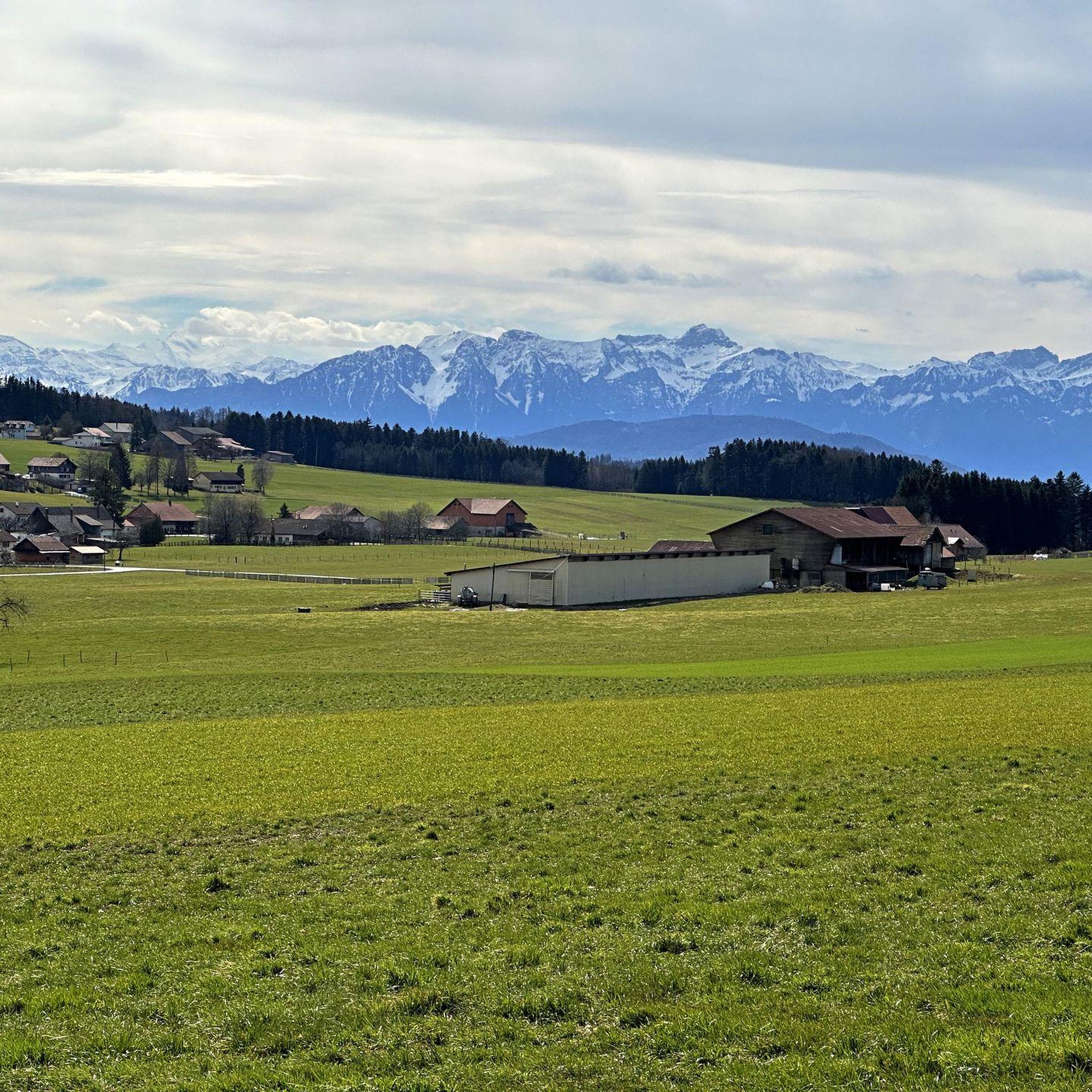
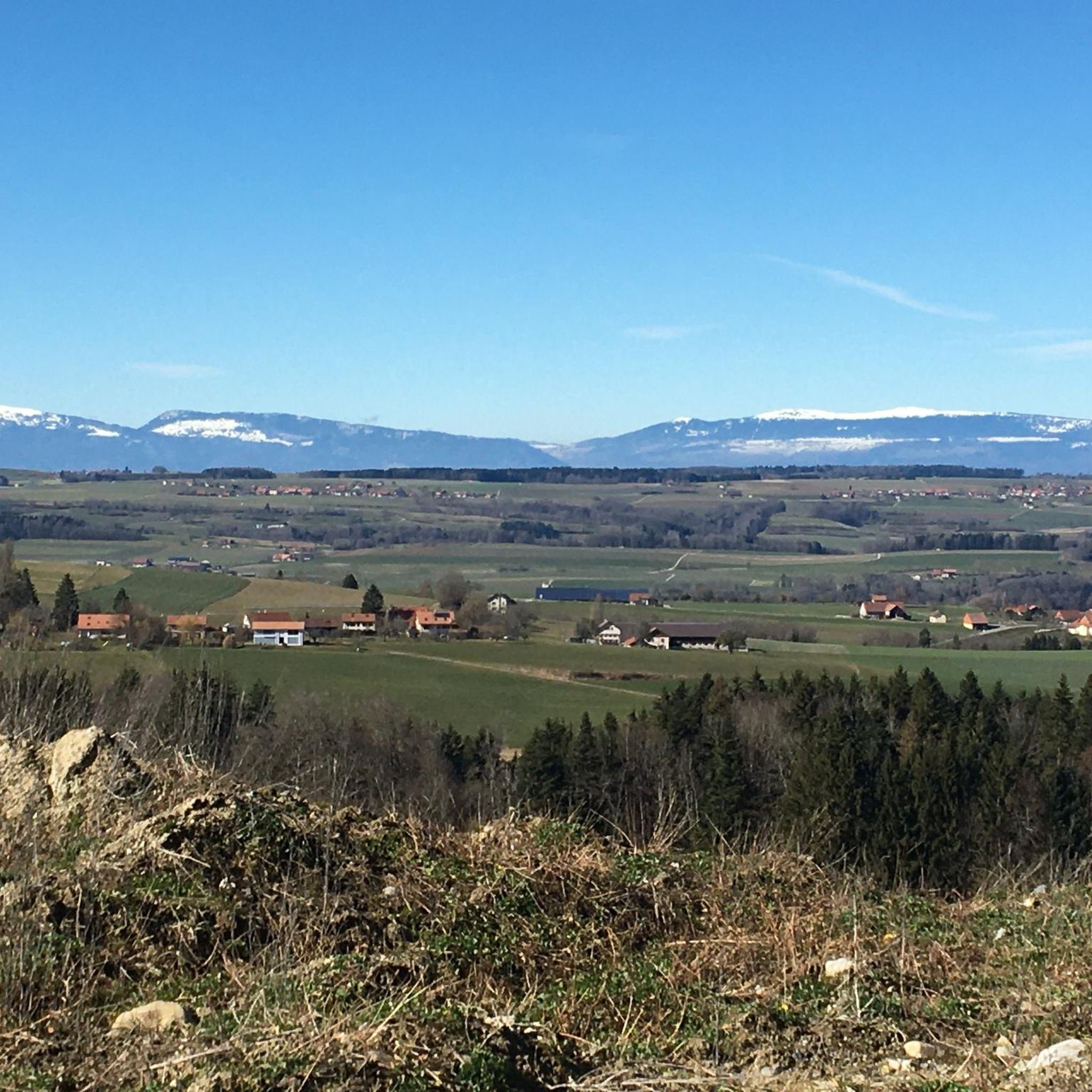
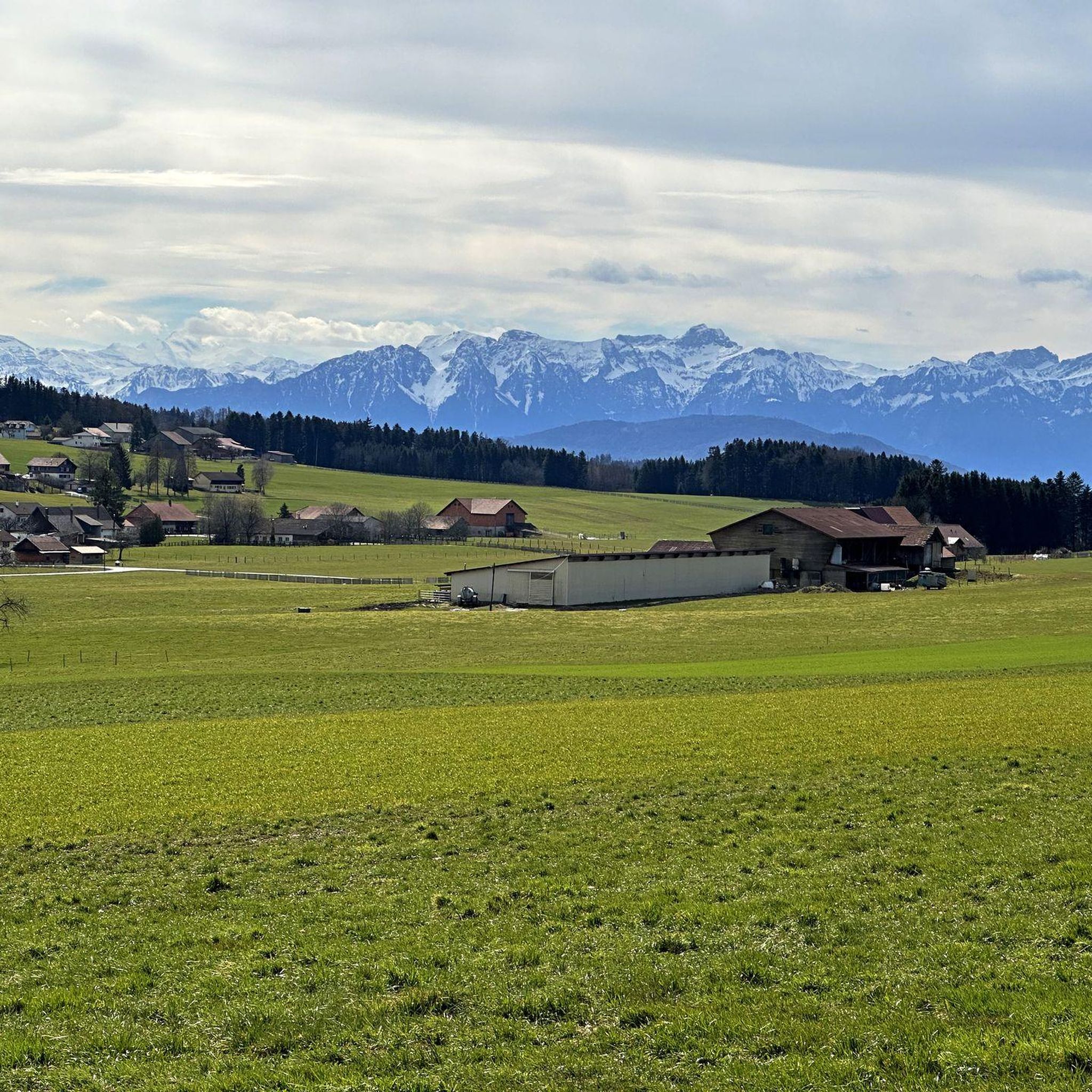
Hiking around Brenles offers a diverse landscape characterized by rolling hills, historical towns, and views towards the Alps. The region features a mix of open countryside, forested sections, and paths alongside water features. Trails often connect cultural landmarks with natural beauty, providing varied terrain for exploration.
Best hiking trails around Brenles
- The most popular hiking route is Château de Lucens – Lucens Castle loop from Lucens, a 4.3 miles (7.0 km) trail that takes 2 hours 2 minutes to…
Last updated: June 22, 2026
4.1
(7)
52
hikers
6.97km
02:02
180m
180m
Moderate hike. Good fitness required. Easily-accessible paths. Suitable for all skill levels.
4.0
(8)
32
hikers
8.43km
02:28
200m
200m
Moderate hike. Good fitness required. Easily-accessible paths. Suitable for all skill levels.

Sign up for free
4.2
(5)
15
hikers
10.2km
02:49
170m
170m
Moderate hike. Good fitness required. Easily-accessible paths. Suitable for all skill levels.
4.0
(2)
23
hikers
10.9km
03:08
270m
270m
Moderate hike. Good fitness required. Easily-accessible paths. Suitable for all skill levels.
4.8
(6)
15
hikers
5.66km
01:32
80m
80m
Easy hike. Great for any fitness level. Easily-accessible paths. Suitable for all skill levels.
Get access to more routes and recommendations from other explorers.
Sign up for free
Already have an account?
Our route recommendations are based on thousands of hikes, rides, and runs completed by other people on komoot.
Start today with a free account
Your next adventure awaits.
Login or Signup
Tips from the Community

L'abbaye de la Fille-Dieu is a monastery of Cistercian nuns located near the town of Romont in the canton of Fribourg (Switzerland). Founded in the 13th century, the abbey has experienced the vicissitudes of history, but the praise of God and monastic life were never interrupted. At the beginning of the 20th century, it affiliated with the Cistercian Order of the Strict Observance (Trappist).
0
0

A pretty chapel with a tall bell tower, dating from the 13th century in Chavannes-sur-Moudon
0
0

A beautiful castle, with free access to the battlements. Inside is the Glass Museum and a café.
0
0

Very beautiful city to visit
0
0
The Church of Saint-Pierre-aux-liens (1937-1939), designed by architect Fernand Dumas, is one of the major buildings of the Saint-Luc Group and a testament to its ambitions to revive sacred art. The architect planned the almost exclusive use of glass for the interior design. The altars, communion table, pulpit, and chandeliers were made by the Labouret workshop in Paris, which, along with glassmakers François Décorchemont and Félix Gaudin, invented the glass slab (1928). The church choir is adorned with a vast composition by Emilio Maria Beretta that covers the entire wall of the flat chevet. This glass painting depicts the deliverance of Saint Peter by an angel who frees him from prison. The non-figurative stained-glass windows were designed by Yoki (alias Émile Aebischer) and created in collaboration with glassmaker Michel Eltschinger. They used two different techniques: the rose window of the gallery (1969) is made of glass slabs, while the stained-glass windows of the nave are made of lead mesh, of variable width (1979).
0
0

The abbey "La Fille-Dieu" is a place of silence and prayer. It is located directly on the Way of St. James. Even today, some nuns still live in the monastery and practice their faith here. The Benedictine nuns have been at home here continuously since 1268. Important! The religious community is happy to offer travelers accommodation and sells homemade delicacies in the monastery shop. This includes an aromatic honey mustard that is made according to an old recipe found in the monastery. While the nuns hold their devotions in the church, it is open to the public. Silence and respect are the top priority.
0
0

Very nice. There are often dogs out walking.
1
0
The church tower of Saint-Etienne was once an integral part of the fortifications. Easily recognizable by its solid construction and the loopholes on the sides. In the tower passage there is an interesting information board stating that Wolfgang Amadé Mozart and his family stopped in Moudon in 1766 on their journey through Switzerland.
1
0
Frequently Asked Questions
How many hiking trails are available around Brenles?
There are over 100 hiking routes available in the Brenles region, catering to various skill levels. You'll find a mix of easy, moderate, and a few more challenging trails to explore.
Are there easy or family-friendly hiking options around Brenles?
Yes, Brenles offers many easy and family-friendly routes. Over 50 of the trails are rated as easy. An excellent option is the Marais de Naudry – Le Marais de Naudry loop from Siviriez, which is 5.7 km long with minimal elevation gain, perfect for a relaxed outing.
What are the typical distances and durations for hikes in Brenles?
Hikes in Brenles vary, but many popular routes range from 4 to 10 kilometers. For example, the Château de Lucens – Lucens Castle loop from Lucens is 7 km and takes about 2 hours, while the Romont Old Town – View of Romont loop from Romont is 10.2 km and typically takes around 2 hours 48 minutes.
Are dogs allowed on hiking trails in Brenles?
Generally, dogs are welcome on most hiking trails in the Brenles region. However, it's always advisable to keep them on a leash, especially when passing through agricultural areas, near livestock, or in nature protection zones. Please ensure you clean up after your pet.
What is the best time of year to go hiking in Brenles?
The best time for hiking in Brenles is typically from spring to autumn (April to October). During these months, the weather is generally pleasant, and the landscapes are vibrant. Spring offers blooming wildflowers, while autumn provides beautiful fall foliage. Winter hiking is possible, but some paths might be muddy or icy, so appropriate gear is recommended.
Are there any challenging hikes for experienced hikers in Brenles?
While most trails in Brenles are easy to moderate, there are a couple of more challenging routes for experienced hikers seeking a greater workout. These trails often feature steeper ascents and descents, providing a more demanding experience amidst the region's rolling hills.
Are there circular walks available around Brenles?
Yes, many of the hiking routes around Brenles are circular, allowing you to start and end your journey in the same location. Examples include the Beautiful path along the shore – Moudon Old Town loop from Moudon and the View of Romont and the Alps loop from Billens-Hennens.
What can I see along the hiking trails in Brenles?
Hiking trails in Brenles often lead past historical sites and offer scenic views. You can explore landmarks like the impressive Château de Lucens, the charming Romont Old Town, or the historic Saint-Étienne Reformed Church in Moudon. The region's rolling hills also provide panoramic vistas towards the Alps.
Is parking available at the trailheads in Brenles?
Parking is generally available in the towns and villages that serve as starting points for hikes, such as Lucens, Moudon, and Romont. Look for designated public parking areas, though some may require a fee or have time limits. It's always a good idea to check local signage upon arrival.
What do other hikers enjoy the most about hiking in Brenles?
The hiking experience in Brenles is highly rated by the komoot community, with an average score of 4.4 stars. Reviewers often praise the diverse landscape, which combines historical townscapes with gentle hills and scenic viewpoints. The well-maintained paths and the mix of open countryside and forested sections are also frequently highlighted.
Are there any hidden gem trails or less-known routes in Brenles?
While many trails are popular, the extensive network around Brenles means there are always quieter paths to discover. Exploring routes that connect smaller hamlets or venture into less frequented forested areas can reveal peaceful, less-traveled sections of the region, offering a sense of discovery away from the main routes.
What kind of terrain can I expect on hikes around Brenles?
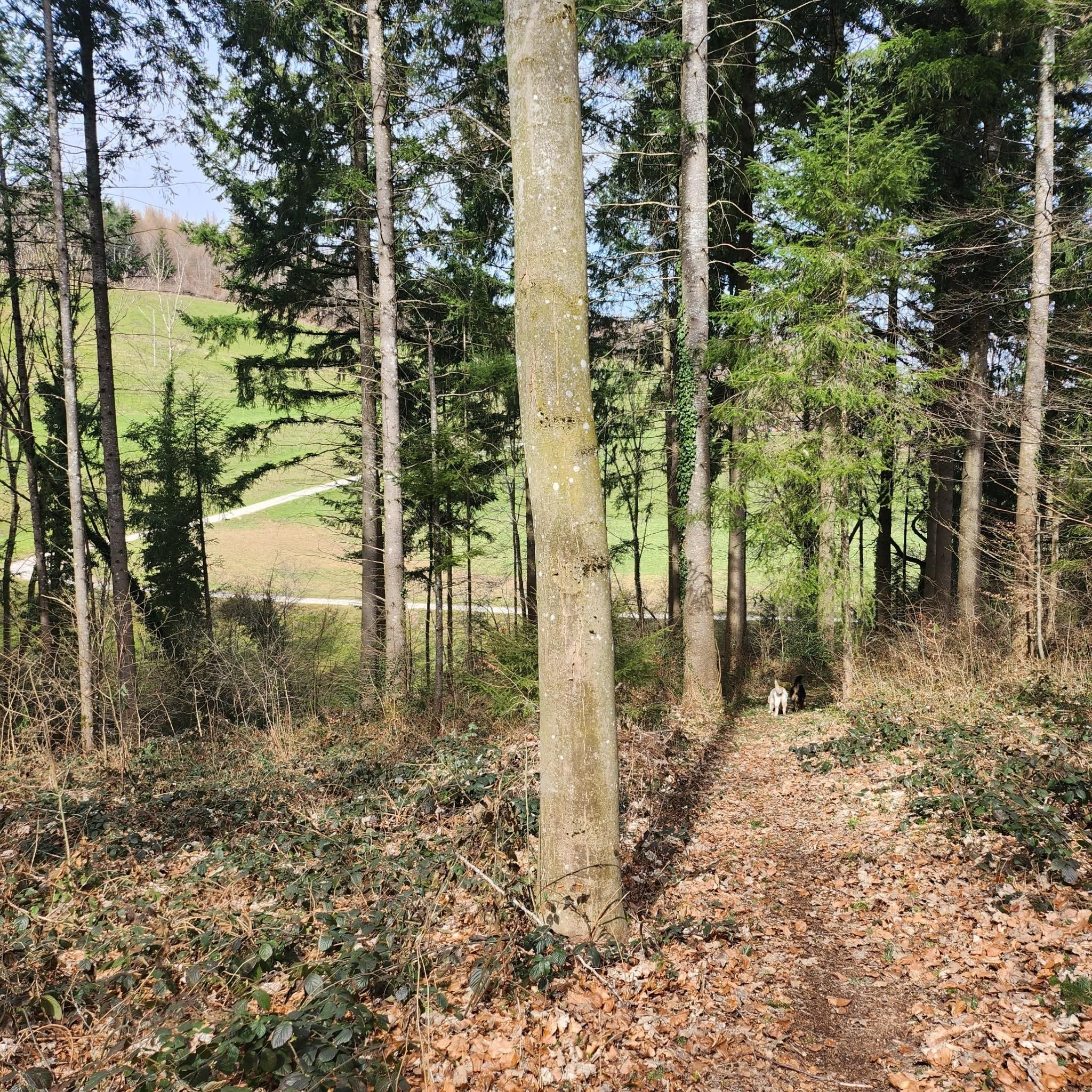
The terrain around Brenles is characterized by rolling hills, offering a mix of gentle ascents and descents. You can expect paths through open fields, shaded forest sections, and sometimes alongside small rivers or streams. The trails are generally well-maintained, suitable for standard hiking footwear.
Most popular attractions around Brenles

Get inspired with the komoot mobile app


Explore more
Browse the best Hikes in other regions.
