Attractions and Places To See around San Torcuato - Top 20
Best attractions and places to see around San Torcuato include a blend of historical sites, cultural landmarks, and natural settings within the La Rioja region of Spain. This area is characterized by its rural Spanish life, the confluence of the Oja and Najerilla Rivers, and its proximity to the Camino de Santiago. Visitors can explore significant religious architecture and historical bridges, reflecting the region's rich heritage. The municipality also offers insights into local traditions and wine culture.
Best attractions and…
Last updated: July 6, 2026
Santo Domingo de la Calzada Cathedral
Highlight • Religious Site
Translated by Google •
Tip by

Santo Domingo de la Calzada Bridge
Highlight • Bridge
At the entrance, on the banks of Santo Domingo de la Calzada, there …
Translated by Google •
Tip by
Sign up now to discover places like this
Get recommendations on the best single tracks, peaks, & plenty of other exciting outdoor places.
Sign up for free
Haro
Highlight • Settlement
Translated by Google •
Tip by

Haro
Highlight • Settlement
Translated by Google •
Tip by
Puente de Cihuri
Highlight • Bridge
Translated by Google •
Tip by

Sign up for free to discover even more attractions around San Torcuato.
Sign up for free
Already have an account?
Start today with a free account
Your next adventure awaits.
Login or Signup
Tips from the Community

The pilgrimage route repeatedly involves crossing valleys and rivers like the Rio Oja – as here at Santo Domingo de la Calzada. The bridges are sometimes relatively modern, sometimes medieval, and sometimes even older.
1
0

It crosses the Oja River, connecting different parts of the city. Built in the 12th century by Saint Dominic de la Calzada to facilitate the passage of pilgrims on the Camino de Santiago. The stone bridge features several arches, a fine example of medieval engineering.
2
0
The Cathedral of Santo Domingo de la Calzada, also known as the Cathedral of El Salvador, is an impressive monument located in the town of Santo Domingo de la Calzada. The cathedral was built between the 12th and 13th centuries, combining Romanesque and Gothic styles. A unique feature is its free-standing tower, separated from the main body of the cathedral.
8
0

Again and again on the pilgrimage route - as here at Santo Domingo de la Calzada - valleys have to be crossed and rivers like the Rio Oja have to be crossed. The bridges are sometimes relatively modern, sometimes medieval and sometimes even older.
7
0

Haro is the wine capital of Rioja. It is the headquarters of the regulatory council of the Rioja wine designation of origin. It has a vibrant atmosphere all year round and in its many bars and wineries you can drink good Rioja wine.
1
0
The primitive Romanesque church was built dedicated to the Savior and Saint Mary. In 1098, King Alfonso VI donated land for its construction. The cathedral was consecrated in 1106 by Bishop Don Pedro Nazar. It later became a collegiate church around 1158 and finally a cathedral after 1232. Since then, it has been the seat of the bishop of Calahorra-La Calzada. Construction of the current church began in 1158, preserving much of the old structure. In the 16th century, the right part of the transept was raised to house the tomb of Saint Dominic.
11
0

Puente de Cihuri is a bridge over the Tirón River in the municipality of Cihuri, in the autonomous community of La Rioja, Spain. The bridge is of Roman origin and was rebuilt in the Middle Ages. It has been a monument of cultural interest since 1982. The name of the place means “the villa of the bridge” in Basque. The bridge is located next to the Priorate, a 17th century building that belonged to the Monastery of San Millán de la Cogolla. Cihuri is a small village with about 200 inhabitants. It has a church dedicated to San Juan Bautista and an archaeological site with a spring and wash houses used for wool processing.
2
0
Frequently Asked Questions
What historical sites can I explore near San Torcuato?
The area around San Torcuato is rich in history. You can visit the Santo Domingo de la Calzada Cathedral, known for its unique church-fortress architecture and the legend of the rooster and hen. Another significant historical landmark is the Puente de Cihuri, a Roman bridge crossing the Tirón River. Additionally, the Santo Domingo de la Calzada Bridge, originally built in the 11th century for pilgrims, is also worth seeing. Nearby, the Iglesia de La Asunción in Zarratón and the Iglesia Parroquial de la Magdalena in Baños de Rioja offer further architectural insights.
What unique cultural traditions or legends are associated with the San Torcuato area?
A prominent legend in the region is tied to the Santo Domingo de la Calzada Cathedral. It houses a live rooster and hen, commemorating the legend of a pilgrim unjustly accused and hanged, who was miraculously brought back to life by Santo Domingo de la Calzada. The town of San Torcuato also celebrates its patron saint festival and Thanksgiving on the last weekend of August, and another festival for San Torcuato on May 15th.
Can I find attractions related to wine culture near San Torcuato?
Absolutely. The town of Haro, recognized as the wine capital of La Rioja Alta, is a short distance away. It's a major center for wine tourism in Spain and home to many famous wineries where you can learn about and taste the region's renowned Rioja wines.
Are there any natural features or scenic spots to visit?
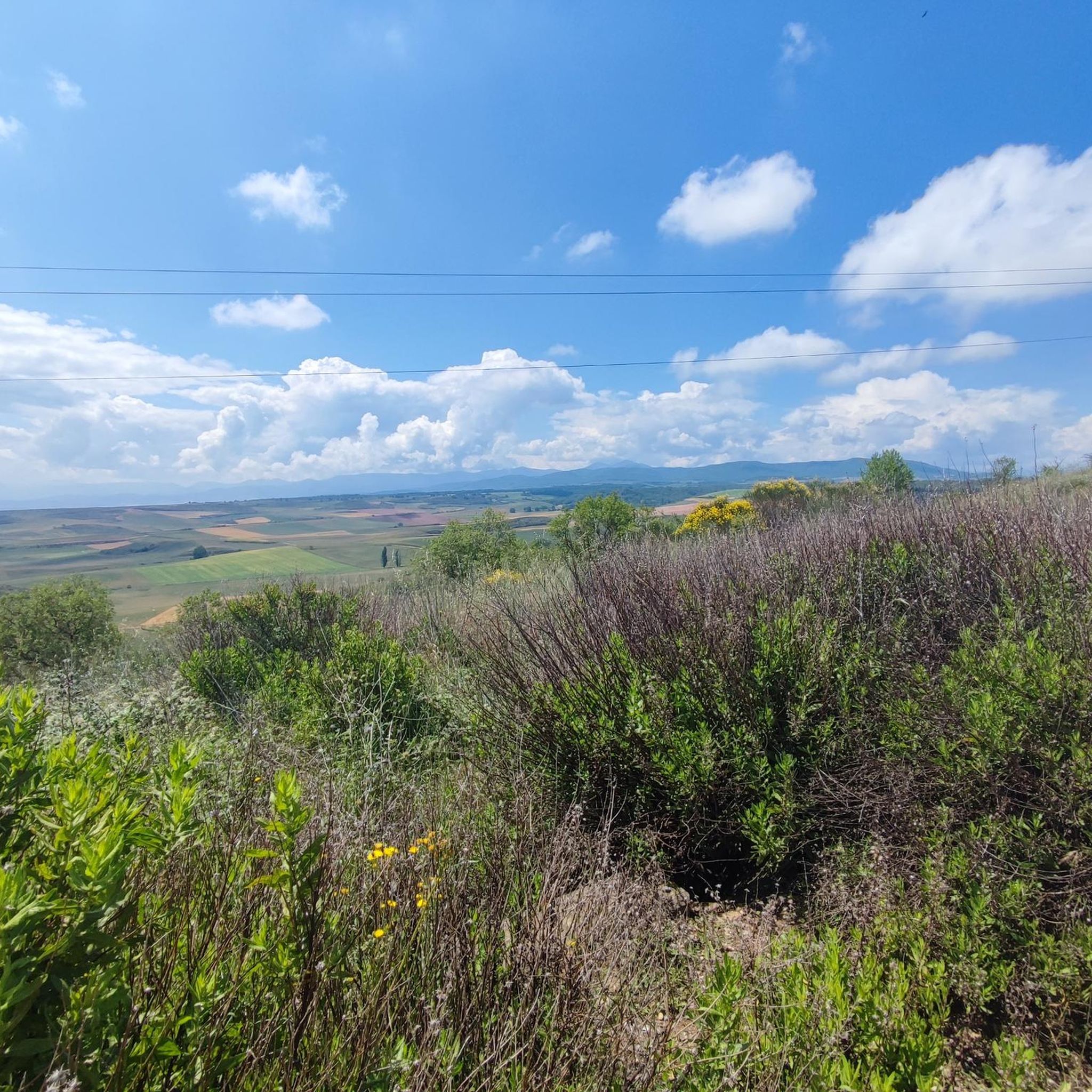
San Torcuato is situated at the confluence of the Oja and Najerilla Rivers, offering a natural setting. While not explicitly listed as highlights, the surrounding rural landscape provides scenic views, especially from places like the San Torcuato Aerodrome, which combines a passion for flight with the beauty of the rural surroundings.
What outdoor activities can I do near these attractions?
The area around San Torcuato is excellent for outdoor activities. You can explore various cycling routes, including MTB trails, road cycling routes, and touring bicycle paths. For mountain biking, consider routes like the "Oja River Greenway" or the "Puente de Cihuri – Haro loop." Road cyclists might enjoy the "Oja River Greenway – Valdezcaray Ski Resort loop." For more relaxed touring, options like the "Oja River Greenway – Ezcaray Greenway loop" are available. You can find more details on these and other routes in the MTB Trails around San Torcuato, Road Cycling Routes around San Torcuato, and Cycling around San Torcuato guides.
Are there family-friendly attractions around San Torcuato?
Yes, several attractions are suitable for families. The Santo Domingo de la Calzada Cathedral, with its live rooster and hen and fascinating legend, can be an engaging visit for children. The town of Haro also offers a vibrant atmosphere and cultural experiences that families can enjoy. The Puente de Cihuri is a pleasant spot, and its surroundings are known for being frequented by locals for summer swimming, which could be a fun family activity.
What is the best time to visit San Torcuato for outdoor activities and sightseeing?
The region of La Rioja Alta, where San Torcuato is located, generally experiences pleasant weather during spring (April to June) and autumn (September to October). These seasons offer comfortable temperatures for exploring historical sites, enjoying outdoor activities like cycling, and participating in wine-related tours without the intense heat of summer or the chill of winter.
Is the area around San Torcuato accessible for people with wheelchairs?
The Santo Domingo de la Calzada Bridge is noted as being wheelchair accessible, making it a suitable historical site for visitors with mobility considerations. For other attractions, it's advisable to check specific accessibility details beforehand, as rural areas and older historical sites may have varying levels of access.
What do visitors enjoy most about the attractions around San Torcuato?
Visitors frequently appreciate the unique historical and cultural aspects, such as the legend of the live rooster and hen at the Santo Domingo de la Calzada Cathedral. The architectural beauty of sites like the Puente de Cihuri and the charm of wine country in Haro are also highly rated. The komoot community has shared over 450 photos and given more than 480 upvotes, highlighting the visual appeal and enjoyable experiences these locations offer.
Are there any easy walks or beginner-friendly hiking options near San Torcuato?
While specific easy walks directly in San Torcuato are not detailed, the nearby cycling guides often include routes with varying difficulty levels. For example, some MTB routes like the "Puente de Cihuri – Anguciana loop from Casalarreina" are rated as easy. These flatter, less challenging routes often follow river paths or greenways, which can be suitable for easy walks or beginner-friendly hikes. You can explore the MTB Trails around San Torcuato guide for routes that might fit this description.
What is the significance of the Camino de Santiago in this region?
The San Torcuato area is closely connected to the Camino de Santiago, particularly through the nearby town of Santo Domingo de la Calzada. This town is a famous stop on the pilgrimage route, and its impressive Cathedral and Bridge were historically vital for pilgrims. The presence of these landmarks highlights the region's long-standing role in supporting travelers on their spiritual journey.
Most popular routes around San Torcuato
Most popular attractions around San Torcuato

Get inspired with the komoot mobile app


Explore more
Still not found the Highlight you’re looking for? See guides of the top attractions in other regions:
