The best road cycling routes around Vidayanes
55
riders
4
rides
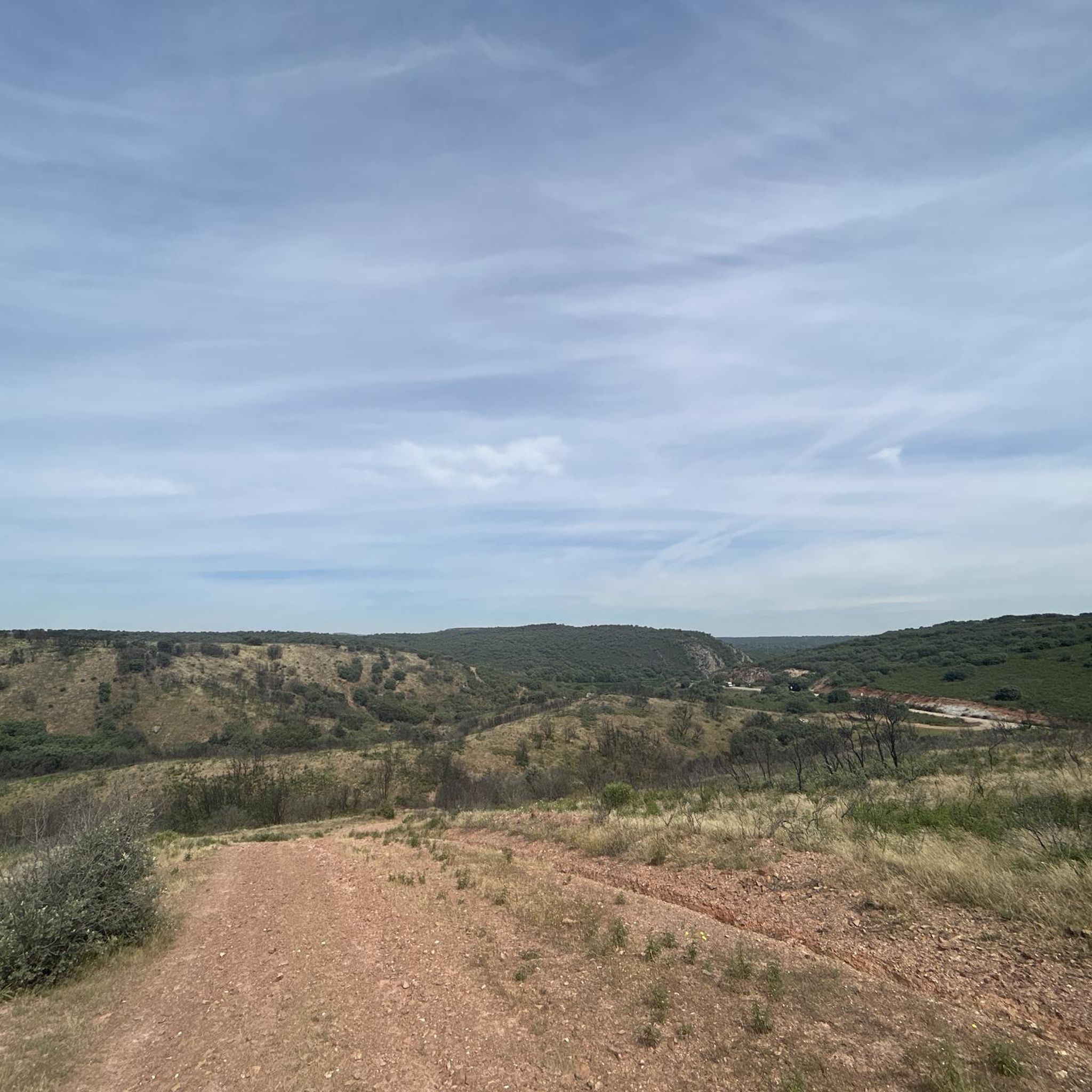
Road cycling around Vidayanes is characterized by its location within the ZEPA Penillanuras-Campos Sur, a Special Protection Area for birds. The landscape consists primarily of open steppe plains dominated by extensive cereal crops, offering long, relatively flat stretches. This environment provides minimal elevation changes, making it suitable for cyclists seeking less strenuous rides on quiet rural roads.
Best road cycling routes around Vidayanes
- The most popular road cycling route is From Fuentes de Ropel to Virgen de la Vega, a 37.2 miles (59.9 km) trail that takes 2 hours 25 minutes to complete. This moderate route traverses open agricultural land with gentle gradients.
- Another top favourite among local road cyclists is Benavente and Villafáfila Lagoons Loop, a moderate 58.3 miles (93.8 km) path. This route offers views of the Villafáfila Lagoons, known for their birdlife within the steppe plains.
- Local road cyclists also love the Benavente – tour around Pobladura del Valle and Morales de Rey, a 47.3 miles (76.2 km) trail leading through open cereal fields, often completed in about 3 hours 5 minutes.
- Road cycling around Vidayanes is defined by expansive steppe plains, agricultural landscapes, and quiet rural roads. The network offers options primarily for moderate ability levels, with minimal significant climbs.
- The guide includes highly-rated routes that showcase the best of the region's landscape. More than 80 road cyclists have used komoot to explore Vidayanes's varied terrain.
Last updated: July 12, 2026
3
riders
59.9km
02:26
250m
250m
This moderate 37.2-mile road cycling route from Fuentes de Ropel to Virgen de la Vega offers rural views and cultural landmarks.
2
riders
93.8km
03:46
320m
320m
This moderate 58.3-mile road cycling route explores the bird-rich Lagunas de Villafáfila Natural Park and returns via the scenic Río Esla.

Sign up for free
1
riders
76.2km
03:05
320m
320m
Moderate road ride. Good fitness required. Mostly well-paved surfaces and easy to ride.
Moderate road ride. Good fitness required. Mostly well-paved surfaces and easy to ride.
20
riders
80.7km
03:22
400m
400m
Moderate road ride. Good fitness required. Mostly well-paved surfaces and easy to ride.
Our route recommendations are based on thousands of hikes, rides, and runs completed by other people on komoot.
Start today with a free account
Your next adventure awaits.
Login or Signup



Tips from the Community

Tábara is a Spanish municipality of about 830-950 inhabitants located in the province of Zamora, within the autonomous community of Castile and León. This small village stands at an altitude of 749 meters and is the capital of the Tierra de Tábara comarca. It represents a center of great historical-cultural importance, as well as being a fundamental stop for pilgrims traveling the Camino Sanabrésl
1
0

Tábara, located in the northwest of the province of Zamora (Castilla y León), is a town with a rich medieval history, a stunning natural setting, and a significant cultural heritage. Origins: These date back to the Bronze Age and Roman period. Middle Ages: It was an important monastic center with the Monastery of San Salvador de Tábara, founded by Saint Froilán in the 9th century at the behest of Alfonso III.
10
0

Beautiful landscape of agricultural fields right next to Lagunas de Villafáfila Natural Park.
0
0
This is one of the lagoons found within the Lagunas de Villafáfila Natural Reserve and which, in addition, represents one of the largest salt pans in the area.
0
1

A beautiful and charming church in the small town of Mózar on the banks of the Tera River.
1
0
In the historic center, the Church of Santa María del Azogue, from the 16th century, and in Gothic style, stands out as the main monument of Benavente.
1
0
A renovated castle and gardens rising above the public gardens below. The Parador hotel is one of the most visited monuments in Benavente.
1
0
Surrounded by heritage cloisters, Benavente's main square is an important starting point for many adventures in this part of Spain and a focal point along the Camino de Santiago pilgrimage route.
0
0
Frequently Asked Questions
What kind of terrain can I expect when road cycling around Vidayanes?
The Vidayanes region is characterized by its location within the ZEPA Penillanuras-Campos Sur, offering an open, expansive steppe plain landscape. You'll find long, relatively flat stretches dominated by extensive cereal crops, with minimal elevation changes. This makes for less strenuous rides on quiet rural roads, suitable for various fitness levels.
Are there any easy road cycling routes for beginners in Vidayanes?
All road cycling routes listed for Vidayanes are classified as moderate. While there are no routes specifically designated as 'easy,' the region's generally flat terrain with minimal elevation changes means that even the moderate routes are accessible for cyclists seeking a less strenuous experience. For example, From Fuentes de Ropel to Virgen de la Vega is a moderate 59.9 km route with gentle gradients.
What are the best times of year to go road cycling in Vidayanes?
The open steppe plains of Vidayanes can be exposed to the elements. Spring and autumn generally offer the most pleasant conditions for road cycling, with milder temperatures and less extreme weather. Summers can be hot, and while winters are generally mild, they can bring cooler temperatures. Always check the local forecast before heading out.
Are there any scenic viewpoints or natural features to see along the road cycling routes?
Yes, the region is rich in natural features, particularly its birdlife. Routes like the Benavente and Villafáfila Lagoons Loop offer views of the Villafáfila Lagoons, a vital habitat for steppe birds. You can also visit the Otero de Sariegos Bird Observatory or the Salina Grande Lagoon, which are highlights in the area.
Can I find circular road cycling routes in Vidayanes?
Yes, there are several circular road cycling routes available. A notable option is the Benavente and Villafáfila Lagoons Loop, which is a 93.8 km moderate route. Another excellent choice is the Parque natural Lagunas de Villafáfila and return via the río Esla — circular by the Laguna Salina Grande, covering 73.0 km.
What historical or cultural landmarks can I explore near the cycling routes?
Beyond the natural landscapes, Vidayanes offers glimpses into traditional rural life. While not directly on the routes, the village itself features the 12th-century Church of San Juan Bautista, traditional Palomares (dovecote structures), and the historic Horno de los Vegas. You can also find interesting bridges nearby, such as the Bridge of the Vía Verde de la Plata or the Villanueva de Azoague Iron Bridge.
Are there any challenging road cycling routes with significant climbs in Vidayanes?
The road cycling routes around Vidayanes are primarily characterized by their open steppe plains and minimal elevation changes. All routes in this guide are classified as moderate, with no routes featuring significant climbs or difficult ratings. The focus here is on less strenuous rides through agricultural landscapes.
What is the average distance and duration for road cycling routes in this area?
The road cycling routes around Vidayanes typically range from approximately 60 km to 94 km in distance. Durations vary, but most moderate routes can be completed in about 2.5 to 3.5 hours. For example, the Benavente – tour around Pobladura del Valle and Morales de Rey is 76.2 km and takes around 3 hours 5 minutes.
Is Vidayanes a good destination for birdwatching while cycling?
Absolutely. Vidayanes is located within the ZEPA Penillanuras-Campos Sur, a Special Protection Area renowned for its rich birdlife. Cyclists can often spot emblematic steppe birds such as the Great Bustard, Little Bustard, Montagu's Harrier, and Lesser Kestrel, especially around the Villafáfila Lagoons. The Otero de Sariegos Bird Observatory is a key highlight for bird enthusiasts.
What are the options for parking when road cycling in Vidayanes?
Given Vidayanes's rural nature and small population, parking is generally available in the village itself. For routes starting from nearby towns like Benavente, you would typically find parking facilities within those larger municipalities. It's advisable to check specific starting points for each route for the most convenient parking options.
Are there any cafes or places to stop for refreshments along the road cycling routes?
The routes around Vidayanes traverse quiet rural areas and agricultural landscapes. While Vidayanes itself is a small village, larger towns like Benavente, which is a starting point for some routes, offer more amenities including cafes and pubs. It's recommended to carry sufficient water and snacks, especially on longer stretches, as services may be sparse between towns.
What do other road cyclists enjoy most about cycling in Vidayanes?
Road cyclists often praise the tranquil and peaceful experience offered by the quiet rural roads and minimal traffic in Vidayanes. The expansive, open steppe landscapes provide a unique backdrop for cycling, and the opportunity for birdwatching, especially around the lagoons, is a distinct highlight for many.
Most popular attractions around Vidayanes

Get inspired with the komoot mobile app


Explore more
Browse the best Road cycling routes in other regions.
