The best cycling routes around Lluçà
4.9
(21)
731
riders
75
rides
Touring cycling around Lluçà offers a diverse landscape characterized by valleys, light reliefs, and an accidented orography that transitions towards the Pre-Pyrenees foothills. The region features several watercourses, including the Riera de Merlès and Gavarresa, which are often bordered by riparian forests. Cyclists will encounter a mix of pine, holm oak, and oak forests, alongside reservoirs like the Pantà de Garet. Elevated points such as the Lluçà Castle hill provide views of the surrounding Lluçanès region.
Best touring cycling routes…
Last updated: June 29, 2026
5.0
(1)
32
riders
79.2km
05:18
1,050m
1,050m
Hard bike ride. Very good fitness required. Mostly paved surfaces. Suitable for all skill levels.
20
riders
79.9km
05:16
970m
970m
Hard bike ride. Very good fitness required. Mostly paved surfaces. Suitable for all skill levels.

Sign up for free
19
riders
44.0km
02:55
700m
700m
Hard bike ride. Very good fitness required. Mostly paved surfaces. Suitable for all skill levels.
18
riders
59.2km
03:57
930m
930m
Hard bike ride. Very good fitness required. Mostly paved surfaces. Suitable for all skill levels.
15
riders
50.6km
03:23
820m
820m
Hard bike ride. Very good fitness required. Mostly paved surfaces. Suitable for all skill levels.
Get access to more routes and recommendations from other explorers.
Sign up for free
Already have an account?
Our route recommendations are based on thousands of hikes, rides, and runs completed by other people on komoot.
Start today with a free account
Your next adventure awaits.
Login or Signup
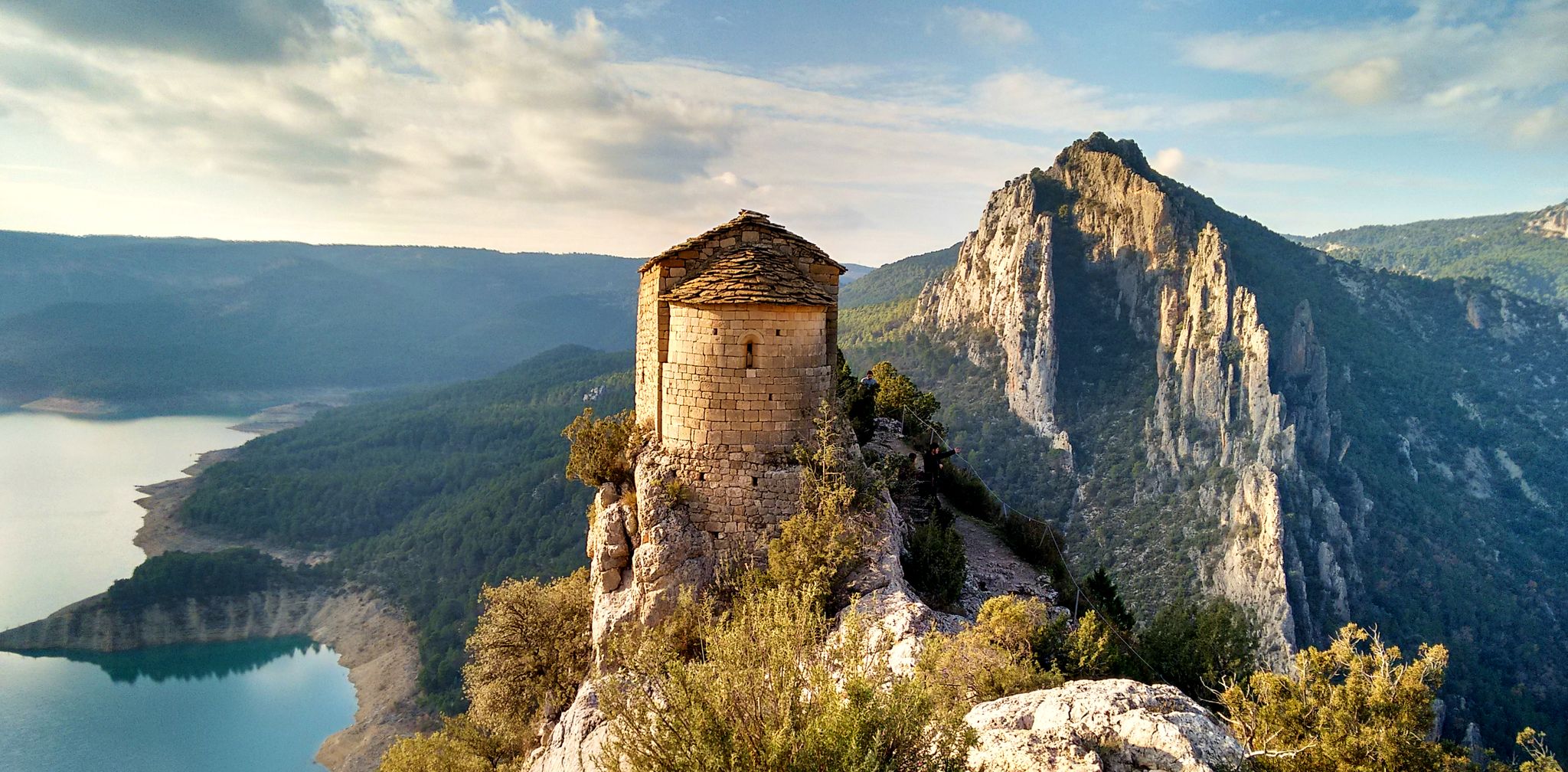
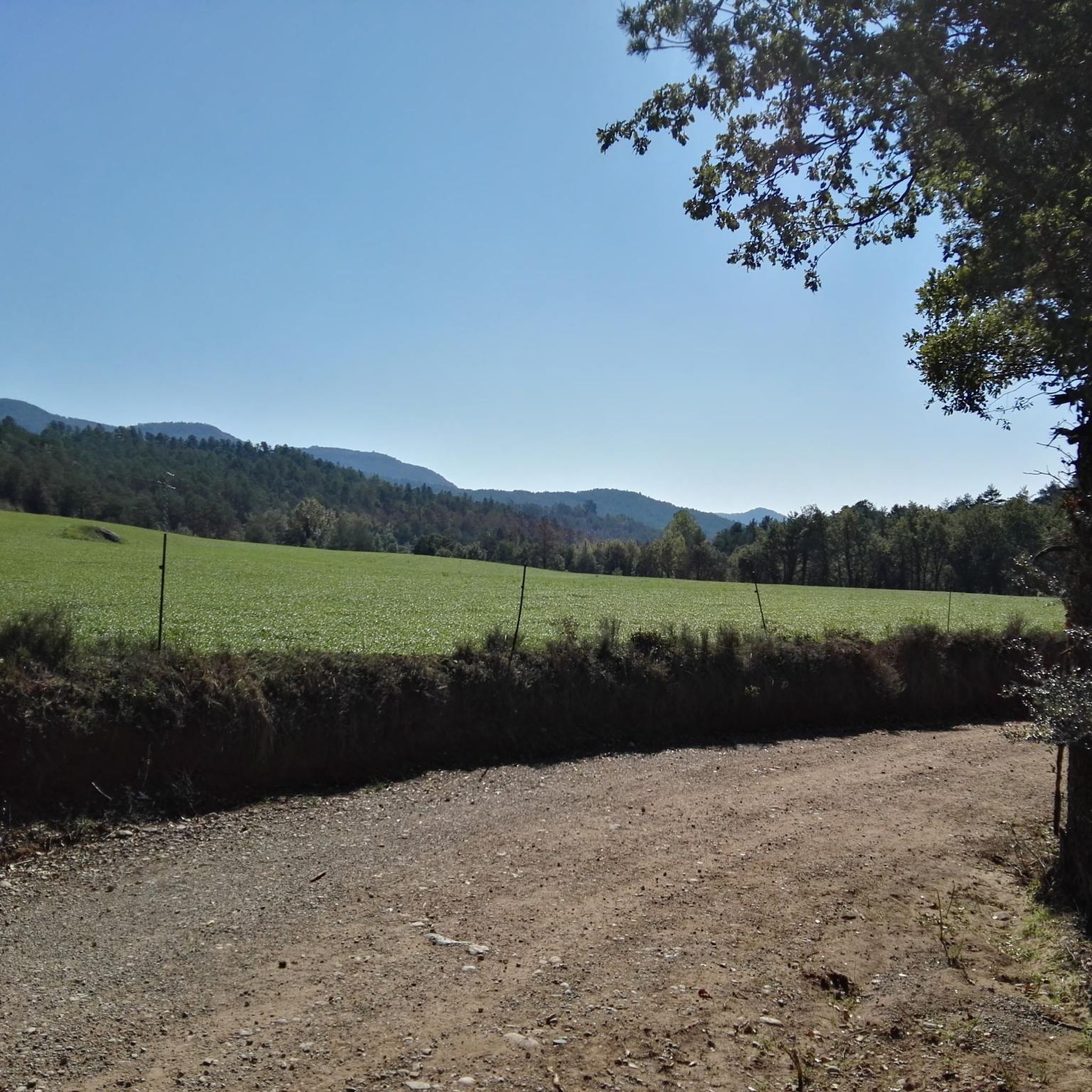
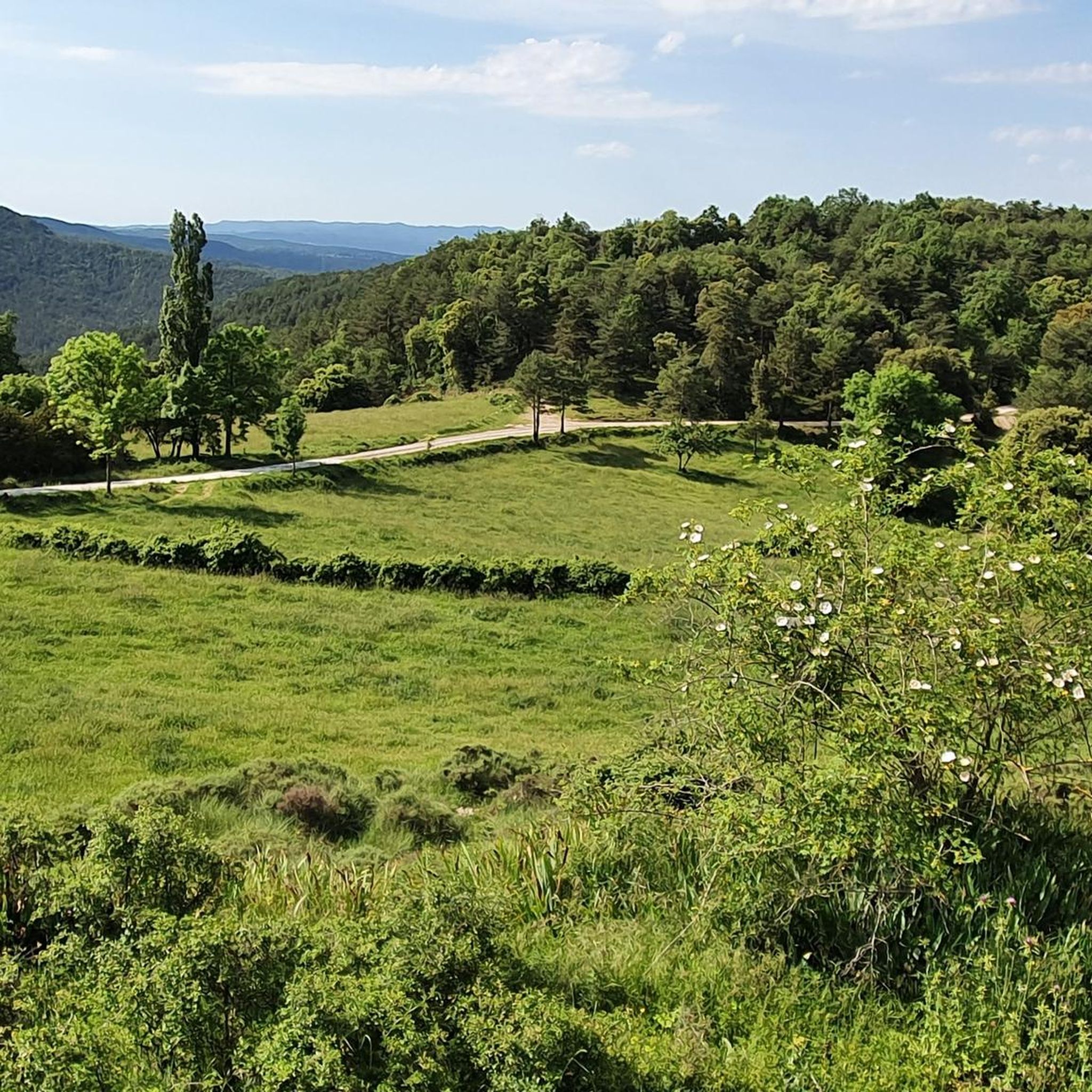
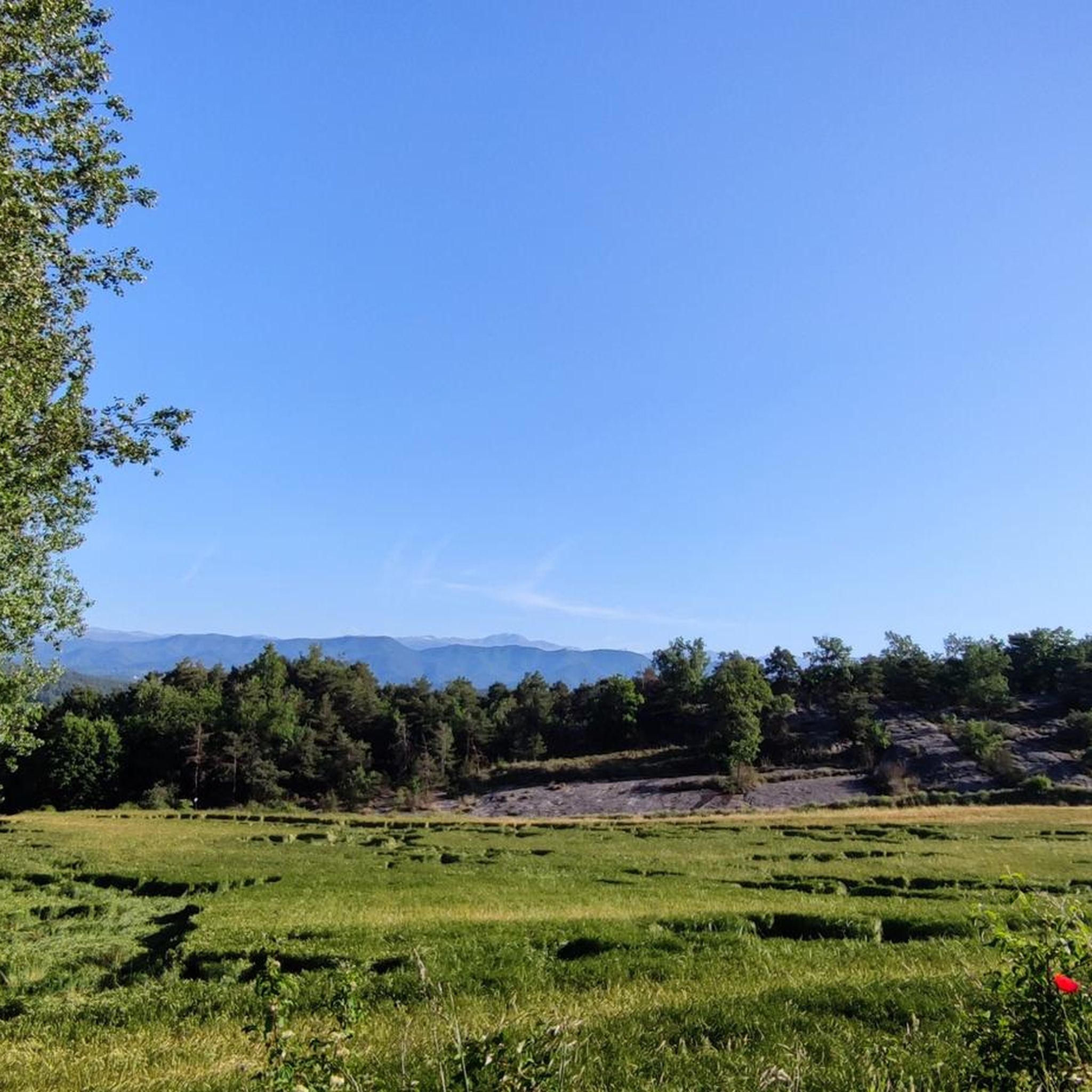
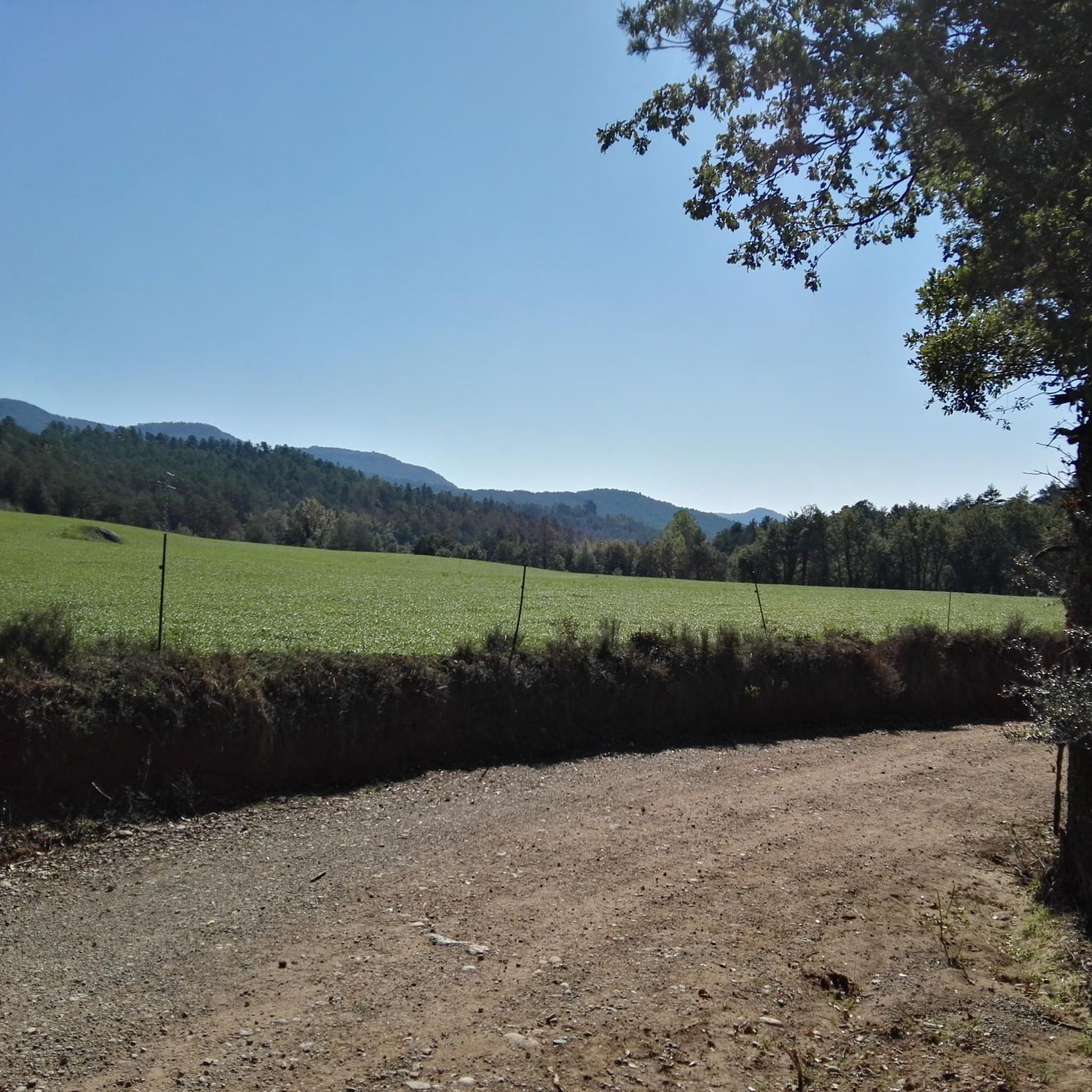
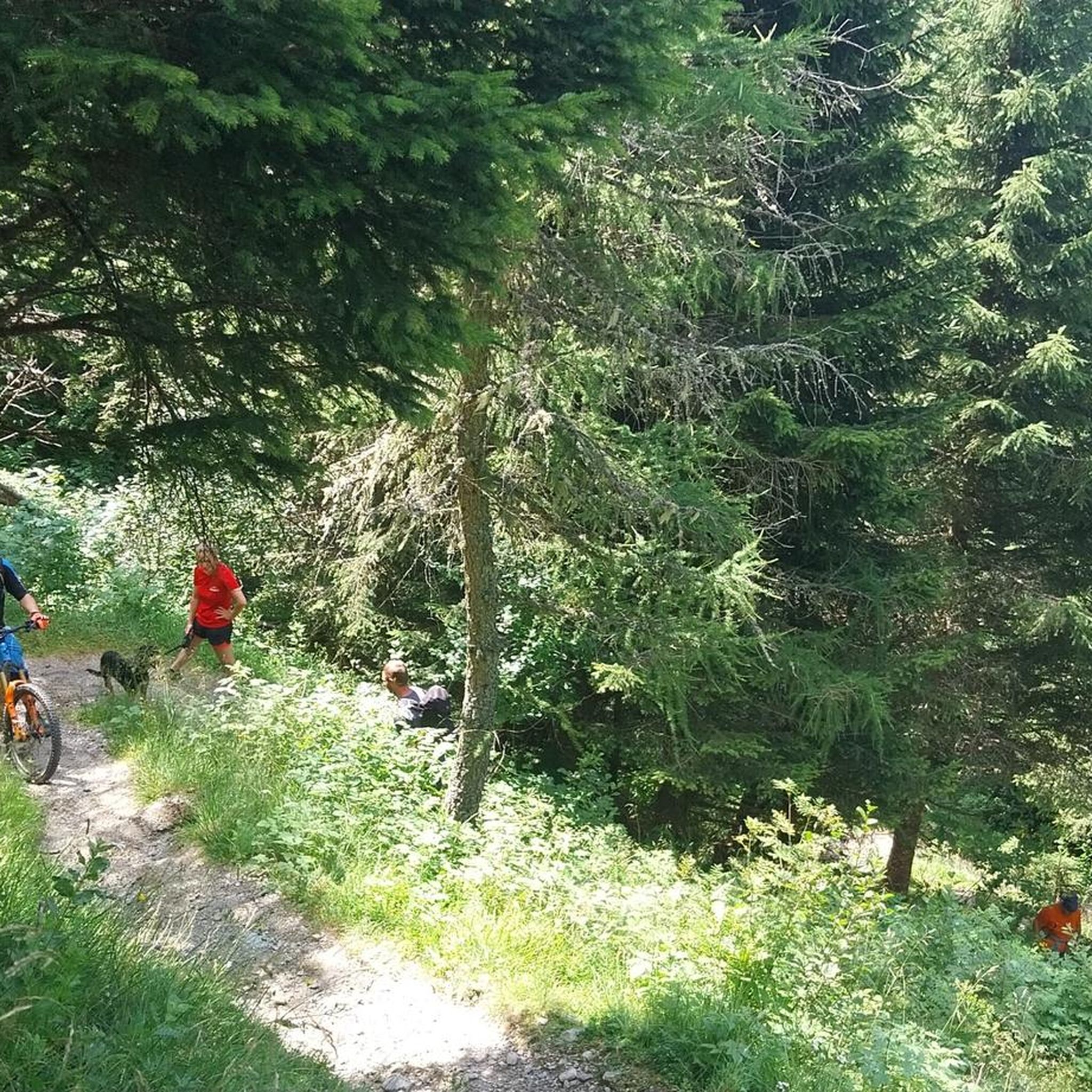
Other adventures around Lluçà

Tips from the Community

Sanctuary of the Munts, viewpoint of Osona and Lluçanés, spectacular views.
0
0

the Inici de la Sèqui, a space of great beauty, landscape and a space of tranquility
0
0

Impressive canal, whether for drainage or for ships I don't know.
0
0

The church of Santa Creu de Jutglar is located in the nucleus of the same number, part of the municipality of Olost, in the Catalan region of Lluçanès. It is a building with a single nave and a rectangular plan with an adjacent bell tower of a square plan. It is documented for the first time in the year 984, as a dependency of the church of Santa Maria d'Olost. The annual meeting of the Lluçanès Council of Jurors was held in this church, a council made up of representatives from all the parishes that were part of the Lluçanès Subvegería.
0
0
The center of Santa Eulàlia de Puig-Oriol belongs to the municipality of Lluçà and is located on the ridge that separates the valley of the Gavarresa river from the valley of the Lluçanès river. The town grew from the first constructions in the 18th century, due to the importance of the transhumance route that connected Sant Feliu Sasserra with Alpens. In many of its houses built between the 18th and 19th centuries you can still read the inscriptions and dates engraved in the stone. At the northern end of the town there is a small parish church in the popular baroque style.
0
0
This old bridge over the river Llobregat is located in a very strategic area of passage, as the municipalities of Sant Fruitós de Bages, Sallent, Artés, Calders and Navarcles coincide. It was bombed and abandoned in that state during the Spanish civil war. It appears documented for the first time in 1086, as part of the royal road. Of the primitive Romanesque structure, only a part of the foundations remains on the left side of the river.
1
1
This 26-kilometre-long ditch that carries water to Manresa was built in the 14th century by the master Guillem Catà. Its construction was highly problematic, as the Bishop of Vic opposed its construction because it passed through the bishopric's land and threatened its promoters with excommunication. The bishop died before the works were finished and even so he really excommunicated the workers and the councilors of Manresa, in addition to interrupting the practice of the sacraments throughout the city. The bishop's successor maintained a more dialogue attitude, accepting the compensation offered by the city. However, legend has it that divine intervention became necessary, in the form of a mysterious light from Montserrat that entered through the stained glass windows of the Carmen church, at the same time that the bells began to ring by themselves. The bishop, seeing this phenomenon, regretted his position, but died shortly after, and his successor did not take long to reverse the situation and lift the excommunication.
0
1

Santa Eulàlia de Pardines dates from the year 915 but nothing really remains of that original church. Most of what we see today was built in the 1790s. This is another very interesting place to visit while hiking in this area.
2
0
Frequently Asked Questions
What kind of terrain can I expect when touring cycling in Lluçà?
Lluçà offers a varied landscape, characterized by a mix of valleys, gentle reliefs, and more challenging, accidented orography that gradually ascends towards the Pre-Pyrenees foothills. You'll encounter diverse environments, from riparian forests along watercourses like the Riera de Merlès to extensive pine, holm oak, and oak forests. This provides a range of experiences, from tranquil rides through valleys to more demanding climbs with rewarding views.
Are there many touring cycling routes available in Lluçà?
Yes, Lluçà boasts a comprehensive network for touring cyclists. There are over 80 touring cycling routes recorded in the area on komoot, catering to various preferences and skill levels, predominantly moderate to difficult.
What are some notable natural attractions to see along touring cycling routes in Lluçà?
Lluçà is rich in natural beauty. You can explore areas like the Riera de Merlès, a Natural Interest Area, or discover the charm of the Riera de Sorreigs Reservoir and the biodiversity of the Pantà de Garet. Don't miss the monumental oak tree, The Lady's Oak, for a shaded break, or the picturesque Gorg del Salt Waterfall.
Are there any historical or cultural landmarks I can visit while cycling in Lluçà?
Absolutely. Lluçà is home to significant historical sites. The Lluçà Castle and Church of Sant Vicenç offer historical intrigue and panoramic views. The Romanesque Monastery of Santa Maria de Lluçà is a key site of Catalan Romanesque with an impressive cloister. The village of Santa Eulàlia de Puig-oriol, developed along an ancient drovers' road, also provides a glimpse into the region's past.
What do other touring cyclists enjoy most about cycling in Lluçà?
The touring cycling routes in Lluçà are highly rated by the komoot community, with an average score of 4.9 stars from over 21 reviews. Cyclists often praise the diverse landscape, the blend of natural beauty and historical sites, and the rewarding views from elevated points like the Lluçà Castle hill.
Are there any circular touring cycling routes in Lluçà?
Yes, many of the touring cycling routes in Lluçà are designed as loops, allowing you to start and finish in the same location. Examples include The Manresa Canal – Manresans' Weir loop from Prats de Lluçanès and Cabrianes Bridge – View of Montserrat loop from Prats de Lluçanès, both offering extensive circular journeys.
What is the typical difficulty level for touring cycling routes in Lluçà?
The majority of touring cycling routes in Lluçà are classified as either moderate or difficult. Out of over 80 routes, 14 are moderate and 66 are difficult, indicating that the region is best suited for cyclists with some experience or those looking for a challenge. There are no easy routes listed in the immediate area.
Can I find routes that offer views of the Pyrenees?
Yes, elevated points in Lluçà, such as the Lluçà Castle hill and the Sanctuary of Mare de Déu dels Munts, provide magnificent, privileged views of the surrounding Lluçanès region and the distant Pyrenees, making the effort of the ascent worthwhile for cyclists.
Are there any touring cycling routes that follow watercourses?
Yes, several important watercourses crisscross the Lluçà area, including the Riera de Merlès, the Riera de Lluçanès, and the Gavarresa. Routes like the Santa Eulàlia de Pardines – Gavarresa Stream loop from Prats de Lluçanès allow you to cycle alongside these fluvial courses, discovering riparian forests and humid environments.
What is the best time of year for touring cycling in Lluçà?
Lluçà's serene and naturally diverse landscape makes it an excellent destination for outdoor activities throughout much of the year. Spring and autumn generally offer the most pleasant temperatures for touring cycling, avoiding the potential heat of summer and the cooler, shorter days of winter. However, the varied terrain means there are enjoyable routes in most seasons.
Are there any family-friendly touring cycling routes in Lluçà?
While Lluçà's touring cycling routes are predominantly classified as moderate to difficult, families with older children or those comfortable with more challenging terrain might enjoy some of the shorter moderate options. It's advisable to check the specific route details for elevation gain and distance to ensure it matches your family's ability. Currently, there are no 'easy' routes specifically designated for beginners or very young children.
Where can I find parking for touring cycling routes in Lluçà?
Many touring cycling routes in Lluçà, such as those starting 'from Prats de Lluçanès' or 'from Alpens', typically have designated starting points in or near these towns where parking facilities are available. It's recommended to check local information for specific parking areas in the villages closest to your chosen route.
Are dogs allowed on touring cycling routes in Lluçà?
While specific regulations for dogs on cycling routes can vary, generally, dogs are welcome on many trails in natural areas, provided they are kept under control, especially around livestock or wildlife. Always ensure your dog is well-behaved, on a leash where required, and that you clean up after them. Check for any specific local signage or protected area rules along your chosen route.
Most popular attractions around Lluçà

Get inspired with the komoot mobile app


Explore more
Browse the best Cycling routes in other regions.
