Attractions and Places To See around Buñuel - Top 11
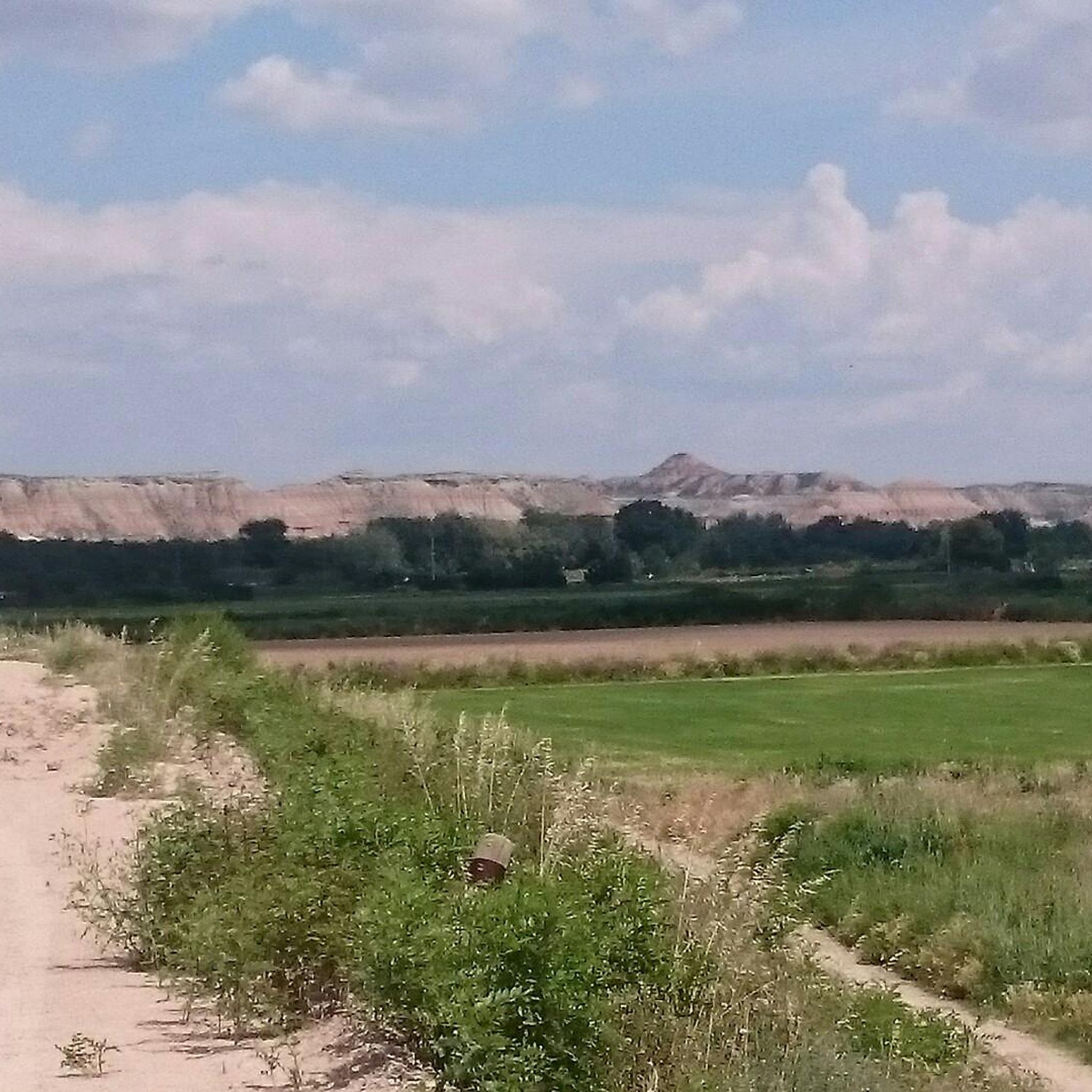
Attractions and places to see around Buñuel include a variety of historical sites, natural monuments, and viewpoints. The region is characterized by its proximity to the Bardenas Reales Natural Park, a semi-desert landscape with unique geological formations. Historical engineering works, such as the Imperial Canal of Aragon, also mark the area. These features offer diverse things to do near Buñuel, from exploring natural landscapes to visiting significant historical structures.
Best attractions and places to see around Buñuel
- The most popular…
Last updated: July 1, 2026
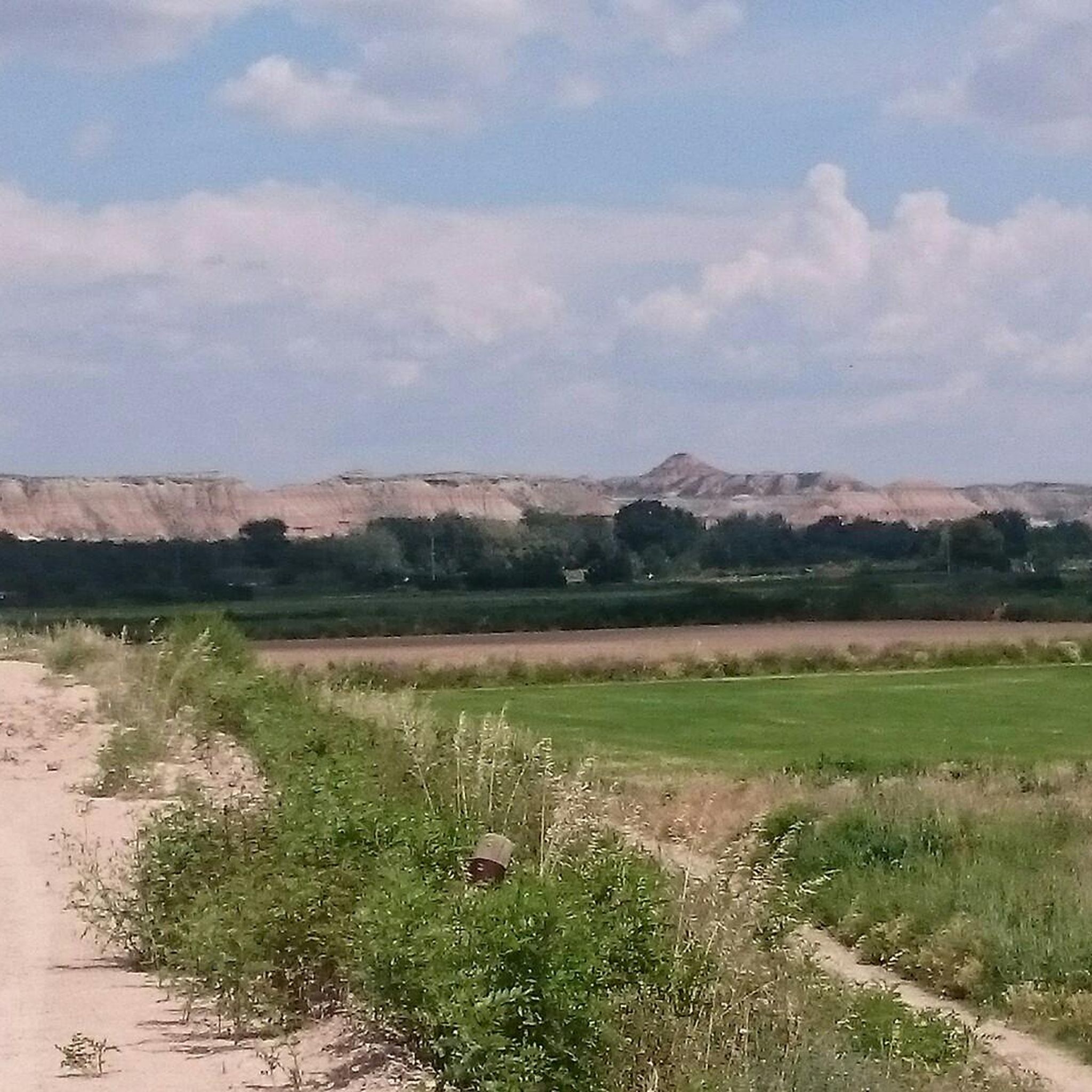
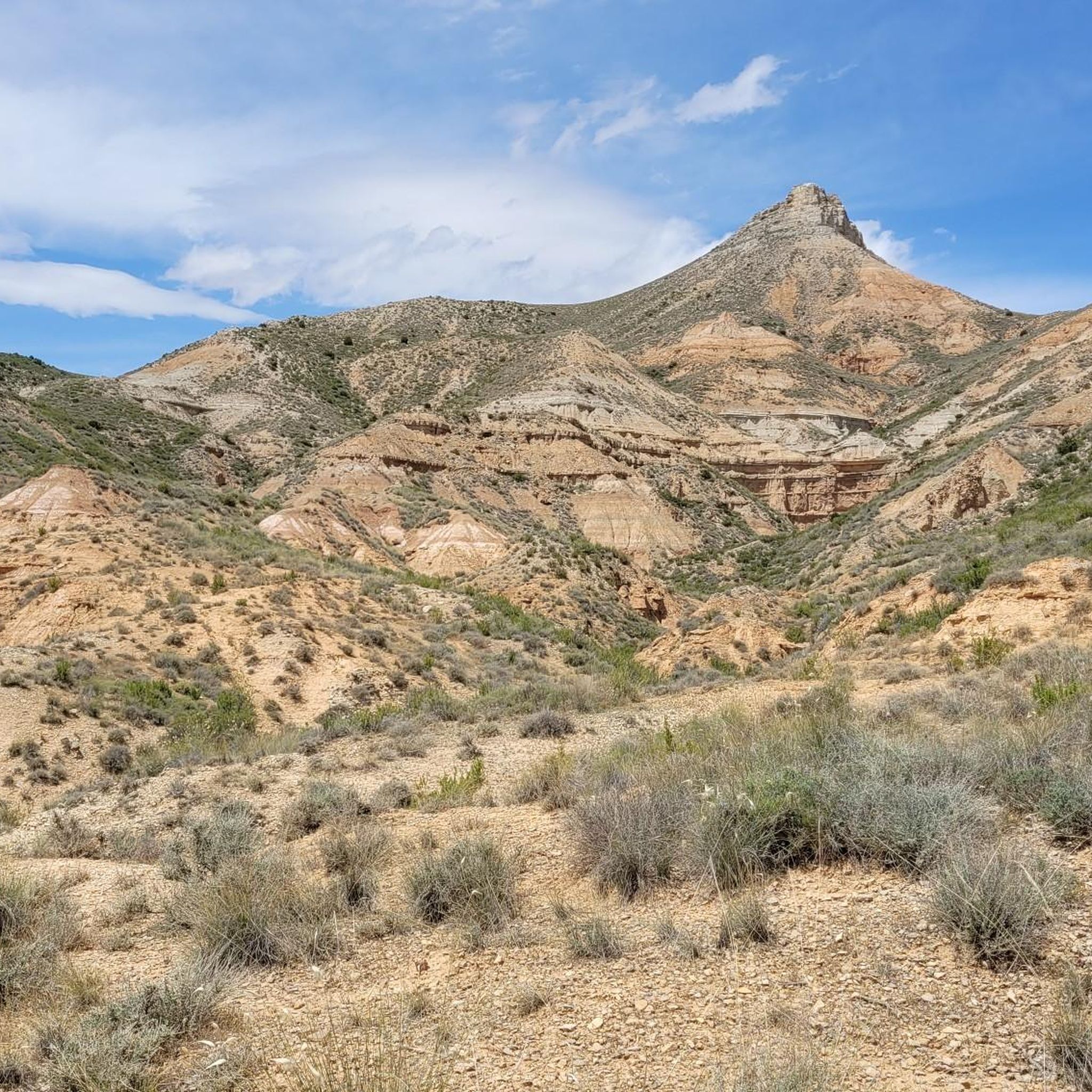
Peña del Fraile
Highlight • Summit
Translated by Google •
Tip by

Bocal Dam
Highlight • Monument
Translated by Google •
Tip by

Sign up now to discover places like this
Get recommendations on the best single tracks, peaks, & plenty of other exciting outdoor places.
Sign up for free
Sluice House
Highlight • Monument
Translated by Google •
Tip by
Sancho Abarca Hermitage
Highlight • Religious Site
Translated by Google •
Tip by

Castle of Cortes
Highlight • Castle
Translated by Google •
Tip by

Sign up for free to discover even more attractions around Buñuel.
Sign up for free
Already have an account?
Start today with a free account
Your next adventure awaits.
Login or Signup

Tips from the Community

This castle was once a border fortress of the Kingdom of Navarre and today stands out as an elegant neo-Gothic palace, with a crenellated tower and a large walled enclosure that still retains its historical character. Inside, you can see original furnishings and a remarkable collection of paintings, while the former orchard, now a park, offers a peaceful stroll among dozens of plant species. It's a great place to stop, explore the courtyard, and enjoy the landscaped surroundings.
0
0

The El Bocal Gate House is a historic structure that forms part of the Imperial Canal of Aragon. Built in the 16th century, this house is essential for controlling the flow of water from the El Bocal Dam. It was originally designed to regulate the water diverted from the Ebro River into the canal, facilitating irrigation and navigation.
3
0
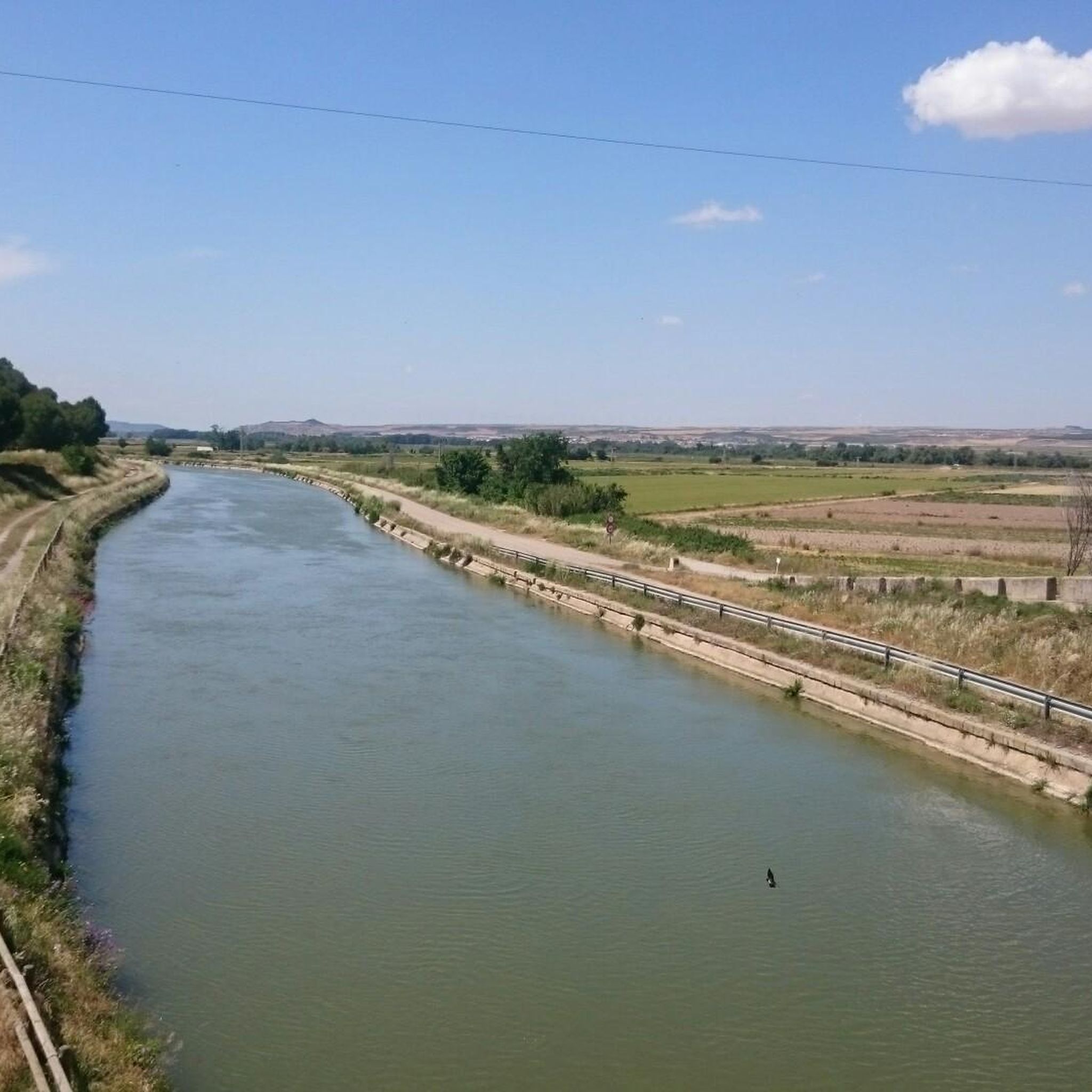
The Bocal Dam, also known as El Bocal de Fontellas, is a historic and picturesque site located near Tudela, in the municipality of Fontellas. This dam marks the beginning of the Imperial Canal of Aragon, an important hydraulic engineering work of the 16th century.
2
0
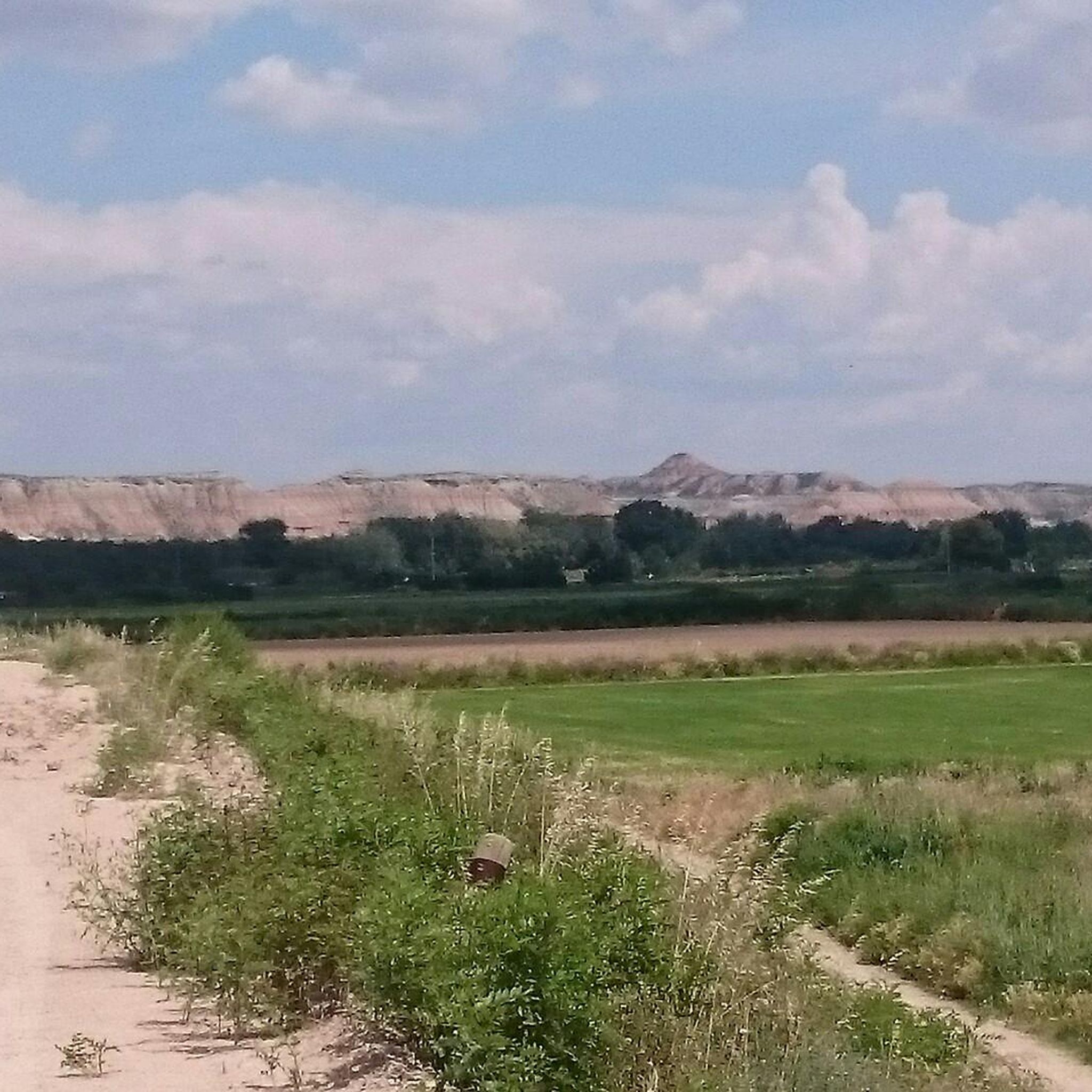
The Bardenas Reales Natural Park is a stunning semi-desert landscape located in Navarre, northern Spain. This park, declared a UNESCO Biosphere Reserve, covers approximately 42,500 hectares and is characterized by its unique geological formations and biodiversity. In addition to its natural beauty, the park is home to a wealth of wildlife, including eagles, vultures, foxes, and reptiles. It is an ideal place for hiking and cycling, with an extensive network of trails and paths.
7
0

The Imperial Canal of Aragon is one of the most important hydraulic works in Europe. It is a 110 km irrigation and navigation canal built between 1776 and 1790 between Fontellas (Navarre) and Fuentes de Ebro (Aragon). Its construction was intended to improve the irrigation of the old Acequia de Aragón, taking water from the Ebro River to Zaragoza and allowing irrigation to be extended in the region. It also established a transport service for passengers and goods between Tudela and Zaragoza.
0
0

In the year 1528, Carlos V, Emperor of Germany and King of Spain, ordered the construction of a dam on the site. A gate house was built next to it.
1
0
An emblematic place that offers an impressive landscape. It is a place that attracts visitors interested in nature and photography. The El Bocal Dam is located near the El Bocal aqueduct and plays a fundamental role in regulating water and supplying the area.
2
0

The Bocal dam is an 18th century construction that was created to damm the waters of the Ebro and divert part of the flow through the imperial channel of Aragon. This canal provides irrigation water to dry areas in the province of Zaragoza.
1
0
Frequently Asked Questions
What natural attractions can I explore around Buñuel?
You can discover unique natural landscapes such as Peña del Fraile, a summit offering views of the semi-desert Bardenas Reales Natural Park with its ocher-colored clay formations. Another notable natural monument is the El Bocal Oak, an impressive 500-year-old tree. In the broader Buñol region, you can also explore the natural beauty of Turche Cave and Cueva de las Palomas en Yatova, or relax in Parque de San Luis.
Are there any historical sites related to water management or engineering?
Yes, the region features significant historical engineering works. The Bocal Dam is a historic site marking the beginning of the Imperial Canal of Aragon, a major 16th-century hydraulic project. Nearby, the Sluice House, also built in the 16th century, was essential for controlling the water flow from the dam into the canal.
Where can I find panoramic views of the Bardenas Reales Natural Park?
For expansive vistas of the Bardenas Reales Natural Park, visit the Sancho Abarca Hermitage. This religious building, dating from the late 17th century, offers wonderful panoramic views of the entire park. Additionally, Peña del Fraile provides excellent views of the park's unusual landscape.
What are some family-friendly attractions in the area?
Families can enjoy visiting the Bocal Dam and the Sluice House, which offer a glimpse into historical engineering in a scenic setting. The El Bocal Oak, a majestic natural monument, is also a great spot for a family outing. These locations are generally accessible and provide interesting points of discovery for all ages.
Are there opportunities for cycling near Buñuel?
Yes, there are several cycling routes around Buñuel. You can find options like the 'Paridera de los Hermanos – Sancho Abarca Hermitage loop from Buñuel' or the 'Tarazonica Greenway – Tarazona loop from Ribaforada'. For more detailed routes and options, explore the Cycling around Buñuel guide.
What kind of hiking or running trails are available?
The area offers various trails for hiking and running. For mountain biking, consider routes like 'Peña del Fraile y Ermita de Sancho Abarca – circular por el Parque Natural de las Bardenas Reales'. For running, options include the 'Ebro Green Corridor Trail' or shorter loops from Buñuel itself. You can find more routes in the MTB Trails around Buñuel and Running Trails around Buñuel guides.
What is the significance of the Imperial Canal of Aragon in this region?
The Imperial Canal of Aragon is a historically significant hydraulic engineering work from the 16th century. It begins at the Bocal Dam and was constructed to divert water from the Ebro River for irrigation and navigation, transforming dry areas in the province of Zaragoza. The Sluice House is also an integral part of this system.
What cultural sites are there in the broader Buñol area?
While the guide focuses on attractions around Buñuel, the nearby town of Buñol (not to be confused with Buñuel) is famous for its annual La Tomatina festival and hosts the Museo de la Tomatina, offering insights into this unique event. Buñol also has the historic Buñol Castle and the Ruta dels Molins, which provides a glimpse into local heritage.
What do visitors enjoy most about the attractions around Buñuel?
Visitors particularly appreciate the stunning semi-desert landscape of the Bardenas Reales Natural Park, especially the unique geological formations visible from Peña del Fraile and the panoramic views from Sancho Abarca Hermitage. The historical significance of the Imperial Canal of Aragon, exemplified by the Bocal Dam, is also a highlight for many.
Is there a difference between Buñuel and Buñol?
Yes, there is a distinction. This guide focuses on attractions around Buñuel, a municipality in Navarre, Spain, known for its proximity to the Bardenas Reales Natural Park. Buñol, on the other hand, is a different municipality in Valencia, Spain, famous for the La Tomatina festival and its castle. The renowned filmmaker Luis Buñuel is associated with Calanda, Aragon, not directly with either Buñuel or Buñol.
What is the best time of year to visit the attractions around Buñuel?
The Bardenas Reales Natural Park, a key feature of the region, can be quite hot in summer. Spring and autumn generally offer more pleasant temperatures for exploring the outdoor attractions, hiking, and cycling. These seasons provide comfortable weather for enjoying the panoramic views and historical sites without extreme heat.

Get inspired with the komoot mobile app


Explore more
Still not found the Highlight you’re looking for? See guides of the top attractions in other regions:
