The best road cycling routes around Espadañedo
87
riders
10
rides
Road cycling routes around Espadañedo traverse the Sierra de la Culebra region, characterized by soft, rounded mountains and varied terrain. The area features wide natural spaces with pine, oak, and chestnut forests, alongside deep valleys carved by rivers and streams. Roads often have well-paved surfaces and low traffic volume, providing conditions for cycling through landscapes that include undulating hills and significant elevation gains.
Best road cycling routes around Espadañedo
- The most popular road cycling route is Palacios de Sanabria – tour around Eriá river and Truchas – Alto Peñón, a 66.1 miles (106.4 km) trail that takes 5 hours 13 minutes to complete. This difficult route offers sustained climbs through varied landscapes.
- Another top favourite among local road cyclists is Sierra de la Cabrera Loop, a difficult 64.8 miles (104.2 km) path. This route features substantial elevation gain, winding through the Sierra de la Cabrera mountains.
- Local road cyclists also love the Hermitage of the Incarnation – Rio de Onor Village loop from Cernadilla, a 66.8 miles (107.5 km) trail leading through mountain villages and natural areas, often completed in about 5 hours 8 minutes.
- Road cycling around Espadañedo is defined by soft, rounded mountains, extensive forests, and low-traffic roads. The network offers options for both moderate and difficult ability levels, with routes featuring significant elevation changes.
- The guide includes highly-rated routes that showcase the best of the region's landscape. More than 70 road cyclists have used komoot to explore Espadañedo's varied terrain.
Last updated: June 28, 2026
21
riders
106km
05:13
1,540m
1,540m
Hard road ride. Very good fitness required. Mostly well-paved surfaces and easy to ride.
13
riders
104km
06:07
2,560m
2,560m
Hard road ride. Very good fitness required. Mostly well-paved surfaces and easy to ride.

Sign up for free
15
riders
107km
05:04
1,400m
1,400m
Hard road ride. Very good fitness required. Mostly well-paved surfaces and easy to ride.
12
riders
Moderate road ride. Good fitness required. Mostly well-paved surfaces and easy to ride.
5
riders
44.0km
02:04
520m
510m
Moderate road ride. Good fitness required. Mostly well-paved surfaces and easy to ride.
Get access to more routes and recommendations from other explorers.
Sign up for free
Already have an account?
Our route recommendations are based on thousands of hikes, rides, and runs completed by other people on komoot.
Start today with a free account
Your next adventure awaits.
Login or Signup
Popular around Espadañedo
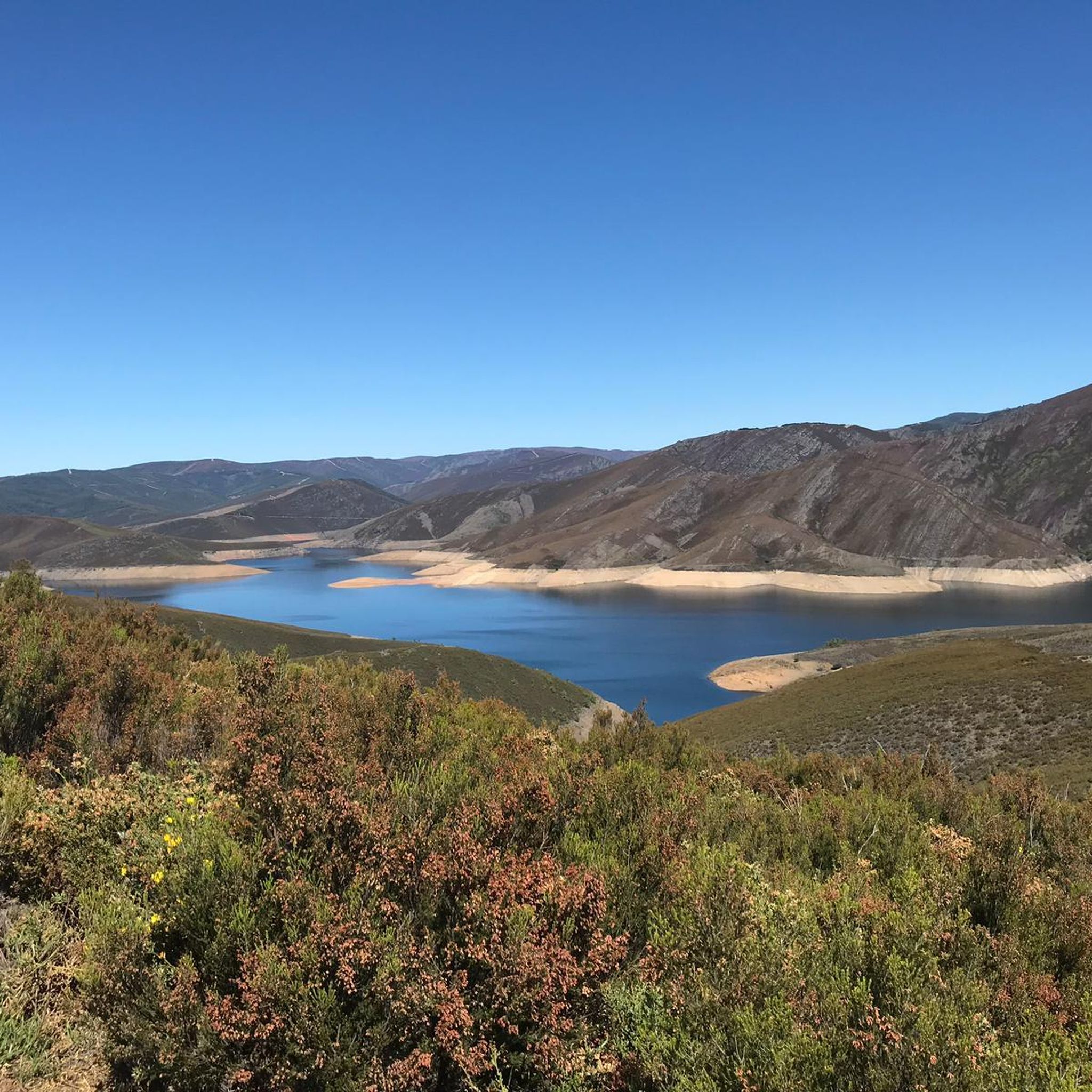
Tips from the Community

Rio de Onor is not just a beautiful village; it's a "living museum" of a way of life that has almost disappeared in Europe. It's worth visiting because it is possibly the village with the most fascinating social history in Portugal. Here are the 4 main reasons to go there: 1. It's a Community Village ("Communitarianism") This is Rio de Onor's great trademark. For centuries, the village lived under a system of total sharing among neighbors, something very rare: Sharing of Goods: The bread oven, the watermill, and even the village bull belonged to everyone. The "Rod of Justice": Decisions and fines for infractions in the village were marked on a wooden rod, managed by the "judge" elected by the people. You can see this history explained at the Casa do Touro (House of the Bull), a small, unmissable museum in the village. 2. One Village, Two Countries Rio de Onor is a village bisected by the international border. On this side is Rio de Onor (Portugal); on the other side is Rihonor de Castilla (Spain). For the inhabitants, the border never really existed: they share land, livestock, and even speak their own dialect (Rionorês), an ancient mixture of Portuguese and Castilian. It's very curious to cross from one country to the other on foot in the middle of the main street. 3. The Schist Landscape and Nature Located in the Montesinho Natural Park, the village is visually stunning. The houses are made of dark schist with wooden balconies, typical of Trás-os-Montes, and are very well preserved. The Onor River, which crosses the village, has clear waters and creates a very pleasant natural river beach in the summer, perfect for picnics. 4. The "Roman" Bridge The old stone bridge (which is actually from the 19th century, despite its popular name) is the village's postcard image. The reflection of the arches in the water with the schist houses in the background creates one of the most photogenic landscapes in Northern Portugal. Visiting Rio de Onor is like stepping back in time and understanding how communities survived in isolation in the mountains, supporting each other. It's a lesson in life and history in an incredible natural setting.
2
0

Rio de Onor is a sleepy little village right on the Portugal/Spain border. The drive through it is a challenging one and absolutely not recommended for larger campervans.
3
1

Rio de Onor is one of the most emblematic villages in Bragança and the Montesinho Natural Park, and was elected the 7th Wonder of Portugal in 2017 – a village in a protected area. Crossing the border with Spain, on one side is Rio de Onor, and on the other, Rihonor de Castilla, which is why it is said to be “one village, two countries”!
5
0

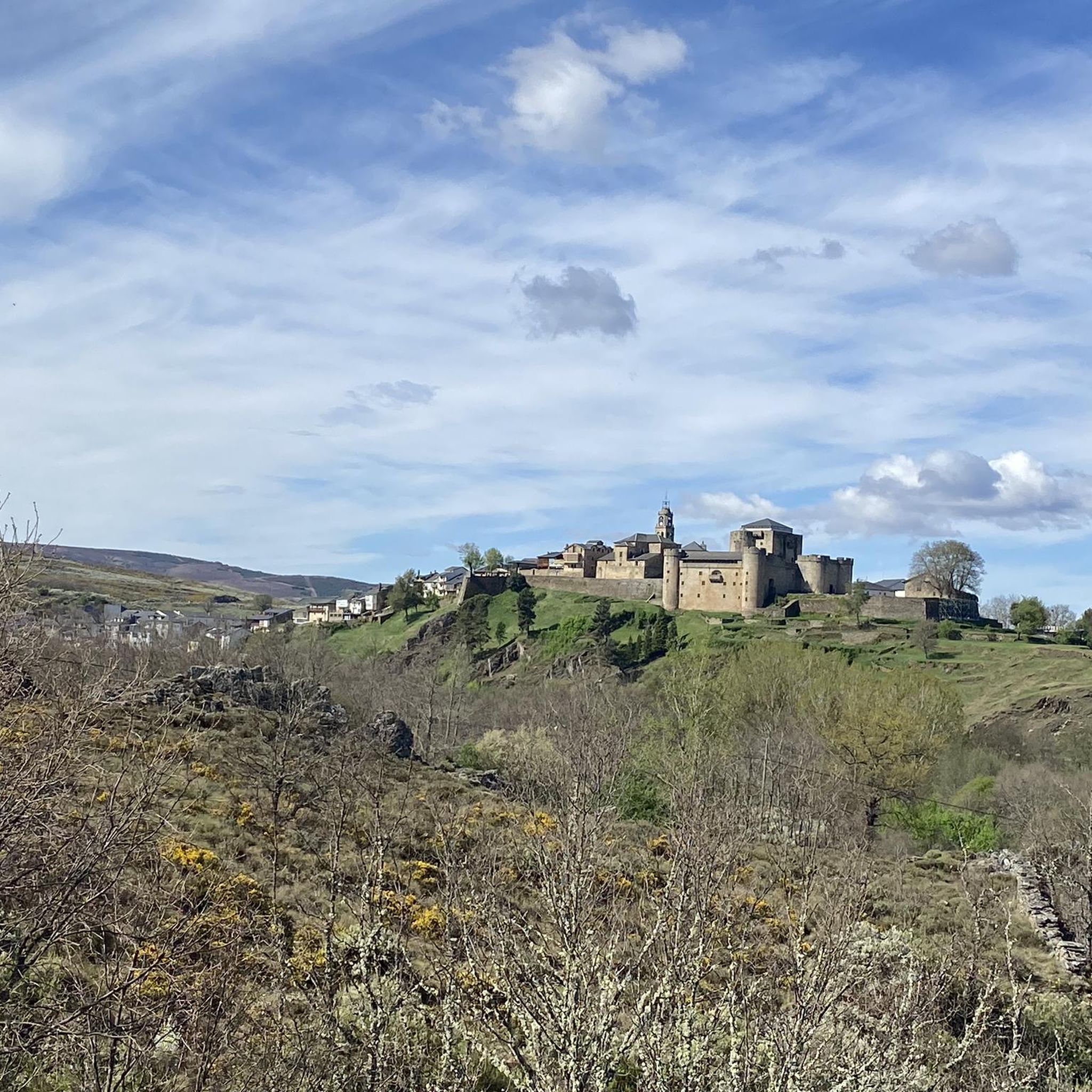
Built in the s. XV by the Pimentel family after taking control of the region, the fortress would witness the wars with Portugal in the s. XVIII and the War of Independence, when Portuguese soldiers would face the Serrar Division of the French army.
0
0

Imposing castle from the 15th century, a military fortress that was destroyed in the late 18th century and early 19th century during the War of Independence with Portugal and France. It suffered abandonment until the end of the 20th century, when the library, the Exhibition Hall and the Assembly Hall were installed. It currently houses the Visitor Center and the Municipal Tourism Office.
4
0

Built in the mid-15th century by Don Rodrigo Alonso de Pimentel and Doña María Pacheco (IV Counts of Benavente), it occupies a privileged position on a promontory. Rocky city plan protected by three river channels. It is a castle-fortress built in granite ashlar with a quadrangular walled enclosure and a central tower, the Torre del Homenaje or as it is popularly known “El Macho”.
5
1

Striking border town, half in Spain called Riohonor and half in Portugal, Río de Onor. At the exit on the Portuguese side there is a campsite with a bar
3
0

Truchas is a small town located at the confluence of the Eria and Truchillas rivers in the region of La Cabrera.
1
0
Frequently Asked Questions
What kind of terrain can I expect when road cycling around Espadañedo?
Road cycling around Espadañedo, within the Sierra de la Culebra region, features a diverse landscape. You'll encounter soft, rounded mountains, undulating hills, and significant elevation gains. Routes often traverse wide natural spaces with pine, oak, and chestnut forests, as well as deep valleys carved by rivers and streams. The roads are generally well-paved with low traffic, offering immersive rides.
Are there road cycling routes suitable for different fitness levels?
Yes, the area offers options for various fitness levels. While many routes feature substantial elevation changes and are considered difficult, such as the Palacios de Sanabria – tour around Eriá river and Truchas – Alto Peñón with its sustained climbs, there are also moderate routes available. For example, the Old Town of Puebla de Sanabria – Hermitage of the Incarnation loop from Mombuey offers a more accessible option.
What are the road conditions like for cycling in Espadañedo?
Road conditions in Espadañedo are generally favorable for cycling. Many routes feature well-paved surfaces, with some sections even noted for their 'perfect asphalt,' which is ideal for enjoyable descents. A significant advantage is the low traffic volume, allowing for peaceful and uninterrupted rides through the stunning scenery.
What are some notable villages or towns to visit along the cycling routes?
Several charming villages offer cultural insights and opportunities for rest stops. You might pass through Villardeciervos, Manzanal de Arriba, or Sarracín de Aliste. Puebla de Sanabria, with its impressive 15th-century castle, is a beautiful village that can serve as a starting or ending point for some routes. Rihonor de Castilla, a picturesque village with stone houses, is located on the border with Portugal.
Are there any loop road cycling routes available?
Yes, loop routes are a popular option in the region. An example is the Sierra de la Cabrera Loop, a difficult 64.8-mile path with substantial elevation gain. Another is the Hermitage of the Incarnation – Rio de Onor Village loop from Cernadilla, which leads through mountain villages and natural areas.
What can I see along the road cycling routes around Espadañedo?
Along the road cycling routes, you can discover various points of interest. Notable attractions include the Truchillas River Wooden Bridge, the historic Hermitage of the Incarnation, and the Church of Santa María de Mombuey. You might also pass through the picturesque Truchas Village.
What is the best time of year to go road cycling in Espadañedo?
The summer months are generally recommended for road cycling in Espadañedo. During this period, you can expect cooler temperatures and lush green landscapes, which enhance the riding experience through the region's natural beauty.
Are there any long-distance road cycling routes in the area?
Yes, Espadañedo offers several long-distance road cycling routes. For instance, the Palacios de Sanabria – tour around Eriá river and Truchas – Alto Peñón is a challenging 66.1-mile (106.4 km) route, and the Hermitage of the Incarnation – Rio de Onor Village loop from Cernadilla spans 66.8 miles (107.5 km).
What do other road cyclists enjoy most about road cycling in Espadañedo?
Road cyclists frequently praise the region's diverse landscapes, which include extensive forests and deep valleys. The low-traffic roads and well-paved surfaces are also highly appreciated, allowing for peaceful and immersive rides. Over 70 road cyclists have used komoot to explore Espadañedo's varied terrain, highlighting its appeal for those seeking scenic and challenging routes.
Are there any specific natural features or wildlife to look out for?
The Sierra de la Culebra is known for its wide natural spaces and rich wildlife. You'll cycle through pine, oak, melojo, and chestnut forests. The region is also one of the best places in Spain for sighting wild fauna, boasting a high density of Iberian wolves, alongside abundant populations of deer, roe deer, and wild boar. The rutting season in mid-September to early October is a significant faunal event.
Are there options for moderate road cycling routes?
Yes, among the nine available road cycling routes, four are classified as moderate. An example is the Hermitage of the Incarnation loop from Cernadilla, a 44.0-mile route with an elevation gain of around 515 meters, offering a less strenuous option while still providing scenic views.
Most popular routes around Espadañedo
Most popular attractions around Espadañedo

Get inspired with the komoot mobile app


Explore more
Browse the best Road cycling routes in other regions.
