The best walks and hikes around Senija
4.3
(517)
2,154
hikers
17
hikes
Hiking around Senija offers trails through a landscape characterized by hills, agricultural areas, and rocky formations. The region features paths that traverse vineyards, connect small villages, and lead to viewpoints over the surrounding terrain. Hikers can expect a mix of open country and routes that explore natural features like caves and rock faces.
Best hiking trails around Senija
- The most popular hiking route is Moscatel Route, a 5.3 miles (8.6 km) trail that takes 2 hours 37 minutes to…
Last updated: October 10, 2026
4.4
(35)
102
hikers
8.57km
02:37
220m
220m
Moderate hike. Good fitness required. Mostly accessible paths. Sure-footedness required.
4.7
(26)
94
hikers
11.1km
03:24
280m
280m
Moderate hike. Good fitness required. Mostly accessible paths. Sure-footedness required.

4.4
(20)
39
hikers
12.8km
03:50
290m
290m
Moderate hike. Good fitness required. Mostly accessible paths. Sure-footedness required.
4.3
(3)
16
hikers
9.68km
03:05
310m
310m
Moderate hike. Good fitness required. Mostly accessible paths. Sure-footedness required.
5.0
(5)
11
hikers
7.06km
02:12
190m
190m
Hard hike. Good fitness required. Sure-footedness, sturdy shoes and alpine experience required.
Get access to more routes and recommendations from other explorers.
Already have an account?
Our route recommendations are based on thousands of hikes, rides, and runs completed by other people on komoot.
Start today with a free account
Your next adventure awaits.


Tips from the Community

The current church is not the first to be built in Llíber. In the 16th century there was a first church to convert the mosque. The church as we know it today was built in 1859 and completed in 1875. It is neoclassical, rectangular with a single nave of three sections and side chapels. The church has a typically Mediterranean façade with mixed and curvilinear shapes. Above the modest built-in door there is a window with a semicircular arch that illuminates the interior of the church. The bell tower, set back from the façade, is made of carved stones and has four sections separated by moldings. Only the upper section has semicircular openings, three of which house the bells. The oldest bell dates from 1947 and comes from the traditional rose workshop, the other two are from 2013. The hexagonal bell tower is crowned with four pointed spherical finials (roof decorations).
2
0

A beautiful area for climbing enthusiasts. Already equipped with safety ropes in some places.
0
0
Small pond with water even in very dry times
0
0


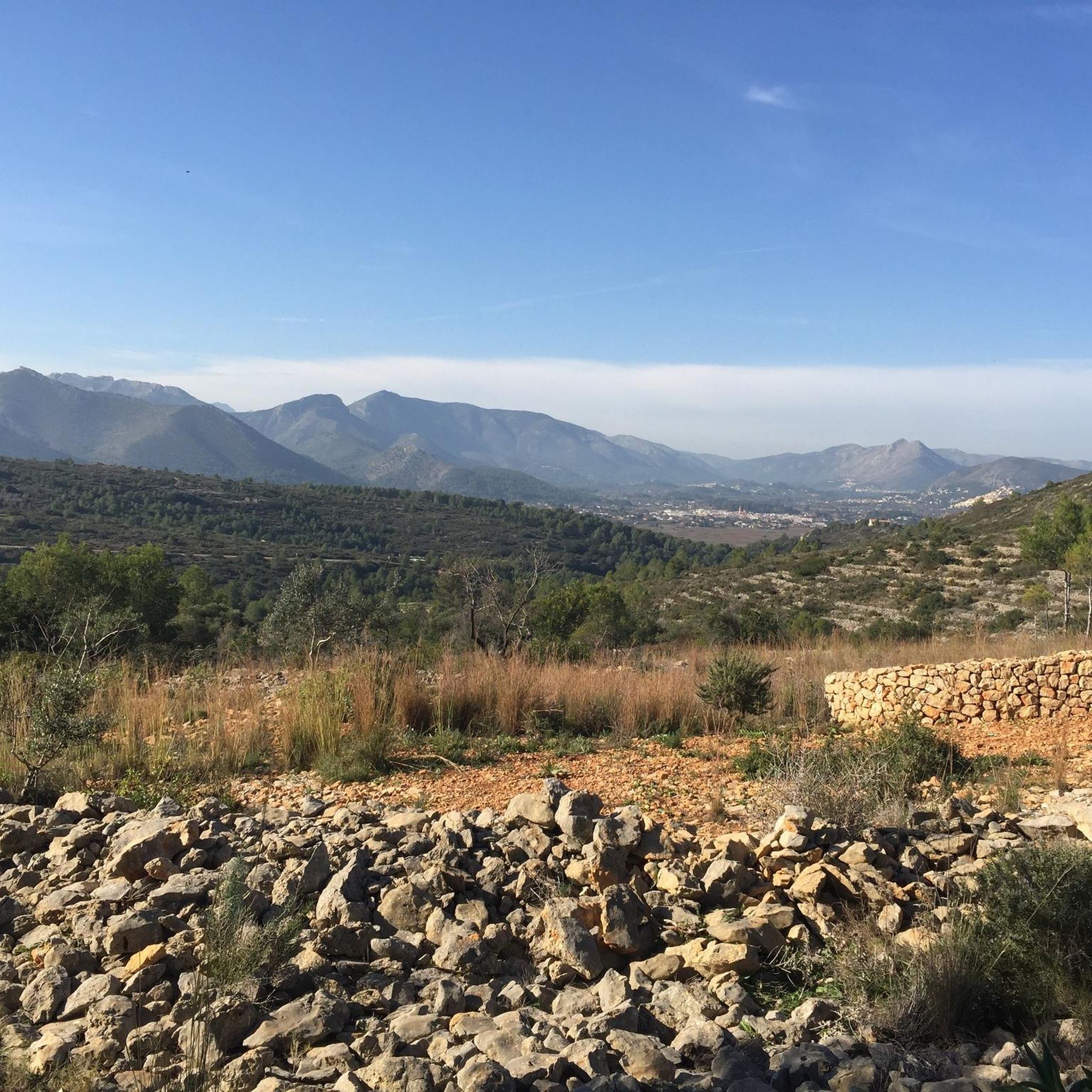
Large metal cross with stunning panoramic views of Solana, Bernia and Ifac.
0
0
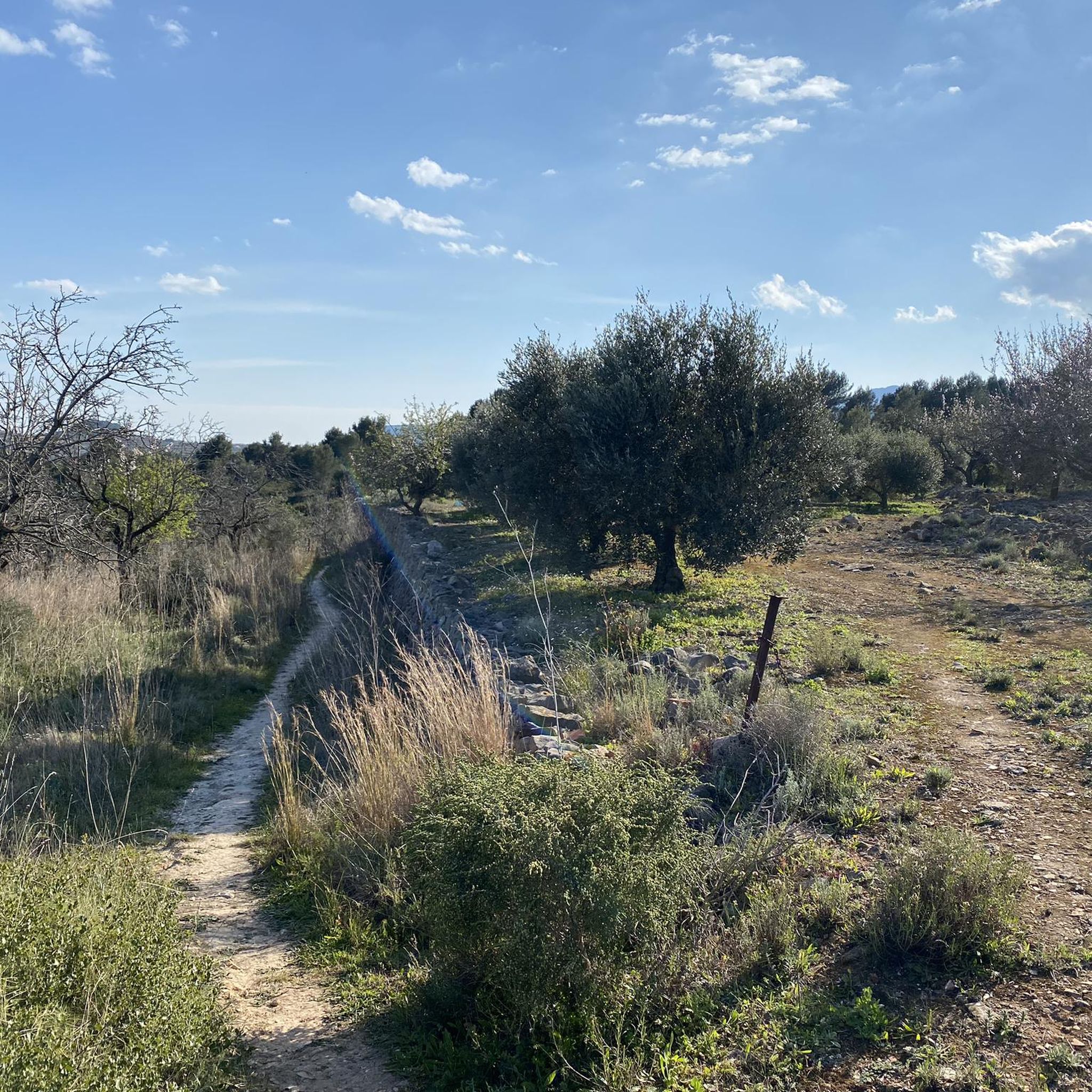
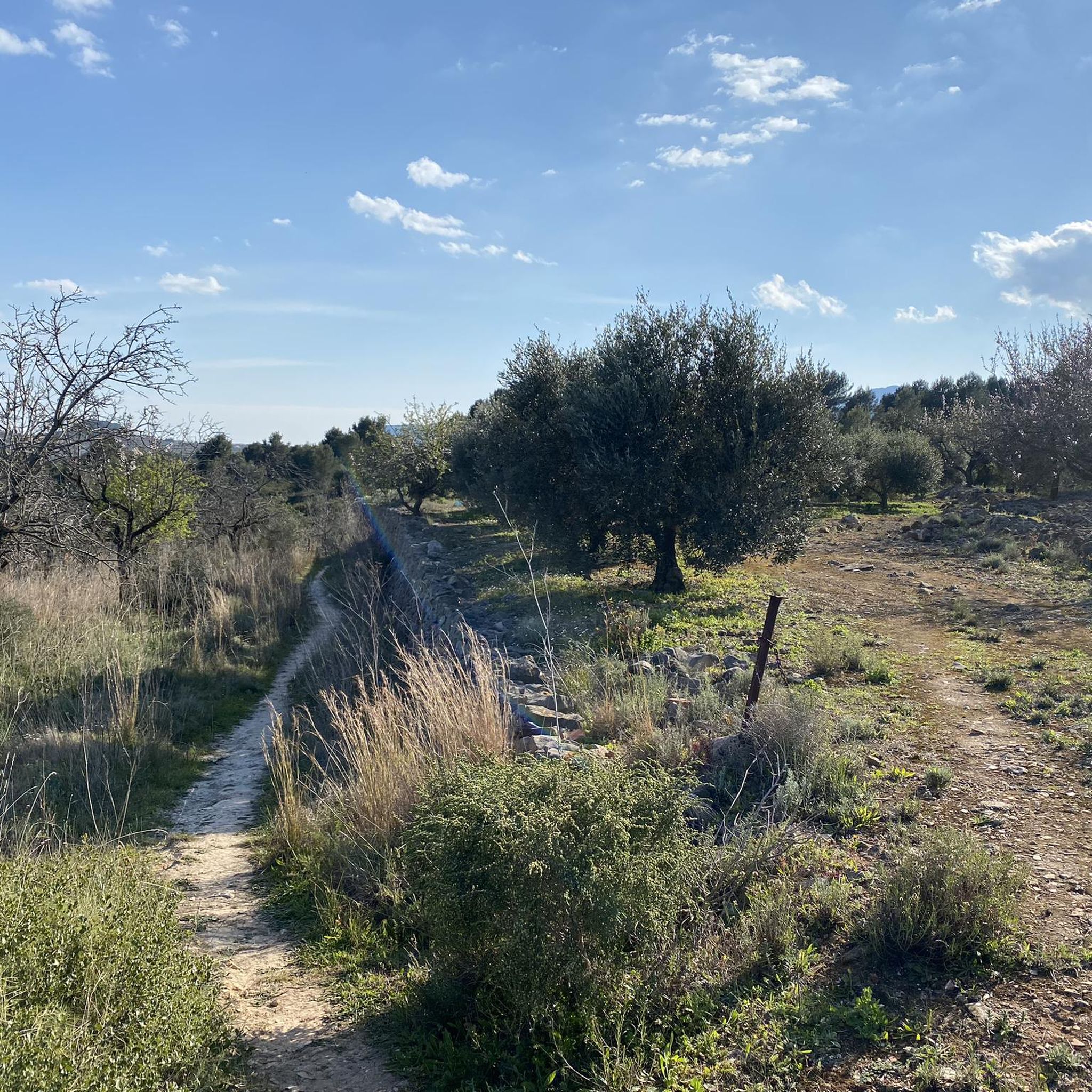
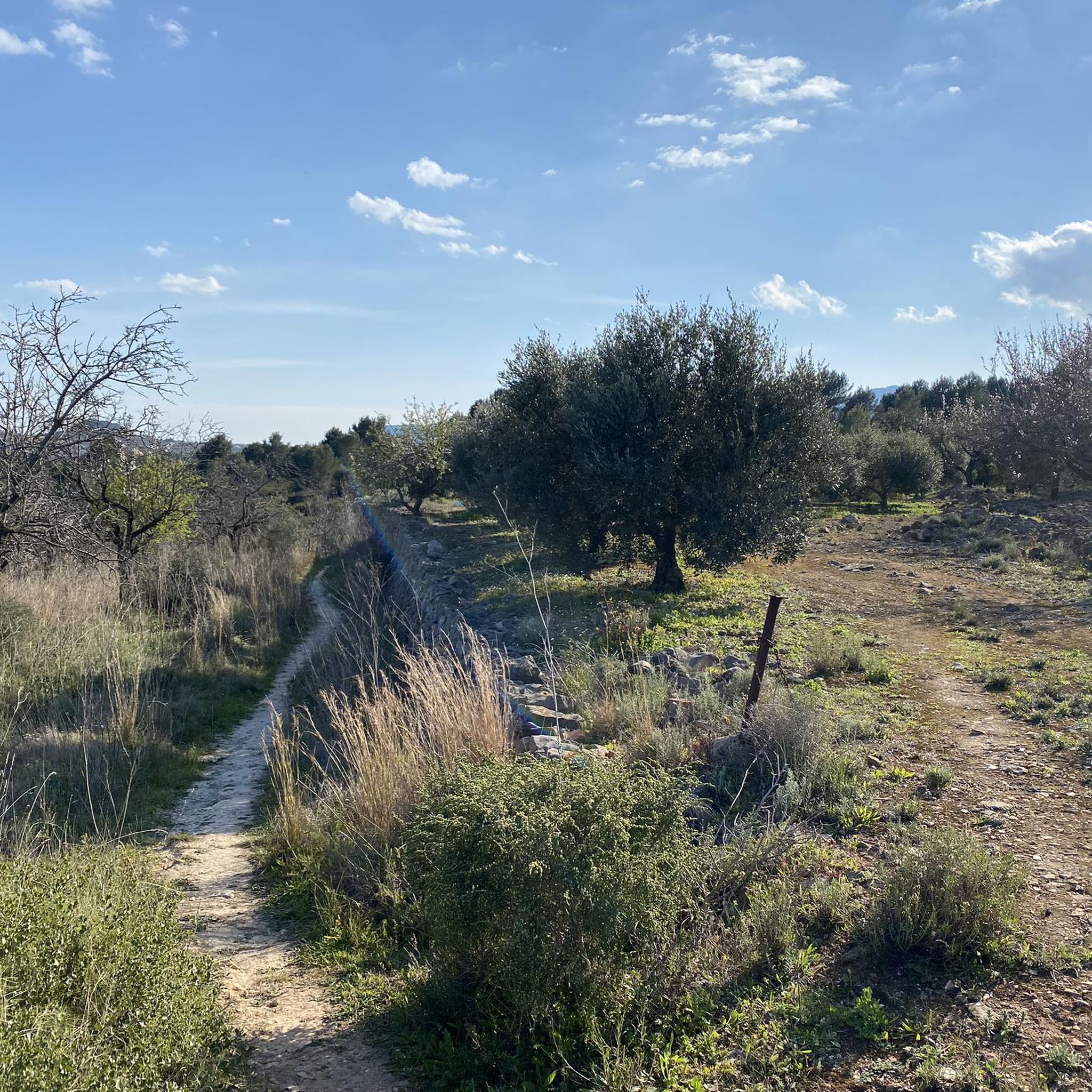
Crossing trails along a very pretty path with picturesque views of the countryside and hills.
0
0
Old windmill for grinding cereals and grain.
2
0

It's an insider tip. Exhausting but great.
1
0
Frequently Asked Questions
What kind of landscapes can I expect when hiking around Senija?
Hiking around Senija offers a diverse landscape characterized by rolling hills, extensive agricultural areas, and distinctive rocky formations. You'll find paths winding through local vineyards, connecting charming small villages, and leading to scenic viewpoints over the surrounding terrain. The routes often feature a mix of open country and natural features like caves and rock faces.
Are there easy hiking trails suitable for beginners in Senija?
Yes, Senija offers trails for various ability levels. While most routes are moderate, there is at least one easy trail available. For those new to hiking or looking for a relaxed walk, we recommend checking the difficulty ratings on komoot to find the best fit for your experience level.
Are there any family-friendly hiking options in Senija?
Many of Senija's trails are suitable for families, especially those looking for moderate walks through vineyards and between villages. The Moscatel Route, for example, is a moderate 5.3-mile (8.6 km) trail that winds through local vineyards and offers scenic views, making it a pleasant option for families.
Can I find circular hiking routes in Senija?
Yes, Senija features several excellent circular hiking routes. Popular options include the View of the Climbing Wall – Llíber village center loop from Senija, which is a moderate 6.8-mile (11.0 km) path, and the Llíber village center – View of Penya Roja loop from Senija, a 7.9-mile (12.7 km) trail with varied terrain.
What are some interesting natural attractions or landmarks to see near Senija?
In the wider region around Senija, you can explore several natural attractions. Highlights include the Coll de Rates mountain pass, the impressive Peñón de Ifach summit, and the Montgó Summit. For birdwatching, the Flamingos at the nearby saltworks are a popular sight, with viewpoints like Viewpoint of the Salinas de Calpe offering great views.
How long do hikes in Senija typically take?
Hiking durations in Senija vary depending on the route and your pace. For example, the moderate Moscatel Route typically takes about 2 hours and 37 minutes to complete its 5.3 miles (8.6 km). Longer trails like the Llíber village center – View of Penya Roja loop from Senija, at 7.9 miles (12.7 km), can take around 3 hours and 47 minutes.
Are there any challenging hikes for experienced trekkers in Senija?
Yes, for experienced trekkers seeking a challenge, Senija offers several difficult routes. One such option is the Stone and Water Trail – Cueva La Garganta loop from Senija, a 6.3-mile (10.2 km) trail that features more demanding terrain and elevation changes.
What do other hikers say about the trails in Senija?
The hiking trails in Senija are highly regarded by the komoot community, holding an impressive average rating of 4.3 stars from over 400 reviews. Hikers frequently praise the varied terrain, the charming agricultural landscapes, and the well-connected paths between villages.
Is it possible to reach hiking trails in Senija using public transport?
While Senija is a small village, public transport options might be limited directly to all trailheads. It's advisable to check local bus schedules for connections to Senija or nearby towns like Llíber, which are often integrated into hiking loops. For maximum flexibility, driving to the starting points is generally recommended.
Are there any trails that offer views of unique rock formations or climbing areas?
Yes, if you're interested in unique rock formations or climbing areas, the View of the Climbing Wall – Llíber village center loop from Senija is an excellent choice. This moderate 6.8-mile (11.0 km) trail provides views of a climbing wall and connects to the nearby village of Llíber, offering a glimpse into the region's rocky features.
What is the best time of year to go hiking in Senija?
The best time to go hiking in Senija is typically during the spring (March to May) and autumn (September to November) months. During these periods, the weather is mild and pleasant, making for comfortable hiking conditions. Summers can be quite hot, while winters are generally mild but can have occasional rain.
Most popular routes around Senija
Most popular attractions around Senija

Get inspired with the komoot mobile app


Explore more
Browse the best Hikes in other regions.
