Attractions and Places To See around Ollauri - Top 20
Best attractions and places to see around Ollauri include a blend of historic architecture, viticulture, and natural landscapes in the autonomous region of La Rioja, Spain. The area is characterized by its undulating relief, extensive vineyards, and proximity to the Ebro Valley. Visitors can explore a variety of sites, from ancient underground cellars to historic palaces and significant religious buildings. Ollauri's location in the Rioja Alta region makes it a destination for those interested in Spanish rural life and wine…
Last updated: June 23, 2026
Haro
Highlight • Settlement
Translated by Google •
Tip by

Haro
Highlight • Settlement
Translated by Google •
Tip by
Sign up now to discover places like this
Get recommendations on the best single tracks, peaks, & plenty of other exciting outdoor places.
Sign up for free
Puente de Cihuri
Highlight • Bridge
Translated by Google •
Tip by

Church of Santo Tomás, Haro
Highlight • Religious Site
Translated by Google •
Tip by

Anguciana
Highlight • Settlement
Translated by Google •
Tip by

Sign up for free to discover even more attractions around Ollauri.
Sign up for free
Already have an account?
Start today with a free account
Your next adventure awaits.
Login or Signup
Tips from the Community

At the end of one of the most atmospheric streets.
1
0


The church is located on the site of a previous building. It was built under the protection of the Crown Commanders of Castile. Its construction began in the 16th century under Juan de Rasines, continued under Pedro de Rasines and his son Rodrigo, and was completed in the 17th century by Pedro de Origoitia and Andrés de Venea. The three-aisled building has a star vault with pointed arches resting on columns and pilasters. The main portal is designed like an altarpiece and decorated with scenes of the Stations of the Cross and depictions of the Apostles.
1
0

Haro is the wine capital of Rioja. It is the headquarters of the regulatory council of the Rioja wine designation of origin. It has a vibrant atmosphere all year round and in its many bars and wineries you can drink good Rioja wine.
1
0
Beautiful and imposing church in the upper part of Haro.
4
0

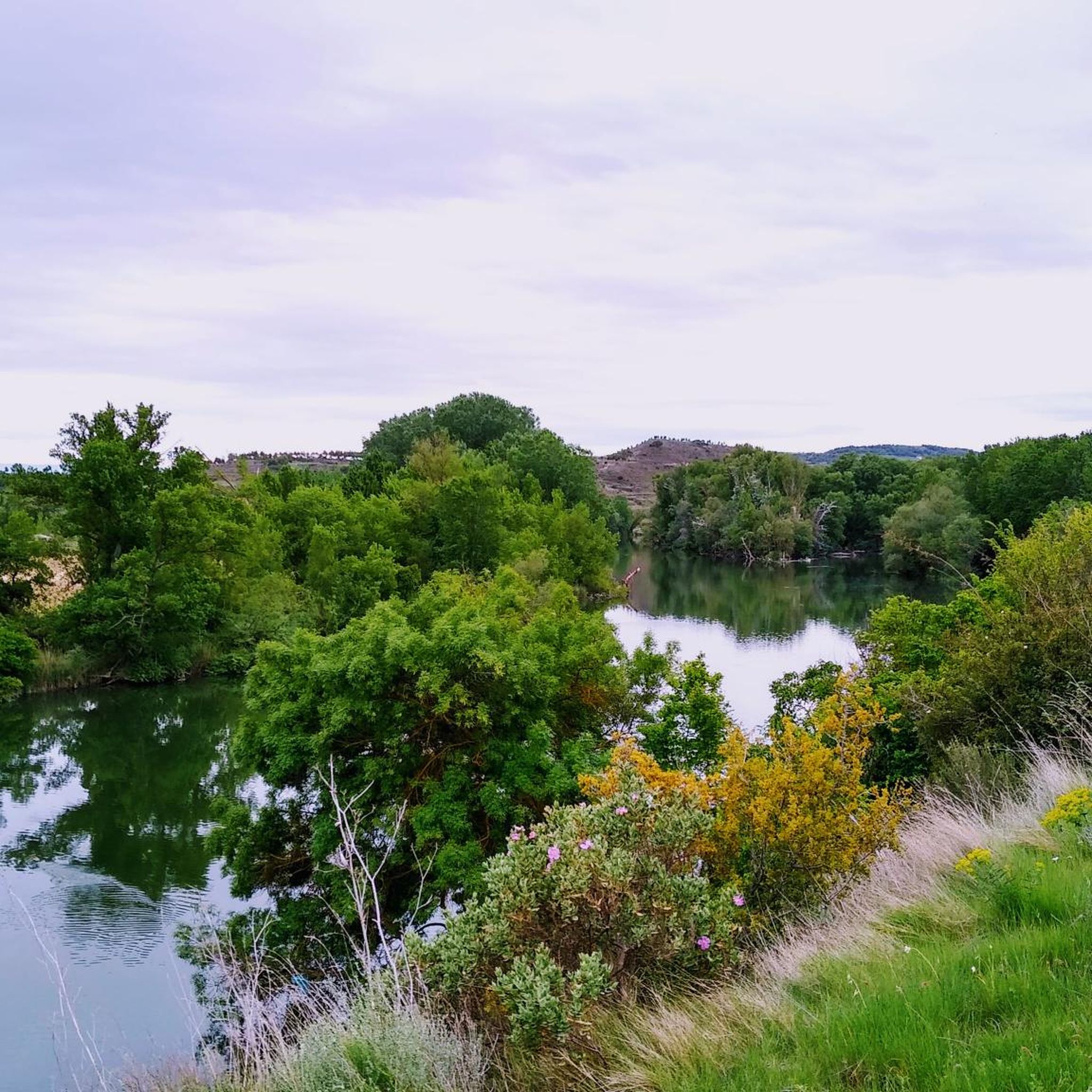
Puente de Cihuri is a bridge over the Tirón River in the municipality of Cihuri, in the autonomous community of La Rioja, Spain. The bridge is of Roman origin and was rebuilt in the Middle Ages. It has been a monument of cultural interest since 1982. The name of the place means “the villa of the bridge” in Basque. The bridge is located next to the Priorate, a 17th century building that belonged to the Monastery of San Millán de la Cogolla. Cihuri is a small village with about 200 inhabitants. It has a church dedicated to San Juan Bautista and an archaeological site with a spring and wash houses used for wool processing.
2
0

Almost all Rioja wineries are actually represented in Haro. So you can also taste a lot.
3
0
Worth seeing is the church Iglesia Santo Tomas. Between the 15th and 17th centuries erected, it shows different architectural styles from Gothic to Baroque. The Plateresque portal is particularly impressive.
3
0
Frequently Asked Questions
What kind of historical sites can I explore in Ollauri?
Ollauri is rich in history, featuring several notable landmarks. You can explore the 18th-century Church of San Salvador, and numerous well-preserved mansions and palaces, such as the Palace of the Marquises of Terán, the Palace of the Count of Rodezno, and the Palace of Marqués de Pobes. The Town Hall building also stands out with its ashlar stone construction. Additionally, the village boasts an extensive network of ancient underground cellars, some dating back to the 14th and 15th centuries.
What natural landscapes characterize the area around Ollauri?
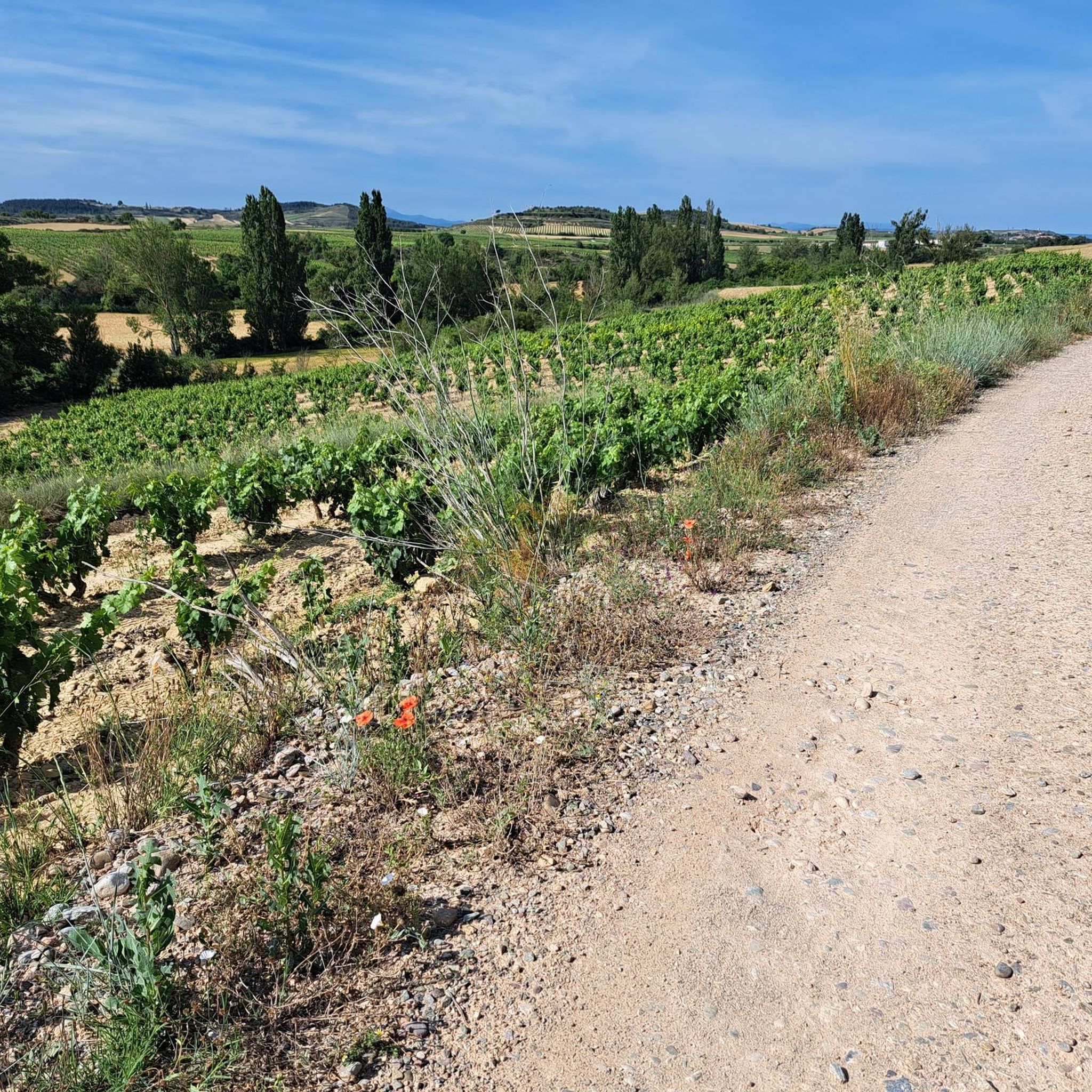
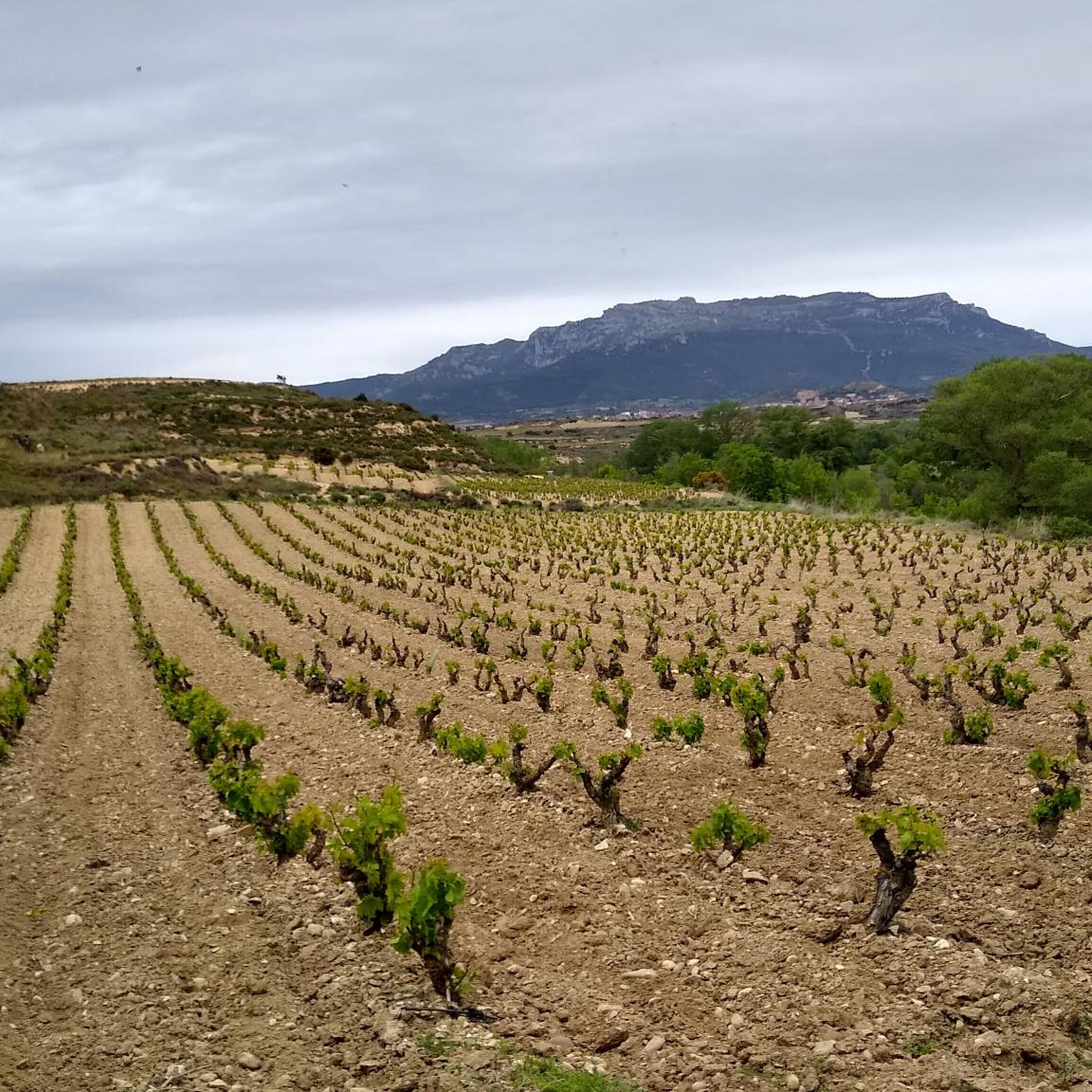
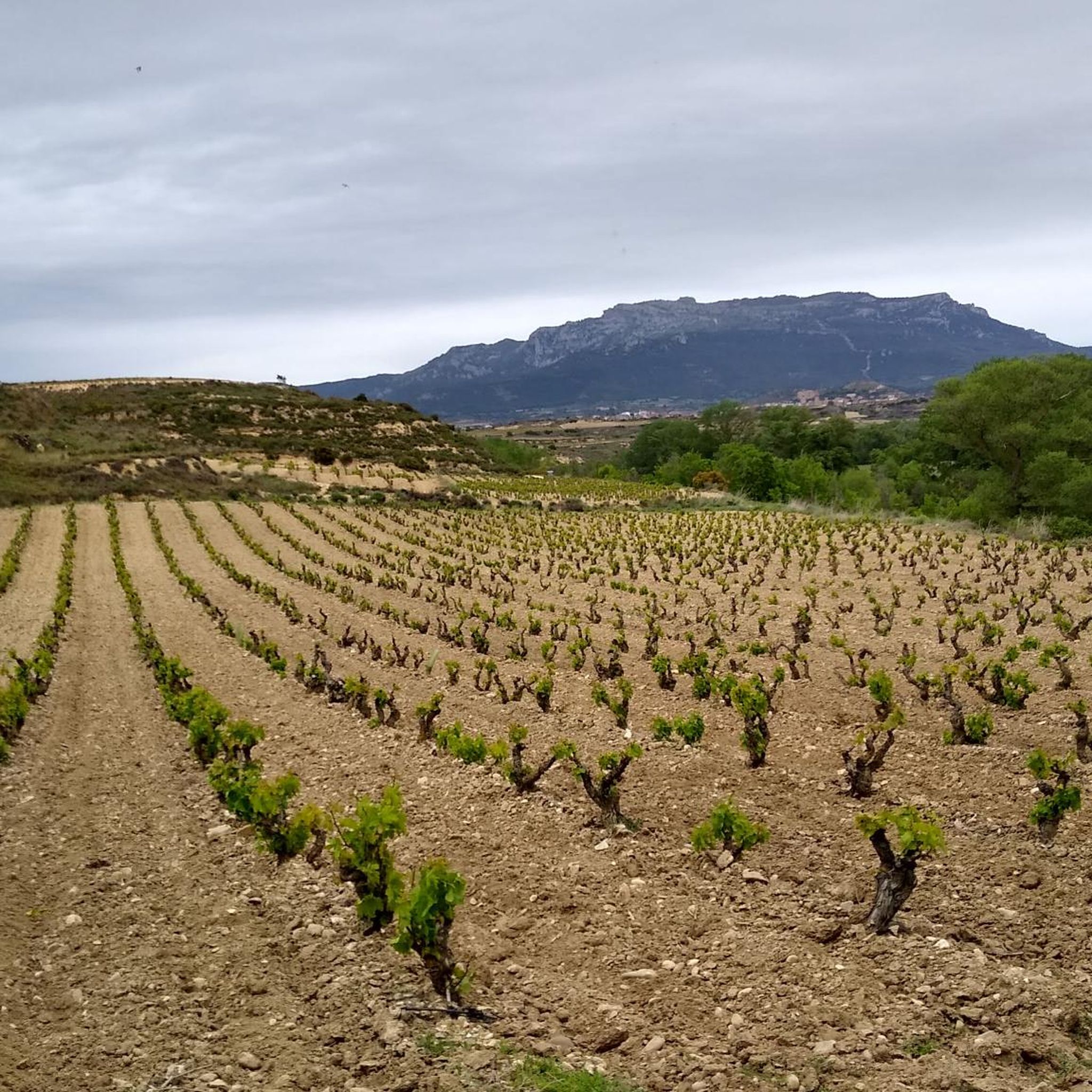
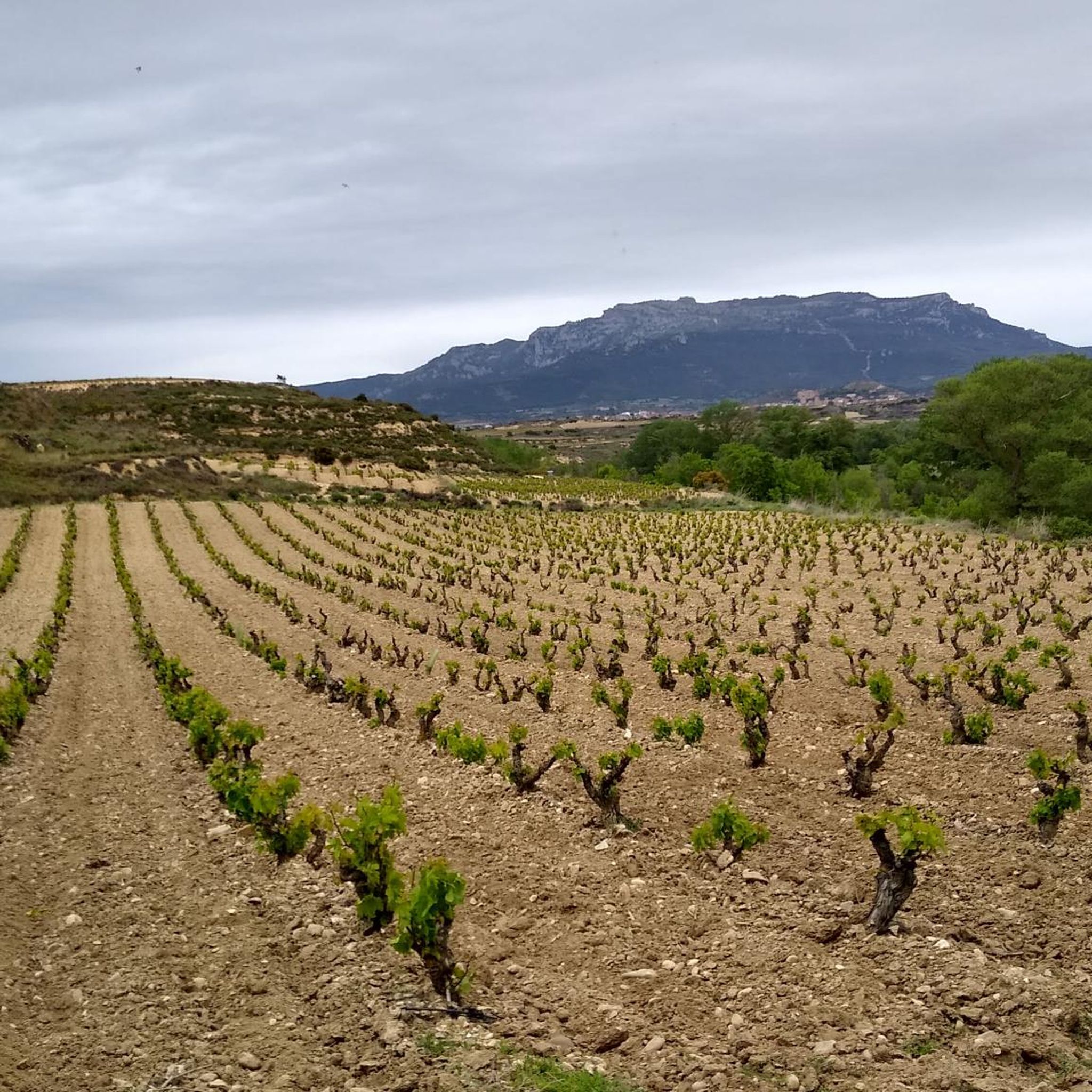
The landscape around Ollauri is gently undulating, featuring notable peaks like Monte San Pelayo (551 m), Mendiguerra (605 m), and Churrumendi Hill (525 m). The region is famously covered by vast vineyards, creating a breathtaking 'sea of vineyards' across the Ebro valley. From Churrumendi Hill, you can enjoy expansive views of the Ebro Valley, framed by the Sierra de la Demanda and the Toloño and Cantabria mountain ranges.
Are there any unique cultural experiences related to wine in Ollauri?
Absolutely. Ollauri has a deep-rooted winemaking tradition. You can visit wineries like Bodegas Ollauri-Conde de los Andes, which offers unique wine tourism experiences, including tours of its spectacular network of underground cellars, some dating back to the 15th century. The area is also part of the Wine and Vineyard Route, perfect for exploring the region's viticulture.
What are some family-friendly attractions near Ollauri?
Several nearby settlements offer family-friendly experiences. Haro, known as the wine capital of La Rioja Alta, has a vibrant atmosphere and an attractive old town. Puente de Cihuri, a beautiful Roman-origin bridge over the Tirón River, is a pleasant spot, popular with locals for swimming in summer. Anguciana, with its rich history and the Torre Fuerte de los Salcedo, also provides an interesting visit for families.
What do visitors particularly enjoy about the attractions around Ollauri?
Visitors appreciate the blend of historic architecture, viticulture, and natural beauty. The komoot community has shown significant interest, with 72 upvotes and 22 photos shared for the attractions around Ollauri. They particularly enjoy the quiet old town of Haro, the historic significance and beauty of Puente de Cihuri, and the rich history found in settlements like Anguciana.
When is the best time to visit Ollauri to enjoy its attractions?
The region experiences a transitional climate, blending humid Cantabrian conditions with continental and Mediterranean influences. This makes spring and autumn ideal for visiting, as the weather is pleasant for exploring vineyards, historic sites, and enjoying outdoor activities like hiking and cycling. Summer can be warm, but the Tirón River near Puente de Cihuri offers a refreshing spot.
Can I visit ancient underground cellars in Ollauri?
Yes, Ollauri is famous for its ancient underground cellars, known as 'calados.' These impressive caves, some going as deep as five floors and extending for over a kilometer beneath the village, were historically used for storing crops, food, and wine. Bodegas Ollauri-Conde de los Andes, for instance, offers tours of its spectacular network of historic underground cellars.
What are the main religious buildings to see in Ollauri and nearby?
In Ollauri itself, you can visit the 18th-century Church of San Salvador and the Ermita de Santa Eulalia chapel. Nearby, in Haro, the Church of Santo Tomás is a must-see, showcasing various architectural styles from Gothic to Baroque. In Anguciana, the 16th-century church of San Martín is also a significant religious site.
Are there opportunities for hiking or walking around Ollauri?
Yes, the undulating landscape and extensive vineyards around Ollauri are ideal for outdoor activities. While specific hiking trails are not detailed in this guide, you can find various running and walking routes. For more options, explore the Running Trails around Ollauri guide, which includes routes like the 'Carabriñas loop from Barrio de La Estación' and 'Haro – Haro loop from Haro'.
What cycling routes are available near Ollauri?
The region offers excellent opportunities for cycling. You can find routes for both gravel biking and road cycling. For gravel biking, check out the Gravel biking around Ollauri guide, with routes like 'Mymerak gravel route between wine cellars.' For road cycling, the Road Cycling Routes around Ollauri guide offers options such as 'Following the Ebro River — circular from Briones'.
Are there any viewpoints offering panoramic views near Ollauri?
Yes, Churrumendi Hill (525 m), located very close to Ollauri, is the highest point in the municipality. From its summit, visitors can enjoy expansive panoramic views of the Ebro Valley, with the Sierra de la Demanda and the Toloño and Cantabria mountain ranges forming a stunning backdrop.
Are there any lesser-known historical sites worth visiting near Ollauri?
Beyond the main attractions, exploring the traditional architecture of Ollauri's cobblestone streets reveals many stone houses and family wineries that offer a glimpse into local history. The Ermita de Santa Eulalia chapel is another historical site within Ollauri. For a unique historical experience, the ancient underground cellars beneath the village are a fascinating, often overlooked, aspect of its heritage.
Most popular routes around Ollauri
Most popular attractions around Ollauri

Get inspired with the komoot mobile app


Explore more
Still not found the Highlight you’re looking for? See guides of the top attractions in other regions:
