The best cycling routes around Cabra De Mora
4.9
(10)
302
riders
59
rides
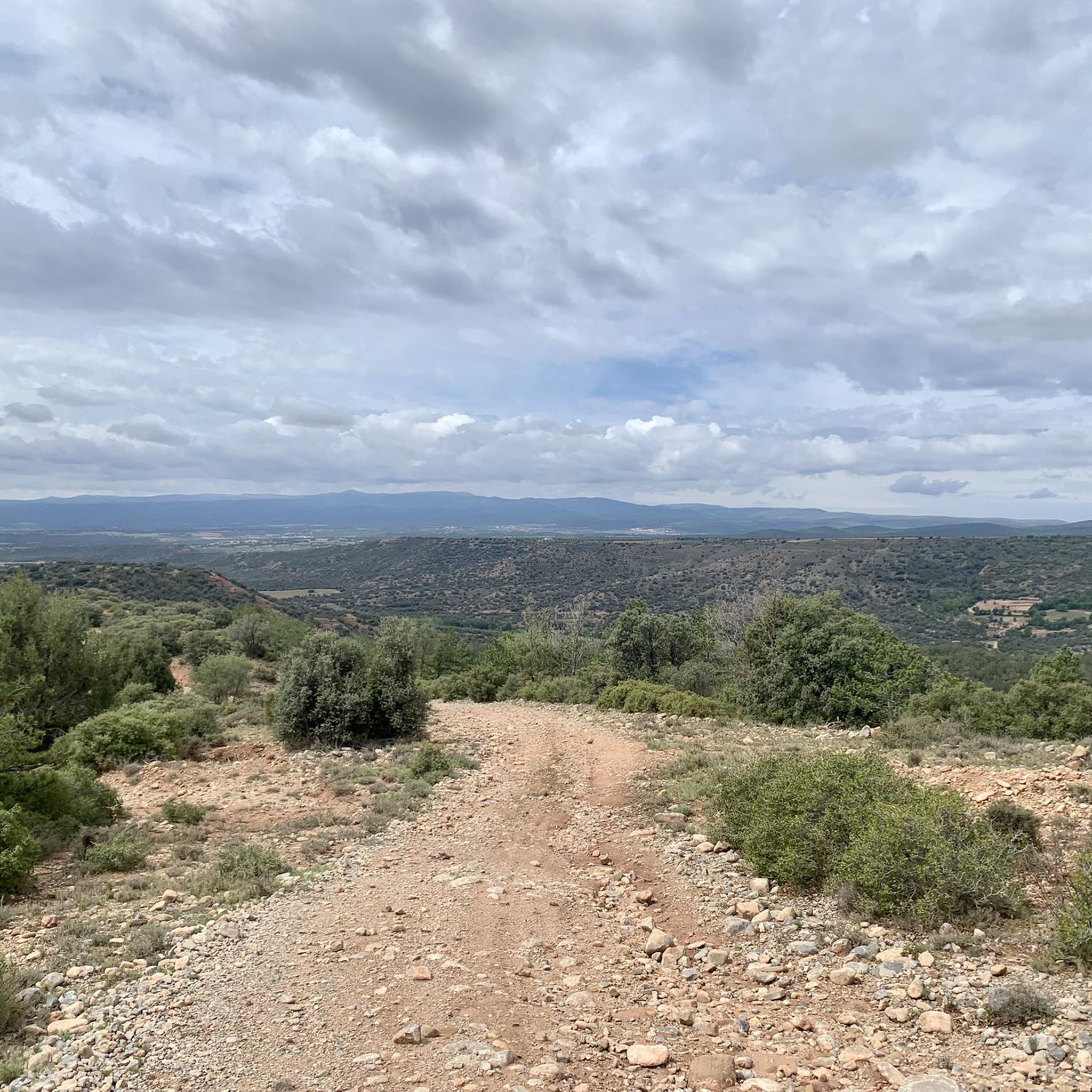
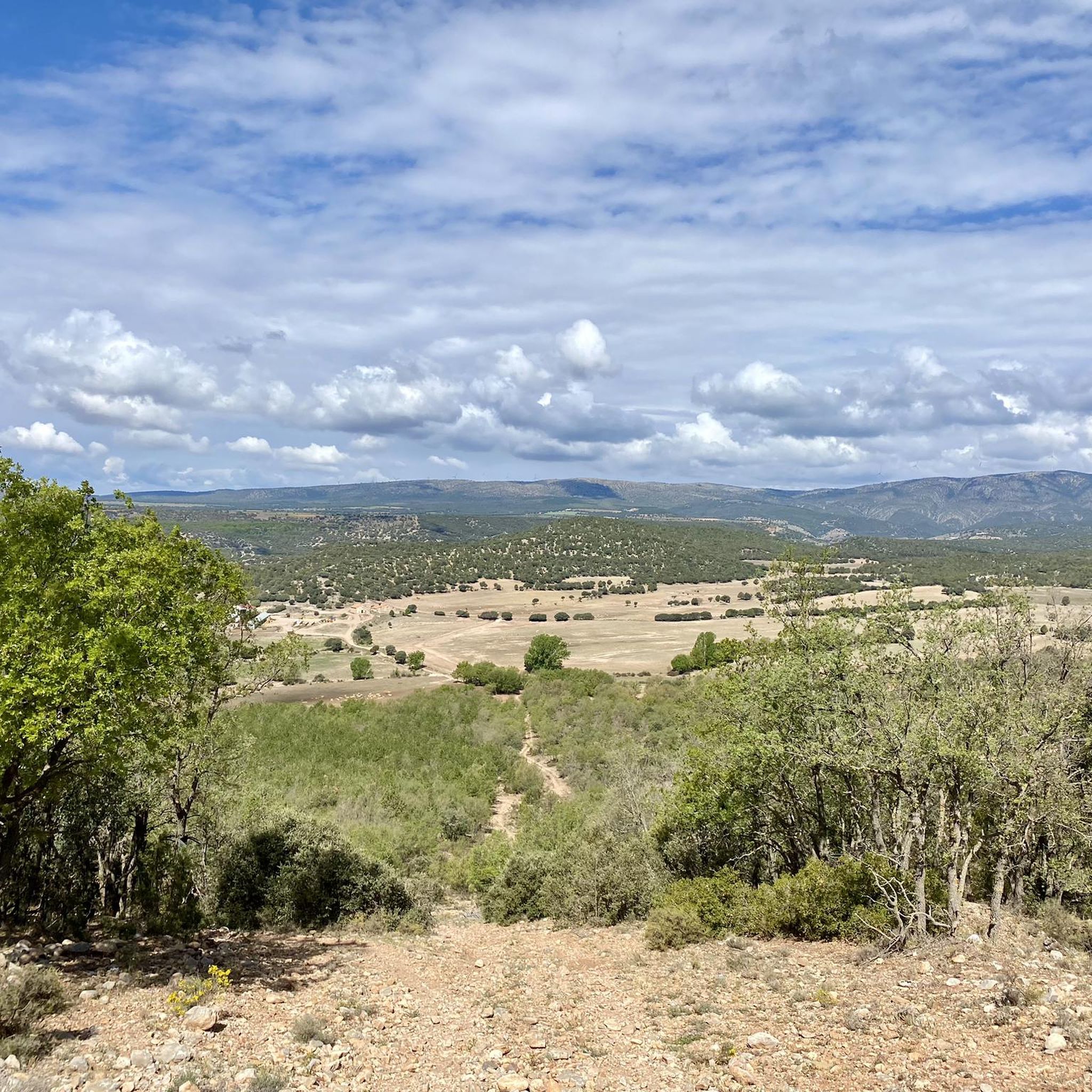
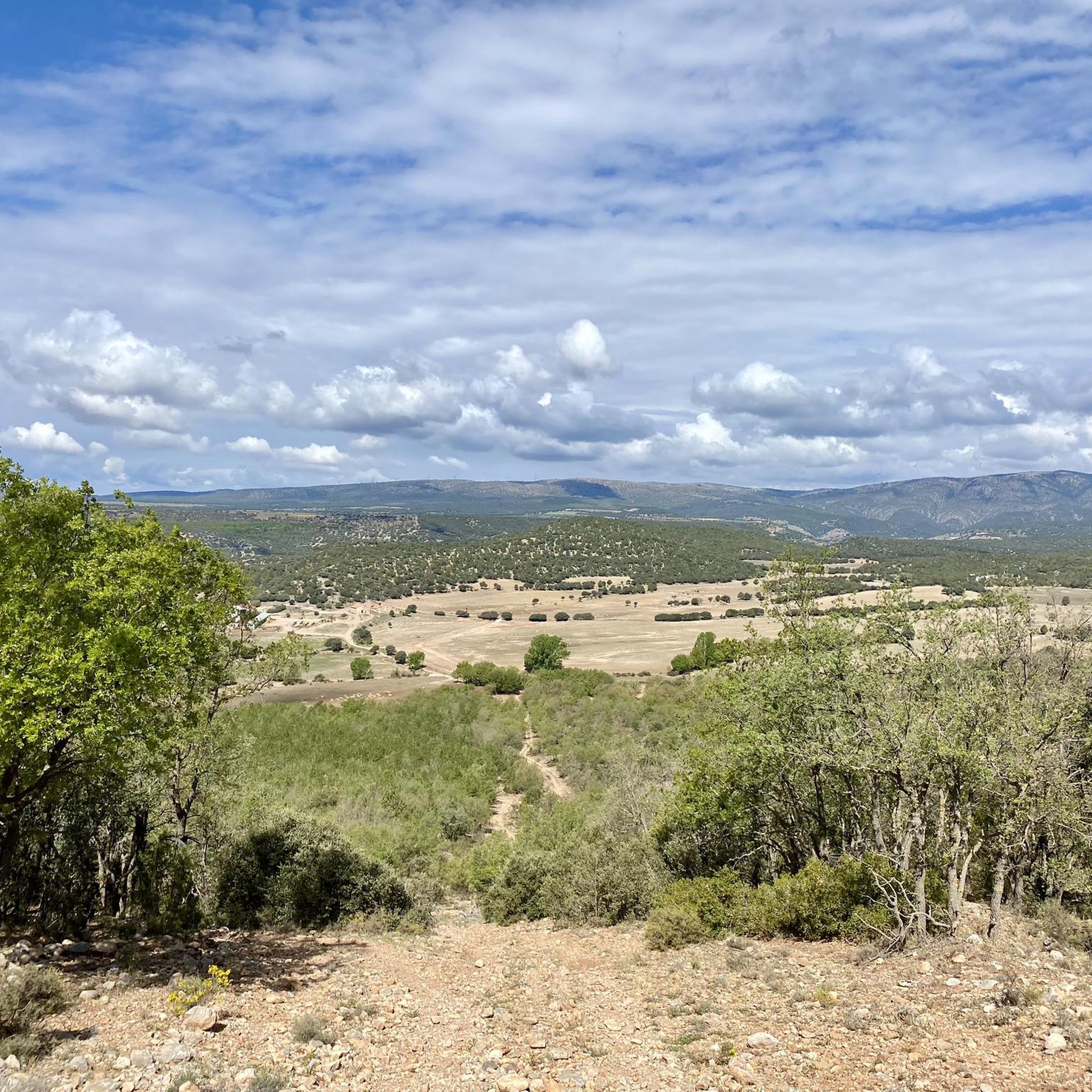
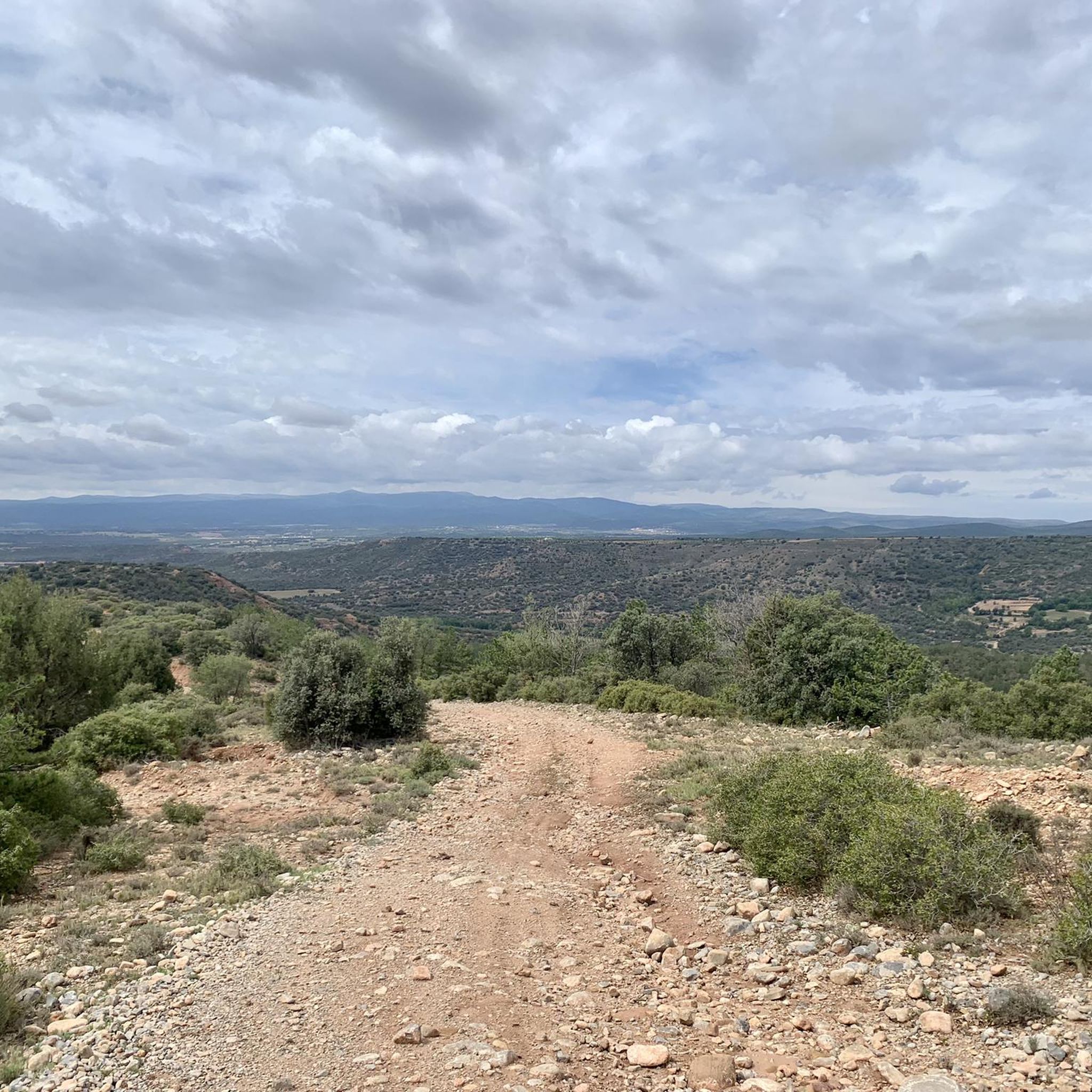
Touring cycling around Cabra De Mora is characterized by its mountainous terrain, situated at an altitude of 1085 meters in the Gúdar-Javalambre region of Teruel, Spain. The landscape features a ring of hills, pine forests, and river valleys formed by the Alcalá and Malezas del Castellar rivers. This diverse topography provides varied routes for touring cyclists, with significant elevation changes and scenic vistas. The region experiences mild summers, making it suitable for outdoor activities during warmer months.
Best touring cycling…
Last updated: June 24, 2026
30
riders
85.4km
06:08
1,840m
1,840m
Hard bike ride. Very good fitness required. Mostly paved surfaces. Suitable for all skill levels.
5.0
(2)
9
riders
94.2km
06:30
1,430m
1,430m
Hard bike ride. Very good fitness required. Mostly paved surfaces. Suitable for all skill levels.

Sign up for free
4.3
(3)
16
riders
133km
08:17
1,240m
1,230m
Hard bike ride. Very good fitness required. Mostly paved surfaces. Suitable for all skill levels.
17
riders
Hard bike ride. Very good fitness required. Mostly paved surfaces. Suitable for all skill levels.
16
riders
52.6km
03:42
1,000m
1,000m
Hard bike ride. Very good fitness required. Mostly paved surfaces. Suitable for all skill levels.
Get access to more routes and recommendations from other explorers.
Sign up for free
Already have an account?
Our route recommendations are based on thousands of hikes, rides, and runs completed by other people on komoot.
Start today with a free account
Your next adventure awaits.
Login or Signup

Tips from the Community

The entrance fee of €5 combined with the Museum of Sacred Art is definitely worth it.
1
0

What to see in Teruel (must-sees) Oval Staircase Monumental entrance to the historic center in Neo-Mudéjar style, with reliefs of the Lovers of Teruel. Plaza del Torico The heart of the city, surrounded by Modernist buildings and bars. Mudéjar Towers Torre del Salvador (open to visitors, with a viewpoint). San Martín and San Pedro Churches. Cathedral of Santa María de Mediavilla Spectacular Mudéjar roof and unique dome. Mausoleum of the Lovers Romantic and tragic story, next to the Church of San Pedro. Los Arcos Aqueduct Historical walk along the Renaissance aqueduct. Teruel Provincial Museum To discover local archaeology and art. Dinópolis Dinosaur theme park, ideal if you are traveling with children.
8
0
Visiting Teruel is a highly recommended experience if you enjoy history, architecture, and charming villages. It's a small city, easy to explore on foot, and is renowned for its Mudéjar art, a UNESCO World Heritage Site, and for the famous legend of the Lovers of Teruel.
7
0
The Los Arcos Aqueduct is located in Teruel, on Calle Bajo los Arcos (also known as Camino Bajo los Arcos), and is one of the city's most emblematic monuments. Construction: Between 1537 and 1554, designed by the French architect Quinto Pierres Vedel. Function: It served as both an aqueduct and a viaduct, supplying water to the city and allowing passage over the ravine.
4
0

This aqueduct is also a viaduct, as the piers of the second section are open to traffic. It is a work by the Frenchman Quinto Pierres Vedel, begun in 1537 and completed by the end of the 16th century. It consists of two tiers of arches. This bridge compensates for the difference in elevation between medieval and modern Teruel.
2
0

Beautiful and the pub on the square is even better than beautiful
0
0

Ermita de la Soledad (Hermitage of Solitude) The hermitage was built in the 18th century under the patronage of Saint Mary. The name "La Soledad" (Solitude) refers to the Virgin's state after the death and burial of her son, Jesus. The image depicts Mary in a prayerful posture, with her hands crossed and a rosary in her hand. In light of the Virgin Mary's intense suffering, she is serene and hopeful about the salvation of humanity. In the iconographic representation of the Virgin Mary, she is covered with a blue mantle and pink robe. In this chapel, however, Mary is covered with a black mantle and a white habit, a symbol of mourning and sorrow. Inside the chapel, the space opens up through a barrel vault with lunettes. A dome rises above the transept on stucco pendentives. Four angels. Two side doors with pointed arches lead into the central nave. The tiled roof above the transept forms a false cone. At the foot of the altar, an atmosphere of spiritual contemplation prevails during the traditional retreat. Pilgrims prostrate themselves at the prayer window, assuming the same prayerful posture as the Virgin Mary. The wooden roof, supported by four Doric columns with elaborate carvings of plant motifs, is very well preserved.
0
0
Frequently Asked Questions
How many touring cycling routes are available around Cabra de Mora?
There are over 45 touring cycling routes available around Cabra de Mora, offering a wide range of options for exploring the Gúdar-Javalambre region. These routes vary in difficulty and length, providing diverse experiences for cyclists.
What is the best time of year for touring cycling in Cabra de Mora?
The best time for touring cycling in Cabra de Mora is during the spring and summer months. The region experiences mild summers and moderate temperatures, which are ideal for outdoor activities. The average altitude of over 1000 meters above sea level also contributes to comfortable conditions during these seasons.
Are there touring cycling routes suitable for beginners or families in Cabra de Mora?
While many routes in Cabra de Mora feature significant elevation gain, there are 10 moderate routes that might be more suitable for beginners or families looking for a less strenuous experience. These routes still offer scenic views and a chance to enjoy the natural environment.
What kind of terrain can I expect on touring cycling routes in Cabra de Mora?
Touring cycling routes in Cabra de Mora are characterized by mountainous terrain, pine forests, and river valleys. You can expect a diverse landscape with a ring of hills, trails along riverbanks, and some routes that are mostly paved. The area's rugged topography means many routes include significant elevation changes.
Can I find circular touring cycling routes in the area?
Yes, there are several circular touring cycling routes available. For instance, the Mora de Rubielos Castle – Rubielos de Mora loop from Mora de Rubielos is a difficult 53.0-mile route that connects historic villages. Another option is the Red Plain – View of the "Wild West" loop from Formiche Alto, which is a challenging 66.2-mile path traversing open landscapes.
What are some notable landmarks or attractions I can see while cycling around Cabra de Mora?
While cycling, you can encounter several historical and natural attractions. These include the impressive Alcalá de la Selva Castle and Mora de Rubielos Castle. You might also pass through areas like Virgen de la Vega or enjoy a Landscape of fields. The town of Cabra de Mora itself features the monumental Church of San Miguel and the unique Ermita de la Escala Santa.
Are there any challenging touring routes for experienced cyclists?
Absolutely. Cabra de Mora is well-suited for experienced touring cyclists due to its rugged topography and significant elevation gains. For example, the Virgen de la Vega – Puerto de Valdelinares loop from Urbanización Solano de la Vega is a difficult 27.9-mile route leading through mountain passes. Another challenging option is the Virgen de la Vega – Mora de Rubielos Castle loop from Mora de Rubielos, covering 52.9 miles with over 1000 meters of elevation gain.
What do other touring cyclists enjoy the most about touring cycling in Cabra de Mora?
The area is highly rated by the komoot community, with an average score of 5.0 stars from more than 6 reviews. Reviewers often praise the diverse terrain, the scenic vistas, and the challenging nature of the routes, which provide a rewarding experience for touring cyclists.
Are there opportunities for other outdoor activities besides cycling in Cabra de Mora?
Yes, Cabra de Mora offers a variety of outdoor activities. Beyond cycling, you can enjoy hiking through pine forests and along riverbanks, mycological tourism (mushroom foraging), forest bathing, and running. The confluence of the Alcalá and Valbona rivers also provides natural bathing zones during the summer.
What is the typical duration for touring cycling routes in Cabra de Mora?
The duration of touring cycling routes in Cabra de Mora varies significantly based on distance and difficulty. For instance, a difficult route like the Mora de Rubielos Castle – Rubielos de Mora loop from Mora de Rubielos can take approximately 6 hours and 8 minutes to complete. Shorter, though still difficult, routes like the Virgen de la Vega – Puerto de Valdelinares loop from Urbanización Solano de la Vega might take around 3 hours and 12 minutes.
Are there any routes that offer panoramic views?
Yes, the mountainous landscape of Cabra de Mora provides numerous opportunities for panoramic views. Viewpoints such as Mirador de San Cristóbal, Pelamozos, and Mirador de la Sabina offer stunning vistas. Routes like the Red Plain – View of the "Wild West" loop from Formiche Alto are specifically noted for their panoramic views, including a unique "Wild West" vista.
What kind of natural features define the cycling landscape in Cabra de Mora?
The cycling landscape in Cabra de Mora is defined by its location at 1085 meters altitude, surrounded by a ring of hills. You'll find extensive pine forests, and routes often follow or cross the valleys formed by the Alcalá, Malezas del Castellar, and Valbona rivers. This combination creates a picturesque and varied natural environment for cyclists.
Most popular attractions around Cabra De Mora

Get inspired with the komoot mobile app


Explore more
Browse the best Cycling routes in other regions.
