Attractions and Places To See around La Peza - Top 20
Best attractions and places to see around La Peza, a municipality in Granada, offer a blend of historical sites and natural landscapes. Situated on the northern face of the Sierra Nevada foothills, the area is part of the UNESCO-recognized Granada Geopark, characterized by plains, gullies, and badlands. This region holds significance for its Roman origins and its role on the Camino Mozárabe de Santiago. Visitors can explore ancient structures and unique geological formations.
Best attractions and places to see around…
Last updated: July 7, 2026
Quéntar Reservoir
Highlight • Lake
Translated by Google •
Tip by

Roman Theatre of Guadix
Highlight • Historical Site
Translated by Google •
Tip by

Sign up now to discover places like this
Get recommendations on the best single tracks, peaks, & plenty of other exciting outdoor places.
Sign up for free
Peña Partida Shelter
Highlight • Mountain Hut
Showing Translation
Tip by

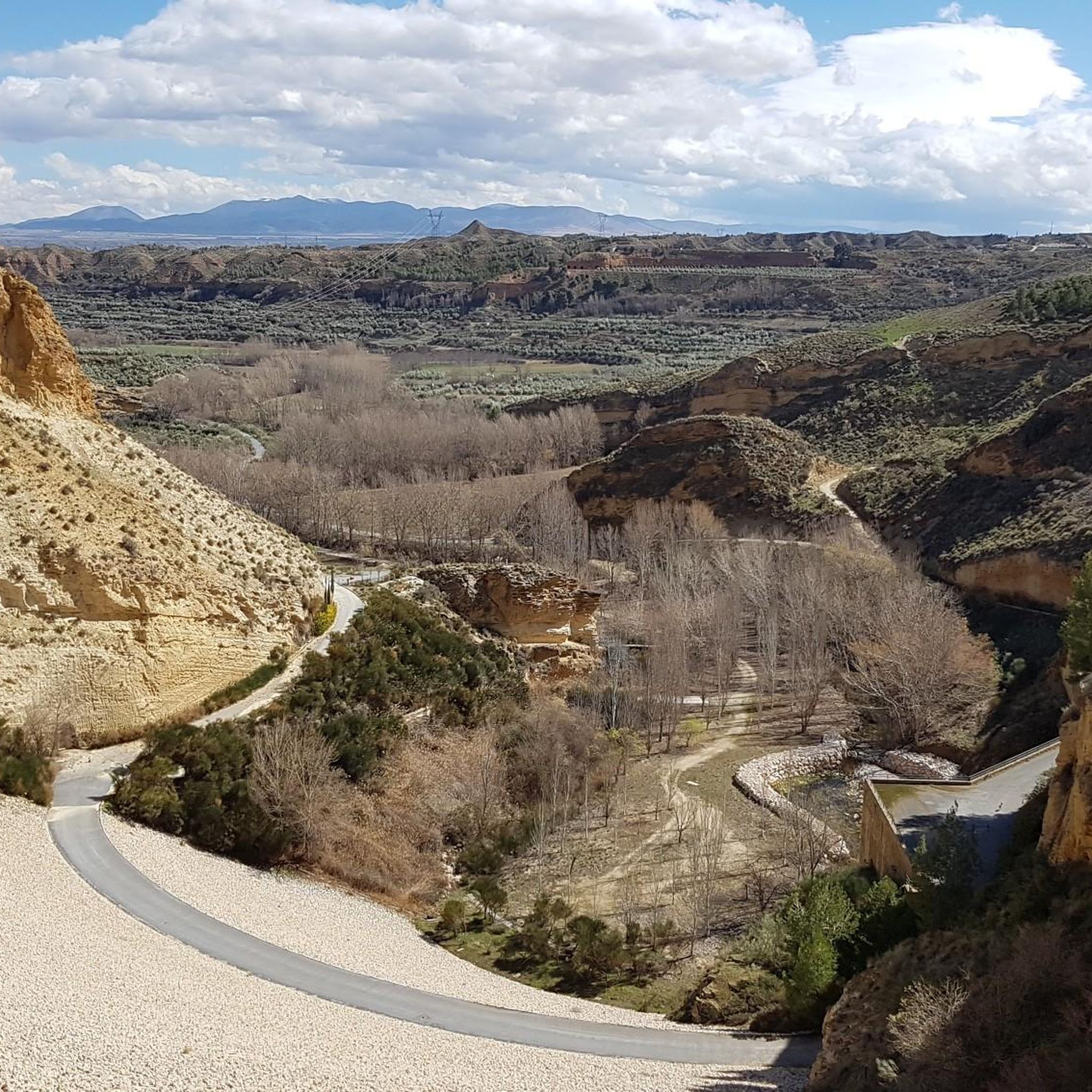
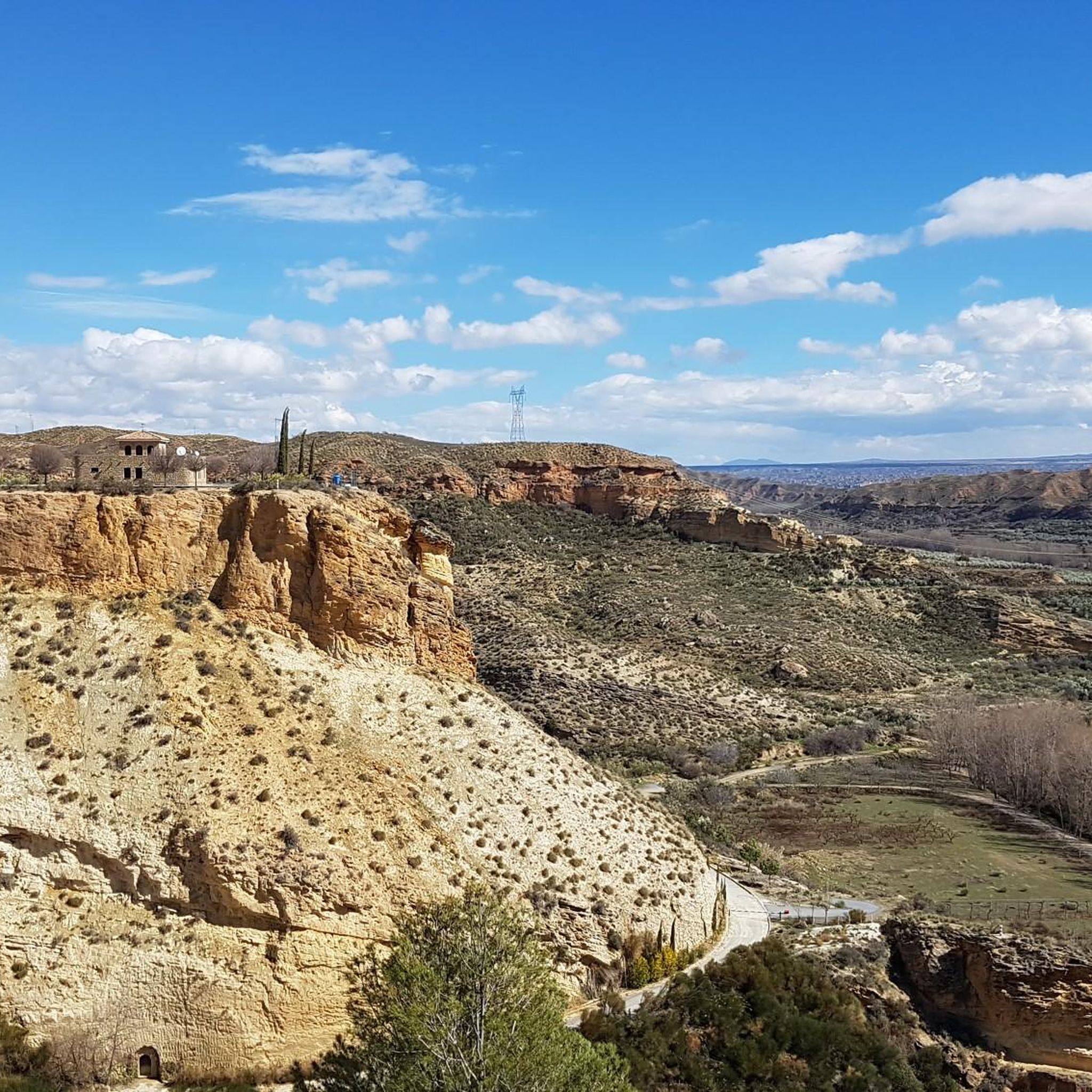
Granada Geopark
Highlight • Natural Monument
The landscape is deeply marked by the erosion of …
Tip by

End of the World Viewpoint
Highlight • Viewpoint
Tip by
Sign up for free to discover even more attractions around La Peza.
Sign up for free
Already have an account?
Start today with a free account
Your next adventure awaits.
Login or Signup

Other adventures around La Peza

Tips from the Community

The situation of the free shelters in Sierra Nevada is pathetic. The Andalusian regional government is terrible. They don't spend a penny on maintaining what could provide shelter for many mountaineers. It's a shame.
3
0

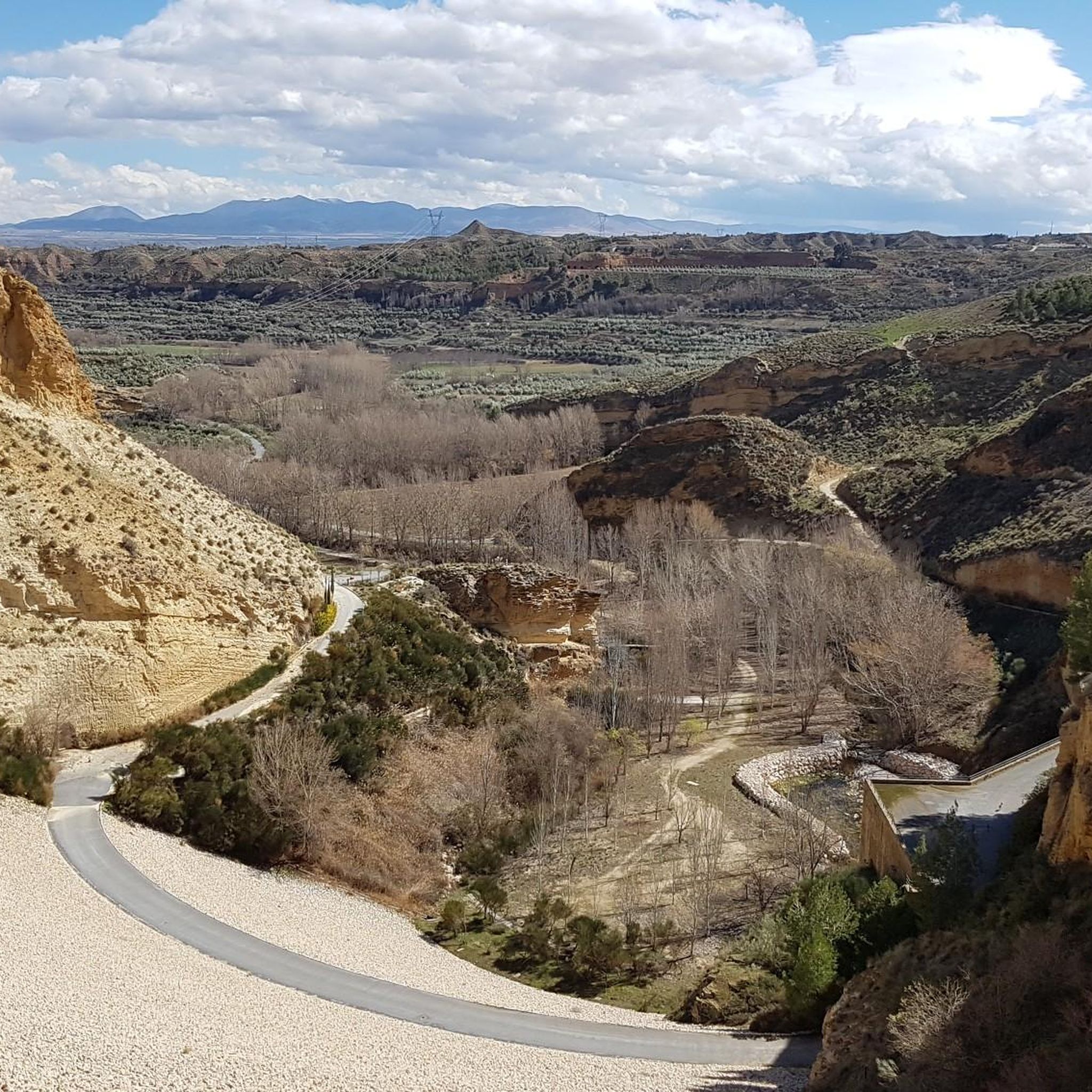
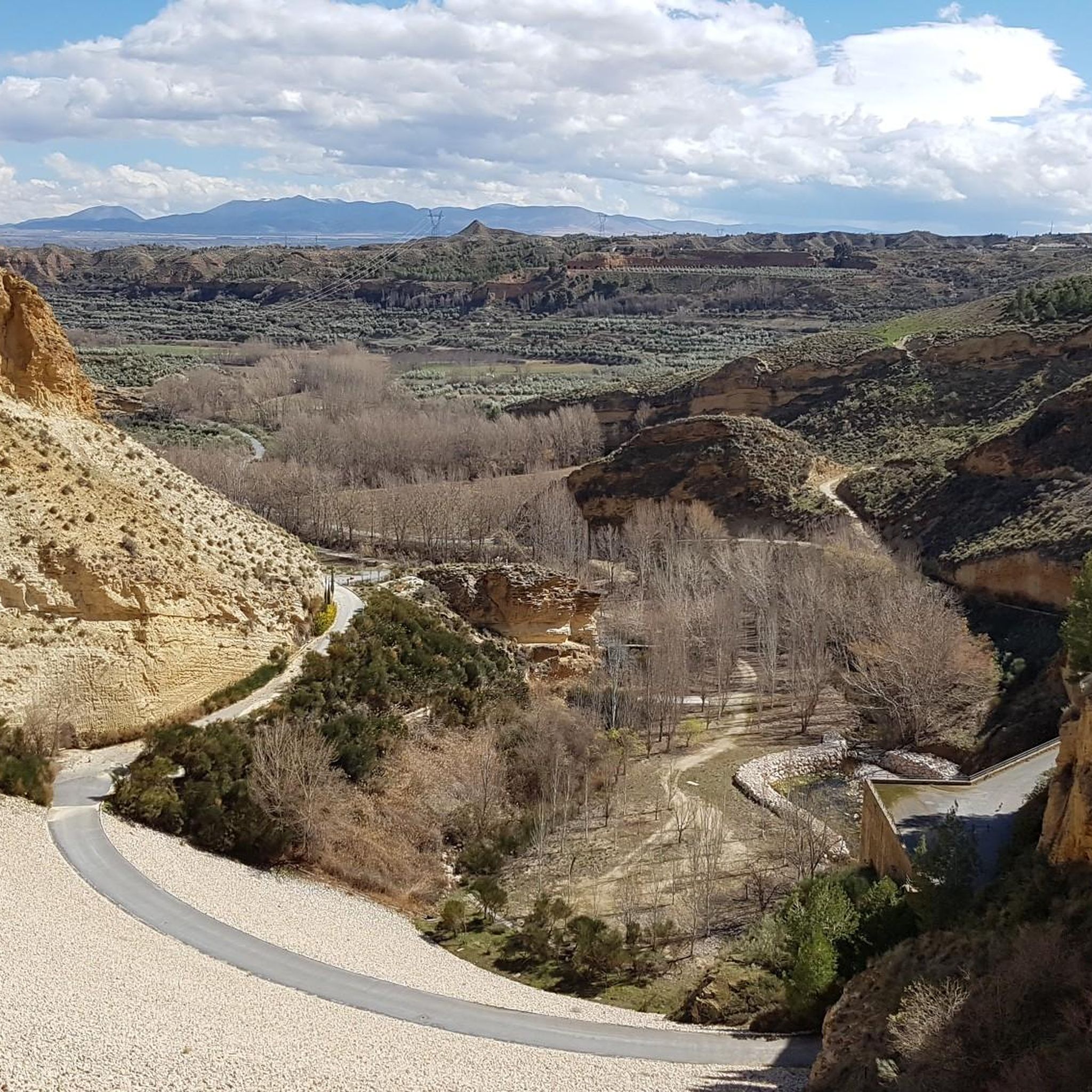
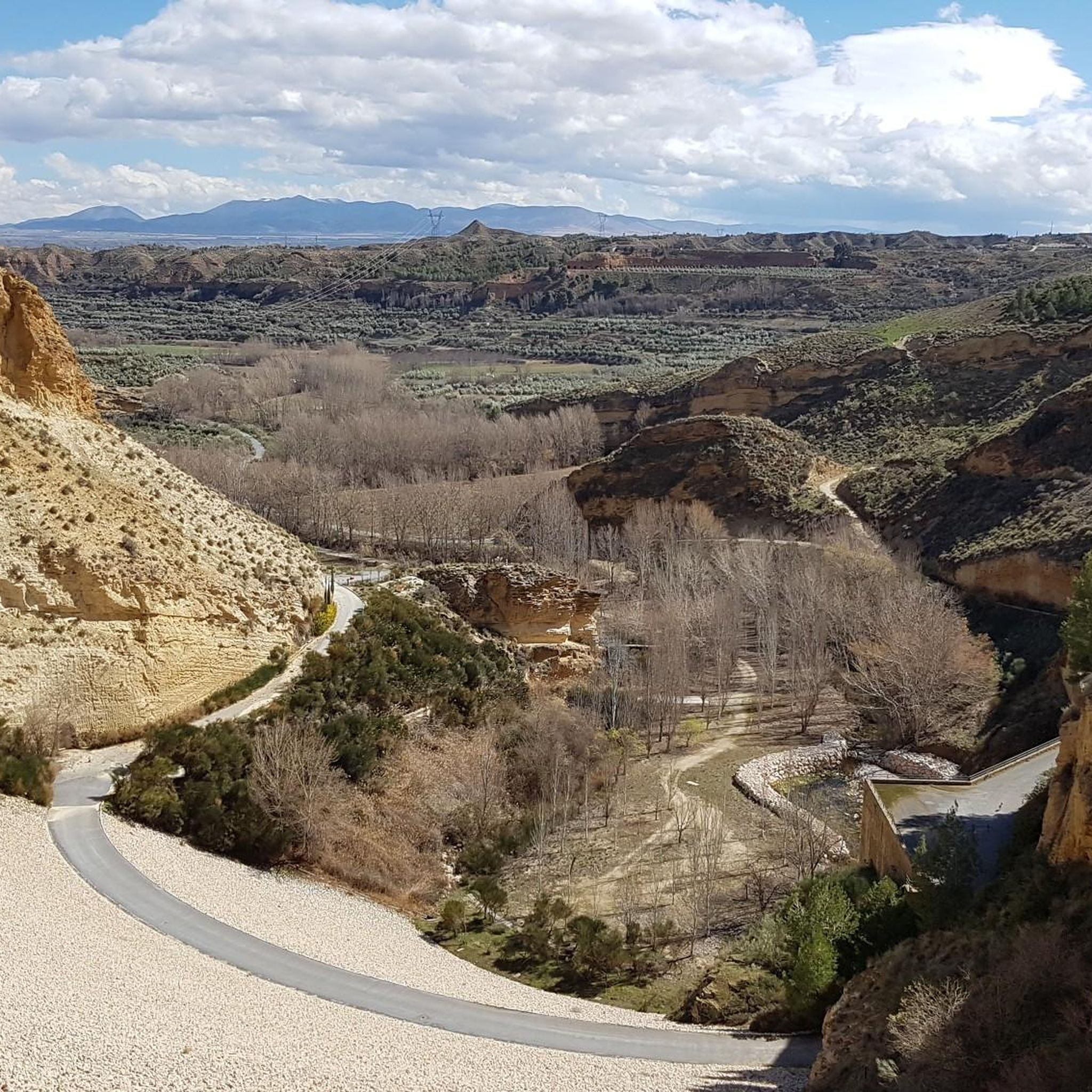
The Pantano de Quéntar is a reservoir in Quéntar, Granada, built between 1971 and 1975 and officially inaugurated on 11 May 1976. It is located at the confluence of the Aguas Blancas and Padules rivers and has a capacity of 14 million cubic metres. The reservoir plays an important role in the water supply of the city of Granada and the irrigation of the surrounding agricultural lands.
9
0

a spectacular area with very good roads
0
0
The Embalse de Quéntar, is also known as the Quéntar Reservoir. The reservoir is surrounded by a picturesque landscape and offers a variety of recreational opportunities. Visitors can enjoy activities such as hiking, fishing, and even water sports. The reservoir was built in the 1970s and plays an important role in the water supply of Granada and the surrounding agricultural areas.
1
0

This theatre dates back to Roman times and is one of the most important examples of Roman architecture in the region. The theatre was discovered in 2008 during excavations and has since been the subject of study and restoration. Although not fully excavated, significant parts of the structure can be seen, such as the cavea (seats), the orchestra and the stage.
6
0

A new study carried out by members of the Higher Council of Scientific Research and the Geological and Mining Institute of Spain concludes that the Roman theater of Guadix, dating from the 1st century BCE, was finally buried and preserved under the mud a millennium later.
7
0

Roman theater from the first century AD
14
0

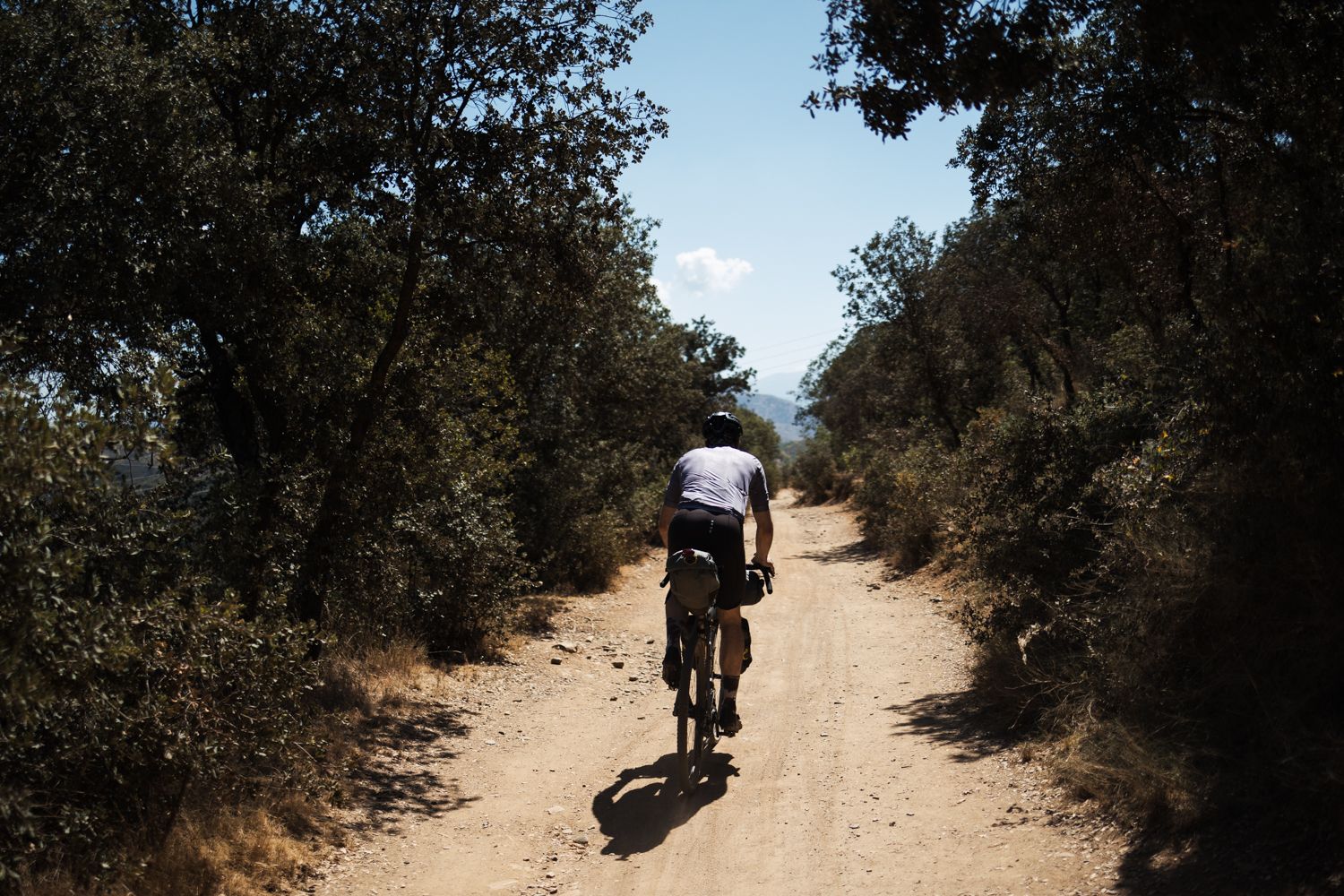
Coming from Beas de Guadix, you first have to overcome a steep climb. Doable with a MTB cassette, 38/42 were quite strenuous with a loaded bike. At the top, however, you are rewarded with a fantastic view. Absolutely brilliant and recommended.
3
0
Frequently Asked Questions
What natural features can I explore around La Peza?
La Peza is an integral part of the Granada Geopark, a UNESCO-recognized area known for its unique landscape of plains, gullies, and badlands. You can also visit the Quéntar Reservoir, which offers picturesque scenery and opportunities for hiking and water sports. For breathtaking views of the Geopark, head to the End of the World Viewpoint.
Are there historical sites to visit in La Peza?
Yes, La Peza boasts a rich history. You can explore the remains of the Castle of La Peza, dating back to the 9th and 10th centuries, which offers insights into its strategic Nasrid-era role. The Church of Nuestra Señora de la Anunciación, built in the 16th century on the site of a former mosque, showcases Mudéjar and Renaissance architectural styles. Additionally, the Roman Theatre of Guadix, discovered in 2008, is a significant historical site from the first century AD.
What kind of outdoor activities can I do near La Peza?
The region around La Peza is excellent for various outdoor activities. You can find numerous routes for mountain biking, road cycling, and touring bicycles. For example, explore the Marchal Badlands on an MTB trail, or cycle to the Francisco Abellán Reservoir. You can find detailed guides for these activities, including routes like 'Marchal Badlands and Hoya de Guadix Loop' for MTB, or 'Francisco Abellán Reservoir and ascent to Puerto los Blancares' for road cycling, on the MTB Trails around La Peza, Road Cycling Routes around La Peza, and Cycling around La Peza guide pages.
Are there hiking trails around La Peza?
Yes, the mountainous areas surrounding La Peza offer numerous hiking trails. The paths connecting the five 16th-century chapels (Santa Lucía, San Francisco, San Marcos, San Sebastián, and San Antón) are particularly popular for tranquil routes amidst natural beauty. The Granada Geopark also features spectacular routes, including very steep paths leading to the End of the World Viewpoint.
What is the Granada Geopark and why is it significant?
The Granada Geopark is a UNESCO-recognized natural area characterized by plains, gullies, and badlands in the northern part of Granada province. It's significant for being one of the oldest human settlements on the Iberian Peninsula and for containing the largest concentration of cave dwellings and dolmens in Europe. Its landscape is dramatically shaped by the erosion of the Fardes and Guadix river basins.
Are there any family-friendly attractions in the area?
Yes, the El Sotillo Recreation Area and the Cueva del Agua Interpretation Center is a great spot for families. It's a natural setting with pine forests, picnic areas, and a controlled camping area, perfect for spending a day outdoors. While the interpretation center might be closed at times, the natural surroundings offer plenty of space for recreation.
What do visitors enjoy most about the attractions around La Peza?
Visitors particularly appreciate the stunning views from places like the End of the World Viewpoint, which offers panoramic vistas over the Granada Geopark and Sierra Nevada. The unique geological formations of the Granada Geopark are also highly praised for their impressive and rugged beauty, making for spectacular routes whether hiking or cycling.
Can I visit the Quéntar Reservoir?
Yes, the Quéntar Reservoir (Pantano de Quéntar) is a notable attraction. Built between 1971 and 1975, it's vital for Granada's water supply and irrigates agricultural lands. The area around the reservoir offers picturesque scenery and opportunities for activities like hiking, fishing, and water sports. There's also a fun winding road along its western shore, popular with cyclists.
What is the Camino Mozárabe de Santiago and its connection to La Peza?
La Peza is part of the Camino Mozárabe de Santiago, one of the historic pilgrimage routes to Santiago de Compostela. This connection highlights the region's long-standing historical and cultural significance as a passage for travelers and pilgrims.
Are there any challenging climbs or viewpoints for experienced adventurers?
Absolutely. The End of the World Viewpoint is known for a challenging uphill climb, short in length but with steep gradients, including sections over 25%. Reaching the top rewards you with a fantastic view over the Granada Geopark, Sierra Nevada, and the Hoya de Guadix, making it a favorite for those seeking a strenuous ascent and spectacular scenery.
What is the significance of the 16th-century chapels around La Peza?
The five 16th-century chapels—Santa Lucía, San Francisco, San Marcos, San Sebastián, and San Antón—are small, historic structures dotted across the landscape around La Peza. They are significant not only for their spiritual and historical value but also because they are surrounded by mountainous terrain, making them ideal destinations for hikers seeking tranquil routes and immersion in the region's natural beauty.
Most popular routes around La Peza
Most popular attractions around La Peza

Get inspired with the komoot mobile app


Explore more
Still not found the Highlight you’re looking for? See guides of the top attractions in other regions:
